OPENPUBLICA · PUBLIC MEETING RECORD
Record of Proceedings

Houston Tech & Innovation Committee Meeting: July 23, 2026
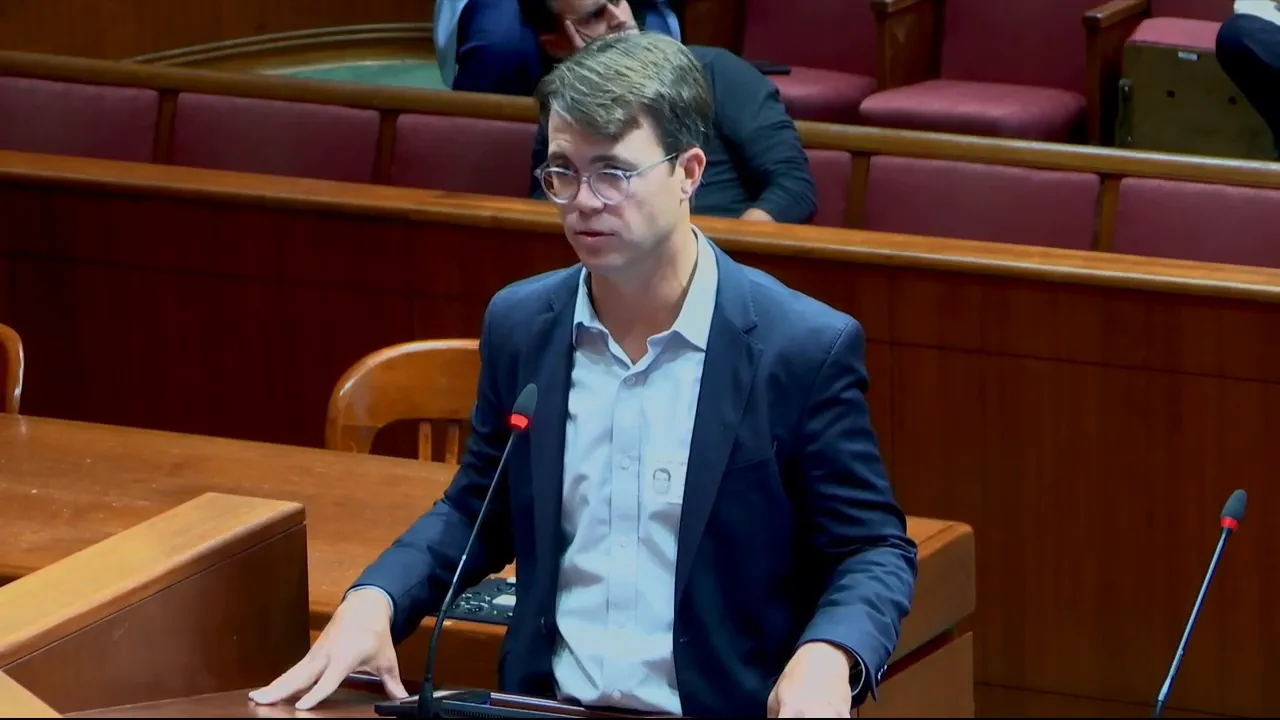
Committees and CommissionsThursday, July 23, 2026
BodyHouston, Texas
SessionCommittees and Commissions
DateThursday, July 23, 2026
StatusNEW · FILED
Video Record

STREAMING COPY IN PREPARATION — RECORDING AVAILABLE FROM THE ORIGINAL SOURCE

Transcript — Verbatim
0:22

Good afternoon, everyone.

0:24

The time is 2 03 p.m.

0:28

And I will call to order this meeting of the technology and innovation committee.

0:35

Good afternoon.

0:36

My name is Mario Castillo.

0:38

I serve as chair of the committee and represent District H on Houston City Council.

0:43

I want to welcome everyone to the second committee meeting for tech and innovation.

0:57

And online.

1:49

What is working well?

1:50

What are the gaps?

1:51

How can we here at City Council help and support the work y'all are doing and whether that's improving uh things that are attracting more jobs or how we're better delivering constituent services or increasing increasing operational efficiencies?

2:09

Technology touches a lot of the that and so does innovation.

2:13

So looking forward to today's discussion.

2:17

If anybody would like to address the committee during public comments, there is a sign-up sheet available on the table up here to your right for public comment, which will follow the last uh presentation.

2:32

And I want to welcome the council members present, Councilmember Panzarella, Vice Chair Martinez, as well as staff from Councilmember Peck's office, Councilmember Thomas's office, Councilmember Julian Ramirez, Mayor Pro Tem, Castex Tatum, Councilmember Carter, Councilmember Salinas, and Councilmember Alcorn's office present.

2:55

At this time, I will recognize Vice Chair Martinez for any opening comments.

3:00

Thank you, Chair.

3:01

I'll be brief, but uh I think just uh in full transparency, there's there's definitely a lot of work that we need to do as a city to lift up our tech and innovation space.

3:10

Uh the last two and a half years, uh, I've done a lot of uh connecting, uh understanding what's going on at the ION specifically, right?

3:16

But then also uh the startups as well.

3:19

Um working with downtown plus some of the funding that they initially gave and now we don't have.

3:24

And so to the the chair's uh point, what does it take for the city of Houston to help coalesce uh that that uh infrastructure uh that ecosystem?

3:33

Um part of it is and I'm glad to see you know rice uh at the table, but what is our ultimately our higher education uh ecosystem?

3:43

How can they collaborate together and then start setting the kind of that pathway for everyone else that falls in line open uh ultimately to identify what is venture capitalists look like here in Houston?

3:53

What is VC look like here in Houston to ensure that we're actually fueling the funding because at the end of the day I think funding is what is ultimately required, and so we're ready to help build that ecosystem.

4:04

Uh I'm glad that we're under the leadership of uh of our chair who's also been looking at internal uh uh uh systems within the city of Houston uh departments, but I'm excited about like what what does Houston look like?

4:16

We have all the pieces of the puzzles, medical center, spaceport, oil and gas.

4:20

Um now we got to just put it all together and see how we can be supportive.

4:23

So thank you again.

4:24

Thank you.

4:25

And we have a series of presentations today.

4:28

Our first one is going to be Green Town Labs Lawson.

4:33

If you are ready, come on up to the podium.

4:36

We have your slides lined up, and I'll turn the floor over to you.

4:44

Yeah, just to stand behind one of the mics, we'll turn it on.

4:47

Yep.

4:49

Well, thank you all, and it's an honor to be here.

4:53

That's nice.

4:58

Okay.

5:03

It's an honor to be here.

5:05

I have been a uh fan and fanatic of all things efforts in Houston to build up our innovation economy and our venture capital community uh and our tech ecosystem.

5:17

And I I'm here to represent an organization called Greentown Labs.

5:23

It's it's actually Rice and Ion adjacent in that it's on the Ion District and it's a tenant of a rice-owned building about a hundred yards from the Ion.

5:34

And um and it's it's uh it's about five years old in Houston in the old Fiesta Grocery store.

5:43

If you haven't driven by it, we've got great street visibility.

5:46

And uh so I was gonna spend a couple minutes sharing uh the focus of uh Greentown, a little bit of the history and uh what we believe is our secret sauce and and specialty and role within the broader ion district and uh and the city of Houston.

6:07

Uh so yeah, if you go to the next slide.

6:09

So uh Greentown Labs is a nonprofit and it's uh it's really really focused on uh mostly hard tech energy and climate uh startup development.

6:24

So uh while uh maybe I'll contrast it with the the ion is kind of a large tent under which all innovation activity can can be housed and and connect together.

6:34

Uh Greentown Labs is uh focuses uh a little more narrow.

6:39

We take in applications of startups that are in kind of the uh early seed stage and need to scale and want uh access to uh the equipment and resources and environment that will uh best surround them with support as they as they do scale, and then ultimately scale out of Greentown.

7:01

So we we think about uh our scope as uh place people, partners, programs, and purpose.

7:08

The the place of Greentown, the old Fiesta building, it's 40,000 square feet of wet labs that are under construction, prototyping labs that have uh machine shop and CNC machines, other really expensive pieces of equipment that startups can't afford on their own in those early stages.

7:26

Um co-working space where we pack the house with events and classes and speakers and programs and all the good stuff you could imagine if you're an entrepreneur trying to build your business in the energy and climate space, we do our best to drag the whole ecosystem of support in for those companies, and that includes finding the right mentors, investors, corporate partners, and and having pitch nights and demo days and um and being really really mission-obsessed with building companies that are at the intersection of economic and ecologic, that are both uh going to transform the way that we uh create and deliver energy uh in a way that is uh more and more environmentally friendly.

8:14

And so if you go to the next slide, a little history.

8:19

It's fifty it's a 15-year-old organization founded in Boston, and five years ago there was this wonderful rallying cry in in Houston to drag Greentown into its second location in Houston, Texas.

8:34

And over its life now across these two locations, we have incubated over 700 startups.

8:43

Um we've we've those startups have gone on to raise billions and billions of dollars kind of within and beyond Greentown, uh, created over 16,000 jobs, uh, have two hubs and are working on uh expanding into more with uh with 300 companies currently being actively incubated within Greentown Labs.

9:04

And so if you go to the next slide, just a little bit about the the place.

9:12

Uh the Boston building is is spectacular.

9:14

It's everything you'd want in like an old red brick industrial building uh in Somerville, Massachusetts.

9:22

And uh its startup membership, I think is grown to about 180 members.

9:27

It's over a hundred thousand square feet.

9:29

It's building out a battery lab for specific battery innovation work.

9:34

It has uh a really uh world-class wet lab and a huge prototyping lab where hard tech builders in their early stages can come and scale.

9:45

And then as I mentioned, five years ago, uh it opened up a location here in Greentown Labs.

9:50

I'm a year into taking over the operations of the Houston hub and have become the chief operating officer of the organization more broadly.

10:00

And we're working on scaling Houston.

10:02

I love the bet that that working in Greentown Houston is is making from my own career perspective.

10:10

Uh we are uh an energy capital of the world, and if there's a tech sector that we can be a global leader in, it's absolutely in the energy space.

10:20

So if you go to the next slide.

10:32

But these are often the sectors that that kind of transect that.

10:37

Um and I would say that in Boston, as I mentioned, we're finding a real center of excellence around battery innovation, and in Houston, we found a natural uh positioning uh as um as an energy hub.

10:52

So uh next slide, please.

10:56

Just a little more about the kinds of companies that Greentown is built to support.

11:01

We've got a really world-class corporate uh network and investor network and mentor network that all expect and are and are best suited for the support of companies in the kind of pre-seed and seed stage, meaning maybe they've raised a little bit of money, they have a couple of employees, they have a TRL or or technological readiness level of four on average, but really the range of of like you know, they're working on their pilot ready and they need help being rapid fire connected to corporations that are doing industrial innovation and uh and and want to be piloting and procuring technologies into their hubs, and that that's our sweet spot, both in in sector and stage.

11:51

Next slide, please.

11:55

So just a couple more things uh to note.

11:59

As I mentioned, uh the physical place is purpose built to be uh deeply strategic for uh hard tech and industrial innovation work.

12:10

And in this own a little share a lot model, uh it really reduces the barriers that startups need to scale.

12:16

Next slide, please.

12:20

Beyond that, we surround them with lots of different kinds of strategic partners, and you can see a smattering of them here and on the next slide, if you would uh we uh we really at our core or at our best are this platform to connect two communities that are historically not very good at connecting, which is gigantic corporations and early stage tech startups.

12:46

But all innovation really really scales when it's uh layered upon the the incumbent industry, and that that's a matchmaking that we really focus on.

12:56

Next slide, please.

13:00

Uh and so finally, and I'll wrap up in a minute.

13:02

Um the uh beyond packing the physical place with events and classes and speakers and programs and all of this, these great kind of like community uh connection and uh uh and incubation um resources.

13:20

We have a global investor network for those of our startups that are actively fundraising of corporate venture capital groups, venture capital groups, and angel investors.

13:29

Um and then if you go to the next slide, um we we're nonprofit, and so the model for us is we really believe in place-based innovation.

13:44

We really focus on energy and climate tech sectors, and we're a nonprofit.

13:51

So we get some of our uh revenue and funding from our corporate partners, some from the membership fees that the startups themselves when when admitted into uh our program pay for access to the physical space and programs, uh and then on the generous giving of our our set of donors and um and that that philanthropic arm allows us to uh to stay uh affordable and stay helpful to um what is otherwise a really hard sport, which is hard tech startup scaling.

14:24

And that's what we love to do, and that's what Greentown uh was was built to help facilitate.

14:31

Thank you.

14:32

Thank you very much for the presentation.

14:36

Uh one of the questions that popped into my head when you were talking about all this.

14:40

How does someone become a member of Greentown?

14:43

Yeah, good question.

14:45

Uh all of our members, everybody in our building is a startup, and they had to apply to get in.

14:52

So they fill out an application, and then we make sure that they're a good fit.

15:00

We we make sure that they're at the right stage, right sector, right moment with the right team with the right needs for us to be uniquely positioned to help them grow.

15:06

Thank you.

15:07

We have uh Vice Chair Martinez with the question.

15:10

Thank you, Chair.

15:11

Uh Larson, uh, thank you for the presentation.

15:14

And I think um, as I look at again what as I open my opening remarks, like where is that gap that public sectors should be or has you know, we know that uh other cities are being more supportive.

15:27

Where is that gap, and then how much is that gap do you think is it that we need to be contributing as a public sector?

15:32

Yeah, that's a great question.

15:35

And uh the speakers to follow me are will give more sophisticated answers on that question.

15:42

Uh, but there's a lot to it, and I would say the gap is not just uh funding resources, attention, connections.

15:49

You were saying you would you've been doing a lot of connecting to the startup ecosystem.

15:52

It it's a lot of, and a lot of the the work that this crew behind me has done in their careers too, is like awareness building, communication, and coalition building, momentum creation.

16:04

There was this wonderful moment in 2015 and 16 when a citywide rallying cry to kind of catch up to startup ecosystem development that we've seen in the city of Austin, for example, and beyond uh started to happen.

16:22

And since then, there's been great momentum.

16:26

Uh that that first wave of momentum uh was multi-stakeholder and led to a lot of things like the creation of the Ion among among many other initiatives, and and the the uh the expansion of Greentown into Houston.

16:41

Um all innovation ecosystems require collaboration across the five major stakeholders, which are startups, the investment community, the community, the corporates, the universities, and the government.

16:55

And and we can't really uh win at the scale that we want unless all five are aligned at the table and understand the landscape.

17:03

All right, and and uh I I always talk about the funding because I think that's where usually a lot of the support.

17:09

If you have that, a lot more folks will come and be at the table.

17:12

Um, because some startups don't have the the capacity to actually sit at the table because then other funding to continue to move their you know uh their product however they need to do it.

17:21

So I recognize the funding, but I think to what you're saying right now, where where can we step up a bit more?

17:29

I don't know when's the last when was the last time that the city probably held a joint vet like a joint pitch effort, right?

17:34

On behalf of you know Greentown Lab or whoever.

17:37

Well, what does that look like?

17:38

Or you know, again, that's I'm looking for those gaps where it's not necessarily a uh million dollars or 10 or 50 50 million dollars at the moment, but eventually gets us there because we're doing all these other connections and opening up space and sharing that platform.

17:53

Yeah, uh usually the roles of of government here in these div in these ecosystem uh projects is as a door opener, as a convener, uh and and and sometimes ultimately as a a policy creator, but uh but really the funding needs to come from the private sector, and that's not a role the government necessarily should play, but I I think things like this awareness building and convening and and attendance and showing up and supporting is is a really great role for the government to come shoulder to shoulder with the initiative.

18:33

Thank you.

18:33

And to that point, if there are policy ideas that you have, don't hesitate to share them.

18:40

Um also, you know, for different things that that are going on with Greentown, if there's uh things that the committee can do to help share or promote, consider us a resource.

18:51

Great.

18:51

Appreciate it.

18:52

All right.

18:53

Uh no further questions for you.

18:54

Thank you so much for being here for your for your presentation.

18:58

Next up, uh, we will have the Rice Alliance and John Real will be presenting, Vice President for Industry and New Ventures at the Rice Alliance.

19:11

We're just getting your slides pulled up here.

19:13

Perfect.

19:15

Thank you.

19:18

And on each new slide, just say next slide.

19:20

Yep.

19:20

Or I'll just do this.

19:21

Is that all right?

19:23

Okay.

19:24

Deal.

19:32

Okay.

19:32

You're up.

19:33

All right, council members, ladies and gentlemen, thank you for the opportunity.

19:37

It's great to be here.

19:38

Um I'm here on behalf of Rice University and Rice Alliance to talk about you know our role in the ecosystem.

19:46

Uh we ultimately like believe in that through entrepreneurship, where our core purpose is to help people pursue their life's work.

19:54

Uh I'm John Riale, I go by JR, and I'm privileged to represent our team at the Rice Alliance uh as our executive director.

20:01

Next slide.

20:03

Really a big core part of our charge is orchestrating the Ion District.

20:18

Starting with startups, so ultimately, as they come to the Ion and the district, our headquarter for innovation in the city, they could ultimately gain advantages in building.

20:30

Next slide.

20:32

Because ultimately it's about connecting the right people at the right time and driving those collisions that usually are not accessible to many startups, or finding their ways to, as Lawson was talking about, getting to a prospective customer, or finding their way to capital, or finding their way to people who've done that before.

20:54

You could help, you know, help them calibrate their thinking, make introductions, or really help teach and instruct in doing so.

21:01

Next slide.

21:04

And over the 25 years of our program, the Rice Alliance, uh, we've had uh a large impact.

21:11

We've worked with over 3,700 startups.

21:13

We've gone on to raise over 30 billion dollars.

21:17

We do that through that activation.

21:18

Uh last year at the IOM, we hosted more than 1,500 events and for Rice that's help accrue.

21:25

Uh the Rice MBA entrepreneurship program being recognized as the number one program for entrepreneurship in the United States over the last seven years.

21:35

Next slide.

21:39

You know, we're probably known uh globally and created uh a brand around the Rice Business Plan competition, which every usually April uh we converge startups uh mainly in graduate programs.

21:54

There's 42 startups that come to Houston and we're welcomed into our ecosystem.

21:59

Uh we have all types of judges, investors, executives, entrepreneurs, and it's been a ground we're ultimately launching hundreds of companies that have gone on to raise over 10 billion dollars.

22:13

Next slide.

22:15

You know, I was here uh presenting to City Council about 10 years ago.

22:19

Lawson had mentioned this through some work we did with the innovation and technology task force.

22:26

You know, I think as you look through uh the findings of that work from 2016 and 2017, uh there's things that are true.

22:35

There's things that ultimately we've taken action.

22:37

We now have an innovation district here in Houston.

22:41

Uh we talked about policy and questions.

22:44

There's probably opportunities.

22:46

You know, if we look at places like Pittsburgh, who've really helped drive the creation of the autonomous vehicle uh industry, that was through close collaboration with Carnegie Mellon uh university and really lowering or eliminating friction to drive testing, to drive experimentation in the city.

23:09

If you look at how that like transcended into places like Phoenix, you know, which is now the home of Waymo, it was removing you know further policy and restrictions to allow that to form into an industry.

23:24

Now you have like you know, arguably a massive multi-billion dollar company uh who's creating a whole new industry.

23:30

If you look at a place like Singapore, that's a place that has been an early adopter, raise their hand adopter of early technology in Asia to drive more entrepreneurs, more innovation to know that they could work with the government to be an early adopter.

23:48

So there's a lot of different lessons that we could learn from other places to think about where the policy levers that we could apply that drive structural advantages for folks to not only come here but to stay here to build.

24:03

Next slide.

24:06

You know, and we think about that.

24:07

If we look at technology cycles, you could argue the last 15 years has really been a period of digital transformation.

24:14

We're now we're moving into innovation that affects the physical world.

24:19

And that's the convergence of computation with breakthrough technologies.

24:23

We see that through robotics, we see that through advanced manufacturing, we see that through data and AI.

24:30

We're seeing that in space and defense.

24:32

And overall, next slide, we see that as an opportunity for Houston's distinct right to win, where we could leverage a lot of the infrastructure that we already have, whether it's our ability to make things through our manufacturing industry, whether it's our ability to power things through the energy industry, or ultimately to move and scale things through our port and logistics hub.

25:03

And we think about connecting those pieces within the Ion district and throughout parts of the city and through the nodes that we curr that we connect into globally.

25:13

Next slide.

25:25

That will be happening September 14th to 18th.

25:28

We invite you to participate.

25:30

Next slide.

25:32

One of the events that our team host will be our 23rd annual Rice Alliance Energy Tech Venture Forum.

25:40

This year we'll have keynotes from Sean Maher, who's the chief economist for Phillips 66 to give an outlook on energy industry, and Ira Aaron Price, who is uh founder and managing partner of DBL Partners.

25:54

He's also on the board of Tesla and an investor in many other like breakthrough technologies.

26:02

Thank you for the opportunity to present today.

26:04

I'm happy to open the floor uh to questions and comments.

26:10

Thank you, JR.

26:11

Very insightful uh presentation.

26:14

And I appreciate how you connected a lot of the pieces on the board with NASA, the port, and all of the amenities that Houston has and how it makes sense for those to come together and and where we should be leading the country in in some of this innovative work.

26:32

Um that's what it looks like to a lot of us, and and you're right on top of that.

26:38

Um the specific examples from Pittsburgh to Singapore about where good policy uh has been implemented and the successes that it's had, uh, that's really helpful information for us.

26:51

Uh Vice Chair Martinez has a comment.

26:54

Thank you.

26:55

Um again, this is a huge interest, so I appreciate it.

26:58

I I want to definitely that's that slide where it shows that that connection of what uh what what uh uh innovation district looks like.

27:07

Um about two years ago I was able to go to Montrey for the Global Uh Institute on Innovation Hubs, or it was great.

27:15

I wish we would have had more folks from Houston going, um, because there's there's really is a story to tell.

27:20

Um and whenever I you know that that uh one slide, I think it's one slide before that, um, I see Rice University and I wonder what what is the relationship with other universities in Houston, specifically University of Houston, they have a tech bridge.

27:35

I know there's uh health health and human science for University of Houston downtown, also our community colleges are stepping into this space as well.

27:43

Uh when I start talking about AI.

27:45

Um have y'all coalesced yet, or maybe y'all have, and if y'all have, what does that look like?

27:52

And if y'all haven't, what does that look like?

27:55

Yeah, it's a great um observation.

27:58

We just had a uh an event with the University of Houston over at the ION, uh part of their uh design program uh to ultimately present into the community and activate what's going on.

28:09

We think about the Ion as an open uh innovation hub.

28:13

Uh it's a place where we could bring people together to share ideas, uh again to to find advantages, a way to activate the community to do so.

28:22

So we invite other folks to have events to work on things, and there's places where programs are strong or where there's gaps to fill.

28:31

And those are I think those are like some of the broader pieces of where and how folks will continue to plug in to this burgeoning district that we're building right now.

28:40

Today, we're fortunate to have partners like Greentown Labs.

28:44

Uh, we're fortunate to have the ION, uh, and we're excited about you know what's to come with uh an exciting project we're working on with the ARC uh that will be built across the street from the Ion.

28:56

So really it's about finding more ways for universities, for other players in the ecosystem to plug in.

29:04

I I know there's um sometimes it it it uh you know everybody's chasing the same type of resources, but I I firmly believe in my work in nonprofit that uh some folks do things better than others, and uh you know, however, we can help uh shepherd a sit down with you know the universities uh higher education in that higher education space, specifically when we're doing tech and innovation, it'd be great to figure out what comes of that conversation.

29:30

Yeah, you know, look if you if you take a great example of uh San Jack and the work that they've done uh that the GHP could attest to to bring in curriculum that's ultimately helping drive our biomanufacturing community as well, and you know, the big headline win of Eli Lilly moving capacity here and making investments, which really should open the door for others.

29:54

And that's like a great opportunity.

30:00

Uh and we're big supporters and fans of what you know what she's doing and look for more ways to support you know her and others to find like these structural advantages that like where each university or each group could play that really stem back to the strengths of both their leadership and vision and where their capabilities land.

30:20

Well, and any way that we can help fill those gaps again.

30:23

Uh, this is uh fresh fresh space for all of us, and it's a good uh kind of starting point.

30:29

Uh let us know what the city of Houston needs to do to uh support those efforts and stuff.

30:33

I think I think one of the things you know we could encourage you to, you know, obviously we'd love to have you be part of the programs that we have that's coming up in September, you know, really around a uh a topic and driving the right conversations on a place where we are the global leader and need to have those types of conversations.

30:52

And the more we're able to share like one cohesive vision for Houston and what the opportunity is as far as how we think about innovation, that's the thing that ultimately goes to different markets and invites people to participate.

31:08

And I think that's our broader opportunity as leaders in the community to really coalesce on hey, what is that message for Houston and how do we continue to invite the world to build with us?

31:19

Well, I appreciate uh again, I appreciate you being here, JR.

31:22

Um, for Houston Climate Week, I've done a couple proclamations already, Juliana, and I'm trying to think I think it's Kate, I think her name is.

31:28

Katie.

31:29

Yeah, Katie.

31:30

We've we've been there, we've we've been at I've been at several of their events.

31:33

Um I know that they're asking for us to be able to, I guess, provide that platform a bit more.

31:37

Uh hold us accountable to that because I think as you're speaking about September, that that week of uh you know, energy and climate week, like what else can we do?

31:47

Uh what else can we bring to the table as a city?

31:50

How do we provide that platform and lift up lift up the work that's being done?

31:54

Um, because again, it should it's Houston's name is in there, right?

31:57

So let us let us participate.

31:58

Tell us how we how we can help.

32:00

Yeah, and we'd love to figure out uh based on the findings of this of this group uh to come present those at the ION.

32:07

Okay.

32:07

Um and provide a uh a platform and a stage to share, you know, how how this important work will ultimately the point of view uh of the city and where we could continue to plug in.

32:18

Perfect.

32:19

Thank you.

32:20

And to that uh to that point, you know, we can highlight what's going on for Energy and Climate Week at our August meeting as well uh to make sure that that's out there and and folks know how to participate.

32:33

Yeah, we'll put we'll provide all the information on Houston Energy and Climate Startup Week and make sure y'all have an invitation to join us.

32:41

There's uh events happening at the ION uh at Greentown Labs uh in partnership with uh the Greater Houston Partnership and HEDI and with Howell Burton Labs uh as uh co-founders of of this initiative.

32:55

You know, there's so many folks that are in this space.

32:59

Um has somebody mapped the innovation landscape in Houston, what the orgs are, how they interact.

33:10

We have oh, we got it.

33:12

Okay.

33:14

Ask and you shall receive.

33:16

We also do tours at the Ion.

33:18

Okay.

33:18

Uh Wade Pinder has done some mapping of the ecosystem as well and could bring people through.

33:24

We'd be happy to have you all uh come join us.

33:27

I think it it'd be really helpful.

33:29

You know, you you talk about speaking with one goal, one mission, and having a broader understanding of who all is involved and what role they're playing and and and all of that, I think helps us get to that point.

33:43

I think you're right.

33:44

And you know, like I the way we've thought through that as thinking about this orchestration layer and and driving coordination as really like in the hierarchy of needs, how do you start at the foundation?

33:57

There's already an abundance of like great people, great organizations and initiatives, but how do you map them so you know if you go back to like the broader idea of the right people getting together at the right time and where you don't have the necessary uh replicate efforts, it just becomes part of thinking through those journeys.

34:16

Uh and that's what our team is committed to doing uh to ultimately fuel and grow uh this ecosystem.

34:23

Wonderful.

34:24

Well, no further questions.

34:25

Thank you so much, JR, for the the presentation of the time.

34:29

Appreciate everything you do and and all the contributions Rice makes to our community.

34:34

Yeah, thank you for having us.

34:36

All right.

34:37

Next up, our final presentation is Taylor Chapman with New Climate Ventures for the presentation on Houston ecosystem activation team.

34:50

Can y'all hear me all right?

34:53

Yes.

34:55

So um first off, I wanted to thank y'all for having me and in particular to thank Lawson and JR.

35:01

It's an honor to be up here with them.

35:03

Rice Alliance and Greentown Labs are a critical part of our ecosystem down here.

35:08

So when Councilmember Castillo and I spoke a bit about the Houston Innovation Ecosystem, I told him that they needed to be front and center.

35:17

I also wanted to acknowledge and thank Noah Fonds from Greater Houston Partnership who's here and who does a lot of work himself to research and map and work to grow the innovation ecosystem in Houston.

35:27

So I'd encourage all of y'all to speak with GHP as well, NOAA in particular.

35:33

They also have their own innovation report, which is well worth perusing.

35:38

But with that, I can jump in.

35:41

So my um my conversation is going to be primarily focused on the landscape within energy innovation and climate tech, which includes some industrial technologies as well.

35:53

And I'll go into a bit more on why that is today, but for now, uh let's skip ahead one.

35:59

So today I'm going to talk about a group focused on growing the ecosystem that we're calling heat.

36:06

I'm also going to share some of the findings from that report that I've passed around, but I've also given y'all hard copies, and that is available as a free PDF online.

36:15

So you can distribute it far and wide wide.

36:18

We regard it as a public good.

36:20

Please feel free to peruse it at your leisure.

36:23

Then I'm going to share a dashboard that we at uh heat have created to help track the progress of the innovation ecosystem in Houston.

36:32

Again, we view that as a public good, and we're collaborating with GHP to keep that active.

36:37

We would love it if uh public servants would be tracking the progress using that free tool.

36:43

Um and then we'll talk about the climate and startup week um and I'll talk a little bit about why I think this is critical for the future of Houston.

36:50

And then to your point about what can the uh the city do to help.

36:54

I have a whole page of thoughts on that.

36:56

So wonderful.

36:57

I have ideas.

36:58

All right, so let's jump in.

37:00

Um so quickly, heat is a um sort of an informal nexus of I think of it as sort of the Avengers of climate innovation in Houston.

37:08

So people like Rice Alliance and Greentown Labs, but also Greater Houston Partnership, um, as well as where I work, which is New Climate Ventures.

37:16

We are a venture capital investor uh focused on climate tech, but you've also got uh representations uh representatives from the oil and gas industry from uh Activate, which is a fellowship that works with um scientists to help them build new companies with their technology.

37:33

I'd also like to call out here Tech's E.

37:36

Um so TechSy is an excellent nonprofit.

37:38

If you haven't run across it, to your point about universities working together, it is a consortium of six universities.

37:45

So U of H, Rice, University of Texas, AM, Prairie View AM, and then MIT.

37:52

So the idea here is to take MIT's excellence in teaching entrepreneurship.

37:58

Um they've literally taken the entrepreneurship curriculum from some of MIT's classes and helped seed it in these five universities.

38:06

And they also run annual cohorts teaching um students at these five universities, many of whom are from Houston and many of whom are often first-gen students.

38:18

Um, the the basics of starting a company and thinking about how they can commercialize um technologies in climate, energy, and industry.

38:27

So um it helps bring those universities together.

38:30

I serve on that nonprofit board and would be happy to chat more about it with anyone.

38:34

Um so with that, quick background on me.

38:37

Um next slide.

38:39

So I am a native Houstonian.

38:42

Um I my family's been here for five generations, and I just moved back only three years ago because I wanted to raise my kids here.

38:50

So Houston Born and Raised, left for college, but always wanted to come back, and I feel like Houston is one of the best places on earth to raise a family, and I want to ensure that it stays that way.

39:01

So I'm animated in this work by a lot of personal passion about trying to help ensure that Houston is the energy capital for the next 100 years, not just the last 100 years, right?

39:13

And so we can all talk about you know, Houston owes a lot to the oil and gas industry, and oil and gas will be around for some time to come.

39:22

However, there is a shift happening, and we want to ensure that Houston is positioned to be a leader in the next wave of energy and not just legacy energy.

39:32

And so that's a lot of what I spend my volunteer time doing and how I got involved with uh folks like Lawson and JR here.

39:40

So um uh oh, and just for context on this report, that's something I've done purely on a volunteer basis with co-authors, and we've run surveys through Greentown Labs and uh the ION to accumulate data on what's working in the Houston Innovation Ecosystem and what are the biggest remaining gaps.

40:00

I also spotlight a number of emerging areas of strength for Houston.

40:03

So as of now, we are the um world capital of innovative geothermal power, so that's using the heat of the earth to create electricity, and it's often building off of oil and gas drilling technologies.

40:15

So we're extremely well positioned as a city and are currently the global leader hands down.

40:21

So that is an opportunity that is ours to win or lose, right?

40:25

Um so I'm happy to go in deeper on any of that, but with uh let's go to the next slide quickly.

40:31

So here on the geothermal topic, um, we had the largest IPO in at least a decade in Houston.

40:38

Um, that was Fervo Energy May 13th.

40:42

It is arguably the biggest clean tech IPO that has ever happened anywhere in the world.

40:47

Um they raised over 1.5 billion dollars, valuation exceeded 10 billion dollars, and this is a Houston-based company, right?

40:54

It's using technology developed in the oil and gas industry, but it's using it to more efficiently and effectively access the heat of the earth to create zero carbon power.

41:04

And you've probably all heard of data centers, right?

41:06

This is a provider of electricity to data centers.

41:09

So it's very on-trend, it's poised for major growth over the coming years.

41:13

Um, and it's a great example of the kind of innovative company where Houston is naturally positioned to lead.

41:21

So I wrote this op-ed for the Chronicle.

41:23

I'd you know, obviously uh go out and read it.

41:25

But the one point that I make is you know, the founder of the company, Tim Latimer, um, who's a great guy and serves on the board of the Buffalo Bayou Partnership, he had actually um he had worked in the oil patch as a drilling engineer, went to Stanford and started the company there in the Bay Area.

41:41

So we were really at risk of losing this big source of jobs, et cetera, to the Bay Area, but he moved it back in part because there was so much engineering talent and so many supply chain partners for analyzing the subsurface or providing drilling pipe, what have you, right?

41:58

And so that's one of the things that attracted them back, and now it's been a huge benefit to the city already.

42:04

So, but I will say that um so far that is the exception, not the rule.

42:09

Um we lag behind Austin, behind Dallas on these innovative company IPOs, and they are a serious source of job creation, wealth, and just stature as a global city, improving our reputation and um making sure that people perceive this as a great place to come and live and find a job and do business.

42:32

And so we really should be leaning in as a city to making sure we attract and retain these types of companies.

42:40

So, next.

42:42

Okay.

42:42

So within this heat group, so that stands for Houston Ecosystem Activation Team, and as I said, it's leadership from a wide array of organizations working on innovation in Houston, including Greentown, including Rice Alliance.

42:56

And one thing that we noticed uh would be helpful for tracking our progress on innovation would be effectively a dashboard of um you know how is it going in Houston?

43:07

How many startups do we have, how much funding is being directed towards them, right?

43:12

And so we have created a um dashboard with the help of a fellow from TechSe and with the help of GHP who's going to take over the running and the maintenance of this dashboard to show a bit of um where we stand and to be able to track over progress.

43:29

So one of my asks you'll see later on is is there a role for the city to be tracking this progress, to be talking about it in public forums, to be following up and talking to the press about the progress that our city is making or not making on any of these dynamics.

43:44

And now Russell and staff, is it easy to pull up the dashboard itself?

43:50

Okay.

43:51

So in short, um, we looked across, we we did a bunch of research, we interviewed people like JR who has been thinking about innovation ecosystems for well over 10 years, um, as well as research in the space from people like Brad Feld to see like, okay, what are the components?

44:06

There's capital, there's um intellectual property, there's talent, right?

44:11

And so you can see here that um you've got a top-level dashboard.

44:15

It's showing how many startups do we have.

44:18

And just to think about terms here, right?

44:21

Just because someone starts a two-person consulting company, that doesn't make it a startup, right?

44:26

We're thinking about startups that have potential for immense growth and the kind that can attract outside investment.

44:32

So we're thinking about a particular kind of company.

44:35

Um, how many active startups do we have?

44:39

How much capital have they raised?

44:41

How many here it's called accelerators?

44:43

I think of them as ecosystem organizations, so things like Greentown and Rice Alliance that are working to help grow this ecosystem.

44:51

How many spin-outs do we have with Rice IP?

44:54

And then if you want to click in on a few of the left-hand bar um items, Russell, you can sort of see, okay, you know, how many active and backable startups do we have?

45:04

How is that rate growing over time?

45:07

Um, look at scaling and growth, you know, what is the head count at, and now some of this um data is already up to date, some of it is going to be fully updated by GHP in the coming months.

45:19

But the idea is that this will be a place to proactively track um the progress that we're making.

45:26

So capital, how much capital have these companies raised?

45:29

To what extent is Houston Capital actually participating in this?

45:33

So this is one of the gaps.

45:35

If you look at Boston, San Francisco, New York City, then if you talk to a high net worth individual or family, the odds are that they have some exposure to investing in startups, whether that's through a venture capital fund where they're a limited partner or angel investing.

45:53

And that is to date very rare in Houston.

45:55

Despite the fact that we have a lot of very wealthy individuals so far, a lot of that is just sitting parked in public stocks, fixed income, private equity funds, and there's less of a culture of venture investing.

46:07

So that's one thing that we think over time will make a significant difference is if we get more of Houston's existing wealth participating in this ecosystem and helping to drive it.

46:19

So you know, IP and talent, we've got great talent coming out of our universities as well as a ton of innovative technology.

46:26

We at New Climate Ventures recently backed a rice spin-out called Solidec that has breakthrough technology published in all the leading journals, including science and nature.

46:36

So there's a rich vein to mine of intellectual property coming out of these universities.

46:41

That is not a gap.

46:43

The gap is commercializing it and growing those companies.

46:46

So and then this is about risk tolerance and the ecosystem of folks around the startups to help them grow, ranging from lawyers to accountants to mentors, etc.

46:57

So with that we can go back to the slides.

47:15

And next.

47:16

So you've heard a bit about it already, but again, I would love to have any and all of you at Climate Week.

47:21

Um we at New Climate Ventures host a big party on the Tuesday night of Climate Week.

47:25

You are all hereby invited.

47:27

But even more so, there's a ton of great content at the Energy Tech Venture Forum, uh Greentown's Climate Tech Summit, at which you'll hear Tim Latimer, the founder and CEO of Fervo speaking that day.

47:38

Um so please do make time, and I would love to get folks involved in maybe you can you know be a featured introducer or presenter uh before one of the events.

47:48

So onward.

47:49

And just as we close, right, why does this matter so much?

47:54

Um we all know that the current national administration is deprioritizing climate as an issue.

47:59

That does not mean that it is going away as an issue.

48:03

So you see here the um data on actual heat.

48:08

We're all, you know, yesterday was uh Houston's first triple digit day of the year.

48:13

I will point out that we reached an all-time peak of ERCOT electricity use yesterday.

48:18

For the first time, we exceeded 90 gigawatts of use in a single day.

48:23

But to be um looking on the bright side here, ERCOT, because it's market-driven, is actually very fast moving, and over 30% of that power was delivered by solar energy.

48:33

So we've made a lot more progress on some fronts than folks would think.

48:38

Um, but it has real economic consequences.

48:41

So the you see this 145 billion dollar number, that's globally for 2025 projected.

48:46

But if you look at the next page, I looked up Harris County, which is obviously what we care about most.

48:54

And this forecast based on FEMA data for 2050 projects up to 2.6 billion dollars per year of losses, specifically in Harris County, if we do not manage to get the climate under control.

49:10

So this is very much a pocketbook issue for the place where we live.

49:16

So this is critical for both our own quality of life, but also for the fact that Houstonians need jobs.

49:25

So next page.

49:34

But if you look here since 2014, we've lost over 125,000 jobs from the oil and gas sector.

49:41

Again, you know, huge engine of growth and wealth for Houston historically, and we owe a lot of gratitude to what that has contributed.

49:49

But the reality is even when crude prices are high, like they are right now, um, the industry is not growing its head count.

49:57

Part of that is consolidation, part of that is automation, doing more with less.

50:01

But the reality is our oil and gas job count is going to continue to decline full stop, regardless of who is in the White House.

50:09

And so we need to be positioning ourselves as a city to be growing our employment base in new energies.

50:16

And the good news is that we are doing that, right?

50:18

So we are currently the national leader in adding renewables related job growth.

50:24

And so in 2024, less data available.

50:27

We added about 4,000 new renewables jobs, which was about triple the next closest metropolitan area.

50:34

So we are winning that, and it's again, this is ours to lose.

50:46

They're going to be producing in total over 10 gigawatts of electric of solar panels per year.

50:52

And for context, the whole US grid only added about 50 gigawatts of capacity nationwide last year.

51:00

So their annual uh capacity would be enough to supply roughly a fifth of last year's um power growth across the U.S.

51:09

So this is ours to lose.

51:10

Okay, next.

51:13

All right.

51:14

So finally, what can y'all as the city do?

51:18

There are lots of ideas.

51:19

We're probably not going to cover them all today.

51:22

But um one obvious answer would be is there a way to collaborate with someone like Greentown, which runs these structured pilot programs with large corporates like Amazon, Fluor, uh St.

51:35

Cobain, to say, okay, we have a problem.

51:38

Call it clean power procurement, call it clean um, you know, EVs, call it bioplastics or building materials.

51:46

Um, and they will run a cohort and find innovative startups working on that problem where the quote unquote customer or pilot partner can actually give feedback on what these uh startups are doing and potentially down the line become a customer for them.

52:01

So if there is a need that the city has, you could work with Greentown to essentially structure something akin to an RFP along those lines.

52:09

Um obviously there are incentives.

52:11

I know NOAA already works with um with the uh uh the city to be attracting new facilities, companies, plants.

52:22

Um I would you know encourage you to make sure that clean tech companies are getting at least the consideration of a strong candidate from the incumbent industry.

52:31

Um obviously you want to continue uh electrifying and cleaning up city operations, of which there's been a lot of good work already.

52:38

Um if you look here on the right-hand side, this is recent data about what it costs to fill up a tank's worth of driving or a um a gallon's worth of gasoline in an EV for driving.

52:50

So, you know, instead of the 380 that I pay in my neighborhood right now for a gallon of gas, you could be driving the same distance for 136 in Texas, right?

53:00

So this is ultimately a cheaper option for the city.

53:03

Um then I'll stop after this one.

53:05

Bully pulpit and convening power.

53:07

Obviously, this is as um Lawson alluded, one of the great um you know powers that you have as elected officials is you can convene folks across the press, across large corporates and other cities.

53:22

Um call a conference, run a challenge, um, speak.

53:27

And also in the last point, um, you know, speak with those you are close to, the community leaders, whether that is folks leading community nonprofits that are close to your office, or frankly, your donut your donors, ask them what they are doing to be part of this innovation innovation ecosystem in Houston.

53:44

So I've uh gone a little past my time, so I'll pause there for questions and um otherwise make myself available.

53:52

All right.

53:53

Thank you so much, Taylor.

53:54

That was a fantastic presentation.

53:58

Uh a lot of great information.

54:00

A couple of things I wanted to dive deeper on.

54:04

So the 14% reduction in oil and gas jobs, um, 4,000 renewable energy jobs were added.

54:15

Um is that because there's just not that much investment in the renewable energy, or I mean, could you see the renewable energy jobs making up for the loss?

54:27

Uh, the 120K that were lost?

54:30

I would certainly hope so.

54:31

I'm gonna defer largely to people like NOAA on this, but the reality is the denominator is so huge on traditional energy, right?

54:39

You've got hundreds of thousands of jobs, and so there's a lot of room.

54:42

Whereas the renewables, they're growing off of a smaller N, right?

54:47

Yes, my hope is that ultimately we would have the number of jobs to make up for that loss.

55:00

I do think there are still going to be issues of automation and efficiency where you're gonna you may never get to quite the same head count again in either type of energy, you know, frankly, but you're gonna see a lot more growth in headcount in uh renewables and clean tech than you are growth in headcount in oil and gas, which I imagine will continue to shrink.

55:14

Got it.

55:14

Okay.

55:14

Uh we also have a question staff from Councilmember Ramirez's office.

55:21

Hello, thanks so much.

55:22

Thanks.

55:23

Um couple questions.

55:25

Easy questions first.

55:27

Um so one of your potential next steps is KPIs reported and shared to press in public, KPIs on what?

55:33

Um so one place to start would be that dashboard.

55:36

Um so that's what the dashboard is meant to do is to show these key performance indicators on the Houston innovation ecosystem.

55:43

So how many new startups have we added in the last year?

55:47

How does that compare to what we did the year before?

55:49

Is it growing, right?

55:50

How is the funding?

55:52

How is the job creation?

55:53

Those sorts of things.

55:54

So being a you know, using your bully pulpit to share that information and draw attention to it, celebrate wins, call on uh community leaders when we're not uh growing as fast as we should be.

56:06

Gotcha.

56:06

Another, I think, easy question.

56:08

Um you talked about lots of wealth in Houston.

56:11

How can we get more folks investing in this type of local entrepreneurship?

56:14

Um is there a role for council or government to play in uh exciting people about that, or no, y'all pretty much know who the folks are and you're already trying to talk to them.

56:23

I I think there, yeah, I mean, a lot of it, so I I think there is a role to play, which is just talking about it more.

56:29

It's just not on some people's radars.

56:32

You know, they they do their index fund, they may be invested in their brother-in-law's private equity fund, and this is just not on their radar.

56:39

So, yes, just like making sure that people are tracking this.

56:43

It it's it was really striking.

56:44

I went to an event hosted by Tudor Pickering Holt, the oil and gas investment bank on the day of the Fervo IPO, and I asked a few people like, uh you guys, are you guys following this IPO?

56:55

They're they're bankers.

56:56

This is exactly the sort of thing they would be following.

56:58

A lot of them were like, oh, I didn't I didn't even know that was happening, because it's not oil and gas.

57:03

So there are a lot of people who should be aware of, interested in this, and it's just not even on their radar screen.

57:10

So just driving awareness is worthwhile.

57:14

Okay.

57:14

Um so last bucket of questions has to do with the incentive infrastructure, right?

57:18

You talked about sort of us not um being prejudiced against the newcomers, right, and favoring incumbents.

57:24

So in general, what do you think um council or city government should be using in terms of metrics to to figure out what's a good um investment for our incentives or not?

57:36

I mean, mostly I I have not looked at how y'all score them to date, so I I will just say I'm not qualified to give detailed um commentary on this.

57:44

NOAA probably would be.

57:46

I would just say that um consider, you know.

57:49

I know that in many geographies, the incumbent industry, whether that's oil and gas or some other legacy industry, automatically gets sort of first consideration for things like incentives, just because it's viewed as the hometown industry, right?

58:05

I would just say if that is the case here, let's make sure that that same kind of consideration would be granted to all forms of energy, including renewables.

58:16

And what about just to poke a little bit?

58:18

Um there's a pretty huge information imbalance, right?

58:21

We really have no clue what's what the company's doing.

58:24

We don't see the books, right?

58:25

So when they come to make a pitch, it's kind of a there's an information imbalance, right?

58:30

So what types of questions should we be asking?

58:32

Anything that you can advise?

58:34

Oh man, if you want a little questionnaire, I will gladly write one up and clear it.

58:38

Uh yes, I'm happy to and provide it publicly, what have you.

58:41

That that's easy.

58:42

I'm happy to draw draft a questionnaire.

58:44

That'd be great.

58:44

One more question.

58:45

Or yeah.

58:46

Okay.

58:46

Um also on incentives, but about jobs, right?

58:49

So you mentioned that there's IPOs that are creating jobs, and we're not getting as much as Dallas and Austin.

58:54

Um, similarly, how can we be evaluating companies uh proposed or estimated job creation?

59:02

Are they good jobs?

59:03

Are they sustainable jobs in the future?

59:05

What's the what are good jobs here?

59:06

What should we be asking for?

59:08

Yeah, that's a great question.

59:09

And I, you know, I think uh an obvious one is are they providing a living wage, right?

59:14

And so the Fervo jobs, they are.

59:15

These tend to be sort of highly skilled, they're engineering, they're technical, they're financial, um, as opposed to you know, a more uh minimum wage style um job.

59:26

And so that's a case where I'd say these are very good jobs.

59:29

Um I think otherwise again you'd want to ask that question how how much of what you're doing will be purely frontline.

59:35

For example, if it's a logistics company, then I mean there's some benefit, of course, to having any kind of job, but if it's gonna be overwhelmingly frontline minimum wage jobs, that's a different calculation than sort of the high paying ones.

59:47

All right, thank you.

59:48

Yeah, I really appreciated the the dashboard and getting to see the different um metrics y'all were tracking.

59:56

Is that is that all done from GHP?

1:00:00

So it was a group effort by this uh the supergroup heat, right?

1:00:05

Um and Noah in particular helped uh play a role as well as uh a tech sea fellow um his name's Kaylin.

1:00:12

Um but we are in the process of handing that over to GHP who is going to be maintaining it and updating it.

1:00:18

So Noah will be a point of contact for that um for going forward.

1:00:23

Great.

1:00:23

And I know you you talked about potentially uh a more Houston centric or something that the city is standing up.

1:00:30

So that's one thing to follow up on and appreciate your your list uh of asks that that helps us uh give us something specific to to work on.

1:00:41

We are at time, really appreciate you being here.

1:00:44

Don't see anyone else with questions.

1:00:46

Thank you all so much.

1:00:47

We also uh don't have anyone signed up to speak publicly, so we will uh move on to adjournment.

1:00:54

The next, oh I signed last minute.

1:00:58

Oh, yeah.

1:00:58

Well, come on up, Daniel.

1:01:00

We actually do.

1:01:01

We'll move on to public comment.

1:01:04

And we'll see if anybody else is signed up as well.

1:01:08

Sorry, that's my fault.

1:01:09

It was last minute.

1:01:10

That how much time do I have?

1:01:11

You'll get three minutes, and uh we'll start right now.

1:01:14

Excellent.

1:01:14

Thank you so very much, uh, councilman and uh ladies and gentlemen.

1:01:18

First off, I think this is a wonderful way to uh fill in that gap.

1:01:22

Um, these are some wonderful organizations, but sadly there's a lot of the people in our community that don't know about them and don't know how to access.

1:01:30

So just you guys bringing them here, inviting them hear them speaking is a great way of us learning what they do and how we can communicate further through them.

1:01:38

Um things I want to make sure you guys are aware of that we're trying to do that we're trying to make an effort in is again HCC has the first AI degree program under 16,000.

1:01:50

I mean, it's amazing.

1:01:51

We are working on connecting the private sector to those students as they graduate so we can actually create a pipeline for those um for those graduating in the AI program.

1:02:02

Institutions like uh what uh JR mentioned with the Hulliburton um labs, which is in district B.

1:02:10

These are wonderful organizations to know about, so I'm glad that they're mapping it out.

1:02:14

Um, but we see a lot of effort and a lot of support in the ION district, the Canon.

1:02:19

I'd love to see what we can do in the near north side in the east end.

1:02:23

How can we bring some of those workforce training solutions that are already there into the tech space?

1:02:28

I think it'd be a great opportunity for us to start the conversations now.

1:02:32

So that way, as this continues to grow and this continues to gain support, we're ready to take action.

1:02:38

Um Greater Houston Partnership, they're doing some amazing work in the AI space, the AI space.

1:02:45

How do we bring the nonprofit sector?

1:02:47

How do we bring the education sector to those organizations so they know what's being done?

1:02:52

Um I would encourage a collaboration with the education committee.

1:02:56

I think this was a great opportunity for us to work with our school systems, especially in the tech space, where we can actually understand what the schools are doing, both at the K through 12 and the higher ed, and they can start uh working on ways to collaborate the ION.

1:03:10

Uh another one is uh community liaisons.

1:03:14

I encourage each one of the uh the districts here to find a community liaison that wants to be in the tech space.

1:03:20

Us tech geeks, we're everywhere.

1:03:21

So hopefully we can find one in your district and say, hey, you know what, why don't you visit the ION?

1:03:26

There's this great program.

1:03:28

Come back, tell me what you learned.

1:03:29

I think this will be a great way to empower our community, especially in a space that needs a lot of attention because it's it could be a very missed opportunity if we don't focus on it in the next five to ten years.

1:03:43

So with that, I say thank you very much.

1:03:45

Thank you, Daniel, for being here for your comments and all your ideas.

1:03:49

Um, the the degree program at HCC, I know there's a lot of excitement around that for AI and also you know your interest in bringing tech and innovation to other parts of the city.

1:04:01

Um I share that specifically East End Near North Side as well, parts of my district, and I'm sure others, but thank you for being here in your comments.

1:04:08

Thank you so much.

1:04:13

All right, we have no other public speakers, so we will move to adjournment.

1:04:17

The next meeting for the Tech and Innovation Committee will be August 20th, 2 p.m.

1:04:22

here in Council Chambers and also online.

1:04:24

And we adjourn at 3 07 p.m.

1:04:27

Thank you all so much.

Discussion Breakdown — Share of Meeting
Technology and Innovation█████████████████████████████████████████████73%
Economic Development██████10%
Public Engagement████7%
Procedural████6%
Public Health██4%
Summary of Proceedings

Houston City Council Technology and Innovation Committee Meeting - July 23, 2026

The Technology and Innovation Committee, chaired by Councilmember Mario Castillo (District H), convened its second meeting at 2:03 PM to discuss strengthening Houston's innovation ecosystem. Presentations from Greentown Labs, Rice Alliance, and New Climate Ventures highlighted current resources, gaps, and opportunities for public-private collaboration. Public comment emphasized expanding tech workforce training to underserved communities. No formal votes were taken; the committee identified next steps for policy support and ecosystem coordination.

Public Comments & Testimony

  • Daniel (last name not provided) urged the committee to connect more communities to existing innovation resources, citing HCC's first AI degree program and the need for workforce training in the Near Northside and East End. He recommended collaboration with the education committee and appointing tech liaisons in each council district.

Discussion Items

  • Greentown Labs (Lawson): A nonprofit incubator focused on hard tech, energy, and climate startups. Founded 15 years ago in Boston, opened a Houston hub 5 years ago in the Ion District. Has incubated over 700 startups across both hubs, which raised billions of dollars and created over 16,000 jobs. Currently houses 300 companies. Provides wet labs, prototyping equipment, and corporate matchmaking. The Houston hub is 40,000 square feet in the former Fiesta grocery store. Lawson noted that government's role is as a convener and door-opener, not a primary funder, but requested policy ideas and promotion.

  • Rice Alliance (John "JR" Real): Executive Director of Rice Alliance. Over 25 years, the Alliance has worked with 3,700+ startups that raised over $30 billion. Hosts the Rice Business Plan Competition (42 startups annually). Orchestrates the Ion District. Provided policy examples: Pittsburgh's collaboration with CMU on autonomous vehicles and Singapore's early adoption of technology. Highlighted Houston's advantages in manufacturing, energy, and logistics. Announced Houston Energy & Climate Startup Week (September 14-18, 2026), including the 23rd Annual Energy Tech Venture Forum. Emphasized need for a unified city message to attract talent and investment.

  • New Climate Ventures (Taylor Chapman): Presented on behalf of the Houston Ecosystem Activation Team (heat), a coalition including Greentown, Rice Alliance, GHP, and others. Shared a dashboard tracking KPIs: number of active startups, capital raised, ecosystem organizations, university spin-outs, talent, and IP. Data highlights: Fervo Energy (Houston-based) had the largest clean tech IPO globally on May 13, 2026, raising $1.5 billion (valuation >$10B). However, Houston lags behind Austin and Dallas in startup IPOs. Oil and gas sector has lost 125,000 jobs since 2014, while renewables added 4,000 jobs in 2024 (triple the next metro area). Projected $2.6 billion per year in losses for Harris County by 2050 if climate action is insufficient. Recommended city actions: use pilot programs with Greentown for city needs, ensure clean tech companies are eligible for incentives, continue electrifying city operations, convene stakeholders, and ask community leaders to invest in the local innovation ecosystem. Chapman offered to draft a questionnaire for evaluating incentive applicants.

Key Outcomes

  • No formal votes or ordinances were passed.
  • Committee members expressed support for tracking the heat dashboard and sharing progress publicly.
  • Chair Castillo and Vice Chair Martinez committed to following up on policy ideas, including potential collaboration with the education committee and equitable distribution of tech resources across districts.
  • The next Technology and Innovation Committee meeting is scheduled for August 20, 2026, at 2:00 PM.
  • Meeting adjourned at 3:07 PM.

Meeting Transcript

Good afternoon, everyone. The time is 2 03 p.m. And I will call to order this meeting of the technology and innovation committee. Good afternoon. My name is Mario Castillo. I serve as chair of the committee and represent District H on Houston City Council. I want to welcome everyone to the second committee meeting for tech and innovation. And online. What is working well? What are the gaps? How can we here at City Council help and support the work y'all are doing and whether that's improving uh things that are attracting more jobs or how we're better delivering constituent services or increasing increasing operational efficiencies? Technology touches a lot of the that and so does innovation. So looking forward to today's discussion. If anybody would like to address the committee during public comments, there is a sign-up sheet available on the table up here to your right for public comment, which will follow the last uh presentation. And I want to welcome the council members present, Councilmember Panzarella, Vice Chair Martinez, as well as staff from Councilmember Peck's office, Councilmember Thomas's office, Councilmember Julian Ramirez, Mayor Pro Tem, Castex Tatum, Councilmember Carter, Councilmember Salinas, and Councilmember Alcorn's office present. At this time, I will recognize Vice Chair Martinez for any opening comments. Thank you, Chair. I'll be brief, but uh I think just uh in full transparency, there's there's definitely a lot of work that we need to do as a city to lift up our tech and innovation space. Uh the last two and a half years, uh, I've done a lot of uh connecting, uh understanding what's going on at the ION specifically, right? But then also uh the startups as well. Um working with downtown plus some of the funding that they initially gave and now we don't have. And so to the the chair's uh point, what does it take for the city of Houston to help coalesce uh that that uh infrastructure uh that ecosystem? Um part of it is and I'm glad to see you know rice uh at the table, but what is our ultimately our higher education uh ecosystem? How can they collaborate together and then start setting the kind of that pathway for everyone else that falls in line open uh ultimately to identify what is venture capitalists look like here in Houston? What is VC look like here in Houston to ensure that we're actually fueling the funding because at the end of the day I think funding is what is ultimately required, and so we're ready to help build that ecosystem. Uh I'm glad that we're under the leadership of uh of our chair who's also been looking at internal uh uh uh systems within the city of Houston uh departments, but I'm excited about like what what does Houston look like? We have all the pieces of the puzzles, medical center, spaceport, oil and gas. Um now we got to just put it all together and see how we can be supportive. So thank you again. Thank you. And we have a series of presentations today. Our first one is going to be Green Town Labs Lawson. If you are ready, come on up to the podium. We have your slides lined up, and I'll turn the floor over to you. Yeah, just to stand behind one of the mics, we'll turn it on. Yep. Well, thank you all, and it's an honor to be here. That's nice. Okay. It's an honor to be here. I have been a uh fan and fanatic of all things efforts in Houston to build up our innovation economy and our venture capital community uh and our tech ecosystem. And I I'm here to represent an organization called Greentown Labs. It's it's actually Rice and Ion adjacent in that it's on the Ion District and it's a tenant of a rice-owned building about a hundred yards from the Ion. And um and it's it's uh it's about five years old in Houston in the old Fiesta Grocery store. If you haven't driven by it, we've got great street visibility. And uh so I was gonna spend a couple minutes sharing uh the focus of uh Greentown, a little bit of the history and uh what we believe is our secret sauce and and specialty and role within the broader ion district and uh and the city of Houston. Uh so yeah, if you go to the next slide. So uh Greentown Labs is a nonprofit and it's uh it's really really focused on uh mostly hard tech energy and climate uh startup development. So uh while uh maybe I'll contrast it with the the ion is kind of a large tent under which all innovation activity can can be housed and and connect together. Uh Greentown Labs is uh focuses uh a little more narrow.

SUMMARIZED BY OPENPUBLICA AI
TRANSCRIPT VIA PUBLIC VIDEO
openpublica.com