Joplin City Council Informal Session - Semi-Annual Insurance Update (October 6, 2025)
STREAMING COPY IN PREPARATION — RECORDING AVAILABLE FROM THE ORIGINAL SOURCE
Joplin City Council Informal Session – Semi-Annual Insurance Update
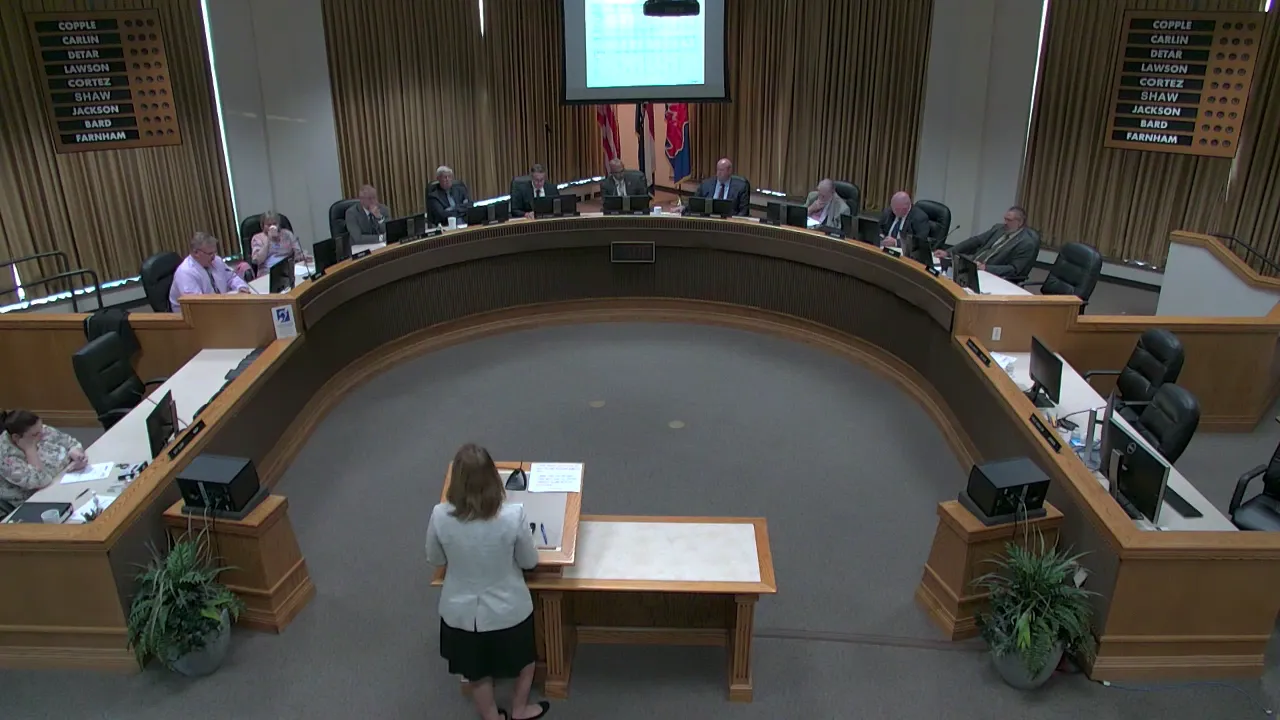
On Monday, October 6, 2025, the Joplin City Council held an informal session to receive the semi-annual insurance update from Siegel. Kim Wixen (Siegel) presented the results of the 2025 bid process and how they translate into 2026 premium rates and budget projections. The presentation highlighted a projected 1.1% overall premium increase for 2026 – well below the national average – and a surplus of approximately $235,000 for 2025.
Presentation Highlights
- Historical context: Over the past 12 years, 9 out of 12 years saw increases below average medical trend; the last 4 years have been well under trend due to the work of the wellness committee and effective RFP management.
- 2025 surplus: Operating surplus of ~$235,000 projected for year-end 2025 (through June 2025, a $615,000 surplus was recorded, but later claims are expected to reduce it).
- 2026 budget projections: 1.1% overall increase; medical trend assumed at 7%, prescription drug trend at 12%; dental premium decreasing; vision premium unchanged; life insurance moving to MetLife with significant cost reduction; stop-loss renewal still pending but assumed at 15% increase.
- 2026 rates: Medical plan: 1.1% increase. Dental plan: average reduction of ~10% (single -9.3%, family -11.6%) with enhanced benefits (annual maximum increased, ortho maximum raised from $750 to $1,000, and Type A preventive services excluded from the maximum). Vision plan: rates unchanged through 2029.
- High-cost claimants: Through July 2025, no extremely high claims; only a few near $100,000. Expectation remains favorable.
- 2024 financials: Operating surplus of $176,000.
- RFP results: TPA expenses slightly lower; EAP cost increased slightly but still competitive; stop-loss enhanced benefit at lower cost; dental and life insurance moved to MetLife (MetLife provided an additional 2% discount on dental rates due to bundling).
- Voluntary benefits: MetLife has proposed competitive rates for critical illness, accident, and hospital indemnity coverages. Implementation pending confirmation that the online enrollment system (Bentec) can handle them. Employee will pay full cost.
- High Deductible Health Plan (HDHP): Initial analysis underway; potential offering for 2027.
Q&A
- Councilmember Detor asked about the supplemental policies: confirmed that critical illness covers cancer, heart attack, stroke. Kim Wixen affirmed that critical illness insurance is included.
- Mayor commented on the positive news, noting that other insurers are projecting double-digit increases, and commended the city’s performance.
Key Outcomes
- Council received the insurance update and noted the favorable 1.1% increase for 2026.
- The city will implement voluntary benefits (critical illness, accident, hospital indemnity) if the online enrollment system can accommodate them.
- Analysis of a High Deductible Health Plan will continue for potential 2027 offering.
- No formal votes were taken; the informal session concluded with the understanding that the regular meeting would resume at 6:00 p.m.
Meeting Transcript
Good evening and welcome to the job on City Council informal session for Monday, October the 6th, 2025. We have one item on the agenda for the informal session. It's our semi-annual insurance update by Siegel. So good evening, Mrs. Haas. Good evening, Mayor, Council. Hope everyone's good tonight. So as a reminder, this year was our bid year for insurance. Kim Wixen with Siegel presented those results in June. So tonight she will cover how the bid translates to our premium rates for 2026, as well as some budget information. So with that, I'll turn it over to Kim. Good evening, Kim. Welcome back. Yeah, it's great to be here. And actually, um, I have some good news. So I don't know if anyone uh looked ahead, but um I it I'm very very happy to be here and happy to to provide some good news too, because you're probably one of my only clients that I'm presenting this this type of good news to. So very excited about it. So we're gonna go through our um all of our agenda items. We will go through the budget and the contributions and such for next year, and actually within these um projections are results based upon our RFP that we did. So we've incorporated that into our budget projections. So if you want to, this is slide three in our executive summary. We added this to our um presentation just to show um historically how our increases um what our increases have been since 2015, and you can see they fluctuated year to year, but really nine out of the last 12 years were under average um medical trend, and then for the last four years, we've been under um well under the average medical trend. So if you're looking at the compounding um of those increases, we've really done better than you know the the market average for increases, and that's really due to all the hard work that your um wellness committee and um health teams have done to to manage those costs effectively, and then the RFP work that we do as well. We are projecting a surplus of about 235,000 at the end of 2025, and then for next year, we're looking at a 1.1 percent increase. So you can see the average um trends have been going up, and we're seeing I have a lot of clients that are well into the double double digits, 10 to 13 percent increases. So 1.1 percent is phenomenal, and we're very excited about it. I'm very happy about it. So on the next slide, um, these are our actual budget projections. So it does show for 2025 that we do expect about a 235,000 dollar um operating surplus, uh, and then in 2026, 1100 just about break even, and in 2027, break even. Um, one thing that I would like to note here is on the prescription drug rebates within the RP that we had done, um, that is really where we saw some significant changes, improvements in the rebates that we're going to um that we are going to receive on this budget projection, it is on an incurred basis, and rebates are paid in arrears, so we'll see some of those um rebates paid out in 2027, but they were um for the 2026 plan year. So just as an FYI, we as we see those um when we're starting to look at our um our actual numbers as they come through next year. Just know that there'll be a little bit of a delay in getting those higher rebates. And within those budget projections, um, we've included these assumptions. So we are including within those assumptions. So for 2026 from 2025, we're looking at a seven percent medical um trend increase. So even with that seven percent increase, you know, the net result is that 1.1% overall. Um, and we are using a 12% trend for prescription drugs. We've seen prescription drug trend actually, it it's it's at a higher um higher level for the for the last actual several years. And we have used that higher trend in our 2026 and 2027 projections as well. You can see for our dental premium, our vision premium, those are actually based on the RFP results. Actually, our dental premium is gonna is actually going down, and then we have a 7% rate cap uh for 2027, and then our vision premium is staying the same for and we have for another four years, so staying the same as they are today. So keeping those rates through 2029. Um our stop loss fee, we have not yet gotten that renewal. It's been requested. They typically like to have nine months of data to give us a firm uh a firm proposal, but we've had pretty good experience, so we're hoping that our our renewal will come in. Um, but within this budget projection, we did include 15 a 15 percent assumption, but we we really are hoping that we'll we'll get it in below that figure that's included in these budget numbers. And this is just a reminder of the city contribution formulas. This hasn't changed. Um, the city contributes 100% of the projected cost for single coverage for employee um coverage, and then 75% for family coverage. Uh the city does contribute 70% of the projected costs for employee coverage for the dental plan, and then 65% for family coverage.
openpublica.com