8941
SEP 2, 2026 · BUTTE SILVER BOW, MONTANA · COUNCIL OF COMMISSIONERS & COMMITTEES
Butte-Silver Bow City Meeting - September 2, 2026 (No Content)
No agenda, minutes, or transcript were provided for this meeting. Therefore, no summary of discussions, decisions, or public comments can be generated.
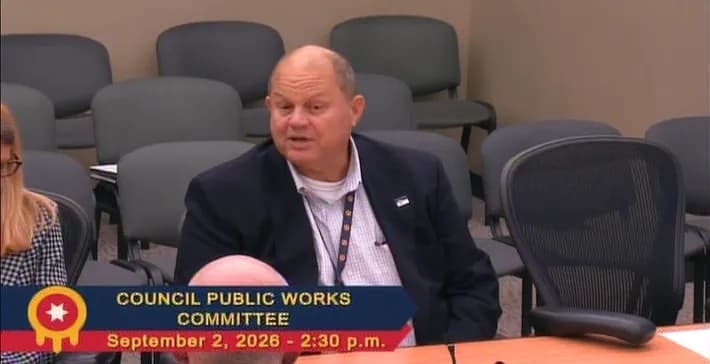
The Public Works Committee met on September 2, 2026, to consider a reappointment to the Human Rights Commission, a general obligation bond issuance, a cable franchise ordinance, and the annual flood insurance report. No public comments were heard. Discussion Items Reappointment of Joyce Roberts to the Human Rights Commission - Joyce Roberts, a 30-year employee at American Electric Power and a representative of the Indian Health Care Resource Center on the Human Rights Commission, presented her work over the past year. She highlighted leading research efforts with La Kendra Carter to update complaint forms, reviewed best practices from peer cities, and identified improvements to modernize the process. She also noted that Councillor Gilbert helped remove a city clerk barrier in filing complaints. Roberts reported that the Commission submitted a memo to the mayor’s office and city council demonstrating a disparity in geographic representation on authorities, boards, and commissions by council district, with Districts 3 and 6 currently underrepresented. She expressed a desire to work with the committee to increase participation. The committee thanked her and noted that a vote on her reappointment would occur at the city council meeting on September 16 at 5 p.m. General Obligation Bond Series 2026A – $65,660,000 - Chad Becker from Treasury presented the ordinance for the issuance of $65,660,000 in general obligation bonds, authorized by a previous election. He explained that this was step two of the process following a resolution approved on August 26. The ordinance provides for registration of the bonds and levies the principal and interest repayment to a sinking fund. The ordinance was on first reading at this meeting; second reading and a resolution to award the bonds to the best bidder will be considered on September 16. Cox Communications Franchise Ordinance - Jeff Stevens from the city legal department introduced an ordinance to adopt a new chapter in Title 15 granting a non-exclusive franchise to CoxCom LLC dba Cox Communications for a 10-year term. He noted that Cox approached the city seeking a traditional cable franchise rather than remaining a right-of-way occupant, likely spurred by the acquisition of Cox by Charter Communications. The franchise maintains the status quo with a 5% video service fee and the same capital contribution fee. No questions were raised by the committee. Flood Insurance Coverage Improvement Plan Annual Report - Eric Lee and Joan Goswick from the Water Department presented the annual report for the program for public information and flood insurance coverage improvement plan for 2026-27, as part of the city’s participation in the Community Rating System (CRS) since 1991. Goswick detailed outreach efforts including articles in City Life bill stuffers, notifications to residents behind levees, 11 different targeted letters for floodplain residents, and letters for repetitive loss areas (properties with two or more flood insurance claims over 40 years). The report also covered a flood insurance expo and goals to improve communication. During discussion, Councillor Bingle asked about private versus public stormwater drainage mapping and permitting for yard modifications that affect water flow. It was clarified that the city pays for elevation certificates and that the Tulsa Viewer online floodplain map allows residents to check their property. Councillor Dutton requested the website (cityoftulsa.org/floodcontrol) and noted that 311 is the contact for further questions. The committee noted that the report is being adopted and the map updates should be completed by the end of the month. Key Outcomes - The reappointment of Joyce Roberts will be voted on by the full city council on September 16, 2026. - The bond ordinance passed first reading and will return for second reading and award on September 16. - The Cox Communications franchise ordinance was presented without objection and will proceed to a full council vote. - The resolution adopting the annual flood insurance report was presented and discussed; no formal vote was taken during the committee meeting, but it is expected to advance.
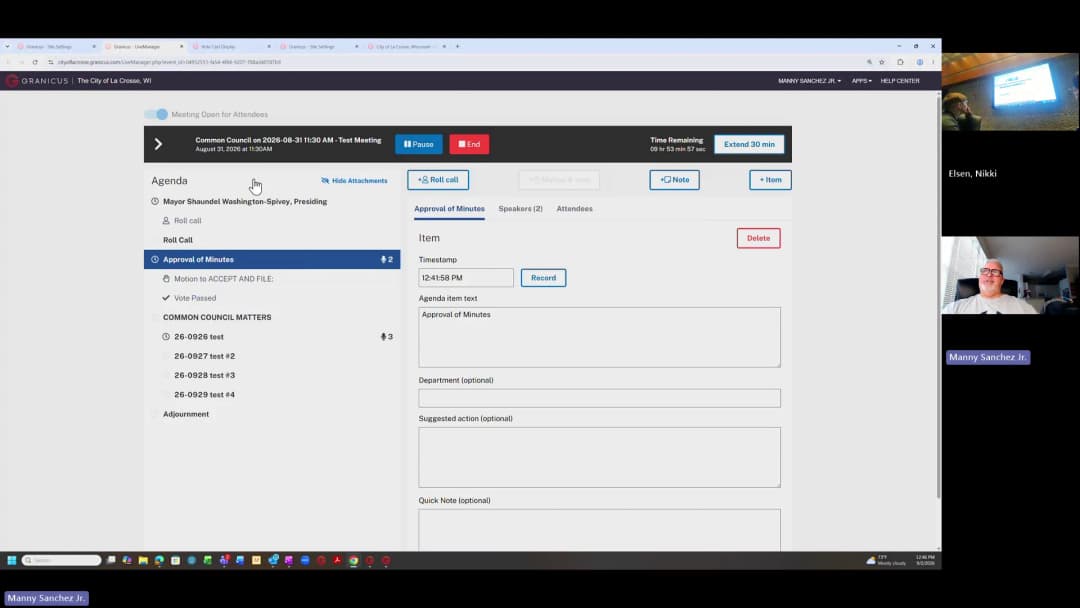
This session was a hands-on training for city council staff (likely the clerk and council members) on the new Granicus Live Manager and Vocast Web voting system. The training covered how to set up, launch, and manage a meeting using the platform, including voting, timestamps, roll call, motions, speaker queue, and display settings. The meeting was a test, not a formal public meeting, and no substantive agenda items were discussed or voted on. Discussion Items - System Setup and Voting Preferences: The trainer demonstrated how to enable voting, choose between no encoder and the new Granicus encoder, and configure live vote display. Participants decided they did not want the public to see live votes changing in real time; instead, they preferred to show only the final tally after the vote is recorded. The display settings were adjusted to hide individual vote changes during the voting process. - Timestamping and Agenda Navigation: The trainer showed how to timestamp agenda items to link them to video, and how the active item appears on the display. Participants noted that the live stream video feed has a 30-second delay, and there was a brief issue with the display not updating the current agenda item on the live stream, which was resolved by refreshing. - Motions and Voting Procedures: The group practiced making motions, seconding, and casting votes. The trainer explained that the motion text does not always appear on the display (e.g., the word "approve" was missing after a motion to approve), and noted that the product team is working on enhancements. They also discussed the ability to "stop voting" (pause) versus "reset votes" (clear all votes). - Speaker Queue and Public Participation: The trainer showed how to add speakers, set timers, and display the speaker queue. Participants decided not to show the upcoming speaker order to the public to avoid confusion; instead, only the current speaker's name and remaining time would be displayed. The public would not see the queue list, but council members would. - Notes and Annotations: The trainer explained that council members can take private notes within the system that are tied to their login and persist across devices. Annotations (highlighting on attachments) are local to the device and will be lost if the agenda is republished. Notes are not searchable by default, which the participants preferred. - Display and Chambers Setup: The group discussed how to cast the display to multiple screens (e.g., the chamber TV facing the audience). The trainer noted that launching the display is now a manual process per meeting, unlike the previous system where it was automatic. They also set the display to dark mode and adjusted the vote result display duration to 5 seconds. Key Outcomes - Settings Agreed: Live vote changes will not be shown to the public; only the final tally will appear after the vote is recorded. The display will show the current active item, motion text, and vote results for 5 seconds. Dark mode will be used for the display. The speaker queue order will not be shown to the public. - Training Complete: Participants (Nikki, Jackie, and others) indicated they were comfortable with the system and felt it was similar to the previous platform. The trainer agreed to provide a one- or two-page quick reference guide for council members. - Next Steps: The city will continue testing and will train other staff. The test meetings created during the training will be made non-public or deleted.
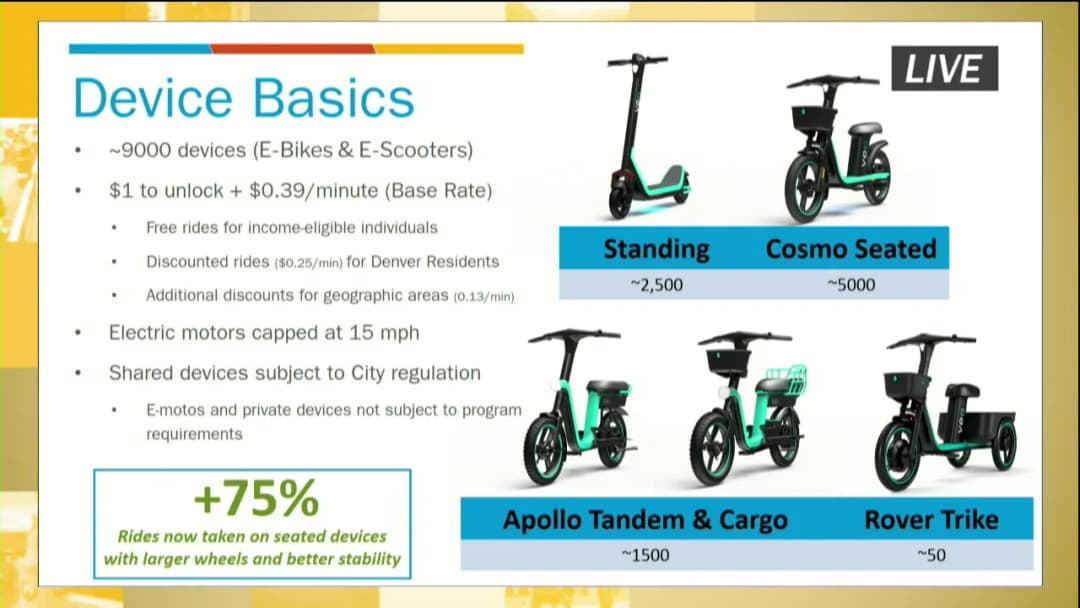
The Transportation and Infrastructure Committee of Denver City Council met on September 2, 2026, at 1:30 PM in Room 391 of the City & County Building. Chair Flor Alvidrez presided. All seven members were present except Stacie Gilmore. The main agenda item was a briefing on the Shared Bike and Scooter Program (26-1267) from the Department of Transportation and Infrastructure (DOTI) and Veo. Five consent items were approved unanimously without discussion. The meeting adjourned around 3:00 PM. Consent Calendar - 26-1236: Relinquished a portion of an access easement at 4991 North Telluride Street, Council District 11. Approved. - 26-1237: Dedicated a City-owned parcel as Public Right-of-Way at South Poplar Street near East Hampden Avenue, Council District 4. Approved. - 26-1238: Dedicated a City-owned parcel as Public Alley bounded by East Colfax Avenue, North Marion Street, East 16th Avenue, and North Lafayette Street, Council District 10. Approved. - 26-1239: Approved a $44,926,753.46 contract with WW Clyde & Co. for 457 consecutive calendar days for the Deicing Industrial Waste Pond 009 Rehabilitation project at Denver International Airport, Council District 11. Approved. - 26-1240: Approved a Ground Service Equipment facilities lease between Swissport USA Inc. and Denver International Airport for three years with two one-year renewal options, Council District 11. Approved. Public Comments & Testimony - Ed Nara, a resident of District 10, stated that sidewalk riding is not a new issue and has persisted for six years without effective resolution. He asked what will be done to effectively address it, noting the lack of technology in place. DOTI Deputy Manager Nick Williams acknowledged the concern and reiterated the commitment to addressing it through layered technology (audible alerts, slow zones, LIDAR, cameras) and a new user violation schedule. Discussion Items - Shared Bike and Scooter Program Briefing (26-1267): DOTI and Veo presented quarterly report highlights and strategies for improving rider behavior and parking compliance. Key points: - Program ridership is up 12% compared to the same period in 2025; over 1.34 million rides taken since May 1, 2026. - Access program users account for 42% of all rides; 11,000 income-verified users as of August 31 (up from 8,000 in the first two months). - 63% of rides are at discounted rates; 42% are free or near-free (access users). - Veo deployed 9,000 devices with 78% seated models; over 75% of rides are on seated devices. - New technologies: audible alerts for sidewalk riding, geo-fenced slow zones (e.g., near schools, Cherry Creek Mall, Coors Field), LIDAR sensors being rolled out (1,500-2,000 devices installed), and a user violation schedule starting August 10 (warnings, then $5 and $10 fines with account suspension). - Parking: 280 existing corrals; Veo to add 150 new corrals over three years, with 40 by end of 2026 to support mandatory parking zones starting in Union Station by December 31, 2026, expanding to central business district and Five Points by July 1, 2027. Lucky zones offering ride credits for proper parking. - 575 helmets distributed so far out of 1,350 annual requirement; a "Helmet Selfie" discount offered in-app. - Community engagement: Veo held six events since May 1, reaching 2,200 individuals; pre-launch events targeted access transitions. - Council questions and concerns: - Councilman Kevin Flynn asked about 15 mph speed limit possibly encouraging sidewalk riding; DOTI noted the limit aligns with bicycle speeds and that GPS limitations prevent tighter geo-fencing in dense downtown areas. He also noted that only 4% of account holders (9,000 out of 146,000) have signed up for the Denver resident discount, and urged better inclusion of border-area zip codes. Veo confirmed edge-case zip codes are now included. - Councilman Chris Hinds emphasized the need to restore public trust after July 1 and past lack of enforcement. He pressed for a timeline on technology rollout; DOTI committed to providing a detailed timeline within two to four weeks. - Council President Diana Romero Campbell requested disaggregated data on rider demographics and trip origins/destinations to better inform corral placement in District 4. Veo offered to provide localized data and presentations. - Councilwoman Amanda Sandoval highlighted trail conflicts (e.g., Cherry Creek Trail, Platte River Trail) due to wider seated scooters, and noted 311 reports sometimes returning “no issue found.” She suggested a one-pager for council offices and better school outreach to educate parents about underage riding. - Councilwoman Shontel Lewis (via written questions) asked about the selection of RTD stations for the first/last mile free program; DOTI explained they coordinated with the West Corridor TMA and shifted from Decatur-Federal to Knox Court due to existing free ride opportunities. She also asked about prepaid card users; DOTI said anyone can use prepaid cards, but it is rare. - Councilman Chris Watson questioned a statement in the quarterly report that “every vehicle in the Denver fleet is equipped with sidewalk detection technology including GPS, LIDAR, cameras” – DOTI clarified that not all vehicles have all three technologies; the wording was unclear. He also asked if 90% of sidewalk rides are on scooters versus bikes, whether the city would consider reducing scooter numbers. DOTI indicated they have regulatory authority to adjust the vehicle mix if data links bad behavior to a specific type. - Chair Flor Alvidrez noted that 311 reporting should direct users to Veo directly, not 311, and requested slow zones around Houston Lake Park and South Broadway (where a bike lane exists). Key Outcomes - All five consent items were approved by voice vote without objection. - The committee received the briefing on the Shared Bike and Scooter Program; no formal vote was taken. - DOTI committed to provide city council with a more detailed timeline on the rollout of LIDAR, cameras, and other sidewalk-riding mitigations within two to four weeks. - Veo will work with council offices to provide localized data and presentations on ridership patterns to help plan corral placements and address district-specific concerns. - DOTI and Veo will continue to expand parking corrals, slow zones, and mandatory parking zones as required by ordinance, with a focus on Union Station by end of 2026. - The committee will monitor progress on enforcement of the user violation schedule and equitable deployment of devices (30% in opportunity areas – currently below that threshold).
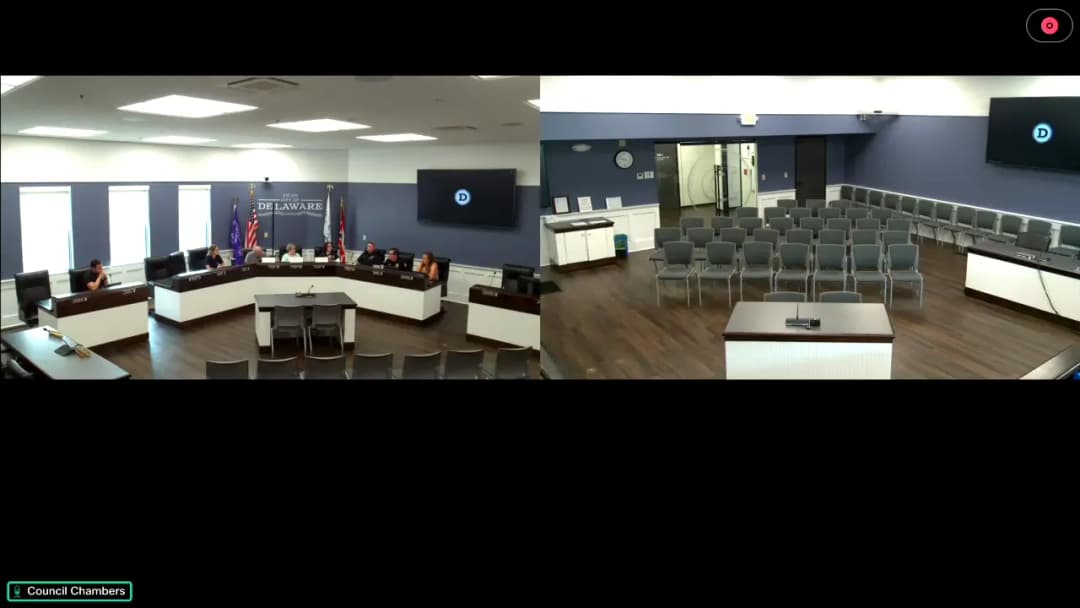
The Civil Service Commission of Delaware, Ohio, met on September 2, 2026, at 3:30 PM in City Hall Council Chambers. Commissioners Hollyhead Mansell, Vice Chair Hurley, and Chair Santos were present. The meeting covered approvals of certified employment lists and updated promotional processes for the fire and police departments, and included discussion of training requirements. Consent Calendar - Approval of Motion Summary (August 10, 2026): Unanimously approved as recorded. Public Comments - None received. Discussion Items - September 2026 Firefighter Certified List: Fire Chief Pyle reported nine changes: seven new hires (six allocated to the upcoming new fire station) and two removals (one candidate passed up five times per rules, one disqualified for not passing all test components). The list was approved unanimously. - September 2026 Police Certified List: Police Chief Moore presented an updated list of 24 candidates; two have received conditional offers and will begin the Delaware County Sheriff's Office academy on December 9, 2026. Chief Moore described academy costs: free for the city when using the State Highway Patrol academy (funded by casino gambling revenue), while other academies cost $5,000–$6,000 per candidate plus salary and equipment. The list was approved unanimously. - 2026 Police Captain Recruitment Process: Human Resources representative Ms. Faust outlined a revised process partnering with an external entity to ensure impartiality. Scoring will be 50% oral interview and 50% assessment center (excluding seniority points). Approved unanimously. - Police Sergeant Promotional Process (Revised August 2026): Ms. Faust detailed a three-component scoring system: written exam (40%), oral interview (40%), and a leadership assessment via Pradco (20%). The written exam is now customized to Delaware-specific policies, collective bargaining agreements, and state law, addressing feedback from unions about over-reliance on a single vendor. Chief Moore explained the multi-phase design aims to test different competencies predictive of supervisory success. Approved unanimously. - Firefighter Training Discussion (Commissioner Comments): A commissioner asked about firefighter training. Chief Pyle stated entry-level requirements include Firefighter I & II certification (approx. 300 hours) and EMT basic (150 hours), plus paramedic school (1,100 hours over 15 months) covering clinical rotations in cardiac lab, OB, trauma, and pediatrics. Key Outcomes - All four agenda items (firefighter list, police list, captain recruitment process, sergeant promotional process) were approved unanimously by the commission. - The meeting adjourned at 3:51 PM.
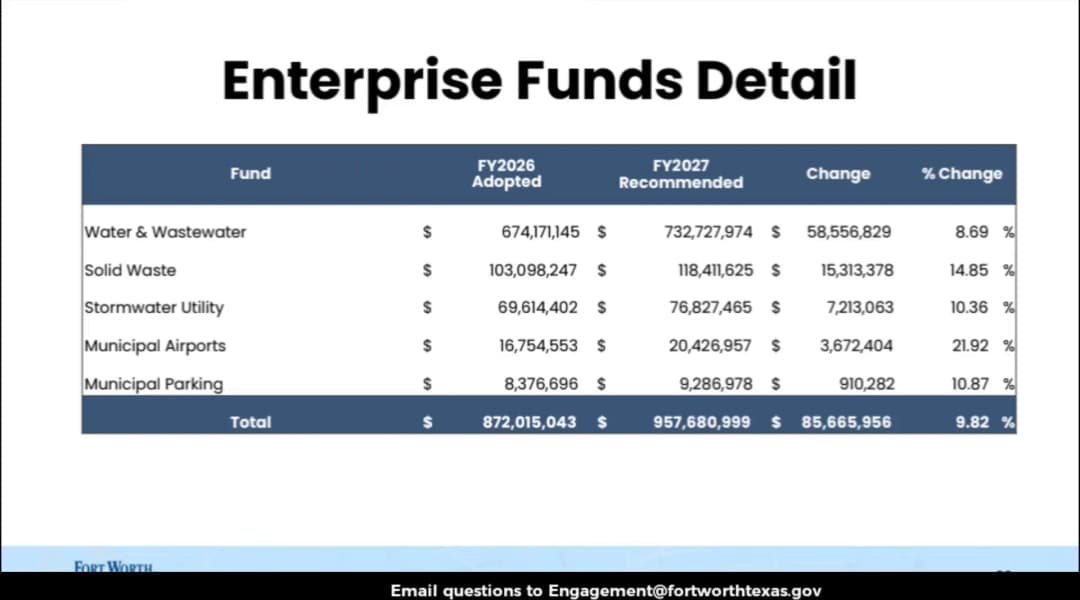
City Manager Jay Chapa and Fort Worth Lab Director Christiane Simmons presented the proposed FY 2027 budget to District 4 residents. The meeting highlighted a $94 million budget gap driven by flat property tax values due to Tarrant Appraisal District's reappraisal plan, and detailed the recommended cuts, tax rate increase, and investments in public safety. The council is scheduled to vote on the budget and tax rate on September 15, 2026, with a public hearing on September 1. Public Comments & Testimony - Resident (regarding code ranger program): Questioned why the volunteer program was cut, expressing concern about lost community engagement. - Resident (revenue from code violations): Asked how much revenue code compliance generates and criticized the use of liens on rental properties, noting that absentee owners avoid payment. - Resident (CCPD funding): Stated that the CCPD (Crime Control and Prevention District) sales tax was sold to voters as funding for police, but a portion ($11 million in 2025) goes to nonprofits with little accountability. She called for transparency and for the money to be used for police equipment and salaries. - Resident (homelessness funding): Noted that despite millions in funding to homeless service providers, homelessness has increased, and questioned the effectiveness of permanent supportive housing and lack of accountability. - Resident (pavement management fee): Expressed concern that the fee could be raised in the future without a public vote, as seen in Austin. - Resident (public art funding): Argued that the 1% for public art bond set-aside should be redirected to police or fire, and that wealthy donors could fund art instead. - Resident (remote participation): Asked if the city would reinstate remote call-in for council meetings to improve accessibility. Discussion Items - Budget Overview: City Manager Jay Chapa explained that the $3.32 billion operating budget must be balanced by state law. The general fund is $1.1 billion, only one-third of the total, and the gap must be closed within the general fund. He emphasized that public safety investments were prioritized, forcing cuts elsewhere. - Property Tax Revenue Shortfall: Christiane Simmons showed that Tarrant County's average taxable value has flattened and fallen due to the appraisal district's reappraisal plan, while Collin and Dallas counties grew. The city initially projected a $49 million gap, which grew to $94 million after adding contractual police and fire costs and mid-year value losses. - Budget Balancing Measures: Departments initially cut 1% and submitted 3% reduction packages ($22 million). Deeper cuts of $28 million eliminated vacant positions and frozen pay. Revenue increases and a proposed tax rate increase of 3.2 cents per $100 valuation (from 67 to 70.2 cents) closed the remaining gap. After council feedback, the rate was adjusted to 70.565 cents to restore the PetSmart Alliance adoption center, some park and library positions, and increase general employee pay-for-performance from 1.5% to 3% (mid-year). - Public Safety Investments: The budget adds 76 patrol officers, 30 corporal positions for a promotional path in patrol, funding for fire overtime and fleet, and a 911 assistive call-taking technology pilot. The Fire HOPE program will shift to a mobile integrated health team to save overtime. - Cuts and Service Level Impacts: Cuts include a 90% reduction in general fund transfer to economic development initiatives ($5M to $500K), smoothing of the neighborhood improvement program (from $4M to $1M in year one), a 25% reduction in the mobile tool shed program (reducing staff from 4 to 3), and a 3% cut to the priority repair program. The code ranger program was eliminated because it was no longer effective. - Enterprise Funds: Water, solid waste, stormwater, and other enterprise funds are funded by user fees. Water rates increase $7.09/month for typical usage to support capital projects. The pavement management fee (formerly street maintenance fee) is proposed to supplement existing maintenance funding, with rates proportional to property use. - CCPD and Nonprofit Funding: In response to resident concerns, Chief Garcia stated that the police department will use criminologists to evaluate all CCPD-funded programs for effectiveness and return on investment. The councilman acknowledged the need for better transparency and promised to publish CCPD board meeting information. - Public Art Policy: The 1% for art bond policy was discussed. The councilman said he has asked staff to explore putting the policy to a public vote. The city manager noted that the policy can only be changed by the city council. Key Outcomes - Proposed Tax Rate: The city manager recommended a tax rate of 70.2 cents per $100 valuation, later adjusted to 70.565 cents after council feedback. The council will vote on the final rate on September 15. - No Furloughs or Layoffs: The budget does not include furloughs or layoffs. The city manager indicated that if the council chose not to raise the tax rate, those would be the next options. - Next Steps: A public hearing on the budget will be held on September 1, 2026, at 2:00 PM at City Hall. The city council will adopt the budget and set the tax rate on September 15. Residents can sign up to speak at the hearing or provide feedback via Connect Fort Worth. - CCPD Program Evaluation: Chief Garcia committed to a data-driven review of all CCPD-funded programs, using criminologists, with results expected to inform the FY 2028 budget process starting April 2027. - Better Communication Promised: The district councilman pledged to improve communication of CCPD board meetings and other public information, and to investigate feasibility of clawing back Trinity Metro sales tax for road repairs.
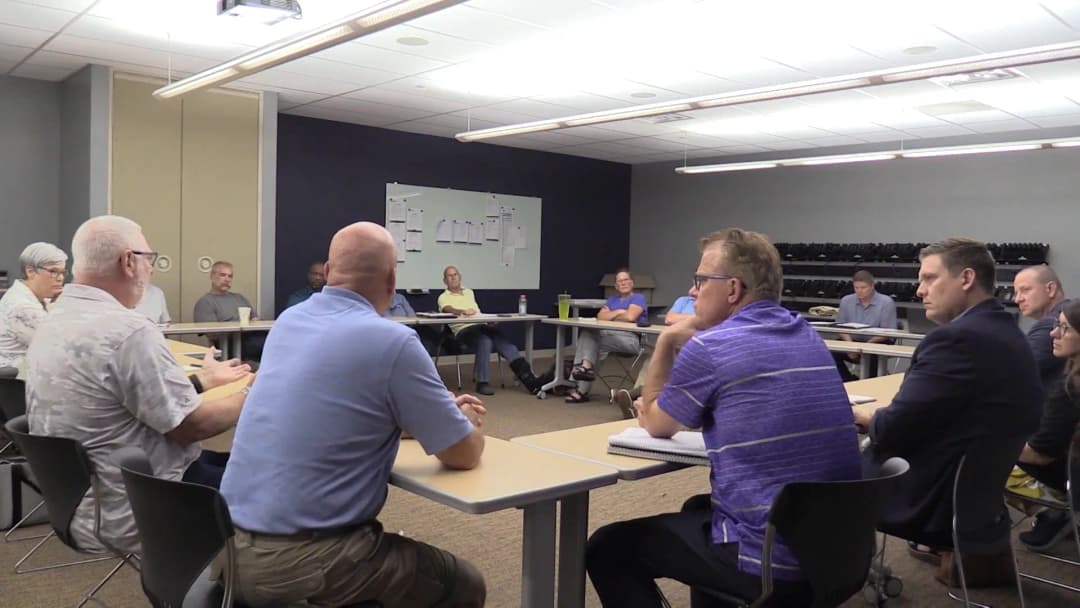
This was a joint work session between the Davenport City Council and the Zoning Board of Adjustment (ZBA), the first such meeting in several years due to the pandemic. The purpose was an open discussion about the ZBA's operations, challenges, and any support needed from the council. ZBA chair Dan Darrell and other members described the board's role, typical caseload, common types of cases, and their appreciation for city staff support. Discussion Items - ZBA Role and Composition: Dan Darrell, ZBA chair for 3-4 of his nearly 6 years on the board, explained that the ZBA is a quasi‑judicial board that makes final decisions on hardship variances, special use permits, and appeals of code interpretations, rather than making recommendations to the council. The board has five members appointed by the mayor and confirmed by the council. State law requires at least three affirmative votes for approval; if only three members are present, a vote must be unanimous. - Caseload and Trends: The number of cases has dropped significantly since the 2019 zoning code update, which addressed common issues. Annual cases range from 8 (in 2022) to about 25, whereas under the old code there were up to 80 per year. The board meets twice a month (second and fourth Thursdays) if petitions are filed, averaging 16‑18 meetings annually. - Types of Cases: Most hardship variances are dimensional (setbacks, garage size, swimming pool placement) while special use permits focus on whether a use (e.g., a small engine shop) is appropriate in a neighborhood. Cases are roughly half commercial and half residential, with occasional city projects (e.g., Fire Station 3). Appeals of administrative interpretations are rare—only one since 2019. - Key Challenges: Board members discussed the difficulty of saying “no” to petitioners, especially when neighbors support a project, because the board must enforce the code strictly and consider long‑term impacts. One past case involved an auto dealership that the board approved based on personal feelings; the city sued (the suit was later dropped), reinforcing the need for strict code adherence. Members emphasized that recommendations from staff are valuable but the board makes final decisions. - Staff Support: Multiple board members praised city staff (development and legal) for their guidance, knowledge of code changes, and help in navigating decisions. The Iowa State Sanction Service and legal department also assist with case law. - Example Decisions: The board approved a handicap ramp that encroached 3–7 feet into a 25‑foot setback because it was the right thing to do. They also approved a pool on a triangular lot with streets on three sides where the only feasible location was in a backyard that abutted a street. Another case allowed parking near the front of a house due to topographical hardship. - Council Questions: Aldermen asked about the criteria for board membership (must be a legal resident with “strong positive experience or interest in urban planning, urban design, and city development”) and the distinction between Planning & Zoning (advisory to council on rules) and ZBA (adjudicative on individual cases). Key Outcomes - No votes or formal decisions were made during this work session. - The council expressed appreciation for the ZBA's volunteer service and the important role they play. - The ZBA chair noted that continued excellent staff support and careful zoning in new developments would help the board going forward. - The meeting was adjourned informally with thanks for everyone's flexibility in rescheduling.
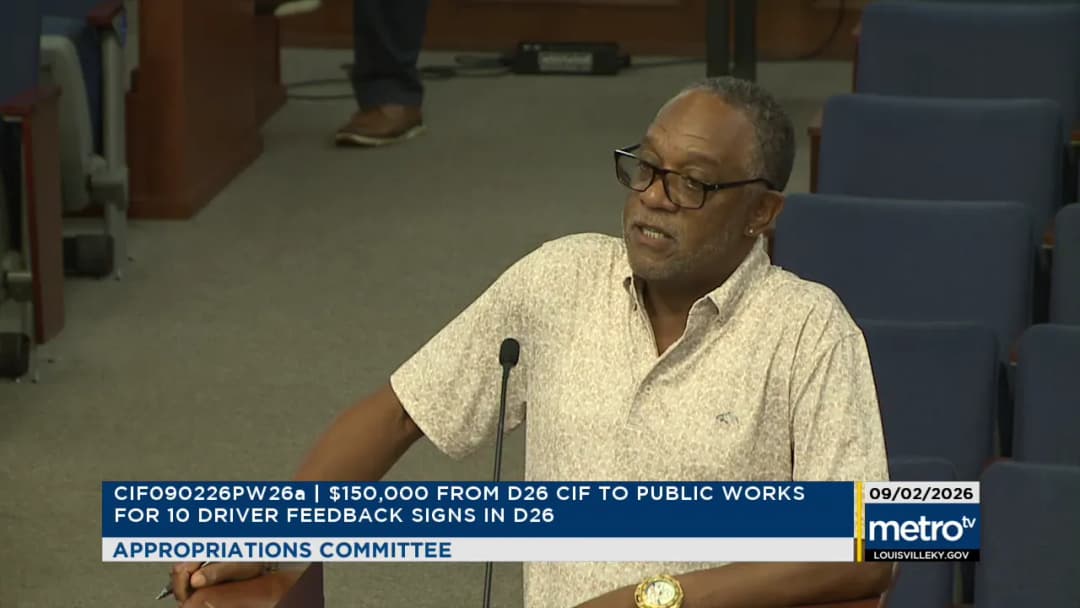
The Appropriations Committee of the Louisville Metro Council met on Wednesday, September 2, 2026, at 3:02 PM in Council Chambers with virtual participation. Chair Jonathan Joseph (R-12) presided. Present were Vice Chair Marilyn Parker (R-18, virtual), Committee Members Barbara Shanklin (D-2), Ken Herndon (D-4), JP Lyninger (D-6), and Markus Winkler (D-17, virtual). Dan Seum Jr. (R-13) was excused. The committee considered eight funding requests totaling approximately $259,775 (original amounts, before amendments). The meeting adjourned at 3:15 PM. Public Comments & Testimony - Justin Soforo, Legislative Assistant for Councilwoman Josie Raymond (D-10), presented the $22,000 sidewalk survey for District 10, explaining the survey would prioritize future repairs. - Charles Weathers, Legislative Assistant for Councilman Brent Ackerson (D-26), spoke on three items: the $30,000 traffic enforcement overtime ordinance, the $50,000 sidewalk connection project on Hurstbourne Lane, and the $150,000 driver feedback sign installation. - Caleb Howard, Legislative Assistant for Councilwoman Barbara Shanklin (D-2), described the $475 weed-eating and spraying project for a t-ball field behind the Boys & Girls Club at 5020 East Indian Trail. - Councilman Ken Herndon (D-4) presented the $6,000 (amended) ordinance for the Coalition for the Homeless Project Stand Down/Homeless Connect and the $1,000 appropriation to Families Who Conquer, Inc. for their Well-Being Legacy Lounge event. Discussion Items - Item 1 – CIF090226PW10 ($22,000 for District 10 sidewalk survey): Chairman Joseph clarified the funds cover only the survey, not repairs. Justin Soforo confirmed the survey is separate from Public Works’ normal operations. Lyninger asked about timeline; Soforo said they hope to start quickly. - Item 2 – O-238-26 ($30,000 from District 26 NDF for LMPD 6th Division overtime for traffic enforcement): Lyninger raised concerns about prior instances where LMPD canceled overtime funds and whether directing specific enforcement violates separation of powers. Charles Weathers noted the division had accepted the funds and previously provided results (arrests, speeding citations). The motion passed on a roll call: Yes – Joseph, Parker, Shanklin, Herndon, Winkler; Present – Lyninger; Excused – Seum. - Item 3 – CIF090226PW26 ($50,000 for Hurstbourne Lane sidewalk connection from Bardstown Road to Taylorsville Road): Lyninger expressed strong support, citing pedestrian safety needs and a personal connection to a past fatality. - Item 4 – CIF090226PW26a ($150,000 for 10 driver feedback signs in District 26 for traffic calming): No discussion; approved by voice vote. - Item 5 – NDF090226MP02 ($475 for weed-eating and spraying a t-ball field): Caleb Howard explained the overgrowth made the field unusable. Approved by voice vote. - Item 6 – O-237-26 (Originally $4,500 from D4, D15, D24, D10 for Coalition for the Homeless; amended to $6,000): Councilman Herndon moved to amend the ordinance to include $1,000 from District 9 (Councilman Owen) and $500 from District 13 (Councilman Seum), bringing the total to $6,000. The amendment passed by voice vote. Herndon noted they hope to raise at least $10,000–$15,000 and honored retiring director Natalie Harris. The amended ordinance passed on a roll call: Yes – Joseph, Parker, Shanklin, Herndon, Lyninger; Absent – Winkler; Excused – Seum. - Item 7 – NDF090226FWC04 ($1,000 from District 4 to Families Who Conquer, Inc. for a well-being event on November 1, 2026): Herndon highlighted the event’s focus on mental health services. Approved by voice vote. - Item 8 – CIF090226BS17 ($2,300 from District 17 to Brightside, Inc. for repairing the damaged leg on the Fleur de Lis horse statue at Hounz Lane Park): Councilman Winkler (sponsor) appeared virtually but had connectivity issues. No questions; approved by voice vote. Key Outcomes - All eight items were approved either by voice vote or recorded vote. - Item 2 (O-238-26) and Item 6 (O-237-26) were sent to Old Business for consideration by the full Metro Council on September 10, 2026. The remaining items were forwarded to the Consent Calendar. - Amendment: Item 6 was amended by voice vote to add $1,000 from District 9 and $500 from District 13, increasing the total appropriation to $6,000. - Vote tallies: - Item 2: 5 yes, 1 present, 1 excused. - Item 6 (as amended): 5 yes, 1 absent, 1 excused. - Action required by: February 27, 2027 for Items 2 and 6 (ordinances).
The Hawaii County Council held its 48th session on September 2, 2026, at the Hawaii County Building in Hilo. The meeting began with presentations recognizing two youth representatives to a national AI symposium, Officer Blake Bragos as the August 2026 HVEO Award recipient, and lifeguards in appreciation of Lifeguard Appreciation Week (August 17-23, 2026). The Council then proceeded through a lengthy agenda including over 30 resolutions, multiple bills for first and second readings, and two executive session items. The meeting lasted from 9:03 a.m. to 1:04 p.m., with a brief recess. Public Comments & Testimony - Josephine Kili Pio opposed Resolution 633-26 (Kona Cat Commons Sanctuary Project), noting the D-FIN Foundation has been registered less than two years and lacks a known track record. - Nicole Sasaki Simmons from the County of Hawaii Parks and Recreation supported Resolution 650-26 for the 40th annual Kupuna Hula Festival, highlighting its role in honoring kupuna and perpetuating Hawaiian culture. - Julie Eliason testified in support of Bills 173 and 175, describing the property tax burden on her hosted transient vacation rental and urging passage of a bed-and-breakfast tax class and amnesty. - Stephanie Bath supported the nominations of Jaylyn Brendlen and Gary Rosenberg to the Puna Community Development Plan Action Committee, citing their community involvement and expertise. - Tom Wazinski, president of the West Hawaii Veterans Cemetery Development and Expansion Association, strongly supported Resolution 657-26 for a Medal of Honor Memorial, noting Sgt. 1st Class Rodney J. Yano's connection to the island. - Lilinoi Kili Pio Young supported Resolution 641-26 for a ceremony honoring Honolulu Landing, expressing gratitude for the county's acquisition and preservation efforts. - Celia Bardwell Jones supported Resolution 661-26 for the Barrio Fiesta, emphasizing its educational value for Filipino diaspora and UH Hilo students. - Renee Godoy, founder of Friends of First Responders, supported Resolutions 636, 655, and 656 for the Robust Conference and officer wellness resources, sharing a story of a couple whose marriage was saved by the conference. - Del Otsuka supported Resolution 609-26 (HGEA contract) but urged the council to prioritize filling vacancies over spending on consultants. - Mitchell Marks, executive director of the D-FIN Foundation, testified on Resolutions 633 and 649, explaining the Kona Cat Commons will serve as a pilot project with a template for other cat sanctuaries island-wide. Discussion Items - Communications (Nominations): The Council confirmed Jaylyn Brendlen (Puna CDP Action Committee), Gary Rosenberg (Puna CDP Action Committee), and Grace Reinhard (Tax Board of Review) unanimously (9-0 each). Brendlen and Rosenberg received detailed introductions from Mayor's representative Mike Alameda and supportive comments from council members. - Resolutions: Most resolutions were approved without debate, including: - Res. 609-26 (HGEA Unit 15 contract, estimated cost $1,819,315 over four years) – approved 9-0. - Res. 610-26 (MRI Software licensing agreement, approx. $55,593/yr) – approved 7-0 (two excused). - Res. 611-26 (Police de-escalation training grant, $129,033) – approved 9-0. - Res. 612-26 (Legal research services, approx. $13,522/month increasing 7% yearly) – approved 9-0. - Res. 614-26 (Handheld mass spectrometers for HPD fentanyl detection) – approved 9-0. - Res. 615-26 (Domestic violence prosecution grant, one deputy prosecutor) – approved 9-0. - Res. 616-26 (Naloxone nasal spray distribution boxes) – approved 9-0. - Res. 617-26 (NACo and WIR board nominations) – approved 9-0. - Res. 627-26 (Preservation forum travel stipends, $20,192) – approved 9-0. - Numerous community grant resolutions (Res. 633-26 through Res. 663-26, and Res. 647-26, 648-26, 649-26, 650-26, 652-26, 653-26, 654-26, 655-26, 656-26, 657-26, 659-26, 660-26, 661-26, 662-26, 663-26, 667-26) were approved, mostly 9-0. Some had brief sponsor remarks highlighting the funded programs. - Res. 634-26 (Ocean View Skatepark Association grant) was amended via Comm. 1008.1 to extend the project completion deadline to May 31, 2027. The amendment and suspension of Rule 23 passed on a 7-2 roll call (Councilmembers Houstis and Kimball opposed). The resolution as amended passed 9-0. - Bills for First Reading: - Bill 169 (Draft 2) – PONC program amendments: Approved with an amendment (Comm. 939.6) to align language, then passed first reading 8-0 (one excused). - Bill 173 (Draft 2) – Bed and breakfast home tax class and amnesty: Extensive discussion occurred. Councilmember Kimball introduced an amendment (Comm. 960.6) to remove the waiver of rollback taxes, which failed 2-7. The main motion failed on a roll call vote of 3-6 (Ayes: Galimba, Kagiwada, Campbell; Noes: Houstis, Kānealiʻi-Kleinfelder, Kierkiewicz, Onishi, Villegas, Inaba). - Bill 176 (Draft 2) – General Plan amendment procedures: Passed first reading 9-0. - Bill 177 – Budget amendment for de-escalation training: Passed first reading 9-0 (companion to Res. 611-26). - Bill 178 – Budget amendment for special response team grant: Passed first reading 9-0. - Bill 179 – Research and Development Department responsibilities and grant program: Passed first reading 9-0. - Bill 180 – Budget amendment for preservation forum travel: Passed first reading 9-0 (companion to Res. 627-26). - Bills for Second Reading: - Bill 172 – Motor vehicle weight tax budget: Passed final reading 9-0. - Bill 174 – Kona Low Small Business Recovery Grant ($500,000): Passed final reading 9-0. - Bill 175 (Draft 2) – Transient accommodations law amendments: Passed final reading 9-0. - Executive Session: The Council entered executive session on Communication 1034 (enumeration & settlement of property acquisition and inverse condemnation claim) and accepted the Office of Corporation Counsel's recommendation. The file was closed (9-0). Communication 1006 (litigation against the county) was also closed after accepting counsel's recommendation (9-0). Key Outcomes - Nominations Confirmed: Jaylyn Brendlen (Puna CDP Action Committee), Gary Rosenberg (Puna CDP Action Committee), and Grace Reinhard (Tax Board of Review) all confirmed unanimously. - Resolutions Approved: All 30+ resolutions passed, most unanimously. Res. 634-26 was amended and passed 7-2 on the suspension vote but 9-0 on final. - Bill 173 Failed: The bed-and-breakfast tax class bill did not pass first reading (3-6). - Other Bills Advanced: Bills 169, 176, 177, 178, 179, 180 passed first reading; Bills 172, 174, 175 passed second/final reading. - Executive Session Actions: The Council approved legal recommendations for two matters (litigation and property settlement), closing the files. - Presentation Recognition: The Council honored student AI symposium delegates, Officer Blake Bragos (HVEO Award), and lifeguards for Lifeguard Appreciation Week.
The Housing and Land Use Committee of the Maui County Council met on Wednesday, September 2, 2026, from 9:06 a.m. to 12:45 p.m. to consider two agenda items: Bills 109 and 115 (2026) for the Pāʻia Sugar Mill Redevelopment Project, and Bill 85 (2026) to amend public hearing notice publication requirements. The committee voted unanimously to recommend passage of all three bills on first reading, with significant amendments and conditions added to the Pāʻia project. Public Comments & Testimony - Bill Kamae (in person) testified in support of Bills 109 and 115, representing his long association with the applicants. - Barry Hulse (via Teams) testified in support, citing a similar successful manufacturing initiative in Vermont that he led. - William Spence (via Teams) testified in support, noting that the 1995 Pāʻia-Haʻikū Community Plan always intended industrial uses for the site. - Olena Aleck (via Teams) testified in support, born and raised in Pāʻia, describing the mill as the heartbeat of the town and supporting the reduction in zoning intensity from heavy to light industrial. - James Langford (via Teams) expressed concerns about a colonizing approach and urged more ʻāina-based solutions. - Jesse Long (via phone, last four digits 4945) raised historical questions about land patents and colonization, criticizing workforce development language as colonial. - For Bill 85, Jesse Long testified in support but urged better public posting at county buildings and criticized government “laziness.” Discussion Items Bills 109 and 115 (2026) – Pāʻia Sugar Mill Redevelopment Project - The committee considered two bills to rezone 19.933 acres (TMK (2) 2-5-005:023 and 054) from Heavy Industrial and Agriculture to Light Industrial (M-1 Conditional Zoning). The Maui Planning Commission had recommended approval with conditions limiting uses to those represented and requiring 20% open space in perpetuity. - Applicant presentation: Dan Ellis and Wayne Thibodeau of Pāʻia Village Company presented a vision for a manufacturing village, including workforce training, waste plastics recycling, ag processing, and community events. They emphasized restoring Pāʻia’s industrial heart and creating local jobs. - Councilmember Paltin proposed six conditions: (1) water conservation best management practices (BMPs) from Dept. of Water Supply, (2) no transient vacation rentals or bed-and-breakfasts (except humanitarian sheltering), (3) maintain/establish an emergency evacuation route, (4) build to hurricane Category 3 standards, (5) require an ag processing facility (e.g., commercial kitchen), (6) ban corporate franchises (or formula businesses). - Applicant supported conditions 1, 2, 3, and 5 in principle, expressed concerns about cost of hurricane standard, and requested flexibility on franchise ban language. - Councilmembers debated amendments. The committee voted to restore M-1 uses (including B-1, B-2, B-3) with removals: animal kennels, pet shops, boarding facilities, harbor facilities/marinas, sanitariums, nursing homes, car lots. B&Bs were also prohibited except in disasters. - Open space condition: Councilmember Rawlins-Fernandez moved to adopt the Planning Commission’s 20% open space requirement, with allowed uses including park, assembly area, agriculture, passive land use, and Native Hawaiian traditional/customary uses (including shade structures, weddings, etc.). Applicant called the 20% burdensome; after compromise, the evacuation route (approx. 1.74 acres) was allowed to count toward the 20% (amendment passed 6-1). - The main motion as amended passed 7-0. Bill 85 (2026) – Publication of Public Hearing Notices - The department-initiated bill would change publication requirements from a twice-weekly newspaper to a “suitable publication generally circulated throughout the County,” intended to allow use of the Maui News and save costs. - Planning staff noted support from all three planning commissions. - No public testimony beyond one brief supportive comment. - Motion to recommend passage on first reading with non-substantive revisions passed 7-0. Key Outcomes - Bills 109 and 115 (Pāʻia Sugar Mill): Recommended passage on first reading with amendments. Key conditions include: - Water conservation BMPs (list from Dept. of Water Supply) enforced by that department. - No transient vacation rentals, B&Bs, or short-term rentals (humanitarian sheltering excepted). - Emergency evacuation route to be maintained in consultation with MEMA; no upgrade required, but must be passable. - Restriction on formula businesses: no businesses with more than 10 locations worldwide sharing standardized features (architecture, uniforms, signage, menus, etc.). - 20% of property must remain in open space (non-contiguous, including the evacuation route), with allowed uses: parks, assembly areas (including food trucks, weddings, community events), agriculture, passive land use, and Native Hawaiian traditional/customary uses. - M-1 zoning with B-1, B-2, B-3 uses permitted, except removed uses (animal kennels, pet shops, boarding facilities, harbor facilities, marinas, sanitariums, nursing homes, car lots). - Bill requires six votes at full council due to planning commission recommendation. - Bill 85: Recommended passage on first reading with non-substantive revisions. Will move to full council. - Written testimony continues to be accepted for both items.