OPENPUBLICA · PUBLIC MEETING RECORD
Record of Proceedings

Hampton Virginia Broadcast Summary – May 20, 2021: Agriculture, Health, and Community Features
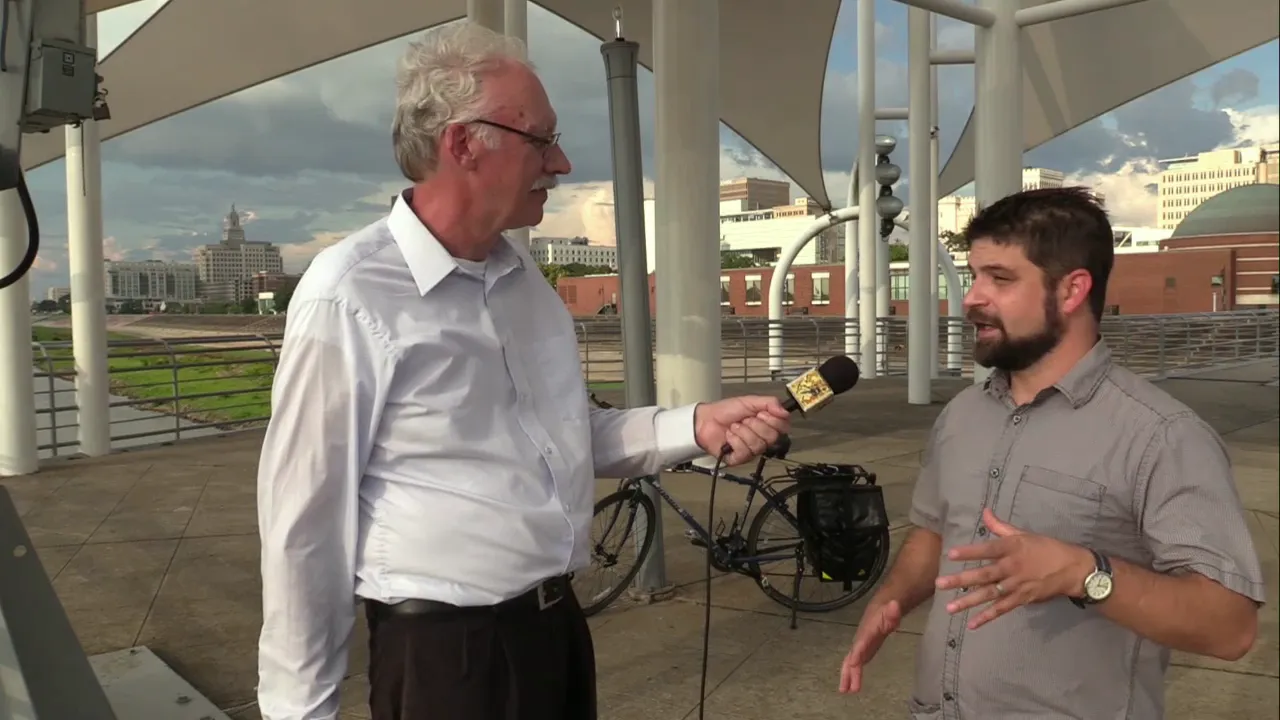
Planning CommissionThursday, May 20, 2021
BodyHampton, Virginia
SessionPlanning Commission
DateThursday, May 20, 2021
StatusFILED
Video Record

STREAMING COPY IN PREPARATION — RECORDING AVAILABLE FROM THE ORIGINAL SOURCE

Transcript — Verbatim
0:00

Farm Bureau has been working to preserve Virginia farms and our rural heritage.

0:04

Visit our website at VAFB.com.

0:08

Hello everyone and welcome to Real Virginia.

0:10

A show about Virginia agriculture and the people who produce the wonderful local products we enjoy.

0:16

Brought to you by the Virginia Farm Bureau.

0:19

Virginia's cattle industry is much more than just a few cows in pastures around the state.

0:25

Now that spring blossoms are past, gardeners need to let their bulbs recharge.

0:30

And we visit Scenic with County for another county agricultural close-up.

1:00

Home in the hard home.

1:06

Welcome back to Real Virginia, everyone.

1:08

We're coming to you this week from a cattle farm in Powhatan County.

1:12

Thousands of small operations like this make up the bulk of Virginia's cattle industry.

1:17

Ricky Gibson explains how the cattle cycle works.

1:21

Most Virginians are used to seeing cattle as they drive through the countryside.

1:26

It turns out that's just the beginning of a nationwide cycle of cattle production that concludes with beef in the grocery store or on your dinner plate.

1:35

Many Virginia farmers raise cattle on grass for up to a year before they're sold for the next stage in the production cycle.

1:42

They go to buyers like Margaret Ann Smith of Rockbridge County, co-owner of South Lake's Cattle Company and Huffman Livestock.

1:50

So you can either come direct to a cow to a buying station like we are, or you can go to a livestock market, and then folks like us purchase cattle either direct from a producer or we purchase from a livestock market.

2:00

We're unique that we do both.

2:02

We purchase from livestock producers directly, and we also produce purchase from livestock markets.

2:07

And then combine those cattle together, and then we resell or we retain ownership in those cattle and hold them and send them west into feed yards or other growing situations.

2:15

The cattle here will leave tonight.

2:25

They'll spend about another 60 days.

2:39

Virginia's cattle industry is worth 679 million dollars each year.

2:45

And that's just the money earned by selling the animals, not the other parts of the business.

3:11

Smith is a Rockbridge County Farm Bureau member, and she serves on the National Cattleman's Beef Association Board of Directors.

3:18

She and her family ship cattle to 22 different states on a monthly basis.

3:23

The prices they receive for these animals are based on national markets, not local sales.

3:28

And market conditions are constantly changing.

3:31

We are an abundant source of grass here in Virginia, so we're very, very good at the cow-calf operation.

3:36

And then the next stage is to go to the grain.

3:39

And that is what they're really, really good at in the west.

4:00

Everyone is looking to make those cattle bigger on grass before they go into the finishing yards.

4:05

So everyone wants more pounds when they get to the yards to be finished.

4:09

It can take 20 months for a calf to reach market weight.

4:13

That's the longest production cycle of any protein source in mainstream agriculture.

4:18

Poultry, pork, and fish all grow faster.

4:20

That's why Smith feels it's so important for consumers to understand that the cattle industry is much bigger than just the local farmer.

4:28

Your customer could be anyone.

4:31

So today the customer was us.

4:34

We're ones buying your cattle, but also that animal is going to go to someone in the West that's going to be feeding that, so that's also the customer.

4:41

But then the customer at the endpoint is the consumer.

4:44

So you have a multi points of customers.

4:46

And you always have to be in the back of your mind, is always thinking of what the consumer is going to be concerned about or conscientiously thinking of what the consumer wants.

4:56

Transporting livestock is different from any other type of shipping.

5:00

Drivers have to get their cargoes safely to their destination as quickly as possible, since they are live animals.

5:06

The other piece of this business that we have to be so respectful of is those guys that drive these trucks.

5:11

They are a huge, huge component of it, and they're to be respected and to be commended.

5:17

And we need to uh work hard to advocate for what their needs are, uh, especially with some of the legislation in Congress and pieces like that.

5:24

They are uh a lot of rules against them.

5:28

And we need we need them because it's not like hauling a uh freight hauler.

5:32

It's it's not the same because our drivers have to physically get in and handle the product, unlike um someone hauling TVs or hauling toilet paper.

5:39

They, you know, it's not the same.

5:41

Buyers like Smith purchase all different types of cattle every week across Virginia.

5:46

From calves born six months earlier to dairy cows that have finished their milking period, all of them are ready for the next step in the cattle cycle.

5:54

Cuts of beef go to grocery chains and restaurant buyers across the country.

5:59

Hides from beef cattle are used for leather products and other protein sources are used to make pet food.

6:05

Beef byproducts are also used in insulin and other medical products.

6:10

Bone china, glue, dish soap, candles, film, crayons, paint brushes, printing ink, nail polish remover, deodorants, antifreeze, hydraulic brake fluid, car wax and tires.

6:23

Nothing is wasted.

Discussion Breakdown — Share of Meeting
Arts And Culture██████████████████18%
Food Preparation███████████11%
Fitness Instruction█████████9%
Community Engagement████████8%
Education And Workforce Development████████8%
Public Health████████8%
Agriculture Education███████7%
Pedestrian Safety█████5%
Public Safety████4%
Summary of Proceedings

Hampton Virginia Public Television Programming Summary – May 20, 2021

This document summarizes the transcript from May 20, 2021, which contains a broadcast of different television segments. Although the request anticipated a city council meeting, no agenda, minutes, or formal city government actions were present. The transcript is a concatenation of shows appearing on Hampton's public access TV or statewide programs like "Real Virginia" (Virginia Farm Bureau). It features several short stories/profiled reports.

Content of the Broadcast

  • Virginia Farm Bureau "Real Virginia" – An episode aired on this date, including segments on the cattle industry, cattle buying, and a county agricultural profile.

    • The Virginia cattle industry is worth $679 million each year (sales of animals only).
    • The state has 1,482,000 head of cattle on 21,880 farms. More than 5,000 farms are small operations with only 1 to 9 head; most producers have fewer than 100 head.
    • The segment explained the cattle cycle: calves, often raised in Virginia, are sold and shipped to feed yards in Western states (but with transport, they may spend about 60 days in another stage).
    • Margaret Ann Smith (co-owner of South Lakes Cattle Company, member of the National Cattleman's Beef Association Board) was interviewed. He expressed support for truck drivers, saying they need advocates, and he respectfully referenced Congress.
    • The reporter Ricky Gibson also detailed the different uses of cattle products, from beef/hides to medical and consumer items.
  • **In

Meeting Transcript

Farm Bureau has been working to preserve Virginia farms and our rural heritage. Visit our website at VAFB.com. Hello everyone and welcome to Real Virginia. A show about Virginia agriculture and the people who produce the wonderful local products we enjoy. Brought to you by the Virginia Farm Bureau. Virginia's cattle industry is much more than just a few cows in pastures around the state. Now that spring blossoms are past, gardeners need to let their bulbs recharge. And we visit Scenic with County for another county agricultural close-up. Home in the hard home. Welcome back to Real Virginia, everyone. We're coming to you this week from a cattle farm in Powhatan County. Thousands of small operations like this make up the bulk of Virginia's cattle industry. Ricky Gibson explains how the cattle cycle works. Most Virginians are used to seeing cattle as they drive through the countryside. It turns out that's just the beginning of a nationwide cycle of cattle production that concludes with beef in the grocery store or on your dinner plate. Many Virginia farmers raise cattle on grass for up to a year before they're sold for the next stage in the production cycle. They go to buyers like Margaret Ann Smith of Rockbridge County, co-owner of South Lake's Cattle Company and Huffman Livestock. So you can either come direct to a cow to a buying station like we are, or you can go to a livestock market, and then folks like us purchase cattle either direct from a producer or we purchase from a livestock market. We're unique that we do both. We purchase from livestock producers directly, and we also produce purchase from livestock markets. And then combine those cattle together, and then we resell or we retain ownership in those cattle and hold them and send them west into feed yards or other growing situations. The cattle here will leave tonight. They'll spend about another 60 days. Virginia's cattle industry is worth 679 million dollars each year. And that's just the money earned by selling the animals, not the other parts of the business. Smith is a Rockbridge County Farm Bureau member, and she serves on the National Cattleman's Beef Association Board of Directors. She and her family ship cattle to 22 different states on a monthly basis. The prices they receive for these animals are based on national markets, not local sales. And market conditions are constantly changing. We are an abundant source of grass here in Virginia, so we're very, very good at the cow-calf operation. And then the next stage is to go to the grain. And that is what they're really, really good at in the west. Everyone is looking to make those cattle bigger on grass before they go into the finishing yards. So everyone wants more pounds when they get to the yards to be finished. It can take 20 months for a calf to reach market weight. That's the longest production cycle of any protein source in mainstream agriculture. Poultry, pork, and fish all grow faster. That's why Smith feels it's so important for consumers to understand that the cattle industry is much bigger than just the local farmer. Your customer could be anyone. So today the customer was us. We're ones buying your cattle, but also that animal is going to go to someone in the West that's going to be feeding that, so that's also the customer. But then the customer at the endpoint is the consumer. So you have a multi points of customers. And you always have to be in the back of your mind, is always thinking of what the consumer is going to be concerned about or conscientiously thinking of what the consumer wants. Transporting livestock is different from any other type of shipping. Drivers have to get their cargoes safely to their destination as quickly as possible, since they are live animals. The other piece of this business that we have to be so respectful of is those guys that drive these trucks. They are a huge, huge component of it, and they're to be respected and to be commended. And we need to uh work hard to advocate for what their needs are, uh, especially with some of the legislation in Congress and pieces like that. They are uh a lot of rules against them.

SUMMARIZED BY OPENPUBLICA AI
TRANSCRIPT VIA PUBLIC VIDEO
openpublica.com