Huntington Town Council: Social Host Law & Underage Drinking Awareness – May 22, 2026
STREAMING COPY IN PREPARATION — RECORDING AVAILABLE FROM THE ORIGINAL SOURCE
Huntington Town Council: Social Host Law & Underage Drinking Awareness – May 22, 2026
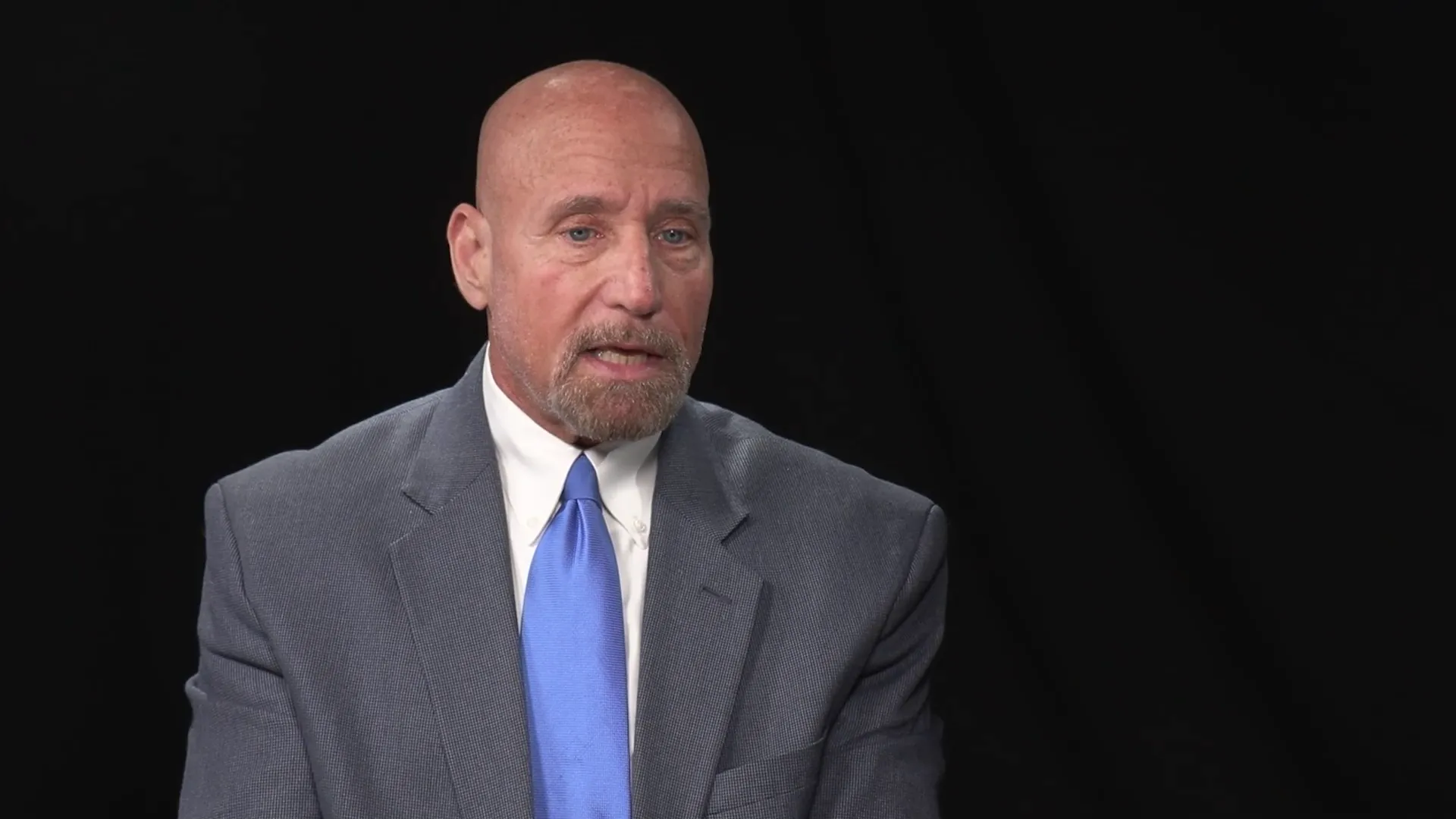
On May 22, 2026, Councilwoman Theresa Mari hosted a discussion with Barry Zax, Project Director of Huntington Drug and Alcohol Counseling Center, to raise awareness about Suffolk County's Social Host Law and the risks of underage drinking during graduation and summer celebration season.
Discussion Items
- Councilwoman Mari and Barry Zax discussed the Suffolk County Social Host Law, which holds adults criminally and civilly responsible for underage drinking on properties they own, rent, or control (including backyards and hotel rooms).
- Zax noted that while overall underage drinking appears to be decreasing nationwide and locally, hazardous drinking is rising: arrests for driving while impaired among 16-20 year olds more than doubled last year.
- Zax addressed the common parental attitude of "at least they're drinking under my supervision," citing evidence that permissive attitudes at home lead to a greater number of severe alcohol problems later in life.
- Communication within families was emphasized as a key prevention strategy, with Zax advising parents to discuss alcohol openly and early, as experimentation increasingly begins in middle school. Statistically, the later youth start experimenting with mood- and mind-altering substances, the less likely they are to develop problems.
- The speakers underscored that alcohol remains a powerful substance, linked to hospitalizations, car accidents, sexual violence, and broken family relationships, even as headlines focus on opioids.
Key Outcomes
- No formal votes or decisions were taken. The session served as a public information effort to encourage parents to know the Social Host Law, communicate with their children and with other parents, and utilize resources such as the Huntington Drug and Alcohol Counseling Center.
- The town reaffirmed its commitment to reducing underage drinking and promoting safety during graduation and summer festivities.
Meeting Transcript
Hello, I'm Councilwoman Theresa Mari. As graduation season and summer celebrations start to happen, we want to take the time to remind parents about Suffolk County's social host law. With me today is Barry Zax. And Barry, why don't you tell our viewers what your what you do for the town? Well, hi, I'm Barry Zach. I'm the project director for Huntington Drug and Alcohol Counseling Center, and we're part of the Huntington Youth Bureau, and we provide on site counseling for youth and adults, prevention in eight different school districts, public speaking, and our mission is to serve Huntington and to reduce the stigma around alcohol and drugs. So I'm very happy to talk to you. Oh, I'm I appreciate you coming. For people who aren't familiar, can you tell us a little bit about what the social host law is? Sure. There are uh nationwide many social host laws and many variations, and Suffolk County is no exception. And so the social host law is a way of holding adults responsible criminally and civilly for underage drinking on properties they may own or may rent or may control. And by control what that means uh a backyard or a hotel room. So adults are being held uh to dissuade underage drinking uh under the threat of financial and criminal penalty. And and at this time of year where we have these graduation parties and celebrations, is it so why is it so important at this time of year for people to be fully aware of the social host law? Underage drinking is a significant problem. Uh the truth is actually nationwide and and locally, overall underage drinking seems to be decreasing lately, and and that's great news. But last year, uh driving while impaired arrests for 16 to 20 year olds more than doubled. So while drinking overall may be going down among youth, hazardous drinking seems to be rising. And it is a significant problem. Something about the social host law I like as a clinician is that it's not just about extracting penalties or or money uh from people who permit parties, but it raises the awareness that underage drinking should be treated for for the drug problem that it really is, and it's a significant one. What do you say to parents who think, well, at least if they're drinking in my house, I can supervise it? I would say that's understandable to have that attitude. There's a logic to it, uh, it seems a little intuitive, but uh what we want to do is then educate. We deal with a lot of parents and and a lot of um adults who cling to this sort of idea, and the truth is the evidence base shows that permissive attitudes at home result statistically in a greater number of uh severe alcohol problems later on in life. And that we want to let people know is what we're finding out is that even though, you know, during adolescence, youth develop autonomy and then they get much more influenced by their peers and cohorts and the social media. But what we're finding out and what we want to communicate to parents is that the family unit is still a very significant influence on choices that youth make. And sometimes parents don't realize that. And so permissiveness around alcohol and andor other drugs can have very negative effects. Like the, you know, children do what you do, not necessarily what you say. Right. And and children uh learn what they live, not what they're told. Um, and uh a lot of times adults um minimize that. Would you give any advice for parents who want to prevent underage drinking? What can they do to prevent it? I think communication is the key, and I think I've had parents tell me that they're scared to bring up the topic with their with their kids because, well, they don't want to expose them to the seamy side of alcohol or other drugs or or um hurt feelings or come off as less friendly to their their kids, but I think it's very important to be open and honest about this topic. And a lot of our prevention workers are working in middle schools. What we're finding out is that the age where people start drinking and using other drugs is decreasing over the years, and middle school is really where some of the experimentation starts. And we find statistically with populations that the later people start experimenting with mood and mind altering substances, the less likely they are to develop uh problems. Not everybody who drinks alcohol uh is an alcoholic or necessarily has a problem. But the younger people start, the more likely they are to have one. And this has been demonstrated for many years. So we want parents to bring up this topic. And I I tell parents there's no you can't bring it up too early. Right. What would be the most important message that you believe that you could give to parents, especially at this time of year, where their kids are likely to be out drinking or looking to have their friends over and have them be able to drink? What would you give them as the most important advice? I think parents need to communicate not only with their kids but with each other and uh with people like me and you. And I think that in this day and age, with the technology, there's Uber, there's so many ways to avoid getting in a car that that youth need to be taught not to enable their friends to drive after they've been drinking, let alone themselves. And um, and that we ought not minimize that underage drinking uh is in itself uh a significant problem.
openpublica.com