31
SEP 24, 2026 · ANCHORAGE, ALASKA · ASSEMBLY & COMMITTEE MEETINGS
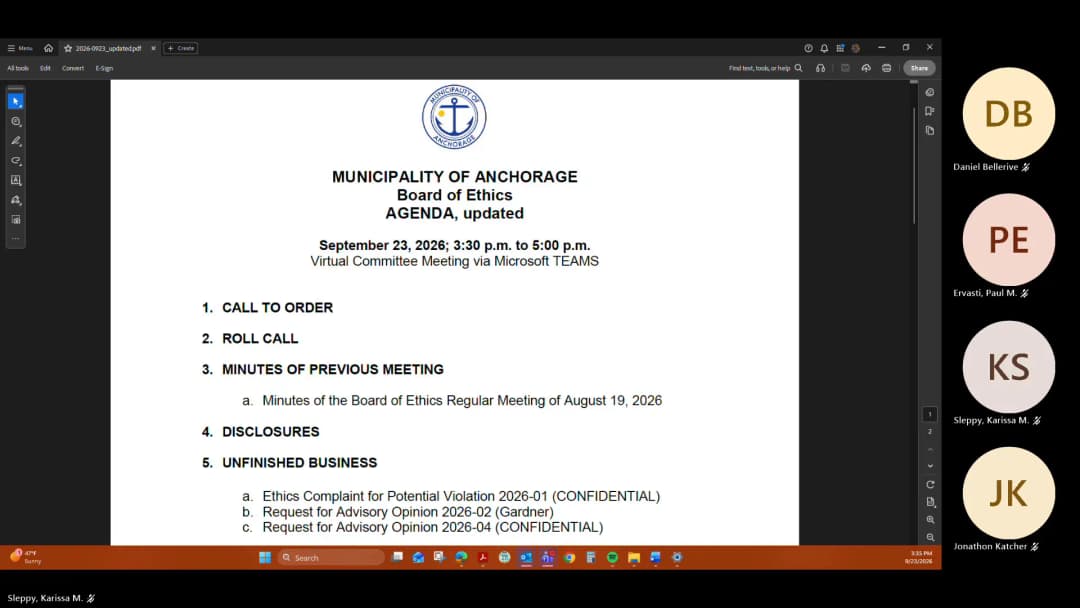
Board of Ethics Meeting Adjourned Due to Lack of Quorum on September 24, 2026
PROCEDURAL 100%
Note: The meeting transcript references a September 23rd date, which differs from the provided meeting date of September 24, 2026. This summary uses the provided date. The Board of Ethics meeting scheduled for September 24, 2026, was called to order but immediately adjourned because no other members were present to establish a quorum. No business was conducted. Outcome - The meeting was adjourned without any votes or decisions. The chair indicated that a poll would be taken to find the next available date for a meeting with a quorum. Discrepancy - The transcript refers to the meeting date as September 23rd, while the official metadata indicates September 24, 2026. This inconsistency is noted but not resolved.

No agenda, minutes, or transcript were provided for this meeting. Based on the available materials, the meeting contained no recorded discussion, public testimony, or decisions. The summary below reflects the absence of content. Consent Calendar - No items were recorded. Public Comments & Testimony - None were provided. Discussion Items - No discussion was documented. Key Outcomes - No votes, directives, or actions were reported.
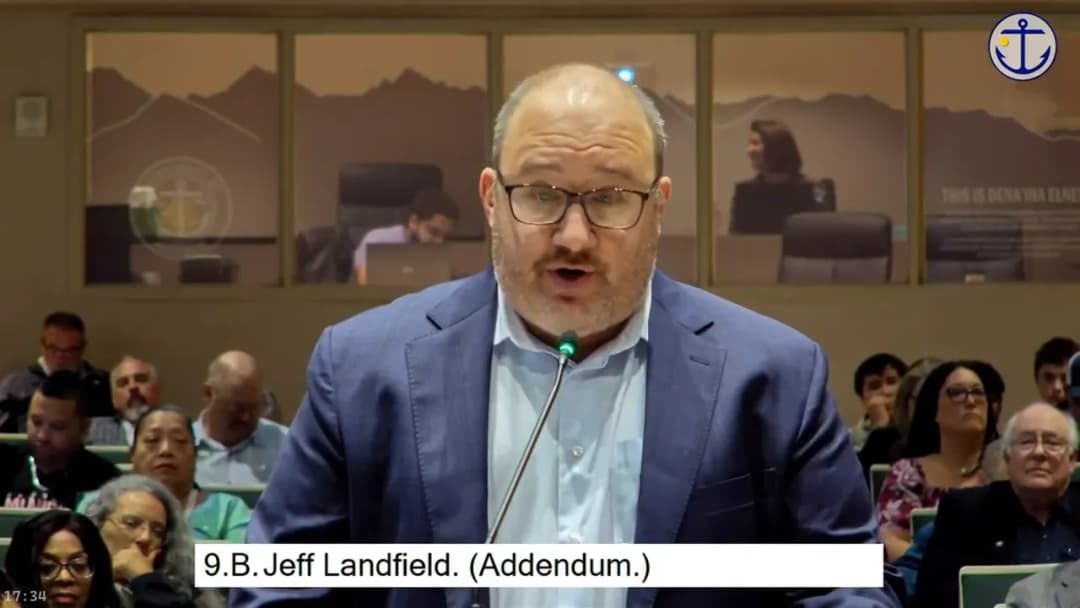
The Anchorage Assembly met for a regular business meeting that included recognition resolutions, youth representative swearing-in, and public hearings on housing tax incentives, surveillance technology, and the Missing Middle Housing Opportunity (MHOP) ordinance. The transcript repeatedly identifies the meeting date as Tuesday, September 15, 2026; the supplied metadata date is 2026-09-19, which is used here as instructed. The meeting was extended and ran until just before midnight, with several items postponed to future meetings. Consent Calendar - The consent agenda was approved minus items pulled by members. Pulled items were considered individually. - Recognition resolutions adopted unanimously: - AR 2026-264 recognizing September 15–October 15, 2026 as Hispanic and Latino Heritage Month. - AR 2026-265 honoring the Board of Equalization, which received a record 1,990 property tax assessment appeals in 2026 and completed 118 hearings compared to an average of 63. - AR 2026-266 recognizing September 25, 2026 as Dolly Day, honoring Dolly Parton and Anchorage Imagination Library’s more than 6,000 children served and 73,000 books distributed annually. - AR 2026-273 honoring the life and legacy of Dick Trainey, five-time Assembly chair and longest-serving member. - AM 586-2026, a cooperative purchase for two chip-topper distributor trucks and one chip spreader for Maintenance and Operations, was approved 11-0 with a not-to-exceed amount of $1,151,774. Public Comments & Testimony - Reverend Emily Carroll announced the October 1 opening of Three Elements Educare, a licensed child care center with capacity for 10 infants, 12 toddlers, 20 preschoolers, and 40 school-age children. She thanked the Assembly for Anchorage Child Care and Early Education funding in 2025 and 2026. - Jeff Landfield, publisher of Alaska Landmine, described an APD-initiated copyright strike that removed his Facebook video critical of Chief Sean Case. The video was later restored after APD concluded the use was likely fair use. Municipal Manager Falsey called it a “well-intentioned but mistaken call” and said it was not directed from leadership. Public Hearing: First-Time Homebuyer Tax Incentive (AO 2026-89) - Supporters included Bill Taylor (Colony Builders / Anchorage Home Builders Association), Skylar Quinn (Anchorage Home Builders Association president), and builder Kurosh Porto, who said the incentive would help younger families enter the housing market. - Opponents included Francis Seder, Josh McCose (Alaska Libertarian Party), Carol Howarth, Sean Williams, Scott Anderson, and others. They argued the tax burden would shift to existing property owners and renters, that the price threshold was too high, and that it would subsidize demand rather than supply. - The Assembly debated a substitute version tied to price and income. A motion to postpone to October 20 failed 5-7. The item was then postponed indefinitely on an 11-1 vote. Public Hearing: Mixed-Use Multi-Unit Housing Tax Incentive (AO 2026-93) - Public testifiers largely supported the substitute version, describing it as an efficient way to reuse vacant or underutilized space and grow the tax base. Concerns were raised by Carol Howarth and Josh McCose about permitting and regulatory barriers. - Assembly members questioned why the incentive applied only to owner-occupied units and noted a gap between four- and eight-unit projects. A motion to postpone to October 20 passed 11-1. Public Hearing: Surveillance Technology (AO 2026-108) - Eric Glatt (ACLU of Alaska) raised concerns about the S and S1 versions’ narrowed definition of surveillance technology and the 45-day cure period before a private right of action. - Josh McCose (Alaska Libertarian Party) opposed the substitute, saying it lacked retention limits and did not cover traffic cameras, facial recognition access, or data sharing through vendors. - Other community members, including representatives of the North Star Community Council, raised concerns about ALPRs, vendor data security, government accountability, and the speed of technology deployment. - Some testifiers, including Adrian Canino, supported codifying oversight but said they would prefer to remove automatic license plate readers entirely. Mike McConaughey opposed the ordinance, saying APD should be allowed to use investigatory tools. - After debate, the item was postponed to October 20 on a 12-0 vote. Discussion Item: Drone Report (AIM 139-2026) - Member McCormick said the annual drone report was incomplete and that a constituent’s police report showed a drone flight not listed in the report. APD acknowledged the omission was likely due to a spreadsheet glitch. - The municipal attorney explained that redacted records involved an open criminal investigation. - The administration requested indefinite postponement to prepare a revised report. A motion to postpone to October 6 passed 8-3, with the underlying motion to postpone indefinitely remaining on the item. Public Hearing: Missing Middle Housing Opportunity Overlay (AO 2026-85) - The hearing opened with extensive public testimony. - Supporters included Bill Taylor, Jason Norris (Huffman/O’Malley Community Council), Anchorage Housing Club organizers, and many young residents who described difficulty finding affordable housing. They cited the need for more housing supply, smaller homes, and growth along transit corridors. - Opponents and concerned residents, including members of the Anchorage Housing Work Group and several community councils, urged amendments to remove R1/R2 zones, exclude seismic hazard zones 4 and 5, keep 30-foot height limits, reduce lot coverage from 70% to 50%, and restore public notice. - The hearing was continued to October 6 because the meeting reached the midnight charter deadline; no vote was taken on the ordinance. Key Outcomes - An unnumbered ordinance updating Anchorage Bowl Comprehensive Plan and land-use density minimums was introduced; public hearing set for October 6. - Three youth representatives were sworn in: Rikik Ali, Malachi Cochran, and Rebecca McCullough. - AO 2026-89 was postponed indefinitely (11-1). - AO 2026-93 was postponed to October 20 (11-1). - AO 2026-108 was postponed to October 20 (12-0). - AIM 139-2026 was postponed to October 6 (8-3). - AO 2026-85 public hearing was continued to October 6, with remaining public hearing items 14B–14F carried over.
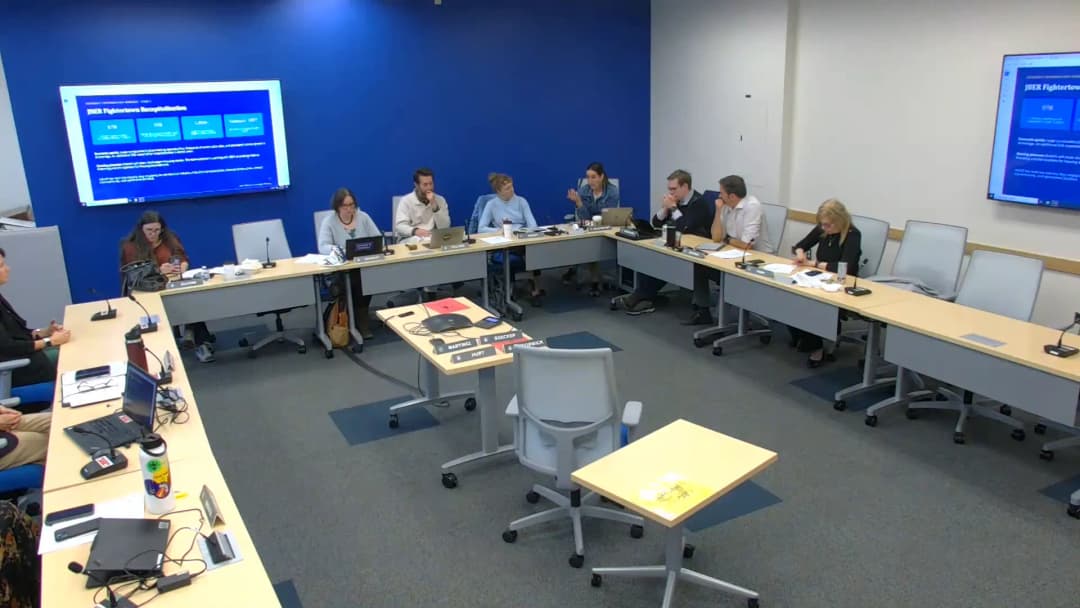
The Anchorage Assembly held a work session on September 18, 2026, to discuss the 120-day memo, which marks the beginning of the 2027 budget process. Mayor LaFrance and OMB Director Brouse presented an overview of the fiscal outlook, revenue estimates, tax cap limits, administration priorities, and capital budget. Assembly members engaged in detailed discussions on school district funding, the JBER Fighter Town recapitalization, and other topics, with no formal votes taken. Discussion Items Mayor's Opening Remarks Mayor LaFrance stated that revenues are expected to remain relatively flat while costs rise due to insurance, energy, and cost of living pressures. He outlined three responsibilities: acknowledge fiscal constraints, protect essential services, and make targeted investments for the future. He highlighted achievements including 91 additional sworn police officers, a 70% increase in prosecutions, and a 28% reduction in unsheltered homelessness. The mayor emphasized the need to ask whether taxpayers are getting good value for their dollars. Revenue Overview (OMB Director Brouse) - Total non-property tax revenue is down $7.8 million from the 2026 budget, largely due to a loss of transfer revenue from other municipal businesses. - Traffic and trial court fines are up $3 million; the community assistance program is up $1 million (to expected normal levels); ambulance fees up $300,000; alcohol tax up $500,000–$600,000; marijuana tax down $300,000. - Discussion on SEMT (Supplemental Emergency Medical Services Transport) revenues: budgeting is challenging due to delays in state reimbursements. SEMT revenues above budget are currently directed to fire department expenses. - Multiple assembly members asked about revenue assumptions, including reductions in automobile tax ($1.3M), tobacco tax ($500,000), motor vehicle rental tax ($1M), and MUSA ($200,000). These are based on recent trends. Tax Cap Calculation - Preliminary tax cap calculation: limit on all taxes collectible is $464 million; limit on property taxes collectible is $381.7 million. - Last year, the room under the property tax cap was $325 million. The population multiplier is blank because the change between 2026 and 2027 is zero. Administration Priorities - Continued increase in prosecutors and sworn officers at APD, additional community service officers, investment in snow removal drivers and equipment (about $6 million through levy and operating changes), completing delayed comprehensive financial audits, and restoring the Munis bond rating reserve. - Future focus areas: revitalizing neighborhoods, energy resiliency and affordability, boosting recreation and tourism, and preparing for JBER growth. - Assembly members asked for specifics on neighborhood revitalization and energy audits. Chief of Staff Suzanne Fleek-Green noted that energy audits for municipal assets are underway and that the administration is exploring ways to help residents future-proof their homes. Reorganization - The proposed reorganization consolidates the CAO position into the municipal manager role. The community development director will report directly to the mayor, alongside the municipal manager and CFO. Risk management moves into the municipal attorney’s office. No immediate cost savings have been quantified. School District Funding Gap - Originally a $12 million gap was projected; after state legislative action capping the voluntary contribution at 4%, the gap is now about $6 million. - Discussion on the mechanics of required vs. allowable local contribution, the interplay with the tax cap, and the challenge of differing fiscal years (municipal calendar year vs. school district fiscal year). - Assembly members requested a flow chart or timeline of decision points to better understand how to manage the gap. The administration indicated contingency proposals will be developed. - Example from the previous year: AO 2025-29S allowed pre-approval of school district budget revisions if the legislature increased the base student allocation, which saved procedural steps. JBER Fighter Town Recapitalization - $7 billion in military construction over five years, starting summer 2027. An estimated 2,500 additional military personnel and their families will require off-base housing. - Housing pressure: the military expects the private market to provide housing, but high costs and limited supply pose challenges. The administration is exploring federal programs like the Defense Community Infrastructure Program (DCIP) and working with developers. - Assembly members requested a work session with JBER leadership to learn more. Chief of Staff Fleek-Green confirmed efforts to schedule such a session. - Discussion on housing allowances: the administration will share breakdowns of expected allowances by rank and family size. - Assembly member Baldwin-Day noted that subsidized demand could put upward pressure on housing prices and urged intentional matchmaking. Gas Line and Other Developments - The Alaska gas line project could bring a large influx of workers, compounding housing demand alongside JBER growth. - Other notable developments: South Central Foundation crisis stabilization center, FedEx sorting facility at the airport, and Touchmark senior living project (first units expected 2028). Capital Budget Overview - Total capital projects requested for 2027–2032 amount to $867 million. For 2027, most funding sources are bonds (property taxes), with $120 million in bondable projects on the list. - Assembly members discussed bond packaging, the potential shift to a stormwater utility for drainage maintenance (noted $114 million in drainage projects in the last CIP), and state requests. OMB Director Brouse indicated the administration is taking a new approach to state requests, only listing those actually being requested each year rather than carrying forward all potential projects. - The bond rating improvement may reduce borrowing costs but is not expected to produce immediate savings. Key Outcomes - No formal votes were taken; the work session was informational. - The budget process timeline was reviewed: the 120-day memo was published September 2; the full budget will be introduced to the assembly on October 2 and introduced at the October 6 meeting; deliberation through October and November; mill rates set in April 2027. - Additional work sessions were announced, including on the parks CIP with the Anchorage Park Foundation (October 2) and with the ACE Fund board. - The administration committed to providing further information on school district funding scenarios, a breakdown of JBER housing allowances, and scheduling a work session with JBER leadership.

No agenda, minutes, or transcript were provided for this meeting. Therefore, no decisions, discussions, or public testimony can be summarized.
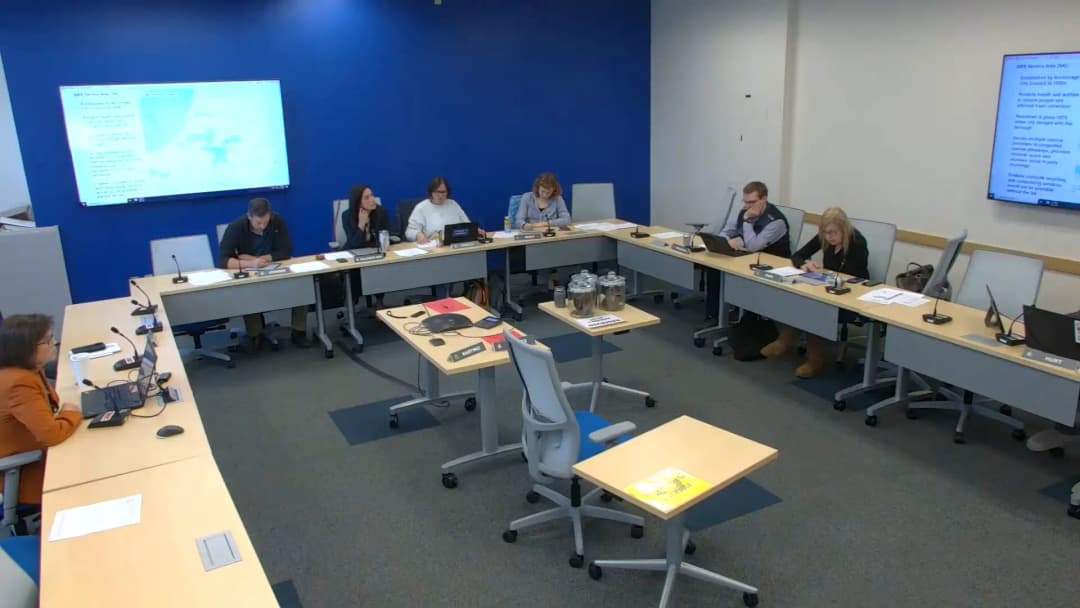
The committee met on September 17, 2026, from 11:15 a.m. to 12:15 p.m. (actual start 11:18, adjourned 11:44) to receive updates on the Port of Alaska modernization program, the storm drain project, cathodic protection, and Solid Waste Services, including the waste-to-energy initiative. Members present: Donald Handelin, Sydney Scout, Anna Brawling, Aaron Baldwin Day, and on phone: member Silvers, member Martinez, and member Park. Plan of Finance Update - Bill Falsey (municipal manager) reported that the revised second edition of the Comprehensive Plan of Finance has been published and is available on the website. The document is intended to be evergreen, updated annually, and includes a grant strategy narrative detailing past awards and challenges. Members encouraged to review the executive summary and appendix. - Member Brawley asked if any alternative funding sources or project pauses exist. Falsey responded that all options have been explored (self-generated, state, federal, public-private partnerships) and no new alternatives have been identified. Port Construction Update - Eric Adams (Jacobs program manager) provided a terminal one construction update: demolition of fuel one is complete; deep soil mixing (286 holes, six-foot diameter, 100 feet deep concrete columns for seismic resilience) finished; intertidal fill at trestle one B nearly complete; pile installation ongoing. Marine equipment expected to depart around Halloween. - Member Handelin asked about the deep soil mixing process; Adams explained it creates concrete columns to prevent land sloughing during earthquakes. Storm Drain Project Change Order - Terry Amatum (port director) reported that the assembly earlier approved a change order to include system five for compliance with a $15 million grant. During construction, unexpected contaminated soil (petroleum, oil, lubricants) requiring out-of-state disposal was discovered, and a pipe size change from 48-inch to 60-inch was needed. Project completion expected May 2027. - Member Park asked about contaminants; Amatum identified them as petroleum, oil, and lubricants. Cathodic Protection Term Contract - Eric Adams stated the port selected two firms for annual cathodic protection engineering support, a routine recompete of existing contracts. Solid Waste Services Presentation & Waste Energy Update - Kelly Toth (director of Solid Waste Services) introduced department overview, service area, and recent initiatives. Demonstrated bottom ash, metals (ferrous, non-ferrous, zinc, copper) recovered from waste energy process, noting 90% volume reduction through incineration. - Updates: public tipping wall demolished, new semi-covered facility under construction (completion before spring 2027); 56th Avenue road closure will clear by Saturday; accepted 22,000 pounds of salmon from a Seward spill (mixed with hydraulic fluid) for composting, now nearly decomposed. - Waste-to-energy project: under negotiation for designer, construction manager at risk, and operations manager at risk. Plan of finance to be presented to assembly in October 2026. - Member Scout announced a public port tour on September 27 at 1:30 p.m. organized by operator Tote. Key Outcomes - The Comprehensive Plan of Finance revised second edition is published and available online. - Deep soil mixing for terminal one trestles is complete. - Storm drain project change order includes addressing contaminated soil and pipe size increase; completion by May 2027. - Cathodic protection term contract awarded to two firms. - Waste-to-energy project moving toward final plan of finance submittal in fall 2026. - No public testimony was received; no formal votes were taken.
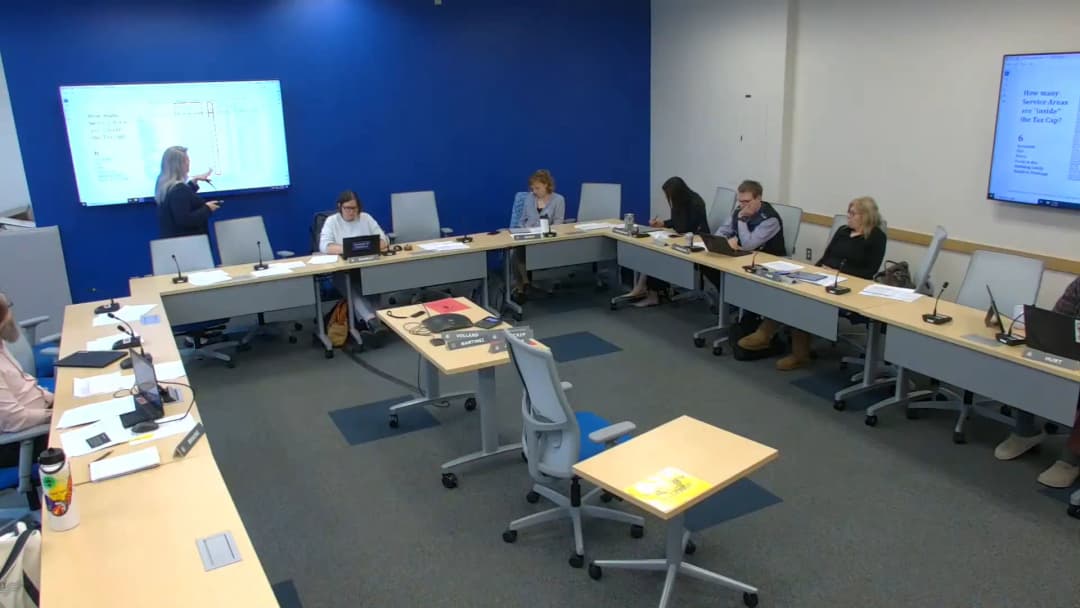
The Assembly Budget and Finance Committee of the Whole met Thursday, September 17, 2026, from about 10:00 a.m. to 11:07 a.m. in City Hall Room 155. No agenda or minutes were available, so this summary is based only on the meeting transcript. Committee members participating in the room or by phone included Chair Donald Handelin, Anna Brawley, Sydney Scout, Baldwin Day, Johnson, Martinez, Gerger, Roland, McCormick, Park, and Voland. The committee received standing reports and continued a presentation on municipal service areas. No public comment was offered. Standing Reports - Budget Advisory Commission: Chair Ian Mills reported on the commission's recent meeting with OMB Director Browse about the 120-day memo. The commission passed Resolution AIM 146 2026, listed on the September 15 assembly agenda. Mills described the resolution as encouraging communication and engagement with the community, cooperation between the assembly and school district where feasible, and consideration of the long-term cost of maintaining infrastructure, especially through a density lens, noting that low-density development tends to have higher maintenance costs than the tax-based supports it generates. Mills is working with Member Scout on district-one town halls to gather budget input. Asked by Member Baldwin Day for concrete engagement suggestions, Mills said the resolution does not include specific guidance but he is happy to discuss ideas offline. - MOA Trust: Investment Director Kevin Liu reported a monthly return increase of 1.7% over the previous month, an $8.4 million increase in August. Year-to-date return was up 8.3%, driven by positive global markets as the tech selloff slowed. The Nasdaq returned 4.2% in August, and the S&P 500 reached an all-time high in August. No questions were asked. - Revenue Report: Deputy Treasurer Lauren Crawford said revenues are coming in essentially as forecast. In response to questions, she said ambulance service fee (SEMT) reimbursements from the state are received as a single lump sum based on the prior year, require completion of the ACFR, and can take more than a few months but less than a year. On the room tax, Crawford said a third of the revenue goes to general government outside the tax cap, with the other two-thirds going to other entities; online reports provide breakdowns such as hotel classes and short-term rentals. Member Handelin requested a follow-up email with the room-tax breakdown, and Member Baldwin Day suggested a future briefing on the bed/room tax, noting it becomes complicated with bond agreements for the Dena'ina Center. Budget and Financial Reports - Budget to Actuals: OMB Director Browse said the municipality was 66.3% through the fiscal year as of the end of August and underspent by about 3%. High spends in the Chief Administrative Officer department are driven by venues contracts and risk. Maintenance and operations was at 51% spent, well under normal, due to a prior assembly appropriation. Municipal manager was underspent largely because of an unspent non-labor software set-aside in the safety department. The TANS expense line showed zero because funds had not yet been transferred into TAN spend, expected by year-end. - Labor versus Non-Labor: Browse said payroll segmentation this year makes labor percentages look slightly off because more than 26 payroll periods are allocated due to splitting the beginning and end of the year. Non-labor highlights included CAO at 83% spent, Municipal Attorney's Office at 91% (reflecting a large contract encumbered at the beginning of the year), and PME at 88%; OMB has asked Director Kolhas whether PME's figure is an accounting anomaly or a specific spend. - Overtime: Finance is in an overspend category due to property appraisal work. APD and AFD overtime is higher than normal, related to budget adjustments and vacancies. Browse said overtime analysis is underway, including whether regular staffing could reduce overtime, particularly in the fire department where some overtime is tied to reimbursable state call-outs such as MCT operations. - Travel: Total travel budget is $589,000; $320,000 (54%) had been spent, with no department overspent. - Alcohol and Marijuana Taxes: Browse reported that prior questions about alcohol tax encumbrances likely resulted from the HANA conversion between platforms. Next month the congregate shelter annual operations contract line item will move due to assembly action. Alcohol tax grant programs are out the door and program operations are under spend. Asked about a possible year-end shortfall, Browse said OMB is not concerned; a prior fund balance may accommodate any overspend, and revenue projections show a slight increase in alcohol tax for 2027. Marijuana tax and ACE fund grant programs are moving out the door, tax-collection alignment will be handled before year-end, and board administration is on or under spend. - ACE Fund: Browse noted the ACE fund board has provided budget recommendations to the assembly. A work session on the ACE fund is scheduled Friday, October 2, 2026, from 2:10 to 3:10 p.m. Service Area Presentation and Discussion - OMB Director Browse continued the service-area presentation begun in August. She reviewed the definition of service areas, where they are authorized, common types across Anchorage, how they are paid for, who runs them, the 21 individual LERSAs on the Hillside, differences between Eagle River and Girdwood, and how the more than 60 active service areas have evolved since the 1970s. - Browse displayed a spreadsheet of service-area mill levies. She explained that six major funds are part of the tax cap; the traditional five majors are the first four in a highlighted box plus ARDSA. The Anchorage Building Safety Service Area had no levy this year but has levied in past years. Not every service area pays into each fund, depending on whether residents voted into or out of those service areas over time. - Tax-cap mechanics: Browse and the clerk present explained that areas under the tax cap can be increased only by a vote of all municipal voters, while individual LERSAs and other outside-the-cap service areas have their own voter-approved mill-rate caps and can raise their mill rate with approval only of service-area voters. The clerk noted there are roughly 180 ballot styles because precincts can contain multiple LERSAs. Browse explained that Girdwood's attempts to use full-faith-and-credit debt have often failed because the entire municipality votes on that backing, even though only service-area residents would repay the debt. - Member questions on service-area equity: Member Voland asked about Stuckagain Heights without parks and rec, meaning it does not pay into the parks and recreation service area. She noted Glen Alps shows no fire levy and a lower total levy of 12.08, and asked whether fire service would still respond. Browse said the practical answer is likely yes, but non-emergency response is tied to the service-area structure, and detailed mapping would be needed for a full answer. Member Voland raised concerns that CASA, which shows many small levies and some blanks, could let lower-levy service areas avoid raising their own funds while area-wide voters subsidize facilities. Browse acknowledged the service-area model creates these tensions, and that blending all services area-wide would raise questions for smaller communities. - Member Handelin asked whether the municipality bills for responses to areas without fire service; Browse said it generally invoices for such service and noted Eagle River's fire arrangement. A clarification was offered that Eagle River is part of the Anchorage-area program, while Chugach is slightly different. Handelin observed that we have some areas with representation, but no taxation. - Member Baldwin Day questioned how areas came to be outside certain services, saying some residents appeared to have a premium subscription to the municipality without paying for it. Browse said this resulted from historical decisions made 50 years ago, including small neighborhoods that were formerly cities, and from the nature of a combined city-borough. Baldwin Day called the result horrifying. Key Outcomes - No formal votes or resolutions were taken at this meeting; the reports and service-area presentation were for information and discussion. - The committee directed no immediate action, but the service-area conversation is expected to continue, with the chair suggesting the Transportation & Infrastructure Committee as another venue for deeper mechanics. - Future updates will include FEMA, ARPA, and fund positions during the October/November budget process, with possible detail through December and first-quarter revisions. - The ACE fund budget work session is scheduled for Friday, October 2, 2026, from 2:10 to 3:10 p.m. - OMB will provide additional monthly reports, including a look at finance overtime and a possible room-tax briefing.
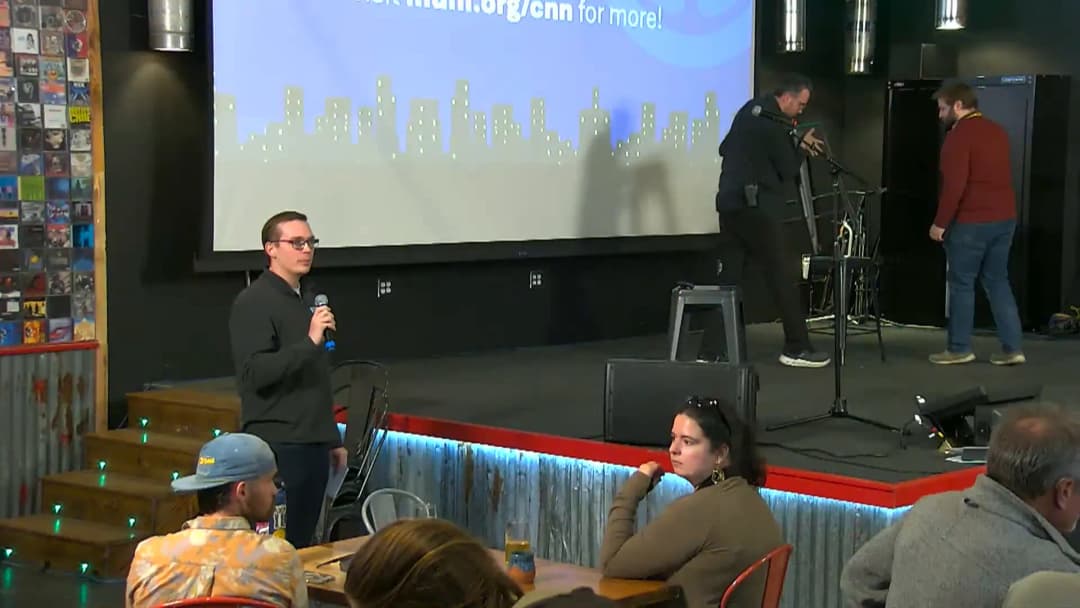
On September 17, 2026, the Anchorage Assembly hosted Nerd Night at Centennial Hall (Odd Man Rush brewery) in Eagle River, themed "The Future is on Tap." The event featured seven short presentations from local community members on topics ranging from peer pressure and volunteerism to waste-to-energy, fire department funding, supply chains, real estate trends, and the upcoming comprehensive plan update. After the presentations, a question-and-answer session allowed attendees to engage directly with the speakers and Assembly Member Donald Handelin. The evening emphasized community involvement, positive peer pressure, and local pride. Discussion Items - Kristen King – "In Defense of Peer Pressure": Owner of Honey Bee Beauty and president of Chugiak Eagle River Women in Business (CWEB) argued that peer pressure is a powerful force that can be harnessed for good. She cited the Kohler effect (people work harder alongside slightly stronger peers) and encouraged attendees to intentionally surround themselves with people who challenge them. She announced CWEB's upcoming "Grown-Up Spelling Bee" fundraiser at Odd Man Rush in February 2027. - Mark – "Taking Initiative to Change the Local Community for the Better": Mark co-directed Eagle River's first half marathon (the Fireweed Half Marathon) in seven months. The event raised over $6,000 for the Eagle River Nature Center, with 175 runners, 30+ volunteers, and countless unregistered supporters. Registration for the first-ever "Eagle Trot" Turkey Trot (Thanksgiving Day 2026) opens the following Monday. Mark emphasized that many hands make light work and encouraged community involvement. - Kelly – "Waste to Energy: Turning Anchorage's Waste Into a Community Resource": Kelly, Director of Solid Waste Services, presented a plan to build a waste-to-energy facility at the Anchorage landfill. The facility would generate 25 megawatts (10% of the grid, powering 20,000 homes) and extend the landfill's life by over 100 years. Construction is targeted for 2030, operations by 2031. A public process is underway, with a cost estimate expected spring 2027. She invited attendees to tour the landfill. - Chief Clifton Dalton – "Chugiak Fire & Rescue Department": The all-volunteer department serves 50 square miles and 14,000 residents, with call volume up 27% since 2011. Only 59 of over 1,000 annual calls were fires; 70% are EMS. The department has not raised its mill rate since 2005 and seeks a mill rate increase to fund aging apparatus (some fire trucks over 15 years old) and maintain current service levels. A proposal will go to voters in spring 2027. - Karen – "The Invisible Systems of Eagle River": A supply chain expert traced the journey of a pint of Odd Man Rush's Enforcer IPA, from grains and hops barged from the Lower 48 to spent grain fed to goats at Tiny Homestead in Chugiak. She highlighted the human network behind logistics and the closed-loop system where brewery waste supports local agriculture, culminating in the goats appearing at the Alaska State Fair. She urged attendees to see the invisible systems behind everyday goods. - Melissa Flint – "From Avocado Bathtubs to $500,000 Homes: What's Next for Eagle River?": A realtor with Century 21, Melissa presented median home price data from 1994 ($143,250) to 2025 ($510,000), a 256% increase. Eagle River is now more expensive than Anchorage. She attributed this to desirability, community events, and limited supply. The future value of Eagle River depends on continued community involvement, supporting local businesses, and taking pride in the area. - Luke Bertram – "Eagle River/Chugiak Comprehensive Plan Update": Senior planner with MOA Planning Department announced the upcoming update to the 2006 comprehensive plan. The plan will shape zoning, land use, economic development, parks, and infrastructure for 2050. Public engagement will begin with surveys and workshops in early 2027, with the plan expected to go through CRAB, Planning and Zoning Commission, and Assembly approval. Luke emphasized that the plan is legally binding but does not automatically change zoning or fund projects. - Community Council Plug: Julie Jesson, president of Eagle River Valley Community Council, peer-pressured attendees to get involved in their local community councils as a way to influence decisions. She directed them to communitycouncils.org. - Question & Answer Session: Topics included reasons for increased medical calls (Chief Dalton cited lack of primary care), the Fireweed half marathon date, inflation-adjusted home prices, waste-to-energy ownership and emissions, redevelopment of the old movie theater site, fire department public education on lifts, advice for new business owners, supply chain research, home-selling tips, trail maintenance funding (Assembly Member Handelin noted the service area model), youth facilities and activities (Luke confirmed outreach to schools, Kristen urged youth to start their own groups), and inclusion of avoided costs in waste-to-energy analysis (Kelly confirmed yes). Key Outcomes - No formal votes or decisions were taken; the event was informational and community-building. - The Fireweed Half Marathon will return in September 2027; exact date TBD. - Registration for the Eagle River Turkey Trot (Eagle Trot) opens September 21, 2026. - The waste-to-energy facility cost analysis will include avoided landfill costs; construction manager at risk RFP is closing out. - The Chugiak Fire & Rescue Department will seek a mill rate increase in spring 2027 to fund equipment and sustain operations. - The comprehensive plan update process will begin in early 2027 with public surveys and workshops; the public can engage via Luke's contact information. - The community was encouraged to participate in community councils, support local businesses, and volunteer for events like the upcoming spelling bee and turkey trot.
The Anchorage Election Commission met on September 17, 2026 to approve prior meeting minutes, receive disclosures, and discuss proposed amendments to the Election Commission manual and Title 28 of the municipal code. Commissioner Lauren Lehman presented edits to the manual, and Assembly Members Sydney Scout and Donald (last name not given) introduced a draft ordinance to revise election procedures, including a proposed nomination petition requirement for candidates. The commission expressed concerns about some provisions, particularly the signature threshold and a section on ballot review standards, and deferred formal advice pending further discussion. Consent Calendar - Approved minutes of the February 25, April 27, and April 23, 2026 meetings (all approved without objection or with motions and seconds). Public Comments & Testimony - No public participation was offered; no one was on the phone line. Discussion Items - Election Commission Manual Revisions: Commissioner Lauren Lehman presented two versions of the manual, highlighting edits to the introductory paragraph emphasizing the importance of local elections, and a correction to the description of prohibited political activity for election officials (aligning with AMC citation). Other minor corrections were noted, including consistent capitalization of "Assembly" and "Municipal Clerk," and a gerund usage fix. Commissioner Ralph DeWare identified technical corrections related to ballot return envelope postmark deadlines and retention of written challenges, referencing code sections. The commission approved the revised manual subject to staff clarification on one citation. - Title 28 Ordinance Amendments: Assembly Member Sydney Scout and Assembly Member Donald introduced a draft ordinance containing ten sections of changes to election procedures, developed with staff. Key items included: - Reducing required newspaper notices and favoring digital ads. - Adjusting candidate video streaming requirements after elections. - Modifying ballot return envelope review standards and retention periods. - Eliminating a liaison requirement for election observers when none are present. - Introducing a nomination petition requirement for candidates: 1% of voters in the last municipal election (estimated 56–130 signatures for assembly districts, 700 for mayor, 650 for school board) with a proposed cap of 500 signatures. Assembly Member Scout stated the intent was to increase voter engagement and ensure candidate seriousness, not to gatekeep. Commissioner Ralph DeWare and others raised concerns about the high number, suggesting lower thresholds (e.g., 25 for district races, 100 for mayor). Commissioner Lehman noted potential equity impacts and the difficulty for school board candidates running citywide. Assembly Member Scout indicated openness to reducing the number, suggesting 0.01% for citywide races (about 74 signatures) or other adjustments. - Section 9 of the ordinance would require the election commission to strictly follow code when reviewing ballots, referencing a past incident where the commission counted a ballot despite the clerk's advice. Several commissioners objected to the language as offensive and unnecessary, arguing it undermines their role as a check and balance. Clerk Jamie explained the provision aims to prevent future conflicts and ensure compliance. The commission discussed deleting the latter sentences but did not take a formal vote. - Signature Verification Process: Clerk Jamie described a new option for voters to provide a current signature in person to reduce rejection rates due to signature mismatches, noting that no-match is the top reason for ballot rejection. This would be an addition to existing state database signatures, not a replacement. Key Outcomes - Motion to approve the revised Election Commission manual (as amended) passed unanimously. The manual will be finalized with staff clarification on the challenge retention citation. - No formal recommendation on the Title 28 ordinance was made. Commissioners declined to provide advisory opinions at this time, citing insufficient notice and unresolved concerns, especially regarding the nomination petition number and Section 9 language. The commission requested a future meeting with at least seven days' public notice to further vet the ordinance. Assembly Member Scout indicated she would extend the public hearing until at least October 20, 2026 to allow for a governance committee (formerly rules committee) meeting beforehand. - The election commission will coordinate with the assembly's governance committee chair to schedule a joint work session and continue the dialogue.
This regular business meeting of the Anchorage Assembly covered a range of topics including memorial resolutions, a First Amendment concern involving the Anchorage Police Department, public hearings on housing incentives and surveillance technology, and the swearing‑in of youth representatives. Key outcomes included the postponement of several ordinances and the adoption of recognition resolutions. Consent Calendar - The consent agenda was approved minus items pulled for discussion. Pulled items included recognition resolutions and other items later debated individually. Public Comments & Testimony - Reverend Emily Carroll announced the opening of Three Elements Educare, a new licensed child care center downtown with capacity for 10 infants, 12 toddlers, 20 preschoolers, and 40 school‑age children. She thanked the assembly for ACE funding in 2025 and 2026 and noted the project brought together federal, state, municipal, philanthropic, corporate, and faith‑based support. - Jeff Lanfield (Alaska Landmine) testified about an August 28 post critical of Chief Sean Case. APD’s director of community relations filed a copyright strike, removing the video (60,000+ views) from Facebook. After Lanfield’s article, APD retracted the strike and restored the video. Municipal Manager Falsey called it a well‑intentioned but mistaken call; the municipal attorney confirmed the use was likely fair use. Assembly members expressed concern about protecting First Amendment rights. - Public testimony on AO 2026‑89 (first‑time homebuyer tax incentive): supporters argued it would help young buyers and spur construction; opponents said it shifts the tax burden to existing homeowners and renters, and the $596,000 cap is too high for a “first‑time” home. - Public testimony on AO 2026‑93 (mixed‑use multi‑unit housing tax incentive): generally supported as a way to increase density along transit corridors and grow the tax base. - Public testimony on AO 2026‑108 (surveillance technology ordinance): many speakers opposed mass surveillance and called for stronger limitations; some urged caution to avoid hampering law enforcement. Concerns included data sharing with third parties, self‑policing by APD, and the lack of a retention limit in the S version. - Public testimony on AO 2026‑85 (missing middle housing opportunity overlay, MHOP): numerous young residents and housing advocates supported the overlay to increase affordable housing options and retain young adults; opponents cited parking, neighborhood character, seismic risks, and insufficient public notice. Discussion Items - Mayor’s Report: acknowledged the passing of former Assembly Chair Dick Trainey and the 25th anniversary of 9/11. Announced appropriation of state community assistance funds to replenish shelter surge funding (40 beds opened that day). Presented substitute version of AO 2026‑108 establishing restrictions on surveillance technology. Reminded of youth climate microgrants up to $5,000. - Chair’s Report: outlined the upcoming budget cycle (memo review Sept 18, budget introduction in October), wrapped up the municipality’s 50th anniversary, and announced new assembly committee structure. - Appearance Requests: the assembly heard from Reverend Carroll (child care) and Mr. Lanfield (APD copyright strike). The municipal manager and attorney answered questions on the copyright incident. - Dick Trainey Memorial Resolution (AR 2026‑273): adopted unanimously. Former Senator Elvie Gray Jackson and others shared personal memories. - Youth Representatives: three new youth reps (Rikik Ali, Malachi Cochran, Rebecca McCullough) were sworn in and took seats on the dais. - Drone Report (AIM 139‑2026): after discussion about missing data and a constituent report, the item was postponed to the meeting of October 6 at 8‑3 vote (motion to postpone to a time certain). The administration committed to a revised report. - AO 2026‑89 (first‑time homebuyer tax incentive): after debate and a motion to postpone to October 20 failed (5‑7), a subsequent motion to postpone indefinitely passed 11‑1. The ordinance will not proceed. - AO 2026‑93 (mixed‑use housing tax incentive): discussed extensively. Members noted gaps between rental and ownership scenarios and potential overlap with existing multifamily incentive. The item was postponed to October 20 (11‑1). - AO 2026‑108 (surveillance technology): the original and S1 versions were debated. A motion to postpone to October 6 was amended to October 20 and passed unanimously (12‑0). A work session is scheduled for September 25. - AO 2026‑85 (missing middle housing overlay, MHOP): public hearing began but ran to midnight. The hearing was continued to the meeting of October 6. Key Outcomes - AR 2026‑264 (Hispanic Heritage Month) adopted. - AR 2026‑265 (Board of Equalization service) adopted. - AR 2026‑266 (Dolly Day) adopted. - AR 2026‑273 (Dick Trainey memorial) adopted. - AM 580‑2026 (Youth Representatives) approved and sworn in. - AR 2026‑270 (school rightsizing committee) postponed indefinitely. - AM 586‑2026 (chip spreader purchase) approved (unanimous). - AO 2026‑89 – postponed indefinitely. - AO 2026‑93 – postponed to October 20, 2026. - AO 2026‑108 – postponed to October 20, 2026. - AO 2026‑85 – public hearing continued to October 6, 2026. - AIM 139‑2026 (drone report) – postponed to October 6, 2026.