Browse by city
Date range
Search help

Search titles, summaries, topics and stored transcripts together. Keywords may match separately; put the whole query in double quotes for a phrase. Matching follows word analysis, so punctuation is not exact. Both dates are included. Documents are not searched.

SHOWING 2131–2140 ENTRIES
2131
OCT 15, 2026 · SAN ANTONIO, TEXAS · CITY COUNCIL
San Antonio City Council Zoning Meeting – October 15, 2026

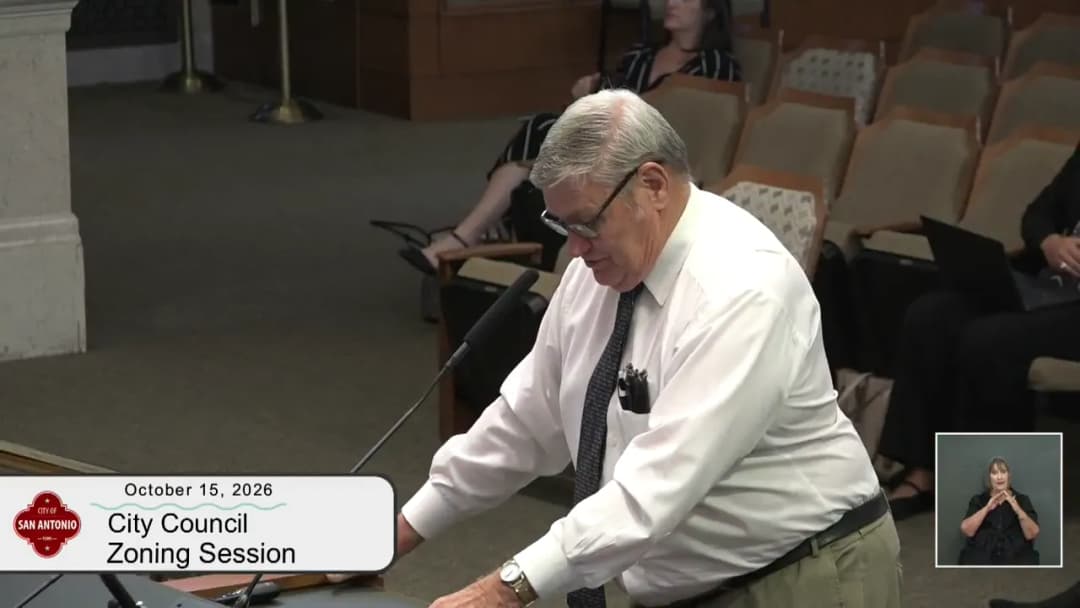
This meeting of the San Antonio City Council focused on zoning items, including a consent calendar and two individual agenda items. Public comment was heard from a resident, Jack Finger, who opposed several proposals. The council approved the bulk of the consent agenda and later voted to approve items 13 and 14 after discussion. Consent Calendar - Items 1 through 12 and 15 were approved as a block on a motion that passed unanimously. Items 13 and 14 were removed for individual consideration. Public Comments & Testimony - Jack Finger, a resident, addressed the council on several items: - For Item 1 (District 1): He expressed strong opposition to an alcohol variance that would allow sales within 300 feet of Bottom Academy Elementary School. He questioned why the council would permit such sales near children and noted that the planning commission had recommended against the variance. - For Items 3 and 4 (District 1): He opposed a rezoning for a used car lot on Blanco Road, arguing that the district already had numerous such lots and urging the council to reject the proposal. - For Items 13 and 14 (District 9): He opposed a zoning change to allow an auto body and paint shop in a residential area. He stated that staff and the commission had recommended denial, that the use is incompatible with single‑family homes, and that only 15–30% of notified residents supported the project (with 15% to one‑third opposed). He asked why the council did not reject the items outright. Discussion Items - Items 13 and 14 (District 9): These agenda items involved a zoning change near the airport from commercial to regional commercial with specific use for auto repair and painting, located at 214 John Molzberger Road. Council member Spears, representing District 9, stated that after interviewing and considering the application, she recommended approval. She made a motion to approve items 13 and 14, which was seconded. - Consent Item 1 (District 1): Council member Corey (Kerr?) spoke briefly to welcome a new Italian restaurant owner (Cameron) who would occupy the former Focaccia building, expressing excitement about the investment in the community. Key Outcomes - The consent calendar (items 1–12 and 15) was approved as a whole. - Items 13 and 14 (zoning change for auto repair/paint shop) were approved on a motion by Council member Spears, with a second. The motion passed. - The meeting was adjourned at approximately 2:15 PM.

PROCEDURAL 87% · ALCOHOL REGULATION 13%
2132
OCT 15, 2026 · HOUSTON, TEXAS · COMMITTEES AND COMMISSIONS
Houston Arts Alliance Disaster Recovery Presentation, City Meeting Oct. 15, 2026

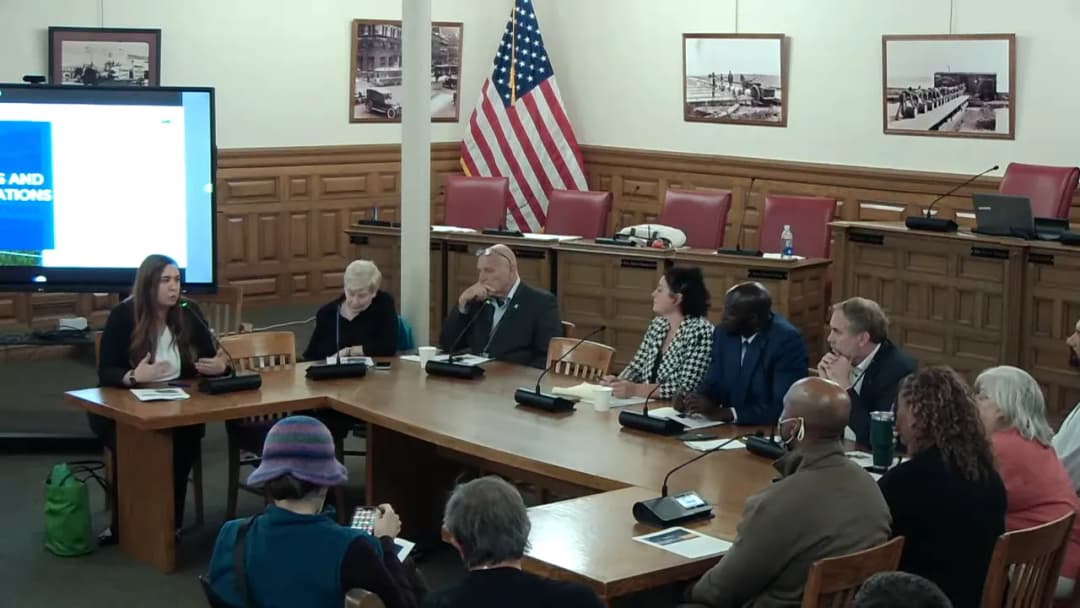
On Oct. 15, 2026, a City of Houston committee heard a presentation from Michelle Dobbins, Director of Resilience and Recovery at the Houston Arts Alliance (HAA), on why artists and cultural organizations belong in disaster preparedness and recovery. No agenda or minutes were available for this summary, and no formal votes were taken. The meeting included one question from Council Member Salinas' office and closed with the next committee meeting set for Nov. 5 at 10 a.m. Presentation: Disaster Recovery and the Arts - Dobbins explained that HAA, which celebrated its 20th anniversary this year, connects the creative community with support, resources, and partnerships. Its city-funded programs include civic arts and grants, and its resilience and recovery division was fully launched this year after about 10 years of disaster services work. - HAA began this work after Hurricane Harvey, when an 18-month consultant project identified gaps between traditional recovery systems and artists. Since then, HAA has responded to Hurricane Harvey, the COVID-19 pandemic, Winter Storm Uri, the 2023 Winter Street fire, and the 2024 derecho and Hurricane Beryl. During the 2024 storms, HAA reached out to a historic public cemetery to help it recover. - Dobbins stressed that artists, creatives, and cultural workers are often overlooked because of their non-traditional work structures, irregular income, and limited savings. After Harvey, many artists did not apply for assistance because they did not see themselves as fitting into recovery systems or deferred because someone else needed help more. - She noted that disasters are becoming more frequent and that federal changes may shift responsibility to states. She also cited arts funding cuts, limited organizational capacity, and a disconnect between creative work and traditional recovery models as major challenges. - HAA's new approach moves from reactive response to proactive resilience, helping artists prepare, adapt, and recover while aiming for long-term economic stability. New programming includes a career and economic mobility track, with grant-writing and financial coaching workshops planned later this year. - Dobbins said success means artists are more prepared, economically stable, connected year-round, and able to recover faster. She added that for every week a person does not get help, their recovery is prolonged by a year. - She said the biggest gap is not a lack of resources but a lack of awareness, connection, and understanding of how recovery systems work, and she called for integrating arts and culture into emergency management planning. Public Comments & Testimony - No public speakers were signed up for the meeting. Questions and Answers - A staff member from Council Member Salinas' office asked whether HAA's resilience and recovery work also protects local artists from AI-related job loss, citing a recent controversy involving a Midtown Houston arts organization and an artist who relied heavily on AI. - Dobbins responded that AI had not been a major part of HAA's work so far, but that she had heard artists' concerns at an arts forum described as “this past Monday on the 10th” (a date inconsistent with the Oct. 15, 2026 meeting date). She said HAA is working to understand the challenges and needs of the arts community so it can direct artists to appropriate resources. Key Outcomes - No motions or votes were held. - The committee thanked Dobbins for her presentation and career work. - The next committee meeting was scheduled for Nov. 5 at 10 a.m.

DISASTER RECOVERY 68% · ARTS AND CULTURE 32%
2133
OCT 14, 2026 · LAS VEGAS, NEVADA · PUBLIC MEETINGS
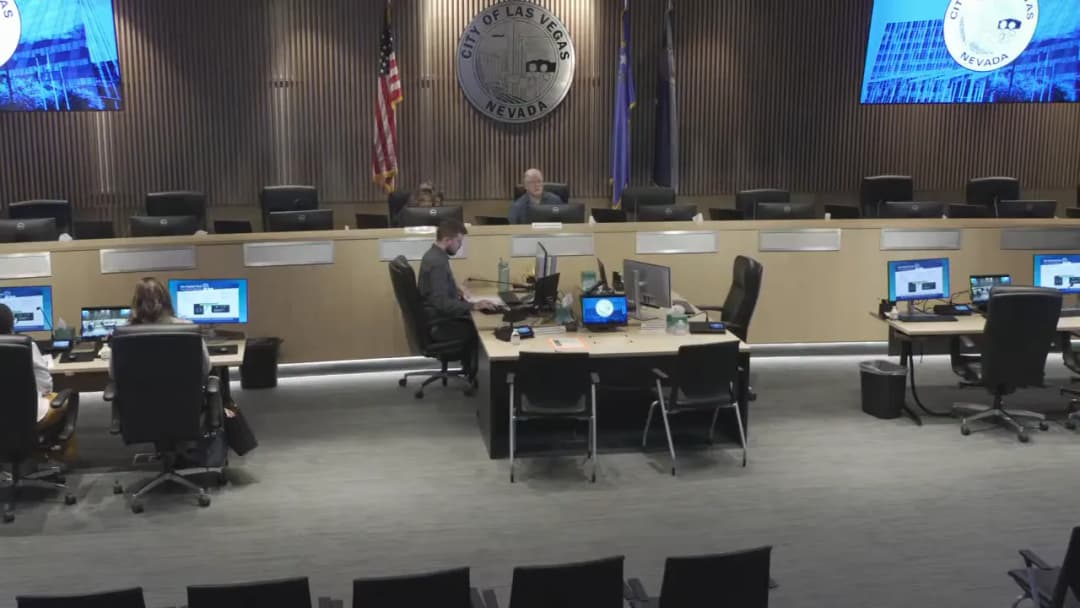
Board of Civil Service Trustees Meeting Summary - October 14, 2026

The Board of Civil Service Trustees met at 4:30 p.m. on October 14, 2026, with Chair Brown and Members Hash, Stamper, and Jimenez present; Vice Chair Ponicello was excused. A quorum was established, and the board confirmed compliance with the Open Meeting Law. The board took unanimous action on minutes and eligible-list matters and adjourned with no public testimony. Public Comments & Testimony - No public comments were made during either the agenda-related public comment period or the citizens’ participation period. Discussion Items - Meeting Minutes: The board considered approval of the final minutes by reference of the regular meeting of September 23, 2026. A motion was made, seconded, and passed unanimously. - Certification of Eligible Lists: Member Hash moved to certify eligible lists for Fire Investigations Captain (promotional), Fire Investigator X (promotional), Engineering Associate (open), Payroll Assistant (open), and Traffic Systems Technician Trainee X (open). Member Brown seconded, and the motion passed unanimously. - Extension of Eligible Lists: Member Hash moved to extend eligible lists for Corrections Lieutenant (promotional), Heavy Equipment Operator (open), Laboratory Quality Assurance Officer (open), and Plant Operator X (open). Member Stamper seconded, and the motion passed unanimously. Key Outcomes - Approved the September 23, 2026, meeting minutes by reference. - Certified the listed eligible lists for five classifications. - Extended the listed eligible lists for four classifications. - The meeting adjourned immediately after the citizens’ participation period.

PROCEDURAL 100%
2134
OCT 14, 2026 · ANCHORAGE, ALASKA · ASSEMBLY & COMMITTEE MEETINGS
Anchorage Assembly Work Session on AO 2026 108: Surveillance Technology Restrictions – October 14, 2026

The Anchorage Assembly held a work session on Wednesday, October 14, 2026, from 2:00 p.m. to approximately 3:10 p.m. to discuss AO 2026 108, an ordinance regarding restrictions on surveillance technology, and its various versions (S and S1) and proposed amendments. The meeting was called to preview amendments before the scheduled debate on October 20, 2026. No formal votes were taken. Consent Calendar - No consent calendar items were considered. Public Comments & Testimony - The public hearing on AO 2026 108 has been closed. No public testimony was taken during this work session, though a few members of the public were present. Discussion Items - Overview by Sponsors: Member Voland introduced four amendments (numbers 6, 7, 9, and an unnamed one) that he, Member Scout, and Member McCormick plan to bring forward to align the mayor's S version with the S1 version. These amendments would: (1) require warrants for sharing information with other entities, (2) add language on DMV integration, (3) impose a codified data retention limit, and (4) remove the "knowingly and willingly" qualifier for technology suspension. - Charter Amendment Proposal: Member McCormick presented a charter amendment (McCormick amendment 1) that would add restrictions on surveillance technology to the municipal charter, including requiring warrants for tracking individuals over time, prohibiting the city from joining outside surveillance networks or purchasing bulk data, and banning biometric surveillance (facial recognition, gait tracking, lip reading, voice) except for close-proximity biometrics like fingerprints. The amendment excludes retention periods and does not affect license plate readers used for hot lists. - Discussion on Biometric Surveillance and Redaction: Member Silvers questioned whether the proposals would affect APD's ability to redact body camera and dash cam footage to protect privacy. Municipal Attorney Gardner and Member Voland offered differing interpretations of the language. McCormick clarified that the intent is to limit tracking across data sets, not prohibit redaction for transparency. - Additional Amendments: Chair Brawley presented four amendments (2–5) focused on: (2) narrowing allowed uses of automatic license plate readers (ALPRs) to a specific list, (3) requiring assembly approval for vendor demonstrations and contracts, (4) specifying "judicial warrant" instead of just "warrant," and (5) prohibiting the use of signals surveillance technology (e.g., cell phone tracking) by the municipality and barring acceptance of evidence derived from it. - Legal Clarifications: Attorney Gardner noted potential unintended consequences, such as the broad definition of "surveillance technology" possibly prohibiting routine redaction, and implementation challenges for the signal surveillance ban without a "knowing" requirement. She also confirmed that a subpoena would qualify under "court order." - Process Questions: Members Handelin and Silvers asked about the procedural path for the charter amendment, including whether approval would require a supermajority and reopening the public hearing. It was clarified that if the amendment passes, the public hearing must be reopened and the item postponed for proper notice. - Member Positions: Supporters argued the amendments are proactive to protect privacy and guard against future technological abuse. Skeptics, including Member Silvers, raised concerns about balancing privacy with effective law enforcement investigations and the potential to hinder public access to video evidence. Key Outcomes - No votes or final decisions were made. The work session served as a forum to preview and clarify amendments. - The ordinance and all proposed amendments are scheduled for debate on Tuesday, October 20, 2026. The order of the day may be adjusted to accommodate budget hearings. - Assembly leadership will determine the meeting order to allow sufficient time for discussion of AO 2026 108. - Members were encouraged to have offline conversations and to refine amendments before the next meeting.

TECHNOLOGY AND INNOVATION 59% · PUBLIC SAFETY 21% · MEETING PROCEDURES 16% · PROCEDURAL 4%
2135
OCT 14, 2026 · TUSCALOOSA, ALABAMA · CITY COUNCIL MEETINGS
Tuscaloosa Historic Preservation Commission Public Hearing - October 14, 2026

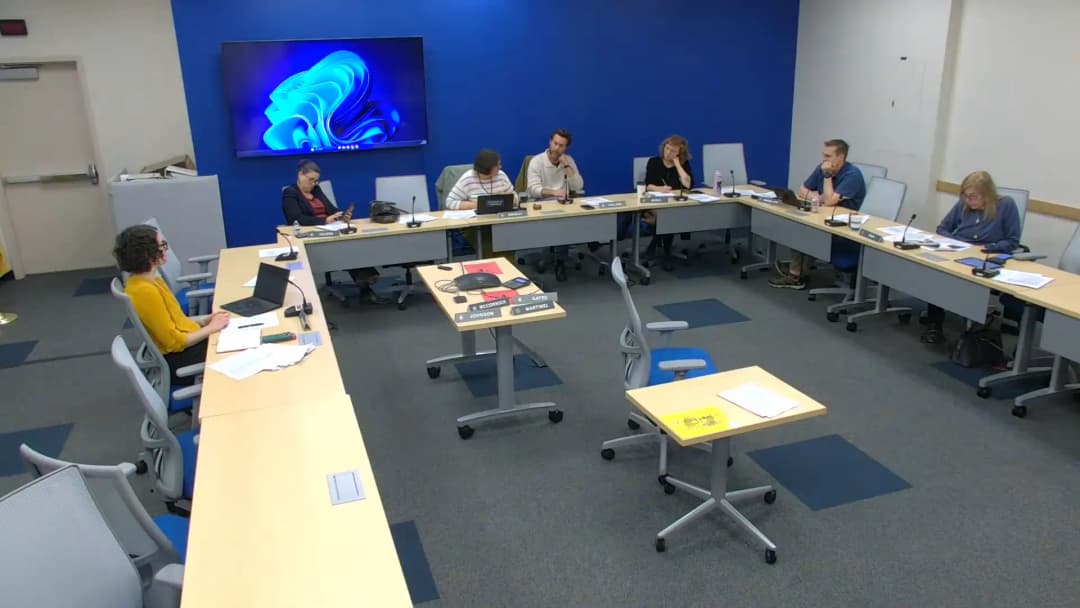
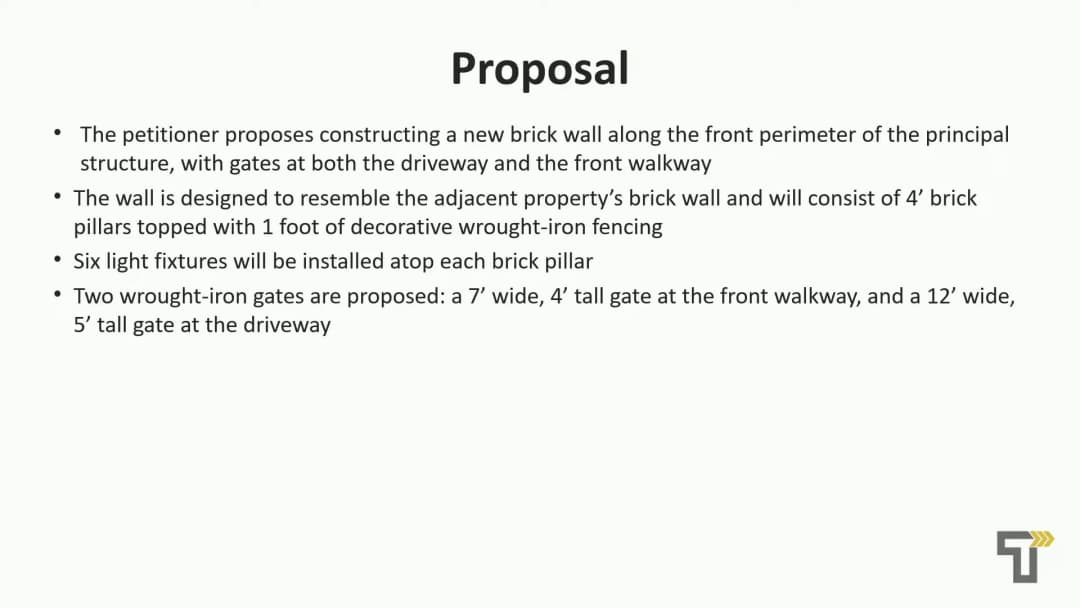
The Tuscaloosa Historic Preservation Commission convened at 5:00 PM on October 14, 2026, chaired by Kathy Pagani. The commission approved synopses from previous meetings and noted a conflict of interest. Thirteen applications for Certificates of Appropriateness were considered, each involving proposed alterations or new construction in historic districts. All applications were approved unanimously, several with conditions to align with design guidelines. No public comments were offered. Preliminary Approvals - Approval of Synopses: The commission approved the synopses from the prior meeting unanimously. - Conflict of Interest: Dr. David Nelson recused himself from HPC 5126. Certificates of Appropriateness - HPC 5026 – Agdas Alford (2010 Glendale Gardens): Approved for construction of a rear porch with wood and cement materials to replace unsafe steps. (Unanimous) - HPC 5126 – Chandler Overcash (905 Alman Avenue): Approved for alterations to existing porches, including relocation of rear porch steps and repair of side porch railing. (Unanimous; Dr. Nelson recused) - HPC 5326 – Brad Johnson (1708 8th Street): Approved for replacement of windows and siding with aluminum clad wood windows and wood siding. Stipulated that a window on the east elevation be retained as a false window to preserve its original location. (Unanimous) - HPC 5426 – Richard Jennings (2401 Glendale Gardens): Approved for installation of a fiberglass pool with limestone pavers and stone veneer planter bed in the rear yard. (Unanimous) - HPC 5526 – Joe Shirley (518 19th Avenue): Approved for installation of a metal composite wall sign with gooseneck lighting for Tuscaloosa PrimeTime Men’s Clinic. (Unanimous) - HPC 5626 – Roger Bedford (50 Sherwood Drive): Approved for construction of a fence, following a violation. Stipulations: finish all sides of the fence, add a horizontal top member, replace proposed chain-link rear fence with wood, and grind down an existing stump. The fence height of 9 feet 8 inches was allowed due to terrain. (Unanimous) - HPC 5726 – Brad Allman (2507 Glendale Gardens): Approved for installation of a pool and construction of a garden shed with materials matching the main structure. Also approved a change in the front door design from a double door to a single door with sidelights. (Unanimous) - HPC 5826 – Thomas Cheshire (1021 Queen City Avenue): Approved for replacement of all 33 wood windows with PVC windows, matching size, location, and light pattern. (Unanimous) - HPC 5926 – Kelly Fitz (625 Queen City Avenue): Approved for construction of a brick wall with wrought iron fence panels and gates. Also included repair of a low retaining wall at the corner of the property. The alternative driveway gate location was accepted. (Unanimous) - HPC 6026 – Greg Budwine (1609 Deering Place): Approved for enclosing a garage opening with vinyl siding to match existing and a wood French door. Applicant was not present. (Unanimous) - HPC 6126 – Jonathan McClellan (651 20th Avenue): Approved for construction of a composite deck accessibility ramp with metal handrail. (Unanimous) - HPC 6226 – Heath McCullough (1311 Shady Lane): Approved for a change to a previously approved window pattern (from three-panel six-light to three-panel eight-light) on a new structure. (Unanimous) - HPC 6326 – Tommy Bozeman (303 Queen City Avenue): Approved for construction of a six-foot tall wooden privacy fence with stucco columns and lighting. Applicant’s request for a taller fence was declined. (Unanimous) Key Outcomes - All 13 applications for Certificates of Appropriateness were approved unanimously. - Several approvals included conditions to conform to historic district design guidelines (e.g., preserving window openings, finishing fence outward, substituting materials). - City staff will perform final inspections on all approved projects. - The commission noted that 11 historic expedited review approvals had been processed since the previous meeting.

HISTORIC PRESERVATION 55% · FENCE REGULATIONS 37% · PROCEDURAL 3% · SIGNAGE 2%
2136
OCT 14, 2026 · MONTEREY, CALIFORNIA · BOARDS AND COMMISSIONS
Board of Library Trustees Meeting – October 14, 2026

The Board of Library Trustees convened at 3:00 PM on Wednesday, October 14, 2026, via Zoom and telephone. The meeting consisted of a roll call, a brief public comment period on the closed session agenda item, and immediate adjournment to closed session. No other business was conducted. Roll Call - Present: Trustee Moreau, Vice Chair Graph, Trustee Delaurier, Trustee (unnamed, present). - Absent: Trustee Joshi. Public Comments on Closed Session - The chair invited public comments on the closed session agenda item. After a 10-second countdown, no comments were received from Zoom or telephone participants. Key Outcomes - The board voted to adjourn to closed session at approximately 3:01 PM. No decisions or votes on substantive matters were recorded in open session.

PROCEDURAL 100%
2137
OCT 14, 2026 · MESA, ARIZONA · COUNCIL STUDY SESSIONS
Mesa City Council Study Session on Water Supply and Executive Session - October 14, 2026

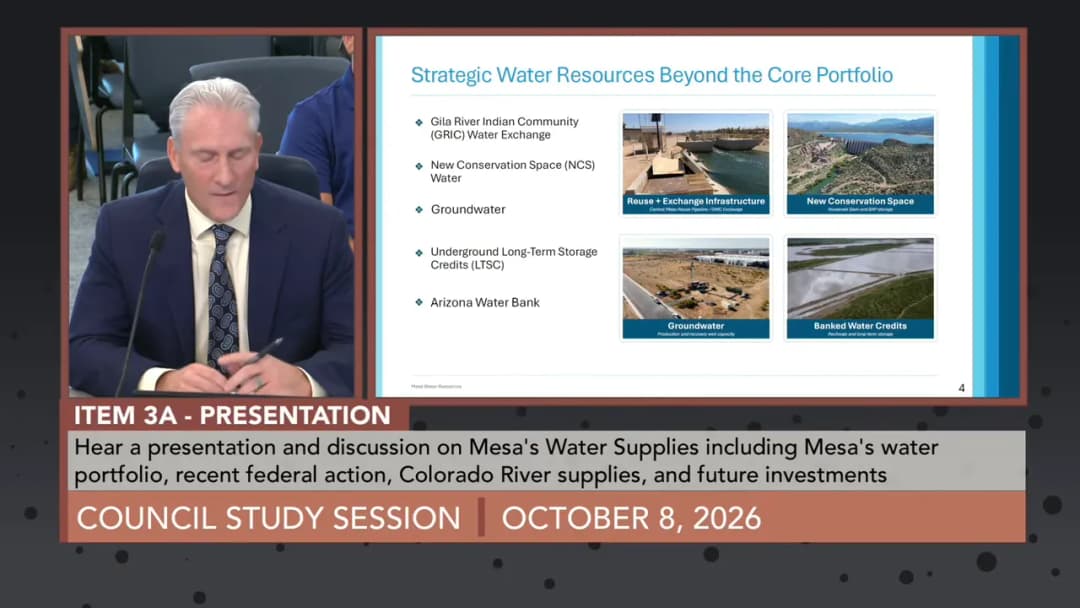
Note on Date Discrepancy: The metadata for this document specifies the meeting date as October 14, 2026. Notably, the transcribed audio opens with a reference to September 24, 2026. The date October 14, 2026, is used in this summary as directed. The Mesa City Council convened a study session covering the city's water portfolio, Colorado River shortages, and an executive session on litigation. The session began with a unanimous vote to enter executive session regarding pending investigations and litigation on landing fees at Falcon Field. The remainder of the session was dedicated to a comprehensive presentation and discussion on Mesa's water system, led by Water Resources Director Joe Judice, Assistant Director Jesse Haywood, and Water Resources Advisor Nicole Petker. Consent Calendar - Council unanimously approved receiving board minutes (Motion by Ms. Duff, second by Mr. Heredia). Executive Session - Council convened an executive session to discuss the city's position regarding litigation and investigations related to landing fees at Falcon Field. The motion passed unanimously (Motion by Ms. Taylor, second by Ms. Goforth). Water System Presentation and Discussion - 100-Year Assured Water Supply Certification: Director Judice announced Mesa received its 100-year assured water supply certification from the Arizona Department of Water Resources approximately five weeks prior, making Mesa the second city in Arizona to receive the designation. The application process, submitted in 2023, took about three and a half years. - Water Portfolio & Reserves: The city's 2025 water use consisted of 85% renewable surface water (40% Salt/Verde River, 45% Colorado River), 9% reclaimed water via the Gila River Indian Community (GRIC) exchange, and 6% groundwater. The GRIC exchange portion is expected to grow to 18-20% in the near future. The city possesses over 550,000 acre-feet of long-term storage credits and holds a philosophy of using groundwater only as a reserve. - Colorado River Record of Decision (ROD): Nicole Petker explained the federal Bureau of Reclamation's ROD, which establishes a ten-year framework for operations with specific guidelines issued every two years. For 2027-2028, the combined mandatory and system conservation reductions total 3.2 million acre-feet for the Lower Basin and Mexico. Councilmember Adams questioned the rationale of the Upper Basin not sharing in these cuts. The ROD allows for voluntary agreements and flexibility, but creates significant long-term uncertainty for Arizona. - Impact on Mesa: Mesa faces a 22% reduction in its Colorado River portfolio (a 14% cut to M&I supply, a 10% cut to Indian Priority supply, and a full reduction to Non-Indian Agriculture). For 2027, the Arizona Water Bank will provide long-term storage credits to fully offset the cut, but Mesa may need to dip into its own stored reserves if the shortage persists. - Conservation and Infrastructure Successes: Jesse Haywood presented metrics showing Mesa's total water use in 2025 was equivalent to 1997 levels, despite serving 150,000 more residents. The city's unaccounted-for water rate has dropped below 5% due to the new AMI metering project (now 96% complete and wrapping up), significantly outperforming the national average of 17%. The public-facing AMI customer portal is expected to launch in the next four to six months. The city's Large Water User Ordinance and tiered rate system were highlighted as key policy tools. - Future Investments and Staff Direction: Staff outlined several major capital projects, including the SRP-CAP Interconnect (2031), the Bartlett Dam expansion (design phase, construction projected 2035-2045), and the 91st Avenue Advanced Water Purification facility. City Manager Scott Butler framed these essential investments as an "all of the above" approach, analogous to the past decision to invest in the CAP canal. Councilmembers requested detailed analysis on the cost per acre-foot of these new supplies and the impact on future water rates. Key Outcomes - Decisions (All Passed Unanimously): - Motion to convene executive session on Falcon Field landing fees litigation. - Motion to receive board minutes. - Motion to adjourn. - Directives and Next Steps: - Staff will return on October 29, 2026, to present policy recommendations regarding the Water Shortage Plan and an update to the Large Water User Ordinance. - Council requested a framework for potential escalation of water shortage stages (Stage 1 to Stage 2) and an analysis of the long-term costs of supply. - Council affirmed the need for continued advocacy with the congressional delegation for federal financial participation in developing new water supplies. The meeting concluded with calendar announcements regarding upcoming events including the Mesa Music Festival and Domestic Violence Awareness Night.

WATER AND WASTEWATER MANAGEMENT 84% · PUBLIC ENGAGEMENT 4% · PENDING LITIGATION 3% · PROCEDURAL 3%
2138
OCT 14, 2026 · SYRACUSE, NEW YORK · PUBLIC MEETINGS
Syracuse Joint Committee Meeting on Sidewalk Program, Tree Canopy, and Communication Failures - October 14, 2026

The Syracuse City Council's Parks and Public Works Committees held a joint meeting on October 14, 2026, to address widespread resident anger over tree removals associated with the municipal sidewalk program. Deputy Mayor Corey acknowledged significant failures in resident notification and inter-departmental coordination, committing the administration to developing standard operating procedures (SOPs) during the winter off-season. Council members expressed deep skepticism about the pace of change and demanded a "tree first" approach to infrastructure planning. Over a dozen residents provided emotional testimony detailing communication breakdowns, property damage, and loss of tree canopy. Public Comments & Testimony - Peter McCarthy urged prioritizing the tree canopy for climate resilience and proposed creating a permit process for tree removals. - Noris (240 Hood Ave) criticized the inequity of sidewalk replacement priorities, citing a 13-year wait for her street. - Daniel Deshaun (447 Westcott St) proposed a Seattle-style "Tree Amnesty" program and an ombudsman for inter-departmental coordination. - Chris Goon (2402 Euclid Ave) stressed the need for public education on street tree selection (e.g., why Norway maples are undesirable) and noted that planting fully mature trees is not economically feasible. - Bridget Burt (Miles Ave) learned of her 70-year-old maple's removal only from the crew leader. She polled support for "funky sidewalks" that curve around trees to preserve them. - Tim (Teal Ave and Boyden St) expressed confusion over the lack of a clear decision-making matrix for tree removals. - Aidan Harrington (1100 Westcott St) questioned why sidewalk replacement was prioritized over creating connections to essential destinations like a grocery store. - Jane Push (200 Harvard Place) argued canopy loss devalues properties and replacement saplings are inadequate, demanding larger, faster-growing trees. - Julia Zimmer (211 Shotwell Park), an architect, noted conflicts between city ordinances and actual construction documents, some dating to 2003-2008. - Mary Stevens (1022 Wadsworth St) detailed a years-long ordeal after a 2019 city tree fall destroyed her house, lost her homeowner's insurance, and faced unreturned calls despite having a signed sidewalk estimate since 2021. - Julia Brown Mueller (Houston Ave) expressed deep skepticism of data-driven claims, stating the sidewalk was installed on the unlit side of the street and no justification or communication was provided. - Miranda Hein (Clarendon St) requested better notification and noted the city fails to remove dead trees from parks while rapidly removing healthy ones. - Sam Gruber (123 Clark St) argued the city has been overzealous in removing functional curbs and failing to perform spot sidewalk repairs. - Carolyn Messina Yatsi stressed the need for community education on tree benefits, referencing NYC's equity-driven tree planting initiatives. Discussion Items - Deputy Mayor's Presentation: Deputy Mayor Corey outlined the municipal sidewalk program's goal of reducing individual homeowner burden and cited the city's $2M ARPA tree planting commitment. He admitted the scaling of the sidewalk program exposed a lack of internal coordination and communication protocols, and committed to finalizing new SOPs within 1-2 months. - "Tree First City" vs. Walkability: Councilor Reich explicitly rejected the premise that walkability and trees are in opposition. He advocated for amending specs to prioritize healthy trees, using 4-foot sidewalks, and adopting materials like flexipave in root zones. - Internal Coordination and Decision-Making: Councilor Williams pressed for a clear "decision matrix" for tree removal and an escalation path when DPW and the Parks arborist disagree on viability. The Deputy Mayor confirmed this is currently undefined and must be established. - Multi-Year Capital Planning: Councilor Moore called for a 10-year plan to coordinate lead service line replacement, curbing, paving, and sidewalks to give residents predictability. The Deputy Mayor confirmed the budget director is pursuing this as part of the CIP process. - Curbing Standards: The Deputy Mayor explained the choice of granite curbs is driven by durability against snow plows (50-year life vs. concrete potentially failing in a season). He noted the city now only replaces curbs where structurally necessary. Councilor Williams and public commenters raised concerns about the sharp design and root impact of new granite curbs. Key Outcomes - Administrative Directive: Mayor Owens has directed DPW, Parks, and the Water Department to meet within 1-2 months to finalize standard operating procedures for resident outreach and tree loss mitigation. - Pause on Removals: Tree removals for the 2026 construction season have effectively concluded. - Scheduled Accountability: The administration committed to reporting its progress to the council before the end of the calendar year for assessment. - Capital Planning Shift: The 2027 capital planning process will prioritize funding for tree-saving infrastructure (e.g., structural soil, flexipave) and a multi-year project schedule.

TREE MANAGEMENT 59% · PUBLIC ENGAGEMENT 17% · ENGINEERING AND INFRASTRUCTURE 12% · COMMUNITY ENGAGEMENT 5%
2139
OCT 14, 2026 · MANITOWOC, WISCONSIN · COMMON COUNCIL & COMMITTEES
Manitowoc Police and Fire Commission Meeting – October 14, 2026 (Agenda Dated Oct. 13)

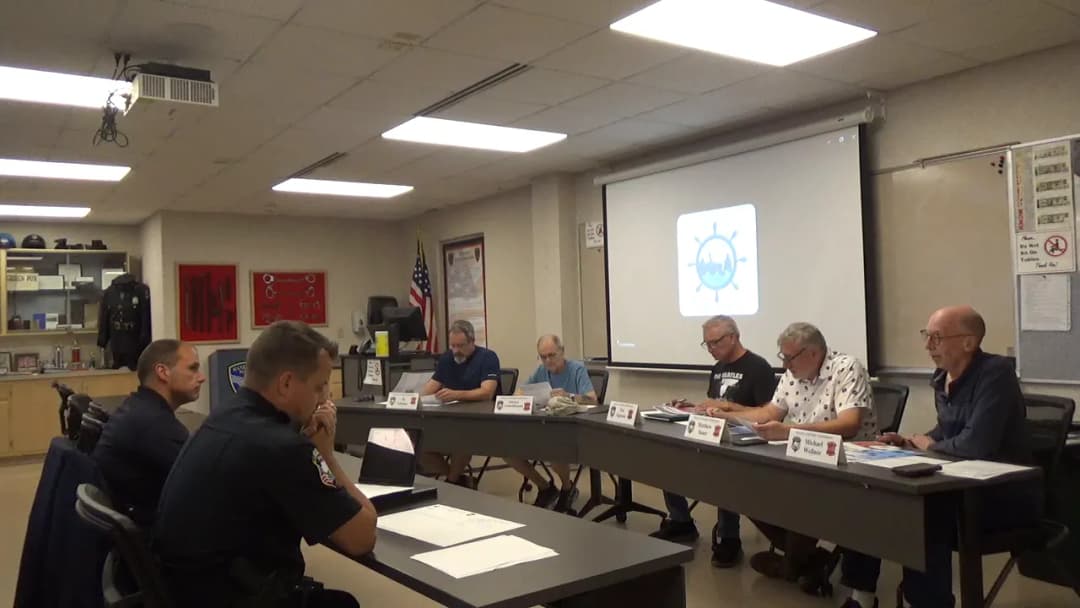
The City of Manitowoc Police and Fire Commission met on the date indicated above; the agenda and minutes list the meeting as Tuesday, October 13, 2026, at 4:30 p.m. in the Public Safety Building lower level and via Zoom. The provided timestamp for this summary is October 14, 2026, 20:45 UTC, which differs from the agenda and minutes date; this discrepancy is noted. All five commissioners were present: Vander Bloomen, Sauer, Zigmunt, Wellner, and Schema. Consent Calendar - No items were removed from the consent agenda. The commission approved the following items by one motion, 5-0. - September 2026 Police and Fire Commission Minutes – Approved. - September 2026 Police Department Monthly Report – The police department presenter said year-to-date calls for service through September 2026 were approximately 600 lower than through September 2025; traffic citations were lower in September; six OWIs were reported in September; and year-to-date traffic crashes totaled 761 through September 2025 and 727 through September 2026. - September 2026 Fire Rescue Department Monthly Report – The presenter said operations were on par and slightly ahead of last year, with 911 calls driving higher call volume; the department could see another record year if trends continue. Regular Orange Cross activity at Holy Family was noted as adding to call volume. - September 2026 Building Inspection Monthly Report – The building inspector supervisor reported activity on par with last year and noted the department had already met its budgeted permit-fee revenue for the year. Public Comments & Testimony - No public comment was offered. Discussion Items - Police Department Patrol Officer Eligibility List (26-0926) – The police chief reported that the department had interviewed Thomas Bianchi and was comfortable placing him on the patrol officer eligibility list. The chief apologized for a miscommunication, noting that no Police and Fire Commission member was on the interview panel. Bianchi was in his final week of military service and planned to return to the area; he is originally from Two Rivers. The request was to place Bianchi on the eligibility list for 12 months. Key Outcomes - The consent agenda, including all four September 2026 reports, was approved unanimously (5-0). - The Patrol Officer Eligibility List was approved for 12 months (motion by Schema, second by Vander Bloomen; carried 5-0). - The meeting adjourned at 4:35 p.m. (motion by Sauer, second by Schema; carried 5-0).

PROCEDURAL 68% · PUBLIC SAFETY 32%
2140
OCT 14, 2026 · DEKALB COUNTY, GEORGIA · BOARD OF COMMISSIONERS & COMMITTEES
DeKalb County PECS Committee Meeting - October 14, 2026

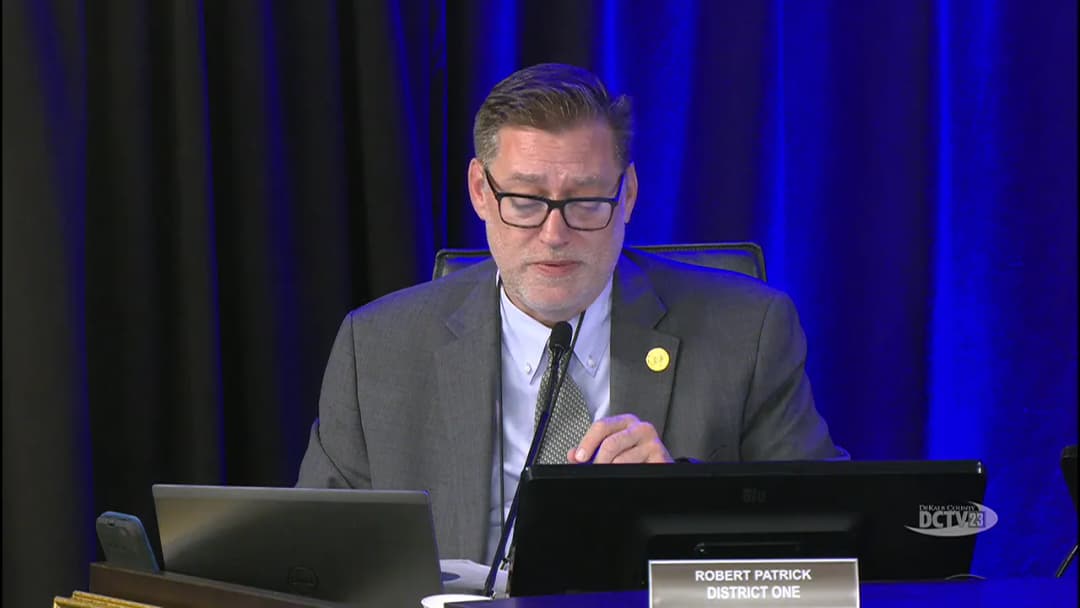
The Planning, Economic Development, and Community Services (PECS) Committee of the DeKalb County Board of Commissioners met on October 14, 2026, at 8:30 PM. Chaired by Commissioner Nicole Messiah (District 3), the committee, also attended by Commissioner Robert Patrick (District 1), and initially Commissioner Michelle Longspears (District 2), reviewed and approved numerous agenda items. Commissioner Longspears departed early, leaving Chair Messiah and Commissioner Patrick to handle the remaining items. Meeting Opening - The committee approved the minutes of the August 25, 2026 PECS committee meeting. Appointments and Interviews - Angela Chambliss was interviewed for Post 3 of the DeKalb County Board of Family and Children's Services, and later unanimously approved. She shared her experience in state and federal government and nonprofit work. - Kendra Price was interviewed for Post 4 of the DeKalb County Community Services Board, and unanimously approved. She highlighted her role at Emory University and focus on building partnerships. - Ronald Mignum was not present; his appointment to the Board of Family and Children's Services (Post 7) was held in committee. Support for Homeless Prevention - The committee approved $264,000 in Community Development funds to Safe House Outreach for rental assistance, utility deposits, security deposits, and case management. Melvia Richards, Housing Programs Manager, noted an increased demand and that the agency served 1,365 households in 2025, housing 125. Property Transfers - Land Bank Surplus Declaration: The committee approved declaring 30 vacant county-owned properties surplus and transferring them to the DeKalb Regional Land Bank Authority. The goal is to return properties to tax rolls, remove blight, and create affordable housing. 18 parcels are in District 3. - Brookhaven Easement: The committee authorized a permanent easement and property transfer to the City of Brookhaven for a sidewalk project. Service Contracts and Community Investments - Senior Meals: A three-year contract for congregate and shelf-stable meal services was awarded to Meals on Wheels Atlanta, not to exceed $1,885,529. - Workforce Services: A change order was approved to extend the contract term for workforce services through June 2027 with no additional funds. - Extension Services: The committee approved the annual financial agreement with the University of Georgia Cooperative Extension Service for staffing in agriculture, family services, and 4-H ($154,373). - Farm Fresh Mobile Market: A purchasing policy exemption was ratified for a contract with Ratanza LLC to operate a mobile farmers market, up to $378,000. Parks and Recreation Contracts and Grants - Routine Contracts: Approved contracts include pressure washing ($75,000), feed/hay/shavings for the county horse farm ($660,000 over three years), athletic uniforms ($134,000), athletic field restoration contract extension ($65,000), and engineering services ($115,575). - HUD Grants: Five community project funding grants were accepted for park improvements: Avondale Dunair Park ($1,985,160), Arabia Mountain Bridge ($349,475), Wade Walker Park ($850,000), Roland Park ($1,200,000), and County Line Park ($250,000). - Lithonia Park: A portion was renamed to DeKalb Lithonia Park. Nuisance Abatement Contract Held - The committee discussed a proposed three-year contract for nuisance abatement and remediation services (up to $450,000) awarded to Cascade Services Inc. and Executive Realty Solutions. Chair Messiah raised concerns about vendor selection and the standing of one firm. The item was held in committee for further review. Key Outcomes - Votes: All items except the nuisance abatement contract were unanimously approved by the commissioners present. The meeting started with three commissioners, but from the second page of the agenda onward, only Chair Messiah and Commissioner Patrick were present for votes. - Next Steps: Approved items will be forwarded to the full DeKalb County Board of Commissioners for final action. The nuisance abatement contract will be revisited at a future committee meeting.

PARKS AND RECREATION 22% · HOMELESSNESS 14% · PURCHASING AND CONTRACTING 14% · PROCEDURAL 12%
OPENPUBLICA · PUBLIC MEETING INDEXUPDATED DAILY · openpublica.com