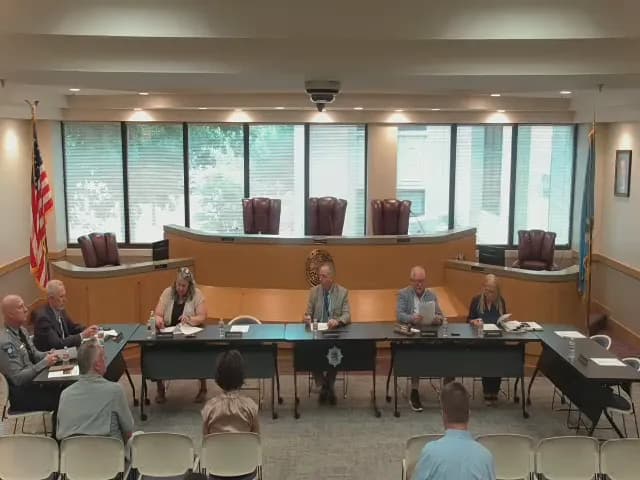
The Cleveland County Budget Board held a special meeting on Wednesday, September 30, 2026, at 1:00 PM in the Cleveland County Office Building, Norman, OK. The meeting was called to order with a roll call; members present: Rusty Grissom, Douglas Warr, Pam Howlett, Jacob McHughes, Darrell Weaver, and Tammy Richards. Members absent: Rod Cleveland and Marilyn Williams. A quorum was established. No public comments were submitted. The sole item of business was the approval of the final budget for the 2026/2027 fiscal year and the publication sheet. Discussion Items - Approval of Final Budget for 2026/2027 Fiscal Year: Chairman Rusty Grissom presented the item. A motion was made and seconded to approve the final budget and publication sheet. No questions were raised by board members. The motion passed unanimously by roll call vote. Key Outcomes - Approval of Final Budget: The board voted to approve the final budget for the 2026/2027 fiscal year and the accompanying publication sheet. The vote was 5-0 (with one member possibly not recorded, but all voting members in favor; absent members not voting). (Note: The transcript indicates five affirmative votes from Grissom, Warr, Howlett, Weaver, and Richards; McHughes was present but his vote was not explicitly recorded. The motion carried.) Board Member Statements and Announcements - Board member Douglas Warr thanked County Clerk Pam Howlett for her work in compiling the budget, describing the document as extensive ("about this thick" with many numbers and calculations). - The meeting was adjourned following a motion and second, with a unanimous roll call vote.
The Public Meeting Index
The Public Meeting IndexOn September 30, 2026, at 6:45 PM, Portsmouth Police Chief Stephen Jenkins held a press conference to provide a comprehensive update on the investigation into the disappearance and death of Gordon Randolph Tillman Jr., whose remains were discovered at 3404 Elliott Avenue. The conference outlined a detailed timeline, addressed rumors, and concluded with the announcement that suspect Gregory Coffey had been taken into custody. Public Comments & Testimony - The victim’s mother stated that her son was a good, loving person with children and grandchildren. She expressed anger and a desire for justice, saying she wanted his killer to face severe punishment and also called for the release of her nephew Raymond Poole from jail. - Another family member echoed the call for justice, described the victim as caring, and condemned the actions of Gregory Coffey. They also urged the public to keep the family in prayer and expressed relief that Coffey had been captured. Discussion Items - Chief Jenkins presented the following timeline: - September 1-2: Gordon Randolph Tillman Jr., an unhoused individual, was last seen on September 1. A missing persons report was filed on September 2 by his brother Raymond Poole. - September 3: Poole went to 3404 Elliott Avenue, where he shot homeowner Gregory Coffey. Coffey was hospitalized and later released. - September 11: Poole was arrested and charged with second-degree attempted murder for the shooting. - September 21: Based on a citizen tip and further investigation, detectives obtained a search warrant for the property. - September 22: While executing the warrant, investigators discovered what were believed to be human remains. - September 23: The Office of the Chief Medical Examiner confirmed the remains were human. - September 25: A multi-agency excavation (FBI, NCIS, Virginia State Police, and several local police departments) recovered burned and decomposed human remains and body parts from outside the home. - September 28: The remains were identified via fingerprint comparison as Gordon Randolph Tillman Jr. Arrest warrants were issued for Gregory Coffey for first-degree murder and desecration of a body. - Jenkins addressed community rumors, clarifying that only one body was recovered and there is no evidence of a serial killer connected to the property. He described the home as a hoarding situation with debris both inside and out, which complicated the search. Cadaver dogs were used to ensure no additional remains were missed. - Jenkins emphasized that Coffey is considered armed and dangerous and urged anyone with information to come forward. He confirmed that Coffey’s elderly mother had resided at the address but was not involved in the crime. - Jenkins declined to discuss motive, stating that the case must be tried in court, not in the media. He noted that the search warrants were sealed to protect the investigation. - The chief acknowledged previous city efforts to address code violations at the property, including an instance where Coffey brandished a firearm at a contractor; that case was ultimately dismissed. - At the conclusion of the press conference, Jenkins was notified and announced that Coffey had been taken into custody by fugitive apprehension units. Key Outcomes - Gregory Coffey was arrested on September 30, 2026, on charges of first-degree murder and desecration of human remains. He was considered armed and dangerous; his capture occurred without incident. - Raymond Poole remains charged with second-degree attempted murder in the shooting of Coffey. His case will proceed separately. - The investigation is ongoing, and authorities will release additional information as appropriate.
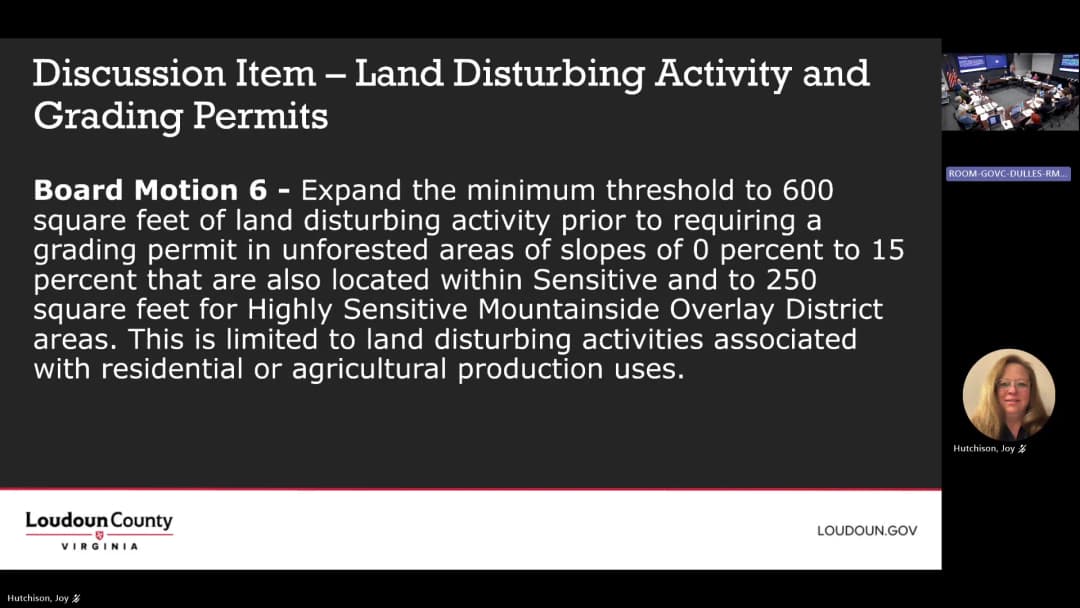
On September 30, 2026, the joint Planning Commission/Zoning Ordinance Committee and Western Loudoun Ad Hoc Committee met to continue deliberations on the Mountainside Overlay District (MOD) text amendments. The meeting focused on a series of specific development standards and permitted uses within the MOD, following board direction. The committee adopted a revised meeting schedule, adjusted the public comment submission timeline, and voted on numerous draft text provisions. A notable discrepancy exists between the agenda date (September 29, 2026) and the provided meeting date (September 30, 2026). Consent Calendar - The meeting summary from September 15, 2026, was adopted unanimously. Public Comments & Testimony - No public testimony was heard during the meeting. Committee members discussed the timing of public comment submissions; a motion passed to have the supplemental packet sent to committee members the business day before each meeting, with public comment cutoff adjusted accordingly. Discussion Items - Calendar Adjustment: The committee voted unanimously to move meeting six from November 9 to November 16, 2026, and meeting seven from November 16 to December 1, 2026, to avoid back-to-back planning commission meetings. - Supplemental Packet Timing: A motion passed to require the supplemental packet (including public comments) to be distributed to committee members the day before each meeting, to allow adequate review time. - Non-Habitable Accessory Structures in Highly Sensitive Areas (Motion 3): The committee found the draft text consistent with board direction after amendments: striking the phrase "either or but not both" to allow up to 600 square feet of land disturbance in aggregate (across highly sensitive and ridge feature areas), requiring a written zoning administrator determination that no alternative location exists, and referencing the agreement-in-lieu (AIL) process under Chapter 1096. A separate motion limited structures to 15 feet in height from grade to peak. Both motions passed unanimously. - Non-Habitable Accessory Structures in Ridge Feature Protection (Motion 4): Similar amendments were adopted, including aggregate 600 sq ft limit, 15-foot height restriction, administrative approval standards, and a correction to clarify that the limit applies within protected areas only, not the entire lot. Unanimous. - Spring Feature Protection Setback (Motion 5): An initial motion to find the draft text (100-foot setback inside and outside MOD) consistent with board direction failed (5 opposed, 4 in favor). A subsequent motion to recommend the 100-foot setback passed 7-1-1, with a friendly amendment that the setback be subject to a county hydrological study and that notice be provided to property owners outside the MOD who are affected. The committee also requested study of steeper slope impacts. - Grading Permit Exemption for Small Disturbances (Motion 6): The committee voted 7-0-1 to not include a proposed exemption for 250 sq ft of land disturbance in highly sensitive areas (staff recommendation). The exemption for up to 600 sq ft of land disturbance for a non-habitable accessory structure (≤15 ft height) in somewhat sensitive and sensitive areas (unforested, 0-15% slope) was approved unanimously, with language clarifying aggregate limits and administrative approval. - Fences (Motion 7): The committee unanimously approved allowing fences in all MOD areas without a grading permit, subject to a zoning permit and a requirement that fences allow water flow (to be clarified in final language). - Driveway Repair/Replacement (Motion 8): Staff noted no amendments were needed; the motion was tabled without action. - Tree Cover Clearing and Land Disturbance Tables (Motion 9): The committee unanimously found the consolidated table consistent with board direction. - New Residential Driveways in Highly Sensitive Areas (Motion 10): The committee voted unanimously to defer this item to the Planning Commission for further study, requesting additional performance standards, data on affected lots, and consideration of limiting the provision to existing lots of record. - Non-Residential Development Standards – 50% Tree Cover (Motion 11): The committee found the draft text (increasing tree cover preservation from 30% to 50%) consistent with board direction, but added a recommendation that staff clarify the baseline for "existing forested areas" (e.g., effective date of amendment). Passed with one opposed. - General Consistency Items (Motion 57): The committee approved staff’s recommended language for on-site sewage treatment replacement (with a revision to size based on existing bedrooms) and for uncovered decks in ridge feature protection (allowing hand-dug footers within previously disturbed areas without a grading permit). Both passed unanimously. - Minor Special Exception for Non-Residential Covered Activities (Motion 58): The committee voted unanimously to defer this topic to meeting seven (December 1, 2026) for further discussion, with requests for cost data, use definitions, and performance standards. Key Outcomes - The committee approved most draft text provisions as presented or with amendments, forwarding them to the Planning Commission with recommendations. - Key changes include: allowing up to 600 sq ft of land disturbance for non-habitable accessory structures in highly sensitive and ridge feature areas (aggregate, with administrative approval); reducing spring feature setback to 100 feet (subject to further study); exempting certain fences from grading permits; and increasing tree cover preservation requirements for non-residential uses to 50%. - Several items were deferred for additional analysis: new residential driveways, minor special exception for non-residential uses, and clarification of baseline definitions for tree cover. - The committee adjusted its meeting schedule to November 16 and December 1, 2026, and revised the public comment submission timeline to allow earlier review by members.
On September 30, 2026, the City Council Committee on Hearings and Policy held pre-agenda interviews for four nominees to the Housing Opportunity Fund Advisory Board (HOF). Council members present included Strasberger, Warwick, Gross, Wilson, and Mosley. The session featured introductions from each candidate and an extensive discussion on the HOF's programs, budget constraints, and the tension between funding new construction versus household stabilization programs. Discussion Items - Appointments: The committee interviewed DeAnna Davis, Oliver Beasley, Walter Lewis, and John Katz. Each candidate described their background in community development, real estate, property management, or housing authority work and expressed strong support for the HOF programs. - Budget challenges: Council members framed the conversation around a tight budget year with the HOF allocation fixed at $10 million since 2016 despite inflation. Councilwoman Gross cited a 2024 controller audit showing the average HOF assistance in 2022 was $4,201 per person, 47% of homeowner assistance program (HAP) participants had incomes at or below 30% of area median income (AMI), and 64% of HAP participants were women. She argued that cutting the HOF (0.14% of the $720 million city budget) would disproportionately harm the poorest residents and noted the city has revenue-raising options such as increasing the deed transfer tax or parking fees. - Program priorities: Councilwoman Gross and Councilman Sharon emphasized the value of HAP, eviction prevention (lawyer for a day), down payment assistance, and rental gap financing. Councilman Sharon described HAP as a lifeline for vulnerable residents who are not politically active. Councilwomen Gross and Warwick highlighted the eviction prevention program's success, noting that 90% of tenants helped were female-headed households. - Candidates’ positions: All nominees advocated for preserving or even increasing HOF funding, with John Katz stating the fund is a “test of our values.” Walter Lewis and DeAnna Davis stressed a place-based, systems approach and the importance of partnerships to fill gaps. John Katz noted his experience with rental assistance and court diversion programs through Action Housing and Just Mediation Pittsburgh. - Tension between new construction and stabilization: Councilwoman Gross noted that the advisory board faces pressure to allocate more funds to new construction rather than to direct assistance programs. Candidates generally favored continued investment in programs that keep people in their homes, arguing that new construction can be supported by other funding sources (American Rescue Plan, affordable housing bond). - Discrepancy in appointments: The agenda listed five nominees including Jennifer Cash Wade (2026-0853), but the minutes and transcript only document four interviews. Jennifer Cash Wade was not interviewed or mentioned; the reason for her absence was not provided. Key Outcomes - The committee completed pre-agenda interviews for DeAnna Davis, Oliver Beasley, Walter Lewis, and John Katz. Their appointments will proceed to full City Council for approval. - Council members expressed shared hope that the HOF budget can be preserved at current levels despite fiscal challenges, but noted that tough decisions on allocation between programs lie ahead. - Candidates were reminded that the advisory board will soon make recommendations on the HOF allocation plan, which ultimately go to the Urban Redevelopment Authority board and City Council for final approval. - The unresolved absence of Jennifer Cash Wade was noted as a procedural discrepancy.
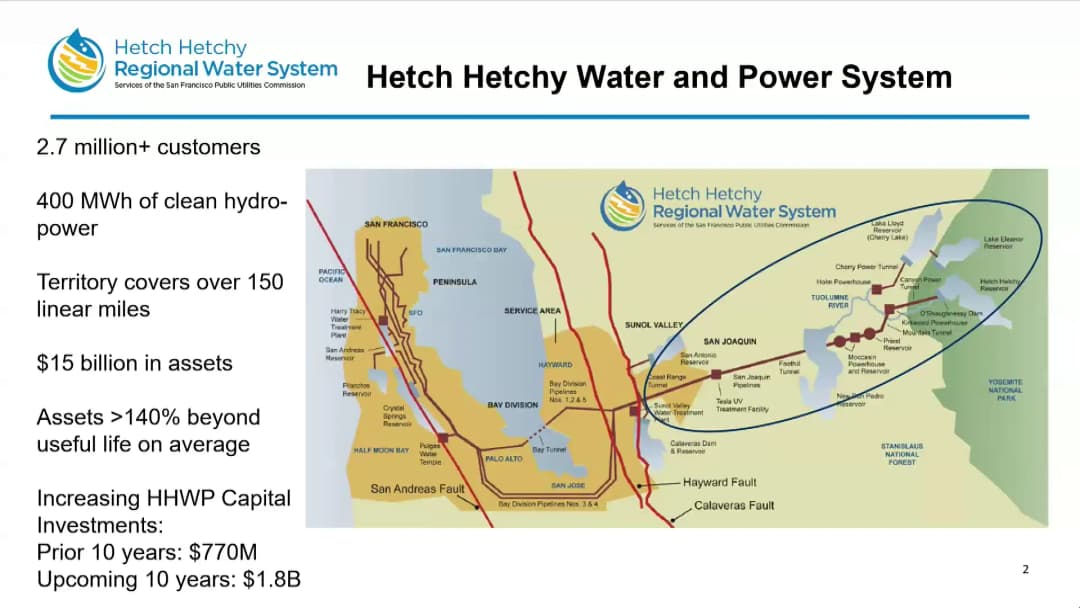
The Budget and Finance Committee of the San Francisco Board of Supervisors met on September 30, 2026, at 6:15 PM under Chair Matt Dorsey, Vice Chair Cheyenne Chen, and Member Danny Sauter. The committee reviewed and unanimously approved twelve agenda items, including grants, lease modifications, contract amendments, bond authorizations, and professional services agreements. No public comments were made on any item. Discussion Items - Item 1 (260845): Resolution to retroactively accept a $475,000 grant from the Governor’s Office of Emergency Services for physical and digital security improvements at the Women’s Options Center (abortion clinic) at San Francisco General Hospital. The project includes a secure Sally port with badge access. Chair Dorsey expressed strong support, citing increased security threats nationwide. The item was forwarded to the full board with a positive recommendation. - Item 2 (260846): Resolution to retroactively accept a $6,102,743 grant increase from the Health Resources and Services Administration for the Ending the HIV Epidemic program. Bill Blum, Director of HIV Services, reported that the funding supports 1,200 people living with HIV and aims to reduce new infections by 90% by 2030. Chair Dorsey noted San Francisco recorded 136 new HIV diagnoses in 2025, the lowest on record and a 75% decline over 20 years, but stressed disparities remain among Black, Latino, and transgender communities. The item was forwarded unanimously. Blum announced his retirement after 20 years of service. - Item 3 (260944): Resolution approving a lease modification with United Airlines for a rental abatement not to exceed $7,175,000. The abatement reimburses United for base building improvements (rooftop terrace, credentialing lobby, public stairwell) at a new Terminal 2 lounge, creating 4,568 square feet of new leasable space. The airport projects $19.7 million in additional revenue over the remaining lease term, recovering the abatement in under one year. Approved unanimously. - Item 4 (260947): Resolution approving a first amendment to the lease at 555 Polk Street for the Department of Public Health’s Community Justice Service Center. The five-year lease (with a three-year extension option) reduces annual base rent to $202,500 ($22.50/sq ft), a 32.5% reduction ($81,450 savings in year one). Landlord improvements include HVAC, carpet, and paint. The city also gains an early exit option after December 2029. Approved unanimously. - Item 5 (260945): Resolution approving amendment 4 to the contract with Polydyne, Inc. for wastewater treatment polymers, increasing the not-to-exceed amount from $9.9 million to $12.06 million. The increase supports higher processing demand at the Southeast and Oceanside treatment facilities. No term change. Approved unanimously. - Item 6 (260809): Ordinance authorizing the SFPUC to issue up to $492.82 million in water revenue bonds, $224.57 million in wastewater revenue bonds (later amended to $24.57 million), and $12.61 million in power revenue bonds to refund Build America Bonds and prepay certificates of participation for 525 Golden Gate Avenue. The Budget and Legislative Analyst (BLA) recommended amending the wastewater authorization because the PUC already refunded those bonds in August 2026. Chair Dorsey raised concerns about ratepayer affordability. The committee voted to amend the ordinance as recommended and approved it. - Items 7-10 (260950-260953): Four resolutions approving professional services contracts with Stantec, AECOM, Jacobs Engineering, and LEE Inc., each for up to $20 million over five years (with a two-year extension option) for as-needed operations and maintenance support for the Hetch Hetchy Water and Power system. The contracts cover asset management, condition assessments, and capital planning for $15 billion in aging assets. The BLA recommended correcting the end date from December 2032 to December 2031 and disclosing the extension option. Approved as amended. - Item 11 (260954): Resolution approving a 10-year, $30 million program management contract with Deloitte Transactions and Business Analytics LLP to support the Power Enterprise Capital Improvement Program (FY2027-2036, $2.2 billion capital plan). Deloitte was the sole proposer. The contract includes a 20% local business enterprise subcontracting requirement and a five-year extension option. The BLA recommended adding language about the extension option. Approved as amended. - Item 12 (260956): Resolution approving a project-specific maintenance agreement at no cost with Caltrans for ongoing maintenance of security upgrades at two wastewater pump stations within State Route 80 right-of-way. The agreement is required for an encroachment permit and has no term limit until terminated. Approved unanimously. Key Outcomes - All twelve items were forwarded to the full Board of Supervisors with positive recommendations from the committee. - Amendments were adopted for: - Item 6: Reducing wastewater bond authorization from $224.57 million to $24.57 million. - Items 7-10: Correcting contract end date to December 2031 and adding two-year extension option. - Item 11: Adding disclosure of five-year extension option. - All votes were unanimous (3-0) with no public comments on any item.
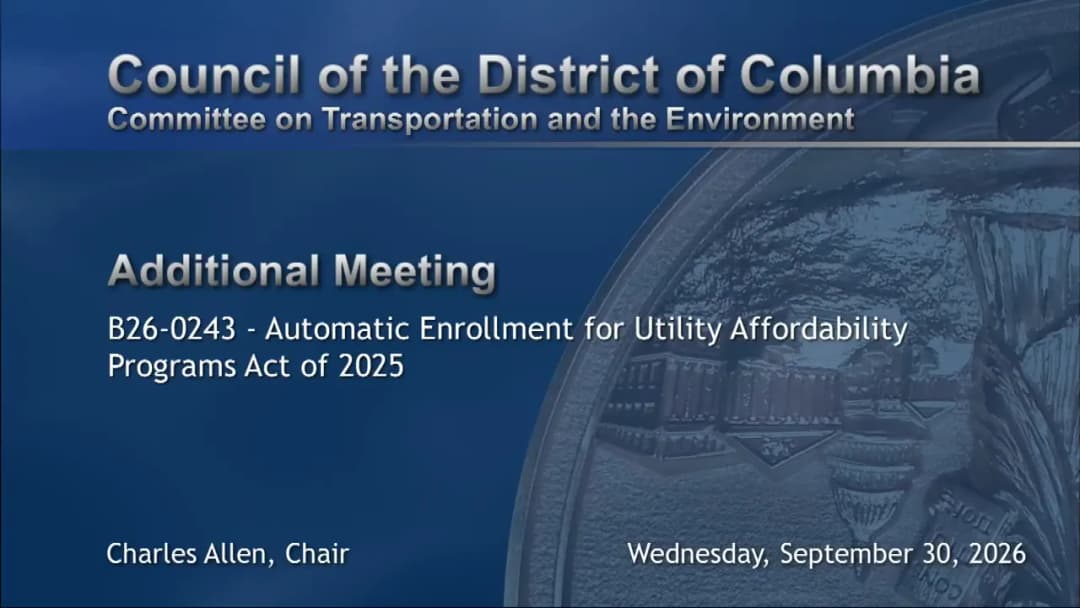
The Committee on Transportation and the Environment, chaired by Councilmember Charles Allen (Ward 6), held an additional meeting on Wednesday, September 30, 2026, at 1:03 PM in Room 120 of the John A. Wilson Building and via Zoom. The committee unanimously approved Bill 26-243, the Automatic Enrollment for Utility Affordability Programs Act of 2025, which seeks to automatically enroll eligible low-income District residents in utility affordability programs based on their existing enrollment in other income-qualified programs like SNAP, TANF, WIC, and Medicaid. Discussion Items - Bill 26-243 – Automatic Enrollment for Utility Affordability Programs Act of 2025: Chairperson Allen introduced the committee print, explaining that DC energy costs surged nearly 70% from 2017 to 2025, and low-income households in the metro area face an energy burden exceeding 16% of income—over four times the median for other jurisdictions. The bill directs DOEE, in consultation with the Public Service Commission, Office of People's Counsel, utilities, and contractors, to create a process for automatically identifying and enrolling eligible households using data from DHS, DC Health, and the Department of Healthcare Finance. A data-sharing protocol must protect personally identifying information. DOEE estimates 31,000 additional low- to median-income residents would be enrolled. Households would receive notice of enrollment and a process to opt out. - Councilmember Janice Lewis George spoke in strong support, noting that in August 2026, PEPCO issued 25,673 disconnection notices—a 218% increase from the prior month—and electricity shutoffs rose 22% from July to August, leaving 840 households without power. She called the bill a common-sense step to remove barriers. - Councilmember Christina Henderson questioned coordination with agencies like the Department of Healthcare Finance and raised concerns about the fiscal impact statement (FIS) which showed new staffing needs at DHS, Healthcare Finance, and DOEE. Chairperson Allen responded that conversations with those agencies had occurred and that a data-sharing agreement would be developed. Henderson expressed skepticism about the need for additional FTEs for automatic enrollment of already-eligible individuals. - Councilmember Zachary Parker, a co-introducer, voiced frustration with technical barriers and asked about phasing in enrollments to reduce fiscal impact. He also noted the FIS projected a loss of over $10 million in special revenue funds, including $800,000 from the Sustainable Energy Trust Fund (SETF) and $2.6 million from the Mayor’s Energy Surcharge Fund. Chairperson Allen clarified that the $2.6 million represents overcharges to low-income households that should not have been collected, and he argued it is not a true revenue loss but a correction of overbilling. Parker agreed. Key Outcomes - Vote: The committee voted unanimously (all members present – Charles Allen, Zachary Parker, Janice Lewis George, Christina Henderson – voting aye) to approve the committee report and print for Bill 26-243, with leave for staff to make technical, editorial, and conforming changes. The bill will now move to the full Council for consideration. Note: No consent calendar or public testimony items were included in this meeting.
The Boston City Council held its regular meeting on Wednesday, September 30, 2026, at 12:10 PM in the Christopher A. Iannella Chamber. The meeting was called to order by President Breadon and adjourned at 3:33 PM. All 13 councilors were present. The meeting included the approval of prior minutes, multiple collective bargaining agreements for Boston Public Schools and Boston Police, adoption of resolutions, and handling of late-filed matters, including an emergency resolution for businesses affected by a six-alarm fire at the Edison Building in Nubian Square. Consent Calendar - The minutes from the September 23, 2026 City Council meeting were approved unanimously. - A consent agenda containing 18 congratulatory and recognition resolutions (Dockets 1864–1881) was adopted without objection. Public Comments & Testimony - No public comment period was held during the meeting. However, two presentations were made before the regular agenda: the Boston chapter of the National Forum for Black Public Administrators (NFBPA) and open-water swimmer Maura Toomey were recognized by Councilors Culpepper and Breadon, respectively. Discussion Items - Collective Bargaining Agreements – Boston Public Schools (BPS): The Council referred to the Committee on Ways and Means six messages and orders (Dockets 1829–1838) totaling $517,573 to fund FY27 wage increases for Boston School Police Patrolmen’s Association ($268,887), School Police Superior Officers Federation ($111,802), SEIU Local 888 Professional Employees Chapter ($85,879), Plant Administrators Association ($40,365), and Storekeepers and Stores Deliverymen Union ($10,320). Contracts include 2% base wage increases and flat-dollar increases in various years. - Grant Acceptance: Docket 1839, a $4,350 scholarship grant from the Massachusetts Historical Commission for the National Alliance of Preservation Commissions FORUM conference, was unanimously passed after suspension of the rules. - Police Collective Bargaining Agreements: The Council passed four orders (Dockets 1671–1674) to transfer a total of $3,318,000 from the Reserve for Collective Bargaining to the Boston Police Department to cover FY27 costs of contracts with the Boston Police Detectives Benevolent Society (BPDBS) and its Superior Officers Unit (BPDBS-SO). The contracts include a 2% wage increase, hazardous duty pay updates, sick time buyback, and paid detail adjustments. Discussion highlighted that police officers are funding their own wellness and cancer screenings, with Councilors Murphy and Flynn advocating for future city budget inclusion. - Fair Housing Assessment Hearing: Docket 0695, an order for a hearing on implementation of the City's Assessment of Fair Housing, remained in the Committee on Housing and Community Development after a September 29 hearing attended by multiple councilors and advocates. - Neighborhood Impact Commission Ordinance (Dkt 1843): Councilors Worrell, Mejia, and Culpepper introduced an ordinance to reform and formalize the Neighborhood Impact Commission to promote anti-displacement measures and equitable development. Referred to Government Operations. - Other Hearing Orders: The Council introduced and referred multiple hearing orders, including topics such as: - Boston Water and Sewer Commission lead replacement incentive program (1844) - Busking and support for local performers (1845) - Combined sewer overflow long-term control planning (1846) - Declining MCAS scores (1847) - Resident parking policy in South Boston (1848) - Parking garage at West Broadway municipal lot (1849) - Economic impacts of immigrant fear flight and federal enforcement (1850) - Section 17F Information Requests: Dockets 1852, 1853, and 1855 were passed, requesting information on BPS residency and procurement, and the Reparations Task Force. Docket 1854 (roadway alterations at Tremont and Parker Streets) passed 11–0–2. - Resolutions Adopted: The Council adopted resolutions supporting: - Question 6 (creating a natural resource conservation fund) – unanimous - U.S. Army Corps of Engineers’ Boston Harbor Coastal Storm Risk Management Plan – unanimous - H.1544/S.998, a tenant's first right of refusal – unanimous - Recognizing Tu Hispanidad Flag Day, Turkish Republic anniversary, Nigerian Independence Day, Pedestrian Safety Month, and Domestic Violence Awareness Month – all unanimous - Late-Filed Emergency Resolution: An emergency resolution (Dkt 1882) calling for immediate relief for businesses devastated by a six-alarm fire at the historic Edison Building in Nubian Square was introduced by Councilors Culpepper, Santana, and Louijeune. After brief discussion, it was adopted unanimously. A second late-filed hearing order regarding health screenings for first responders was objected to by Councilor Durkan and thus not added to the agenda, prompting debate on the definition of an emergency under Rule 46. Key Outcomes - Approved collective bargaining transfers: $517,573 for BPS unions and $3,318,000 for BPD unions, all unanimous. - Grant accepted: $4,350 for historic preservation conference attendance, unanimous. - Emergency resolution passed: Unanimous support for Edison Building fire relief. - Information orders passed: Three 17F orders approved; one passed 11-0-2. - All other resolutions adopted unanimously on suspension of the rules. - Next meeting: Scheduled for Wednesday, October 7, 2026, at 12:00 PM.
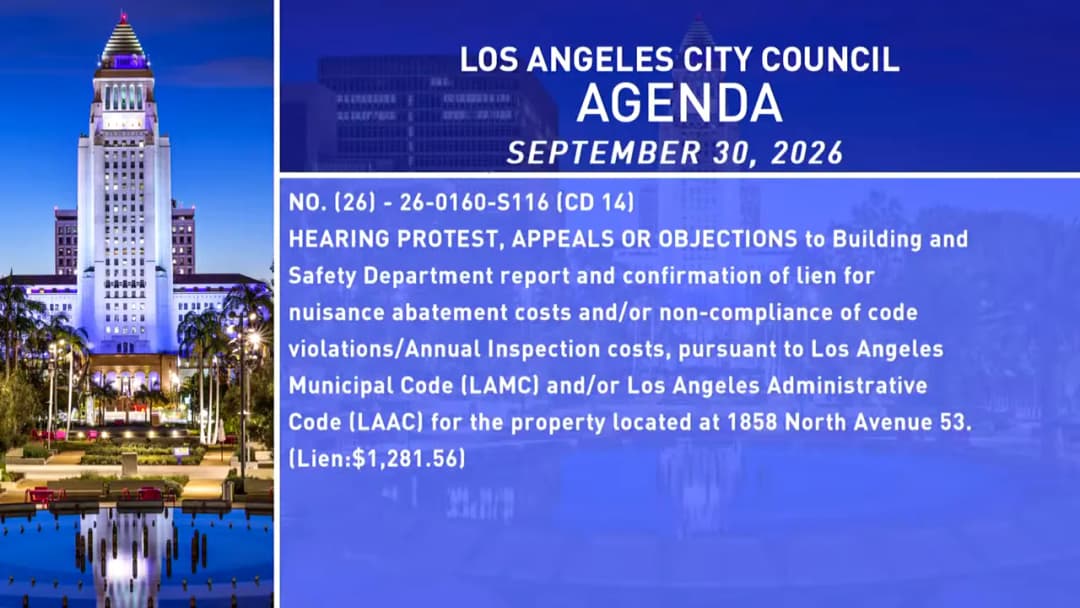
The Los Angeles City Council met in regular session on Wednesday, September 30, 2026. Councilmember John Lee convened the meeting; the clerk reported 11 members present and a quorum, although later roll-call votes recorded 14 ayes. Public comment was taken in person and by teleconference, with one-minute-per-item limits and a three-minute total for agenda items under new SP 707 instructions. The agenda and minutes were not available, so this summary is based on the raw transcript. Consent Calendar - Approved the minutes of September 29, 2026, on a motion by Councilmember McCosker and a second by Councilmember Park. - Approved commendatory resolutions on a motion by Councilmember Hernandez and a second by Councilmember Soto-Martinez. - Agreed to the agenda structure: items 1-33 were noticed for public hearing, items 34-64 had hearings held, and items 65-72 required 10 votes because public hearings had not been held. - Adopted the consent package of items 35-61 and 64 with 13 ayes. - Received and filed items 12, 14, 19, and 25 in a 14-0 vote; item 14 was received and filed because it had been paid. - Approved item 3 as amended by amending motion 3A (Park/Nazarian) in a 14-0 vote. - Continued items 1, 4, 5, 16, 21, 26, and 30 to November 18, 2026; item 21 was also called special. Public Comments & Testimony - Item 65: A speaker criticized the continued renewal of the local emergency for the January 2025 Palisades and other fires, saying recovery was too slow and appeared focused on MAGA Olympics rebuilding rather than community rebuilding. - Item 65: Kissud Roha of the Apartment Association of Greater Los Angeles strongly opposed further extending citywide emergency price restrictions without supporting data, noting that Los Angeles County and the state ended their emergency restrictions after 20 months. He urged the council to direct LAHD to report on fire-impacted homeowners renting in multifamily properties or, alternatively, exclude multifamily properties from further extensions. - Item 66: A speaker said the Boyle Heights fire recovery was being handled even worse than the Palisades recovery and questioned whether community demographics affected the response. - Items 68/69: Jacqueline Iniguez of the LA Area Chamber of Commerce supported raising the small business tax exemption threshold from the current $100,000 in gross receipts to at least $500,000. She cited the Office of Finance analysis showing 91,000 businesses generate less than $350 in annual business tax liability and supported a phased approach like the one used in 2004. - Items 68/71/72: A self-employed speaker who described himself as an immigrant and transgender worker supported the small business tax exemption, called for stronger enforcement of workers' rights, including healthcare, overtime, holidays, and weekly hour limits, and supported the unarmed crisis response program while asking that unarmed responders be kept safe. - Item 67: Virtual caller Daniel Gus argued the city cannot stop federal immigration enforcement due to the supremacy clause, criticized the item for having no financial impact statement, and warned the city could lose federal funds under Executive Order 14159. He also called item 65 misleading and item 66 inadequate. - Item 67/general: Photographer Eric supported stronger sanctuary-city preparation, citing Bloomberg Law reporting that the DOJ is seeking military lawyers for an expected prosecution surge and a DHS announcement of a nationwide public safety surge in sanctuary cities. - Items 65/66/68: A caller supported fire-prevention measures and Boyle Heights recovery, backed the small business exemption but with a time limit to prevent manipulation, and urged the city to pursue underground businesses that pay no taxes. - Items 68/69: A caller supported lower taxes to keep businesses in Los Angeles, citing a business owner who moved to Orange, and urged audits of federal and city spending, referencing an arrest for misuse of homeless services funds. - General: Other speakers welcomed Belem Lamas as Chief of Policy for Council District 8/Council President Harris-Dawson, invited the council to the LA Italian Festival, urged denial of a LADBS lien and accountability for delayed appeals, raised unsafe conditions at Glory Homes, requested investigation support in a DCFS/family court case, asked for an audit of LA Animal Services, and thanked councilmembers for work on ranked-choice voting. - General: One virtual caller made offensive remarks during public comment; the Council President apologized, stating the views did not reflect the council, its members, or the city. Discussion Items - Item 34 - Street Sweeping and Parking Enforcement: Councilmember Hernandez urged support for the motion directing the Bureau of Street Services and LA Department of Transportation to report on the disconnect between street sweeping and parking enforcement, modernize constituent notifications, and establish proactive citation refunds. She noted pandemic budget cuts dropped some street-sweeping services while posted signs were never updated. The motion would stop citations when sweeping is canceled or after the sweeper has passed, analyze data on missed routes and disputed tickets, and require reimbursement within 15 days. - Item 67 - Sanctuary City Protections: Councilmember Hernandez urged codifying Mayor Karen Bass' Executive Directive 17, stating no city land should be used for federal immigration enforcement staging, detention, or raid launch pads and no city funds should pay for surveillance of neighbors. She also called for holding contractors who profit from family separation accountable. - Item 72 - Unarmed Crisis Response: Councilmember Hernandez described the directive asking the CAO and CLA to inventory all existing city safety and diversion programs and organize them into three categories: community-based crisis response and mental health services, crime and violence prevention including domestic and gender-based violence, and victim and survivor support. She said the goal is a permanent care-first public safety infrastructure, with a model applying lessons from programs like UMCR and Circle. Key Outcomes - Adopted the public-comment eligible items (2, 6-11, 13, 15, 17, 18, 20, 22-24, 27-29, 31-33, 65, 66, 68, 70, and 71) with 14 ayes. - Adopted items 34, 67, and 72 in a combined 14-0 vote. - Adopted items 62 and 63 in a separate vote, 11 ayes and 3 noes. - Adopted item 69, moving the Budget and Finance Committee report, with 14 ayes. - Approved item 3 as amended and received and filed items 12, 14, 19, and 25, each with 14 ayes. - Ordered item 67 posted and referred after adoption. - Continued multiple items to November 18, 2026, as noted above.
This meeting transcript, though incomplete (no minutes were available), focused on the supplementary budget and community priorities. Two councilmembers spoke about the mayor's proposed budget and a potential cut to the library budget. Discussion Items - A councilmember (unnamed) expressed that they had learned from community members what they truly value, emphasizing that the final budget should reflect those priorities. - Councilmember Ms. Johnson shared similar sentiments, noting she was prepared to discuss the maximum levy in depth. She referenced Councilmember Joseph's earlier point and mentioned a proposal to remove $286,000 from the library budget, stating that while some may applaud that cut, her statement was cut off before elaborating on her position. Key Outcomes - No formal decisions, votes, or next steps were captured in the available transcript.
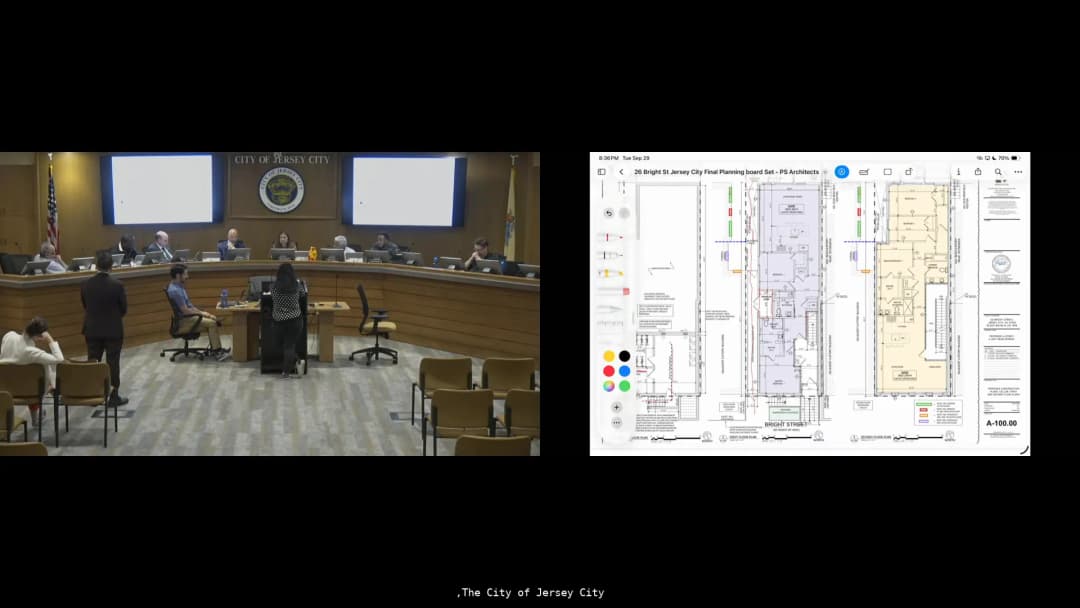
The Jersey City Planning Board convened on Tuesday, September 30, 2026 (noting the transcript indicates the meeting began on September 29, 2026, but the official date provided for this summary is September 30, 2026). The board addressed several agenda items, including two one-year site plan extensions, a contested major site plan with a landscaping variance, approval of the Let's Move JC Transportation Master Plan, a scatter site redevelopment study, and multiple minor and major site plan applications. Six commissioners were present, establishing a quorum. Consent Calendar - Case B2026-0133 (381 Route 440): One-year extension of a preliminary site plan approval for a retail pad on a former bank drive-thru site. Applicant's attorney Tom Lean stated the extension was needed due to completion of a nearby Target building. The board approved the extension unanimously with conditions from the original approval (P23-072). - Case P2026-0100 (535 Monmouth Street): One-year extension of a site plan approval for a 246-unit mixed-use building in Newport. Attorney Ronald Shalgin cited economic conditions. Approved unanimously with conditions from original case P22-030. Public Comments & Testimony - Case P2025-0138 (292 Van Horn Street): Several residents spoke in opposition: Juan Davila (353 & 355 Holiday Street) cited property tax increases, traffic, safety, and neighborhood character; Marie Celestin (daughter of adjacent property owner) feared foundation damage to her mother’s home and parking/traffic impacts; Franny Salcedo (300-302 Van Horn Street) expressed emotional opposition about losing community legacy; Terrain Fillmore (142-144 Maple Street) noted flood zone concerns and incompatibility with existing low-rise homes; Marlin Manegro (296-298 Van Horn Street) read a prepared statement opposing the project’s scale and requesting denial of the C variance; Clarissa Fillmore Brown (142-144 Maple Street) questioned the completeness checklist and compliance with redevelopment plan requirements. - Case B2026-0117 (Scatter Site Study Area 6): Property owners and their counsel objected to inclusion: Tom Lean (for owner of 185 Bidwell Avenue) argued the owners are active developers ready to move forward; Nicholas Carrado (for owner of 358 Central Avenue) said his client was stalled by historic preservation requirements; Jimmy Gindy (owner of 358 Central Avenue) detailed his investment and efforts to demolish an unsafe structure; Charles Kim (97 Charles Street) stated his renovation is 70% complete and requested removal from the plan. - Case B2025-0255 (26 Bright Street): Nicholas Wilk (28 Bright Street, unit 507) expressed support on behalf of the homeowners association after collaborative design changes; Sarah Angelini (28 Bright Street, unit 405) supported the current plans and asked about the construction timeline. - Case P2024-0008 (33 Division Street): Robin Chu (396 7th Street) requested that a high wooden fence be erected during construction to prevent graffiti and encroachment; applicant’s counsel agreed to accommodate the request. Discussion Items - Case P2025-0138 (292 Van Horn Street) – Preliminary & Final Major Site Plan with C Variance: Architect Russell Bond testified that the required 525 sq ft of landscaping could not be fully provided on-site due to a rear easement; they achieved 22.4% of the requirement on-site and proposed additional measures including grass pavers (180 sq ft credited) and a planting bed in the public right-of-way (125 sq ft), bringing the total to 51.5% of the requirement. Applicant argued that reducing parking to meet landscaping would create a parking variance, and the neighborhood preferred maximum parking. Board discussed flood zone compliance (GAR increased from 30 to 44) and safety concerns. Public testimony was strongly opposed. The board voted 5-1 to approve, with Commissioner Conway opposed; a condition was added for the applicant to offer a community meeting prior to construction. - Case B2026-0114 (Certified Artist Designation – Joe Velez): Staff recommended approval based on criteria 1–5. No public comment. Approved unanimously. - Case P2026-0120 (Let's Move JC Transportation Master Plan): Transportation planner Eli Goosman presented a year-long study with extensive public outreach (over 4,000 participants). Key findings: 51% of trips by driving, 49% by other modes; biking tripled since 2019; population projected to grow 25% more over 25 years. Seven “big moves” were identified: Journal Square improvements, expanded greenway network, community rounds/low-traffic neighborhoods, parking system overhaul, policy/governance strategies, bus rapid transit on JFK Boulevard, and redesign of Route 440. Public comment from Jack McKee (Hudson County Complete Streets) supported the plan, emphasizing parking management and regional transit. Staff confirmed alignment with city master plan. Board voted unanimously to recommend approval to City Council (Commissioner Kaplan recused). - Case B2026-0117 (Scatter Site Study Area 6 – Redevelopment Determination): Principal Planner Joseph Penlin presented the study of seven vacant/blighted properties citywide, each meeting at least two of the eight statutory criteria (A, B, D) for an area in need of redevelopment, including condemnation. Properties: 97 Charles Street, 358 Central Avenue, 195 Baldwin Avenue, 221 Olean Avenue, 205 Clinton Avenue, 479 Bramhall Avenue, and 185 Bidwell Avenue. Objections from owners led to testimony about stalled projects and historic preservation conflicts. Staff recommended approval, noting that the City Council will make the final determination. The board voted unanimously to make a favorable recommendation to City Council. - Case B2025-0255 (26 Bright Street) – Minor Site Plan with C Variance: Proposed four-story, four-unit building in Van Vorst Park Historic District, requiring a height variance of 3 ft 11 in (43 ft 11 in proposed vs. 40 ft permitted) due to flood zone elevation requirements (base flood elevation 7 ft; first floor at 12 ft). Architect Prital Shukla testified that the design matches the historic streetscape and received HPC approval. Issues discussed: cellar in flood zone used for storage, utility meters below floodplain (gas meters flagged as potential code issue), trash storage, and secondary egress. Engineer Guy Lagomarsino testified the design meets code. Planner Carolyn Worstell argued the variance meets hardship and positive/negative criteria. Neighbors spoke in support after design modifications. The board approved 5-1 with one abstention (Commissioner Stamato expressed concerns about floodproofing but ultimately voted in favor; the chair noted one abstention). - Case B2024-0198 (300 Central Avenue) – Preliminary & Final Major Site Plan: Proposed two-story addition to existing three-story building, creating 16 one-bedroom units and ground-floor commercial space in the NC zone. No variances requested. Architect Richard Garber presented the design, which preserves historic facade elements. MUA comments and staff conditions were accepted. No public comment. Approved unanimously. - Case B2025-0161 (146 Academy Street) – Preliminary & Final Major Site Plan with C Variances: Proposed four-story, 13-unit building with cellar in the Journal Square redevelopment plan and Palisade Protection Overlay District (Peapod). Variances sought: front yard setback (to match existing retaining wall), height (2.8 ft above 44 ft maximum), and Peapod buffer setback (within 30 ft of cliff face). Engineer Guy Lagomarsino testified the cliff is stable and excavation feasible. Architect Jeffrey Lewis presented plans with a trash chute and direct cellar access to the street (alternate plan with ramp). Planner Carolyn Worstell argued the Peapod variance is minimal due to existing disturbance and topography-driven height. Staff recommended approval. No public comment. Approved unanimously. - Case P2024-0008 (33 Division Street) – Preliminary & Final Major Site Plan with C Variances: Proposed eight-story, 115-unit building with 86 parking spaces (stacker system), 58 bike spaces, and ground-floor retail. Variances: curb cut width (16 ft vs. 14 ft), sixth-floor step-back (0 ft vs. 8 ft), and height (90 ft vs. 88 ft above VFE). Community input led to relocation of garage entrance to Division Street and additional parking. Architect Anthony Vandermark presented a contemporary design. Planner Samuel Bellamy argued benefits outweigh detriments. Public comment from adjacent neighbor Robin Chu requested a construction fence; counsel agreed. Staff recommended approval with conditions including a payment schedule for the $1.68 million park improvement contribution. Approved unanimously. Key Outcomes - Case P2025-0138 (292 Van Horn Street): Approved 5-1 (Commissioner Conway opposed) with conditions; applicant to meet with community prior to construction. - Case B2026-0114 (Certified Artist): Approved unanimously. - Case P2026-0120 (Transportation Master Plan): Approved unanimously (Commissioner Kaplan recused) and recommended to City Council. - Case B2026-0117 (Scatter Site Area 6): Board voted 6-0 to forward a favorable recommendation to City Council. - Case B2025-0255 (26 Bright Street): Approved 5-1 (one abstention) with staff conditions and HPC conditions. - Case B2024-0198 (300 Central Avenue): Approved unanimously. - Case B2025-0161 (146 Academy Street): Approved unanimously. - Case P2024-0008 (33 Division Street): Approved unanimously with conditions including payment schedule for park contribution. - Case B2025-0169 (506 Summit Avenue): Carried to October 13, 2026 with preservation of notice. - Resolutions: 13 resolutions approving prior meeting decisions were adopted unanimously.