Browse by city
Date range
Search help

Search titles, summaries, topics and stored transcripts together. Keywords may match separately; put the whole query in double quotes for a phrase. Matching follows word analysis, so punctuation is not exact. Both dates are included. Documents are not searched.

SHOWING 4441–4450 ENTRIES
4441
SEP 23, 2026 · NEW ORLEANS, LOUISIANA · CITY COUNCIL
Climate Change and Sustainability Committee Meeting - September 23, 2026

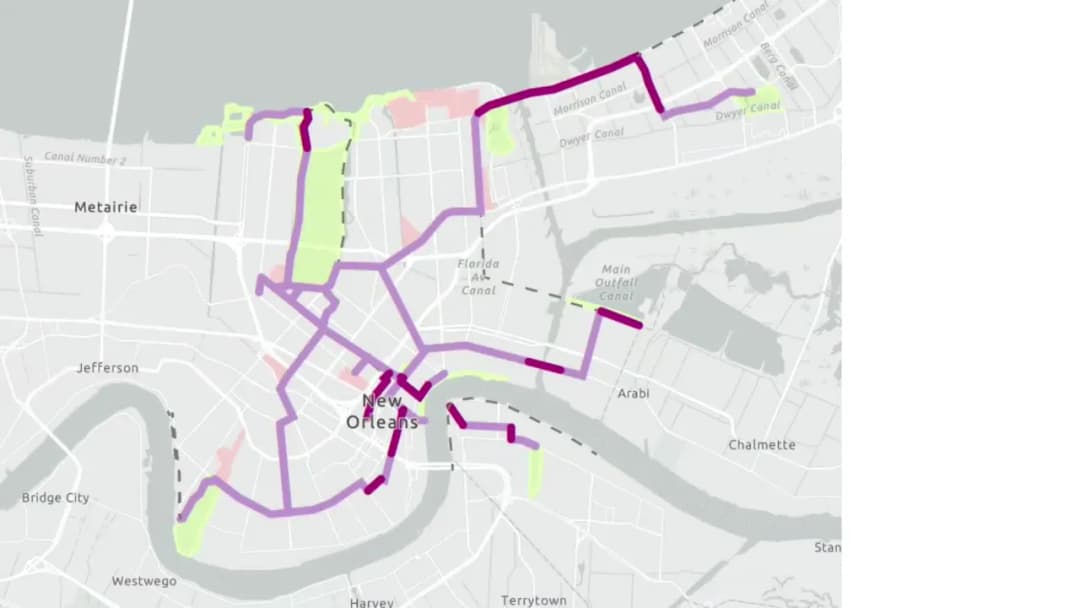
The Climate Change and Sustainability Committee of the New Orleans City Council met on September 23, 2026, at 10:00 a.m. (agenda time) to consider a resolution for a battery storage pilot program, a motion for a drainage project, and to receive a presentation on Lafitte Greenway improvements. The meeting featured extensive public testimony and unanimous support for the agenda items. Consent Calendar - No consent calendar items were listed. Public Comments & Testimony - Zach Franklin (Great Alternatives) expressed strong support for the resolution and committed to working with local partners on deployment and job creation, emphasizing consumer protections. - Sister Alicia Costa (Sisters of the Holy Family) spoke in favor of the resolution, highlighting the needs of elderly residents and frequent power outages in New Orleans East. - Deborah Salvador (Together New Orleans) thanked the committee and stated the neighborhood power plan will improve quality of life and address blackouts. - Michelle Firestone (Community Church Unitarian Universalist, Jefferson Parish resident) expressed support, noting regional dependence on New Orleans' success. - Kathy Larimer (Together New Orleans) supported the resolution, citing benefits for citizens and carbon neutrality. - Jesse George (Alliance for Affordable Energy) expressed support, noting that the program is a culmination of a decade of advocacy and that low-income households will have zero upfront cost. - Monika Gerhardt (Gulf States Renewable Energy Industries Association) thanked the council and staff for their leadership. - Sean Moses (no organization stated) spoke in support, calling it a beautiful day in the neighborhood. - Reverend Jeff Connor (retired United Methodist) expressed pride and gratitude, stating the plan is being watched nationally and internationally. - Calvin Lawrence (IBEW Local 130, Together New Orleans) praised the council for fighting for the little man and for bravery in doing something different. - Gareth Johnson (Together New Orleans) shared a personal story about community solar forums and emphasized the program's importance for New Orleans East. - Mary Ellen Burns (First Unitarian Universalist Church, Together New Orleans) called the plan a win for collaboration and hope. - Wendy Beck (Deep South Center for Environmental Justice) supported the program, noting the importance of structuring incentives so low-income households can participate and stressing that transmission investment remains essential. - Annie Clark (Finance New Orleans) offered assistance with implementation, including bridging battery incentives and supporting wraparound resilience like fortified roofs. - Broderick Baggart (Together New Orleans) suggested several amendments for the full council: ensuring existing pilot batteries are eligible for ongoing incentives, allowing three-phase commercial systems to participate, allowing batteries outside the pilot to enroll (without upfront incentives), and renaming the program the "Neighborhood Power Plan." - Jolie Vunk (Mid City resident) supported both the battery program and the Greenway, noting improved safety at crosswalks on Carrolton. - Six online comments were read into the record, all in support of the battery program, with emphasis on full funding for upfront incentives and low-income access. Discussion Items - Resolution UD-24-02 (Distributed Energy Resource Program – Phase 3 Battery Storage): The committee discussed the Neighborhood Power Plan, a $29 million program ($23 million in upfront incentives) to deploy nearly 2,000 batteries across the grid. Councilmember McCarron (Chair) detailed the incentives: $850/kWh for low-income residential, $550/kWh for non-LMI residential and commercial, with 40% of residential incentives earmarked for LMI customers. The program also includes $3 million for administrative costs and requires customer protections. Councilmember Willard emphasized that the program is the largest per capita investment in distributed battery storage in the nation, using $28 million from Entergy penalties. Councilmember Green praised the focus on LMI citizens and shared a personal story about post-Hurricane Ida deaths at a senior facility. The resolution was passed to the full Council without opposition. - Motion – West End Drainage Project: The committee considered a motion to enter a Professional Services Agreement for design, engineering, and construction management of a modular tank system in West End. Councilmember Green asked for benefits to the public; a staff member explained the detention system will reduce street flooding during heavy rain events and that a new basketball court will be built. One public comment was received supporting the project. The motion passed unanimously. - Presentation – Lafitte Greenway Improvements: Jason Neville, Executive Director of the Lafitte Greenway Partnership, presented updates. Key points: the Greenway is 10 years old and has seen over 3 million users; completion of the final half-mile to the Canal Boulevard transit center is stalled due to a Norfolk Southern rail line and paused design funding; the partnership received a $280,000 grant for a five-block expansion along Galvez to the bio district; over 982 trees have been planted (1,000th next month) and three rain gardens installed; a grant-funded wetland park with a waterfall is planned; an economic development district was established and will hold its first board meeting soon. Councilmembers expressed support and agreed to work on Norfolk Southern negotiations. No formal vote was taken. Key Outcomes - Resolution UD-24-02 was approved by the committee for consideration by the full City Council. The resolution directs Entergy New Orleans to submit a modified implementation plan by October 31, 2026, with a program launch no later than the first quarter of 2027. - Motion for West End Drainage Modular Tank System was passed unanimously, authorizing the Professional Services Agreement. - The Lafitte Greenway Presentation was received; councilmembers committed to assisting with the rail line issue and supporting the Greenway's continued development. - The committee adjourned after a group photo.
ENERGY MANAGEMENT 38% · PARKS AND RECREATION 12% · PUBLIC ENGAGEMENT 9% · PUBLIC SAFETY 8%
4442
SEP 23, 2026 · ST PAUL, MINNESOTA · CITY COUNCIL
Saint Paul Budget Committee Reviews Department of Public Works 2027 Budget on September 23, 2026

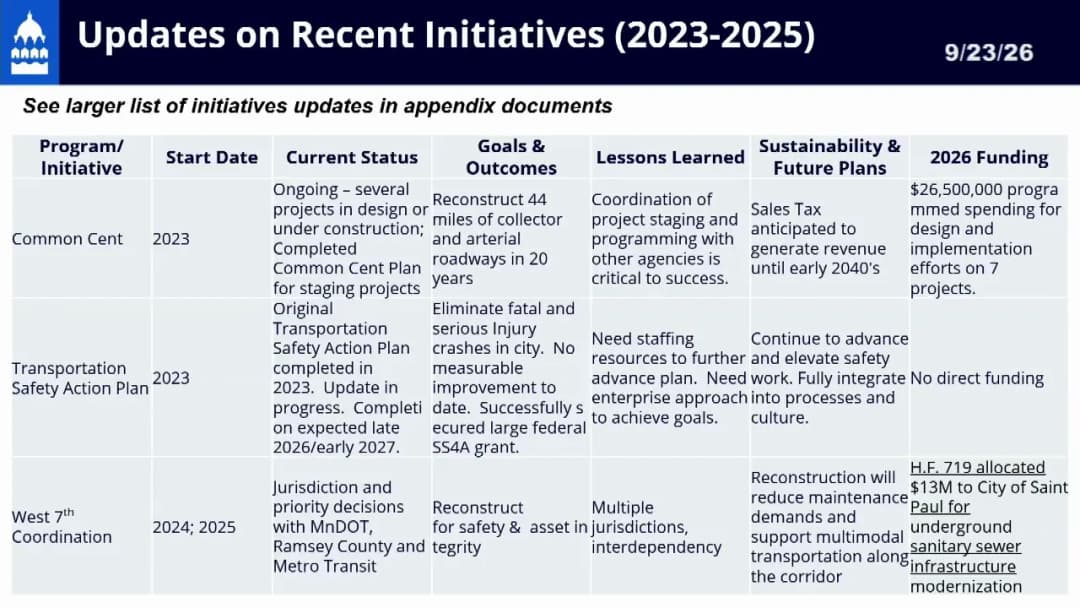
The Saint Paul Budget Committee, chaired by Councilmember Cheniqua Johnson, met on September 23, 2026, in Council Chambers at City Hall to review the Department of Public Works proposed 2027 budget and initiative updates. Public Works Director Barber presented the budget, answered council questions, and committed to follow-up information. The committee took no formal votes. The transcript roll call is inconsistent: it states six members present with Councilmember Bowie absent, though Councilmember Bowie appears to participate later in the discussion. Discussion Items - General fund and special funds: Director Barber said the Public Works general fund is about 17% of the Public Works budget and special funds about 83%. The proposed 2027 Public Works general fund increase is 1.6%, below 3.4% inflation, reducing real purchasing power and compounding deferred maintenance. The overall special funds change is about 4%, with enterprise funds able to raise rates while non-revenue funds face cost pressure. The adopted spending summary shows a 3.68% change from 2026 to 2027; the recycling and solid waste fund was reorganized from fund 241 to enterprise fund 645, making some comparisons misleading. Director Barber gave two slightly different winter/summer street maintenance splits: $4.9 million/$5.3 million and later $4.8 million/$5.3 million. She also explained that a 2022 court decision affected property assessments and moved street maintenance expenses to the general fund, totaling $14.1 million. - Grants and outside funding: Public Works has applied for 18 regional solicitation grants. Recent awards include about $2 million in three grants for the Sycamore Building decarbonation plan, a $15.1 million Safe Streets for All grant, and an additional $25 million in grants awarded and programmed for 2027. Decreases in city grants and general government special projects reflect ARPA timing rather than reduced grant success. About $5.4 million in ARPA funds received by Public Works are expected to be fully expended by the end of 2026. - Proposed general fund changes: The 2027 proposal eliminates the $300,000 alley improvement program, reduces sidewalk support by $500,000 to $985,000, adds $300,000 in one-time support for EAMS billing and revenue collection, shifts two Gopher State One Call FTEs from fund 230 to the general fund, makes a $600,000 one-time municipal state aid shift to street maintenance, and updates a county maintenance agreement that has not been updated since 1991. The mill and overlay proposal restores a $318,000 one-time cut and includes no additional cut; the general fund covers 75-90% of mill and overlay costs. - Sidewalk program: The sidewalk program previously received $1.485 million annually. Less than 7% of streets or sidewalks are ADA compliant, with a 60-year compliance horizon, and the city is expected to reach only 50% compliance at current funding. Director Barber said a sidewalk improvement district modeled on Rochester is being studied for a possible pilot next year, but revenue and timing are not yet known. Councilmember Coleman asked how many fewer repairs the cut would mean; Council President Noecker questioned cutting sidewalk funds before the district plan is in place. Director Barber said the cut was paired with the district proposal but revenue is not yet reflected in the budget. - Alley program: The alley improvement program was $400,000 in 2024, reduced to $300,000 in 2025, with more than 2,600 alleys and about 330 miles of alleys. Three alley projects were completed in 2025 and 2026. The 2027 proposal eliminates the program. Councilmember Yang said she supports the cut but asked for public-facing communication; Director Barber said street maintenance will still respond to pothole patch and grading needs and that assessments have not been discussed as a replacement. - Street lighting and copper wire theft: No new street lighting funding is proposed for 2027. A $750,000 Shepherd lighting program is to be installed in 2027. Director Barber described overtime efforts to fix lights, coordination with Saint Paul Police on anti-theft patrols, and possible legislative changes or district financing. Councilmember Bowie asked whether the county and state should share more of the cost; Director Barber agreed and said the issue was raised with government relations. Other year-end priorities mentioned included a scaffolding solution to reopen the Bruce Vento regional trail tunnels, Wabasha gabion wall repairs, and asphalt plant burner replacement. - FTEs and vacancies: Public Works retention is 91.84%. Vacancies are concentrated in highly specialized and seasonal positions; some service-worker jobs are intentionally kept open because they turn over frequently. Director Barber said positions and people are needed along with materials and equipment. Chair Johnson requested a complete vacancy list, including positions open before January 2026, and Director Barber pointed to appendix vacancy reports. - Technology and billing: The budget shifts three GIS analyst positions from Public Works to OTC in a budget-neutral move. Residential parking permit enrollment in the poly system was taking 30-40 minutes per resident, so staff prioritized billing and paused enforcement until catch-up is complete. Public Works is trying to catch up on billing tied to the enterprise asset management system by the first quarter of next year. Councilmember Coleman asked for parking permit revenue and cost estimates; staff said they would provide follow-up. Public Works Initiative Updates - Common Scent program: The program started in 2023; first projects were completed in 2025 on Grand Avenue, Fairview to Snelling, and Jackson Street, with University and Earl planned in 2026. Director Barber said a known funding source allows better planning. - Transportation Safety Action Plan: The plan is being updated, and the $15.1 million Safe Streets for All grant is tied to the high-injury network. Councilmember Kim noted eight pedestrian or bicyclist deaths in 2026, the most in 10 years, and asked whether a position or direct funding exists for traffic safety. Director Barber said there is no direct general fund line and safety work currently comes out of the street maintenance fund; the updated plan and grant implementation will come back for council discussion. - West 7th corridor: Public Works reconvened with MnDOT, Ramsey County, and Metro Transit and secured $13 million in state bonding for sewer utility work. MnDOT has done mill and overlay and temporary fixes, and the corridor remains a priority. - Snow operations and route optimization: The alternate-side parking research pilot report is expected by the end of 2026. The VRS snow route optimization software integration did not work as intended, but the GIS platform created for it may be used for an enterprise routing solution. Councilmember Bowie asked about technology challenges; Director Barber said the consultant is phasing out and OTC is helping vet software. Utility Rates and Enterprise Funds - Sewer utility: Proposed sewer rate changes would raise the annual bill by roughly $57 per year, though the transcript also contains the phrase "$457 dollars a year," creating a discrepancy. Council President Noecker questioned the roughly 10% increase and asked for a summary memo explaining the calculation; Director Barber said a sewer rate study and expert analysis produced the numbers. Met Council environmental services costs are a smaller factor than last year. - Solid waste and recycling: Proposed changes include new assessment fees for buildings with 5-11 units and 12 or more units. Collection costs are capped by contract at 3.5%, and Ramsey County disposal costs are proposed to rise 12%. Staff member Haas said the disposal increase is largely related to anaerobic digestion capacity at the RE facility, rates are approved through the Ramsey-Washington joint powers board, further increases are expected in 2028, and Minneapolis tipping fees are lower partly because Hennepin County gives haulers a discount. There is no change in the city's billing administration fee. The 645 fund would add FTEs for customer support, additional solid waste workers, and a public information officer. Key Outcomes - The committee received the Public Works 2027 budget presentation and initiative updates; no formal vote was taken. - Director Barber committed to follow-up emails covering council questions and to providing histories and analyses on Gopher State One Call funding, parking permit revenue and costs, sidewalk district feasibility, grant spending and underspending, vacancy details, and rate trend projections. - Council will receive future briefings on the Transportation Safety Action Plan, sewer rate changes, and solid waste and recycling rates. - The meeting adjourned after the presentation and discussion.

PUBLIC WORKS 61% · BUDGET 18% · TECHNOLOGY AND INNOVATION 6% · TRANSPORTATION SAFETY 5%
4443
SEP 23, 2026 · SACRAMENTO COUNTY, CALIFORNIA · BOARD OF SUPERVISORS
Sacramento County Board of Supervisors Meeting – September 23, 2026

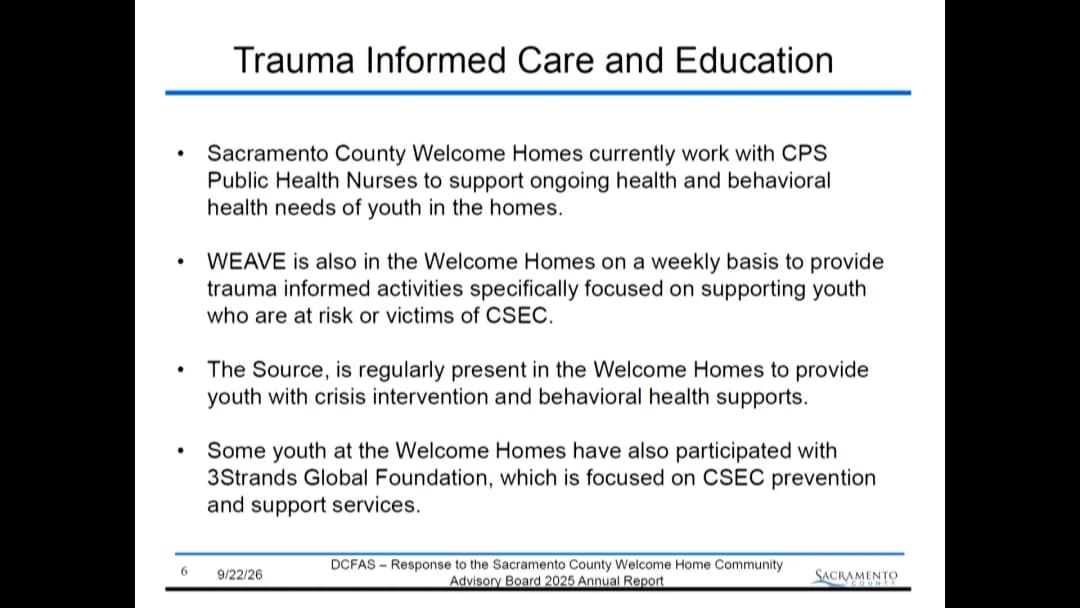
The Sacramento County Board of Supervisors met on September 23, 2026 (transcript indicates September 22; date discrepancy noted). The meeting covered adoptable pets, proclamations, public comments, consent calendar items, air show briefing, ADU ordinance repeal, SETA budget, fireworks enforcement, solid waste rates, and welcome home reports. Supervisor Cerna was absent; most votes were 4-0 unless noted. Consent Calendar - Item 46 (vehicle purchase for Sheriff's Office, $91,928) was removed from the agenda with a vote of 4-0, anticipated return October 20. - Item 10 (transit occupancy tax ordinance) continued from September 15. - Items 12 and 13: Supervisor Hume recused himself to avoid conflict of interest. - Item 47: retroactive authorization for COPS Mental Health and Wellness grant ($250,000) – Supervisor Hume asked about expansion to non-sworn personnel; information to be provided later. - Item 15: humorous comment about "Glassy Wing Sharpshooter" and "Golden Muscles" nicknames. - Item 50: property tax penalty refund claims – public comment by Robert Rubin argued a $10 postage error caused a $59,000 penalty. County Tax Collector Chad Rindi and Deputy County Counsel Keith Floyd explained state law requires strict adherence and does not allow relief. Board approved consent calendar 4-0 (items 12-13 passed 3-0 with recusal). Public Comments & Testimony - Ryan Harris (off-agenda) criticized reduced speaking time and lack of remote participation. Supervisor Kennedy clarified phone testimony is available and remote participation was implemented July 1. Harris also raised concerns about Folsom Cordova Unified School District and county management. - Robert Rubin (item 50) requested refund of penalties due to postal error; denied per state law. - Lee Miller (Residents Against Illegal Fireworks) thanked the task force and recommended a "follow the source" strategy for year-round enforcement. - Mike Dufec (Sacramento Youth Band Parents Association) thanked for safe fireworks enforcement and noted record sales; discussed public education on legal vs. illegal fireworks. - Dennis Revel (TNT Fireworks) thanked the board and task force; supported follow-the-source approach. Discussion Items - Adoptable Pet Update: Annette from Animal Care reported Thumbelina adopted, presented senior dog Harry (Great Dane mix, 9 years old). Highlighted a $40,000 ASPCA grant for an emergency animal sheltering tent with HVAC, thanks to Nicole Benson and Jason Delasio. - Childhood Cancer Awareness Month: Supervisor Kennedy read a resolution. Marie Arce shared the story of her daughter Caitlin who died from leukemia. She urged support for a state bill making September Childhood Cancer Awareness Month to fund research and treatments. - Suicide Prevention Month/988: Supervisor Kennedy presented. Ben from WellSpace Health reported 2,800 crisis contacts from Sacramento County last month, 85% resolved safely, 374 transferred to CWRT. Sarah Weber (Behavioral Health Commission chair) thanked operators. - Turning Point Community Programs 50th Anniversary: Resolution presented; Diana from Turning Point thanked the county for partnership. - Employee Giving Campaign Month: Lisa from County Counsel announced the campaign with a goal of 5% participation and $215,000; includes a 5K run on October 29. - California Capital Air Show Briefing: Terrence McNamara, Christine Mann, Andrew Durkey presented. 20th anniversary, October 10-11. Features Thunderbirds, Snowbirds, night show with drones and fireworks. Youth programs: internships, scholarships (nearly $80,000 to 12 students). New sustainability initiatives: sustainability stations, renewable diesel, edible food recovery, bike parking, rideshare drop-off. - Auburn Falls Project (Item 56): Whitney Hinton (Sacramento Housing) requested a TEFRA hearing and approval of loan/bond documents for rehabilitation of 76 public housing units across four sites. Northcrest site removed due to structural issues. Units for households 40-60% AMI. Board approved 4-0. - ADU Ordinance Repeal (Item 57): Matthew Jamamo (Planning) explained HCD found the county ordinance non-compliant; proposal to repeal and defer to state law, while creating a new appendix for AG/AR zones (AADs). Also SB9 urban lot splits in AR zones in urbanized areas per HCD. Planning commission recommended approval. Supervisor Desmond and Hume discussed impacts on setbacks, heights, and rural areas. Board approved 4-0. - SETA Operating Budget FY26-27 (Item 58): Renee John, Mario Maslick, Karen Griffith presented. Total budget $137.5 million, 100% grant funded. $92.6M for children & family services (Head Start), $45M for workforce development. Serves over 4,000 children in Head Start. Workforce served 32,000 individuals, 66% reached employment. Discussion on refugee services (declining funding), employer partnerships, and impact of AI. Board approved 4-0. - Fireworks After Action Review (Item 59): Presentations from Sheriff's Lt. Chuck Fow (Operation Roman Candle), Metro Fire Marshal Amy Nigren, Code Enforcement Director Mike Sanchez, PIO Kim Nava. Key results: 74 vehicle stops, 3 arrests, 300 lbs fireworks seized, 7 administrative penalties ($43,000), 54% decrease in fireworks-related fires (23 vs 50), 73% decrease in fire investigations. No assaults on fire personnel. Cost savings: $15,000/day vs $115,000 for MFF. Community feedback positive. Sheriff's POP team credited. Board received and filed. - Solid Waste Rate Study (Item 60): Jennifer Claiborne (Waste Management) proposed 4.5% annual increase for 5 years ($1.85/month, $22/year). Driven by inflation (4.8%) and regulatory compliance (SB 1383, advanced clean fleet, landfill methane). Also removal of courtesy go-backs, second bulky waste appointment, hard-to-handle fee. Facility rates increase 4.5-6.5%. Comparison to other cities: Sacramento County middle of the pack. Lifeline rebate increase from $10 to $15 over 5 years. Board approved resolution to proceed with Prop 218 process; final hearing December 8. - Welcome Home Quarterly Report (Item 61): Melissa Lloyd (DCFAS) reported Q4 FY25-26. 99 unduplicated youth served, 138 discharges, 82% to placement. Average length of stay 6 days. Staff training updates. Incident reports: 276 incidents, 20 involving law enforcement, increase in unauthorized absences. Placement capacity expansion ongoing with Seneca and children's receiving home. Board received and filed. - Welcome Home CAB 2025 Annual Report (Item 62): Robin Blanksteiner, Sherry Skelly Griffith, Liam Patton presented. Key findings: insufficient statutory protections for exploited youth, unrestricted digital access, inadequate CSEC data, need for survivor-centered services, law enforcement coordination, mental health/substance use access, social worker visits, transportation, education support, unauthorized absence data, transition-aged youth data, staff training gaps. Recommendations included state-level advocacy, better data collection, more training, and increased services. - Response to CAB Report (Item 63): Melissa Lloyd responded to each finding. Noted many services already in place: weekly mental health/AOD visits, Three Strands contract serves ages 13+, training exceeds requirements, neighbor engagement, Hop Skip Drive for transport, SCOE coordination. Clarified that data on contracted providers is not reported to the board. Emphasized collaborative work with Sheriff's Office and other partners. Acknowledged need for ongoing improvement. - SETA Appointments (Item 64): Supervisors Kennedy and Desmond reappointed to SETA board. Vote 4-0 (Supervisor Hume absent). - County Executive Comments: Todd highlighted a park survey (Your Park, Your Voice) for Sacramento Northern Trail, Dry Creek Parkway, Gibson Ranch. QR code and incentive of annual park pass for 10 participants. - Supervisor Comments: Kennedy reported on Family Fun Fair (500+ attendees, 42 providers, 112 pets served). Raised issue of data centers and need for policy. Also noted audit reports and CEO audit committee. Desmond requested follow-up discussion on CARE Court referrals with city and DA. Key Outcomes - Removed item 46 from agenda (vote 4-0). - Approved consent calendar items 7-54 (4-0, with recusals on 12-13). - Approved Auburn Falls loan/bond documents (4-0). - Approved ADU ordinance repeal (4-0). - Approved SETA FY26-27 budget (4-0). - Received and filed Fireworks After Action Report, Welcome Home quarterly report, CAB annual report, and response. - Approved SETA appointments (4-0). - Approved resolution to proceed with solid waste rate study and Prop 218 process (4-0). - Proclamations and presentations accepted. Note: The transcript indicates the meeting was called to order on Tuesday, September 22, 2026, but the assigned meeting date is September 23, 2026. This discrepancy is noted.

CHILD WELFARE SERVICES 14% · BUDGET AND FINANCE 11% · PUBLIC SAFETY 10% · FIRE SAFETY 8%
4444
SEP 23, 2026 · SYRACUSE, NEW YORK · PUBLIC MEETINGS
Syracuse City Council Study Session - September 23, 2026

The Syracuse City Council held a study session on September 23, 2026, beginning at noon, to review a wide range of administrative items, contract amendments, policy discussions, and special use permits. Topics included a snow removal agreement with the state, lead service line restoration issues, hydrant replacement and standardization debates, a deer culling program, amendments to a battery storage moratorium, and several special use permits for a cannabis dispensary, a contractor yard, a hookah lounge, and a bar. No formal votes were recorded; the meeting concluded with a motion to go into executive session. Discussion Items - Snow Removal Agreement (Item 12): Commissioner presented an agreement with the state to assist during emergency snow events by taking over state routes (e.g., West Genesee, Erie Boulevard). The city receives no compensation for this assistance. Councilor questioned the number of available snow drivers. - Lead Service Line Restoration (Items 14-15): During discussion of sewer and pump station project contract amendments, councilors raised concerns about contractors failing to restore lawns and sidewalks after lead service line replacements. Commissioner acknowledged lost tracking and committed to enforcing 20-day restoration deadlines in future contracts and convening a committee meeting to address accountability. - Hydrant Replacement and Standardization (Items 23, 18): A $275,000 transfer for hydrant replacement was presented. Councilor inquired about standardizing hydrant threads to a national standard. Fire Chief Michael Monza explained that Syracuse uses unique threads, but adapters are carried; changing all hydrants and fire apparatus would be extremely costly and is not currently a problem. Commissioner noted that the unique threads help control unauthorized water use. - Deer Culling and Tick Management (Items 24-26): Parks Commissioner Saisha Bird presented a negative declaration for the deer culling program, an agreement with USDA Wildlife Services (not to exceed $90,000), and an agreement with Marshmill Ranch for meat processing. The program runs from December 2026 to April 2027. - Battery Storage Moratorium Amendment (Item 40): Deputy Commissioner Jake Dishaw proposed amending the current moratorium to allow small-scale accessory commercial battery energy storage systems (e.g., backup batteries for buildings), while maintaining the moratorium on large-scale grid-connected systems. A local law is expected within 4-6 weeks. - Special Use Permits (Items 43-46): Items included a New York State-licensed retail cannabis dispensary at 2671 James Street (already conditionally approved by the state), a contractor yard at 2910 Erie Boulevard East, a hookah/smoking paraphernalia establishment (no tobacco or cannabis) at an unspecified location, and a bar at 648 Burnett Avenue. Councilor expressed concern about the hookah establishment's impact on vulnerable constituents in the North Side district. Key Outcomes - Items Held or Pulled: Item 30 (police-related) was pulled for additional information; Item 42 (regional market) was held from a prior session and is now considered resolved by Councilor Nave. - Items Ready for Future Action: Item 41 is expected to be ready for the Monday session. Item 40 will return with a formal local law in 4-6 weeks. - Committee Commitment: Council committed to holding a committee meeting to address contractor accountability and restoration tracking. - Motion for Executive Session: The council voted to move into executive session to discuss certain items in private.

ENGINEERING AND INFRASTRUCTURE 23% · WATER AND WASTEWATER MANAGEMENT 22% · PUBLIC SAFETY 12% · ZONING REGULATION 8%
4445
SEP 23, 2026 · BELOIT, WISCONSIN · MEETING PORTAL
City of Beloit and Local #643 Transit Union Collective Bargaining Meeting - September 23, 2026

The meeting was scheduled for September 23, 2026 at 9:30 AM at City Hall, 100 State Street, Beloit, Wisconsin, for the exchange of initial proposals between the City of Beloit and Local 643 Transit, AFSCME AFL-CIO. According to the public notice, the exchange of initial proposals was open to the public, after which the representatives could go into closed session to consider ground rules, scope of bargaining, and to caucus. No minutes or transcript of the proceedings are available, so the actual content of the proposals, any discussions, or outcomes are not recorded.

4446
SEP 23, 2026 · WASHINGTON, DISTRICT OF COLUMBIA · COUNCIL OF THE DISTRICT OF COLUMBIA
Committee on Judiciary and Public Safety Hearing – September 23, 2026

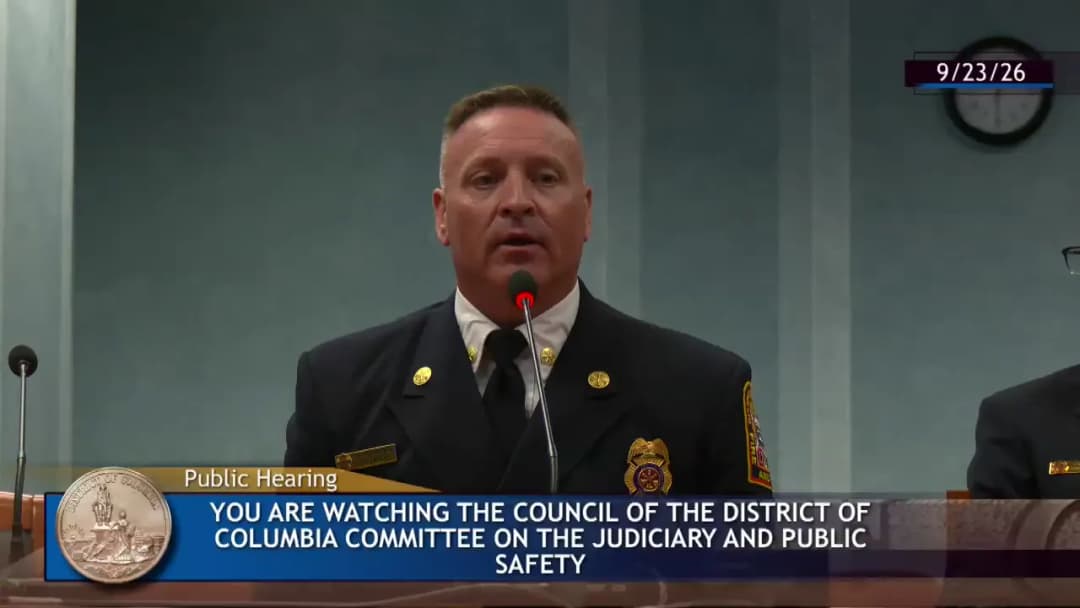
On September 23, 2026, the Council of the District of Columbia's Committee on Judiciary and Public Safety, chaired by Councilmember Pinto and joined by new member Councilmember Alyssa Silverman, held a public hearing on seven pieces of legislation. The hearing covered illegal occupancy enforcement, arena safety, first responder facilities modernization, smoke detector standards, judicial privacy, marriage licensing during federal shutdowns, and clemency board procedures. The committee heard testimony from government witnesses and acknowledged public witnesses. Public Comments & Testimony - Members of the public testified on the various bills. Councilmember Pinto thanked them, noting the "broad range of issues" covered. Topics raised by public witnesses and referenced by the committee included squatting enforcement, the ambiguity of oral contracts in short-term rentals, and the need for expedited judicial processes for property disputes. Discussion Items - Illegal Occupancy Enforcement Amendment Act (Bill 26-757): Deputy Mayor for Planning and Economic Development Nina Albert testified in support, arguing the bill clarifies that a short-term rental guest who overstays is trespassing, not a tenant. MPD Assistant Chief Nikki Lavenhaus stated the bill removes enforcement ambiguity. DLCP Director Tiffany Crow noted it distinguishes a business contract from a rental agreement. Discussion focused on the "gray area" of oral contracts. The Executive also committed to improved MPD training on squatting vs. tenancy enforcement. - Protecting Judicial Privacy Act of 2026: No government witnesses testified. Chair Pinto noted written testimony was received, including from Judge Robert Wilkins of the D.C. Court of Appeals. - Arena Safety Conformity Amendment Act (Bill 26-651): Assistant Chief Lavenhaus (MPD) testified in support. The bill prohibits unauthorized entry onto playing surfaces at Capital One and Care First Arenas, extending existing rules from Nationals Park and Audi Field. MPD stated it provides a clear basis for deterrence and arrest, citing a February 2026 incident during a Wizards game. The bill also aims to proactively cover the future Washington Commanders stadium. - First Responders Facilities Modernization Act (Bill 26-702): DGS Chief Operating Officer Danielle Metters and Deputy Director Osay Hedley testified in opposition to the bill's structure, arguing existing collaboration (45 MPD projects at $11M, 80 FEMS projects at $42M underway) works well and a new Office of Public Safety Facilities Planning would be duplicative. FEMS and MPD Assistant Chiefs expressed general satisfaction with the current process, acknowledging facility needs while preferring flexible planning. The Chair expressed concern that only 1 of 5 MPD projects submitted for funding was fully approved, slowing modernization. DGS recommended incorporating PACE Act lessons learned. - Smoke Detector Safety Amendment Act (Bill 26-93): Assistant Chief Brian Rudy and Fire Marshal Edward Kaufman testified in support. The bill mandates only tamper-resistant detectors with sealed 10-year batteries be sold or installed. The Executive supports the bill. FEMS cited FY25 data: 66 residential structure fires, with 23 homes lacking working alarms. Enforcement will be via the Fire Marshal's office. - Let Our Vows Endure (LOVE) Amendment Act of 2025: Victor Reed (Office of the Secretary) testified in support, codifying emergency marriage licensing during federal shutdowns (187 licenses in 2019, 601 in 2025). He recommended extending the post-shutdown record transfer timeline from 5 to 30 days, citing staffing constraints with his six-person team, and discussed the heightened urgency for couples in the 2025 shutdown. - Clemency Board Waiver Authority Amendment Act of 2025: Deputy General Counsel Kimberly (OGC) testified in support, explaining the bill allows the D.C. Clemency Board to waive its five-year waiting period if the DOJ has already granted a waiver. She cited six applicants from July 2024 whose state waivers were blocked by the current prohibition. Key Outcomes - The legislative hearing concluded with no final votes. The hearing record for all bills remains open for written testimony until Wednesday, October 7, 2026, at 5:30 PM. - The Committee signaled it will work with the Executive on amendments to several bills, including a potential 30-day transfer timeline for the LOVE Act and continued collaboration on the First Responders Facilities Modernization Act. - MPD committed to enhanced officer training on differentiating between tenants, short-term guests, and trespassers to improve enforcement of occupancy laws.

PUBLIC SAFETY 36% · PROCEDURAL 30% · HOUSING 15% · FACILITIES 10%
4447
SEP 23, 2026 · COOK COUNTY, ILLINOIS · BOARD OF COMMISSIONERS
Cook County Finance Committee Meeting Summary – September 23, 2026

The Finance Committee of the Cook County Board convened on September 23, 2026. The meeting included roll call, errata corrections, public testimony, approval of several financial reports, and discussion regarding proposed ordinances. A quorum was present with 14 ayes and three absentees (Commissioners Aguilar, Gaynor, Laurie, and others were absent or excused at various points). Consent Calendar - Approved the committee minutes of July 26, 2026 (item 262346) by voice vote. - Received and filed multiple items on a single motion by Commissioner Britton, including: court orders report (262189) for June–August 2026; special court cases; proposed settlements; quarterly litigation disbursement report (262261); workers’ compensation reports for July–August 2026 (262177, 262257, 262258, 262318, 262260); patient arrestee claims report (262241) for June–August 2026; self-insurance claims report (262238) for July–August 2026; and claims recovery settlements (262262) for August 2026. All passed 14-0-3 (Commissioners Degnan, Gaynor, Laurie absent; Commissioner Miller out of room). - Received and filed the Controller’s reports for seven-month period ending June 30, 2026 (262312) and eight-month period ending July 31, 2026 (262313), and the Cook County Health Report for August 2026 as amended (261607). The Comptroller reported a general fund favorable net budget variance of $331.2 million. The Health Fund reported an unfavorable net budget variance of $28.5 million on a cash basis. Passed 14 ayes, three absent, two excused. Public Comments & Testimony - Mary Kay Minagan (Women’s Construction Owners & Executives, Association of Subcontractors & Affiliates of Chicago) opposed Ordinance 26-15-14, arguing that existing measures (performance bonds, liquidated damages) already address non‑performance and that a 10% penalty would deter contractors. - Sal Mateo (HASIA, representing minority/women-owned businesses) opposed the ordinance, calling it redundant and harmful to small diverse businesses. He noted that construction contracts already include performance bonds, retainage, cure periods, and set‑off authority. - Rebecca Jolly (Surety Association of Illinois) opposed the ordinance, stating it duplicates existing bond protections and creates confusion with retainage; she suggested it may be punitive and unenforceable under Illinois law. - Jamie Neely (Federation of Women Contractors) opposed the current draft, citing negative impacts on small, women-owned subcontractors’ cash flow and bonding capacity. - Mark Clements (Chicago Torture Justice Center) did not address the ordinance; instead, he urged the board to stop payments to special prosecutors in police torture cases, alleging misuse of funds. - Christine Chung (ACE – Association of Asian American Construction Enterprises) opposed the ordinance, stating it would deter minority/women-owned subcontractors and increase county costs without added protection. Discussion Items - Ordinance 26-15-14 – Proposed 10% penalty for non‑performance on county contracts over $3 million. After public testimony, Commissioner Degnan moved to defer the item (seconded by Commissioner Sean Morrison). The motion carried by voice vote. Speakers had requested rejection or further stakeholder engagement. - Item 26-18-49 – Line of credit extension for the Cook County Land Bank Authority. Commissioner Britton initially moved to defer, then amended to approve. However, the item was stood in recess pending confirmation from the Land Bank Authority. No final vote was taken. Key Outcomes - Ordinance 26-15-14 was deferred; no further action taken. - Item 26-18-49 remained in recess at adjournment; decision postponed. - All consent calendar items and financial reports were approved with unanimous support (14 ayes, varying absentees). - The committee recessed without a final resolution on the land bank line of credit.

PROCUREMENT 36% · PROCEDURAL 22% · CONTRACT MANAGEMENT 17% · BUDGET EQUITY ANALYSIS 12%
4448
SEP 23, 2026 · GOLDEN, COLORADO · CITY COUNCIL & BOARDS
SERC Meeting Summary – September 23, 2026: Grant Decisions, Event Reviews, and Mission Statement Approval

The Special Events Review Committee (SERC) met on Wednesday, September 23, 2026, to review recent and upcoming events, evaluate three grant applications, update the committee’s mission statement, and discuss revisions to the grant program. The committee approved funding for the Golden Wine Festival ($2,000), Shiny Sphere Search ($1,000), and Día de los Muertos ($2,000), and adopted an amended mission statement. Public Comments & Testimony - No formal public comment was received. Committee members shared informal observations about a tour of the new Clayworks building, noting its geothermal skylights, bike charging station, and potential costs for small businesses. Discussion Items - Review of Recent Events - Farmers Market: Ending October 3; no issues reported. - Stories in the Sky (drone show, September 12): Held at Ulysses; attendance more than doubled expectations for Movies & Music events. Food truck lines were long (only two trucks and one ice cream vendor). The drone show was funded through the state’s Two Fifty One Fifty Initiative. - Golden Hour Mashup (September 16): Second edition saw good attendance despite rain. Feedback included confusion over the event name (duplicating Foothills Art Center’s “Golden Hour”) and a desire for earlier timing, especially for families. The event is a trial; the name and timing may change next year. - Golden Gallop (September 20): 20th annual race; ran smoothly with minimal road impact. Washington Street reopened quickly after the last runner. - Upcoming Events - Golden High School Homecoming Parade (September 25): Safety improvements noted; no handouts allowed to prevent throwing. Parade route: staging at 18th, turns onto Washington to 12th, then west on 12th. Street closures start at 5 p.m.; parade at 5 p.m. - Denver Century Ride (September 26): 700 riders; passes through Charles and 19th streets early morning (estimated through Golden by 8:30 a.m.). - Golden Wine Festival (October 3): Tony Grampsas Park parking lot renovations completed; shuttles will run from Clear Creek lot due to concurrent Montessori school event. - Autumn Fest (October 4), Golden Hour MashUp (October 14), Golden Beverage Tasting & Chili Cook-Off (October 17), Trick or Treat Street (October 30, 3–5 p.m.), Monster Mash (October 31). - Grant Applications - Golden Wine Festival: Requested $5,000 for additional shuttles, security, and signage. Committee noted the applicant provided only a shuttle estimate ($2,000) and that the event is profitable (net profit $7,660 from 2025 budget). Motion to award $2,000 for shuttle costs only; passed. - Shiny Sphere Search: Requested $750 for hand-blown glass orbs. Committee praised the low-key, local event and noted the applicant has self-funded for years. A motion to award $1,000 (exceeding the request) passed. - Día de los Muertos (Americas for Conservation, Health and the Arts): Requested $2,500 for music, face painting, food, and dance. Committee noted that food is not an eligible expense and that the event lacked marketing. Motion to award $2,000 to cover music and entertainment vendors only; passed. Staff will encourage better promotion. - Updated SERC Mission Statement - Amanda and Kasia presented revisions: removed a paragraph about funding terms and added language on sustainability. A committee member requested reinstating the sentence “Approval of funding in one year does not guarantee funding in future years.” Added as a bullet point. Motion to approve the amended mission statement passed. - Grant Program Revision Discussion - Discussed shifting to two six-month funding periods (deadlines March 31 and October 31) with $20,000 each to ensure equitable distribution. Some members questioned the need for change given $11,342.74 remained at year-end. Concerns raised about potential rush of applications, fairness to new events, and alignment with city budget calendar. No final decision; staff will provide historical data and the topic will continue at the next meeting. Key Outcomes - Golden Wine Festival: Approved $2,000 grant for shuttle costs (motion carried). - Shiny Sphere Search: Approved $1,000 grant for glass orbs (motion carried). - Día de los Muertos: Approved $2,000 grant for music and entertainment vendors (motion carried). - SERC Mission Statement: Approved as amended with the added bullet about non-guaranteed future funding (motion carried). - Grant Program Revision: No formal vote; discussion to continue at the next meeting. Staff will share event timing and funding data. - Next Meeting: Wednesday, October 28, 2026, at 8:30 a.m.

GRANT MANAGEMENT 40% · PUBLIC ENGAGEMENT 12% · TOURISM MANAGEMENT 11% · COMMUNITY ENGAGEMENT 10%
4449
SEP 23, 2026 · WINTER PARK, FLORIDA · CITY COMMISSION
Winter Park City Commission Regular Meeting Summary: Budget, Flock Cameras, and Public Hearings - September 23, 2026

The Winter Park City Commission met on September 23, 2026, at 3:30 PM in City Hall Commission Chambers, adjourning at 6:34 PM. The meeting included a community partner presentation from the Winter Park Institute, a presentation on Orange County Public Schools' declining enrollment from Chief Communications Officer Scott Howat, a discussion leading to the unanimous suspension of the Flock camera program for 90 days, the adoption of the FY 2027 millage rate and budget following a public hearing, and second readings on micromobility regulations and utility rates. Consent Calendar - Approved the minutes of the September 9, 2026 regular meeting. - Authorized staff to enter negotiations with top-ranked firm Credit Bureau System, Inc. for EMS billing services (RFP26-23). - Approved HIDTA Grant pass-through funding for FY 2027 in the amount of $107,201. (All approved unanimously by a 5-0 vote.) Public Comments & Testimony - David Williams (209 Tyree Lane): Requested an agenda item to discuss his concerns and a $135 permit-fee waiver for his fence, citing violence, nearby disturbances, criminal activity, and difficulty obtaining police assistance. He criticized the City’s handling of his situation. - Urban Forestry Budget Cuts (Public Hearing on Millage/Budget): Seven members of the public spoke in opposition to proposed reductions to the Urban Forestry budget. - Nancy Freeman read statements from Clayton Ferrara and Bob Bendick (Winter Park Land Trust) opposing the reductions and urging continued investment. - Leslie Poole (Rollins College Environmental Studies professor, Winter Park Land Trust member) expressed concern about deferred maintenance and the impact on lower-canopy neighborhoods, urging the Commission not to end the residential permitting program. - Peggy Bohl stressed that trees require consistent, continual care and asked the Commission to maintain its investment. - Cynthia Newton Edmond described the decline of birds and wildlife in her neighborhood due to mature tree loss. - CJ Williams (Winter Park Land Trust) noted that 80% of the suggested $511,618 in cuts came from Urban Forestry, opposing the elimination of the residential tree permitting process. - Kim Allen provided a historical perspective on Winter Park's tree canopy and the efforts to protect it, urging the Commission to continue funding tree planting and maintenance. - Brad Blum asked the Commission not to cut Urban Forestry staff or maintenance and not to abandon tree permits. Discussion Items - Flock Camera Program Suspension: Winter Park Police Chief Tim Volkerson requested approval to suspend the License Plate Reader (LPR) program for a minimum of 90 days, citing an evolving policy landscape, public records law ambiguity, and inadequate privacy protections for innocent citizens. He noted the three existing rear-facing flock cameras were already being removed. Commissioner Lindsey made a motion to suspend use for no less than 90 days, with a future agenda item scheduled for reconsideration. The motion carried unanimously by a 5-0 vote. - Millage Rate and FY 2027 Budget (2nd Reading): Finance Director Wes Hamill advised the proposed millage rate of 4.0923 mills (maintained for 18 years) is 5.16% higher than the rollback rate of 3.8915 mills due to increases in assessed property values. A 0.1937 mill voted debt service levy covers general obligation bonds. Following public comment, the Commission adopted Ordinance 3373-26 (Millage) and Ordinance 3374-26 (Budget) unanimously by 5-0 votes. - Water and Wastewater Rate Adjustments (2nd Reading): Ordinance 3375-26 was adopted unanimously by a 5-0 vote. - Micromobility Devices (2nd Reading): Ordinance 3376-26 was adopted unanimously by a 5-0 vote. The ordinance requires riders under the age of 16 to obtain a safety certificate. Staff noted citations will not be issued immediately; an educational period will precede enforcement. Commissioner Russell volunteered to test courses with a middle school focus group. - Recodification of City Code (1st Reading): Ordinance 3377-26 was adopted on first reading unanimously by a 5-0 vote. - State Revolving Fund Loan (1st Reading): The Commission authorized a $19,166,503 loan from the Florida Department of Environmental Protection for wastewater system resiliency projects. Half of the loan will be forgiven; the remaining half is repayable over 20 years at 0% interest. The annual repayment of approximately $440,000 will be funded entirely from water and wastewater revenues, not ad valorem taxes. The ordinance was adopted on first reading unanimously by a 5-0 vote. Mayor DeCiccio credited Natural Resources Director Gloria Eby with securing the loan. - Community Redevelopment Agency (CRA) Discussion: Commissioner Lindsey proposed scheduling a work session with public input to address CRA critics directly with a formal City presentation. After discussion regarding previous outreach and the CRA’s benefits for infrastructure in historically neglected areas, the Commission reached consensus to schedule a work session after the first of the year. Key Outcomes - Flock Camera Suspension: Approved suspension of the License Plate Reader program for a minimum of 90 days (5-0). - FY 2027 Budget & Millage: Adopted Ordinance 3373-26 (Millage Rate at 4.0923 mills) and Ordinance 3374-26 (Annual Budget) (5-0). - Utility Rates: Adopted Ordinance 3375-26 increasing water and wastewater rates (5-0). - Micromobility: Adopted Ordinance 3376-26 requiring safety certificates for riders under 16 (5-0). - Code Recodification: Approved Ordinance 3377-26 on first reading (5-0). - Wastewater Loan: Authorized the SRF Loan application on first reading (5-0). - Directives: Schedule a future agenda item to approve the micromobility course; schedule a work session with public input to discuss the CRA after the first of the year.

ENVIRONMENTAL PROTECTION 21% · PUBLIC ENGAGEMENT 12% · PROCEDURAL 10% · TECHNOLOGY AND INNOVATION 10%
4450
SEP 23, 2026 · WASHINGTON, DISTRICT OF COLUMBIA · COUNCIL OF THE DISTRICT OF COLUMBIA
Public Hearing on Bill 26-771 Tax Sale Equity Amendment Act - September 23, 2026

On Wednesday, September 23, 2026, the Council of the District of Columbia's Committee of the Whole, chaired by Phil Mendelson, held a public hearing on Bill 26-771, the Tax Sale Equity Amendment Act of 2026. The bill aims to amend Titles 47 and 42 of the D.C. Code to modernize the tax sale process and enhance equity protections for property owners in response to recent Supreme Court decisions (Tyler v. Hennepin County, 2023, and Pung v. Isabella County, 2026). The hearing featured two panels of public witnesses and a panel of government representatives from the Office of the Chief Financial Officer (OCFO) and the Office of the Attorney General (OAG). The record closed at 5:00 p.m. on Monday, October 5, 2026. Public Comments & Testimony - Sam Bonner (Policy Director, DC Community Wealth Builders) expressed support for the bill’s goals but questioned whether tax sales should exist at all, advocating for a land bank and phasing out private lien sales. He favored intentional government management of delinquent properties. - Jamie Kavanaugh (Senior State Policy Counsel, Pacific Legal Foundation) – represented Geraldine Tyler in the Supreme Court case; urged amendments to remove the opt-in requirement, apply surplus equity protections to all property owners (including non-owner-occupied), and impose an affirmative duty on the government to return surplus. She suggested an unclaimed property fund as a fallback. - Andrea Bop Stark (Senior Attorney, National Consumer Law Center) urged the committee to reject the bill as drafted, arguing the opt-in framework undermines constitutional rights, creates burdens for low-income and elderly homeowners, and risks catastrophic administrative errors (e.g., misclassification of owner-occupied homes as vacant). She called for automatic surplus rights for all property owners. - Deborah Cuevas Hill (Managing Attorney, Legal Counsel for the Elderly) echoed opposition to the opt-in system, stating homeowners should not have to navigate complex procedures to claim their own equity. She highlighted that properties labeled vacant are often family homes caught in probate or belong to seniors, and misclassifications are common. - Matt Sokol (Staff Attorney, Legal Aid DC) opposed the opt-in requirement, arguing it would cause homeowners—especially heirs, elderly, and low-income residents—to lose equity. He raised specific concerns about heirs property and insufficient notice to all individuals with an interest (e.g., those named in wills who are not “reasonably ascertainable heirs”). - Alex Long (public witness) testified on an unrelated matter (IHRA anti-Semitism definition) and did not address the bill. - Joe Bishop Henchman (Executive VP, National Taxpayers Union Foundation) supported the bill but urged removal of categorical exceptions (e.g., unimproved lots, high tax-to-value ratios) and the 90-day opt-in. He noted that D.C. and Michigan are the only jurisdictions not yet updated laws after Tyler. - Kevin Bailey (Board Member, D.C. Land Title Association) raised technical concerns about title insurability, including the complex multi-step trustee process, ambiguous “reasonably ascertainable heirs” standard, and conflicting provisions for challenging judgments. He suggested a streamlined judicial sale process like Virginia’s. - Seth Salovitz (Principal, Seth P. Slamovich PLLC) representing tax sale investors, warned that the bill’s presumption that nearly all properties have equity based on assessed value would reduce investor participation. He argued assessed value often exceeds market value, leading to losses for purchasers if a trustee sale fails. He proposed an opt-in for non-owner-occupied properties with a showing of likely equity before judgment. - TJ Ryan (Director, Alterna Tax Asset Group) supported equity protections but cautioned that expanding trustee sales to vacant/blighted properties (Class 3/4) would increase risk. He noted that under the proposed framework, fewer than 10 of 34 recent Class 3/4 liens would have been purchased, reducing collections. He recommended expedited foreclosure timelines and clear trustee sale procedures. - James Schneider (public witness) urged eliminating the 10% tax rate for blighted properties (effectively 20–30%), which he said confiscates equity and discourages repairs. He argued tax sale investors often rescue neglected properties and should be compensated fairly. - Tierney Bonds (Member, D.C. Association of Realtors Public Policy Committee) broadly supported the bill but expressed concern about increased fees and costs that could erode equity. She suggested allowing property owners to present evidence of market value to rebut the presumption of no equity. - Tara Toomey (Professor of Clinical Law, GWU) invoked the “Caesar what is Caesar’s” principle, arguing the bill’s procedural hurdles (opt-in, 90-day limit) risk violating due process under Nelson v. Colorado. She supported automatic return of surplus and offered to assist with amendments. Discussion Items - Bill Overview: Chair Mendelson explained the bill’s origin in Tyler v. Hennepin County, which held that governments cannot seize more than the tax debt from a property. The bill also responds to Pung v. Isabella County regarding fundamentally fair procedures. - Opt-in vs. Automatic Surplus: Testimony consistently criticized the bill’s requirement that certain property owners (e.g., of vacant/blighted properties) must file a claim within 90 days of service to receive surplus equity. Witnesses argued this shifts the burden to traumatized or unsophisticated owners. Government witnesses (OCFO and OAG) defended the opt-in for distressed properties, contending it preserves investor interest and prevents properties from remaining unsold and accruing more taxes. - Property Classification: Witnesses highlighted that many properties labeled “vacant” are actually occupied or in probate, and that misclassifications are frequent. The bill treats owner-occupied (Class 1A/1B) differently from vacant/blighted (Class 3/4) and other properties. - Trustee Sale Process: The bill expands trustee sales (post-foreclosure open market sales) to many properties, a process currently used in only 5–10 cases since 2014. The OCFO/OAG argued it maximizes equity for owners. Investors and title insurers raised concerns about costs, delays, and title clouding. - Investor Impacts: Purchasers like Mr. Ryan and Mr. Salovitz warned that the bill’s presumptions could reduce bidding, especially on distressed properties, leading to lower tax collections and more blight. They requested clearer timelines and compensation for bearing risk. - Fee Updates: The OCFO noted that capped legal fees for tax sale purchasers have been $1,500 since 2014, causing many attorneys to drop cases. The bill resets fees with a cost-of-living adjustment (COLA) and caps annual increases at 3% (per a proposed redline from OAG). - Alternative Models: Discussion explored Virginia’s direct deed sale and Maryland’s tax certificate system with high-bid premiums. Chair Mendelson questioned whether D.C. could simplify its process, but OCFO/OAG argued the current redemption-focused model aids owners. - Unclaimed Property: Ms. Kavanaugh suggested unclaimed property funds for surplus when owners cannot be located; Chair Mendelson noted D.C.’s escheatment period is short. Key Outcomes - No vote taken; this was a public hearing for testimony and discussion. - Record closes at 5:00 p.m. on Monday, October 5, 2026, for written testimony and supplemental materials. - Government redline: OAG presented a redline addressing some concerns (e.g., clarifying that failure to file an answer does not block a trustee sale where presumption applies; adjusting COLA formula). Chair Mendelson requested it be shared with the committee. - Chair Mendelson indicated that amendments may be considered, including removing the opt-in, extending deadlines, and simplifying the trustee process. He noted the bill may be “step one” of a broader reform over the next half-year. - Ongoing stakeholder engagement: Legal service providers, tax lien investors, and title insurers committed to working with the committee on technical fixes.

REAL PROPERTY TAX 50% · TAX POLICY 28% · MISCELLANEOUS 8% · PROCUREMENT 5%
OPENPUBLICA · PUBLIC MEETING INDEXUPDATED DAILY · openpublica.com