The Finance Committee, chaired by Council President Griffin, convened on February 26, 2026, to review and discuss the 2026 appropriations for the Department of Finance and related divisions. Director Paul C. Barrett and division heads presented budgets, fielded questions on vacancies, procurement costs, and operational efficiency. The hearing concluded with plans for reconciliation and a final vote by March 23, 2026. Public Comments & Testimony - No public testimony was offered. Discussion Items Department of Finance Overview Director Barrett highlighted achievements: contract digitalization via DocuSign (turnaround reduced from 6 weeks to 8 days), renewal of Gordon Square and downtown SIDs adding $6 million in revenue, 40 years of clean annual financial reports, new grants management software (Amplifund), outsourced EMS billing recovering $31–32 million, and a new debt program saving $68 million in liabilities. He outlined 2026 initiatives including travel policy updates, vendor self-service, electronic payments, debt management software, and a strategic finance unit for grants. Administration, Accounts, and Assessments & Licenses - Vacancies: Councilman Polencic questioned the high vacancy rate (174 of 258 positions). Director Barrett attributed over 60 vacancies to CCA (Central Collection Agency), citing civil service exam hurdles and an aging workforce. Councilman requested age and residency data for each division. - Budget Increases: Councilman Harsh noted finance administration expenditures doubled and division of accounts salaries rose 60% in three years. Barrett explained increases from added staff, full-time salary budgeting for vacancies, and 3% cost-of-living raises. - Assessments & Licenses: Councilman Casey questioned a jump in contractual services from $48,000 to $572,000. Commissioner Stevens explained plans for new building/collection software and SID management tools. Barrett added that $30,000 was for Snyder Blake temps, a citywide contract. Councilman Casey expressed concern about unspent professional services funds rolling into the city's ending balance. - Councilman Polencic asked about purchasing procedures, referencing a $500,000 signage contract and a $2,000 chair. He requested bid records. Commissioner Tiffany White Johnson stated the signage went through a competitive bid process. Councilman Casey echoed concerns about overinflated prices and asked for bid comparisons. Director Barrett noted the upcoming vendor self-service program to increase competition. - Councilman Jones inquired about diversity in contracting. Commissioner White-Johnson cited the Office of Equal Opportunity and monthly vendor training sessions. Division of Treasury - CRA Compliance: Councilman Polencic asked if depositories comply with Community Reinvestment Act requirements. Treasurer Natalie Banks said community development determines compliance; Key Bank was compliant, but others were not verified. Polencic urged aggressive enforcement. - Interest Revenue: Councilman Harsh asked about volatile interest income (projected $27 million vs. $39 million in 2025). Barrett attributed it to declining interest rates and drawdown of ARPA funds. Division of Purchases & Supplies - Bid Process: Councilman Polencic and Casey questioned the high cost of city purchases (e.g., a $2,000 chair, $500,000 signage). Commissioner White-Johnson explained that bids are awarded to the lowest and best, but the department relies on subject matter experts for market research. Barrett announced a new vendor self-service system to improve competition. - Councilman Jones asked about vendor diversity and training; the commissioner noted monthly open houses and cooperation with the Office of Equal Opportunity. Internal Audit Manager Natasha Brandt said the budget increase (from $604,000 to $1.4 million) was due to passing through costs for external audits and SOC reports, which are later reallocated. Two new auditors were added. Division of Taxation (CCA) - E-Filing: Councilman Casey confirmed that individual e-filing is available. Councilwoman Hudson asked about small business schedule C e-filing; it is not yet available but is being considered for modernization. - Estimated Tax Payments: Councilman Casey questioned the requirement to pay 90% of estimated tax by January 31 before filing. Assistant Director Kevin Preslin said it is state law and city ordinance. Councilman also noted penalties were reduced to $25 per return. Division of Risk Management - Workers' Compensation: Commissioner Eduardo Ramiro reported 346 allowed claims in 2025, a historic low, attributing to chargebacks and safety training. Councilman Jones asked about refunds; Ramiro noted refunds are at state discretion, and better management leads to lower premiums and smaller refunds. - Blocker Vehicles: Councilwoman Hudson and Councilman Slife questioned the city's delay in purchasing blocker vehicles to protect first responders on highways. Ramiro said he has advocated since 2009, but staffing concerns from safety chiefs have stalled implementation. He noted current fire and police chiefs are now supportive. Councilman Slife urged identifying positions and funding during budget reconciliation. - Councilman Casey asked if risk management assessed the mayor's travel security; Ramiro said that is handled by public safety. Printing & Reproduction - Logo Issue: Director Barrett confirmed that future citywide communications will include City Council's logo alongside the mayor's. - Bilingual Mailing: Councilwoman Santana asked about sending communications in residents' primary languages. Barrett suggested working with Urban AI for analytics. - Councilman Jones asked why council cannot use the in-house print shop; Barrett cited council's contract with an outside vendor and non-personal/non-political rules. Office of Budget & Management (OBM) Budget Administrator Nicole Gallagher introduced staff and noted two new positions for a grants strategic business unit. Councilman Slife praised the new budget book software. Financial Reporting & Control Controller Leslie Camargo highlighted her team's work on the annual financial report. Councilman Harsh requested a future appendix listing all city grants. Payroll Reserve, Rainy Day, and Debt Service Funds - Payroll Reserve: Council President Griffin asked about the $73 million balance. Barrett explained it is restricted by law for separation payments and the 27th pay period (which occurred in 2024). The liability is approximately $90 million, leaving a shortfall. Griffin noted potential future budget pressures and asked about accessing these funds if needed; Barrett said council would need to change legislation, but rating agencies may react negatively. - Rainy Day Fund: Balance is $70 million, up from $67 million due to interest earnings. - Debt Service: No questions. - Councilman Bishop requested funding for a facilities needs assessment and management software using restricted income tax funds; Barrett said it is eligible and can be submitted through reconciliation. Key Outcomes - The budget hearing concluded. Council President Griffin announced that reconciliation meetings will be held with the administration, and chairs (Griffin, Slife, Santana) will review requests. He cautioned that the budget is tighter this year and urged restraint. - Second reading is tentatively scheduled for March 9, 2026, with final passage by March 23, 2026. - Councilmembers made several requests for information: breakdown of professional services spending in assessments & licenses, bid documentation for signage and chairs, vendor diversity data, and a grants appendix for future budgets.
Public Meetings - Cleveland, Ohio
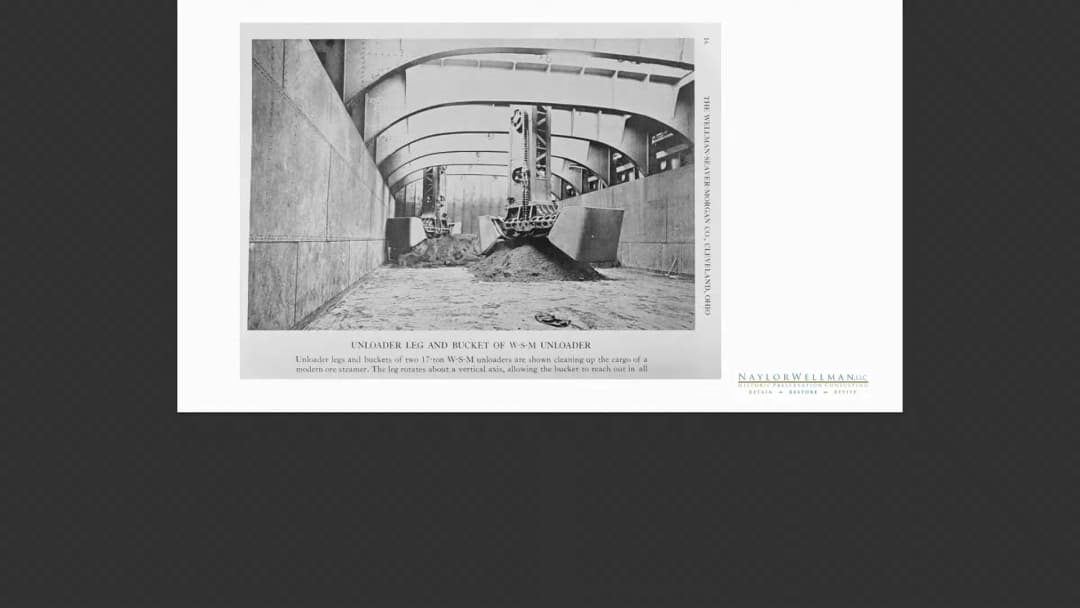
Public Meetings - Cleveland, OhioThe Cleveland City Council meeting on February 10, 2026, addressed two main agenda items: the establishment of the Lorraine Antiques Design Review District and the designation of the Wellman Seaver Morgan Company Building as a Cleveland Landmark. Both items were approved by council members. Consent Calendar - No consent calendar items were noted in the transcript. Public Comments & Testimony - No public comments were received for either agenda item. Discussion Items - Ordinance No. 1520-2025 – Lorraine Antiques Design Review District: Chief Zoning Administrator Shannon Leonard presented the proposal to add a segment of Lorraine Avenue between West 83rd Street and West 61st Place to an existing design review district, providing oversight for exterior changes and demolitions. Councilman Austin expressed support, noting that Councilwoman Hudson also supports the initiative. The ordinance was approved. - Ordinance No. 96-2026 – Wellman Seaver Morgan Company Building Landmark Designation: Dan Muson of the Cleveland Landmarks Commission introduced the proposal for 7000 Central Avenue. Historic preservation consultant Diana Wellman detailed the engineering significance of the Wellman Seaver Morgan Company, which contributed to Cleveland's steel industry and held numerous patents. Councilman Starr supported the designation, highlighting its potential for adaptive reuse and job creation. Councilman Harsh inquired about reactivating a rail spur, but Norfolk Southern confirmed it is not feasible. Councilwoman Gray expressed enthusiasm and asked about the timeline, with a representative stating renovations could start in early 2027 after financing is secured in two to three months. Key Outcomes - Ordinance No. 1520-2025 was approved by the council, establishing the Lorraine Antiques Design Review District. - Ordinance No. 96-2026 was approved by the council, designating the Wellman Seaver Morgan Company Building at 7000 Central Avenue as a Cleveland Landmark. The site is currently vacant and under negotiations for a manufacturer to bring several hundred jobs to the facility. Renovations are expected to begin in early 2027.
The Cleveland City Council met on February 9, 2026, for a regular legislative session. The meeting included public testimony on housing, transit, immigration enforcement, and city services; the introduction and passage of multiple ordinances and resolutions; and extensive council discussion on the city's housing crisis, code enforcement, and a modular housing initiative. Public Comments & Testimony - Daryl Houston (Bedford Heights, self) criticized the city’s deputy of operations, the unaddressed condition of the cancerment bridge, and the health department, calling for accountability and expressing frustration with public records requests. - Emily Harper (Ward 7, self) expressed strong support for the RTA's West 25th Street BRT project and dedicated bus lanes, citing economic benefits and pedestrian safety, and urged council not to let a small number of property owners block the project. - Stephanie Thomas (Ward 12, self) spoke against ICE enforcement, thanked the city for an emergency resolution protecting residents, and criticized a police officer for calling low-income children “terrorists,” urging the city to protect residents and require warrants. - Bridget Smith Jackson (East Cleveland, self) addressed the housing crisis, linking unsafe housing to crime, health, and education, and pleaded for urgent action, accountability, and a clear point of contact for housing needs. - Iajine Moses (Ward 5, self) recounted being a survivor of the Rainbow Terrace explosion and fire, described unsafe replacement housing with rodents and elevated lead levels in her child, and called for better support for displaced families. - Enoch Hall (Ward 7, self) offered gratitude to the council and presented a proposal aimed at addressing public concerns and making Cleveland a tourist capital, while also offering assistance to the city. - Sunny Willis (Ward 9, self) testified that she and her two children have been without heat since September 2025 and without water and power for a month and a half, despite promises from council members and the mayor, and asked who she can turn to for help. - Terry Wong (Ward 8, self) criticized the city’s cooperation with ICE, citing economic harm to small businesses and referencing Brookings Institution studies on immigration enforcement, and questioned why Cleveland does not audit or remove its flock cameras like Mountain View, California. - Joseph Lewis (Cleveland, self) thanked council for the emergency resolution on ICE, urged more concrete action beyond symbolic resolutions, and warned of economic stagnation and fear in communities due to ICE presence. Discussion Items - Council President opened discussion on housing, noting the crisis in Garden Valley and deplorable conditions in apartment buildings, and called for a unified voice to hold landlords accountable and work with the administration. - Councilman Conwell echoed concerns, citing tax delinquency on problem properties, and called for coordination with the county, building & housing, and the housing court. - Councilman Starr spoke about a resident without heat/water, confirming he had provided referrals and would follow up; he also raised concerns about the lead funding loss (approximately $3 million) and the integration of schools in Glenville and Collinwood. - Councilman Harsh presented a map of 16,179 vacant residential parcels in the city land bank (14,719 on the east side), called the vacancy crisis an existential threat, and expressed optimism about a modular housing initiative that could lower construction costs and rebuild neighborhoods. He thanked colleagues and staff for their support. - Councilman Jones emphasized the need for financial institutions to invest in housing, stronger code enforcement, and better pay for inspectors, and suggested that funds could be redirected from stadium subsidies to housing departments. Key Outcomes - Unanimous passage of emergency ordinances (first and second reading) under suspension of rules, including ordinances related to credit transfer, bridge lighting repairs, tree trimming, event permits, lease agreements, grant acceptances, claims payments, and zoning changes (Ordinances 180-2026, 183-2026, 184-2026, 177-2025, 178-2026, 179-2026, 181-2026, 186-2026, 187-2026, 188-2026, 189-2026, 1447-2025, 1451-2025, 1536-2025, 28-2026, 32-2026, 103-2026, 109-2026, 119-2026; all passed 15-0). - Adoption of emergency resolution 200-2026 (15-0), condemning President Donald Trump for posting a racist video of former President Barack Obama and former First Lady Michelle Obama. All council members were added as sponsors. - Communications filed from the Cleveland Clinic Foundation, Cleveland Foundation, and Ohio Division of Liquor Control (multiple license applications). - Condolence resolutions for Georgette Estefan, Carmelita Jerome, and Lenardo Delane Smith. - Recognition resolutions for Deacon William Harris (100th birthday), Kobe Bryant (Super Bowl 60 champion – all council added), and B at East Convenience Store. Next Steps - Council members committed to working with the mayor, administration, county, and HUD to address housing conditions and code enforcement. - Councilman Harsh indicated a modular housing legislation would be ready for the next meeting. - Council President announced plans to send the Trump resolution to the National League of Cities for broader support.
The Committee of Finance, Diversity, Equity, and Inclusion met on Monday, February 9, 2026, to consider several ordinances including parking fee administration, health center lease extensions, grants, moral claims, building appeals fees, and property redevelopment. Council members also raised concerns about downtown parking rate impacts and the future of NEON health centers. Consent Calendar - No consent calendar was identified; all items were discussed individually. Public Comments & Testimony - No public comments were provided. Discussion Items and Key Outcomes Ordinance 1447-2025: New Community Authority Parking Charges This emergency ordinance created subfunds to deposit and remit parking charges collected on behalf of the North Coast Waterfront New Community Authority (NCA) at specific city-owned parking facilities (stadium lots, East Ninth Street Pier, North Marginal, Burke, Muni Lots, Willard). Since August 2025, approximately $200,000 in fees had been collected but not yet remitted. The NCA, a separate entity, has incurred only legal costs to date. The ordinance passed unanimously. However, council members expressed strong concerns about separate on-street parking rate increases (not related to this ordinance) that they said are driving away downtown visitors and businesses. Multiple council members called for a future hearing to review parking policies. Ordinance 32-2026: Neighborhood Family Practice Lease Extension This emergency ordinance authorized a one-year lease extension with Neighborhood Healthcare Inc. (dba Neighborhood Family Practice) for the community health center at 2358 Professor Avenue in Tremont. The practice plans to relocate services to the Clark-Fulton Blanket Mills Health Center later this year. The lease extension allows time to repurpose the Tremont space. Council members also discussed the potential for Neighborhood Family Practice to fill gaps left by NEON health centers. Ordinance approved. Ordinance 103-2026 (as amended): Mom’s First Program Grants This emergency ordinance authorized accepting grants from Cuyahoga County and First Year Cleveland to continue the Mom’s First project services. An amendment (RQS 5008, RL 2026-8) was included with no legal objection. Approved. Ordinance 119-2026: Food Access Navigators Grant This emergency ordinance authorized accepting a grant from Share Our Strength for the Food Access Navigators program under Cultivating Cleveland’s Next Generation project. Approved. Ordinance 109-2026: Moral Claims This emergency ordinance authorized payment of three moral claims: (1) $379.53 to Felicia Clark for pothole damage on April 19, 2025; (2) $500 deductible to Betsy Foster for a tree branch falling on her car on April 23, 2025; (3) $2,000 to Denaris Burgos for a totaled car from a tree limb. The Moral Claims Commission recommended approval. Council members discussed the process, noting that residents often lack proper documentation (311 reports, police reports, insurance) and that claims are limited to deductibles per Ohio law. Councilman Conwell expressed frustration with the system, saying residents blame council members for denials. Councilman Palency advised the public to always file reports. Approved. Ordinance 1536-2025: Building Appeals Fees This emergency ordinance amended city code to update fees for hearings and time extensions before the Board of Building Standards and Building Appeals. The fees had not been changed since February 2, 2023. The ordinance aligns with state law for expedited hearings. Approved. Ordinance 28-2026: McCafferty Health Center Site Option This emergency ordinance authorized a one-year option to lease agreement with Penrose Holdings LLC for the city-owned property at 4242 Lorain Avenue, the future site of the former McCafferty Health Center. The option is needed to secure $1 million in federal home loan bank funding while avoiding other federal funding restrictions. Full ground lease will follow later. Approved. Adjournment The committee adjourned until its next meeting in approximately three weeks.
This meeting covered multiple agenda items including grant acceptances, a lease extension, and presentations on maternal health, food access, arts funding, and lead remediation. Several emergency ordinances were approved, and significant discussion centered on the loss of $3.289 million in lead abatement grant funds due to underperformance. Consent Calendar - Ordinance 103-2026: Emergency ordinance authorizing the Director of Public Health to apply for and accept grants from Cuyahoga County Invest in Children and First Year Cleveland for the Moms First program. Approved. - Ordinance 32-2026: Emergency ordinance authorizing a one-year lease concession with Neighborhood Family Practice at 2358 Professor Avenue. Approved. - Ordinance 118-2026: Emergency ordinance authorizing acceptance of a grant from Share Our Strength for the Food Access Navigators program under Cultivating Cleveland's Next Generation. Approved. Public Comments & Testimony - No public comments were recorded. All speakers were either council members, administration officials, or invited presenters. Discussion Items - Moms First Program: Health Director David Margolius and Commissioner Lita Wills presented on the Moms First healthy start home visiting program. The program serves pregnant mothers, fathers, and families until the baby is 18 months old. In 2024, it served 196 babies and 691 participants. The city provides $450,000 annually. Council members expressed strong support and asked about breastfeeding support, pay for case managers ($24/hour), and data on infant mortality. It was noted the program's infant mortality rate hovers around 4-5 per 1,000 births, compared to the city's 13-14. - Neighborhood Family Practice Lease: Andrea Lyons of NFP described the federally qualified health center, which has operated at 2358 Professor Avenue for 30 years. The lease is for one year as NFP plans future consolidation. Councilmember Jones inquired about services in Ward 1 and urged expansion to the Lee-Harvard area. Councilmember Harsh noted the site serves many from the east side. - Food Access Navigators Grant: Zayna Pixler, local food systems strategies coordinator, introduced the program to hire youth (ages 14-24) as food access navigators to connect residents to SNAP and other food resources. The grant is $24,000, exclusively available to municipalities. Councilmember Harsh asked about the city's role. Councilmember Jones raised concerns about potential federal SNAP cuts and the need for contingency planning. A task force with the county is established. - Sustain the Family Initiative Presentation: Pastor Kyle Early and Angel Jacobs presented their program supporting expecting mothers and families with workforce development, housing assistance, and wraparound services. Funded by $175,000 from the Office of Faith-Based Initiatives and $550,000 from Ohio Department of Children and Families, they aim to serve 150 families. They requested council help in promoting the program. - Assembly for the Arts Presentation: CEO Jeremy Johnson and board chair Chinanya Kamara presented data on the creative economy: $7.59 billion economic impact, 26,000 jobs. They highlighted successes of the transformative arts fund (seven projects, 300+ artists) and the passage of Issue 55 (cigarette tax generating $138 million over 10 years). They discussed plans for a cultural plan, guaranteed income for artists, and challenges like low audience attendance and local government funding lagging national averages. Councilmember House Jones praised upfront funding for artists. Councilmember Harsh raised concerns about the closure of WCSB college radio and its impact on local venues. Councilman Conwell suggested using TANF dollars for arts programs. - Lead Remediation Update: Dr. Margolius reported progress: lead poisoning rate at 11% (state) / 14.5% (city), lowest ever, but still high. He highlighted the need for new housing, demolitions, and permanent hazard reduction. Chief McNair revealed that the Ohio Department of Development is reclaiming $3.289 million of a $5 million lead safe grant because the city only completed 17 homes in two years, failing to spend ARPA funds by the February deadline. Parameters were too restrictive ($15,000 cap, only windows/doors) and required lead clearance, forcing complex blended funding. The state allowed some flexibility but denied an extension. Councilmembers expressed frustration and called for an audit of all grants, better management, and a possible trip to Columbus to advocate for the funds. Councilman Harsh asked about compliance and exit interviews. Chief McNair committed to an audit within 3-4 weeks. Key Outcomes - All three emergency ordinances (103-2026, 32-2026, 118-2026) were approved unanimously. - The committee received the presentations from It's Not a Moment and Assembly for the Arts as informational. - Chief McNair will conduct an audit of all grants in the Department of Community Development and report back within a month. - The committee will consider a letter or trip to the state to attempt to reclaim the $3.289 million in lead grant funds. - A future presentation on infant mortality and health issues is planned for April (Minority Health Month), including contributions from multiple agencies. - Councilman Conwell will explore using TANF funds for summer arts programs for youth.
The Transportation and Mobility Committee convened to examine the financial operations, economic impact, and future viability of the Burke Lake Front Airport (BERC). The meeting focused on a presentation by city administration detailing BERC's persistent operating deficits, its role within the city's residual airport funding model, and the potential direct economic consequences of closing the airport. While Councilman Slife emphasized the need for civil discourse and clarified that the meeting was for information gathering rather than decision-making, committee members pressed for data on development costs, lease strategies, and the feasibility of alternative uses for the site. Consent Calendar - Ordinance 1447-2025: Unanimously approved to establish subfunds for the North Coast Waterfront New Community Authority, correcting an administrative error that prevented the transfer of over $200,000 in collected parking fees to the authority since August 2025. Public Comments & Testimony - No members of the public provided testimony during this session; the scheduled commenter exited before speaking. Discussion Items Burke Operations and Financial Deficits - Directors of Port Control and Finance presented data showing BERC has operated at an annual deficit for 26 consecutive years, with the average deficit over the last 20 years being $900,000. The 2025 deficit was $1.7 million, attributed primarily to a significant underground water leak and a new HVAC control system ($320,000 cost), rather than mismanagement. - Financial Model Clarification: CFO Gilmartin clarified that BERC is a "fully residual" enterprise fund where the airline signatories bear all operating risks. The City's General Fund provides no direct subsidies to the airport. Currently, the airport system covers approximately 69% of costs through non-airline revenue (parking, concessions); the remaining 31% is charged to airlines as landing fees and space rentals, costs eventually passed to ticket purchasers. - Revenue Sources: Parking generates roughly one-third of BERC's revenue, including daily, monthly, and special event parking. The administration noted that a portion of this revenue is recaptured by the city even if operations shift, as current parkers include federal workers and downtown commuters who may park elsewhere. Economic Impact Analysis - Administration Position: The administration presented two estimates for the direct annual fiscal impact on the City of Cleveland if BERC ceases operations: an independent economic study estimated a loss of roughly $500,000, while the City's internal Finance analysis estimated a net loss of between $200,000 and $100,000 annually, depending on the level of economic retention. - Development Scenarios: The presentation outlined that a "lowest development" scenario (parks/green space) could result in a direct tax impact of $400,000, whereas a "mixed-use" scenario (retail, residential, hotels) could generate $3.3 million in direct tax impact. - Councilman Davis's Position: Councilman Davis expressed strong opposition to the current trajectory, stating, "We are asking the residents of Cleveland... to subsidize this downtown Lakefront airport for people who play in the MBA to have a five-minute faster drive." She noted that $1.7 million is a significant loss that has never been justified by a path to profitability. - Councilman Harsh's Position: Councilman Harsh expressed support for preserving the airport as a potential asset, stating, "Having a downtown airport is an asset... and it would be foolish to get rid of it." However, he acknowledged the need for a deep dive into the financials and asked if a reduced operation (e.g., helicopters only) could be viable to maintain medical and law enforcement access. - Councilman Polentic's Position: Councilman Polentic argued against the obsession with redevelopment by stating, "Burke meaningful? Can Burke be operational where it becomes an asset... versus what the mayor... wants to do." He cautioned that the administration missed the opportunity to acquire 170 acres near Hopkins for the Browns and warned that the Burke closure could be the Mayor's "Waterloo" if not done in the best interest of citizens. - Councilman Casey's Position: Councilman Casey expressed skepticism about the administration's approach, noting, "Of course they [counties] would [absorb traffic], because it's gonna just increase revenue for them somehow, some way." He also questioned why the city looked at specific downtown airports but not the revitalized Coleman A. Young Airport in Detroit. Future Use and Regulatory Path - Airline Sentiment: Deputy Chief Trivisano reported that all signatory airlines have been informed of the potential closure and expressed excitement or indifference rather than opposition, as the airport no longer serves as a critical backup for commercial operations. - Comparative Analysis: The administration compared BERC to St. Paul, Kansas City, and St. Louis downtown airports. They noted that while those airports have more acreage and fewer soil development constraints, BERC's location on fill and limited development space (only 2 acres of taxable land out of 450) makes it a high-cost location for aviation infrastructure. - Councilman Polentic's Concerns: He requested a detailed list of hangar square footage, leaseholders, and city department operations (e.g., Aviation Unit) to determine the impact of closure. - Councilwoman Hudson's Inquiry: She questioned the feasibility of a heliport, to which the administration confirmed that a helicopter-only operation is legally and operationally viable without the need for a full runway. Key Outcomes - Next Steps: The committee agreed to schedule a tour of the BERC site for Council members in March 2026. - Schedule Confirmation: The next hearing in this series will be held on April 1, 2026, to address the regulatory path to closure, followed by a final meeting on April 15, 2026, to discuss market absorption and redevelopment vision. - Directives: Council members directed administration to provide detailed data on hangar specifications, lease terms, and city department relocation logistics. Councilman Davis requested a graphic illustrating the theoretical development restrictions on the site. - Consensus: While the administration maintains that redeveloping the site offers a greater opportunity for direct economic impact to the city than current operations, Council members emphasized the need for a comprehensive cost-benefit analysis and requested further study on comparable airports (e.g., Billy Bishop in Toronto, Coleman A. Young in Detroit) before any final vote is taken.
On February 3, 2026, the newly convened Workforce Education Training and Youth Development Committee held its first hearing of the year to examine the Cleveland Metropolitan School District's (CMSD) "Building Bright Futures" plan. Dr. Warren Morgan, CEO of CMSD, and Matthew Moss, Senior Strategist for the Mayor's Office, presented the district's strategy for addressing chronic under-enrollment, deteriorating infrastructure, and a 36% rate of students proficient in college, career, workforce, and military readiness. The hearing focused on the proposed closure of 29 schools to consolidate into 45 K-8 and 14 high schools, the financial necessity of the plan, and the reutilization of closed properties. Consent Calendar - The meeting proceedings for the first hearing of the committee were initiated and the presentation schedule was set. Public Comments & Testimony - Timothy Roberts (Former CMSD employee): Expressed concern regarding the district's ability to compete for new educators, specifically asking about recruitment pipelines for young talent and the impact of retirements on safety and security roles. He urged the district to hold charter schools accountable. He recommended leveraging HBCUs to recruit educators to return to Cleveland. Discussion Items - Dr. Warren Morgan (CMSD CEO): Stated that the current reality leaves 64% of students unprepared for post-secondary success, with only 36% proficient in college/career readiness metrics. He argued that "status quo is not an option" and that without consolidating from 61 elementary and 27 high schools to a smaller, more efficient system, the district cannot offer 100% of high schools with college/career pathways or 100% of elementary schools with enrichment courses beyond art and PE. He noted that enrollment has dropped 50% over 20 years due to birth rate declines, not just charter/parochial migration. - Councilman Michael Polentick (Ward 10): Expressed strong opposition to the plan. He characterized the closures in his ward (including Hannah Gibbons and Euclid Park) as "disenfranchising voters" and creating a "cold day in hell" before the historic Collinwood High School name would be removed. He argued that the plan benefits suburbs and charters while disinvesting in the East Side, stating he sees "no game plan" for the East Side other than loss of schools. - Councilman Chris Harsh (Ward 1): Expressed frustration with the system's ability to retain students, citing that many parents leave CMSD due to concerns over academic rigor and safety. He raised concerns about the third-grade reading guarantee, noting that only 33% of third-graders were proficient. He argued that promoting students who cannot read ("holding back the tide of low expectations") fails to prepare them for the future, suggesting a "Grade 3.5" concept might be necessary. - Councilwoman Stephanie House Jones (Ward 8): Stressed the need for community-led planning rather than waiting for district directives. She highlighted chronic absenteeism (647 students in her ward missing 18+ days) as a critical issue that requires neighborhood action. She urged communities to develop their own engagement plans. - Councilwoman Deborah Gray (Ward 3): Expressed that while the decision is difficult, the financial reality of maintaining empty buildings forces consolidation. She shared her personal experience working with parents (e.g., providing laundry machines at Charles Dickens) and emphasized that the district cannot operate effectively without enough students to staff programs. - Councilwoman Nikki Hudson (Ward 11): Inquired about the impact of closures on students with Individualized Education Plans (IEP) and English Language Learners (ELL). She requested clarification on how the district will support students with specific physical or learning disabilities during the transition to "welcoming schools." - Councilman Chris Conwell (Ward 5): Voiced concern regarding blight, specifically citing the Harry E. Davis building and the lack of trash removal around closed schools. He emphasized that safe routes to school are compromised by vacant, unsafe properties and called for a coalition of safety and quality-of-life enforcement. - Matthew Moss (Mayor's Office Strategist): Outlined the City's plan to host listening sessions in February/March to gather community feedback on reusing the 18 closed building sites. He clarified that while there are state laws restricting demolition and prioritizing charter school access, the City and District aim to explore administrative and public service uses (e.g., safety centers) alongside community-driven proposals. - Councilman Kyle Shaw (Ward 12): Expressed concern about the transparency of the reuse process and the confusion caused by a pamphlet referring to "New Tech West" as "Brooklawn." He requested data on commute times for students using public transit and the specific percentages of funds by source (Federal, State, Local) to educate the public on the fiscal shift away from state funding. - Dr. Morgan Response: Reaffirmed that all schools must accommodate IEP and ELL students by law, though specific building specifications vary. He clarified that the district's 33% third-grade proficiency is being tracked via a new rigorous ELA curriculum and that "holding back" is not the primary strategy; rather, the focus is on academic rigor and attendance. He noted that applications to CMSD are up and that the district will work with the State and City to address state funding formula inequities. Key Outcomes - Agenda Approval: The committee proceeded with the presentation and discussion; no formal vote was taken to close the hearing or approve specific closures during this session. - Data Requests: The Committee requested the following data be provided by CMSD staff: - Historical breakdown of funding sources (Federal, State, Local) over the last 10 years. - Total number of students held back/repeated a grade in the previous year. - Percentage of third-grade reading proficiency data. - Average commute times for students using public transit. - Number of administrative staff (principals, APs, deans) displaced by the plan. - Data on the number of charter school students in Cleveland and the percentage of CMSD students living in the East Side vs. West Side. - Action Items: The Mayor's Office to host community listening sessions regarding building reuse in February/March and share feedback data with Council. Dr. Morgan to commit to quarterly updates to the Committee regarding building status, attendance, and meeting flyers. - Transportation: CMSD confirmed that students in impacted schools will receive transportation for the 2026-27 and 2027-28 school years even if they live more than 3 miles from their new school. - Future Planning: The board has approved the "Building Bright Futures" plan (29 fewer schools), with implementation planning to begin in the current phase. The district aims to save $30 million annually starting in Fiscal Year 2027 to address the deficit, though a small deficit is projected to persist through 2029 without further state or federal intervention.
The Committee on Development Planning and Sustainability convened on Tuesday, February 3, 2026, to address three primary ordinances. The meeting featured presentations on designating a historic bank branch as a landmark, updating fees for the Board of Building Standards, and securing an option agreement for a new affordable housing development in Ohio City. In the absence of Chair Santana, the committee proceeded with approval of all three items following Q&A sessions with staff, project sponsors, and council members. Consent Calendar - Ordinance 1451-2025: Designated the former Cleveland Trust Company West Park branch (Cam's Corners) as a Cleveland Landmark. The Committee unanimously approved the designation after a presentation by Cleveland Landmarks staff detailing the building's 1927 history and architectural significance. Public Comments & Testimony - Councilman Slife (Ward 15): Expressed strong support for the landmark designation. He highlighted the importance of acknowledging neighborhood history, noting that Ward 15 currently has only one landmark (before this one) compared to other areas, and described the building as a "very beautiful" site that will bring the landmark count to four in the ward. - Councilman Davis (Ward 7): Expressed excitement for the affordable housing project and the option agreement. He described the legislation as a technical necessity to secure funding without triggering federal restrictions (choice-limiting activity), thanking the team for their continued community engagement. - Councilwoman Gray (Ward 4): Expressed full support for the affordable housing initiative, emphasizing the need for similar projects in her ward. She clarified a question regarding demolition, confirming the project involves redeveloping the site rather than simply renovating the existing 1970s structure. Discussion Items - Ordinance 1536-2025 (Board of Building Standards Fees): Presented by Carmela Davis and Callie Mercman, this ordinance proposes raising hearing fees to align with state-mandated expedited hearing requirements. - Fee Changes: Owner-occupied single-family appeals would rise from $15 to $20; non-owner-occupied multi-family appeals would rise from $30 to $65; time extension appeals would be set at $30. An optional expedited hearing for adjudication orders (hearing within 48 hours) is set at $500, as mandated by Senate Bill 6. - Discussion: Councilman Slife expressed concern about the "pay-to-play" nature of the $500 expedited fee but acknowledged it would help manage the Board's docket. Councilman Bishop and Councilwoman Gray sought clarification on the process for violations not requiring expedited hearings, receiving confirmation that standard hearings allow for additional time based on inspector reports and seasonal conditions, with further fees only applicable for additional time extensions beyond granted deadlines. - Ordinance 28-2026 (Penrose Options Agreement): Trudy Andrewski and Jeff Mills (Penrose) proposed an option to lease agreement for the former McCafferty Health Center site (4242 Lorraine Avenue) for the development of 62-72 affordable housing units. - Project Details: The project aims to provide units ranging from 30% to 70% of the Area Median Income (AMI), with rents for a one-person household ranging from $122 (30% AMI) to $1,800 (40-person household at 70% AMI). The development will include mixed-use space for Ohio City Incorporated. - Demolition Clarification: Councilwoman Gray was informed that while the specific unit count is between 62-72, the existing 1970s structure is proposed for demolition to maximize site density and efficiency. The site is not a contributing structure to the local landmark district. - Funding & Timeline: The option agreement is required to secure over $1 million in federal funding and apply for the 9% Low-Income Housing Tax Credit. The committee noted the uncertainty of the award process in the new Qualified Allocation Plan (QAP) but acknowledged the site's high scoring potential. Key Outcomes - Ordinance 1451-2025: Approved. Designates the Cam's Corners Bank Building as a Cleveland Landmark. - Ordinance 1536-2025: Approved. Establishes new fee structures for the Board of Building Standards, including a $500 fee for expedited hearings and increased standard filing fees. - Ordinance 28-2026: Approved. Authorizes the Director of Development to enter into an option agreement with Penrose Holdings, LLC for the 4242 Lorraine Avenue site to secure financial backing and advance site control for the affordable housing project. - Next Steps: Penrose will utilize this agreement to submit for the 9% Low-Income Housing Tax Credit by the end of the month, targeting a closing in April or May 2027 and construction completion by September 2028.
The Cleveland City Council convened on February 2, 2026, to execute the passage of Tanisha's Law, approve numerous emergency ordinances and resolutions, and address public concerns regarding public safety, ICE enforcement, and economic issues. The meeting featured robust public testimony supporting police reform and opposing federal immigration enforcement actions, alongside routine administrative approvals. The Council unanimously voted to pass legislation creating a Department of Community Crisis Response and adopted resolutions opposing state-level ICE cooperation mandates. Consent Calendar - Minutes: The journal of the previous meeting was dispensed with as requested by Councilmember House Jones, seconded by Councilmember Davis. - Oaths of Office: Approved for Nicole Carl Carlton, Sherry Ullery, Shalena Williams, Ryan Puente, Jessica Trevasano, Michael Culp, and Jason Shram. - License Transfers & New Licenses: Approved transfers of ownership and new license applications for various liquor establishments across multiple Wards (3, 8, 10, 11, 12, 14). - Condolence Resolutions: Adopted resolutions of condolence for numerous deceased residents including Fannie Ella Hollive, Dolores Day Webster, Mamie Jarrett Stevens, Isaac Smith, and others, with additional members added for Alex Pretti, Robert O'Malley, and John O'Boyle. - Congratulatory & Recognition Resolutions: Adopted resolutions congratulating individuals and recognizing honorees, including UIC honorees and BEL honorees, as well as a recognition for the Breakthrough School Ribbon Cutting. - First Reading Emergency Ordinances: Passed 14-0 the following ordinances: - Ordinance 89: Easement exchange with Urban Bridges. - Ordinances 90-93: State transportation improvements (South Waterloo Rd, Van Aken Blvd) and right-of-way permits. - Ordinances 93-94: Renewal of contracts with Downtown Cleveland Alliance and Air Force One Inc. - Ordinances 95-96: Landmark designations for Beachland Ballroom and Wellman Seaver Morgan Company Building. - Ordinance 97-98: Demolition reimbursement and tax increment financing for Westinghouse Redevelopment. - Ordinance 103-105: Grants for "Mom's First," Westinghouse energy district project, and digital forensics equipment. - Ordinances 109, 117, 119: Moral claims, fiscal appropriations, and food access navigators grant. - Ordinance 122: Cleveland Downtown Connector Trail project. - Ordinance 131: Bond proceeds reimbursement. - Ordinances 74-88, 100-108: Emergency permits for various 5K runs and charity events managed by Hermes Sports and Events throughout 2026. - Ordinance 110: Reimbursement of expenses for Council members. - Ordinances 111-113: Home repair, food card distribution, and community safety workshops grants. - Ordinance 118: Amendment to Food Distribution Program agreement. - First Reading Emergency Resolutions: Passed 14-0: - Resolution 85: Objection to C1 liquor permit at 3890 West 140th St. - Resolution 107: Condemnation of First Energy's request to PUCO regarding power outages. - Resolution 114: Strong opposition to Ohio H.B. 2642, H.B. 281, and S.B. 172 (ICE cooperation legislation), with Councilmember Harsh joining as a sponsor. - Resolution 115: Objection to C1 liquor permit at 756 1/2 East 200th St. - Resolution 116: Withdrawal of objection to liquor agency contract at 3232 East 93rd St. - Second Reading Emergency Ordinances: Passed 14-0: - Ordinance 1198: Enacted Chapter 147 creating the Department of Community Crisis Response (Tanisha's Law). - Ordinance 1541: Lease amendment for Flats East Management regarding boat docking fees. - Ordinances 25-26, 33: Grants for continuity of operations, Stop Violence Against Women Act, and waste collection equipment. Public Comments & Testimony - Daryl Houston (Private citizen, former wrongfully incarcerated): - Expressed full support for the immediate accountability of the Mayor and Cabinet, stating they are "complicit" for failing duties. - Stated opposition to the current administration's leadership and expressed support for a city-wide recall effort against the Mayor and specific council members. - Expressed concern regarding the loss of Black lives in the last 30 days and the lack of compassion from officials. - Demanded action on a specific utility pole repair issue at his business. - Brenda Bickerstaff (Representing Citizens for Safer Cleveland): - Opposed current police practices, stating her brother was killed by police and that the consent decree has not resolved these issues. - Expressed support for police reform legislation as "well overdue and well needed." - Called for new legislation to protect U.S. citizens from ICE interactions, specifically requesting a city ordinance to prevent ICE from approaching citizens. - Dale Snyder (Representing Road Gold Inc.): - Supported the housing plan's language and targeting of homelessness. - Proposed that the city utilize waterfront property opportunities to lock in economic advantages for residents in the context of a "K-shaped economy" where AI is widening the wealth gap. - Josiah Quarles (Representing Northeast Ohio Coalition for the Homeless): - Expressed full support for the passage of Tanisha's Law and commended the community and council for the effort. - Held the view that the legislation represents a testimony of community collaboration and the ability to solve problems when humanity is centered. - Terry Wong (Private citizen): - Expressed strong opposition to the Pay-for-Park system, stating it creates five-year debt without public consent and discourages business growth. - Recommended (and supported) offering free parking downtown and in Ohio City for five years as a better fiscal and community alternative. - Highlighted that pedestrian activity drives business growth better than punitive pricing. - Paige Zotowski (Representing Phase Veterans Against the War, Cleveland Liberation Center): - Expressed support for the Tanisha's Law legislation. - Strongly opposed U.S. military aggression against Venezuela and the actions of ICE, describing them as war crimes and unconstitutional. - Called for the city to stand against federal ICE operations and protect immigrant neighbors. Discussion Items - Tanisha's Law Adoption: - Councilwoman House Jones delivered an extended statement of gratitude to the Anderson family, legal experts, community organizers, and the administration for their partnership in passing the law. - Councilman Shah acknowledged the need for the Council to accept responsibility for initial language changes regarding liability, emphasizing that accepting mistakes is necessary to move forward. - Councilman Casey commended the tenacity of the Anderson family and the perseverance of the Council in securing accountability. - Councilman Slife and Councilman Conwell praised Councilwoman House Jones for championing the policy and expressed admiration for the collaborative effort. - Burke Lakefront Airport Hearings: - Councilman Slife announced the schedule for the second of four hearings regarding the future of Burke Lakefront Airport, planned for the following Wednesday. - Councilman Slife emphasized the goal of ensuring economic benefits for all Cleveland residents if the airport closes or is restructured. - Implementation of Tanisha's Law: - Councilman Shah reiterated the need to follow best practices nationally, suggesting the program may not be administered strictly under public safety, and confirmed the Mayor's invitation for community input on implementation. Key Outcomes - Tanisha's Law Enacted: Ordinance 1198 was passed 14-0, creating the Department of Community Crisis Response to provide alternatives to police response for mental health crises. - Opposition to ICE State Legislation: Resolution 114 was passed 14-0, strongly opposing Ohio House Bills 2642, 281, and Senate Bill 172, which mandate cooperation with ICE enforcement. - Condemnation of Power Outages: Resolution 107 was passed 14-0, condemning First Energy's request to PUCO to extend outage restoration timelines and calling for a full investigation into power reliability. - Event Permits: 15 emergency ordinances (Ordinances 74-88, 100-108) granting permits for various 5K runs and charity events for 2026 were passed 14-0. - Next Steps: - A second hearing on the Burke Lakefront Airport closure/restructuring is scheduled for Wednesday at 10 a.m. - The community is invited to participate in the implementation planning for Tanisha's Law. - Meeting Adjourned: The meeting was adjourned, with the next meeting scheduled for Monday, February 9, 2026.
On February 2, 2026, the Cleveland City Council convened to consider several emergency ordinances and legislation, including the final passage of "Tanisha's Law" to establish a Bureau of Community Crisis Response, various public safety grants, waste management infrastructure updates, marina fee amendments, and a comprehensive management training program. The meeting featured significant discussion on the necessity of administrative training for 700+ supervisors and the economic state of the Flats East Bank, resulting in the approval of most items pending committee referrals for the training ordinance due to budget transparency concerns. Consent Calendar - Tanisha's Law (Ordinance): Passed by the Finance committee. Includes a proffered amendment by Councilman Richard Starr and supported by Councilman Brian Casey to strike the phrase "in-person" regarding officer interview requirements for the Community Crisis Response unit, allowing for phone interviews to accommodate schedules. - Ordinance 26-2026 (VAWA Grants): Approved authorizing the acceptance of grants from Cuyahoga County Public Safety and Justice Services for the FY 2025 Stop Violence Against Women Act program, covering domestic violence (law enforcement), sexual assault advocacy, and prosecution components. - Ordinance 25-2026 (Clerk of Courts): Approved authorizing the acceptance of a $75,000 State Justice Institute grant to develop a continuity of operations plan following a cyber incident, including a contract with the National Center for State Courts. - Ordinance 33-2026 (Waste Collection): Approved authorizing up to three-year contracts for residential carts, street receptacles, and compactors with an annual budget of approximately $2.3 million, funded by general funds and bond proceeds. - Ordinance 1541-2025 (Marina Fees): Approved authorizing the amendment of a lease with Flats East Management LLC to charge boat docking reservation fees for a five-year period, subject to Coast Guard safety zone waivers. Public Comments & Testimony - Councilman Michael Belissy: Expressed strong opposition to adversarial relationships in Washington, praising the compromise achieved between the administration and council sponsors regarding Tanisha's Law. He noted the collaborative effort between the sponsors, administration, and the Safety Committee. - Councilman Brian Casey: Stated sympathy for the Anderson family and expressed a willingness to serve as a co-sponsor. He voiced concern regarding police protocols for mental health crises in the field but acknowledged the deputy commissioner's future role in establishing those protocols. He offered congratulations to Councilwoman Jones and the administration. - Councilman Michael Palency: Offered a critical position regarding the Flats East Bank, stating that local operators and property owners believe the area is "going backwards" due to insufficient security and city assistance on prime weekend nights. He demanded transparency from the administration and stakeholders regarding the true economic and safety conditions, contrasting with the positive reports given by the Flats East representatives. - Councilwoman Jones (Proponent of Tanisha's Law): Expressed pride in the legislative process, highlighting the "labor of love" and the successful negotiation between the administration and council members. Discussion Items - Tanisha's Law (Bureau of Community Crisis Response): - Councilman Brian Casey asked about the protocol for police officers to back off during mental health crises. The Chair directed that the future Deputy Commissioner will be responsible for setting these protocols, though officers currently have the option to call co-responders or non-CIT officers for support. - Amendment Discussion: Assistant Director Jason Shachner requested an amendment to Section 135.481 to allow phone interviews instead of in-person interviews for specialized CIT officers to accommodate scheduling for 15-22 candidates. The amendment to strike "in-person" was approved unanimously. - VAWA Grants (Ordinance 26-2026): - Councilman Mike Belissy requested data on domestic violence cases broken down by ward. Prosecutor Jordan explained that breaking down data by ward requires manual counting and is not currently in their system, though they provided overall fiscal year numbers (2,220 DV cases, 12 stalking cases). - Council Position: Councilman Belissy expressed support but emphasized the need for ward-level data in the future to understand geographic disparities. - Management Training Program (Ordinance 29-2026): - Councilman Christopher Harsh questioned the redundancy of the $900,000 expenditure, arguing it seems like "outsourcing HR to HR" and criticizing the city's admission of incompetent managers. He refused to support the ordinance without reviewing the detailed curriculum and committee vetting. - Councilman Richard Starr noted that a similar assessment and design ordinance (Ordinance 10-2024) was passed two years ago for $100,000. He questioned if the same firm would bid and urged the item be sent back to the Workforce, Education, Training, and Youth Development committee for deeper scrutiny regarding the justification and specific scope. - Director of HR (Cole): Defended the necessity of the program, stating it fills a gap in the city's history with no prior citywide management training. He explained the program involves three cohorts (people leaders, executive leaders, core leaders) focusing on core competencies and requires specialized vendor content development and delivery, which HR lacks the bandwidth to execute internally. - Council Position: Due to concerns over the $900,000 cost and the distinction between the previous $100,000 design phase and this implementation phase, Council President and Councilman Harsh/Starr moved to delay the vote for further review. - Flats East Bank (Ordinance 1541-2025): - Councilman Brian Casey asked if the US Coast Guard waiver was secured. Director De Janero clarified the waiver has not been received and the legislation is null and void if the waiver is denied. - Councilman Michael Palency challenged the optimistic view provided by the Flats East representatives, citing complaints from merchants about low attendance on weekends and lack of security. He directed the administration to investigate the discrepancy between the reported success and the operators' reality. - Waste Collection (Ordinance 33-2026): - Councilman Palency questioned the efficacy of the new carts versus broken ones being "eaten" by trucks. Commissioner and Director explained the shift from 48-gallon to 64-gallon carts to better match truck calipers, significantly reducing breakage. They also discussed education plans with Cuyahoga County to improve recycling participation. Key Outcomes - Tanisha's Law: Passed the committee with the amendment to allow phone interviews for CIT officer selection. Will be heard by the full body that evening. - Ordinance 26-2026 (VAWA): Approved; authorizes acceptance of grants for domestic violence and sexual assault programs. - Ordinance 25-2026 (Clerk of Courts): Approved; authorizes $75,000 grant for continuity of operations planning. - Ordinance 33-2026 (Waste): Approved; authorizes $2.3M annual spending on carts, receptacles, and compactors for up to three years. - Ordinance 1541-2025 (Marina): Approved; authorizes lease amendment for boat docking fees, contingent on Coast Guard waiver approval. - Ordinance 29-2026 (Management Training): Held and Referred to the Workforce, Education, Training, and Youth Development committee. The committee deferred the vote to allow for further vetting of the $900,000 expenditure and to clarify the relationship with the 2024 assessment ordinance. Councilman Star and Councilman Harsh led the call for this reassignment. - Directives: The Director of HR was instructed to meet with Councilman Star and Councilman Harsh to discuss the reassignment and provide further clarity on the training program's content and necessity before a future vote.