Colorado Springs, Colorado — Public Meeting Index
Search help
Summaries & topics includes titles; words may match separately. Transcripts match a literal word or phrase, with case and whitespace normalized. Punctuation and contractions must match. Documents are not searched. Results have separate pages by source; a meeting may appear in both. Both dates are included.
Summaries & topics
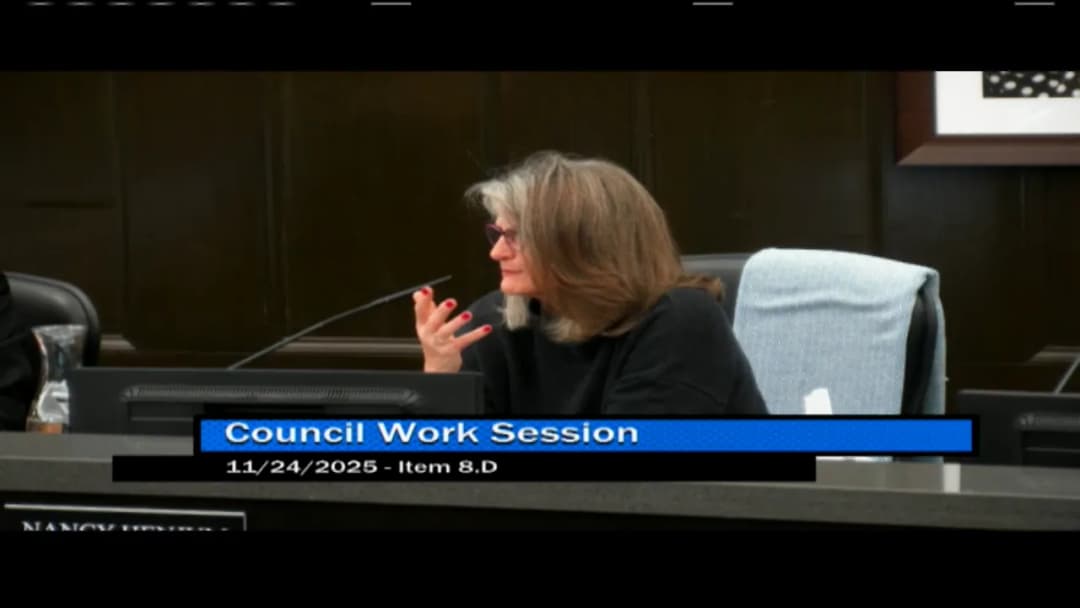
The City of Car Springs City Council convened a work session to hear presentations from the Trails and Open Space Coalition and Joint Initiatives for Youth and Families, alongside routine administrative reviews. The session focused on regional trail systems, early childhood education infrastructure, drainage fee adjustments, and intergovernmental agreements. While several presentations received broad support and recognition from council members, significant deliberation occurred regarding the procedural logistics of public citizen comment to ensure equitable access for all residents. Consent Calendar - Minutes Approval: No changes were requested to the City Council Work Session Minutes from November 10, 2025. - Agenda Planner Review: No changes or additions were made to the upcoming agenda planner. - Resolution 8A (Drainage Fees): Recommended by the Drainage Board for a 2.2% increase in construction fees and 22.2% increase in detention pond land fees to align with parkland fee adjustments and CPIU data; the Park Vista drainage basin was formally closed as no further infrastructure costs remain. (Moved to Consent). - Resolution 8B (Airport Agreement): Approved the intergovernmental agreement for reimbursing the Peak Metropolitan District 2 for 48.1% of the Phase 1 design and construction costs ($481,658.85) for the Milton E. ProB Parkway at the Colorado Springs Municipal Airport. (Note: This item is scheduled for back-to-back consideration at the regular meeting). - Resolution 8C (District Dissolution): Consented to the dissolution of the College Creek Metropolitan District, which is fully built out, holds no debt or assets, and has no ongoing maintenance obligations. - Resolution 8D (EV Charging): Established that the City of Car Springs does not intend to adopt a new ordinance for electric vehicle charging system permitting, opting instead to utilize the existing regional building department review process. Public Comments & Testimony - Trails and Open Space Coalition (Glenn Carlson & Alan Beauchamp): - The Coalition, a 38-year-old nonprofit, presented its mission of advocating for the creation and conservation of regional trails and parks. Glenn Carlson expressed that the organization receives no government funding and relies on member grants and donations. - Alan Beauchamp described the "One Bag Challenge," a micro-cleanup initiative that surpassed 100 events, collecting over 7,000 pounds of trash with 800 volunteers, and highlighted the use of creative education methods like "litter critters" to engage families. - On the Legacy Loop connectivity: Beauchamp stated that 9.2 miles of the 10-mile loop are currently continuous, leaving only a challenging quarter-mile gap over railroad tracks near Royer Street expected to be closed in late 2026. He noted that no legal or safe crossing currently exists for that specific gap once Royer Street closes. - Joint Initiatives for Youth and Families (Sherry Lynn Boyle): - Boyle expressed that 70% of families would utilize quality child care if available, yet a gap of 15,000 to 16,000 spots exists in El Paso County with 48,000 children under six. - She highlighted that the average cost of child care has risen to $20,000, while worker wages remain around $29,000, creating a lack of incentives for providers. - Boyle presented data projecting a $308 million annual economic loss for the Colorado Springs area due to child care unavailability. - The organization indicated strong community support for a November 2026 ballot measure, citing a recent poll where approximately 74% of voters identified child care affordability as a problem and 61% previously supported universal preschool via tobacco tax. - Boyle outlined four key funding strategies for potential ballot measures: capital investment for infrastructure, teacher stipends, emergency tuition assistance, and parent education/program support. - Councilmember Gold: Expressed sadness that a nurse was forced to leave a toddler alone due to child care failure and shared a personal story about his mother, a single parent soldier, who was forced to drive him to childcare, resulting in a traumatic accident. - Councilmember Hincham: Echoed the sentiment that child care is crucial as public safety and economic infrastructure, noting that 90% of brain development occurs between ages zero and five. - Councilmember Donaldson: Stated that the current citizen comment system is broken, arguing that it forces working citizens to wait indefinitely while city employees sit idle. He expressed that the current system changes who is able to participate, favoring those who can wait hours over working parents. - Councilmember Henjam: Expressed openness to exploring quarterly evening town halls devoted solely to public comment to accommodate working families, while also advocating for a fixed time for citizen comment during regular sessions. - Councilmember Lineweber: Stated that the current system provides necessary efficiency but acknowledged the need to ensure citizens have time-certain opportunities to speak. He proposed a quarterly evening session as a complementary measure to the existing agenda-based comment periods. Discussion Items - Legacy Loop & Park Connectivity: Council discussion focused on the final quarter-mile gap of the Legacy Loop. Councilmember Gold stated his goal is to get the paperwork finalized and leverage relationships with railways to secure a box culvert under the tracks. Councilmember Hincham noted the complexity of working with railways but emphasized the importance of the project for future generations. - Volunteer Engagement: Glenn Carlson proposed a more formal partnership layer where the Trails and Open Space Coalition could manage volunteer networks for park maintenance, arguing this would alleviate staffing shortages and leverage the "civic pride" of volunteers working on weekends. - Botanic Garden Vision: Carlson stated that TOSC is in the exploration stage for a botanic garden, identifying a potential need for 23-25 acres. He expressed that the Drake site is no longer viable due to infrastructure, but suggested the Union Printer's Home as a potential site due to existing trees and open space. - Child Care Accessibility: Council members discussed the "child care desert" maps provided by Joint Initiatives, noting that while some zip codes show 100% need met, downtown area businesses report high demand for after-hours care not visible on the residential map. Councilmember Lineweber asked about navigating the political spectrum of child care funding, noting past controversies with programs like Head Start. Boyle clarified that their coalition supports a mixed-delivery system, including church, private, and home-based care, focusing on quality and choice. - Regulatory Barriers: Board member Sherry-ann discussed legislative efforts with state senators to address "overkill" regulations, such as conflicting state and local codes regarding building fountains in child care centers. They plan to introduce legislation addressing zoning and state building codes to lower barriers for new providers. - Citizen Comment Procedure: A robust debate ensued regarding the timing of citizen comment. Councilmember Gold and Henry advocated for a fixed time or evening sessions for public trust, while Councilmember Bailey and Lineweber defended the current system's efficiency but acknowledged the need for additional mechanisms, such as quarterly evening forums, to ensure equity without sacrificing workflow. Key Outcomes - Consensus on Public Comment Review: The Council unanimously agreed to discuss the creation of a dedicated quarterly evening public comment session during the January lunch meeting to improve accessibility for working families. - Ballot Measure Exploration: The Joint Initiatives team was granted support to proceed with polling and draft language for a potential ballot measure regarding child care funding, with the goal of presenting the proposal to Council for approval. - Fee Adjustments Approved: The 2.2% increase in drainage basin fees and the 22.2% increase in detention pond land fees were accepted for implementation on January 1, 2026. - Legacy Loop Priority: The Council recorded a shared directive to prioritize the railway crossing resolution to finalize the Legacy Loop connectivity by 2026. - Volunteer Partnership: The concept of a formal volunteer management partnership between the City and the Trails and Open Space Coalition was accepted for further discussion with Parks staff. - Item 8B Deferral: The intergovernmental agreement regarding the airport parkway was referred to the regular meeting for a formal vote (Item 10C) to handle reimbursement details and potential legislative nuances.
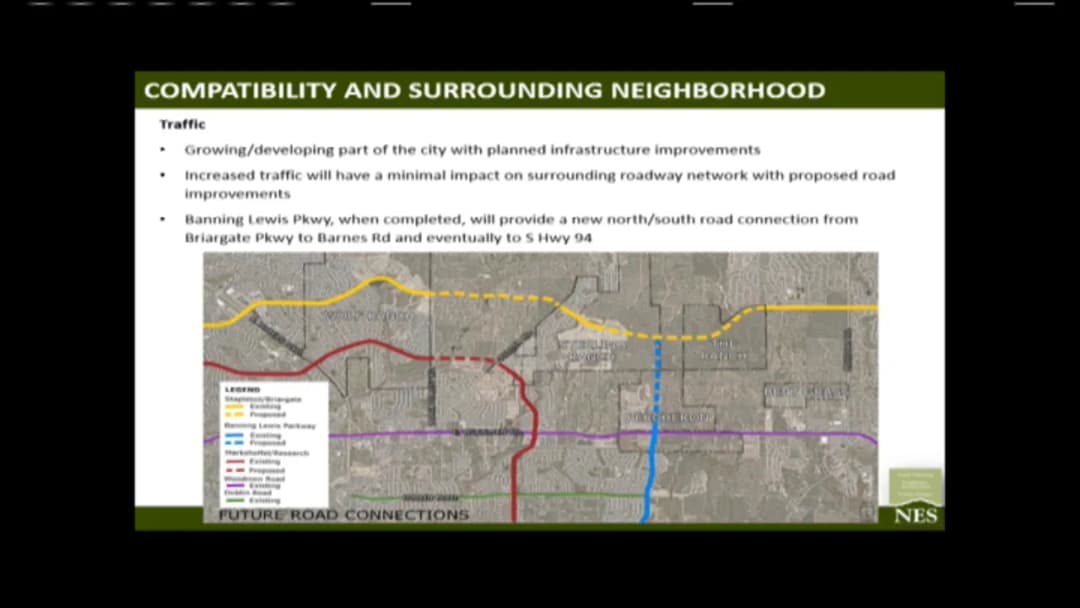
The Colorado Springs Planning Commission convened on November 12, 2025, to review several development applications, including rezonings, development plan modifications, and variance requests. The commission addressed proposals ranging from an infill multifamily rezone on Airport Road to a major recovery center conversion at 1855 Aero Plaza, and a significant commercial expansion within the Percheron master plan. Public testimony revealed strong diverging views regarding traffic impacts, neighborhood character, and community safety. The commission ultimately voted to recommend three items for approval, deny one rezone application due to compatibility concerns, and approve two variances for a residential property. Consent Calendar - Approval of seven items (Christian Brothers Automotive, non-use variances for Bacon Street, Dorado Transport zoning, Sani Rimoto, 1590 North Newport Road, and Franklin Residence additions) by unanimous motion, with no items pulled for separate discussion. Public Comments & Testimony - Project: 4880 Airport Road Rezone (R16 to R5) - Opposition: Tao Tai (resident and Buddhist temple representative located directly across the street) expressed strong opposition, citing that Car Road is a single exit point already blocked by emergency incidents, and expressed fears of increased noise and "more people, more problems." Barbara Overgaard (resident of Sand Creek Commons) stated she was adamantly opposed, noting the area is the only exit for 187 condo units plus 20-30 homes, and argued that adding up to 50 units to a jammed intersection creates a safety and traffic flow risk not compatible with the current neighborhood character. - Project: 1855 Aero Plaza Recovery Center - Support: Derek Villagrana, Robert Struckis, and Zachary Garcia (all peers in recovery or advocates) expressed full support, emphasizing the critical need for services in Southeast Springs, the potential for healing, and the positive community impact of reducing the cycle of addiction and homelessness. Tommy Cochlin (adjacent property owner) expressed support, noting that the controlled exit and regulatory oversight posed no adverse impact. Sarah Potter (nonprofit sector representative) supported the facility, citing the 44% of the unhoused population driven by addiction and mental health. Chris Kilcullen (commercial real estate agent and sober resident) supported the project, arguing it prevents the property from becoming a lower-quality economy hotel and provides a missing link in the recovery continuum. - Opposition: Renee Gonzalez (resident near Panorama Park) expressed opposition, arguing the location conflicts with the Southeast Strong Plan's vision for a family-centered environment near schools and parks, and raised concerns about reliance on unstable government funding. Joyce Salazar (RYSE Southeast) expressed concerns regarding the lack of independent data on neighborhood impacts (crime, property values) and requested further evidence and an impact analysis specific to the site before approval. Janaya Colonis (High Roots Wellness) expressed concerns about the location amidst a lack of community centers and prioritized upstream approaches, questioning if the project builds trust. Brittany McDonald expressed concern that the location adds strain to the community and questioned the long-term viability if funding lapses. Pastor Anthony Greer and Andrea Silva (teacher) expressed opposition, stating the placement next to a park and schools introduces risks to children and undermines the safety and character of the neighborhood. - Project: Percheron Land Use Plan/Zone Change - Opposition: Alison Colvin, Jason Bandle, and Mark Harmon (residents of Banning Lewis Ranch) opposed the expansion of commercial uses immediately adjacent to their single-family homes. They expressed concern about light pollution, noise, increased traffic congestion on exit routes (specifically during Fourth of July events), and the potential depreciation of home values. They argued that the notification process was insufficient and that the buffer between their homes and the proposed commercial was inadequate. Discussion Items - 4880 Airport Road Rezone (R16 to R5): Applicant Chris Sullivan and Ann Odom (NES) proposed changing 2.17 acres from R16 (single-family) to R5 (multi-family high) to allow up to 25 dwelling units per acre (max 50 units). They argued the site fits the development pattern along Airport Road, a principal arterial, and aligns with Plan COS. Commissioners expressed concern regarding Criterion 4 (compatibility with surrounding development), noting the high density (25 units/acre) relative to current adjacent R16 uses and the lack of a specific development plan to mitigate impacts on the narrow Car Road. The applicant explained that operational constraints (land cost, parking, drainage) would likely prevent the maximum density from being built and that future development plans would be reviewed separately. - 1855 Aero Plaza Recovery Center: Applicant Chris Foster (Aspen BHC) proposed converting a 3.11-acre hotel to a 135-bed residential drug and alcohol treatment center. He emphasized that patients are pre-screened and stabilized (30-45 days in treatment prior) and presented data suggesting such facilities reduce crime compared to liquor stores. He detailed safety measures including 24/7 staffing, delayed egress alarms, perimeter fencing, and security cameras. Commissioners discussed the Fair Housing Act, the regulatory oversight (BHA, CARF, SAMSHA), and the distinction between this facility and a high-acuity detox center. Commissioner Engel noted her initial hesitation was overcome by the applicant's safety protocols. - Percheron Land Use/Zone Change (PDZ to MXL): Applicant Andrea Barlow (NES) proposed changing 156.18 acres from Planned Development Zone to Mixed Use Large Scale (MXL) and modifying the land use plan to increase commercial acreage from 82 to 136 acres, largely south of Woodman Road. She argued this aligns with the Woodman Corridor as a new developing corridor and that traffic impacts are mitigated by planned road improvements (e.g., Banning Lewis Parkway extension). City Traffic Engineer Todd Frisbee confirmed the study anticipated Level of Service F at the Woodman/Golden Sage intersection in 20-25 years but noted a corridor study is underway to address such issues. Commissioners discussed the buffer (150 feet) between the commercial and residential properties and the viability of commercial use south of Golden Jubilee Drive due to power line easements. Key Outcomes - 4880 Airport Road: Motion to recommend denial to City Council passed with 3 votes in favor, 2 in opposition (Commissioners Engle and Case opposed; motion made by Commissioner Engle). - 1855 Aero Plaza Recovery Center: Motion to recommend approval to City Council passed unanimously. The application was deemed compliant with review criteria and consistent with the Southeast Strong Plan and Plan COS. - Percheron Project: Motion to recommend approval to City Council for both the zone change (PDZ to MXL) and the Land Use Plan modification passed with 4 votes in favor (Commissioner Case recused) and 0 opposed. - 65 Cheyenne Mountain Boulevard Variances: Motions to approve the height variance (29 feet) and square footage variance (3,582 sq. ft. garage) for a detached garage passed unanimously. Condition: Final drainage letter from Stormwater Enterprise required prior to building permit issuance. - Sign Ordinance Update: Commission received an informational presentation regarding proposed updates to the sign ordinance, which will be taken to City Council for action in December. No votes were taken. - Other: The commission noted the 2026 budget adoption and recent council actions on annexations and appeals during the introductory remarks.
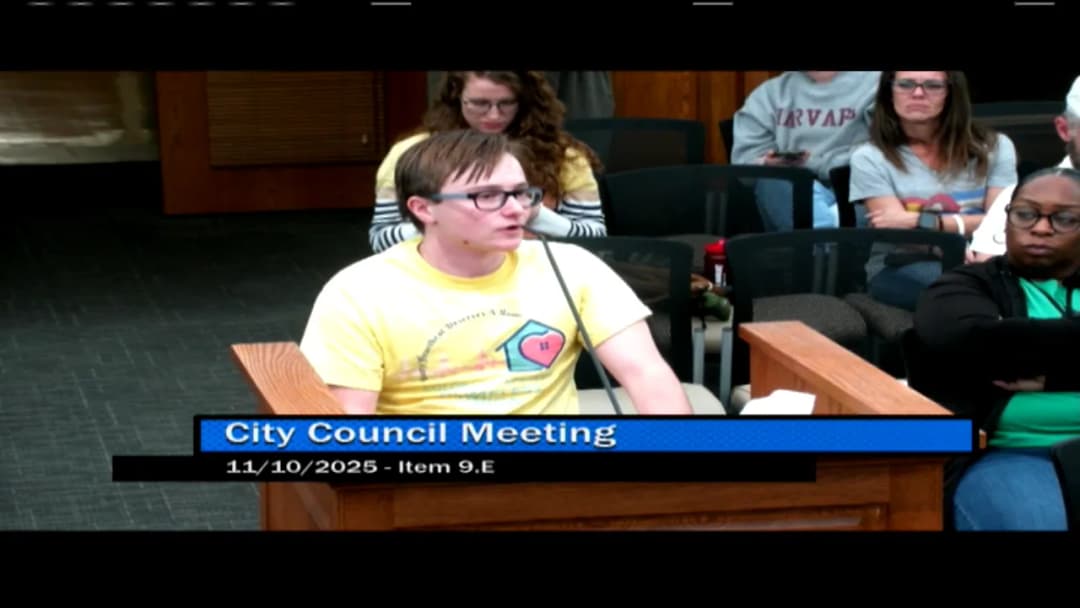
The City of Colorado Springs held its regular city council meeting on November 10, 2025, beginning with a unanimous consent calendar approval and a solemn resolution honoring Veterans Day. The primary deliberations of the evening focused on three major agenda items: a proposed consolidation and amendment of urban camping ordinances to include in-vehicle habitation, two ordinances authorizing police technology surcharges on traffic and criminal convictions, and the adoption of several annexations and specific improvement district budgets. The council also heard extensive public testimony regarding homelessness, public safety, and urban development. Consent Calendar - Routine Approval: Council moved, seconded, and approved the consent calendar by voice vote (thumbs up), with no items pulled for discussion. Public Comments & Testimony - Veterans Day Recognition: - Councilman Rainey, Councilman Donaldson, Councilman Williams, and Councilman Gold expressed deep pride and gratitude for veterans, noting the unique contributions of current service members and the sacrifices of families, including World War II, Korean War, and Vietnam vets. They emphasized the generational impact of military service. - Jesse Kimber (Public Commenter) testified regarding the sanctity of Veterans Day, highlighting the 90,000 veterans in the community and the sacrifices of their spouses and dependents. - Camp Ordinance (Vehicle Camping): - Opponents (including David Valencourt, Rick Herman, Susan Bolduck, Alyssa Rizzo, Tim Close, Rabbi Aya Pillsbury, Cody Natelli, Mark Johnson, Catherine Rombers, Kayla Murphy, Dr. Jason Fournier, Mia McCall, Jacqueline Deutsch, Eric Deutsch, Mary Sprunger, Beth Rolstad, Gerald White, Ollie Glessner, Bug Peterson, Emory Jenkins, Eliza Blanding, and Mariah Lauer) expressed strong opposition to criminalizing homelessness. They argued the ordinance lacks a holistic approach, fails to address the root causes of housing insecurity, and ignores the lack of resources (shelter beds, safe parking, bathrooms). Many testified that it targets vulnerable populations (families, veterans, youth) without viable alternatives, potentially leading to increased ER visits, death by exposure, and financial ruin. - Supporters/Procedural Comments (including David Bally, Rick Herman [supportive but requested strategic plan], and Councilman Donaldson) noted that while compassion is needed, the current lack of enforcement tools creates safety and sanitation issues for residents. They emphasized that the ordinance is a necessary tool to move individuals and connect them with services, though some called for concurrent strategic planning. - Police Technology Surcharge: - Councilman Hingem expressed full support, viewing fees on violations as appropriate consequences for breaking the law and distinct from a general public safety sales tax. - Councilman Risley and Mayor's Chief of Staff/Chief Financial Officer Sherry McDaniel noted concerns that layering surcharges could make passing a public safety sales tax more difficult and questioned the sustainability of relying on violation revenue amidst budget mismanagement. - Councilman Rainey expressed strong concern about “junk fees” and argued the police department is not managing the budget effectively, making it irresponsible to shift costs to citizens for unfunded state mandates. - Annexations (Woodman Rd & Peach Ranch): - No public comments in support or opposition were received for the Woodman Road annexation. Public comments were closed before any opposition was voiced on the Peach Ranch annexation despite community concerns about traffic and environment noted by staff. - General Homelessness & Budget: - Beth Rolstad (Homeward Pikes Peak) and Gerald White (Family Promise) urged the council to convene a task force and consider safe parking programs rather than enforcement measures. - Amy Cox (Chief Housing and Homelessness Response Officer) provided data on shelter capacity and confirmed no safe parking exists currently, while emphasizing the city’s commitment to long-term solutions. Discussion Items - Consolidation of Camping Ordinance (Item 9E): - Councilman Donaldson introduced the ordinance to consolidate urban camping laws and add vehicle camping prohibitions (requiring movement of 1,000 feet within 24 hours). He argued it addresses safety concerns while offering a “move along” option rather than immediate citation. - Emily Vandenberg (City Attorney) and Lt. Ryan Tepley (HOT Team) confirmed that while other camping violations already exist, vehicle camping adds a specific penalty structure. They clarified that fines are rarely imposed in camping cases and that the HOT team prioritizes compassion and resource offering. - Councilman Lineweber and Councilwoman Henjam argued the ordinance is piecemeal and lacks holistic planning. They expressed concern over the lack of safe parking options, the potential for criminalization without resources, and the need to involve service providers in the drafting process. Councilwoman Henjam noted the ordinance was developed without prior consulting with service providers or the fire department. - Councilman Bailey questioned the specific objectives of a six-month postponement and whether it would yield a different outcome than the current narrow focus. - Police Technology Surcharges (Items 9B & 9C): - Deputy Chief John Koch proposed surcharges ($20 conviction fee) on non-AVIS and non-parking violations to fund mandatory police technology (body cams, Tasers) and address unfunded state mandates. He noted revenue would be capped for 2026 at roughly $544,000. - Councilwoman Henjam moved to approve, citing the need for targeted revenue sources for public safety. The motion passed 5-4. - Councilwoman Risley and others expressed strong opposition, fearing the “junk fees” would erode public trust and hinder future sales tax measures. They argued the city is managing its budget ineffectively by creating “band-aid” solutions. - Item 9C (failure to pay fines/surcharges) passed 8-1 after a brief amendment discussion. - Annexations: - Woodman Road (Item 10A/B): Approved unanimously (8-0 and 9-0) as city-initiated public right-of-way annexation. - Peach Ranch (Item 10C-F): Approved unanimously (9-0) for a 42.43-acre residential development, with City Council noting compliance with utility capacity and land use plans. - Improvement District Budgets: - Briar Gate GID: Budget adopted with a 4.409 mill levy. Council noted high salary costs are due to it being the largest district overseen by Parks. - Marketplace at Austin Bluffs GID: Budget adopted with a 50 mill levy for debt service. Key Outcomes - Veterans Day Resolution: Passed unanimously (9-0) to honor November 11, 2025. - Camp Ordinance (Item 9E): Postponed indefinitely until the May 12, 2026 meeting (approx. 6 months) to allow for a holistic review involving service providers and potential safe parking development. Motion passed 5-4. - Police Technology Surcharge (Item 9B): Passed (5-4). Ordinance to impose a $20 surcharge on traffic/criminal convictions for technology funding is approved. - Fine Payment Ordinance (Item 9C): Passed (8-1). Amends municipal court procedures to align with state law regarding surcharge waivers. - Annexations: - Woodman Road: Approved (9-0 total). - Peach Ranch: Approved (9-0 total). Zoning, Land Use Plan, and Annexation all passed unanimously. - Budgets: - Briar Gate GID (2026): Adopted (Mill levy 4.409). - Marketplace at Austin Bluffs GID (2026): Adopted (Mill levy 50). - Next Steps: The council will reconvene in May 2026 to revisit the camping ordinance with a broader strategic approach. The administration commits to continuing collaboration with service providers regarding homelessness solutions."
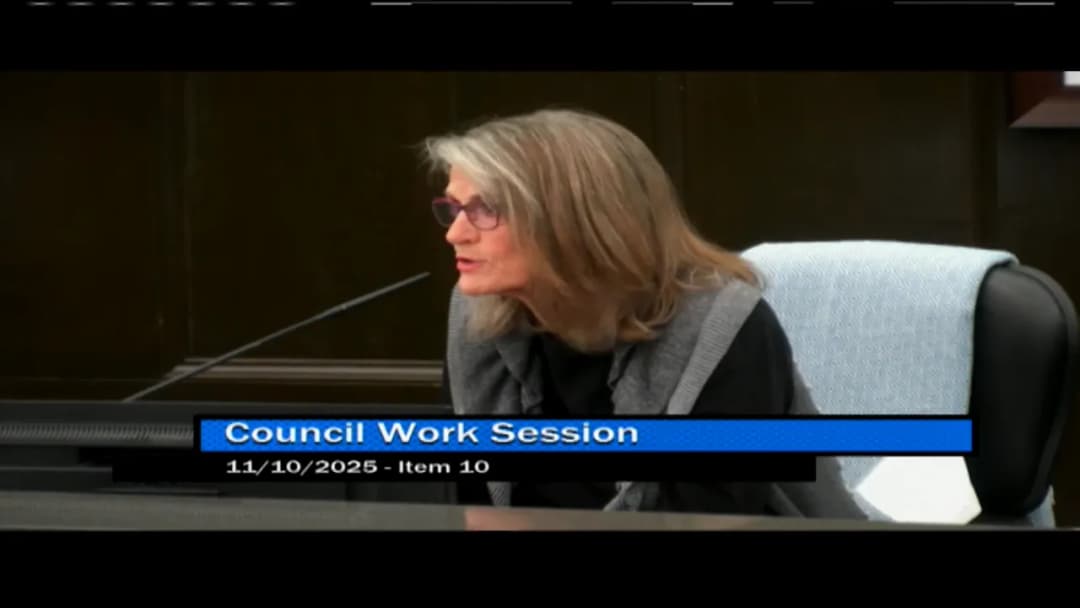
The City of Colorado Springs held a Work Session followed by a Council Meeting on November 10, 2025, featuring the 2025-11-10 TAPS (Trails, Open Space, Parks, and Stewardship) acquisition proposals, debt issuance for the Old Ranch Metropolitan District, and council member reports emphasizing community equity, defense industry growth, and senior services. The session opened with a tribute to the 250th anniversary of the U.S. Marine Corps. Consent Calendar - Minutes Approval: The Minutes from the October 27, 2025 Work Session were reviewed and approved without changes. - Agenda Planner: The Agenda Planner Review was accepted with no changes or modifications. Discussion Items Acquisition of Property for Shine Mountain State Park Extension (Items 8A & 8B) - Proposal Overview: The City, in collaboration with Colorado Parks and Wildlife (CPW) and the Trust for Public Lands (TPL), proposed the acquisition of approximately 480 acres total. The City is set to purchase the northern 130-acre parcel for $4.15 million to create public open space and extend the Chamberlain Trail via Fishers Canyon. The southern 350-acre parcel is proposed for purchase by CPW. - Stakeholder Positions & Concerns: - Councilmember Hindum: Expressed full support for the acquisition, describing the project as "incredible," "magnificent," and "super" work. He strongly recommended the item be placed on the regular agenda rather than the Consent Calendar to ensure public awareness. - Councilmember Rainey: Expressed strong caution regarding military communication. He stated he is "very adamant" that the Council must obtain an official letter from Cheyenne Mountain Space Force Station leadership (distinct from the Colorado Defense Alliance's letter) before proceeding. He argued that the existing letter from Keith Klein carries "no level of authority" and emphasized the need for "sound communication" with military leadership to protect the base buffer. - Project Sponsor (Lenna Thielen): Stated that the Colorado Defense Alliance has endorsed the acquisition and supports the conservation to create a military buffer. She noted that obtaining a direct letter from the Space Force Station has been difficult due to the government shutdown, but the City hopes to secure it by the formal meeting on November 25th. - Councilman Rainey (Reiteration): Reiterated that the item should not be voted on during the Work Session or the immediate upcoming meeting until the specific military endorsement document is in place. - Deliberation: The Council determined the item would not be placed on the Consent Calendar. The discussion focused on the project's benefits, including conservation of land capable of supporting 95 single-family homes, protection of military bases, and trail connectivity. Staff indicated the project is within the Candidate Open Space areas identified in the 2014 Park System Master Plan. Issuance of Debt by Old Ranch Metropolitan District (Item 8C) - Proposal Overview: The Old Ranch Metropolitan District requested authorization to issue a privately placed revenue bond series 2025 with an estimated principal aggregate amount of $40 million (though a correction was noted that the district's maximum debt limit is $7 million per district, with the project funded through the Air Enterprise). The funds are intended to acquire land and construct a 30,000-square-foot recreation center in the Wolf Ranch community. - Stakeholder Positions & Concerns: - Councilmember Hindum: Expressed concern regarding public awareness and equity. He questioned if the pool would be available to the general public or just district residents. He emphasized that while the amenity is fantastic, there is a risk of "unintentional inequity" where residents in special districts pay extra taxes for amenities unavailable in non-district areas where city pools are inoperable. He requested a conversation with the Parks Department to ensure the public is clearly aware of the pool's availability via city channels. - Councilman Bailey: Expressed support for the project but requested clarification on notification procedures for existing homeowners regarding the fee increases. He noted that while covenants exist for new homeowners, there may be a lack of specific notification to existing residents about the impending bond obligations. - District Representative (Tim Seibert): Clarified that the recreation center will be open to the general public and that information will be displayed on district websites and signage. Regarding existing residents, the representative stated that the community has been updated on the project for three years and that formal notification regarding fee charges will occur upon the issuance of building permits and construction scheduling. - Councilmember Henjam: Expressed full support for the development while highlighting the inequality in resource distribution between metro districts and the rest of the city. He noted that while the project is "fantastic," it underscores the need to address how the city provides community centers to neighborhoods that do not have these extra tax resources. - Deliberation: The Council discussed the importance of public awareness regarding the pool's accessibility and the financial obligations of homeowners. The City Attorney's Office noted the right to retain the defense in the related legal matter, which is the next agenda item. The item was scheduled for discussion on November 25th. Legal Defense for City Employee (Item 11A) - Proposal Overview: The City Attorney's Office requested the Council acknowledge the City's obligation to provide a defense for a police officer sued in an official capacity under the Colorado Governmental Immunity Act and Police Officers Liability Act. - Decision: The item was presented as a standard procedural acknowledgment with no discussion or objection. Key Outcomes - Acquisition Strategy Revised: The Council voted (or determined by consensus) that the Shine Mountain State Park extension acquisition will not proceed on the Consent Calendar and cannot be voted on at the upcoming session until a direct endorsement letter from Cheyenne Mountain Space Force Station leadership is secured. - Debt Authorization Deferred: The $40 million (with district cap corrections noted) bond issuance for the Old Ranch recreation center is deferred to the November 25th meeting for further discussion, specifically regarding public awareness campaigns and equity implications. - Legal Defense Acknowledged: The Council officially acknowledged the City's obligation to defend City employees in the case of Patricia Sanderson versus Derek Boeinkey and the City of Colorado Springs (Case No. 2025CV31724). - Council Reports Summary: - Councilmember Henjam: Commended the Youth Documentary Academy at Colorado College and the Senior Resource Council's holiday dinner dance, highlighting the growing senior population. - Councilman Gold: Noted the 250th birthday of the Marine Corps. - Councilmember Rainey: Highlighted the Colorado Aerospace Defense and Economic Council event and the new ROTC program launch at UCCS. - Councilmember Hidem: Recognized the Duck Lake restoration, the Pikes Peak Community Foundation's "Spacious Skies" initiative, and the tour organized for state legislators regarding crime and homelessness. - Community Support: Councilmember Rainey and Councilmember Henjan expressed strong gratitude for volunteers at Pikes Peak Habitat for Humanity.
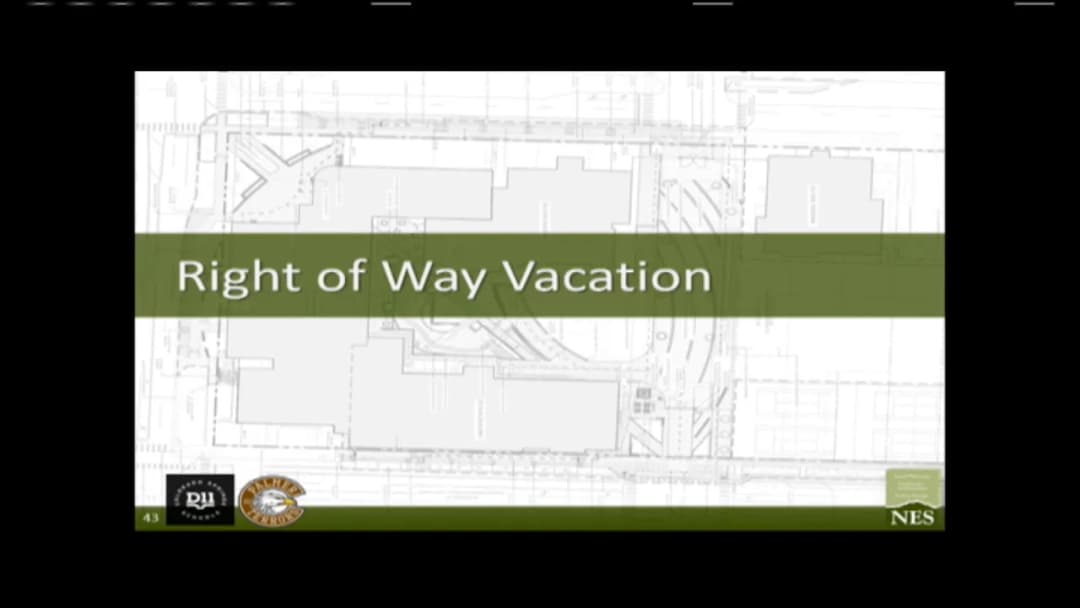
The Downtown Review Board convened on November 4, 2025, to review three applications submitted by School District 11 for the comprehensive renovation and expansion of Palmer High School. The items under consideration included a zone change to the Form-Based Zone 2 (T2) district, the establishment of a Land Use Plan, and the vacation of the public right-of-way along East Boulder Street. The Board discussed the unique nature of the public school project, the necessity of closing the street to create a consolidated campus, concerns regarding pedestrian grid connectivity, and the demolition of four historic residential properties. Board members expressed varying degrees of support, with a primary focus on balancing student safety with the preservation of downtown walkability and the public realm. Consent Calendar - No items were called off the consent calendar. The minutes from the October 7, 2025 meeting were approved by a 5-0 vote. Public Comments & Testimony - Support: Judy Alsley (President, CSHS Palmer Alumni Association) and Kristen Burke (Palmer High School Principal) expressed strong support for the project, citing the critical need for safer student movement, the preservation of the school's history through the 1939 building facade, and the educational benefits of a consolidated campus. Austin Bradley (Director of Economic Development, Downtown Partnership) supported the project as a vital investment in the downtown economy and the future workforce, aligning with the Downtown Master Plan. - Opposition: Cheryl Brown (President, Historic Uptown Neighborhood Association) opposed the vacation of Boulder Street, arguing it would force traffic onto unsafe, unsignalized intersections and expressed strong opposition to the demolition of the four National Register Historic District homes. Daniel Way (Middle Shooks Run resident) argued the project violates the city's 400-foot block standard and that student safety can be achieved without a closed campus, citing open campuses at Colorado College as successful precedents. Amy Hill (Middle Shooks Run resident) expressed concern that the decision to close the block was short-sighted and suggested alternative designs, such as a pedestrian bridge over Boulder, were available. - Staff Note: City Planner Ryan Tiefer-Tiller transmitted unsolicited emails from Mariah Osborn and a student, Connor Strange, which mirrored the opposition regarding the grid structure and pedestrian connectivity. Discussion Items - Project Rationale and Safety: Presenters explained that the vacuum of Boulder Street is necessary to consolidate the fragmented campus, addressing safety concerns regarding students crossing busy streets (specifically Platte and Wasatch) to access gym facilities at ERPS Field. Jessica Wise (School District 11) emphasized that while student safety is the primary driver, the project also aims to create a "connected campus" that serves as a community hub. Chris Lieber (NES) and Brian Calhoun (RTA Architects) detailed how the closed campus allows for a full-size track and field, a 100% improvement over the current square track, and improved pedestrian safety by removing students from public traffic flow. - Pedestrian Grid and Connectivity: Board members questioned whether the Form-Based Code permits severing the urban grid. Board Member Harrison Sokol noted that the district's proposal contradicts the code's preference for maintaining the 400-foot block standard, though variations are allowed if connectivity is retained. Board Member Bobby Mikulas expressed concern that eliminating a public thoroughfare sets a precedent that could negatively impact downtown walkability and public realm equivalents. Several board members expressed a desire for the public right-of-way to be reopened to pedestrians if future phases are unfunded, or for a bridge structure to maintain connectivity. - Historic Residences: The Board discussed the four homes along North St. Vrain Street within the Weber Wasatch Historic District. While the homes themselves are not individually listed on the National Register, the Board noted the loss of affordable housing units. Board member Sam Friesma suggested retaining the residential use of the properties for Phase 1A if Phase 2 development does not move forward, but legal counsel noted the Board could not compel the private landowner to maintain housing use. - Zoning and State Authority: Staff clarified that while School District 11, as a public entity, has state authority to build regardless of local zoning, they voluntarily seek local approval for the rezone to the Form-Based Zone 2 to ensure design quality and community integration. Board members discussed the implications of this state authority, noting that conditions imposed by the DRB are recommendations to City Council and may not be legally binding on the district after the right-of-way is vacated and title transfers. - Right-of-Way Vacation Conditions: Board Member Sam Friesma noted that a proposed condition of approval suggests an Interagency Agreement (IGA) could allow for public use if the space is unused for permanent school activities. Board Member Bobby Mikulas requested stronger, specific conditions regarding pedestrian safety improvements (bump-outs, crosswalks) on adjacent streets like St. Vrain and Nevada, which staff noted would be more appropriately detailed in the future Development Plan review. Key Outcomes - Item 8A (Zone Change): Approved with technical modifications. All 5 voting members voted in favor. - Item 8B (Land Use Plan): Approved with technical modifications. The motion passed with a 5-1 vote. Board Member Mikulas voted in opposition, citing concerns that the plan did not fully meet the Form-Based Code's goals for the public realm and pedestrian connectivity. - Item 8C (Right-of-Way Vacation): Approved with conditions of approval and technical modifications. The motion passed with a 5-1 vote. Board Members Friesma and Mikulas voted in opposition, citing concerns about the removal of public connectivity and the block standard. - Next Steps: The Board's recommendations will be forwarded to Planning Commission and City Council. The form-based zone development plan, which will address specific warrants and detailed pedestrian safety improvements, is expected to return to the Board in early 2026. - Board Recusal: Board Member Luciano and Chair Lord recused themselves due to conflicts of interest and inability to attend, respectively; Acting Chair Mikulas presided. Board Members Nolette and Coates did not vote on Item 8A due to lack of quorum/representation issues at the time of the vote, though Coates later recused himself for Item 8A. Note: Board Member Coates recused himself from voting on Item 8A after disclosure of his firm's engagement with a nearby property and potential financial benefit, reducing the voting population for that specific item to six members.
The Colorado Springs Historic Preservation Board convened on November 3, 2025, with four members present (Members Music, Baumgartner, Fitzsimmons, Potter, and Briebaum). The meeting focused on administrative announcements, a report of acceptability for a private property renovation, and the review of the board's 2026 work plan. A significant portion of the session was dedicated to annual ethics training and discussion regarding community outreach strategies. Consent Calendar - Item HPST 25-0010 (2017 Wood Avenue): The board pulled this item from the consent calendar for full discussion. The project involves replacing an existing, deteriorated pergola with a covered outdoor patio, paver areas, and slider doors at the rear of the property. Staff confirmed the work falls within a non-historic 2000s addition and meets all code criteria. Two emails and three phone calls of support were received with no opposition. Public Comments & Testimony - Applicant Position: The applicant expressed full support for the project as a necessary replacement for a rotten pergola, noting the design improves the space without impacting the historic character of the home or being visible from the alley or front. - Board Member Concerns: Board members did not express opposition to the project's merits but raised specific technical observations regarding the rendering of a downspout location and grass placement. Board Member Bierbaum humorously noted the project was not a "fixer-upper" or flip, affirming the owner's intent to remain in the home. Discussion Items - Ethics Training: City Attorney provided annual ethics training, emphasizing that verbal advisory opinions do not hold legal weight; only written opinions provide a defense against violations. The training covered strict prohibitions on gifts (with a $75 annual exception) and conflicts of interest, mandating recusal for both actual conflicts and those creating an "appearance of impropriety." - 2026 Work Plan Review: Staff presented three goals: continuing the historic resources survey, updating the historic preservation ordinance, and maintaining standard review duties. Board members expressed support but noted the heavy workload relative to limited staff time. - Board Member Position (Judy): Expressed strong support for the goals but advised that Bill (staff) does not have nearly enough time to execute them alone. - Board Member Position (General): Agreed with the need for quarterly timelines and accountability to avoid ambiguity, specifically regarding the ordinance update and community outreach. - Community Outreach Strategy: Several members suggested collaborating with local entities like the Pioneer Museum and reviewing outreach models from smaller jurisdictions (e.g., Cortez, Trinidad) to inspire grassroots efforts, rather than solely relying on staff to initiate education. Key Outcomes - Approval: The motion to approve the Report of Acceptability for 2017 Wood Avenue passed unanimously (5-0) with Board Members Music, Baumgartner, Fitzsimmons, Potter, and Briebaum voting in favor. - Administrative Action: The board deferred approval of the October 6, 2025 minutes to the next meeting due to a lack of quorum. The November 13, 2025 date was corrected for the 10-day appeal deadline. - Strategic Direction: The board agreed to the 2026 work plan goals but requested that staff refine the timeline to include quarterly milestones and that the board explore forming committees to share the burden of community education and outreach. - Training: The board confirmed that absent members will receive the ethics training recording and that annual ethics training is a mandatory requirement.
City Council convened for a special work session to finalize the 2026 budget, focusing on mill levy certifications, administrative fund adjustments, and debates over revenue projections and expenditure priorities. The meeting featured significant discussion regarding the potential shift of sales tax forecasts from a 1.4% growth projection to a flat budget, the restoration of positions across various departments, and the allocation of Recreational Marijuana (RMJ) tax revenues. Consent Calendar - Mill Levy Certifications: Council considered resolutions to fix mill levies for the Briar Gate, Platte Avenue, and Woodstone Special Improvement Maintenance Districts (Items 2A-2G), which remain unchanged from the prior year. An ordinance was read to fix the general city mill levy at 3.009 mills (Item 2H), comprising a general operating levy of 4.279 mills offset by a temporary credit of 1.270 mills to comply with Tabor limits and refund excess 2024 revenue. - Salary Structure: An ordinance was read to adopt the 2026 salary structure for civilian and sworn municipal employees (Item 2I), which matches the schedule contained in the October 6th budget document with no proposed changes. Public Comments & Testimony - Community Concerns: Members of the public were not present as direct speakers during the formal public comment section; however, the Chief of Police, Chief Royal, and Chief Vasquez joined via telephone to address specific budget items, providing clarification on public safety priorities, crime lab operations, and academy funding. Discussion Items - Sales Tax Revenue Projection: - Position: Councilman Risley expressed strong support for budgeting sales tax revenue flat (zero growth) rather than the proposed 1.4% increase, citing correlations between flat employment growth and declining sales tax revenue, as well as caution regarding the economic uncertainty of a potential federal government shutdown. He argued for a conservative approach to avoid mid-year cuts. - Position: Council members Donaldson, Lineweber, and Hingum expressed opposition to the flat projection at this time, preferring the CFO's data-driven 1.4% forecast. They noted that immediate cuts would impact staff morale and services during a recovery period and suggested monitoring revenue trends in the first quarter to make reactive adjustments if necessary. Councilman Williams expressed conditional support for the conservative approach given the government shutdown uncertainty. - Outcome: The council voted to retain the proposed 1.4% sales tax growth projection in the budget. - Administrative Budget Adjustments: - Fleet and Facility Consolidation: Council approved administrative changes to move utility, garbage, and janitorial expenses from police and fire departments to the Support Services department (General Fund), effecting a net-zero change but centralizing management. - City Council Budget Restoration: Council agreed to restore $38,000 to the City Council budget by adjusting a slight reduction in the IT camera refresh project within the Capital Improvement Plan (CIP). - Municipal Court Clerk: Council President Cryne-Everson proposed adding one full-time municipal court clerk position to support Judge Kane. After Judge Kane appeared to request that the position be deferred until all currently authorized vacancies were filled, the council suspended the decision to add funding for this position pending further discussion with the judge regarding caseload capacity. - Specific Department Funding Requests: - Homelessness and Housing: Council members Gold, Hingum, and Lineweber discussed the program. Gold and Hingum deferred support for additional staffing to outsourcing, noting prior funding decisions. Lineweber suggested setting priorities if any additions were made. - Abandoned Vehicles: Council members Donaldson and Gold supported maintaining or increasing the towing contract to address public order, requesting the administration to report back if funding is insufficient to meet citizen requests. - Crime Lab Position: Council considered restoring a crime lab position. Chief Vasquez clarified that while the position was removed due to low usage, external partners (DA, Sheriff, CBI) have agreed to handle the caseload. Councilman Rainey raised concerns about potential backlogs for the DA's office not visible to the police department; the council decided to gather further information before voting. - Fire and Police Academies: Discussions confirmed that RMJ funding would be utilized to restore the Fire Academy and support Police training equipment and overtime, avoiding delays. - LART Fund Reallocation: - Proposal: Council President Cryne-Everson proposed reallocating unallocated LART funds (specifically $30,000 + $15,000 = $45,000 from the 2026 cycle) from the "Arts and Cultural Destinations" bucket to "Outdoor Recreation" to support the Pikes Peak Outdoor Recreation Association (PPORA) in managing a new $2.5 million state grant. - Position: Council members Bailey and Lineweber expressed concern about the deviation from the original sector funding process and the lack of a transparent prioritization mechanism for unused funds. Council members Williams and Donaldson expressed support for the flexibility, provided the funds are used to maximize regional impact. - Outcome: Council voted to hold the decision pending edits to the supporting memorandum and further clarification on the process for unallocated funds. - RMJ Fund Allocation: - Distribution: Council discussed the 2026 RMJ allocation: $700,000 for the Downtown Clean and Safe pilot program, $3.2 million for Public Safety Priorities (technology, overtime, equipment, academies), and $200,000 for Mental Health/PTSD services. - Position: Councilman Lineweber expressed frustration that the council was not sufficiently engaged in 2026 planning and felt the proposal lacked strategic balance across the three voter-mandated buckets. Councilman Bailey expressed general support but desired more specificity on how funds would be spent. Councilman Gold and Hingum supported the allocation while acknowledging communication issues with the Mayor's office. - Outcome: Council expressed general support for the buckets, though with noted frustration regarding the process. The allocation is set to proceed to the regular meeting for final adoption. Key Outcomes - Voting on Sales Tax: Council voted (via thumbs up/down) to maintain the 1.4% sales tax growth projection for the 2026 budget, overriding the request to switch to a flat budget. - Budget Modifications: - Approved the consolidation of fleet/facility expenses to Support Services. - Approved the restoration of $38,000 to the City Council budget. - Pending: The $71,000 municipal court clerk position was suspended for further assessment with Judge Kane; Council agreed to identify a $71,000 reduction source (with Councilman Risley suggesting Public Works) but deferred final action pending the discussion with the Judge. - Pending: The LART reallocation of $45,000 was put on hold for administrative edits. - RMJ Allocation: Council approved the conceptual buckets for the 2026 RMJ distribution ($700k Clean and Safe, $3.2M Public Safety, $200k Mental Health/PTSD) pending final ordinance. - Next Steps: The final budget appropriation ordinance, incorporating the approved changes, will be presented at the regular City Council meeting on November 10, 2026. Council requested a redlined version of the 2025 to 2026 salary schedule changes and confirmation that the Clean and Safe contract is specific to the downtown area. The meeting adjourned with a directive for improved communication between the Mayor's office and the Council regarding strategic budget planning.
The City Council of Colorado Springs convened for a regular meeting on October 28, 2025, to consider resolution recognitions, an economic development budget, utility tariff changes, home rule litigation support, and a heated public hearing regarding a proposed self-storage facility. The meeting featured unanimous support for community recognitions and utility filings, while the deliberation on the Old Ranch Road storage appeal resulted in a compromise decision denying the appeal while imposing specific conditions on the project. Consent Calendar - Items were approved as a whole with one item (Item 4BU) pulled off for separate discussion regarding the Interquest North Business Improvement District (BID). - A motion by Councilman Risley, seconded by Councilman Donaldson, passed the remaining consent agenda with a voice vote. Public Comments & Testimony - Tim Leonard (Opposition to Interquest North BID): Expressed concern regarding financial oversight and transparency, arguing that the operating plan lacked a breakdown of $4.1 million in planned public improvements and that developer-controlled bonds were not being prioritized for payoff despite $6.1 million in cash reserves. He recommended postponing approval until a detailed map and breakdown of improvements were provided. - Councilmember Bailey: Stated that the concerns raised were appropriate for the BID board, not the City Council, and urged the Council not to rubber-stamp the plan but to rely on the elected board to manage district finances. - Councilmember Donaldson: Expressed concern that the Council lacks expertise to evaluate budget details without consultants and recommended slowing down to address the transparency issues if a unanimous vote was not possible. - Councilmember Henjam: Noted the board members and the vote history of the board regarding term limits. - Julie Price (Opposition to Old Ranch Storage): Argued that the City Planning Department failed to honor promises of community engagement and communication, describing the process as flawed and broken. She highlighted traffic safety, crime risks, light pollution, and the incompatibility of the proposed industrial-scale use with the surrounding residential neighborhood. - Councilmember Donaldson (Appellee): Questioned the rationale of the Planning Commission members who opposed the project, citing compatibility concerns. - Rob Hernandez (Opposition): Shared personal concerns about traffic safety for his son with disabilities and the disruption to the quiet neighborhood character. - Alyssa Downs (Opposition): Requested a left-turn lane to prevent cut-through traffic, better landscaping, and reduced hours of operation to ensure safety for residents. - James Lobin (Opposition): Represented the HOA, expressing fear of increased crime (citing burglary statistics in storage facilities), traffic doubling, and the presence of criminal elements. He advocated for residential use over commercial. Discussion Items - Item 5A: National Disability Employment Awareness Month: Councilman Gold and presenter Jason Crow discussed the city's commitment to inclusive employment, ADA accommodations, and accessibility standards, leading to a unanimous resolution recognizing the month. - Item 5B: National Veterans Small Business Week: Councilmember Rainey, Jesse Kimber, Nicole Rhody, and Joe Regan highlighted resources available to veteran entrepreneurs and the economic contributions of veteran-owned businesses, resulting in a unanimous resolution. - Item 5C: Senior Resource Council Holiday Dance: A joint proclamation was read by Councilman Heniam and Shere M'Daniel, celebrating the 19th annual holiday dinner dance for seniors with a unanimous vote. - Item 4BU (Pulled): Interquest North BID 2026 Operating Plan: Staff presented the budget, noting a proposed reduction in the debt mill levy and the need for a $3.4 million developer advance. Public comments focused on the lack of transparency regarding the $4.1 million in proposed improvements and the financing structure. Council debated whether to review the plan in detail or defer to the BID board, with Councilman Donaldson and Councilman Henjam expressing a desire for more detail to ensure proper oversight. - Item 8 (Utilities): - 8A (Electric Rates):讨论了 large load tariffs and economic development special contracts to attract high-paying jobs while protecting existing ratepayers from stranded infrastructure costs. Councilman Risley emphasized the need to codify these contracts in the tariff. - 8E (Southwest Power Pool): CEO Travis Steele and Councilman Rainey clarified that joining the RTO does not surrender local authority but increases market efficiency and fuel diversity. - Item 11A: Old Ranch Storage Appeal (Hearing): - Appellant (Julie Price): Argued that the project violates the community-based needs of the Comprehensive Plan, creates a traffic hazard via cut-throughs on Kettle Ridge, and poses crime risks. - Applicant (Andrea Barlow): Defended the project as the least traffic-generating commercial use allowed in the zone, arguing the site has been planned as commercial for 40 years. The applicant offered a non-reflective roof and reduced evening hours (9 p.m.) but opposed a left-turn lane and opaque wall on Old Ranch Road, citing engineer judgment on safety risks and cost. - Council Deliberation: Staff admitted to procedural delays and communication gaps. Councilman Bailey questioned the necessity of significant landscaping if an opaque wall were required. Councilman Donaldson proposed four conditions: 9 p.m. weekday closing, non-reflective roof, opaque wall matching Rhinestone's aesthetics, and a left-turn lane. Councilwoman Williams supported the opaque wall condition. - Traffic Engineering: Todd Frisbee testified that a left-turn lane was not warranted by traffic volumes and introduced a higher safety risk than neighborhood cut-through traffic, though he acknowledged signage could deter U-turns. Key Outcomes - Item 5A (Disability Month): Motion passed 11-0. - Item 5B (Veterans Week): Motion passed 11-0. - Item 5C (Senior Dance): Joint Proclamation signed. - Item 4BU (Interquest North BID): Motion to approve passed 6-2, overruling the concerns of Councilman Donaldson and Councilman Bailey regarding the need for further detail, as the Council determined it was the board's responsibility to manage finances. - Items 8A-8F (Utilities): All resolutions regarding electric rates, IJBA standards, rules changes, and the Southwest Power Pool transfer passed unanimously (9-0 or 11-0). - Item 10A (Dog Kennels): Postponed to November 10th; Motion passed 9-0. - Item 10B (Home Rule Litigation): Motion to support municipalities in litigation against the state passed 8-1 (Councilman Donaldson abstained or voted no against the specific resolution, citing consistency issues with past ADU votes). - Item 11A (Old Ranch Storage): - Motion to deny the appeal and impose conditions passed 6-3. - Conditions Approved: 1. Weekday hours of operation shall close at 9:00 p.m. 2. Roof materials shall be non-reflective. 3. A solid opaque wall (fence) shall be installed along the Old Ranch Road frontage. - Motion to require a left-turn lane: Failed on a 2-6 (initially recorded as 3-6) vote, as the majority deferred to the traffic engineer's safety analysis. - Citizen Discussion: Comments were heard regarding Flock safety cameras and the logistics of storage facility construction (concrete truck traffic). Meeting adjourned at 12:34 PM with a brief return to public comment after the recess. Note: The transcript indicates a vote was taken, but the final text in the transcript for the vote on the appeal denial is 6-3 in favor of denial. - Final Vote for Old Ranch Storage: The motion to deny the appeal with the three approved conditions (9 p.m. closure, non-reflective roof, opaque wall) passed 6-3. The motion to add the left-turn lane was rejected.
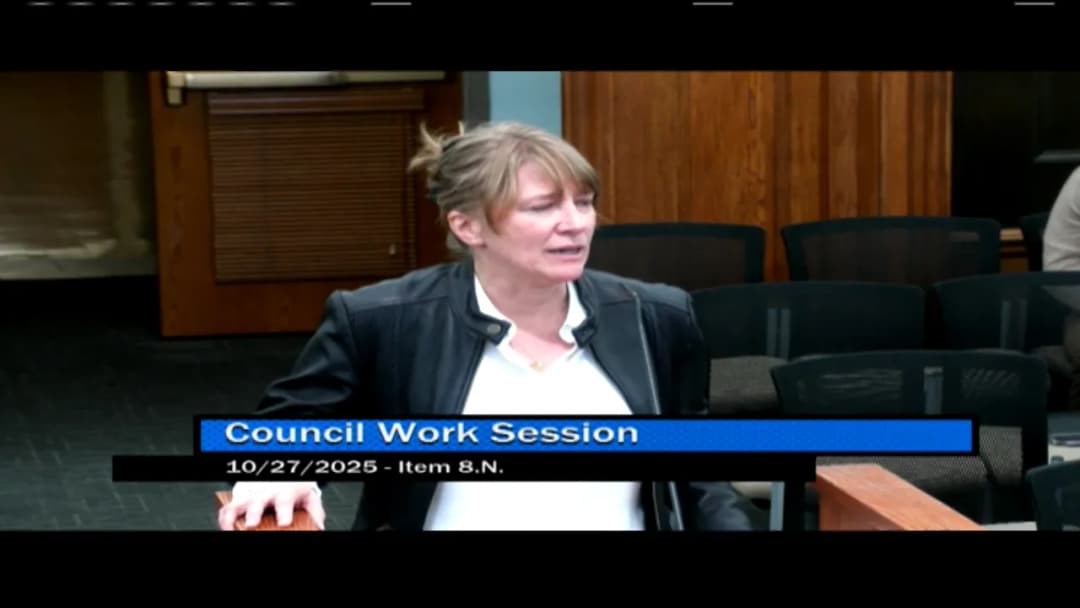
The Colorado Springs City Council convened for a work session on October 27, 2025, to review diverse agenda items including economic development incentives, cemetery expansions, public safety ordinances, and downtown planning updates. The meeting opened with a moment of silence to honor the late MERV, a beloved community leader, and included presentations from the First Tee, the Coroner's Office, and the Police Department. Council members engaged in substantive discussions regarding fiscal impacts, homelessness strategies, and the need for balanced enforcement alongside community support. Consent Calendar - First Tee Project: The Council deferred a resolution for the November 10th meeting regarding the First Tee of Southern Colorado's proposal to rebuild a deteriorating facility at Valley High Golf Course with a projected budget of $1.4 million. - Economic Development Agreements: The Council voted to place three resolutions on consent for the November 10th meeting: (1) approving boundaries for the Chip Zone state incentive; (2) approving an economic development agreement with Project Ray for a $20 million expansion; and (3) authorizing an intergovernmental agreement with Peak Metropolitan District Number Two for airport infrastructure maintenance. - Cemetery and Airport Items: The Council approved resolutions on consent for the platting of new blocks in Evergreen Cemetery and the approval of a debt issuance for the Copper Ridge Metropolitan District to fund the Powers Boulevard Extension. - General Improvement Districts: Resolutions fixing mill levies and adopting budgets for the Briar Gate and Austin Bluffs General Improvement Districts were recommended for adoption on the November 10th regular session. Public Comments & Testimony - Housing and Homelessness Crisis: Council members Councilwoman Gold, Councilman Lineweber, and Councilman Rainey expressed deep concern that the new vehicle camping ordinance lacks a corresponding strategic plan for housing. Councilwoman Gold highlighted the lack of safe parking options in Colorado Springs and the potential legal risks similar to the San Diego class-action lawsuit, citing the disparate impact on people with disabilities. - Community Support: Councilman Henjam publicly acknowledged Councilwoman Crow Iverson for her instrumental work in bringing the STEP Springs program to Colorado Springs. Councilman Gold expressed gratitude for food distribution resources and urged residents to partner with existing agencies like Solid Rock and Quick Care rather than creating new ones. - Condolences: Councilwoman Crow Iverson reiterated condolences to the family of the late MERV, noting a resolution will be presented later in the year. Discussion Items - First Tee of Southern Colorado: Councilman Henjam and Councilman Donaldson questioned the fiscal and ownership relationship between the City and the First Tee. Sandy Johnson, CEO of the First Tee, stated the facility currently has mold and asbestos and is projected to double youth participation with a $1.4 million budget. The group is seeking a 25-year agreement, but the final ownership structure and operating agreement terms are still under negotiation with the City Attorney's office. - Coroner's Office Report: Councilman Lineweber questioned the definition of "accidental" vs. "suicide" deaths, suggesting that many drug deaths might be undetected suicides. The Coroner confirmed that without a note or explicit evidence, deaths are classified as accidental, and 61% of outreach services are currently rejected by individuals, though the Coroner noted that some refusals are temporary. - Camping and Vehicle Ordinance: Councilman Donaldson introduced an ordinance consolidating camping laws and adding a prohibition on vehicle camping (living in a vehicle for more than 24 hours in one spot). Councilman Rainey and Councilman Lineweber raised concerns that the ordinance merely displaces the issue to new locations and lacks a comprehensive strategic plan for homelessness. Amy Cox, Chief Housing and Homelessness Response Officer, testified that the city is currently short approximately 500 shelter beds and lacks a unified regional strategic plan, expressing fear that enforcement without housing will lead to unintended consequences. - Police Technology Surcharge: The Police Department proposed a new surcharge on municipal traffic and criminal convictions (excluding automated red light/stop sign violations) to fund rising technology costs, specifically Axon body cameras and tasers. Councilman Risley expressed concern about the fee becoming a "backfill for the general fund" and potential legal risks regarding fee amounts exceeding fines. The department stated the surcharge is capped at the fine amount and is intended to cover specific technology contracts like tasers, where costs have doubled. - Alarm System Fees: The Police Department proposed doubling annual alarm permit fees (residential to $50, commercial to $75) and increasing false alarm penalties. Councilman Risley noted that higher costs might drive residents toward internet-based systems rather than traditional alarms, while Councilman Henjam supported the revenue generation to offset rising personnel and vehicle costs. - Downtown Plan Update: Ryan Fertiller and Mark from MIG presented the "Elevate Downtown Plan." Councilman Donaldson expressed skepticism about the delay of a building height ordinance discussion, while Councilman Risley clarified that height limits are already in place for most of the form-based zone. The plan emphasizes small business support, walkability, safety, and a specific focus on adding a downtown grocery store. Key Outcomes - Continuations: The First Tee of Southern Colorado project resolution, the Kennel ordinance (8G), the Camping ordinance (8N), and the Police Technology fee ordinance (8O) were not voted on for immediate consent and are scheduled for the November 10th regular session or future work sessions for further debate and potential amendment. - Consent Approvals: The Council voted to place the Chip Zone boundary resolution, Project Ray agreement, Peak Metropolitan District IGA, Evergreen Cemetery platting, Copper Ridge Debt issuance, BriarGate and Austin Bluffs budgets, and DDA mill levies/budgets on the consent agenda for the November 10th meeting. - Deference: The Council agreed to postpone the Kennel ordinance vote to allow for the inclusion of requested 55-foot setbacks for residential properties. Councilman Lineweber requested a future work session specifically dedicated to the homelessness and vehicle camping strategy. - Utility Rate Review: The Council received a briefing on the draft decisions for the 2026 Utilities rate case, with an understanding that additional off-cycle rate changes (such as tariff updates) may occur in early 2026.
The October 27, 2025 special meeting of the Colorado Springs City Council focused on the proposed 2026 budget, which includes significant cuts to public safety staffing and the closure of community centers. The session was marked by extensive public testimony expressing deep concern over underfunded fire apparatus, below-market firefighter salaries, and the disproportionate impact of budget reductions on Southeast neighborhoods and vulnerable populations. Consent Calendar No specific consent calendar items were explicitly detailed or voted on in the provided transcript excerpt. Public Comments & Testimony Derek Wheeler (Resident & former CSFD Battalion Chief): Expressed that firefighters are 10-18% below market wages, resulting in significant income loss (e.g., Battalion Chiefs earning $25,000 less than peers). Stated that the current model is "balancing the budget on the backs of your employees" and urged the council to acknowledge structural revenue problems rather than subsidizing services through lost income. Kurt Crum (President, Local 5 Firefighters): Highlighted that current funding is inadequate for apparatus replacement (some trucks are 25+ years old vs. a recommended 12-15 year cycle) and SCBA equipment replacement (estimated $5 million needed with no funding). Stated that while a public safety sales tax or marijuana tax earmark could help, they are not stable long-term solutions; urged the council to consider a dedicated property tax increase for public safety. RC Smith (Retired Battalion Chief): Emphasized that without raises for active employees, retirees cannot receive raises despite rising costs, noting that a half-pay retirement at current salary levels results in a significant $1,000 monthly loss for widows. Argued that staffing new stations without sufficient funding is "nonsensical" and urged for reallocation of existing resources. Carol Beckman: Stated that Parks is bearing a disproportionate share of budget cuts with a 10.5% reduction, compared to the general fund's 2.5% decrease. Positioned that cuts have pushed park funding to levels not seen since the 2008 recession and urged that cuts be made proportionately and fairly. Brittany Lancer (High Roots Wellness): Expressed concern that the closure of Meadows Park Community Center signals a trend of cutting community services and asked for clarity on how other community services will be supported amidst budget reductions. Joyce Salazar (Director, RISE Southeast): Stated that the potential closure of community centers shifts burdens onto neighborhoods like Stratton Meadows and Hillside. Expressed that cuts to these centers send an "unintended message that some neighborhoods matter less than others" and are devastating to youth and family stability. Emily Tameo (Resident, District 20): Pleaded for more community conversation before sweeping cuts are finalized. Expressed that residents are being asked to bear the burden of cuts to safety and community resources without prior input, citing disparities between North and South sides of the city. Lonnie Mira (Resident): Expressed strong opposition to closing community centers, arguing it hurts seniors, people with disabilities, and the local police and fire departments by increasing stray residents and crime. Criticized the council for not listening to the community and warned constituents about future elections. Trish Anderson (Resident Advocate): Reiterated community concerns regarding safety in the Southeast neighborhood, citing a rise in teen gang violence. Requested the reopening of the community center or the establishment of a police office there to address safety and provide a safe space for youth and food distribution. Karen Fleming (Former Community Center Staff): Argued that fire, police, and community centers are all interlinked in providing "safety, security, and saving." Urged the council to open the door for a partnership to support the community rather than making cuts that victimize residents. Councilman Williams: Stated that the effort to close Meadows Park was led by Councilwoman Henjam due to his medical absence, clarifying he was not abandoning his district. Councilwoman Hinjam: Expressed gratitude for the record-breaking public turnout. Acknowledged the lack of a public safety sales tax increase since 2001 and the growing infrastructure debt (approx. $80 million). Stated that "we are not gonna grow our way out of this problem" and highlighted concerns about the council considering a flat revenue budget which would result in an additional $3 million in cuts. Discussion Items Fire Department Infrastructure and Salaries: Council members and speakers discussed the 25-year age of frontline fire trucks, the lack of funding for SCBA replacement, and the 10-18% wage gap compared to peer cities. The speakers positioned that without a dedicated property tax or stable revenue source, the department cannot retain staff or replace essential equipment. Parks and Community Center Cuts: The discussion highlighted the 10.5% cut to the Parks department. Speakers positioned that closing the Meadows Park Community Center disproportionately impacts Southeast neighborhoods and removes critical support structures for youth and seniors. Revenue and Taxation: A major theme was the lack of a dedicated revenue stream for public safety. Councilwoman Hinjam noted the city has not increased the public safety sales tax since 2001 and debated whether to pursue property tax increases or refer tax measures to the ballot. Staffing and Operations: The council acknowledged the loss of 38 staff members and the implementation of furloughs (excluding first responders). The decision to cancel the fire training academy for 2026 was discussed as a temporary, non-ideal measure. Key Outcomes Adverse Fiscal Decisions: The Council is proceeding with a budget that includes the closure of the Meadows Park Community Center, a 10.5% cut to the Parks department, and the cancellation of the fire training academy for 2026. Staffing Reductions: 38 staff positions have already been eliminated or are in the process of being cut due to budget constraints. Revenue Deliberation: No new tax measures were approved in this meeting. However, Councilwoman Hinjam explicitly noted that some council members are considering a flat revenue budget (1.4% increase), which would exacerbate the financial strain and require approximately $3 million in additional cuts. Directive for Future Action: Council members acknowledged the need for long-term conversations regarding revenue generation (property tax vs. sales tax) and the necessity of referring measures to the ballot to fund growing public safety needs, though no immediate directive to add revenue was passed in this transcript.
Transcripts
No published pilot transcripts are available for this city. The current pilot covers Sacramento City Council only.
Transcript coverage details
The pilot includes June 9 and two June 23, 2026 sessions. Recording completeness is unknown. Missing, cancelled, incomplete, or changed transcripts can leave gaps. No match does not establish that something was never discussed.