Browse by city
Date range
Search help

Search titles, summaries, topics and stored transcripts together. Keywords may match separately; put the whole query in double quotes for a phrase. Matching follows word analysis, so punctuation is not exact. Both dates are included. Documents are not searched.

SHOWING 181–190 ENTRIES
181
MAR 23, 2026 · DETROIT, MICHIGAN · CITY COUNCIL
Detroit City Council Budget Hearing for Police Department - March 23, 2026

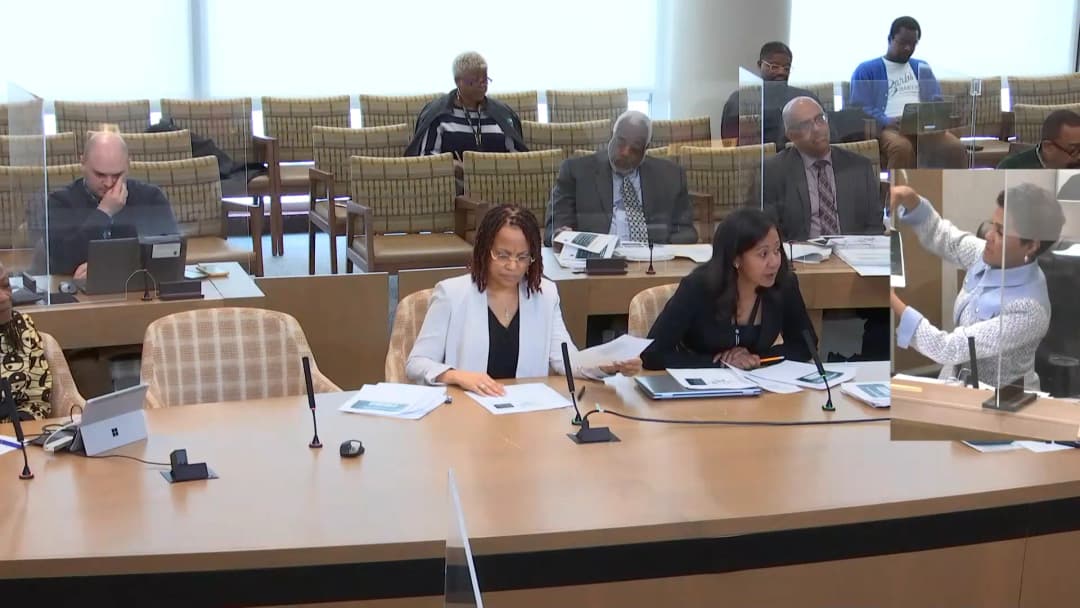
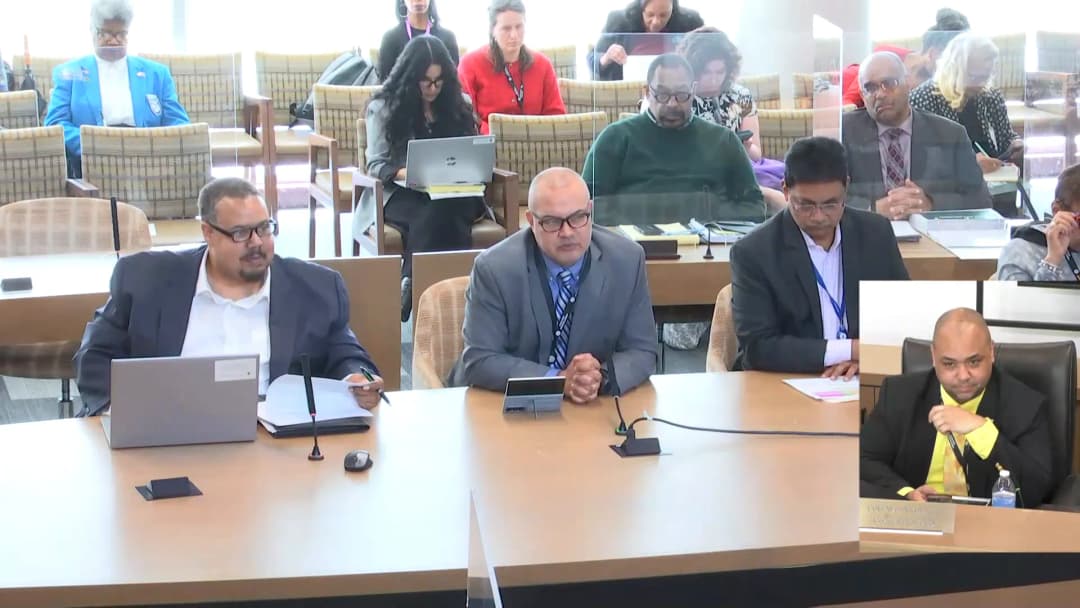
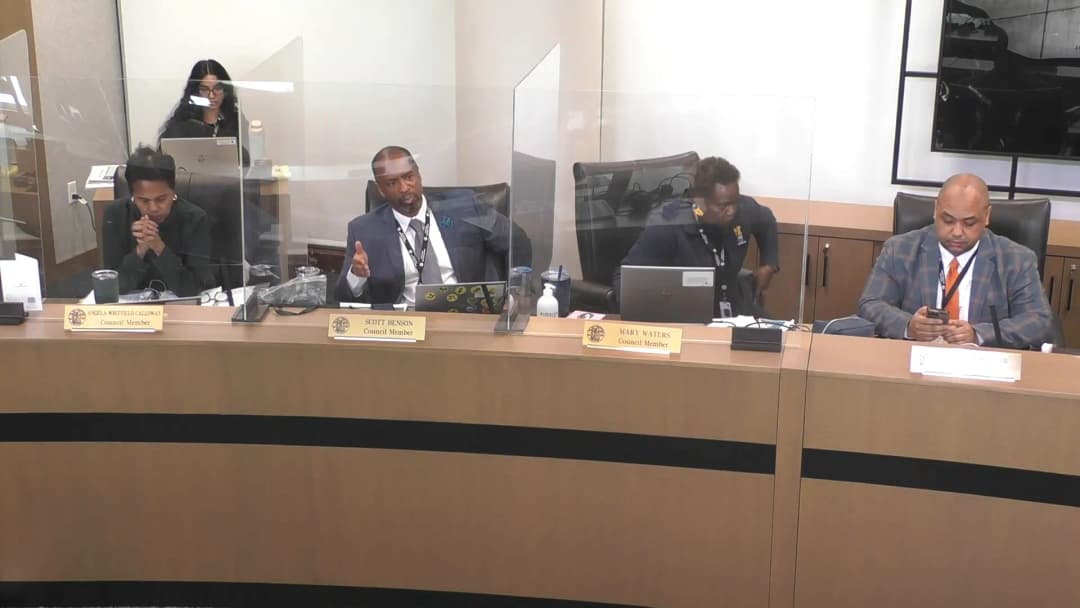
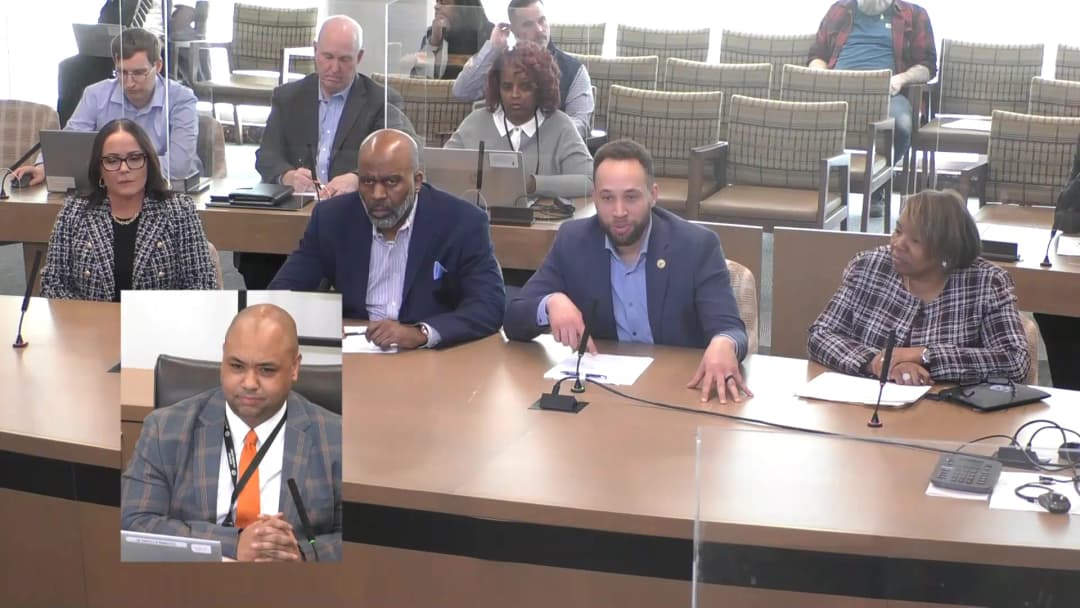
The Detroit City Council held a budget hearing for the Detroit Police Department (DPD) on March 23, 2026. Chief James Edison and his team presented the proposed FY2027 budget, discussed crime reduction achievements, recruiting efforts, and programs like the mental health co-response unit, CVI, and ShotSpotter. Councilmembers asked questions about recruiting Detroit residents, private tow trucks, the name of Homeland Security, CVI effectiveness metrics, and ShotSpotter's future. No votes were taken. Discussion Items - Chief Edison's Presentation: Highlighted alignment with Mayor Sheffield's Rise Higher platform. Reported record low homicides (165) in 2025, motor vehicle theft down 23%, carjackings down 45.8%, and larceny down 1.9%. Noted 2,932 investigative leads from NIBIN, 256 arrests from ShotSpotter, and 114 instances of officers providing life-saving aid. Emphasized expansion of the mental health co-response unit to 24/7 coverage and collaboration with the Office of Neighborhood and Community Safety. - Personnel & Recruiting (Director Petillo): Hired 335 officers in 2023, 293 in 2024, 219 in 2025. Current staffing at 97%. Demographics: 73.5% male, 26.5% female; 55% Black, 37.5% White, 5.9% Hispanic, 1.5% other. 593 of 2,600 officers are Detroit residents. Highlighted partnerships with Cleary University (400+ graduates) and Wayne State University for leadership programs. - Budget Overview (Neverith Nazarko): Total proposed budget of $467 million across five funds, with 93.6% ($437M) for salaries/wages/benefits. General fund accounts for $447M. New initiative: $291,000 for mental health co-response sworn training. - Councilmember Waters: Questioned about recruiting Detroit residents—Chief noted efforts to recruit Detroiters but acknowledged many move elsewhere. Also raised concerns about private tow trucks (e.g., Gouchy) towing cars without permission; Chief agreed to work with council on state law changes. - Council President Tate: Raised issue of renaming DPD's Homeland Security division (currently focused on emergency preparedness) to avoid confusion. Noted he will submit a change to the Executive Order Proposal (EOP) by the 7th. Also asked how CVI effectiveness is measured; Chief explained they compare CVI hot spot areas to citywide trends, with some CVI groups beating trends by 70–75%. He noted that CVI addresses root causes and that the model is evolving. - Councilmember Johnson: Thanked Chief for addressing missing persons process. Questioned ShotSpotter effectiveness and its expiring contract (June 2026). Chief defended ShotSpotter, citing 256 arrests and life-saving benefits, and noted that many residents want it expanded. Key Outcomes - Council President Tate announced he will submit a proposal to rename DPD's Homeland Security division by the 7th. - Meeting recessed to the call of the chair. - No votes were taken; the hearing was informational.

PUBLIC SAFETY 54% · PERSONNEL MATTERS 13% · CRIME PREVENTION 9% · PROCEDURAL 7%
182
MAR 23, 2026 · DETROIT, MICHIGAN · CITY COUNCIL
2026年3月23日底特律市议会第36区法院预算听证会

第36区法院首席法官比尔·麦康纳戈和专门法院首席法官香农·霍姆斯向底特律市议会提交了预算报告,回顾了法院在提升效率、扩大法律援助和恢复性司法方面的进展,同时请求额外拨款以应对民事案件激增、联邦拨款削减、运营成本上升和生活工资调整等挑战。市议会将总计约180万美元的资金请求移入执行会议进一步审议,并通过了致信州法院行政办公室要求加速实施电子文件系统的动议。 公众评论与证词 - 贾登·T·史密斯:批评法律部门领导不力,对市议会将轻罪起诉权交给公司法律顾问表示不信任,并声称自己被非法排除在会议之外,要求为执法部门配备随身摄像头。 - 未具名评论者:支持玛丽·谢菲尔德竞选市长,批评前密歇根州最高法院法官康拉德·马利克,并提及合规证书问题。 - 达伦·M:质疑法律部门预算中用于外部律师(Zausmer)的770万美元,认为这占该部门总预算2100万美元的三分之一。 - 贝蒂·A·布朗:代表索达·埃尔斯沃思黑人协会请求市议会拨款支持黑人俱乐部支付土地使用听证费(1500美元),并资助改善被忽视的社区走廊。 - 希拉·艾哈迈德:作为老年人,反映因环境中毒导致多发性硬化症,申请房屋维修12年后仅获得屋顶修理,现因结构性损坏无法获得进一步帮助。 - 泰森·格什:批评法律部门处理FOIA请求不力,称自己有12份请求未获完全回应,要求市议会问责。 - iPhone用户:抱怨停车罚单系统问题,称两年前罚单未明确位置和时间,且无法通过步行方式处理。 - 威廉·M·戴维斯:认为法律部门效率低下、领导不力,并指出自己2022年的FOIA请求未获回应。 - 玛格丽特·马多克斯:提及法律部门存在语言障碍问题,呼吁更多可及性。 - 奥纳·帕帕:批评法律部门领导,质疑为何不将阿片类药物资金用于戒毒服务,并赞扬专门法院的工作。 讨论事项 - 法院进展报告:首席法官麦康纳戈指出,2019-2020年仅有不到5%的居民在法官面前有律师,如今该比例平均约为80%。法院现有四个法律援助机构(LADA、UCH、Lakeshore Legal Aid和NDS)。法院正在试点转移系统,帮助欠小额债务的居民避免驱逐,以降低每年约2万起的案件量。 - 特赦计划:2026年3月启动的特赦计划在两周内已收取超过40万美元罚款,免除了延迟费、追加罚款和逮捕令费用(平均每张罚单100-130美元),该计划将持续至4月初。 - 恢复诊所:法院与多个组织合作举办恢复诊所,例如2025年5月10日在Butzel家庭娱乐中心服务160名居民、取消745张逮捕令;2025年9月25日在Eastern Market服务99名居民、取消331张逮捕令;以及多次与州务卿合作的活动,共恢复数百份驾照。 - 实习项目:2025年夏季12名实习生来自密歇根州立大学、佛罗里达农工大学、霍华德大学、莫尔豪斯学院、西密歇根大学和韦恩州立大学,以及文艺复兴高中。 - 资本改善:囚犯电梯预计下月完工;自动扶梯和消防生命安全系统正在改造,部分项目将持续至2027年;ADA坡道即将完成。 - 民事案件激增:自2021年以来,民事案件增加约4万件,导致系统面临崩溃风险。法院请求增加5名员工(30万美元/年)缓解压力。 - 运营成本上升:因通胀、邮资和公共事业费用增长,请求额外50万美元。 - 专门法院资金缺口:联邦拨款减少50万美元,专门法院(毒品、心理健康、退伍军人和赋权法庭)的6名案件管理员已超负荷(最佳实践要求每人少于50例,但实际已超标),导致法院暂停接收新案件。法官霍姆斯请求资金用于增加案件管理员、提供电子脚镣和药物检测(约85%的参与者失业或从未就业)。 - 生活工资:法院73名员工(43名底特律居民)达不到市长提议的生活工资标准,需额外50万美元。 - 线上争议解决:法院目前未采用在线争议解决系统,因为交通案件的预审听证效果良好,且正在等待州法院行政办公室的电子文件系统(MyFile),该系统已推迟多年。议员提议致信州府加快进度。 - 驱逐与合规证书:根据州法律,法院不能在无合规证书的情况下拒绝立案,但被告可将其作为辩护理由。最近案件显示法官对恶劣房东处以2.5万美元罚款并令其支付酒店费用。 - 驱逐中的危机应对:2024年曾发生租户被射杀事件,此后法院与底特律警察局制定新政策:若出现危机情况,法院人员将拨打911,由警方携带医疗专家接管现场,驱逐暂停直至紧急情况结束。 关键成果 - 市议会将法院的预算请求(民事部门30万美元、运营50万美元、专门法院50万美元、生活工资50万美元,总计180万美元)移入执行会议进行进一步讨论。 - 通过动议,致信州法院行政办公室要求加速实施第36区法院的电子文件系统(MyFile)。 - 将警察部门预算中关于自动车牌读取器(Flock系统)的讨论移入执行会议。 - 将警察委员会预算中关于委员津贴和工作量的讨论移入执行会议。 - 议员麦坎贝尔请求的西南社区司法中心30万美元拨款也移入执行会议。

COURT OPERATIONS 25% · HOUSING 12% · PUBLIC COMMENT 11% · TECHNOLOGY AND INNOVATION 10%
183
MAR 23, 2026 · DETROIT, MICHIGAN · CITY COUNCIL
Detroit Public Health and Safety Committee Meeting - March 23, 2026

The Public Health and Safety Standing Committee met on March 23, 2026, at approximately 9:00 AM. The meeting was called to order by the Chair, with Councilmembers Gabriela Santiago Romero and Mary Waters present; Councilmember Denzel McCampbell joined later. The committee quickly moved through a truncated agenda due to budget season, approving multiple contracts and deferring several memos. A notable walk-on resolution to establish free bus fare for K-12 students was introduced and sent to the full council for approval. Public Comments & Testimony - Mr. Crowley (in-person) accused the Chair and others of lying, alleging election fraud by Dennis Winfrey and referencing specific dates (May 9, April 25) and a report by Conrad Mallett Jr. He was cut off after his time expired. - Betty A. Varner (online) , President of the De Soda Elsewhere Black Association, announced a free health fair on Saturday, April 18, 2026, from 10 AM to 1 PM at 7151 Finco Avenue (Mount Zion Missionary Baptist Church). Services include free eye exams, health screenings by Detroit Community Health Connections, DMC, and others, open to all Detroit Metro residents. - Brother Cunningham (online) advocated for free bus fare for all, criticizing DDOT for inadequate and unreliable service, especially evenings and weekends. He noted a Pittsburgh program offering half-off bus fare for SNAP recipients. The Chair acknowledged his comments and referenced a later agenda item on student free fare. - Caller "owner Papa" (online) expressed frustration over blight violations not being enforced, claimed Detroit is 1 in STDs, and criticized leadership for moral failings and failing to address dirty dirt after snow melt. - Caller ending in 169 (online) requested DDOT budget priorities: expand unarmed transit ambassadors, borderless paratransit, shelters and benches at 15% of stops, maintain stops, free fares for all students, and study a free fare system. Discussion Items - Approval of Minutes (Item 1) : Minutes from the last session were approved unanimously without objection. - Unfinished Business (Items 5.1-5.7): Memos on after-hours establishments (5.1), city cameras (5.2), blight violations (5.3), eviction moratorium (5.4), public restrooms (5.5), quitclaim deeds (5.6), and commercial buildings with liens/demolition (5.7) were either received and filed or deferred for 1-2 weeks. - New Business - Contracts (Items 6.1-6.14): Discussed and approved numerous contracts: - 6.1: Smart intersection data collection (LogIQ software, Vancouver, Canada) – 8-month extension, anonymized data shared with Wayne State. Approved. - 6.2: ADA paratransit services (Del Ray United Action Council, Detroit) – increased by $11,741,450.14 to total $18,447,122.49. Approved. - 6.3: DPD 2nd Precinct building improvements (D'Angelus Diamond Construction) – time extension through June 2026. Approved. - 6.4: DDOT uniform contract (Enterprise Uniform, Detroit) – 2-year, $324,295. Approved. - 6.5: Tow truck parts (Worldwide Equipment Sales, Livonia) – 3-year, $100,000. Approved. - 6.6: Stabilization of commercial structures (DMC Consultants, Detroit) – extension for Vaughn's Bookstore at 12115 Dexter. Approved. - 6.7: Police uniforms (Enterprise Uniform) – increase of $220,000 to total $440,000. Typo in TEDA report noted and corrected; approved. - 6.8: Tow truck repair (Bill Jones Enterprises, Taylor) – 3-year, $200,000. Approved. - 6.9: Ending HIV epidemic grant (Wayne State) – $995,269.80 through Feb 2029. Approved. - 6.10: Bus repair (ABC Bus Inc., Fairbault, MN) – 5-year, $2 million. Approved. - 6.11: Deferral recommendation for 18816 Cardany. Approved. - 6.12: Grant application to Michigan Recycle Coalition for FY2026 community education. Approved. - 6.13: Accept FY2026 Ryan White HIV/AIDS grant. Approved. - 6.14: Accept $2,000 cash donation from Community Economic Development Association of Michigan for Office of Mobility Innovation – used to retain a fellow. Approved. - Resolutions (6.15-6.16): - 6.15: Resolution declaring March 18 as Don Eason Day. Approved. - 6.16: Resolution establishing March 2026 as Women's History Month. Approved. - Petitions (6.17-6.22): - 6.17-6.20: Vacations for alleys (DD Metro LLC, Hispanic Manufacturing Center, Detroit Land Bank, Detroit Brownfield Redevelopment) – all approved. - 6.21: Downtown Detroit Partnership smart city interactive kiosks locations – approved. - 6.22: Detroit Blight Busters vacation for Orchard Village Apartment Complex – approved. - Memos (6.23-6.26): All deferred for two weeks: cannabis zoning compliance, documented abandonment at 10631 Woody, emergency demolition process, city response to missing persons. - Walk-On Resolution: Free Fare for Students K-12: A resolution to make DDOT free for students ages 5-19 was walked on. Director Robert Kramer explained it would be a 6-month temporary change (April 1 onward) funded through DDOT's current budget, allowing data collection and community outreach for a more permanent program. Councilmember McCampbell and Santiago Romero co-sponsored. Approved and sent to new business. Key Outcomes - Unanimous approval of all contracts (6.1-6.14) and resolutions (6.15-6.16) with recommendations to formal or new business. - Deferred memos (5.1, 5.3, 5.4, 5.6, 5.7, 6.23-6.26) for 1-2 weeks for additional information. - Walk-on resolution for free student bus fare sent to full council with recommendation to approve. - Public comment received on election fraud allegations, health fair announcement, DDOT service complaints, blight enforcement, STD rates, and transit priorities. - Next meeting: No specific date announced; memos will return per the deferred schedules.

CONTRACT MANAGEMENT 27% · PROCEDURAL 19% · PUBLIC TRANSIT 16% · ENGINEERING AND INFRASTRUCTURE 12%
184
MAR 20, 2026 · DETROIT, MICHIGAN · CITY COUNCIL
Detroit City Council Budget Hearing for Health Department - March 20, 2026

The Detroit City Council held a budget hearing for the Detroit Health Department on March 20, 2026. The department presented its fiscal year 2027 budget request of $60.4 million, detailing programs, accomplishments, and future priorities. Council members engaged in extensive discussion, posed questions on a range of public health issues, and passed numerous motions to direct funding and policy actions. Public Comments & Testimony - Betty A. Varner (President, DeSota Elsewhere Black Association) requested funding to help black clubs and associations pay land use hearing fees and for corridor redevelopment, specifically mentioning the Finkel Corridor. - Cassiana Gibson (Michigan Immigrant Rights Center) urged sufficient funding for the Detroit ID program, which is moving to Human Services, to continue providing essential IDs. - Matthew Murray (Gingerroot) invited the health department to be thought partners on black men’s mental health, advocating for restorative care, expanded mobile access, and supportive counseling. He also opposed data centers. - Justin Dale (Black Men Work Detroit / Ginger Root Collective) advocated for workforce development and holistic mental wellness programs for black men, including the Jabali Project. - Cassie Peller (Detroit Disability Power) urged maximizing funds for free vaccines, HIV/STI services, mental health programs, and accessible promotion of services, especially for disabled residents. - Ona Papa criticized the lack of a required annual health department evaluation and called for attention to infant mortality among black women and particulate matter from speed humps. - Timothy Bent (Ginger Root Collective) expressed support for mental health investments and opposed data centers. - William M. Davis praised RX Kids, called for a west-side health facility, free parking at 100 Mac, and regular health assessments. - Jabari Cook (Ginger Root) advocated for specific mental health interventions and opposed data centers and AI. - Tyler Caton (Ginger Root / Ford) supported mental health investments and opposed data centers. - Kamal Jawara (Ginger Root) supported closing resolutions on mental health access at rec centers and behavioral health workforce, and opposed data centers. - “iPhone” (last caller) criticized the council and suggested redirecting $75,000 for cannabis containers to other projects. Discussion Items - Health Department Presentation (Chief of Staff, Deputy Director Christina Floyd, Chief Public Health Officer Ali Abazid, Dr. Luke Schaefer, Trisha Stein, and others): - Outlined the department’s mission, four service buckets (public health programs, environmental health, social determinants of health, clinical services). - Highlighted accomplishments: RISE to Care program (over 25,000 rides since Nov 2024, growing to 1,900 rides/month), 20,000+ Narcan kits distributed, 70,000+ residents served, 87% HIV viral load suppression rate, 90,000 condoms distributed, 43 Narcan trainings, 155 behavioral health trainings, emergency response to Southwest flood. - Presented fiscal year 2027 budget: $60.4 million total (42% General Fund, state block grants, federal grants, service fees). Key line items: Community Violence Intervention (one-time $10.8 million), Rides to Care position conversion ($33,000). - Future priorities: maternal/infant/child health (RX Kids, Rides to Care), asthma care, chronic disease prevention, healthy food access, reducing barriers to healthcare, mental/behavioral health expansion, and embedding “Health in All Policies” across city operations. - Council Member Waters questioned about senior services and contingency plans for dwindling state/federal dollars. The department noted that the Office of Senior Citizen Affairs is housed in the mayor’s office but staffed by health department, and contingency plans are in place. - Council President Tate asked about mental/behavioral health services at rec centers. The department committed to expanding community health worker and behavioral health specialist presence in rec centers and wellness centers, and exploring partnerships for mobile therapy services. A motion to place this into executive session was passed. - Council President Tate also requested a study on COVID-19 impacts in Detroit. A motion to place this into executive session was passed. - Council Member McCampbell discussed asthma, air quality, and RX Kids. Dr. Schaefer reported that RX Kids had enrolled 1,100 families, paid $1.5 million in cash prescriptions, and 570 babies born. He noted funding secured for three years and potential for expansion. A motion to place lead prevention into executive session was passed. - Council Member Callaway advocated for lead prevention (noting $2 million added last year), child poverty (triple national average), and lack of west-side satellite services. The department committed to increasing lead advocates and improving communication. Callaway also highlighted that Districts 6 and 7 have the highest concentration of youth but few services. - Council Member Johnson asked about health impact assessments for areas abutting industrial zones. The department noted a recent community health needs assessment (6,300 residents) and ongoing work with URC. She also raised concerns about the Travel Inn property. A motion to add health studies to executive session was passed. - Council Pro Tem Young raised Detroit’s high STI rates (1,491 per 100,000) and asked about technology, AI, and partnerships (e.g., Grindr). The department said it advertises on Grindr, partners with Ruth Ellis, and distributes 90,000 condoms annually. Young also inquired about guaranteed income and baby bonds; Dr. Schaefer discussed cash transfer evidence and expressed openness to further conversation. Motions to place guaranteed income and baby bonds into closing resolutions were passed. - Council Member Santiago Romero confirmed the Detroit ID program is moving to Human Services with three staff. She emphasized air quality data needs, mental health co-response (which is now in the health department), and the Detroit CARES campaign. Trisha Stein reported on the co-response pilot: less than 5% return rate to police, expanded to 24/7 with 200 calls/month referred to DWIN. - Council Member Benson questioned the “Too Cool for Drugs” program and the mandated 2% of marijuana revenue for substance misuse prevention. The department confirmed $63,000 allocated but Benson argued for 10% and a clearer budget line. She also raised concerns about health inspector recruitment and the “Dining with Confidence” program. The department noted bilingual inspectors, academic partnerships, and a pathways program. Benson made motions to: increase funds to 10% for family substance misuse, direct $250,000 from marijuana revenue to that line, and require health department participation in data center regulation. All passed. - Council Member Callaway moved $75,000 for child-resistant cannabis containers, which passed. - Council Member McCampbell moved a closing resolution for health and workforce development to build a sustainable behavioral health workforce, which passed. - Council Pro Tem Young stated he added $1 million to the co-response program to send mental health workers instead of police. Key Outcomes - Motions Passed (all without objection): 1. Place discussion of mental/behavioral health services at rec centers into executive session. 2. Place a study of COVID-19 effects in Detroit into executive session. 3. Place childhood lead prevention program into executive session. 4. Place health studies (including understanding them in detail) into executive session. 5. Place guaranteed income into a closing resolution (for further discussion). 6. Place baby bonds into a closing resolution (for further discussion). 7. Place increase of funds for family substance misuse (from 2% to 10% of marijuana revenue) into a closing resolution. 8. Direct $250,000 from marijuana excise tax revenue to family substance use prevention line item. 9. Urge health department to partner with Detroit at Work on Dining with Confidence training program (closing resolution). 10. Urge health department to participate in data center regulation development (closing resolution). 11. Place $75,000 for child-resistant cannabis containers into executive session. 12. Place a closing resolution for health and workforce development to build a sustainable behavioral health workforce. - Budget Request: The Detroit Health Department’s fiscal year 2027 budget request of $60.4 million was presented for council consideration. No final vote was taken; the hearing continues. - Public Hearing: The council announced a public hearing on the budget for March 30, 2026 at 5 p.m. - Adjournment: The meeting adjourned due to loss of quorum.

PUBLIC HEALTH 61% · MENTAL HEALTH AWARENESS 12% · PUBLIC COMMENT 8% · ECONOMIC DEVELOPMENT 4%
185
MAR 20, 2026 · DETROIT, MICHIGAN · CITY COUNCIL
Detroit City Council Budget Hearing: Human Resources Department Presentation - March 20, 2026

The Detroit City Council's Expanded Budget, Finance, and Audit Standing Committee convened on March 20, 2026, to review the Human Resources Department's fiscal year 2026-2027 budget proposal. HR Director Denise Starr and her team presented strategic initiatives aligned with Mayor Mary Sheffield's "Rise Higher" platform, including a living wage increase, expanded paid parental leave, recruitment partnerships, and artificial intelligence training. Council members discussed cost implications, retention metrics, contract negotiations, and facility challenges, and referred several topics to executive session. Discussion Items - Living Wage Implementation: Director Starr announced a living wage of $21.45 per hour effective July 13, 2026, affecting approximately 900 employees (9% of the workforce) primarily in GSD, DPW, recreation, and driver positions. The wage is intended to improve retention and reduce the need for employees to work multiple jobs. - Expanded Paid Parental Leave: Paid parental leave will increase from six to eight weeks at an estimated additional annual cost of $150,000 (from $500,000 to $650,000) covered by departmental salary budgets. Since its launch in 2024, over 400 employees have used the benefit. Councilmember Benson questioned the lack of formal retention metrics; HR indicated that measuring retention impact requires longer-term data. - Recruitment and Vacancies: Director Starr reported that a firefighter recruit academy of 30 cadets recently started, with over 200 individuals on the hiring list. Councilmember McCampbell asked about specialized recruiters for fire; HR confirmed ongoing collaboration with the fire department. Councilmember Callaway highlighted partnerships with several Michigan universities (University of Detroit, Lawrence Tech, U-M Ann Arbor, etc.) to recruit local graduates, with Tracy Meek (HR Recruitment GM) leading the effort. - Employee Stay Interviews: Councilmember Santiago Romero inquired about a new "state interview" process. Director Taylor explained it is a proactive manager-led tool to gather employee feedback on their desire to remain, not a performance evaluation. A toolkit and presentation were provided to departments. - Outsourcing vs. In-House Costs: Councilmember McCampbell requested analysis of the cost differential between contracting for skilled trades and bringing positions in-house. Director Starr noted that no comprehensive study has been done but agreed to coordinate with departments. A motion to refer the topic to executive session was passed without objection. - Flex Time and Hybrid Work: Councilmember Young II asked about flexible scheduling and virtual employment. Director Starr acknowledged flex time is built into some union contracts and that most employees (over 90%) are on-site (police, fire, DPW). Regarding hybrid work, she noted increasing office attendance due to parking needs. - Artificial Intelligence (AI) Initiatives: Dr. Iris Ware, Chief Learning Officer, described AI training for HR first, partnering with IT to develop policies ensuring data safety. The department received national accreditation and is developing an AI certification program. Councilmember Young II presented cost-benefit projections suggesting a 150-500% ROI with a 1-3 year payback period. - Stout Audit Concerns: Councilmember Callaway raised concerns about a Stout audit showing 29% payroll transaction errors. Director Starr clarified that many flagged items were retroactive pay adjustments per union contracts, not errors. She offered to provide further detail. - Parking for Employees: The city is spending approximately $700,000 to prepare a parking lot for employees returning to the office. Director Starr explained that existing city-owned lots are not within walking distance or require significant investment. The Ford Underground garage is at capacity. A motion to put the parking situation into executive session was approved. - Health Insurance Rates: Director Starr noted that the city's health insurance rate increases were half those of other Wayne County employers, attributed to wellness programs and employee assistance services. Councilmember Tate asked about expanding Ford Underground capacity; HR coordinates with municipal parking. - Health Plan Enrollment Options: Councilmember Santiago Romero noted new employees are initially limited to Blue Care Network; HR confirmed that other plans (PPO, HAP) can be selected during open enrollment or upon qualifying life events. - Union Contracts: Interim Labor Relations Director Valerie Colbert reported approximately five expired small AFSCME contracts currently being negotiated, with two contracts (DFFA and public attorneys) expiring in June 2026. She explained the delay for former APTI and SAAA groups due to union decertification and renegotiation timelines. Key Outcomes - Executive Session Motions: Three motions to refer topics to executive session were passed without objection: 1. Analysis of contracting services that could be brought in-house (moved by McCampbell). 2. Implementation of the Michigan Tri-Share child care program (moved by Callaway). 3. Parking situation for employees (moved by Johnson). - Follow-up Commitments: HR will provide additional data on the Stout audit, cost-benefit analysis of outsourcing, a list of recommendations for external conferences and certifications, and retention metrics for paid parental leave.

PERSONNEL MATTERS 63% · WORKFORCE DEVELOPMENT 15% · TECHNOLOGY AND INNOVATION 10% · CONTRACT MANAGEMENT 5%
186
MAR 20, 2026 · DETROIT, MICHIGAN · CITY COUNCIL
Detroit City Council Budget Hearing for DESC / Detroit at Work - March 20, 2026

This hearing focused on the proposed budget and operations of DESC, the city's workforce development agency. Presenters Terry Wings (DESC) and Stephanie Nixon detailed funding streams, program expansions, youth initiatives, and skilled trades training. Council members raised concerns about service equity, budget cuts, and youth retention, and voted to place several funding requests into executive session. Public Comments & Testimony - Tyson Gersh criticized the lack of transparency in budget documents, calling for a return to Open Checkbook Detroit and noting that the Law Department (LPD) cannot track spending details. - Betty A. Varner (president of Soda Elsewhere Black Association) requested funding to cover land use hearing fees for Black clubs beautifying neighborhoods and asked for money for corridor revitalization. - iPhone (caller name) reported that a supplier (American Integrated Supply) stopped contracting with the city due to non-payment, and questioned credit card usage. - Carolyn Hughes expressed frustration with disrespect in budget decisions, citing the lack of a recreation center in District 7 while funds are spent on income tax subsidies. - William M. Davis shared his positive experience as a former city employee benefiting from tuition reimbursement and retirement planning, urging similar programs to retain youth. Discussion Items - DESC Budget Overview: Terry Wings presented DESC's $57 million budget (primarily federal), with a $5.6 million city request. He noted reduced facility costs, expanded career centers, and a shift to pop-up locations. Over 90% of services were in-person pre-2020; now nearly half are online. Centers serving fewer than 500 customers annually are being transitioned. - Youth Programs (GDYT and B Next): Wings reported that 92% of GDYT participants rated the program satisfactory, with 87% making social connections. However, 28% of youth do not see themselves staying in Detroit. The B Next program in Brightmoor exceeded its goal of 75 enrolled (reached 89). Councilmember Santiago Romero advocated expanding B Next to District 6 (48210, 48227). Councilmember McCampbell supported expanding to targeted areas citywide. - Skilled Trades Training: Councilmember Waters expressed anger that $250,000 she allocated for skilled trades (part of a $1 million four-year commitment) was not included in the FY27 budget. Director Williams explained the decision was due to reduced general fund revenues and a robust pipeline, but Waters felt disrespected. The administration committed to continuing the work using the workforce training fund. - Youth Service Footprint: Councilmember (unnamed) from District 2 criticized the lack of youth service centers on the west side, noting that administrative offices are concentrated east. DESC responded that services are provided through partner sites and recruitment covers a 5-mile radius, with plans to expand. - Technology and AI: Councilmember Pro Tim Young asked about AI and tech training. Wings noted that residents often choose CDL, CNA, and skilled trades over IT, but DESC is embedding AI awareness into coaching and exploring virtual training simulations. - Dining with Confidence: Councilmember Benson highlighted the pilot program for restaurant food safety training, with $20,000 budgeted. He requested $500,000 for an 18-month expansion to collect data. - Justice-Involved Individuals: Councilmember McCampbell asked about services for formerly incarcerated residents. DESC described a Department of Labor grant targeting justice-involved youth (18-24) with intensive support, including pre-release work at the county jail. - Barrier Removal: Councilmember Benson advocated for e-bikes (B for E program) as a transit solution for apprentices. DESC expressed interest in further discussion. - Youth Financial Literacy: Councilmember Benson proposed motions to encourage banking and investing for GDYT participants, which were adopted. Key Outcomes - Motions Placed into Executive Session (all passed without objection): - Councilmember Santiago Romero: Expand B Next to District 6 and similar targeted areas (amended by McCampbell to include citywide). - Councilmember Waters: Reinstate $250,000 for skilled trades training in FY27. - Councilmember Benson: Allocate $500,000 for an 18-month Dining with Confidence program expansion. - Councilmember Tate: Add $1 million for B Next program expansion. - Councilmember Pro Tim Young: Increase funding for skilled trades pipeline (Randolph CTE) from $50,000 to $70,000. - Councilmember Benson: Encourage GDYT participants to open bank accounts (adopted). - Councilmember Benson: Encourage GDYT participants to learn about micro-investing (adopted). - Ongoing: DESC will provide data on justice-involved program outcomes, explore B for E (e-bike) program, and continue working with DPSCD to expand career readiness in high schools. - Public Hearing: A public hearing on the budget is scheduled for March 30, 2026, at 5 p.m.

WORKFORCE DEVELOPMENT 54% · YOUTH PROGRAMS 29% · TECHNOLOGY AND INNOVATION 7% · PUBLIC COMMENT 7%
187
MAR 20, 2026 · DETROIT, MICHIGAN · CITY COUNCIL
Detroit City Council Budget Hearing – Airport Department – March 20, 2026

The Detroit City Council held a budget hearing for the Detroit City Airport Department on March 20, 2026. Airport Director Jason Watt presented the department's strategic initiatives, ongoing projects, and future plans, followed by questions and discussion with council members. No consent calendar items or public comments were noted. Discussion Items - Airport Department Presentation: Director Watt introduced his team and outlined the department's alignment with Mayor Sheffield's "Rise Higher" platform, emphasizing safety, community-centric capital investments, and expanded access to quality education. He highlighted current initiatives including the Tuskegee Airmen National Historical Museum (which received a $750,000 grant and served 4,000 students, with nine students graduating with pilot's licenses), Friends of Detroit City Airport (serving about 300 children annually), and the Civil Air Patrol (25 cadets). - Capital Projects: Four ongoing projects were described: an aft-flight facility ($6 million, completion mid-April with ribbon cutting in June); My Flight Tours facility ($3.5 million, completion in May); a new administrative facility (retrofitted after Detroit Public Schools leased the main terminal for Davis Aerospace Technical High School); and the Davis Aerospace Technical High School at the old terminal ($15 million, coming online in September 2026). - Strategic Initiatives for FY 2026-2027: Director Watt announced plans to establish an Office of Aeromobility, create an Aviation Education District, and pursue additional property development. The Office of Aeromobility would evaluate low-altitude air traffic management systems, including drones and autonomous aircraft, and coordinate with the FAA and city departments. Councilmember Pro Tem Young expressed strong support, noting the importance of setting "rules of the road" for airspace over Detroit and integrating with intermodal transit and autonomous vehicles. - Aviation Education District: The goal is to create a national aerospace talent and research hub, allowing students from age five through airline transport pilot licensing. Director Watt noted memorandums of understanding with school districts in Wayne County and ongoing negotiations with an unnamed entity for advanced training (e.g., Airframe and Powerplant licensing). He also mentioned a mobile trailer (funded by a state grant) with flight simulators and drones to bring aviation experiences to communities. - Economic Impact: The state of Michigan estimated the airport's local economic benefit at $554,561,245, a significant increase from $306 million two years prior and $20 million in 2011. Director Watt emphasized the airport's accelerating growth. - Revenue and Financial Questions: Councilmember Benson noted substantial investments (e.g., $15 million school, My Flight, AVLING facilities) without corresponding forecasted revenue growth in the budget. Director Watt explained that new facilities would start paying ground lease rates in July, and finance officer James George clarified that property and personal taxes are not included in airport-specific revenue. Councilmember Benson stressed the need to track total economic activity to show the airport as a revenue-neutral asset. - Former Runway Rezoning: The decommissioned crosswind runway (59.7 acres) has been cleared and received a MEDC grant for pre-development. Director Watt said zoning will remain industrial. Rezoning is only sought for the former DLSL high school parcel (from residential to light industrial) to support education-related development. - Workforce Development: Councilmember Callaway asked about partnerships with Detroit at Work. Director Watt stated the airport department is small but working with workforce development director Terry Weams; no formal tracking of job placements is in place yet, but he expects to provide numbers once programs are more defined. - Diversity and Inclusion: Councilmember Callaway requested an organizational chart and asked about women in executive leadership. Director Watt said his executive team of four includes one woman (Denise Vaughn, program manager), representing 25%. He affirmed commitment to hiring women and noted programs like "Women in Aviation" and "Girls in Aviation" in September. - Noise and Environmental Concerns: Councilmember Jones asked about noise mitigation and health impacts as the airport expands. Director Watt explained that FAA mandates hush kits and steeper climb profiles, and the airport will adhere to federal and local noise/pollution regulations. He noted that further development might require noise contour assessments and potential property acquisition if noise exceeds thresholds. - Emergency Response and School Security: Councilmember Jones inquired about emergency plans, especially with Davis Aerospace High School on site. Director Watt confirmed an airport emergency plan, exercises with police and fire, and 24/7 firefighter presence targeted. School access to the airside will be controlled with badge entry and alarms. - Federal Funding Concerns: Councilmember Santiago Romero asked about impacts of federal funding cuts on programs serving black and brown communities. Director Watt asserted that aviation standards are non-negotiable and the airport will continue to produce a skilled workforce regardless of federal funding changes. Key Outcomes - Councilmembers expressed strong support for the airport's direction and thanked Director Watt and his team. No formal votes were taken during the hearing. - Director Watt invited all council members to visit the airport and attend upcoming groundbreakings (scheduled for June-July 2026) for the first new developments in 60 years. - Councilmember Callaway requested and received a commitment to provide an organizational chart highlighting women in leadership. - Councilmember Jones requested continued monitoring of noise and pollution impacts on surrounding communities. - The hearing concluded with the clerk noting the late arrival of Councilmember Waters and the transition to the next budget hearing for the Health Department.

TECHNOLOGY AND INNOVATION 22% · WORKFORCE DEVELOPMENT 16% · AIRPORT 13% · AVIATION 11%
188
MAR 19, 2026 · DETROIT, MICHIGAN · CITY COUNCIL
Detroit City Council Budget Hearing for DEGC and Related Agencies – March 19, 2026

The Detroit City Council's Expanded Budget, Finance and Audit Standing Committee held a budget hearing on March 19, 2026, for the Detroit Economic Growth Corporation (DEGC), Detroit Downtown Development Authority (DDDA), Economic Development Corporation (EDC), and Land Development Finance Authority (LDFA). The hearing opened with a quorum present, and presentations covered economic development activities, small business programs, and future strategies. Presentation Highlights - DEGC Overview (Kevin Johnson): The DEGC is a private nonprofit established in 1978, implementing the city's economic development policies. The city provides $2.091 million for DEGC operations (70 employees) and $2.8 million to the EDC for programs like DLBP, startup retail traction, and small business emergency funding. $2.5 million supports the Motor City Match program, which recently opened its 22nd business on the six-mile corridor. - Operations & Strategy (Derek Head): The operations section coordinates strategy, planning, policy, and manages grants. Examples include the Greater Eastern Market Streetscape Project ($6.2 million in grant funding) and the Jefferson Park Feasibility and Sign Design Project. - Real Estate & Development (David Howell): DEGC underwrites major projects and tax abatements. In 2025, 17 abatement certificates were approved, with 70% outside the CBD/midtown/New Center areas. These represent $533 million in investment, 639 apartment units (142 affordable). Recent projects: DCFC Soccer Stadium ($175M, 15,000 seats), WNBA facility at the Uniroyal site (42 acres), and neighborhood housing projects. - Business Development & Attraction (David White): In 2025, the team announced 1,095 new jobs, $253 million in capital investment, and generated 72 new projects/leads. Focus sectors: automobility, clean energy, research/engineering/design. Opportunity sectors: aerial mobility, defense, life sciences. Two projects lost federal funding due to policy shifts. Business retention: 48 retention visits (80% outside Greater Downtown), six expansion projects, 413 referrals to partners. - Small Business Services (Sean Gray): Programs include Motor City Match (20.5 million in grants over 30 rounds, leveraged $110M in private investment), Detroit Legacy Business Project ($930,000 awarded to 76 grant recipients over three rounds), Next Up 313 (supported 406 young entrepreneurs), Green Grocer Program (15 small-format grocery stores awarded $350,000, first ribbon cutting held), and the Detroit Startup Fund. The district business liaison team served over 1,500 businesses last year. A new Motor City Match alumni training cohort launched this week to provide technical assistance. Discussion Items - Councilmember Callaway inquired about the Livernoy project (former Fred's Furniture store converted to 53 housing units) and received an update that the project is back on track with closing expected in early third quarter 2026. She expressed concern about small business closures and asked for long-term support beyond ribbon cuttings. - Councilmember Young requested improved data on economic development impacts, including income inequality (Genie Index), GDP vs. debt, poverty reduction, and health outcomes. He proposed using AI tools to track metrics and made a motion to place the Green Grocer program in executive session (approved). - Councilmember McCampbell emphasized aligning economic development with community needs, especially in District 7 (Joy Road, Plymouth, Warren corridors). He questioned the reliance on abatements and asked about reducing barriers to development so incentives become less necessary. - Councilmember Benson thanked DEGC for supporting cultural events and the Dining with Confidence training. He made a motion to add $50,000 to executive session for cultural event support and a motion urging DEGC to coordinate with Detroit at Work on restaurant support (both approved). - Councilmember Miller asked about metrics for business survival after Motor City Match funding and the criteria for funding levels. She also requested recommendations for technical assistance providers. - Councilmember Waters moved to add business support (coaching, technical assistance, leadership development) to executive session (approved). She asked for a list of existing business support providers. - Councilmember Johnson highlighted the developer summit and the role of district business liaisons. She asked about connectivity between Motor City Match applications and city codes/zoning, and whether community planning studies are used to match businesses to neighborhood needs. - Councilmember Santiago Romero discussed green energy development and data centers. She expressed concern about DTE rate increases and called for a responsible data center policy. DEGC indicated they are developing a uniform policy for data center attraction, focusing on smaller edge AI data centers. - Council President Tate expressed frustration about the lack of progress on the Grand River corridor, particularly legacy businesses and vacant structures. He requested a data analysis of commercial corridors, a construction mitigation fund for businesses disrupted by city infrastructure projects, and a legacy business registry. Motions to add these to executive session were approved. Key Outcomes - Approved Motions (added to executive session/closing resolution without objection): - $50,000 to support cultural events throughout Detroit (Benson). - Urge DEGC to coordinate with Detroit at Work and the Dining with Confidence training series (Benson). - Database/analysis of structures along commercial corridors, starting with District One (Tate). - Discussion of a construction mitigation fund for businesses disrupted by city infrastructure projects (Tate, joined by Benson, Callaway, Miller, Waters). - Business support including coaching, technical assistance, and leadership development (Waters). - Protection policy for small business owners from corrupt BSEED inspectors and recommended contractors, and partnering small businesses with unions for labor (Miller). - Place the entire Motor City Match program into executive session to discuss long-term support (Callaway). - Insurance for small businesses across the city (Callaway). - Urge DEGC to support zoning text amendments to provide rules for data centers in Detroit (Benson). - No formal votes on the budget itself; the hearing focused on questions and motions for further discussion. Next Steps - DEGC committed to providing data on commercial corridor vacancies, a legacy business registry, and engagement on data center policy. - The Green Grocer program, construction mitigation fund, insurance support, and Motor City Match program will be discussed in executive session before final budget decisions.

ECONOMIC DEVELOPMENT 71% · TECHNOLOGY AND INNOVATION 8% · PROCEDURAL 5% · COMMUNITY ENGAGEMENT 4%
189
MAR 19, 2026 · DETROIT, MICHIGAN · CITY COUNCIL
Detroit City Council DoIT Budget Hearing and Public Comments - March 19, 2026

The Detroit City Council held a budget hearing focused on the Department of Innovation and Technology (DoIT) on March 19, 2026. Chief Information Officer Art Thompson presented the department's past accomplishments, current priorities, and future initiatives. Council members questioned DoIT on a range of topics including the Improved Detroit app, artificial intelligence policy, data security, hybrid meeting technology, and community outreach. The meeting concluded with seven public comments from residents. Public Comments & Testimony - Mr. Foster expressed concerns about the city's disregard for policies and processes, and questioned the endorsement of AI alongside celebrating human intelligence. - Betty A. Varner (President of the Soda Elsewhere Black Association) requested funding for black clubs and associations to cover land use hearing fees, and for attention to underserved corridors. - Carolyn Hughes urged the council to follow the Auditor General's recommendations to prevent corruption, and cautioned against moving forward with AI and data centers without public input. - Tyson Gersh praised the city's open data portal and urged heavier investment, stating that many departmental issues are technology problems that could be solved by DoIT. - Marguerite Maddox Scarlet spoke about personal challenges with technology connectivity and the need for innovation. - Josh (last name not given, speaking in person) reported a nine-month plan review delay through the building department, attributing it to a half-measured automation system that lacks full ownership and causes delays. Discussion Items DoIT Presentation and Achievements Chief Information Officer Art Thompson introduced his leadership team and highlighted DoIT's core responsibilities: infrastructure and operations, enterprise solutions, data and GIS, resident-facing innovation (website, improved Detroit app), digital equity, and cybersecurity. Key FY25 achievements included: a reduction in operational budget and contractor count; the enterprise data warehouse team reduced nearly 1,700 hours of staff time via automated reporting; development of functional prototypes for real estate development and project tracking; enhanced fiber redundancy; secured funding for Detroit Street View (imagery collected by vehicle twice a year); enhanced 800 MHz radio system redundancy (used by 80% of city departments, over 14,000 users); proactive dark web monitoring; deployed advanced attack surface management tools; rolled out new cybersecurity awareness training; instituted a Security Operations Center (SOC); increased single sign-on; and strengthened mobile application security. DoIT also won multiple awards: ESRI SAG Award (three times in nine years), Knight Foundation data strategy recognition, What Works City Gold 2025 recertification, Bloomberg Mayor Channel finalist, Government Experience Award for DDOT.info, keynote at Ezra User Conference, and CIO of the Year for Michigan. Community outreach included hundreds of resident meetings for website improvements, a soft launch of the redesigned website, feedback sessions for the Ground Truth application, a youth tech fair with over 1,500 students at the Michigan Science Center, and instructor-led digital skills courses at parks and rec centers. Priorities for FY26 Thompson outlined upcoming priorities: strategic alignment and centralized technology procurement; interoperability to reduce operational friction; data monetization for public tools; internal innovation and adoption of AI and data sharing; and continued cybersecurity and risk maturity. Council Questions and Responses - Councilmember Waters asked how youth outreach benefits participants. Thompson responded that exposure and hands-on experience are key, with certification programs and partnerships with the Apple Developer Academy and internships. Waters requested closer collaboration with DEGC (Detroit Economic Growth Corporation) programs like NextUp 313, and asked for improvements to the City Council web page. Thompson agreed to add more pages and empower staff for content updates. - Councilmember Johnson inquired about the development tracker. Thompson confirmed a working prototype exists and additional data could be ingested; he plans to present the finished product to council for buy-in before public rollout. Johnson also asked about the citywide AI usage policy. Thompson explained the policy is mostly complete but was paused during the administration transition; the new COO is reviewing it for additional depth. He expects finalization by the end of the quarter (March 31, 2026). Johnson expressed interest in understanding AI's impact on data centers, including environmental and water usage. - Councilmember Callaway raised concerns about the Improved Detroit app: resident service requests are often marked closed without full resolution and with limited follow-up. She requested clear real-time status updates comparable to package tracking. Thompson acknowledged the issue, noting that departments need better training on status options and that the app provides some tracking but lacks detailed resolution summaries. He took it as an action item to improve public-facing detail and audit department closure practices. Callaway also asked about AI training for staff and whether DoIT has an AI expert to visit offices. Thompson confirmed his team includes an AI expert and training is being revised to cover responsible use, source verification, and environmental impacts. He committed to finalizing training alongside the AI policy. - Councilmember McCampbell asked about proactive measures to prevent city and resident data from being shared by third-party data brokers or surveillance cameras. Thompson described the SecureLink tool for monitoring vendor activity, but acknowledged gaps in data sharing oversight. He reported that DoIT, corporation counsel, and others are developing policies with penalties, fines, and auditing for data misuse. McCampbell offered to partner on any needed ordinance changes. She also asked about community cybersecurity education for seniors. Thompson noted past visits to senior homes and the search for a new Director of Technology Adoption and Growth to strengthen public-facing education. A motion was approved to move a conversation about community outreach, seniors, and youth media literacy to executive session. - Councilmember Miller asked about improving hybrid meeting technology. She and the Chair expressed dissatisfaction with Zoom issues (echo, disconnections) and questioned whether Microsoft Teams is the solution. Thompson acknowledged that Teams has a web option but the experience needs improvement. He recommended more proactive dry runs involving the new media services team to identify issues before meetings, and committed to scheduling a session post-budget. Miller also asked about the 1,700 hours saved by the data warehouse and whether it led to FTE reductions or financial savings. Thompson clarified that no FTE reductions occurred; the savings were operational efficiencies, enabling staff to create more robust reports. He offered to follow up with estimated dollar savings. - Council President (also acting as Chair) asked about the city's approach to AI beyond chatbots, including use in fire (drones, digital twins) and police (predictive analytics). Thompson affirmed a multi-pronged approach: public-facing chatbots initially, then selective internal pilot cases (e.g., fire department drones), and a committee to evaluate AI-enabled vendor tools. He stressed collaboration across departments. The President also asked about data storage strategy, noting a hybrid legacy/cloud transition. Thompson explained that while many systems have moved to cloud, critical public safety systems (e.g., 911) are kept on-prem for reliability. He confirmed DoIT has significantly reduced on-prem infrastructure and uses ARPA funds for cloud transitions, aiming for a best-of-breed hybrid model with edge computing. Closing Remarks Thompson thanked the council for their push to improve DoIT, noting the department is young (only about 15 years old) and evolving towards greater centralization and collaboration. Key Outcomes - DoIT will work with council staff to improve the City Council web page and empower content editing. - Thompson committed to present the finished development tracker prototype to council for public rollout. - The citywide AI usage policy is expected to be finalized by the end of the first quarter of 2026 (March 31, 2026). - DoIT will take action to enhance Improved Detroit app tracking for residents, including more detailed resolution status and auditing of department closures. - A task force will be formed to strengthen data sharing policies with penalties and fines for third-party misuse. - A motion to discuss community outreach, senior cybersecurity education, and youth media literacy in executive session was approved without objection. - DoIT and the Council's media services team will conduct dry runs of hybrid meeting technology (Zoom/Teams) post-budget to proactively resolve issues. - DoIT will follow up with an estimated dollar value for the 1,700 hours saved through the data warehouse. - No formal votes were taken; the hearing was informational with these action items.

TECHNOLOGY AND INNOVATION 68% · PUBLIC COMMENT 14% · PROCEDURAL 5% · COMMUNITY ENGAGEMENT 3%
190
MAR 19, 2026 · DETROIT, MICHIGAN · CITY COUNCIL
Detroit Budget Finance & Audit Committee Hearing on Auditor General's Office - March 19, 2026

The Detroit City Council's Budget, Finance, and Audit (BFA) Standing Committee convened on March 19, 2026, to hear the Fiscal Year 2027 budget presentation from the Office of the Auditor General (OAG). The meeting began after a brief recess due to a lack of quorum. The Auditor General, Laura Goodspeed, presented the OAG's budget request, highlighting the office's independence, recent achievements, staffing challenges, and the need for proportional funding. The committee placed the OAG's entire budget into executive session and discussed a pending claims issue. Public Comments & Testimony - No public comments were made during this hearing. Discussion Items - OAG Budget Presentation: Auditor General Laura Goodspeed presented the OAG's FY2027 budget request. She noted the office is celebrating 89 years of service, established in 1936. The OAG currently has 19 filled FTEs out of 23 authorized (4 vacancies), having increased from 18 to 23 FTEs last year. The office aims to reach its optimal staffing level of 25 FTEs. The mayor's proposed budget of $5,634,000 represents a decrease of $217,000 from the prior year, effectively wiping out half of the proportional funding allocated last year, eliminating two FTE positions, and cutting the training budget. Goodspeed requested the committee fund the OAG at its second-year proportional funding allocation of 0.41% of the prior year general fund budget, a total increase of $940,000 over the mayor's proposal. - Staffing and Morale: Goodspeed detailed that 63% of OAG staff are union members, and auditors operated under expired contracts for two years, which significantly impacted morale. Contracts were ratified in December 2025, but supplemental agreements are still being negotiated. - Audit Work: The OAG has several ongoing audits, including citywide payroll, employee pre-onboarding, and position control. A performance audit of the Department of Housing and Revitalization (HRD) regarding processes for the unhoused community was initiated in December 2025 at Councilmember Johnson's request but was suspended in January 2026 pending the reorganization of the housing departments. A follow-up audit of the Assessor's Office was also suspended due to a perceived conflict of interest. A new audit of DDOT was initiated. The OAG published four reports in 2025-2026, including a forensic audit of residential property tax assessments and the Opera Neighborhood Beautification Initiative Program. - External Audit: The external audit of the city's financial statements for FY2025 received an unmodified opinion from Plante Moran, which will continue as the external auditor for the next five years. - Claims: Goodspeed reported that 13 claims (totaling $10,000) were appealed to the AG in 2025, with two claims awarded totaling $5,850, mostly involving vehicular damage from dead trees. An additional $19,000 in claims dating back to 2023 remain unpaid. Goodspeed stated she met with the corporation counsel and legislative policy division last week and expects a resolution soon. - Towing Rate Commission: The Auditor General chairs the Towing Rate Commission, which last convened in 2024. Goodspeed noted she currently lacks a quorum and hopes to convene in April to recommend rates by October 1, 2026. - Peer Review: The OAG passed its first-ever peer review in April 2023 and is scheduled for its next three-year review in August 2026, which Goodspeed expressed confidence they will pass. - Proportional Funding: Goodspeed underscored that the four oversight agencies collectively request less than 1% of the prior year general fund budget. The OAG's specific request is for 0.41%. - Councilmember Questions and Comments: Several councilmembers expressed support for the OAG's work. Councilmember Benson inquired about enforcement mechanisms for audit recommendations, noting the establishment of an internal audit division. Councilmember Whitfield Callaway asked about the timeliness of recording property title transfers and uncapping taxes, and requested follow-up on prior recommendations regarding the Assessor's Office. Councilmember McCampbell asked about the criteria for triggering forensic audits and was informed that potential criminality is referred to the Office of the Inspector General. Key Outcomes - Motion to Place OAG Budget into Executive Session: Councilmember Benson made a motion to place the OAG's entire budget into executive session, which was approved without objection. - Motion to Discuss Claims Ordinance Revision: A motion to place a discussion on the revision of the claims ordinance into executive session was approved without objection. - Motion to Discuss Proportional Funding: A motion to place a discussion on proportional funding for the OAG into executive session was approved without objection. - Motion for Report on Duplication of Services: Councilmember Waters made a motion to include a closing resolution directing the Auditor General to report back to City Council on duplication of services across city departments. The motion was approved with discussion, and the exact wording will be finalized during executive session.

BUDGET OVERSIGHT 32% · AUDIT OVERSIGHT 26% · PROCEDURAL 14% · PERSONNEL MATTERS 8%
OPENPUBLICA · PUBLIC MEETING INDEXUPDATED DAILY · openpublica.com