Browse by city
Date range
Search help

Search titles, summaries, topics and stored transcripts together. Keywords may match separately; put the whole query in double quotes for a phrase. Matching follows word analysis, so punctuation is not exact. Both dates are included. Documents are not searched.

SHOWING 1411–1420 ENTRIES
1411
NOV 6, 2018 · SACRAMENTO, CALIFORNIA · ACTIVE TRANSPORTATION COMMISSION
Active Transportation Commission Meeting - November 6, 2018

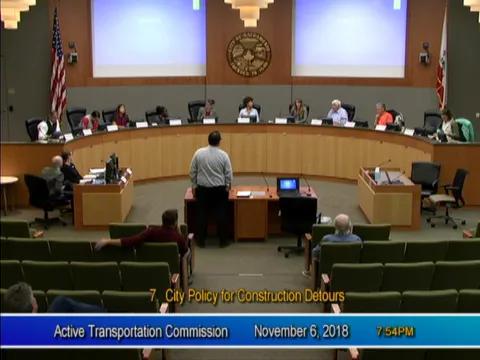
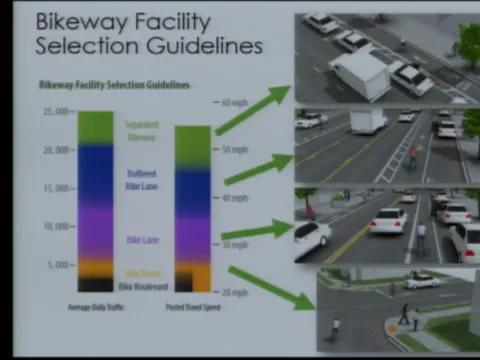
The Active Transportation Commission met on November 6, 2018, at 6:00 p.m. to discuss several information items including commission rules, active transportation grant applications, updates on the Del Rio Trail and Folsom Boulevard Complete Streets projects, and the city's policy for construction detours. The commission also approved consent calendar items and heard public comment. All votes were unanimous. Consent Calendar - Approved the meeting minutes of October 18, 2018. - Received and filed the Active Transportation Commission Log. Public Comments & Testimony - Dan Allison (District 4 resident) expressed concern that the city's sidewalk closure policy disproportionately prioritizes vehicle access over pedestrian and bicyclist access. He provided an example from the Bay Area where an adjacent pedestrian route was maintained during construction and urged the city to give equal consideration to vulnerable road users. Discussion Items - Commission Rules and Procedures (Information Item): Jennifer Gore, Deputy City Attorney, presented draft rules. Discussion focused on requiring roll call votes, meeting length (suggested 8:30 p.m. instead of 10:30 p.m. for a "heat check"), and annual election of chair in December (per Clerk's office preference). No action was taken. - 2018 Active Transportation Program Grant Applications (Information Item): Senior Engineer Bill Shunk explained the competitive ATP grant process, criteria (increased biking/walking, safety, disadvantaged communities), and project readiness. The city submitted three projects: Broadway Phase 2 ($5.4M state/$3.6M regional), Franklin Boulevard Complete Street ($9.3M state/$850K regional), and West Canal bike path (state and regional). He noted that the West Canal project is not in a disadvantaged community, making state funding unlikely, but it competes regionally. The grant award schedule expects state recommendations in December 2018 and regional in February 2019. - Del Rio Trail Project Update (Information Item): Bill Shunk presented a 4.5-mile trail project connecting the Sacramento River Parkway to Freeport Shore bikeways. The design uses existing tracks for a decomposed granite walking path and a separate paved trail where right-of-way allows. Crossing improvements include signals at major roads and RRBs at smaller ones. SACOG tentatively allocated $6 million in construction funding, enough for about half the trail. Staff sought input on starting from the north (connects to existing infrastructure) or south (serves a disadvantaged community, removes a dangerous section on Freeport Boulevard). Commissioners favored starting from the south. - Folsom Blvd Complete Street Project Update (Information Item): Senior Engineer Philip Vulliet presented recent improvements from 65th Street to Elvis Avenue, funded by a SACOG grant. Features include sidewalk gap closures, a 15-foot pedestrian zone, a realigned Elvis Avenue intersection, and green bike lanes. The Ramona Avenue Extension Project (70% complete, finishing January 2019) provides a new connection under US-50, a roundabout with public art, and improved bike/ped access to Sacramento State campus. Future projects include an Elvis Avenue sidewalk connection and more student housing developments. - City Policy for Construction Detours (Information Item): Resident Engineer Matt Johns described the governing documents (CA MUTCD, city specs, sidewalk closure policy). He presented examples of closures and alternate routes. Commissioners and public (Dan Allison) requested earlier notification to stakeholders and better bike/ped detours, especially for long-term projects. Staff agreed to explore updating the policy. Key Outcomes - Consent calendar items approved unanimously. - No formal votes were taken on information items; direction was given for future updates. - Staff will investigate updating the construction detour policy and report back. - The commission expressed a preference for starting the Del Rio Trail construction from the south to serve disadvantaged communities and address safety concerns on Freeport Boulevard. - Commissioner Wardwaller requested that signal timing issues and SABA's convention center bike access plans be placed on a future agenda. - Commissioner Jezzi requested an update on ATP grant awards once available. - The next meeting is scheduled for December 20, 2018; staff will check commissioner availability for that date.
TRANSPORTATION SAFETY 32% · PUBLIC WORKS 21% · TRAIL CONNECTIVITY 13% · ACTIVE TRANSPORTATION 8%
1412
OCT 18, 2018 · SACRAMENTO, CALIFORNIA · ACTIVE TRANSPORTATION COMMISSION
Sacramento Active Transportation Commission Meeting - October 18, 2018

The Active Transportation Commission met on October 18, 2018, at 6:00 p.m. to receive updates on Vision Zero, the Bicycle Master Plan, recent active transportation investments, planning projects, and projects under design. Commissioners discussed funding challenges, equity, safety, and maintenance, and heard public comments on local funding needs and pedestrian safety. Consent Calendar - Approved the meeting minutes of September 19, 2018, the Active Transportation Commission Log, and the Commission Forming Ordinance. Commissioner Ward Waller abstained from the minutes vote but voted in favor of the other two items. Public Comments & Testimony - Jim Brown (Sacramento Area Bicycle Advocates) expressed full support for Vision Zero but urged the city to secure locally controlled funding, stating that reliance on grants is uncertain. He noted that Measure A generates $8 million annually for transportation (50% of the $15 million total budget) and may be repealed. He also advocated for a more robust Bicycle Master Plan update, noting the city spent $150,000 on the plan vs. Stockton’s $500,000, and that the mode share goal of 7% by 2020 is not being met (currently 1.9% and declining). He urged the commission to consider a new ATP grant for a full plan update. - Dan Allison (public) described dangerous pedestrian conditions at J and 13th Street, where the signal often skips the pedestrian cycle and left-turning vehicles conflict with pedestrians. He requested a pedestrian scramble or exclusive pedestrian phase and noted that his 311 reports have not been resolved. Discussion Items - Vision Zero Action Plan (presented by Jennifer Donlon Wyant): Key statistics: Killed or Severely Injured (KSI) increased 6% from 2009-2015; 79% of KSIs occur on 14% of roadway; Sacramento is second worst in California for cities over 250,000 for speed-related and alcohol-involved crashes. The plan includes a High Injury Network, top five corridors, low-cost safety improvements at 10 locations per year, school speed limit evaluations, and a PSA campaign. Commissioners asked about project selection criteria, integration with mode shift goals, and the need for local funding. Staff noted that no local funding source exists for transportation and that they rely on grants and gas tax matches. - Bicycle Master Plan (presented by Jennifer Donlon Wyant): Goals: 7% bike mode share by 2020, zero bicyclist fatalities by 2020, double low-stress bikeway access by 2025, and equitable investments by 2020. The equity analysis used poverty, CalEnviroScreen 2.0, high bike commuting, low auto ownership, and high bicycle collision rates. The plan includes 200 miles of proposed bikeways; short-term projects total $51 million. Commissioners discussed the need for a plan update, funding flexibility, and how projects align with goals. Staff said they are not planning an update soon but would consider commissioner input. - Overview of Recent Active Transportation Investments (presented by Drew Hart): Highlights included road diets, buffered bike lanes, and protected bikeways on 24th Street, 65th Street, C Street/Elvis Avenue, H Street/Carlson, Del Paso/Jackrabbit Trail, Downtown P/Q/10th/J Streets, and Mac Road. Nine pedestrian hybrid beacons were installed. Commissioners asked about motorist pushback; staff noted initial confusion but decreasing complaints over time. Commissioner Cole praised work in South Sacramento and connected staff with local bike groups. - Overview of Transportation Planning Projects (presented by Drew Hart): Active projects include Envision Broadway (community-driven), Systemic Safety Analysis Report (SSAR) used to develop $9 million in HSIP cycle 9 projects, Vision Zero top five corridor studies, school safety study at 20 schools near the High Injury Network, and a Stockton Boulevard Complete Streets Plan (four-mile segment, funded by Caltrans Sustainable Communities grant). Commissioners asked about grant writing processes and proactive vs. reactive safety approaches. - Active Transportation Projects Under Design (presented by Megan Johnson): A comprehensive list of projects in design or nearing construction, including North 12th Complete Street (lane reduction, two-way bikeway, arts/placemaking, construction 2020), Broadway Complete Street (phased, $10 million, first phase funded), Meadow View Road (buffered lanes, 2019-2020), Bell Avenue (consistent bike/ped facilities, 2020), Franklin Boulevard (two projects: raised class four bikeway with lane reduction and tree planting, and a northern extension with buffered lanes connecting to Elk Grove), Downtown Mobility (next phase of protected bikeways on 9th, 19th, 21st streets, two-way conversion on 5th), Fruit Ridge (re-evaluating for road diet), school access projects on El Camino, and trails including Del Rio ($12 million, under funding review), South Sacramento Parkway, Two Rivers, Sacramento River, Valley Station Connector, and May Funk Park. Commissioners asked about design details (curb types, buffer widths), maintenance, and the impact of SB1 repeal. Staff read a statement that without SB1, the city can only do basic operations and emergency repairs. Key Outcomes - All information items (Vision Zero, Bicycle Master Plan, recent investments, planning projects, projects under design) were received and filed. - The commission discussed the possibility of moving the next meeting (scheduled for November 6, 2018, election night) to a later date due to conflicts. Staff will poll commissioners via email and coordinate with the clerk’s office to reschedule if needed. - Commissioners requested reports on: North 12th Street project, Del Rio Trail implementation, Sacramento River Trail easements, and facility maintenance (signs, markings, sweeping). Staff will coordinate presentations for future meetings. - Commissioner Haupt raised issues with improperly parked Jump bikes and the lack of bike racks at the Front Street Animal Shelter and Auto Museum. Staff advised reporting via 311 phone or website and noted that Jump bike issues can be reported to support@jumpbikes.com. Staff will follow up on bike rack requests.

VISION ZERO 16% · BICYCLE MASTER PLAN 16% · TRANSPORTATION PLANNING 14% · URBAN DESIGN 13%
1413
OCT 17, 2018 · SACRAMENTO, CALIFORNIA · PRESERVATION COMMISSION
Sacramento Preservation Commission Meeting: Mid-Century Landmarks and A Street Annex Delisting on October 17, 2018

The Sacramento Preservation Commission met on Wednesday, October 17, 2018, starting at 5:30 p.m. in the City Hall Council Chamber. The meeting was called to order by Vice Chair Jacqueline Whitelam (Chair Ryan Marshack absent). Commissioners present: Caru Bowns, Ryan Miller, Chad Moffett, Alice Valania, and Jacqueline Whitelam. Staff present included Preservation Director Carson Anderson, Associate Planner Sean de Courcy, Urban Design Manager Bruce Monighan, and Senior Deputy City Attorney Kourtney Burdick. The meeting covered approval of previous minutes, public comments, two public hearings (four mid-century modern landmark nominations and the A Street Annex delisting and demolition request), a preliminary concept review for N Street Townhomes, and the Director's Report. Consent Calendar - Motion (Moffett/Bowns) to approve the September 5, 2018, minutes as amended, noting Commissioner Valania's recusal from Item 5 of those minutes. Approved 4-0-1 (Marshack absent). Public Comments & Testimony - William Burg, President of Preservation Sacramento: Invited the commission and public to a walking tour of Del Paso Boulevard on Saturday, October 20, 2018, from 2–4 p.m., starting at Burley Beverages. Described the tour's historical stops and noted it was free and open to the public. - Susan Henas: Announced that the Mid-Century Modern in the History of Sacramento context statement and survey received a 2018 Governor's Historic Preservation Award. Congratulated Preservation Director Carson Anderson, Sacramento Modern President Gretchen Steinberg, architectural historians Mark Bowen and Chad Moffett, and many volunteers. Invited the public to the awards ceremony on Thursday, November 1, 2018, from 1–4 p.m. at the Clunie Community Center in McKinley Park. Discussion Items Item 3: Mid-Century Modern Landmark Nominations (M18-011) Staff presented four properties recommended for individual landmark designation on the Sacramento Register: Shepard Garden and Arts Center (3330 McKinley Blvd), Gunther's Ice Cream (2801 Franklin Blvd), the Sacramento County Courthouse (720 9th Street), and the Chase Bank building (4701 Freeport Blvd). These resulted from a citywide survey involving approximately 28 volunteers who documented roughly 1,800 mid-century modern properties. Staff recommended approval. Public comment included: - Gretchen Steinberg (Sacramento Modern President): Expressed full support for all four nominations, highlighting their architectural and community significance. - William Burg: Stated Preservation Sacramento's support. - Roberta Deering: Supported the nominations and proposed specific amendments to the eligibility findings and significant features for the courthouse (720 9th Street) and the Shepard Garden and Arts Center (3330 McKinley Blvd), including recognition of International Style elements, inset first floor, sunscreen patterning on all facades, and collaborative design. For the courthouse, she also recommended adding mention of exterior precast concrete louvers, Formalist courtyard landscape, interior floor-to-ceiling doorways, and wood paneling. For the Shepard Center, she suggested adding entry walkway pilotis, stone masonry chimney, interior copper fireplace hood, and banks of windows in various configurations. Staff accepted the suggested amendments. The commission unanimously supported the nominations. Item 4: A Street Annex Demolition and Site Modifications (PB18-028) This public hearing addressed the request by Blue Diamond Growers to delist the Annex building (131 North 16th Street) as a contributing resource to the North 16th Street Historic District and to demolish it to allow truck maneuvering and parking. The building was listed as a contributor in 2011 as part of the River District Specific Plan. Staff recommended denial, concluding the building continues to meet criteria for listing. Applicant Presentation: Blue Diamond representatives (Nick Avdis, attorney; Darrell Nelson, Director of Major Projects; and Alicia Rockwell) argued that a new structural assessment by Dudek showed the building had been significantly altered and no longer warranted contributing status. They emphasized the company's stewardship of historic buildings on their 11-block campus (1.8 million square feet of processing space, $40 million in renovations over five years, 1,500 employees) and the need to improve traffic safety and logistics. Public Comment: Several speakers opposed the delisting: - William Burg (Preservation Sacramento): Argued the Dudek report was flawed and that the building retains historic integrity. He noted that Preservation Sacramento representatives had been told Blue Diamond would not conduct an EIR and would rather go to court. - Vivian Gerlach (Central City resident): Questioned why Blue Diamond was avoiding environmental review, stating delisting was an "end run around CEQA." - Matthew Piner: Read a statement from Don Cox (Historic Environment Consultants) disputing the Dudek evaluation, noting the building's original brick and concrete elements remain, and that many changes are over 50 years old and have their own significance. - Roberta Deering (former Preservation Director): Supported the staff recommendation and urged consideration of adaptive reuse alternatives. Commission Discussion: Commissioners expressed concern about the process of delisting a contributing resource without full environmental review. Commissioner Moffett stated the Dudek report "missed the mark" and that the building clearly contributes to the district. Commissioner Valania echoed support for staff recommendation. Chair Whitelam emphasized process concerns and the precedent that would be set. The commission approved a motion (Moffett/Valania) to recommend City Council deny the project: (A) CEQA exemption for denial, (B) deny delisting request as the building meets criteria for listing, and (C) deny site plan and design review because demolition is inconsistent with City Code and General Plan policies. However, the commission noted they could not reach a conclusion on Site Plan and Design Review due to insufficient information regarding the project for required findings. Item 5: N Street Townhomes Preliminary Concept (M18-020) This was a review-and-comment session for an infill 11-unit, three-story townhome development at 2618-2626 N Street, within the Winn Park Historic District. Two of three parcels are vacant. Staff received one letter of enthusiastic support from the Midtown Association. Architect Sarah Ellis (Ellis Architects) and developer representative Marissa Colecchi presented conceptual designs with six units fronting N Street and five units accessed from an alley via an internal drive court. Materials include brick and cement plaster, referencing colors of adjacent structures. The project includes two-car garages per unit, raised front porches, and roof decks. Commission Comments: Commissioners raised concerns about: - Massing and scale: The six-unit facade is too large and does not step down to adjacent historic buildings. The flat roof contrasts with the pitched roofs of surrounding historic structures. - Side setbacks: Zero lot line conditions and a five-foot pedestrian walkway on the east side adjacent to a landmark (Young Ladies' Institute). - Roof decks: Potential for later additions (umbrellas, tents) that could detract from the historic district character. - Front setback: While larger than required, it was noted that the design does not respect the rhythm of individual lots in the historic district. - Height: The parapet at 31 feet plus the roof access structure (9 feet) may exceed height limits and require a deviation. - Lot coverage: Likely over 60%, which may exceed zoning limits. - Parking court dimensions: Tight maneuvering space. Commissioner Moffett recommended engaging a historic preservation professional early in design. The project is still conceptual; developer noted they will consider the feedback. Director's Report Preservation Director Carson Anderson reported: - Staffing changes: New preservation intern Michelle Trujillo; promotions: Scott Johnson to Senior Environmental Planner, Remy Mendoza to Senior Planner in long-range planning. - Historic District Plans: Consultants Paige & Turnbull completed surveys; administrative draft context statement expected soon. Public workshop possibly late November/early December; presentation to Commission scheduled for January 16, 2019. - Mills Act Program: Effective September 14, 2018; no applications received yet. - Historic Places Grants Program: $200,000 one-time funding; application deadline expected early December 2018. - Historic City Cemetery: Subcommittee meeting on horticultural guidelines on October 24, 2018; Technical Advisory Committee meeting postponed to November. - Senate Bill 35 briefing to be presented to Commission at a future meeting. Key Outcomes 1. Consent Calendar: Approved with amendment noting Commissioner Valania's recusal. (4-0-1) 2. Mid-Century Modern Landmark Nominations: Motion (Valania/Miller) to approve staff recommendation with amendments from Roberta Deering to eligibility findings and significant features for the courthouse and Shepard Garden Center. Approved 4-0-2 (Marshack absent, Moffett abstained). 3. A Street Annex (delisting and demolition): Motion (Moffett/Valania) to approve staff recommendation to deny the project, including delisting and site plan review. Approved 4-0-1 (Marshack absent). Staff will include in the report to City Council the Commission's concerns regarding the process of delisting a contributing resource without environmental review. 4. N Street Townhomes Preliminary Concept: No vote; review and comment only. Commission feedback to be considered by applicant before formal application. 5. Director's Report: Received and filed. Meeting adjourned at 8:25 p.m.

HISTORIC PRESERVATION 51% · LAND USE PLANNING 14% · PUBLIC COMMENTS 11% · PROCEDURAL 9%
1414
OCT 8, 2018 · SACRAMENTO, CALIFORNIA · ARTS, CULTURE, AND CREATIVE ECONOMY COMMISSION
Sacramento Metropolitan Arts Commission Meeting – October 8, 2018

The Sacramento Metropolitan Arts Commission (SMAC) met on Monday, October 8, 2018, at 2:00 p.m. The meeting included a special presentation by a Creative Economy Grant recipient, action on a public art selection for the Convention Center and Community Center Theater (CCT) project, deaccession of an artwork due to demolition, and updates on the Arts Consortium, Cultural Plan, and committee reports. Commissioners also heard public comments regarding local artist inclusion and equity. Special Presentation - Vincent Damyanovich, recipient of a Creative Economy Grant, presented his LED-enabled sculpture Living Colors: An Interactive Art Experience. He described his journey from special effects makeup to large-scale interactive art, emphasizing themes of community connection and mental health. The grant amount was approximately $25,000, with a total project cost of about $49,000. The sculpture is mobile and has been displayed at SMUD and the George Sim Community Center; future locations include the North and Thomas Library and a return to SMUD. Damyanovich noted the importance of artist-business skills and suggested the city continue streamlining the grant process. Consent Calendar - Approval of Minutes: Unanimously approved the Sacramento Metropolitan Arts Commission Special Meeting Minutes dated September 10, 2018. (Motion by Commissioner Winlock, second by Commissioner Vismara; all in favor.) Discussion Items - Item 2 – Convention Center and Community Center Theater (CCT) Public Art Selection: Staff recommended selecting artists Einar and Jamex de la Torre for the design phase of a public art concept at the corner of J and 13th Street. Lennée Eller presented the artists' preliminary proposal featuring a large heart-shaped metal cutout with lighting, intended as an iconic piece representing Sacramento as the heart of California. The selection panel evaluated over 300 applicants. Commissioners discussed the heart's realism, materials (stainless steel, possible stone), and cultural relevance. Staff noted that future phases will include local artist opportunities (haiku workshops, studio work, digital art). Motion to approve the selection passed unanimously. (Motion by Commissioner Meritz, second by Commissioner Wallace.) - Item 3 – Deaccession of Artwork Skylight by Joseph Distefano: The artwork, located on the Convention Center's East Terrace, was in very poor condition due to weather and age. The artist is unable to restore it, and the site will be demolished for the CCT expansion. Staff requested waiver of the appraisal requirement, as appraisal costs would exceed value. The city attorney concurred. Commissioners voted unanimously to approve deaccession and waive appraisal, with a suggestion to offer any salvageable pieces to the artist. Reports and Updates - Item4 – Arts Consortium Update (Oral Report): Vice Chair Steve Winlock reported that the consortium is developing a strategic plan with the Kaufman Group and applying for a $1 million federal Title I grant for arts education. The grant would support a community-of-practice model for district art leads, lead teachers, and arts organizations to build capacity in arts education. - Item5 – Update on Cultural Plan (Oral Report): Director Jonathon Glus noted progress on the city's equity audit, with the new Director of Equity showing interest; the equity summit planning is underway. - Item6 – Outreach and Advocacy Committee Report: No meeting held. - Item7 – Grants and Education Committee Report: No meeting held. - Item8 – Art in Public Places Committee Report: Commissioner Ishmael (not present) reported via summary that the committee prepared the two agenda items voted on. - Item9 – Director’s Report: Glus introduced new staff member Susanna, welcomed the Arts and Justice Conference at Sac State, and noted that grants manager Ray is convening citywide grant managers to find efficiencies. - Item10 – Chair Person’s Report: Chair Jason Silva highlighted the successful “Tearing Walls Apart” event with over 350 high school students, celebrated next-generation artists, and requested staff provide detailed accounting of public art funding (2% for art) broken down by total project cost vs. funds used, including local economic impact. Public Comments & Testimony - Jade Nicole (spoke multiple times): Representing Magnum Opus and local artists, she urged the commission to include more local artists in projects. She read a letter from artist Sonia Fay, who criticized Sacramento’s art scene as rigid, excluding female and minority artists, and favoring safe, male-dominated work. Nicole also asked that the arts consortium consider organizations like Sojourner Truth Museum and Art Nurs Collaborative for underserved communities in South Sacramento. Key Outcomes - Votes: - Consent calendar minutes approved unanimously. - Public art selection for J and 13th Street (Einar and Jamex de la Torre) approved unanimously. - Deaccession of Skylight with waived appraisal approved unanimously. - Directives: Staff asked to provide clear accounting of 2% public art funding breakdown (total project cost vs. applied amount) and to track local economic spending from artist commissions. - Next Steps: The Arts Consortium grant application due next week; Cultural Plan equity audit and summit in progress; future phases of CCT public art (local artist opportunities) to come to commission in early 2019.

ARTS AND CULTURE 47% · PUBLIC ART 23% · PUBLIC COMMENTS 12% · CREATIVE INDUSTRIES 7%
1415
SEP 26, 2018 · SACRAMENTO, CALIFORNIA · UTILITIES RATE ADVISORY COMMISSION
Utilities Rate Advisory Commission Meeting Summary – September 26, 2018

This meeting of the Sacramento Utilities Rate Advisory Commission (URAC) was held on September 26, 2018, at 5:30 p.m. in City Council Chambers. The commission reviewed the quarterly accountability update from the Department of Utilities, heard the director’s report on rate assistance and water efficiency programs, and discussed a business reimbursement initiative for the 9th Street utility project. No public comments were made. Consent Calendar - Item 1 – Approval of Minutes for June 27, 2018: Motion to approve carried unanimously (5-0). Discussion Items - Item 2 – Department of Utilities Accountability Plan Quarterly Update: Ryan Pham, Business Services Manager, presented a high-level summary of the department's performance commitments and financial status. Key financial figures included: - Drinking water State Revolving Fund loan of $173.1 million (approved December 2017), of which $22 million had been expended and $46.3 million encumbered as of September 4, 2018, primarily for the accelerated water meter program. - Series 2017 water revenue bonds of $62.6 million, with $58.1 million expended and $4.4 million encumbered as of the same date. - Wastewater bonds expected to be issued in late 2018; interim capital projects funded by pay-go funds from FY2018-19 budget. - Commissioner Anthony Thomas asked about the relationship between the $173.1 million total and the $22 million expended, leading to a discussion about clarifying the language in future reports. The department agreed to revise the phrasing. - Director’s Report – Bill Busath: Focused on two topics: - Utilities Rate Assistance Program: Approximately 8,750 participants, stable after a peak of about 9,200. FY18 expenditures totaled $1.75 million for rebates and administration. An automated recertification process (leveraging SMUD’s database) helped maintain participation. Five nonprofit housing providers received assistance via SMUD.<br- Water Efficiency Initiatives: Emphasis on “wise and efficient” water use rather than conservation. Key programs included the My Water Pledge (city ranked 7th), Mulch Mayhem (350 yards of mulch distributed), river-friendly landscape design rebates (up to $150 advance for design), smart controller rebates (fully covered), leak detection via automated meter monitoring, and tree care outreach due to drought stress. - Commissioner Discussion – Business Reimbursement for 9th Street Project: Commissioner Keith Ellis asked about compensation for businesses negatively impacted by the 9th Street utility project (completed August 2018). Director Busath stated that the department, in coordination with the city council member, decided to offer $5,000 per business to 12 businesses, requiring a hold harmless agreement. This was a voluntary, unprecedented gesture. Commissioner Andrew Day asked about the decision process and potential liability concerns; staff clarified no specific threats had been identified. Key Outcomes - The commission received and filed the accountability update and director’s report without formal vote. - Staff will revise the wording in the accountability report to better explain the relationship between loan amounts, expended funds, and encumbrances. - The department committed to providing Commissioner Anthony Thomas with the names of the five nonprofit organizations receiving rate assistance. - A future presentation on the storm drainage system (similar to one given at the Water Advisory Committee) will be brought to the commission in October or November 2018. - Meeting adjourned after member comments and announcements, including an invitation to an event at the 28th Street landfill on October 30, 2018.

UTILITIES 48% · BUSINESS REGULATION 15% · WATER MANAGEMENT 10% · PROCEDURAL 7%
1416
SEP 19, 2018 · SACRAMENTO, CALIFORNIA · ACTIVE TRANSPORTATION COMMISSION
Active Transportation Commission Meeting - September 19, 2018

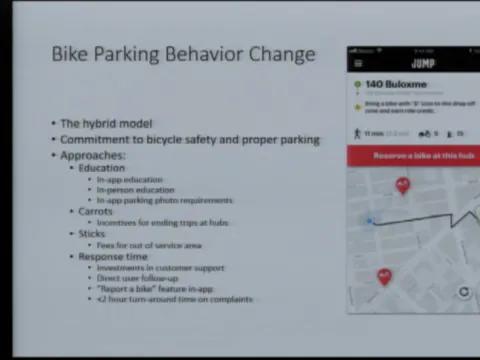
The Active Transportation Commission met on Wednesday, September 19, 2018, at 6:00 p.m. in open session. The meeting included consent calendar approval, a transportation funding overview, a motion to support U.S. Bike Route 50, an update on the JUMP bike share program, and a discussion on proposed revisions to shared rideable regulations. Commissioners also provided input on future agenda priorities. Consent Calendar - Item 1: Approved meeting minutes of August 23, 2018. Motion by Commissioner Carpenter, seconded, passed unanimously. - Item 2: Received and filed the Active Transportation Commission Log. Commissioners discussed prioritization of items; staff indicated they would align topics with staff availability and grant schedules. Public Comments & Testimony - Jim Brown (Sacramento Area Bicycle Advocates) expressed support for the direction of the proposed shared rideable regulations, emphasized the need for on-street infrastructure for bikes and e-scooters, and urged creative parking solutions to avoid conflicts at bike racks. - Kieran Kumar (Walk Sacramento) endorsed the regulatory revisions, stressed no sidewalk riding (state law), recommended alternative enforcement mechanisms (e.g., parking enforcement), and called for equity outreach to ADA and aging communities. - Russell Rawlings (Resources for Independent Living) offered the organization as a resource for the commission on accessibility issues. - Dan Allison (submitted comment) opposed requiring scooter vendors to provide bicycle parking, advocated for painted on-street corrals (like Seattle), and argued that loss of auto parking revenue should not be penalized as mode shift is a positive benefit. Discussion Items - Item 3 – Transportation Funding Overview: Lucinda Wilcox (Public Works) presented the city’s transportation funding sources, including gas tax, Measure A sales tax, and new SB1 funds. She noted a $179 million deferred pavement maintenance backlog, a PCI of 66 (fair), and that 80% of capital projects come from development fees. Prop 6 would result in an $8–9 million annual loss for preventative maintenance. Commissioners asked about neighborhood prioritization, general fund support, and comparisons to similar cities; staff agreed to investigate funding differences. - Item 4 – U.S. Bike Route 50: Drew Hart (Public Works) described the proposed designation of existing routes. The route through Sacramento uses the American River Parkway, Sacramento River Parkway, and 2nd Street to the Tower Bridge. All but five jurisdictions along the route have indicated support. The commission voted to forward a recommendation to the Public Works Director for a letter of support. Motion passed unanimously. - Item 5 – JUMP Bike Share Update: Alex Hagelin (Uber/JUMP) reported 80% month-over-month trip growth, over 350,000 miles traveled, and parking complaints at only 0.3% of trips. JUMP is building to 900 bikes by end of October, has installed over 600 bike parking racks in Sacramento, and is developing an equity plan (Boost membership at $5/year). Commissioners discussed service area expansion, education on riding etiquette, and community partnerships. Staff noted that complaints should be reported via 311. - Item 6 – Proposed Revisions to Shared Rideable Regulation: Jennifer Donlon Wyant (Public Works) presented a draft revision including a parking fee ($355/device), monitoring fee ($156/device/year), and meter revenue loss fee. Staff recommended the city install parking rather than vendors, require equity plans, and not limit vendor numbers. Commissioners discussed sidewalk riding enforcement (state law prohibits e-scooters on sidewalks), equity outreach, and the need for infrastructure funding. Public comment supported the direction and urged creative parking solutions. Key Outcomes - Consent Calendar: Approved. - U.S. Bike Route 50: Motion passed to recommend a letter of support from the Public Works Director. - Shared Rideable Regulations: Staff will continue public outreach (including to Disability Advisory Commission), refine the code, and aim for Law and Legislation Committee review in November 2018 and City Council action in January 2019. - Commission Priorities: Commissioner Coffer requested elevating items on Vision Zero, equity in investment, police bait bike program, and jaywalking citations for future meetings. City attorney noted that adding standing items would require charter amendments but that items can be requested for future agendas by contacting staff.

BICYCLE SAFETY 20% · SHARED MOBILITY REGULATION 19% · TRANSPORTATION PLANNING 13% · PUBLIC TRANSPORTATION 9%
1417
SEP 10, 2018 · SACRAMENTO, CALIFORNIA · COMMUNITY POLICE REVIEW COMMISSION
Sacramento Community Police Review Commission Regular Meeting - September 10, 2018

The Sacramento Community Police Review Commission convened at 6:00 p.m. on Monday, September 10, 2018, in the City Hall Council Chamber, with open session called at 6:01 p.m. and adjournment at 8:46 p.m. Present were Chair Basim Elkarra, Vice Chair Mariana Sabeniano, Wendy Hoyt, Kiran Savage-Sangwan, Renee Carter, Erandi Zamora, Richard Falcon, Johnny Coleman, and Mario Guerrero. Members Eddie Escobar and Sam Kinsey were absent. The Commission approved minutes, heard presentations on the Brown Act and Sacramento Police Department programs, revised its Ad Hoc recommendations, and created a new ad hoc committee. Consent Calendar - Approved the August 13, 2018 Commission meeting minutes via unanimous consent motion (Hoyt/Guerrero), after corrections were noted regarding a recorded vote and a reference to a Senate bill. Public Comments & Testimony - Dennis Hewlett: Urged more frequent, ideally monthly, release of use-of-force data rather than annual; suggested the Commission adopt principles similar to AB 931 before the state acts, including clear definitions of terms and consequences for policy violations; and recommended independent third-party review of body-worn camera footage instead of police self-review. - Joshua Robinson: Argued that a prerequisite to successful diversity recruitment is a public-relations campaign by SPD acknowledging historical racism, civil rights-era abuses, and mass incarceration. He stated the burden of trust is on the police and said impactful black and brown community members will not join until the department admits past mistakes. He also expressed frustration that his repeated comments had not been placed on the agenda. Discussion Items - Brown Act Presentation (Item 2): Deputy City Attorney Audreyell Anderson presented an overview of the Brown Act, including the City Attorney's role as legal advisor, serial meeting prohibitions (daisy chain and hub-and-spoke examples), limits on discussing non-agendized items, public comment rights, and motion procedures. The Commission received and filed the presentation. - SPD Response to Commission Ad Hoc Recommendations (Item 3): Sacramento Police Department Captains Kathy Lester and Mark Greenley presented responses to the Commission's accountability and diversity recommendations. - On accountability, Captain Lester said the department releases use-of-force statistics and will expand data collection under AB 953/RIPA in 2019. She described current use-of-force policy language on de-escalation and reassessment, a new foot pursuit policy requiring specific articulable facts and rejecting flight alone as justification, and body-worn camera policy updates including monthly audits and supervisor reviews. She stated that granting the Commission independent investigatory authority was outside the Police Department's scope and a Mayor/Council matter. There was a discrepancy over AB 931: Captain Lester described it as delayed until fall, while Commissioner Guerrero said it had failed and would need to be reintroduced in a different vehicle. - On diversity, Captain Greenley reported declining applications from about 6,000 in 2013 to roughly 3,500, a 50-65 percent written-test pass rate, and about 50 percent applicant attendance at testing. He expressed full support for several recommendations, including outside review of recruitment programs, diverse background investigators and hiring panels, bias-free training, and city auditor review of applicant data. He noted union contract limitations on some incentives and described existing programs such as SPD Strong boot camp, hiring workshops, LINKS to Law Enforcement, and the Law Enforcement Candidate Scholars program. - SPD Inputs and Commission Revisions (Item 4): After receiving SPD feedback, the Commission voted by two-thirds to waive formal City Council rules to reconsider its prior August 13 motion. It then approved revised Diversity Ad Hoc Committee recommendations, incorporating changes to emphasize diversity throughout the hiring process, test-preparation workshops, priority for local applicants, surveys of no-show applicants, ethnic studies coursework, a diversity and cultural change plan, and a public-relations/dialogue campaign acknowledging historical racism. For Accountability Ad Hoc recommendations, the Commission approved a focused recommendation that Sacramento adopt a deadly-force standard of 'only when necessary and when reasonable alternatives have been exhausted,' with use-of-force policy data on demographics and force type posted publicly monthly. Body-worn camera and foot pursuit policy recommendations were deferred for further review at the October 2018 meeting. Commissioner Hoyt expressed discomfort with dropping body-worn cameras from the package, citing community concern after the Stephon Clark shooting and the importance of body-worn camera policy to trust and accountability. - Mental Health and Substance Abuse Training and Protocols (Item 5): Lieutenant Dan Monk presented SPD's mental health and homelessness programs. He reported 35,000 homelessness-related calls in 2016, 41,000 in 2017, and a pace exceeding 45,000 in 2018. He described the IMPACT team (one sergeant, six officers), the Mobile Crisis Support Team pairing officers with county clinicians, Crisis Intervention Training (40 hours for officers), mental health investigators, a peer navigator, and plans to hire a social worker and create a multidisciplinary team. The Commission received and filed the presentation. - Select Ad Hoc Membership (Item 6): The Commission established a new ad hoc committee to evaluate SPD training and protocols for interactions with people living with mental illness or substance abuse disorders. Commissioners Guerrero, Falcon, and Savage-Sangwan were appointed. The committee was tasked to report back, research best practices, and educate the Commission on community outreach assistance. Key Outcomes - Consent calendar approved. - Brown Act presentation and SPD presentations received and filed. - Revised Diversity Ad Hoc recommendations approved for presentation to Mayor and Council. - Accountability Ad Hoc recommendation prioritized: deadly force standard and monthly public reporting of use-of-force data; body-worn camera and foot pursuit policies deferred to October 2018. - New ad hoc committee created with members Guerrero, Falcon, and Savage-Sangwan. - Meeting adjourned at 8:46 p.m. Commission Comments & Outreach - Commissioner Guerrero expressed frustration with the parallel SPD Use of Force Committee and sought more transparency about its membership and processes. - Commissioner Zamora urged the Commission not to forget other recommendations, including body-worn cameras and discipline. - Several commissioners discussed community outreach needs, including recruitment of women, dialogue between police and communities of color, and sanctuary-city policy follow-up.

POLICE POLICY REVIEW 33% · COMMUNITY POLICING 17% · MENTAL HEALTH 11% · PUBLIC SAFETY 10%
1418
SEP 5, 2018 · SACRAMENTO, CALIFORNIA · PRESERVATION COMMISSION
Preservation Commission Meeting – September 5, 2018

The Sacramento Preservation Commission met on Wednesday, September 5, 2018, from 5:30 p.m. to 8:39 p.m. in the City Hall Council Chamber. The commission approved minutes, held a public hearing on a multifamily development in the Boulevard Park Historic District, reviewed preliminary concepts for the Eastern Star Building hotel adaptive reuse, commented on a revised Section 110 determination for the John E. Moss Federal Building, and received the Director’s Report. Consent Calendar - 1. Approval of Minutes of August 15, 2018: Moved, seconded, and carried (Moffett/Miller) 5‑0 to approve with an amendment to the wording of Item 5: "However, if deficiencies in the project can be addressed such that the standards are met, then the project can be approved. Addressing deficiencies can be worked out with preservation staff based on stated commission concerns." Public Comments & Testimony - Item 2 – Matters Not on the Agenda: William Burg, Board President of Sacramento Heritage Inc., announced two free Preservation Academy workshops: “Preservation 101” on September 9, 2018 (1–5 p.m., Cata Courtyard, 1322 O Street) covering Sacramento Register nominations, Mills Act, and grants; and a window restoration workshop on October 14, 2018 (same location, limited seating). He invited commissioners and the public to attend. - Item 3 – I & 23rd Multifamily Development (Public Hearing): Six speakers gave public comment: - Jameson Parker (Midtown Association) expressed strong support, citing the need for additional housing in the central city and noting 1,000 units under construction. He urged approval to address the affordability crisis. - Rick Houston (neighborhood resident) opposed removal of the black walnut tree, describing it as a “living monument” and arguing the project benefits only the developer, not community housing needs. - Debra van Hulsteyn (nearby resident) questioned why no photo of the tree in leaf was shown, suggested the tree could coexist with a different design, and noted its age (80+ years) and health. She spoke emotionally about the tree’s value. - Jaeme Poncin (neighbor) delivered a poetic statement about the tree’s beauty and significance, urging its preservation. She exceeded her time limit and was asked to conclude. - Daniel Pskowski (degreed arborist, 40 years experience) argued the black walnut could be preserved; criticized the lack of root excavation; claimed roots in Sacramento soil often grow straight down; and noted the tree is healthy and a heritage asset. - Ryan Wagner (property manager of adjacent building) supported the project, stating the tree’s limbs had damaged cars and its roots had jeopardized the adjacent building’s foundation (verified by city arborists). He said his family owns the neighboring building and strongly supports the development. - Item 4 – Eastern Star Building Hotel Adaptive Reuse: Three speakers: - William Burg (resident) questioned whether the proposed height (zone C2‑SPD) exceeds the 85‑foot limit and noted that loss of interior historic fabric (the auditorium) may constitute a negative impact requiring mitigation. - Margaret Piner (representing Eastern Hall/New Hope) stated the Eastern Star name cannot be used for the hotel; requested that the auditorium space—part of the original historic preservation application—be retained; and expressed openness to adaptive reuse. - Josh Pane (lifelong resident) praised the adaptive reuse concept, asked the commission to encourage retention of the roof deck element, and urged moving the project forward. Discussion Items - Item 3 – PB17-067 I & 23rd Multifamily Development (continued from August 15, 2018): Staff presented a proposal for two residential apartment buildings totaling seven units and a seven‑stall garage on a 0.22‑acre vacant lot at 2226 I Street in the Boulevard Park Historic District. The project required deviations for height, setbacks, and trash bins in lieu of an enclosure, plus a tree permit to remove two city street trees, prune five others, and remove a private protected 47‑inch‑diameter black walnut. Staff analysis found the project consistent with Secretary of Interior Standards for new construction, and the deviations met code intent. Urban Forester Kevin Hawker estimated the walnut tree at 60–80 years old, healthy but structurally compromised. Staff received 12 email comments, with most concerns about the tree; Midtown Association and others supported the project. The applicant, architect/developer Ron Verlaccus, described the design as row houses inspired by historic context, with the garage tucked behind to minimize curb cuts. He cited an arborist report rating the tree a hazard (10/12) due to neglect and imminent branch failure. Commissioners discussed the tree’s health, alternative designs, and the balance between infill housing and tree preservation. A motion to approve staff recommendations (CEQA exemption, no significant impact to historical resources, site plan/design review with deviations, and tree permit) was made and seconded. Vote: 4‑0‑1 (Commissioner Marshack recused; Vice Chair Whitelam presiding). The motion carried. - Item 4 – M18-018 Eastern Star Building Hotel Adaptive Reuse (Preliminary Concept): Carson Anderson introduced the project as a pre‑submittal concept to convert the historic Eastern Star Building at 2719 K Street into a select‑service hotel. The applicant, developer Roger Hume, proposed preserving the front facade, lobby, and grand staircase, adding four stories set back about 30 feet from K Street, and converting upper floors to hotel rooms. The auditorium would be partially retained as a meeting room/bar/lounge with 24‑foot ceilings and historic chandeliers. Commissioners reviewed updated renderings and floor plans. Discussion focused on height compliance (zone limit 85 feet), window preservation (keeping historic windows on the front and side elevations), the loss of the auditorium space (only a small meeting room retained), and the need for a formal analysis against Secretary of Interior Standards. Commissioner Valania noted the building’s National Register significance as an Eastern Star hall—a rare women‑oriented fraternal building—and expressed concern that the proposed loss of interior fabric might compromise its eligibility. Commissioner Moffett appreciated the effort but wanted more study. Commissioner Whitelam suggested retaining one large window in the meeting room to preserve the sense of volume. The commission offered comments for the applicant to consider before a formal application. - Item 5 – John E. Moss Federal Building Revised Section 110 Determination of Eligibility: Carson Anderson reported that the GSA’s Historic Preservation Officer had originally deemed the building ineligible but, after receiving comments from the City, Sacramento Heritage, SAC/MAUD, the State Office of Historic Preservation, and others, revised the determination to find the building eligible for the National Register. Commissioners praised the outcome and agreed to send a letter thanking GSA for reconsideration and affirming the revised eligibility. - Item 6 – Director’s Report: Carson Anderson updated the commission on the Mills Act program (city council approved revamped ordinance August 14, effective September 14; public workshop September 9), progress on historic context statements for 20 districts, upcoming meetings with development community and AIA on historic district plans, and staffing updates. He announced that the city’s mid‑century modern survey report received the 2018 Governor’s Award for Preservation. Key Outcomes - Item 1 – Consent Calendar: Approved (5‑0) with amendment to August 15 minutes wording on Item 5. - Item 3 – PB17-067 I & 23rd Multifamily Development: Approved (4‑0‑1, Marshack recused). Approval includes the CEQA exemption (Sections 15332 and 15300.2(f)), site plan and design review with requested deviations (height, setbacks, trash bins), and the tree permit for removal of two city street trees, non‑standard pruning of five city trees, and removal of the 47‑inch black walnut, subject to conditions including replanting one 24‑inch box tree and a $17,000 tree replacement fee per code. - Item 4 – Eastern Star Building Hotel: Received and commented; applicant encouraged to address commission concerns before formal application (height, window retention, auditorium retention, Secretary of Interior Standards analysis). - Item 5 – John E. Moss Federal Building: Reviewed and commented; commission directed staff to draft a letter to GSA affirming the revised eligibility determination. - Item 6 – Director’s Report: Received and filed. - Commissioner Comments – Item 7: Commissioner Whitelam requested a future report on SB 35 and its implications for infill design guidelines in historic settings. Staff noted the item would be brought back from long‑range planning.

HISTORIC PRESERVATION 26% · ARCHITECTURE 20% · URBAN FORESTRY 17% · LAND USE PLANNING 11%
1419
SEP 4, 2018 · SACRAMENTO, CALIFORNIA · BUDGET AND AUDIT COMMITTEE
Budget and Audit Committee Meeting - September 4, 2018

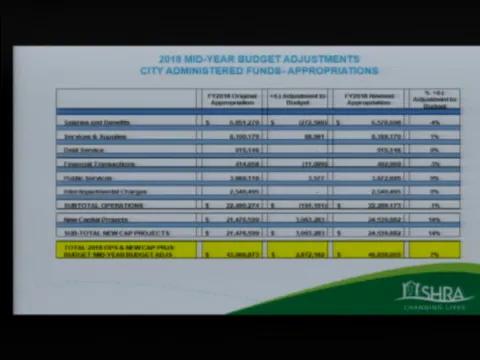
The Budget and Audit Committee met on Tuesday, September 4, 2018, at 2:00 p.m. in the City Hall Council Chamber. The meeting was chaired by Mayor Darrell Steinberg, with members Rick Jennings and Jay Schenirer present (Angelique Ashby absent). The committee approved the consent calendar, forwarded proposed cannabis distribution business fees to the City Council, and received and filed the Sacramento Housing and Redevelopment Agency (SHRA) mid-year budget overview and the 2017 Comprehensive Annual Financial Report (CAFR). The meeting adjourned at 2:34 p.m. Consent Calendar - Item 1 – Meeting Minutes: The committee approved the minutes from the May 29, June 12, and June 26, 2018, Budget and Audit Committee meetings by a 3-0 vote. Public Comments & Testimony - No public comments were heard on matters not on the agenda. However, near the end of the meeting, Jeffery Tardaguila requested to speak but was directed by the Mayor to return for the evening City Council session. (Note: The agenda listed a public comment from Mr. Tardaguila under Item 4, but the minutes state no public comments were taken. The transcript indicates his comment was deferred.) Discussion Items - Item 2 – Proposed Business Operating Permit Fees for Cannabis Distribution Businesses: Joe Devlin, Chief of the Office of Cannabis Policy and Enforcement, presented the proposed fee schedule. The fees range from $9,000 to $30,000 per permit, based on gross receipts, and are intended to be cost-recovery for enforcement of both regulated and illicit markets. The city collected $3.7 million in cannabis tax revenue in the prior fiscal year, and non-dispensary cannabis tax revenue for the first half of the current fiscal year was approximately $800,000. The committee forwarded the fee schedule to the full City Council for adoption (motion by Schenirer, second by Jennings; vote 3-0). - Item 3 – SHRA 2018 Mid-Year Budget Overview: Russell Robertson, SHRA Director of Finance, presented the mid-year budget. The original 2018 budget was $190 million, with 84% ($160 million) from federal sources. The largest expenditure was housing assistance payments (53% of total). The agency’s funding sources are independent of the city or county general fund. Revised appropriations through June increased by $2.9 million (7%) to $47 million for city-administered funds, driven by $3 million in additional capital project grants. The committee received and filed the report. - Item 4 – SHRA Comprehensive Annual Financial Report (CAFR) for the Year Ended December 31, 2017: Robertson also presented the CAFR, noting that the agency received an unmodified (clean) audit opinion for the 26th consecutive year. The agency earned the Certificate of Achievement for Excellence in Financial Reporting from the Government Finance Officers Association. The committee received and filed the report. Key Outcomes - Approved Minutes: Consent calendar (Item 1) approved 3-0. - Forwarded Cannabis Fees: The committee voted 3-0 to forward the proposed cannabis distribution business permit fees to the City Council for adoption. - Received and Filed Reports: The SHRA mid-year budget overview (Item 3) and the 2017 CAFR (Item 4) were received and filed. - Committee Request for Housing Trust Fund Reconciliation: During discussion of the SHRA budget, members noted a discrepancy between the $8.83 million in city housing trust funds shown in the budget and the previously cited unencumbered balance of approximately $2.5 million. The committee requested that SHRA provide a reconciliation showing encumbered vs. unencumbered balances, project by project, and that future budget presentations clearly delineate these amounts. The committee also requested that such information come before the Budget and Audit Committee before being presented to the full City Council.

BUDGET AND FINANCE 48% · AFFORDABLE HOUSING 15% · CANNABIS REGULATION 13% · AUDIT MANAGEMENT 11%
1420
AUG 23, 2018 · SACRAMENTO, CALIFORNIA · ACTIVE TRANSPORTATION COMMISSION
Sacramento Active Transportation Commission Inaugural Meeting - August 23, 2018

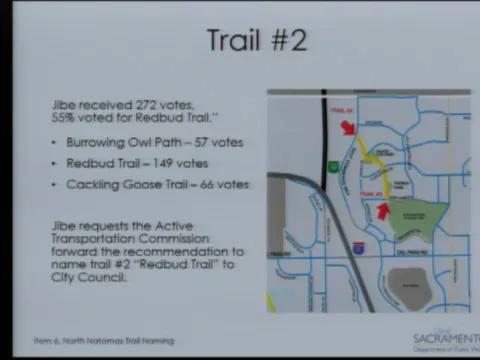
The Active Transportation Commission held its first-ever meeting on August 23, 2018 at 6:00 p.m. in City Hall Council Chamber. Commissioners introduced themselves, elected officers, received training on the Brown Act and Public Records Act, and reviewed two major agenda items: the West Broadway Specific Plan and the naming of two North Natomas trails. The meeting lasted approximately two hours and included public comments and discussion of future priorities. Public Comments & Testimony - Lori Stetson (Upper Land Park Neighbors Association) expressed support for walkable connectivity but cautioned against new large roadways cutting through existing neighborhoods. She noted concerns about the Broadway Bridge and traffic on Fifth Street, and urged the commission to consider pedestrian and bicycle connections that integrate with the existing grid. - Michael Redino (Vallejo Street homeowner) opposed the designation of Vallejo Street as a primary vehicle outflow point in the West Broadway plan, citing existing traffic and safety issues for his two-year-old. - Dan Allison (District 4 resident) requested that future commission materials be available online before meetings, suggested field trips to underserved areas (e.g., South Sacramento), called for removal of "no pedestrian crossing" signs, and asked for monthly police data on failure to yield and speeding citations. He also advocated for a policy that crosswalks not be removed without commission review. - Kieran Kumara (Executive Director, Walk Sacramento) praised the commission's expertise and offered Walk Sacramento and Sacramento Area Bicycle Advocates as resources for training, equity analysis, and policy guidance. He encouraged the commission to prioritize equitable investment, meaningful policy, and Vision Zero goals. Discussion Items - Election of Chair and Vice Chair: Commissioners nominated Jackie Cole and Amy Ward Waller for chair. After discussion, Commissioner Haupt moved to elect Cole as chair and Ward Waller as vice chair; the motion was seconded by Commissioner Carpenter. The motion passed with one dissenting vote (Commissioner Cole herself). - Chamber Training: Staff demonstrated the use of microphones, speaker request buttons, and document viewing screens. - Approval of 2018 Commission Calendar: Commissioner Coffer (absent) submitted a comment noting that only four meetings remained in 2018, with half on exceptions to the stated third Thursday rule. Staff explained that the third Thursday is the default unless the City Clerk identifies a conflict. The calendar was approved by voice vote. - Brown Act and Public Records Act Training: Deputy City Attorney Jennifer Gore presented a 25-minute training covering open meeting rules, public participation rights, recordkeeping obligations, and exemptions. She warned commissioners to avoid serial meetings and to treat all written communications about commission business as public records. - West Broadway Specific Plan (Information Item): Associate Planner Helen Selph presented the plan's scope, study area (bounded by Sacramento River, Broadway, 5th Street, and 4th Avenue), and two preliminary concepts (A and B) for activating Miller Regional Park and improving connectivity. Commissioners asked about marina capacity, tunnel activation, bridge options to West Sacramento, traffic calming, and outreach to Alder Grove, Marina Vista, and Land Park Woods communities. The presentation concluded with a request for future commission input on active transportation elements. - North Natomas Trail Naming (Action Item): Staff presented two trail names selected through community outreach (269 votes for Fisherman's Lake Parkway, 272 for Redbud Trail). A representative from JIBE (North Natomas TMA) urged approval to enable wayfinding signage. Commissioner Pollins, a Natomas resident, supported both names. The commission voted unanimously to recommend the names to City Council. - Committee Comments, Ideas, and Meeting Reports: Commissioners requested future agenda items including: a comprehensive list of active transportation projects, bike/pedestrian count data, wayfinding plans, updates on the Del Rio Trail, Two Rivers Trail, Folsom Boulevard complete streets, Jump Bike parking education, landscaping on the Sacramento Northern Trail, infrastructure investments by district, and a Vision Zero/equity presentation. Key Outcomes - Elected Officers: Jackie Cole (Chair) and Amy Ward Waller (Vice Chair) for the remainder of 2018. - Calendar Approved: The 2018 meeting schedule was adopted. - Trail Naming Approved: The commission forwarded a recommendation to City Council to name Trail 1 "Fisherman's Lake Parkway" and Trail 2 "Redbud Trail." - Future Agenda Items: Staff will compile a list of priority topics from commissioner requests, with a focus on equity, data collection, and Vision Zero.

TRANSPORTATION PLANNING 17% · PROCEDURAL 11% · ACTIVE TRANSPORTATION 11% · PUBLIC COMMENTS 11%
OPENPUBLICA · PUBLIC MEETING INDEXUPDATED DAILY · openpublica.com