Note: The meeting transcript opens with the Chair stating "May 14th, 2018 meeting," but the provided meeting date is 2018-05-15. This summary uses the supplied date but notes the discrepancy. The Regional Transit Board of Directors convened on May 15, 2018, with a quorum of 100 votes. The meeting covered consent calendar items, public comments, a general manager's report, and several resolutions. Key topics included a grant delegation for microtransit pilot routes, a summer student fare program, a property sale amendment, and updates on state transit grants and service improvements. Consent Calendar - Items 1 through 10, 12, 13, and 16 were approved unanimously. Item 11 (resolution approving second and third amendments to the purchase and sale agreement for 880-936 Arden Way) was pulled by Director Budge due to concerns about an undetermined purchase price reduction. It was continued to the end of the meeting after closed session. Item 12 (Horn Road Light Rail Station project) was questioned by Director Natoli about the initial phase and grant amount; staff clarified the project is moving into final design with a $1 million grant and approximately $8 million construction cost. Item 14 (microtransit pilot delegation) and Item 15 (summer student pass) were advanced with separate votes. Public Comments & Testimony - Barbara Stanton (Ridership for the Masses) asked about the travel training contract bid for YOLO bus; staff confirmed they bid but were not selected. She also expressed concern that North Sacramento/Del Paso Heights and South Sacramento were excluded from the microtransit pilot, recalling prior neighborhood shuttle programs that were discontinued. She concurred with a letter from SACRUE. - Mike Bernbaum reported on recent state grant awards including the Valley Rail Project, Shasta Regional bus service, Fast/Fairfield/Suisun Transit, and Capitol Corridor improvements. He later urged the board to oppose efforts to repeal SB1 and suggested exploring a regional transit measure for the SACOG area. - Felix Huerta (Operating Engineers Local Union No. 3) submitted a petition to represent 66 management and professional employees at Regional Transit. He warned against retaliation and requested the board allow the process to proceed through state mediation. - Brenda Anderson requested clarification on the transfer of authority from the board to the CEO/GM regarding decision-making. - Jeffrey Tardiya raised multiple issues: a streetcar meeting, the Connect card system (malfunctions at several stations and on Route 51), microtransit pilot purpose, lack of inclusion of disadvantaged areas, and route frequency on Route 51. He also asked Director Kennedy to disclose any conflict of interest regarding microtransit and the Sacramento Transportation Authority. - Arthur Ketterling asked about a scheduled folding event (June 17th) from a prior STA meeting; staff confirmed. - Rick Hodgkins supported preserving SB1, noted concerns about microtransit not running weekends, and suggested raising parking fees at light rail stations and bringing paratransit in-house or using microtransit for paratransit trips. - Sarah Kerber (Sacramento Transit Riders Union) supported the discounted summer student pass program. Discussion Items - Item 11 – Arden Way Property Sale (Continued from consent): Director Budge objected to approving a price reduction determined in closed session without board deliberation. After discussion, the item was deferred to the end of the meeting following closed session. Later, the board voted unanimously to approve after closed session. - Item 14 – Microtransit Pilot Program Delegation: Staff presented the delegation of authority to execute a grant agreement with the Sacramento Transportation Authority for microtransit in 10 (later 11) communities. Public comment noted exclusion of North Sacramento and Del Paso Heights. The motion passed unanimously. - Item 15 – Summer Student Pass: A resolution to authorize a two-month summer student pass ($20) for July and August 2018, available on Connect Card and Zip Pass. Staff reported the pilot was successful. Mike Bernbaum proposed a friendly amendment to consider a three-month pass ($40) for future years; the board agreed to evaluate after the pilot. Motion passed unanimously. - Item 17 – General Manager’s Report: GM Lee reported on recent state grant awards totaling over $84 million from TIRCP and SCCP for light rail vehicle replacement, gold line expansion (low-floor vehicles, double tracking), and a $300,000 planning grant for a BRT corridor study. He also mentioned extended gold line service to midnight starting June 17. Staff provided an update on Route 51/82 capacity issues: wheelchair pass-ups are about 1% system-wide, and operators will be instructed to ask ambulatory riders to vacate wheelchair securement areas. Microtransit may help address capacity. - Item 19 – Amended Light Rail Operations Agreement with Sacramento: Staff presented the revised agreement providing more equitable cost sharing. Motion passed unanimously. - Item 21 – Surplus Property at Calvine Road and Albury Drive: Staff presented two offers: Catalyst Development ($1.6M for multifamily housing) and Calvine Development ($1.5M for unspecified retail). Staff recommended Catalyst due to alignment with TOD goals. Director Natoli requested staff examine a remnant easement to the east, coordinate with Elk Grove Unified School District, and address long-term maintenance. Informational only. Key Outcomes - Consent Calendar: Items 1-10, 12, 13, 16 approved unanimously. Item 11 continued to end of meeting, then approved unanimously. - Item 14: Resolution delegating authority for microtransit grant approved unanimously. - Item 15: Summer student pass resolution approved unanimously. - Item 18: Public hearing on FY19 preliminary budget accepted; motion to continue to June 11, 2018 passed unanimously. - Item 19: Light rail operations agreement approved unanimously. - General Manager's Report: Received with public comment; no formal vote. - Surplus Property: Informational; staff to return with next steps. - Closed Session: Held for real estate negotiation on Arden Way property; item 11 approved upon reconvening.
Public Meetings - Sacramento County, California
Public Meetings - Sacramento County, CaliforniaThis meeting of the Sacramento Regional Transit District Board of Directors took place on April 10, 2018 (though the transcript opens with the Chair stating “April 9th meeting”). The board reviewed a consent calendar, heard public comments, received updates on major projects (SACRT Forward, microtransit, financial performance, student fare pilot, the Watt I-80 Transit Center), and approved a preliminary FY19 budget. A quorum of 100 votes was established. The meeting was cablecast and will be re-aired on April 11 and April 14. Consent Calendar - Items 1 through 9 were approved unanimously (motion by Director Budge, second by Director Jennings). - Item 6 (rescheduling the next regularly scheduled meeting as a special meeting on April 23, 2018 at 1:00 p.m. at McGeorge School of Law) was approved after a speaker (Mike Barnbaum) requested that future scheduling consider earlier times and larger venues. The motion carried at 100 votes. Public Comments & Testimony - Mike Barnbaum (public speaker) announced upcoming events: April 11 design workshop for the Dos Rios station at Smythe Academy (2–6:30 p.m.), free RT rides for Sacramento Kings game ticket holders on April 11, and the Elk Grove City Council’s review of potential multimodal station locations. He also noted the Solano Transportation Authority is reimagining three transit lines into one from Sacramento/Fairfield to Pleasant Hill BART, with implementation planned for July 1, 2018. He spoke on Item 6, urging larger evening meetings in 2019. - Pat Williams (public speaker) advocated for bringing paratransit services in-house, stating that combining services could save “millions and millions of dollars.” He cited statistics: 3,000 drivers have come and gone at Paratransit, $228,000 spent on legal in 2014-15, a $13 million budget, and $3.5 million taken out last year. He noted the aging baby boomer population will increase demand for door-to-door disability services. - Jeffrey Tardiya (public speaker) spoke on multiple items: on Item 6 he yielded his time; on Item 11 he questioned the withdrawal of proposed changes to board rules of procedure (Title III), asking whether the decision came from staff, the board, or the public; on Item 12 he requested more detailed budget explanations beyond pie charts and asked how a $3.3 million loan from SACOG would be tracked; on Item 13 he urged the board not to discard the Roseville Road relocation option for the Watt I-80 Transit Center and stressed replacing the east elevator immediately. - Arbor Steaton (public speaker) supported the withdrawal of the proposed Title III changes but expressed concern that they would be brought back in the future. - Nick Brant (public speaker) reported on a homeless individual at Watt I-80 station, encouraged riders to report issues via the app, and praised RT for pressure washing stairs and cleaning the station. - Russell Rawlings (public speaker) commended staff on the Watt I-80 study but cautioned against relocation, noting it would burden the community and the Mercy Housing project residents who rely on that hub. Discussion Items - General Manager’s Report (Henry) : He extended an invitation to the public and board to attend the April 11 design workshop for the Dos Rios station. He presented employee service awards for the last quarter (10 recipients, 4 present). He provided a legislative update from Washington, D.C., noting that federal funding for transit capital projects increased from $2.4 billion to $2.6 billion annually, including an additional $50 million for the downtown streetcar project. He also announced that camera upgrades and a new public announcement system began that day at the Watt I-80 and Watt stations, funded by Proposition 1B, with enhanced resolution for facial recognition and license plate reading. - SACRT Forward (Laura Hamm) : The route optimization study now has a name and logo. A website (SACRT.com) is live with project documents and email sign-up. Focus groups were held with frontline employees (close to 80 participants) and a stakeholder resources group (about 40 attendees for a four-hour workshop). Next steps include a board workshop on April 23, a public involvement campaign through April and May, and a core design retreat in the first week of June. - Microtransit Update (Mark Lanagan) : The Citrus Heights pilot launched February 12, 2018, and has been in service for two months. Ridership is showing a continual upward trend, with positive feedback. The service is expanding to include Orangevale and Antelope, and hours will be extended from 7 a.m.–7 p.m. to 6 a.m.–9 p.m. Monday–Friday. The app adoption is increasing. No riders have been denied a ride, and the 30-minute wait time commitment is being met. A customer survey has been released. Additional areas under consideration for microtransit include Franklin Boulevard, Arden Arcade, Carmichael, Rancho Cordova, CSUS, and River Park. - Financial Report (Brent Burlinger) : February 2018 had a net surplus of approximately $200,000; year-to-date surplus is close to $2.5 million. Deferred revenue exceeded $500,000 in February. The farebox recovery ratio is 47% with Measure A supplemental revenue, but 19% without. Ridership in February was slightly down compared to goal, but the past two months show a positive trend compared to fiscal year 2017. - Student Fare Pilot Program (Brent Burlinger) : Since implementation, student pass sales increased 27%–34% in a three-month period, and student ridership grew by 30,000 trips. The revenue impact was a modest $21,500 per month, with no new costs. Students prefer electronic fare options. Staff will return with a Title VI analysis and a permanent recommendation in the coming months. Director Schneider asked about the break-even fare point; staff indicated that a monthly pass price between $20 and $25 would likely minimize revenue loss while maintaining ridership gains. - Item 11 – Withdrawal of Proposed Title III Changes : Laura Hamm reported that staff has been taking comments from the public and board and decided to give the matter more time. The item will be brought back with a future recommendation. The main change under consideration involves the order of agenda items. - Item 12 – Preliminary FY19 Operating and Capital Budget : Brent Burlinger presented the budget. Operating budget is $165.5 million (2.6% increase), capital budget is $96.1 million. No significant changes to service levels or fare structure. Measure A (local sales tax) provides 26% of operating revenues, which is low compared to other transit agencies. The ideal revenue model would see Measure A covering 62%. Challenges include volatility in federal funds, future debt service, higher claim payouts from past accidents, low liquidity, and low operating reserve balance. A public hearing is set for May 14, 2018, with final adoption on June 11. - Item 13 – Watt I-80 Transit Center Concepts : Tracy Canfield presented short- and long-term concepts. The station is the busiest bus–light rail transfer center, serving 3,500 riders per day (about 1 million per year). Outreach included 80+ attendees at meetings, 170 at pop-up events, 40+ at walk audits, and 270 online responses. Short-term improvements: replace elevators, improve lighting, wayfinding, and restrict access to hidden spaces. Long-term concepts: tear down existing structures, widen sidewalks, add monument signs, and potentially close the underpass in favor of a mid-block crossing. Relocation to Roseville Road was evaluated but rejected as it would reduce ridership and cost an additional $500,000 per year in operating costs. Next steps: seek funding for long-term improvements, conduct environmental review, partner with the county and Caltrans, and replace the two non-working elevators as soon as possible. - Item 14 – San Joaquin Joint Powers Authority Meeting Summary : Director Hume reported that the business plan was approved. Mike Barnbaum added details: a morning express train begins May 7, 2018 (arriving Sacramento Valley Station at 7:41 a.m.), and the next JPA meeting is May 25 in Stockton. The board is planning for eighth and ninth round trips, which would use a new Sacramento subdivision and could include new stations at City College, Midtown, Railroad Avenue, and North Natomas (with a potential shuttle to Sacramento International Airport). Key Outcomes - Consent Calendar approved (items 1–9) with 100 votes. - Item 6 approved (special meeting rescheduled to April 23, 2018 at 1:00 p.m. at McGeorge School of Law). - Item 11 (proposed changes to Title III) withdrawn by staff; will be brought back later. - Item 12 (preliminary FY19 budget) approved; public hearing set for May 14, 2018. - General Manager’s Report and all informational presentations received without votes. - The board recessed to closed session for three litigation items: Antoinette Satchel vs. RT, Holly Euler vs. RT, and Pamela Terrell vs. RT. Note: The transcript begins with the Chair stating “the April 9th meeting,” but the provided meeting date is April 10, 2018. This discrepancy is recorded as found.
The Sacramento Regional Transit Board of Directors met on March 15, 2018, with Chair Kennedy presiding. A quorum of 96 votes was established. The meeting included extensive public comments, approval of consent items, and the General Manager's report. Public Comments & Testimony - Robert Copeland complained about bus driver training, potential wrecks, and bus stop bench design, and criticized the two-minute speaking limit. - Nick Bryant reported safety issues on light rail (panhandling, smoking), malfunctioning fare equipment on buses and light rail, and graffiti at bus stops on Walerga and Ocorn. - Mike Birnbaum presented a report on Placer County agencies offering a $10 summer youth bus pass valid June-August, as part of a comparison requested by the board. - Jeffrey Tardiya discussed route optimization, website accessibility, canceled meetings, and the issue of Route 51 bypassing disabled passengers. - Sarah Kerber (Sacramento Transit Writers Union) highlighted overcrowding on Bus Route 51, noting wheelchair users are frequently passed by full buses. She requested immediate examination for higher weekend service. - Helen O'Connell described being passed by two consecutive 51 buses on three Saturdays, waiting up to 1.5 hours. She suggested adding an extra bus between 11:00 AM and 12:30 PM. - General Manager Henry Li responded that staff would identify the issue and possibly use paratransit in that timeframe before route optimization. - Russell Rollins confirmed similar experiences with Route 51 and also noted a deteriorating bus stop at 34th and Broadway. - Stacy Winton (SAC True) requested a public-friendly platform to track pilot studies. - Brenda Anderson read from the Brown Act, criticized the board for lack of apology and engagement, and urged more accountability. - Ailey Scott (paratransit operator, ATU Local 256) asked why RT has not brought paratransit operations in-house. Consent Calendar Items 1, 3, 4, and 5 were approved as a block on consent after public comments were heard on items 3, 4, and 5. - Item 3: Conditionally awarding a contract for construction management services for the downtown riverfront streetcar project and conditionally delegating authority to the CEO/General Manager. Brenda Anderson opposed delegation of authority, expressing concern about past abuse. Staff explained the need to expedite the schedule; the JPA would approve later. Board member Natoli questioned the pressure on RT to act. GM Li noted funding comes from the two cities. Motion carried. - Item 4: Resolution approving the Equal Employment Opportunity Affirmative Action Plan for 2018-2021. Sarah Kerber noted RT's history of underrepresentation of women and cited a 2003 consent decree. She urged improvement in hiring and promotion. Motion carried. - Item 5: Fifth amendment to personal services contract with Robin Haswell for project management and coordination assistance. Sarah Kerber and Brenda Anderson criticized the extended temporary contract, arguing it should be a permanent position. Brenda Anderson noted she was told last year there would be no further amendments. Staff explained the contract allows flexibility. Motion carried. Discussion Items - Item 3 deliberations: Director Natoli asked why RT must act urgently to keep the streetcar project on schedule when it is not solely RT's project. Staff and GM Li responded that it helps partners and funding is not from RT. The item was moved to consent. - General Manager's Report: Henry Li reported on the Capital Region Executive Leadership Mission in Washington DC, lobbying for infrastructure funding. He announced a partnership with B Street Theatre providing free class passes for students, the grand opening of Mills Station Arts and Culture Center in Rancho Cordova, new art-wrapped light rail trains, and installation of a new train washing rack costing $1 million. He also reported that RT is one of three final bidders to operate Yolo County Transit bus service under a $10 million, seven-year contract. Key Outcomes - Unanimously approved consent items 1, 3, 4, and 5 (96 votes). - Board directed staff to examine Route 51 overcrowding and report back. - GM Li committed to provide an update on Smart Ride performance at the next meeting. - No other formal votes taken.
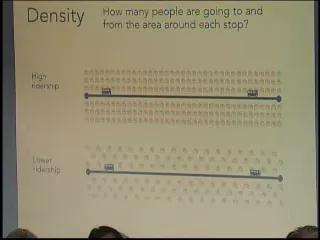
The Sacramento Regional Transit District (SacRT) Board of Directors held a regular meeting on March 5, 2018, at an unspecified time. The meeting covered a wide range of topics including consent calendar approvals, contract awards, policy revisions, public input on service and safety, financial updates, a major route optimization study, and a land transfer for a trail project. The board acted on several items, postponed others, and received informational presentations. Consent Calendar - Items 1, 4, and 8 were approved on a single motion by Director Budge and seconded by Director Jennings, with a vote of 100 in favor (all ayes). These items included routine approvals and were not individually discussed. Public Comments & Testimony - Barbara Stanton (Ridership for the Masses) presented the "Top Banana Award" to Cindy Brooks, Clerk of the Board, for dedicated service to transit riders. - Robert Copeland raised safety concerns about the Watt/I-80 light rail station, citing threats and drug activity. He also questioned inconsistent bus bench lengths. - Stacy Wetling requested that outcomes and metrics of microtransit pilot projects be publicly reported. - Sarah Kerber (Sacramento Transit Riders Union) criticized poor communication during a February 23 light rail outage on the Blue Line, noting overcrowded bus bridges and confusing information. She urged real-time PA announcements and better planning. - Jeffrey Tardiya criticized the board for delegating authority without tracking results, lack of pilot program reports, and the decision to purchase gasoline buses despite environmental goals. - Pat Williams advocated for bringing paratransit services back in-house to save money and increase efficiencies. - Arthur Ketterling reported a safety incident of passengers standing in light rail doorways, noting the train was heading downtown. - Helen O'Connell (disability advocacy group) questioned why RT is acting as a broker for smaller entities and YoloBus when RT needs 200 more buses itself. - Brenda Anderson (on item 6) expressed concerns about disparate impact from the Connect Card transition, urging continued attention. - Stacy Wetling (on item 9) argued that routine planning work should be done in-house, not contracted. - Rick Hodgkins (on item 5) asked the Mobility Advisory Council to ensure representation of all disability groups. - Brian Backhouse, Brian Ebert, Eric Banger, Robin Netzer, Chuck Hughes, and Scott Burns (on item 12) all spoke in strong support of the Del Rio Trail project, a rail-to-trail conversion, citing community benefits, safety, and connectivity. Some raised concerns about heritage rail preservation but generally backed Option A. - Robert Copeland, Rick Hodgkins, Sarah Kerber, Jeffrey Tardiya, and Russell Rawlings (on item 14) emphasized the need for robust public engagement in the route optimization study, consideration of equity, and inclusion of transit-dependent riders. Discussion Items Item 2: North Natomas Flyer Bus Service Contract - Resolution to delegate authority to the GM to approve an agreement with the North Natomas Transportation Management Association. - Director Harris questioned the shift from CNG to gasoline engines. Mark Lonergan explained that CNG cutaway buses had reliability and maintenance issues, and CARB no longer certifies small CNG engines. The buses have a five-year useful life. - Motion by Director Hume, seconded by Vice Chair Hansen. Approved unanimously (100 votes). Item 3: Purchase of Transit Vehicles via Joint Procurement - Resolution to contract with Creative Bus Sales through a state procurement. Public comment questioned RT's role as broker; staff clarified it's buying off an existing contract for the Natomas buses. - Motion by Director Shanier, second by Vice Chair Hansen. Approved unanimously (100 votes). Item 5: Revisions to Mobility Advisory Council Bylaws - Changes: reduced agency members from 11 to 9, increased at-large members from 6 to 8 (total remains 17). Public comment from Rick Hodgkins on disability representation; Janice Labrato noted efforts to recruit diverse members. - Motion by Director Miller, second by Director Morin. Approved unanimously (100 votes). Item 6: Title Six Budget Procedures Amendment - Proposed increase in fund transfer authority between operating and capital from $250,000 to $500,000. Director Budge questioned the justification, noting the amount is significant. Staff explained the need for nimbleness but offered to bring back more specific examples. - Motion to continue (table) the item by Director Budge, second by Director Harris. Passed with one abstention (Director Hansen), resulting in 86 votes? Later corrected to 91? The item was continued. Item 7: Revisions to Rules of Procedure (Title III) - Vice Chair Hansen moved to postpone to the first meeting in April to allow community engagement, and suggested moving closed session to the beginning, GM report to the end, and removing the 8-minute public comment limit while considering consent calendar as one item. - Motion to continue was approved without objection. Item 9: On-Call General Planning Support Services Contracts - Public comments opposed contracting out routine planning duties. Staff stated consultants would work under planning director James Boyle and be used for tasks like grant applications. - Motion by Vice Chair Hansen, second by Director Woron. Approved unanimously (100 votes). Item 10: General Manager's Report - Henry Lee reported on: Museum Day (3,000 boardings), microtransit pilot in Center Heights receiving national interest (including from Toronto), and the Trump infrastructure proposal reducing federal transit share to 20%. - Mark Lonergan updated on the Watt/I-80 Transfer Center project: public outreach included intercept surveys, 14 stakeholder interviews, 3 public meetings, and options ranging from closing to redesign. The station is 30+ years old, cleaned twice daily but still problematic. Security cost $367,000 since July. - Lisa gave security details: police and guard presence, plan to switch to Paladin guards in March. - Brent Bernicker presented financials: January net operating positive by $170,000; year-to-date surplus $2.3 million. Fare revenue was on budget; salaries above budget due to holidays. Connect card deferred revenue reached $471,000 as ridership shifts to electronic media. Bus ridership up 4.7% in January, light rail down. - Public comments on the report praised the Watt/I-80 process and raised equity issues. Item 11: Resolution Commending Andrew J. Morin - Recognized his service as board chair in 2017, listing achievements. Motion by Director Jennings, second by Director Budge. Approved unanimously (100 votes). Item 12: Surplus Property – Walnut Grove Branch (New Business) - Three options: A (joint development with City of Sacramento for a bike/ped trail), B (sell on open market), C (retain and maintain). Staff recommended Option A, citing $35,000/year maintenance cost savings and avoidance of $460k-$925k in encroachment removal. The city would develop the Del Rio Trail. A clawback provision allows RT to reclaim the land if not used for trail within 10 years. - Public comments overwhelmingly supported Option A. - Director Shanier moved Option A, seconded by Vice Chair Hansen. Approved unanimously (100 votes). Item 13: Jackson Corridor Transit Funding – Property Based Program (Information) - James Drake presented a concept for funding districts to cover transit in new development areas (Jackson Highway Corridor), projected to grow to 68,000 residents. The program would cover operating, capital, paratransit, and a universal transit pass. Next steps include developing agreements with Sacramento County. - Director Natoli thanked stakeholders; Director Budge noted adjacent Rancho Cordova needs service. Item 14: Route Optimization Study Presentation (Information) - Michelle Poirot of Jarrett Walker & Associates outlined the process. Key points: transit ridership formula involves density, walkability, linearity, proximity. SacRT's network has low off-peak frequency; 59% of boardings occur on the frequent network. A fundamental trade-off exists between maximizing ridership (focus on dense corridors) and maximizing coverage (serve everyone). A "choices report" will be released in April 2018. Public engagement planned via stakeholder workshops, online surveys, and pop-up events. - Board members raised concerns about accuracy of data on density changes, need to incorporate planned developments (e.g., Downtown Housing Initiative, rail yards), and importance of equity. - Public comments called for meaningful engagement and consideration of transit-dependent riders. Items 15, 16, 17: Written Reports from Other Agencies - No additional comments from directors. Key Outcomes - Consent items 1, 4, 8 approved (100 votes). - Items 2, 3, 5, 9, 11, 12 approved unanimously. - Item 6 (budget procedures) tabled to a future meeting after staff provides more examples. - Item 7 (rules of procedure) postponed to April meeting with direction to consider Vice Chair Hansen's suggested changes. - General Manager's Report accepted; financials noted deficit in light rail ridership, bus ridership increase. - Route optimization study will proceed with public engagement; a stakeholder group of up to 50-90 people is planned. - Watt/I-80 station reimagining will come back to the board in April with recommendations. - Jackson Corridor funding program to be further developed with the county. - Director Cerna requested a report on the feasibility and cost of a 100% zero-emission bus fleet by 2030, and a resolution to that effect.
This meeting of the Sacramento Regional Transit District was called to order on Monday, January 22, 2018 (the transcript date is given as January 24; the meeting was cablecast on January 24 at 6 p.m.). The board addressed a consent calendar, public comments, and discussion items including student fare adjustments, property surplus declaration, and a microtransit pilot launch. Key outcomes included approval of contracts, delegation of authority, board appointments, and reports on finances and legislative affairs. Consent Calendar - Items 1–10 were approved unanimously, except items 6 and 9 were pulled for separate discussion. - Item 10 (resolution delegating authority to submit a proposal to YOLO County Transportation District for operation and maintenance of fixed route and paratransit services) had a public speaker, Jeffrey Tardigilla, who expressed concerns about driver poaching and lack of planning; Directors clarified the proposal would fix costs for a 12-year period (7 years initial + 5 years renewable). The item was approved. Public Comments & Testimony - Barbara Stanton urged the board to consider returning to twice-monthly meetings or changing board composition to include non-elected members, stating that once-a-month meetings delay business. - Mike Barnbaum (Ride Downtown 916) presented a report on YOLO County Transportation District’s student fare structure as part of the board’s direction from December. He noted that from September to May, cash fare is $1.10, monthly pass $46.75; from June to August, cash fare is $0.50, monthly pass $30. He promised to report on Placer County in March. - Arthur Ketterling (Citrus Heights) reported ongoing problems with the Connect Card, especially on Route 95 and Citrus Heights City Ride, where card acceptance fails frequently. - Jeffrey Tardigilla raised multiple issues: failure of Harrison Street elevator, student bus pass impact (urged board to ride routes 218/219/214 to see crowding), need for an oversight committee, property issues at 65th Street Light Rail station, and website inaccessibility for low-income riders. - Elaine Jackson (North Sacramento district) opposed selling the 2051 Evergreen Street property, stating the district has not received RT improvements and alleging conflict of interest with board members affiliated with the city. She called for a transfer station and equitable funding. - Patty Taylor (neighbor) urged that the Evergreen property be used for affordable housing, not a homeless shelter, noting proximity to a school and residential area. She asked RT to consider an offer from existing property owners who maintain nearby buildings. - Karen Redman asked RT to prioritize fiscal responsibility and a use compatible with the nearby Royal Oak Station and the community, such as office or residential. Discussion Items - Item 6 – Resolution approving an interagency contract with Sacramento Housing and Redevelopment Agency (SHRA) for Dos Rios Light Rail Station final design. Director Budge requested conceptual graphics; staff showed a concept and explained that final design includes public outreach. The item was moved and seconded, then approved unanimously. - Item 9 – Resolution amending resolutions to reinstate discount student monthly pass on electronic fare media, allow school ID as verification, and permit semi-monthly sticker on school ID. Director Budge noted that a press release was sent prematurely. Staff (Casey Courtright) explained that the board’s December direction led to early public information. Director Tully questioned logistics of semi-monthly stickers; staff clarified that 90% of sticker sales occur at schools, and unsold media are returned. Director Natoli noted that semi-monthly passes were originally created for affordability. Staff reported student ridership increased 10% in January due to fare reduction, and future plans may include deeper discounts. The item was approved. - General Manager’s Report – Henry Lee reported on MLK and Women’s March participation (6,600 and 4,000 riders, respectively), new art wraps on light rail, employee awards (40, 20, 30 years of service), and submission of a $400 million TIRCP grant application for rail modernization and expansion. He announced two transit-oriented development sales: one at 65th Street station with Symphony Development for a 600-bed mixed-use project ($2M revenue), and one on Arden Way with Community Housing Works for affordable housing ($1.1M). - Microtransit Pilot – Alva Carrasco presented a pilot launched February 12 in Citrus Heights (formerly City Ride), using Transloc’s on-demand platform. Goals include real-time trip tracking, improved connectivity, and better efficiency. The pilot will test same-day scheduling to benefit seniors and disabled riders. - Legislative Updates – Mark Watts reported on SB1 implementation: State Transit Assistance funding doubled; AB 709 (RT enabling statute) is moving; ACA 5 lockbox measure on June ballot; cap-and-trade funds likely $1.25 billion. Jeff Booth reported on federal gridlock: continuing resolution extended to Feb 8; infrastructure plan outline released but lacks funding; capital investment grants program may face cuts; and the tax bill undermined commuter benefits for employers. - Financial Report – Brent Berniker reported November operating surplus of $244,000 and year-to-date surplus of $1.8 million. Revenues were 2.3% under budget, expenses 4.1% under. Fare revenue was $345,000 under budget; farebox recovery was 18.6% (budget 20.5%). Ridership was down 4.6% in November but December appeared to exceed goals. Director Hansen questioned whether benchmarks should be recalibrated due to national ridership trends; staff agreed to consider mid-year budget adjustments. - Item 12 – Resolution declaring 2051 Evergreen Street property surplus. Staff (Brent Berniker) explained the statutory 60-day offer period to public agencies and affordable housing sponsors, followed by 90-day negotiation, and eventual board approval for sale. Director Hanson and others emphasized transparency and fair process. The motion passed 96-0 (with an abstention). - Item 13 – New business: ratifying selection of Chair and Vice Chair for the board beginning the next day. Director Kennedy was approved as Chair, Director Hansen as Vice Chair. Unanimous. - Item 14 – Appointments to boards and commissions (Capitol Corridor, Sacramento Plaza, Paratransit, Downtown Riverfront Streetcar Policy Steering, San Joaquin Joint Powers Authority). All incumbents were reappointed as listed. Unanimous. Key Outcomes - Approvals: Consent calendar items 1–10 (with separate votes on 6, 9, and 10), item 6 (Dos Rios design contract), item 9 (student pass changes), item 10 (YOLO proposal delegation), item 12 (Evergreen surplus declaration), item 13 (chair/vice-chair selection), and item 14 (board appointments). - Student Fare Initiative: Staff will continue to promote electronic fare media (ZipPass and Connect Card) with goal of transitioning schools by fall 2018. Ridership increased 10% in January after fare reduction. - Microtransit Pilot: Launched February 12 in Citrus Heights; data will inform future route optimization. - Property Disposition: The 2051 Evergreen Street property will be offered to statutory buyers for 60 days; staff will return to board with offers and final sale approval. - Governance Change: Starting January 25, 2018, the board will be chaired by Director Kennedy, with Director Hansen as Vice Chair. - Legislative Priorities: RT will advocate for SB1 funding, ACA 5 passage, federal capital investment grants, and reauthorization of commuter benefits.
The Sacramento Regional Transit (RT) Board met on December 18, 2017, to address a wide range of items including consent calendar approvals, public comments, financial reports, a new student fare discount initiative, and the election of officers. The meeting was notable for the board's approval of a pilot program to reduce student semi-monthly pass prices, a route optimization study contract, and the adoption of a reduced meeting schedule for 2018. Consent Calendar - Approved items 1-6, 8-13, and 15-17 unanimously (motion carried with 100 votes). - Item 7: Approved first amendment to the agreement with the City of Citrus Heights for bus service (motion carried with 100 votes). Public speaker Rick Hodgkins advocated for restoring a bus route from Lewis and Orlando to Sunrise Light Rail Station, noting the loss of the 91 route and the half-service of the 21 and 1 routes. - Item 14: Approved the 2018 meeting calendar, with a reduction to one meeting per month in most quarters. Motion carried with 86 votes (Directors Hume and Budge opposed). The reduction was contentious, with public comment from Sarah Kerber (SAC True) opposing the change due to long agendas and reduced public input. Director Linda Budge expressed concerns about the calendar during route optimization, while Director Hansen supported the reduction as a way to use time more wisely, adding that special meetings could be called if needed. - Item 18: Approved resolution amending delegation of authority to sell the 65th Street property to Symphony Development (motion carried with 100 votes). Public speaker Jeff T criticized the lack of public input and outdated traffic mitigation; Director Harris supported the sale as beneficial, while Director Natoli expressed dissatisfaction with the broker's failure to disclose a letter of intent from the developer, calling it a 'big deal.' Public Comments & Testimony - Rick Hodgkins (public member) provided detailed information on the ADA definition of service animals, emphasizing their roles for various disabilities, and also reported a car towed from the 12th & I Street Light Rail Station tracks. - Jeff T (public member) opposed the move to one meeting per month, citing missed opportunities for public input on RT operations, the 65th Street property sale, and other issues. - Sarah Kerber (SAC True) opposed the reduced meeting schedule, noting 28-item agendas, impact on public participation, and increased delegation of authority to staff. - Brian Ebert (President, Southland Park Neighborhood Association) expressed strong support for the Del Rio Trail (rail-to-trail project), citing community and elected official support, and asked RT to transfer the property to the city. - Chuck Hughes (Del Rio Trail subcommittee chairman) also urged RT to support the trail, noting its connectivity and potential for commuting and errands. - Mike Barnbaum (Ride Downtown 916) provided updates on the Reimagine Watt I-80 open house, and suggested RT partner with businesses for event service costs, as well as reference to a summer youth pass in Placer County. - Rick Hodgkins (on multiple items) supported the Citrus Heights bus agreement, advocated for route optimization, and praised the Connect Card while suggesting improvements. Discussion Items - General Manager's Report (Item 19): GM Henry Li reported on a cyber-attack on RT's IT system on November 18, 2017; system restored within three days, no financial data compromised. He also announced a micro-transit pilot project with TransLoc, launching next month in Citrus Heights. The report included financial updates (October results: operating surplus of $800k, year-to-date $1.6M), service animal policy update to return in 2018, and improvements at the 16th Street Station (with $70k from business owners). Presentations were given by Neil Nance (facilities), Lieutenant Hines (security), and Rob Hoslett (safety). - Financial Audit (Item 20): Received and filed the Comprehensive Annual Financial Report for FY2016-17, with a clean unqualified audit opinion, no findings. Operating numbers: fare revenues $30.5M, operating assistance $131.6M, operating expenses $159.9M, surplus $2.2M, operating reserve now $5.3M (target $20M). - Student Pass Fare Reduction (Item 21): Approved a six-month pilot to reduce the semi-monthly student pass from $27.50 to $10. Staff estimated 265,000 new boardings per year at a cost of $200k annually ($100k for six months). Extended motion with direction: implement a summer youth pass, make Connect Card/mobile app the default fare media, allow no-photo cards for students, and report back in three months. Motion carried with 100 votes. - Route Optimization Study (Item 23): Awarded contract to Jarrett Walker and Associates for a route optimization study, with delegation for optional work and a capital budget amendment. The study is fully funded by a $400,000 Caltrans planning grant. Motion carried at 100 votes. - Del Rio Trail (Item 24): Information item on the city's request to acquire RT property along the old Walnut Grove branch for a bike trail. Public comments supported the trail; Directors Shanier, Hansen, and Harris offered direction to work with the city to transfer or lease the property at no cost, considering the $35k annual maintenance and liability. - Election of Officers (Item 25): Director Patrick Kennedy elected Chair, Director Steve Hansen elected Vice Chair for 2018. Both elections carried with 100 votes. Key Outcomes - Approved consent calendar items including Citrus Heights bus agreement and amended 2018 meeting calendar (86 votes in favor). - Approved sale of 65th Street property with noted broker concerns. - Approved pilot student fare reduction with additional directives; motion carried unanimously. - Awarded route optimization study to Jarrett Walker and Associates. - Directed staff to work with the city toward the Del Rio Trail, considering transfer/lease. - Elected Patrick Kennedy (Chair) and Steve Hansen (Vice Chair) for 2018. - Celebrated clean audit and improved financial reserves.
Note: The transcript states the meeting was held on Monday, November 13, 2017, but the provided date is November 14, 2017. This summary uses the provided date as instructed. The Sacramento Regional Transit Board meeting was called to order at approximately 7:00 PM. A quorum of 100 votes was present. The board adjusted the agenda to move items 12 and 13 to the front, then approved the consent calendar (items 1–8) unanimously. The remainder of the meeting covered major property sales, public comments, and operational updates. Consent Calendar - Items 1 through 8 were approved unanimously with no discussion. Public Comments & Testimony - Mike Kelly (resident): Reported his guide dog was attacked on light rail by a pit bull on September 25, 2017. Urged better enforcement of service animal rules and retention of video evidence. - Shannon Dylan (California Association of Guide Dog Users): Requested that operators ask the two ADA-allowed questions about service animals, that police be educated on penal codes protecting guide dogs, and that video be held longer than 3 days. Asked for a future board agenda item on service animal safety. - Margie Donovan (guide dog handler of 36 years): Described near-attack on her dog and stated that operators sometimes claim union rules prohibit asking about service animals. Called for serious board action on fake service animals. - Roger Oberholzer (Secretary, California Association of Guide Dog Users): Shared similar experiences, emphasized that fake service animals interfere with legitimate guide dogs, and urged extended video retention and better training. - Mike Barnbaum (resident): Recommended no board meetings on May 28 (Memorial Day), September 10 (Rosh Hashanah), and October 8 (Columbus Day) in 2018, and suggested a meeting on November 26 (after Thanksgiving). - Mrs. Sweat (resident): Complained about Connect Card inaccuracies and a transit guard's aggressive behavior; asked for system fixes and better training. - Arthur Ketterling (paratransit user): Reported a paratransit driver leaving the vehicle door open, creating a safety hazard. Also noted Connect Card reading issues. - Jeffrey Tardigia (regular rider): Criticized RT's lack of programs for I-80 station, Connect Card costs, and poor communication with other agencies. Urged better public input before decisions. Discussion Items - Item 12 – Ardenway Property Surplus & Sale: Staff presented the history of marketing the 2.8-acre parcel, including four offers. The recommended buyer was Community Housing Works (CHW), a nonprofit affordable housing developer, offering $1,114,000 (5% below appraisal). Public speakers: Elaine Jackson (opposed, citing lack of District 2 improvements and traffic issues), Jeremy Turner (asked for more time and opportunity to bid), David Platt (supported, noting future city council review). Board discussion focused on the surplus process, delegation of authority, and transparency. Director Harris moved to approve items A (declare surplus) and B (reaffirm GM authority), with a friendly amendment to report final terms at the GM's report. Motion passed unanimously (100 votes). - Item 13 – Evergreen Street Property Continuance: Staff recommended continuing discussion to January 8, 2018. Public speakers: David Platt (asked to consider other bids), Jane McAuley (Woodlake neighbors, supported delay, opposed a triage shelter), Patty Taylor (opposed shelter, worried about safety), Elaine Jackson (presented 217 signatures opposing sale for a triage center), Karen Rudman (opposed, criticized city council members' dual roles), Bernice Krieger (urged transit-oriented development, opposed surplus declaration). Board members noted that land use decisions belong to the city. Motion to continue passed unanimously. - Item 10 – 65th Street Property Sale: Staff presented the 2.23-acre parcel, proposed for student housing (Symphony Development) with relocation of bus shelters and restrooms. Two offers: Symphony ($2 million plus relocation costs) and Laguna 2 (rescinded). Public speakers: Helen O'Connell (concerned about accessibility for wheelchair users), Stacey Wentling (urged more community input and analysis, supported option B to revoke delegation). Director Harris moved option A (reaffirm delegation) with a report back, seconded, passed unanimously. - Item 11 – Power Inn Park-and-Ride Lot Sale: Staff presented 12.75 acres (reduced to 7.5 after retaining parking). Three offers: Score Soccer Centers (ground lease, rejected), Lewis Homes (below market), John Sweet (student housing/mixed-use, $3.9 million). Board discussed the single access point and directed staff to attempt acquisition of a sliver of city-owned land for a second entrance. Motion to approve option A (reaffirm delegation) with that direction passed unanimously. Key Outcomes - Item 12: Approved declaring Ardenway property surplus and reaffirming GM authority to negotiate sale with CHW, with a report back on final terms. (100-0) - Item 13: Approved continuing discussion of Evergreen Street surplus to January 8, 2018. (100-0) - Item 10: Approved reaffirming GM authority to finalize sale of 65th Street property to Symphony Development, with a report back. (100-0) - Item 11: Approved reaffirming GM authority for Power Inn lot sale, with direction to try to acquire adjacent sliver for improved access. (100-0) - General Manager's Report included employee recognitions, holiday bus promotion, Veterans Day ridership (1,400 free rides), and APTA conference takeaways. - Security update: Lieutenant reported redeployment of transit agents to trains, cooperation with Rancho Cordova PD, and camera installations at Alkali Flats and Watt/I-80 stations. Date Discrepancy: The transcript indicates the meeting occurred on Monday, November 13, 2017, but the provided date for this summary is November 14, 2017. The summary reflects the required date.
Note: The transcript indicates the meeting occurred on Monday, October 23, 2017, while the provided metadata states October 24, 2017. This summary uses the metadata date as instructed, but notes the discrepancy. The Sacramento Regional Transit (RT) Board met on October 24, 2017, at 3:04 PM (as per metadata). The board addressed routine consent items, heard extensive public testimony, and engaged in lengthy debate on the sale of surplus properties, particularly regarding proposed uses for homeless shelters and transit-oriented development. Several items were approved, and one was continued to a future meeting. The meeting included reports from the General Manager and a presentation on police awards. Consent Calendar - Items 1, 3, 4, and 10 were approved unanimously by voice vote (moved by Vice Chair Kennedy, seconded by Director Budge). - Item 2 (assignment agreement with San Joaquin Regional Transit District for nine option buses) was approved after staff clarification by Mark Lonergan and a question from Brenda Anderson. - Item 5 (repeal/replace resolution for Proposition 1B grant documents) was approved after a question from Brenda Anderson and clarification from Brent Bernicker. - Item 6 (resolution delegating authority to GM/CEO for position allocations and salary increases) was approved after public comments from Helen O'Connell and Brenda Anderson; staff agreed to respond in writing to their questions. Motion by Director Shanier, seconded. - Item 7 (resolution authorizing solicitation of proposals for general planning support services) was approved after extensive discussion and public comment from Director Budge, Tammy Dramer, and Brenda Anderson. Staff committed to providing written responses on unfilled positions and staffing levels. Motion by Vice Chair Kennedy, seconded by Director Harris. - Item 8 (MOU with City of Sacramento regarding Transportation Development Partnerships) was approved with an amendment directing staff to bring forward a policy ensuring the Mobility Advisory Council (MAC) is included in future decisions. Motion by Director Natoli, seconded. The item was approved unanimously. - Item 9 (surplus properties) was split: Item 9A (Arden Way/Evergreen) was continued to the November 13 meeting; Items 9B (65th Street) and 9C (Power Inn Road) were declared surplus, with the board retaining final approval on sales. This followed substantial public comment and board debate. The motion (by Director Harris, seconded by Director Kennedy) passed on a roll call vote (96 votes). Public Comments & Testimony - Robert Copeland criticized RT bus system reliability and frequency, citing long wait times and missed connections. He urged service improvements. - Mike Barnbaugh provided updates on the reopened Lewis-Orlando transfer point, upcoming unmet transit needs hearings, and other regional transit meetings. - Barbara Stanley (Sacramento Housing and Redevelopment Agency) presented certificates of appreciation to RT staff Jason Zebley, Kenny McCoy, Casey Courtright, and Matthew Wayman for their work on Connect Card distribution at community events. - Stacey Wentling (Organized Sacramento/SAC Transit Riders Union) shared rider feedback on bus stops and expressed support for the RT holiday bus, requesting promotional materials and route details. - Tyler Kearns (Seven Leaves/Gold Country Green) opposed the city planner's determination that his cannabis cultivation business was inconsistent with light rail and argued his business would increase transit ridership. He requested board review of the issue. - Brenda Anderson spoke on multiple consent items, asking for clarification on bus option agreements, grant omissions, and salary negotiation controls. - Helen O'Connell questioned the delegation of authority for up to $20,000 in payments without board oversight. - Tammy Dramer (Organized Sacramento) requested that the Mobility Advisory Council (MAC) and Disability Advisory Committee (DAC) be incorporated into the MOU with the City, and expressed concerns about planning department staffing levels and grant writing capacity. - Christian Perry (RT rider) expressed safety fears about a proposed homeless shelter near the Arden Way station, citing concerns about crime and harassment. - Elaine Jackson urged the board to reconsider selling the Arden/Evergreen property, suggesting it be used as a transit station instead of a shelter, and presented a petition showing 80-90% neighborhood opposition. - Jeremy Turner (Coincini Restaurant Supply) offered to purchase the Arden/Evergreen property for cash at double the city's offer for community-focused development. - David Plague (Del Paso Boulevard Partnership) criticized the lack of public notification and transparency in the property sale process, noting that councilmembers were unaware of the intended use for a homeless shelter. - Michelle Parasett (Organized Sacramento/SAC True) noted that the Surplus Land Act requires a 60-day notice to public agencies (not 30 days) and emphasized affordable housing priorities. She also questioned the impact on bus operations at 65th Street. - Kelly Ellison (local resident) opposed the shelter plan due to existing safety issues and inadequate police presence. - Kirk Lang (Newmark Cornish & Kerry) presented an offer from OmniNet Capital to purchase the Evergreen property for $350,000, proposing a low-income housing development with parking. - Robert Copeland (second appearance) argued that surplus property should benefit the neighborhood and questioned security for a homeless shelter, advocating for smaller shelters per district. - Brandon Lee (Placer County Probation) opposed the shelter citing increased crime and safety risks in his new residential neighborhood near the site. Discussion Items - Item 7: Planning Support Services – Director Budge raised concerns about the number of permanent planners versus contract staff, especially given the upcoming Route Optimization Study. Staff (Henry Li, Jim Boyle, Brent Bernicker) explained the need for a contract to handle peak workloads and grant writing, with a future senior grant writer position planned. Public speakers (Tammy Dramer, Brenda Anderson) urged hiring permanent staff rather than relying on consultants. The item was approved with a commitment to provide written responses. - Item 8: MOU with City of Sacramento – Director Natoli proposed an amendment to incorporate the MAC into future planning processes, which staff agreed to pursue as a policy resolution. The board approved the amended MOU. - Item 9: Surplus Property Declarations – The most contentious item. Staff (Brent Bernicker) explained the process: properties originally designated for joint development were now being declared surplus to enable sale. Public speakers overwhelmingly opposed the Arden/Evergreen sale for a homeless shelter, citing safety, insufficient notice, and undervaluation. Broker Ken Turton defended the process as aligning with transit-oriented development goals. Board debate included concerns about transparency, delegation of authority, and the need for final board approval on all property sales. The board agreed to continue Item A to November 13 and approved Items B and C with a requirement for staff to return with a summary of terms before any sale is finalized. Key Outcomes - Approved consent items 1, 3, 4, 10 (voice vote). - Approved items 2, 5, 6, 7, 8 (all with unanimous votes, 96 votes). - For item 8, staff directed to bring forward a policy on incorporating the Mobility Advisory Council. - For item 9, split action: Item A (Arden/Evergreen) continued to November 13, 2017 meeting; Items B (65th Street) and C (Power Inn Road) declared surplus, with final sale requiring board approval. The motion passed on a roll call vote (96 votes). - Board will consider reverting delegation of authority for property sales to the full board at the November meeting. - Staff committed to providing written responses to public questions on item 6 (salary delegation) and item 7 (planning staffing). - Item 12 was pulled from the agenda for future consideration. - Closed session was announced for pending litigation (two cases), with no report expected. Reports - General Manager’s Report: Henry Li highlighted security improvements (60 fare inspectors, up from 10) and recognized community volunteers for Connect Card distribution. - Security Update: Lieutenant presented awards to officers Steve Lewis, Myron Lewis, and Gus Johnson for community engagement and crime prevention. - Capitol Corridor Report: Director Harris reported on a site visit to Hercules for a potential station, noting challenges including sea level rise. - General Public Comment: Mike Barnbaugh shared a personal experience of theft at Sacramento Valley Station and thanked Officer Givens for assistance.
The Sacramento Regional Transit District Board met on Monday, September 25, 2017. The meeting was called to order, roll call was conducted, and a quorum was established. The agenda included consent calendar items, a delegation of authority for solicitation of bids and requests for proposals, and an informational item on lifeline passes for seniors. Public comments were heard on several items. Consent Calendar - Items 2 and 6 were approved on a single motion by Director Hanson, seconded by Director Jennings. All board members voted in favor with no opposed or abstentions. - Item 1 (approval of the action summary from September 11, 2017) was approved after a speaker, Brenda Anderson, deferred her questions to a later agenda item. - Items 3, 4, 5, and 7 had speakers and were discussed separately under Discussion Items. Public Comments & Testimony - Brenda Anderson (on item 1): Asked about the status of the lifeline pass for seniors on buses serving senior communities, but was informed the issue would be addressed under item 11. - Helen O'Connell (on item 3): Thanked staff for bringing fair vending machines to the board and noted the need for better analysis of distribution points and learning from other transit systems. - Rick Hodgkins (on item 3): No specific comment recorded, but acknowledged as a speaker. - Russell Rawlings (on item 3): Expressed concerns about the proposed RFP process, emphasizing the need to study other systems and avoid a parochial approach based only on current conditions. - Robert Copeland (on item 11): Supported exploring a lifetime pass or reduced fare for seniors and disabled populations, citing historical PUC rulings and potential public relations benefits. - Jeffrey Retardiglia (on item 11): Questioned revenue figures and urged re-examination of the lifetime pass program, noting that fewer than a thousand people use it. - Steven Barassa (on item 11): Asked the board to direct staff to analyze the cost of a lifetime pass for those 75 and older and its revenue impact. Discussion Items - Item 3: Delegation of Authority to Release Solicitation for Relocation of TPSS A1 and A055RC and RFP for Fair Vending Machines on Dynamic Messaging Signs - Staff (Brent Berninger) explained the two-phase RFP process: soliciting proposals, shortlisting, then further development with board approval. - Director Hanson raised concerns about the "highest bidder" approach versus best value for the community, suggesting land lease options for affordable housing. - Director Henry emphasized safety issues at the current bus facility (e.g., crossing a major road to park) and community feedback urging relocation. - A motion was made to approve the RFP, set aside funds for later, and have staff bring back a comprehensive plan. The motion appeared to be carried (no further vote recorded), but the discussion continued. - Item 11: Informational Item on Lifeline Passes for Seniors - Staff (Tim) stated that legal research indicates the Public Utilities Code does not allow free passes for seniors, but the legal department continues to explore options. - Director Natoli asked about the clarity of the code section; legal counsel confirmed it seems clear but noted ongoing research. - Board members expressed support for continuing to explore the possibility of a lifetime pass for seniors 75 and older, and for including such a program in a future regional transit ballot measure. Key Outcomes - Consent calendar items 2 and 6 were approved unanimously. - Item 1 (action summary from September 11) was approved. - Item 3: The board approved the delegation of authority to release the solicitation and RFP, with direction for staff to develop a comprehensive plan and engage the community. - Item 11: The board directed staff to continue researching the feasibility of a lifetime pass for seniors 75 and older, and to consider including a funding source in a future ballot measure. - Closed session was announced for a conference with legal counsel regarding a pending case (Sonya Wall vs. RT), with no report out expected. The meeting adjourned to closed session.
The Sacramento Regional Transit District Board held a meeting on September 11, 2017. The meeting was called to order with a quorum present. The board approved the consent calendar and heard public comments from two individuals. The General Manager's report was initiated but not fully transcribed. Consent Calendar - Consent calendar items 1 through 6 were moved by Director Miller, seconded by Director Hanson, and approved unanimously (100 votes in favor). Public Comments & Testimony - Helen O'Connell addressed the board, advocating for reinstating the lifetime pass for seniors over 75. She noted that many seniors lose their driver's licenses and rely on transit for medical appointments and errands. She also raised concerns about route optimizations, the Broadway corridor, city college access, the I-80 elevator, inconveniences for American River College students, and issues with the Connect Card system. She urged the board to address these problems. - Crystal McGeally, Vice President of the Amalgamated Transit Union (ATU), spoke on behalf of union membership. She reported low morale due to the removal of a quiet room for drivers, a rise in grievances heading to arbitration, an impending court case, and bleak contract negotiations. She asked the board to be aware of these issues. Discussion Items - The board acknowledged public comments. Chair Morin asked for a future explanation regarding the quiet room issue raised by Ms. McGeally. No further discussion occurred on other agenda items. - The General Manager's report was started but the transcription ends abruptly. The report likely covered route updates and other operational matters. Key Outcomes - The consent calendar (items 1-6) was approved unanimously. - Public comments were received and noted; the board committed to addressing the quiet room issue later. - The meeting proceeded to the General Manager's report, which was not fully recorded in the transcript.