Browse by city
Date range
Search help

Search titles, summaries, topics and stored transcripts together. Keywords may match separately; put the whole query in double quotes for a phrase. Matching follows word analysis, so punctuation is not exact. Both dates are included. Documents are not searched.

SHOWING 641–650 ENTRIES
641
SEP 22, 2021 · SAN DIEGO, CALIFORNIA · PUBLIC SAFETY & LIVABLE NEIGHBORHOODS COMMITTEE
Public Safety and Livable Neighborhoods Committee – September 22, 2021

The Public Safety and Livable Neighborhoods Committee met on September 22, 2021, to discuss several agenda items including consent calendar approvals, a joint use agreement with San Diego Unified School District, the repeal of certain municipal code sections, revisions to police permit processes, and informational updates on the Mobile Health transition, neighborhood policing, and the library master plan. Public comment was heard on non-agenda items and during discussion items. Consent Calendar - Items 1 and 2 (approval of committee actions from July 14, 2021, and consent agenda items) were approved unanimously. One public commenter expressed concern about maintenance and staffing of joint use facilities, citing a past tragedy. Public Comments & Testimony Non‑Agenda Public Comment: - Lori Saldania: Requested a committee briefing from the police department on untested sexual assault DNA kits and asked the committee to introduce a resolution supporting HR 1280 (George Floyd Justice in Policing Act). - Francine Maxwell (Southeastern San Diego resident): Corrected previous testimony about a sergeant at a transitional storage facility; asked for community notification on the Privacy Advisory Commission regarding cameras at parks. - Becky Rapp (District 5 resident): Expressed concern about marijuana advertising and its impact on youth; suggested broadening locations where marijuana billboards can be placed. - Peggy Walker: Highlighted a new pharmacist program informing patients about cannabis-drug interactions; urged the committee to help publicize this information. - Lois Rodelico: Made extensive claims about the Crossroads arson, Westfield Mall, and city planning decisions affecting traffic and safety. - Shane Harris (President, People's Association of Justice Advocates): Urged the City Council to pass a formal resolution supporting HR 1280, the George Floyd Justice in Policing Act. - Unnamed speaker (President, Friends of the College Rolando Library): Asked the committee to urge prompt action to preserve library access threatened by redevelopment of adjacent land. Public Comment on Consent Agenda: A speaker (former parks employee) supported joint use agreements but stressed the need for adequate maintenance and staffing, citing a past electrocution death due to poor maintenance. Discussion Items - Item 3: Approval of MOU with San Diego Unified School District for joint use facilities (Andy Field, Parks and Recreation). The MOU removes the flawed parity concept and forgives any past amounts owed. The committee approved the motion unanimously. - Item 4: Repeal of municipal code sections on standing/sitting and public intoxication (Paige Fulkman, City Attorney). The sections were found unconstitutional or preempted by state law. Approved unanimously. - Item 5: Revisions to police permit inspections, applications, and appeals (Lt. Tristan Schmotlock, SDPD). The committee approved subitem A (with exception of repealing 33.0505) and did not approve subitem B, instead directing the city attorney to work with Council District 3 to amend the appeal timeline in council policy 000‑11. Motion passed unanimously. - Item 6: Mobile Health Corporation transition update (Chief Stoll and Deputy Chief Pierce). Reported progress on staffing, equipment, and ambulances; noted challenges due to national vehicle shortage and AMR not hiring. Committee expressed concern about meeting promised staffing levels. No action required. - Item 7: Neighborhood Policing Division program overview (Captain Takiuchi). Presented data on HOT teams, SIP, PLEADS, and other programs. Discussed integration with PATH and Get It Done app. Informational. - Item 8: Library Master Plan Framework update (Library Director Misty Jones). Introduced draft framework assessing current library network; public comment period ongoing. Informational. Key Outcomes - Consent Agenda (Items 1‑2): Approved unanimously. - Item 3 (Joint Use MOU): Approved unanimously. - Item 4 (Repeal of Code Sections): Approved unanimously. - Item 5 (Police Permit Revisions): Approved as amended (motion by Councilmember Whitburn, seconded by Chair Montgomery Steppe) unanimously. The amendment retains the Public Safety committee in the appeals process and directs further work on council policy 000‑11. - Informational Items (6‑8): No votes taken; updates received and discussed. - The meeting adjourned to the next committee meeting on Wednesday, October 20, 2021, at 9 a.m.

PUBLIC SAFETY 24% · HOMELESSNESS 15% · PUBLIC COMMENT 11% · LIBRARIES 10%
642
SEP 16, 2021 · SAN DIEGO, CALIFORNIA · LAND USE & HOUSING COMMITTEE
Land Use and Housing Committee Meeting - September 16, 2021

On September 16, 2021, the Land Use and Housing Committee of the San Diego City Council met via Zoom under Executive Order N08-21. Chair Stephen Whitburn presided, joined by Councilmembers Lacava and Moreno; Vice Chair Elo Rivera was absent. The committee approved the July 23, 2021 meeting minutes, heard public comments on non-agenda items, and took up a consent agenda, one discussion item, and two informational items. Consent Calendar The consent agenda, approved unanimously (3-0), included: - Second amendment to a lease agreement with Mingei International Museum of Folk Art for the House of Charm. - An ordinance amending municipal code sections related to leases for telecommunications facilities. Public Comments & Testimony Non-Agenda Public Comment (3 speakers): - Barbara Gordon requested banning all outdoor marijuana advertisements, citing RAND Corporation research showing adolescent exposure increases use. - Kelly McCormick, a public health educator, urged consideration of marijuana cultivation's carbon footprint, citing a Colorado State University study that emissions from one ounce of cannabis equal burning 7–16 gallons of gasoline. - Jeff Hutter (Chair, Neighbors for a Better San Diego) and Paul Kroger (also representing Neighbors for a Better San Diego) requested continued revisions to the ADU ordinance, noting Councilmember Rivera's recent memo but expressing disagreement on density bonus, height, setbacks, and TPA use. Item 4 – Spaces as Places (3 speakers): - Kathleen Neal (La Jolla Community Planning Association) expressed concerns about loss of parking, impacts on traffic flow, and lack of caps on streeteries; requested clearer definitions and community input. - Bill Keller (former Gaslamp business owner) supported the program but urged dedicated code enforcement officers funded by fees, warning of likely noncompliance. - Jesse O'Sullivan (Policy Counsel, Circulate San Diego) gave full support but requested inclusion of regulations for creative crosswalks and intersection murals. - Wally Wulfeck (Chair, Community Planners Committee) requested an 8-week continuance, stating that materials were provided too late for proper coordination. - Jeff Hutter (again) urged flexibility in neighborhood decisions regarding bikes vs. outdoor dining. Item 5 – Affordable Housing Fund Annual Report: No public comments. Item 6 – Innovative Ideas on Public Land for Housing (1 speaker): - Jeff Hutter praised the presentation and emphasized incorporating recycled materials and creative finishes. Discussion Items Item 4 – Spaces as Places: Samira Rao (Planning Department) presented a proposed program to make temporary outdoor dining and gathering spaces permanent. Four options were outlined: streeteries (temporary platforms in parking lanes), social curbs (permanent curb extensions), outdoor dining on private property, and promenades (partial/full street closures). Draft regulations included design standards (5-foot clear path, ADA compliance, no overhead structures), locational restrictions (no streets over 30 mph, no bus lanes/bike facilities), operational hours (7am–9pm Sun–Thu, 7am–10pm Fri–Sat within 150 feet of residential use), and a two-year permit. A fee of $20 per square foot per year was proposed for exclusive use, with discounts for public access (25% public – reduced fee; fully public – no fee). Development impact fees ($15–$500 for 200 sq ft) would be used for public improvements, with at least 50% for underserved communities. City Attorney Noah Brazier noted the draft ordinance was still under legal review. Councilmember Lacava raised several concerns: the uniform fee should vary by neighborhood (fair market value), the 25% public access requirement is unworkable, and development impact fees should be reconsidered. He also questioned insurance, enforcement, alcohol regulation clarity, and potential conflicts with utilities. Councilmember Moreno emphasized maintaining clear pedestrian paths. The committee voted unanimously to forward the item to full City Council without a recommendation, allowing further refinement before the October 2021 hearing. Item 5 – City of San Diego Affordable Housing Fund Fiscal Year 2021 Annual Report: Saket Thell (SDHC EVP), Tracy McDermott, and Crystal Vanderwind presented. Key metrics: $24 million in AHF funds leveraged $185 million (8:1 ratio), supporting over 2,900 households. FY2021 saw 442 affordable units closed (exceeding goal of 321); $14.9 million spent on homeless housing initiatives assisting 2,500 households. Since inception: over 8,000 units created, 400+ preserved, 300+ first-time home buyers assisted, and 22,000 homeless households served. Councilmembers Lacava and Moreno praised the performance and suggested raising production goals. The committee voted unanimously to accept the report and forward it to the full City Council. Item 6 – Report on Innovative Ideas to Leverage City-Owned Land: Helmy Hisserich (Senior Principal, LASAR Development Consulting) presented a concept to marshal 300 acres of public land across multiple agencies to produce 10,000 units at scale. Key components: use of parametric modeling to identify sites, pre-approved modular housing prototypes targeting $300,000 per unit, mixed-income communities (55% deeply affordable, 45% moderate-income), a community land trust for perpetual affordability, and a $500 million infrastructure fund for site preparation and amenities. Councilmember Lacava introduced the item and noted the need for collaboration with the Mayor's office, Housing Commission, IBA, and other agencies. Councilmember Moreno requested including the County of San Diego. The committee received the informational report with interest, agreeing to continue discussions. Key Outcomes - Consent Agenda (Items 1 & 2): Approved unanimously. - Item 4 – Spaces as Places: Motion to forward to City Council without recommendation passed unanimously (3-0). Committee members will work with staff on remaining issues (fee equity, code enforcement, design details) before the October 2021 council hearing. - Item 5 – Affordable Housing Fund Annual Report: Accepted and forwarded to City Council unanimously. - Item 6 – Innovative Ideas on Public Land for Housing: Received as informational; further collaboration with Mayor's office, Housing Commission, IBA, and County was encouraged. The meeting was adjourned; the next Land Use and Housing Committee meeting is scheduled for Thursday, October 14, 2021, at 1:00 p.m.

AFFORDABLE HOUSING 32% · PUBLIC COMMENT 20% · PUBLIC SPACES 13% · STREET VENDING 10%
643
SEP 15, 2021 · SAN DIEGO, CALIFORNIA · BUDGET & GOVERNMENT EFFICIENCY COMMITTEE
Budget & Government Efficiency Committee Meeting – September 15, 2021

The Budget and Government Efficiency Committee of the San Diego City Council met virtually on September 15, 2021, due to California Executive Order N-21-21. The committee approved consent items, heard non-agenda public comment, and considered three discussion items: approval of cooperative procurement contracts for data networks and communication services (CalNet Next Gen), extension of the commercial paper notes program, and adoption of key dates for fiscal year 2023 budget development and fiscal year 2022 budget monitoring. All actions passed unanimously. Non-Agenda Public Comments & Testimony - Jan Hintsman, President of the Friends of the College Rolando Library, spoke about a real estate assets issue in District 9. She stated that the library, constructed in 2005 for about $4 million, may need to be replaced (current cost $18 million) due to city neglect of an option to purchase land used for library access and parking. She urged Mayor Gloria to act before an investor moves to upzone the property, which would jeopardize library function. She noted that the Planning Commission recommended a community benefit agreement for a permanent easement or deed restriction. She described the situation as an emergency. Discussion Items - Item 3: Approval of CalNet Next Generation Cooperative Procurement Contracts for Data Networks and Communication Services – Jonathan Banke (CIO, Department of IT) and Sean Kilpak (Deputy Director) presented. The ordinance authorizes contracts with AT&T, Charter Communications, Crown Castle Fiber, Granite Telecommunications, Level 3 Communications, NWN Solutions, and MCI Communication Services for a cumulative amount not to exceed $45.65 million over approximately 6.5 years. The contracts are based on the state of California's competitively bid CalNet Next Gen contracts, used by over 2,400 agencies. Services include internet connectivity, data network connections, emergency notification systems, and connections to city data centers and cloud services. The term is 3.5 years base with three optional one-year extensions. The Department of IT confirmed via an RFI that the CalNet Next Gen contract offers the best overall value. IBA representative Charles Modic confirmed the terms are cost-competitive. Councilmember Campillo asked about the projected increase from $4.6 million per year (historical average plus 5% buffer) to $6.7 million in FY23; staff explained increased bandwidth demand due to digitization, virtual meetings, and cloud services. Councilmember Montgomery Steppe requested confidential briefings on legacy services, and staff agreed to provide them. - Item 4: Authorization to Extend Letter of Credit, Retain Bond Counsel, and Continued Administration of City's Lease Revenue Commercial Paper Notes Program – Richard Eyer (Debt Manager) presented. The ordinance extends the direct pay letter of credit with Wells Fargo Bank at the existing fee rate to November 2024, extends the contract with Hawkins, Delafield & Wood as legal counsel for a not-to-exceed amount of $25,000 per fiscal year, and ratifies other program components. The commercial paper program capacity remains at $88.5 million. Expected annual operating costs are unchanged. Councilmember Montgomery Steppe noted ELC (Equal Employment Opportunity Commission) underrepresentation at Wells Fargo in categories including African American, Asian, and female in professional roles, and Latino female in sales and Latino in administrative support, but supported the item. - Item 5: Fiscal Year 2023 Budget Development and Fiscal Year 2022 Budget Monitoring Key Dates – Charles Modic (IBA) and Matthew Vesky (Chief Financial Officer) presented a calendar of key budget-related dates. Key dates for budget monitoring include: November – CIP monitoring report, five-year financial outlook, Q1 budget monitoring report; January – five-year CIP planning outlook, mid-year budget monitoring report; May – year-end monitoring report, Q3 budget monitoring report; October – final operating budgets year-end financial performance report. For budget development: January – council budget priority memos due; early February – approval by resolution; April 15 – mayor's proposed budget released; two weeks later – IBA review; May – council budget hearings, mayor's May revision, council budget modification memos; June 13 – final consideration and adoption. Changes from last year include an extra week for council budget priority memos and budget modification memos, and an additional week for the Department of Finance to release the mid-year and year-end reports to include more actual data. The CIP call memo release was shifted from September 3 to September 10 with responses due October 15. Chair Kate noted the importance of oversight and offered to facilitate additional reviews. Key Outcomes - Consent Calendar (two items): Approved unanimously. Items: (1) First Amendment to agreement with Revelation Software Concepts for RevTrack software licensing, maintenance, and support; (2) Extension of Ontario Systems contract for maintenance and support of the Revenue Plus Collector system. - Item 3 (CalNet Next Gen Contracts): Motion by Vice Chair Whitburn, seconded by Councilmember Montgomery Steppe. Approved unanimously. The ordinance will be forwarded to the full City Council. - Item 4 (Commercial Paper Program): Motion by Vice Chair Whitburn, seconded by Councilmember Montgomery Steppe. Approved unanimously. Forwarded to the full City Council. - Item 5 (Budget Development and Monitoring Key Dates): Motion by Vice Chair Whitburn, seconded by Councilmember Montgomery Steppe. Approved unanimously. The calendar will be forwarded to the full City Council with noted modifications. - The next special meeting of the committee is scheduled for Wednesday, October 13, 2021, at 9 a.m.

PROCEDURAL 24% · TECHNOLOGY AND INNOVATION 24% · BUDGET 19% · PUBLIC COMMENT 8%
644
SEP 15, 2021 · SAN DIEGO, CALIFORNIA · ACTIVE TRANSPORTATION & INFRASTRUCTURE COMMITTEE
Active Transportation and Infrastructure Committee Meeting - September 15, 2021

The Active Transportation and Infrastructure Committee met virtually on September 15, 2021, at 2:00 p.m. Chair Councilmember Marni Von Wilpert was absent due to a family emergency; Vice Chair Councilmember Joe LaCava presided. The meeting was held via Zoom due to public health concerns, with no in-person attendance. All committee members participated remotely. The meeting included approval of the consent agenda, a non-agenda public comment period, and two information items: proposed streamlining of capital improvement program (CIP) processes, and updates to the CIP prioritization policy. Consent Calendar - Item 1 – Reimbursement Agreement: Approved unanimously (3-0) for a reimbursement agreement between the City of San Diego and Tri-Point Homes, i.e. SD Inc., for a portion of Project T9.2 (Otay Mesa Road) and Project T35 (traffic signals) in the Otay Mesa community. No public speakers. Public Comments & Testimony Non-Agenda Public Comment: One speaker, Laura, requested interpretation services for a future speaker. Staff confirmed services would be available. Item 2 – CIP Streamlining (Municipal Code & Policy Changes): - Sally Small (Choiceland Community Planning Group, Emerald Hills Neighborhood Council, Chollas Creek Coalition): Opposed raising the mayor’s authority from $1 million to $5 million for consultant contracts, citing past issues with transparency and insufficient public information. Also requested that community planning groups and planners be included in the new customer service policy. - Francine Maxwell: Asked that the department present to every community district to educate constituents, especially on the proposed increases in authority ($5 million and $30 million). - Regina Evans (Collective of Black Community Members): Commended the work but requested full community engagement and meaningful input before policy changes. Item 3 – CIP Prioritization Policy Updates: - Esperanza Gonzalez (City Heights community group): Advocated for using the Climate Equity Index (CEI) to prioritize investments in vulnerable communities like Barrio Logan, City Heights, and Southeastern San Diego, which have suffered from disinvestment and are most affected by climate change. - Michael (caller): Reported an incomplete street repair near his home; staff offered to follow up. - Sally Small: Supported the equity focus but questioned why golf courses are classified as enterprise assets rather than neighborhood assets; urged inclusion of community planning groups. - Roddy Jerome (San Diego resident, 12 years in City Heights): Highlighted that City Heights is overpopulated, underinvested, and highly vulnerable to climate change; urged integrating the CEI and prioritizing the most needy communities for the first five years. - Kyle Haskela (Climate Justice Policy Advocate, Environmental Health Coalition): Supported centering equity but cautioned against a simple checkbox approach; urged nuanced, community-specific projects and ongoing collaboration with community organizations. - Francine Maxwell (Southeastern San Diego resident): Stressed the need for community education on CIP terminology and funding sources so residents can effectively advocate. - Regina Evans: Again requested community convenings for robust discussion on the policy, especially for historically underserved communities; emphasized the need for a clear, citywide definition of equity. Discussion Items Item 2 – Amendment to Municipal Code, Council Policies for CIP Infrastructure Process Improvements and Streamlining Staff (James Nagelvoort, Director of Engineering & Capital Projects, and Akron Bazizian) presented seven proposed improvements to consultant procurement, construction contracts, interagency agreements, council policies, private development, insurance, and contract closeout. Key proposals included: - Raising the mayor’s authority for engineering/architectural consultant contracts from $1M to $5M for CIP projects, and from $250,000 to $1M for non-CIP. - Eliminating cumulative limits on consultant contracts per fiscal year. - Increasing mayor’s authority for consultant amendments (to $200,000 or 10% of contract, whichever greater). - Allowing utilities undergrounding projects (not CIP-funded) to use same streamlining measures. - Raising mayor’s authority for non-CIP construction contracts from $500,000 to $5M. - Increasing change order authority for contracts over $10M from $500,000 to $1M. - Raising city forces work threshold from $100,000 to $200,000. - Streamlining cooperative agreements with Caltrans. - Updating the Transparency Policy (Council Policy 31) and creating a new CIP Customer Service Policy. The Independent Budget Analyst (IBA, Julianne Cassel) noted that not all proposals are CIP-related and suggested increased reporting (e.g., planned slurry seal contracts with locations, annual business diversity report to council). Committee members (Councilmembers Montgomery Steppe, Ilo Rivera, and LaCava) expressed concerns about checks and balances, transparency, and the timing of delegating authority to the mayor’s office. They requested tying dollar limits to inflation or market indices, and emphasized the need for robust community engagement and reporting. Staff acknowledged the feedback and will work with IBA and unions before bringing action items back. Item 3 – Proposed Updates to CIP Prioritization Policy (Council Policy 800-14) Staff (Myrna Dayton, Assistant Director of Engineering & Capital Projects, and Ryan Greek) presented recommended changes, including: - Adding a new category for stormwater assets (currently under enterprise). - Introducing equity into Factor 3 (renamed “Community Investment, Equity, and Economic Prosperity”) and Factor 5 (“Sustainability, Conservation, and Climate Equity”) by requiring use of the Climate Equity Index GIS layer. - Adjusting weighted scores across factors to maintain a total of 100. - Examples showed priority scores increasing (e.g., a paving project from 67 to 72.5; a park project from 68 to 75.5) for projects in underserved areas. The IBA asked how the policy is used in funding decisions; staff explained it guides but does not override funding rules or elected officials’ decisions. Committee members praised the equity focus but stressed the need for a citywide equity definition and more community outreach before formal action. Councilmember Montgomery Steppe asked about referencing other plans (parks master plan, complete communities). Councilmember Ilo Rivera raised concerns about the term “equity” being co-opted and urged a racial equity lens and inclusion of youth mobility needs. Councilmember LaCava suggested renaming Factor 5 to reflect climate equity and environmental justice, and adding parks as a separate category. He also offered to host a community webinar to help staff meet the tight timeline for the FY23 budget. Kim Desmond, Director of the Office of Race and Equity (19 days in role), acknowledged the comments on defining equity and committed to working with staff. Key Outcomes - No votes were taken on the information items; both are expected to return for action at future meetings. - Item 2: Staff will continue working with the IBA, unions (MEA, Local 127), and consider tying dollar increases to economic indices. The IBA will provide written recommendations. - Item 3: Staff expressed desire to incorporate changes for the FY23 CIP budget (development starts late November). Committee members urged additional community outreach, including to the Community Planners Committee, before committee action. Councilmember LaCava offered to host a town hall. The chair will coordinate next steps with Councilmember Von Wilpert. - Item 4 was continued to the October 13, 2021 meeting. - Meeting adjourned at approximately 3:30 p.m.

CAPITAL IMPROVEMENT PLANNING 23% · PROCUREMENT 14% · PUBLIC ENGAGEMENT 11% · PROCEDURAL 10%
645
SEP 8, 2021 · SAN DIEGO, CALIFORNIA · ECONOMIC DEVELOPMENT & INTERGOVERNMENTAL RELATIONS COMMITTEE
Economic Development Committee Meeting - September 8, 2021

The Economic Development and Intergovernmental Relations Committee of the San Diego City Council met virtually on September 8, 2021, at 2:00 PM. This was the second meeting of the committee's border economy theme. The committee received three presentations: on the 2021 California Baja California Border Master Plan, the Otay Mesa East Port of Entry project, and the impacts of non-essential travel restrictions at the Canadian and Mexican borders. Additionally, a progress report was given on assessing city-owned facilities for potential child care use. Consent Calendar - The committee unanimously approved the minutes from the July 28, 2021 meeting. Public Comments & Testimony - Becky Rapp (mother and public health advocate) commented on workforce development, urging the city to recognize effective programs and to push back against commercialization of marijuana, citing concerns about youth addiction and high-THC products. - Gustavo de la Fuente (Smart Border Coalition) expressed gratitude for the committee's focus on cross-border relations, reported on a recent visit to California by Baja California Governor-Elect Marina del Pilar Ávila Olmea, and offered to brief the committee on the emerging binational vision. - A third caller had technical difficulties and could not be heard. Discussion Items Progress Report: City-Owned Facilities for Child Care - Penny Moss (Director of Real Estate and Airport Management) and Karen Johnson (Municipal Asset Services) provided an update on the assessment directed by the committee in May 2021. From a master list of approximately 1,600 city-owned properties, 121 were identified as potentially suitable for child care. Zoning has been reviewed with the Development Services Department. Site visits are underway to assess square footage, outdoor space, vacancy, and required tenant improvements. A full report with findings and recommendations is due in November 2021. 2021 California Baja California Border Master Plan - Jose Marquez (Senior Transportation Planner, Caltrans District 11) presented the binational plan, coordinated by Caltrans and the State of Baja California with nearly 40 agencies. Key points: - The plan updates previous versions from 2008 and 2014. - Identified challenges include border delays costing billions in lost economic output, greenhouse gas emissions, and inadequate infrastructure. - For the first time, a common vision and strategies for people and goods movement were established, including innovative approaches such as a reservation system for border crossings (like an airport terminal), pedestrian amenities (Wi-Fi, restrooms, phone charging), and staging areas for zero-emission commercial vehicles. - A Regional Border Management System (RBMS) is being developed, supported by a $9.3 million USDOT grant to SANDAG. - The plan includes nearly 200 infrastructure projects on both sides of the border, representing an investment of more than $13.5 billion over 20 years. - Policy recommendations include managing the border as a system, expanding transit access, and exploring zero-emission trucks. - Councilmember Ilo Rivera asked about the Desert Line rail project. Mario Orso (Caltrans/SANDAG) noted that a feasibility study is needed to assess costs and capacity, and they are working with MTS to pursue funding for such a study. - Councilmember Rivera also asked about thermal and biometric detectors. Mr. Marquez confirmed that CBP already uses retina scans at San Ysidro, and the border master plan envisions using such technology to speed crossings. Mr. Orso added that CBP is testing non-intrusive inspection technologies, which may require dedicated space, making Otay Mesa East attractive. - Councilmember Moreno highlighted the importance of the web-based tool with an interactive map for communicating border statistics to Washington and Mexico City. Otay Mesa East Port of Entry Project (State Route 11) - Maria Rodriguez Molina (Project Manager, SANDAG) presented the status of this new port of entry. Key facts: - The region's four existing ports handled approximately 112 million individual crossings in 2019 (30% growth from 2009). San Ysidro is the busiest land border crossing in the Western Hemisphere. - Border delays currently cost $3.4 billion in lost economic output, projected to reach $5 billion by 2025. Otay Mesa East is expected to reduce wait times at existing ports by 50% on opening day and provide an average 20-minute wait time with a toll. - $565 million has been invested so far, funding connections (SR 11, northbound and southbound connectors). The southbound connectors from SR 125 to SR 11 and SR 905 are expected to open by the end of October 2021; the second section of SR 11 will be completed by end of year. - The port will initially have 5 lanes for private vehicles and 5 for commercial vehicles (expandable to 20x20). It will include interchangeable lanes, 100% non-intrusive inspection scanners, and visual identification for moving vehicles. - A memorandum of understanding was signed on June 28, 2021, with Mexican partners covering intelligent transportation systems, toll sharing, binational financial strategy, and a target opening by the end of 2024. - Remaining funding needs: port of entry construction and some ITS infrastructure. Funding sought in 2022. - Councilmember Ilo Rivera asked about environmental justice and air quality. Mr. Orso responded that the project aims to reduce idling times (wait times of 3-5 hours currently). Initiatives include an appointment system for freight, refrigeration hookups for trucks, and installation of air monitors to measure pollution. The goal is to create a "green lane" and promote zero-emission vehicles. - Councilmember Campillo noted that the financial commitment from Mexico builds trust and benefits the entire binational region. Impacts of Non-Essential Travel Restrictions at the Canadian and Mexican Borders - Kenya Zamaripa (Executive Director of International Business Affairs, San Diego Regional Chamber of Commerce) presented: - The pandemic and travel restrictions have caused severe economic impacts, especially in tourism and retail. 85% of surveyed companies experienced income loss. - In San Ysidro alone, 200 businesses have closed permanently, directly attributed to the restrictions. 80% of local businesses rely on cross-border customers. - Estimated job losses of 2,000-6,000 in 2020. - Restrictions have increased border wait times even for essential travelers, causing cross-border employees to arrive late or miss work, disrupting supply chains (e.g., a textile company cleaning hospital linens faced staffing issues affecting healthcare). - Cross Border Express (CBX) reported that 75,000 Mexican travelers per month are diverting to other U.S. airports, bypassing San Diego, straining CBX's financial sustainability. - The uncertainty is alienating clients and deterring foreign direct investment. - Mayor's Global Affairs Team (Rita Fernandez and Sarah Moga Alemani) reported that Mayor Gloria has been vocal in urging the Biden administration to lift restrictions, including letters to Secretary Mayorkas, a Zoom meeting, and a policy resolution passed by the U.S. Conference of Mayors. They emphasized that the restrictions are not based on vaccination status and are ineffective, as air travel remains unrestricted. - Public comment: Gustavo de la Fuente (Smart Border Coalition) noted the upcoming U.S.-Mexico High-Level Economic Dialogue in Washington, D.C., and urged a gradual reopening of the border, supported by trade facilitation, preclearance, physical infrastructure, green practices, and technology implementation. - Councilmember Moreno detailed the economic devastation: $644 million in lost sales, 1,900 jobs lost, 200 businesses closed. He criticized the restrictions as ineffective since crossings are at 75% of pre-pandemic levels by air, yet land restrictions hurt small businesses. He called for removal of the restrictions. - Councilmember Ilo Rivera supported the advocacy, noting the significant impact on both sides of the border. - In response to Councilmember Campillo, Ms. Zamaripa projected that the full impact may not be known until months after restrictions are lifted, as many businesses are reluctant to share data. She also highlighted the lack of transparency from the federal government on criteria for lifting restrictions, calling for clear goals (e.g., vaccination rates). Key Outcomes - The committee received all briefings as information items; no motions were required or taken. - The committee expressed strong support for the border master plan, the Otay Mesa East port project, and the lifting of non-essential travel restrictions. - The committee will reconvene on Wednesday, September 22, 2021, at 2:00 PM.

INTERNATIONAL RELATIONS 46% · ECONOMIC DEVELOPMENT 19% · PROCEDURAL 6% · CHILD CARE 6%
646
JUL 28, 2021 · SAN DIEGO, CALIFORNIA · AUDIT COMMITTEE
San Diego Audit Committee Meeting: Building Acquisition, CARES Act Audits, and FY22 Work Plans - July 28, 2021

On July 28, 2021, the San Diego City Council Audit Committee met to discuss performance audits of major building acquisitions and CARES Act funding, approve audit work plans for fiscal year 2022, and receive updates on office activities. The meeting took place virtually via Zoom, with all committee members participating. The committee approved previous actions, heard public testimony, and deliberated on several key items. Consent Calendar - Unanimously approved the committee actions from June 9, 2021 (Vice Chair Lakava moved, seconded by Member Mafia, all yes). Public Comments & Testimony - Lori Saldania (former state assemblymember) spoke during non-agenda public comment: expressed concerns about lack of oversight in housing and homelessness agencies, referencing the 101 Ash Street transaction and internal process problems. She urged greater transparency and diligence. - Item 1 (Building Acquisition Audit): Saldania commended the auditor's work and criticized the mayor's office for not fully implementing recommendations, emphasizing the need for checks and balances. She also noted that previous reports about malfeasance were met with pushback during the mayoral campaign. - Item 2 (CARES Act Audit): Saldania criticized the city's use of the convention center as a congregate shelter for unsheltered individuals during the pandemic, arguing that alternative non-congregate housing using hotel rooms would have been safer. She referenced a 4% mortality rate during the hepatitis A outbreak to underscore risks. - Item 3 (FY22 Work Plan): Saldania raised concerns about the city's contract with ShotSpotter gunshot detection technology, questioning the city's ability to audit proprietary systems and citing instances of potential algorithm manipulation in other cities. - Item 5 (Monthly Activity Report): Saldania noted that a special event (Holiday Bowl) may violate an MOU and that she had submitted public records requests to assess city costs. Discussion Items - Item 1: Performance Audit of the City's Major Building Acquisition Process - City Auditor Andy Hanna and his team presented findings on five acquisitions: 101 Ash Street, Civic Center Plaza, Housing Navigation Center (former indoor skydiving center), Kearny Mesa Repair Facility, and Palm Avenue Hotel. The audit found a serious lack of policies and oversight, leading to skipped due diligence steps and misrepresentations to the City Council. - Key findings: - No key decision-maker for acquisitions; due diligence responsibilities unclear. - At 101 Ash, the city was told it was a Class A building in excellent condition needing only $5 million in tenant improvements; actual costs: $26 million in tenant improvements and an estimated $115 million in additional repairs (total $141 million). Total estimated cost over 20 years rose from $128 million to $264 million. - The city used an uncontracted real estate advisor who was paid $9.4 million by the seller without disclosure. - For the Housing Navigation Center, the city relied on a seller-provided appraisal that valued the building at $15-22 million, but an independent appraisal later valued it at $7.2 million (close to the purchase price). - The audit made 10 recommendations, including creating due diligence checklists, requiring contracts and economic disclosures for advisors, and establishing an enforcement mechanism for providing accurate information to the council. - The city attorney's office disagreed with some recommendations; the mayor's office initially disagreed but later issued a memo agreeing to implement a due diligence checklist. - Committee members expressed strong disapproval of the prior administration's actions and the city attorney's response, calling for full implementation of all recommendations and suggesting law enforcement investigation into potential fraud. - Chair Moreno moved to accept the report, forward it to the City Council, and request staff to work with the auditor to revise management responses with updated timelines by the September meeting. The motion was seconded by Vice Chair Lakava and unanimously approved. - Item 2: Performance Audit of the City's Use of CARES Act Funding - Principal Auditor Chris Kime presented the audit, covering $250 million in Coronavirus Relief Fund (CRF) expenditures. Overall, the city developed sound financial controls, but three issues were identified: 1. Overpayment for portable showers: Vendor charged $44,800 per trailer per billing cycle vs. a contracted rate of $20,000, totaling $1.74 million overpaid. Management is consulting with the city attorney on potential refund. 2. $1.74 million in leave expenditures that may not meet CARES Act requirements; the city replaced those with eligible public safety payroll costs. 3. Emergency rental assistance program documentation gaps (29% of awards had residents without income disclosure; 11% lacked hardship documentation). The San Diego Housing Commission has since updated procedures. - All four recommendations were accepted by management. The committee voted to accept the report and forward it to the City Council as an information item (motion by Vice Chair Lakava, second by Member Halpern, unanimous). - Item 3: FY22 Citywide Risk Assessment and Audit Work Plan - Andy Hanna presented the proposed work plan with 18 audits, including ongoing and new audits of Get It Done app, SDPD towing, code enforcement, homeless services contracts, and more. The committee approved the work plan unanimously. - Item 4: FY22 IT Audit Risk Assessment and Work Plan - IT Auditor Steve Gomez presented the IT audit work plan, including three new audits (fire department network security, SDPD community policing integrated with performance audit, Get It Done app integrated audit) and one carryover (fire department emergency response system). The work plan was approved unanimously. - Item 5: City Auditor's Monthly Activity Report - Andy Hanna reported on recent audits issued, staffing updates (new hire Rushin Shen), and ongoing efforts to secure independent legal counsel. He noted that the mayor's office directed HR to delay meet-and-confer on a ballot measure for independent counsel until approximately January 2022, making the June 2022 ballot deadline challenging. The item was informational; no vote taken. Key Outcomes - Item 1: Accepted the building acquisition audit report and forwarded to City Council; directed staff to work with auditor to revise management responses by September 2021. - Item 2: Accepted the CARES Act audit report and forwarded to City Council as an information item. - Item 3: Approved the FY22 citywide audit work plan. - Item 4: Approved the FY22 IT audit work plan. - Item 5: No action; informational. - The committee also acknowledged the resignation of Chief Compliance Officer Matt Helm and thanked him for his service. - Meeting adjourned; next meeting scheduled for September 29, 2021 at 9:00 AM.

AUDIT FOLLOW-UP 29% · REAL ESTATE 23% · COVID-19 9% · PUBLIC ENGAGEMENT 7%
647
JUL 28, 2021 · SAN DIEGO, CALIFORNIA · ECONOMIC DEVELOPMENT & INTERGOVERNMENTAL RELATIONS COMMITTEE
San Diego Economic Development Committee Meeting on July 28, 2021

The Economic Development and Intergovernmental Relations Committee, chaired by Councilmember Campillo, held a virtual meeting on July 28, 2021, under the California Executive Order N-08-21, which suspended certain Brown Act requirements. The meeting focused on the committee's border economy theme, with presentations on the Tijuana River transboundary pollution, border delay impacts, and the San Diego-Tijuana World Design Capital bid. The committee also approved amendments to Council Policy 100-03 regarding the Transient Occupancy Tax (TOT) for arts funding. All actions passed unanimously, with committee members attending via Zoom due to public health and safety. Consent Calendar The committee unanimously approved the minutes from the June 23, 2021 meeting. The vote was 4-0. Public Comments & Testimony - Non-Agenda Public Comment: - Kathleen Lippitt expressed concern about the lack of public awareness for the June 11, 2021 special meeting and criticized a presentation by the Cannabis Bureau Development Department, which proposed easing sensitive-use distance requirements, lifting caps on marijuana businesses, allowing consumption lounges, and allocating $700,000 for new positions and $1 million for operational costs. She provided the presentation's tone as concerning. - Becky Rapp, an attendee of the Rancho Bernardo Planning Group, spoke against expanding marijuana businesses, noting that planning groups were not informed and that changing sensitive use regulations could ignore churches' long efforts to maintain a 1,000-foot buffer. She urged postponing changes, especially during the COVID-19 pandemic. - Chair Campillo responded by noting the June meeting was special, listing it on the legislative calendar and the work plan. He encouraged the public to sign up for email updates. - TJUANA RIVER WATERSHED ITEM: - Joy Sanayda from District 3 praised Mayor Dedina's presentation, especially his remarks about wildlife deaths in the estuary, and expressed support for the committee's work. - Kathleen Lippitt thanked Mayor Dedina for his documentation and advocacy, calling the issue "a black eye of the city of San Diego." Discussion Items - Revision to Council Policy 100-03 (Transient Occupancy Tax): - Jonathan Glus, Executive Director of the Commission for Arts and Culture, and Christine Jones, Chief of Civic Art Strategies, presented proposed amendments. Key changes include expanding eligibility to individual artists and groups of artists (new funding categories: "City Artists" and "Impact"), reducing the nonprofit track record requirement from three to two years, requiring arts organizations to be based within city limits for general operating support (out-of-city organizations can still receive project funding), allowing flexible payment schedules instead of only reimbursements, and creating a financial review tier for smaller organizations. - Councilmembers expressed strong support, citing improved equity and access. Councilmember Moreno noted the equity assessment showed disparities; Councilmember Ilo Rivera praised the removal of the reimbursement mandate as helpful for nonprofits. Chair Campillo highlighted the Impact category's ability to fund border-related initiatives. - Tijuana River Watershed Transboundary Pollution Update: - Mayor Serge Dedina of Imperial Beach presented a detailed update, noting the beach was closed 300 days last year, sewage flows of 50 million gallons per day for months, and the river mouth closure causing wildlife deaths. He called for fixing the Pump Station PB C, building diversion infrastructure on the U.S. side, and promoting water reuse for agriculture and industry. He stressed the economic and environmental costs, criticized the slow response compared to the Del Mar bluffs, and expressed frustration with bureaucratic inertia. - Councilmember Moreno highlighted her district's impacts and the city's lawsuit against the IBWC. Councilmember Ilo Rivera queried about long-term solutions; Mayor Dedina emphasized water reuse and public-private partnerships as keys, citing potential GHG emission reductions. Chair Campillo analogized the issue to "our region's Flint, Michigan" and emphasized equity. - SANDAG Report on Impacts of Border Delays: - Zach Hernandez, Associate Regional Planner, presented the SANDAG study on California-Baja California ports of entry. The study estimated $3.4 billion in lost economic output and over 88,000 jobs in 2016, projected to grow to $5 billion and 97,000 jobs by 2025 unless additional improvements (e.g., Otay Mesa East, Calexico East) are built. Emissions data showed reduced CO2 and smog pollutants with new infrastructure and cleaner vehicles. Councilmember Moreno noted the Otay Mesa port's 2 rank in truck crossings, $50 billion in commerce, and the $22.7 million state funding for the SR-11/SR-125 project. Councilmember Ilo Rivera raised health concerns from pollution, citing high CalEnviroScreen ranks and asked about idle-reduction technologies; Hernandez discussed the regional border management system and encouraging walking/transit. - San Diego-Tijuana Bid for 2024 World Design Capital: - Michelle Morris (President of Design Forward Alliance) and Carlos Cristiani presented the binational bid, which was shortlisted as a finalist with Moscow, Russia. The bid is the first binational ever. The theme is "HOME" (Human-centered, Open, Multidisciplinary, Experimental). Plans include a site visit September 27-October 8, 2021, with a designation announcement in October. The estimated economic impact is $1.2 billion for San Diego and $1.6 billion regionally. Councilmembers expressed excitement; Vice Chair Kate asked about the site visit details; Councilmember Moreno recalled the video; Councilmember Ilo Rivera asked about equitable benefits and stressed the region's Native heritage. Chair Campillo asked how the public can support, highlighting life sciences contributions. Key Outcomes - Unanimously approved amendments to Council Policy 100-03 (TOT) with a motion by Vice Chair Kate and second by Councilmember Moreno. The vote was 4-0. - Received and discussed information on the Tijuana River pollution, border delays, and World Design Capital bid; no formal votes were taken on these items. - The next meeting is scheduled for Wednesday, September 8, 2021 at 2 p.m. Additional Notes - The meeting was conducted virtually due to the COVID-19 public health emergency. - Public participation was enabled via Zoom webinar; instructions were provided for raising hands and unmuting. - Councilmember Campillo encouraged attendees to sign up for email updates on the committee's website.

WORLD DESIGN CAPITAL 22% · WATER AND WASTEWATER MANAGEMENT 18% · BORDER COMMERCE 15% · ARTS AND CULTURE 11%
648
JUL 23, 2021 · SAN DIEGO, CALIFORNIA · LAND USE & HOUSING COMMITTEE
Land Use and Housing Committee Meeting - July 23, 2021

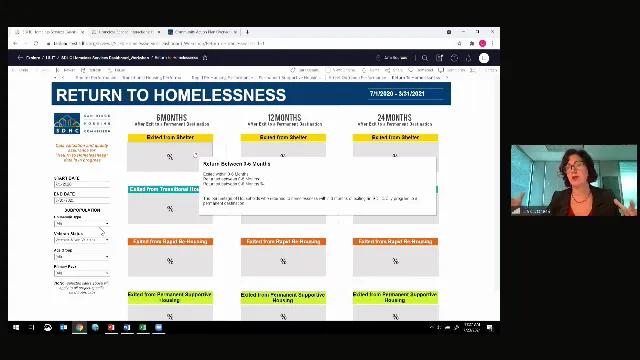
This meeting of the Land Use and Housing Committee was held virtually via Zoom due to the COVID-19 pandemic. The committee voted on several key items including a 99-year ground lease for San Diego High School, declared the Sports Arena site surplus land, and approved a property management agreement for three city-owned buildings. An informational update on homelessness data dashboards was also presented. Consent Calendar - Approved committee actions from June 10, 2021 (4-0). - Approved Consent Agenda items 1–3 unanimously: acceptance of an access easement in Black Mountain Ranch, amendment for airport master plan studies with CNS Engineers, and declaration of Mission Gorge pump sewer station as exempt surplus land. - Councilmember LaCava noted the airport master plan will address unleaded fuel solutions. Public Comments & Testimony - Non-Agenda Public Comment: - Ms. Smith criticized San Diego Unified for using "secret backdoor tactics" and urged the committee to scrutinize proposals from the district. - Catherine Rhodes argued that the city attorney's legal opinion on community parking district revenue was flawed, stating the city may use meter revenue for a broad range of street-related purposes. - Madison Coleman (Climate Action Campaign) urged adoption of a well-designed inclusionary housing ordinance requiring 10% on-site deed-restricted affordable units, noting the current 4% incremental requirement is insufficient. - Item 4 (San Diego High School Lease): - Several speakers supported the lease: Amy Denhart (parent) and Josephine Peeler (student/PTSA president) highlighted the school's need for modernization; Eddie Head (Alumni Association president) emphasized the school's historical and community value. - Opponents included a speaker who called it a giveaway of Balboa Park, citing a court agreement; Roger Showley (Balboa Park Committee of 100) proposed a joint planning effort for an "education park"; Michael Stepner (former city architect) urged a broader vision connecting the park to downtown; Renee Smith asked for stronger city protections; Catherine Rhodes suggested using the site for homeless services. - Item 5 (Sports Arena Surplus Land): - Laura Nunn (San Diego Housing Federation) supported the declaration, emphasizing the opportunity for affordable housing. - D.K. Aniwo (Midway Pacific Planning Group) called the site a catalytic opportunity for community revitalization. - Item 6 (Property Management Agreement): No public comments. - Item 7 (Housing Commission Dashboards): No public comments. Discussion Items - Item 4: San Diego High School 99-Year Ground Lease - Staff presented the lease with San Diego Unified School District for 34 acres of parkland. The lease includes $30 million+ in improvements, transfer of 11.7 acres to Mission Trails Park, and a parcel under Memorial Prep. The 99-year term is required to support bond-financed construction. Public access to facilities will continue. - Committee members expressed strong support, noting the 2016 voter mandate (77% approval) and the need for school modernization. Councilmember Moreno made the motion; Vice Chair Elo-Rivera seconded. All voted yes (4-0) after receiving commitments on public access and joint use. - Item 5: Sports Arena Surplus Land Declaration - Staff explained that declaring the 48.5-acre site surplus is a necessary first step under the Surplus Land Act. A condition requiring renovation or replacement of the sports arena will be included in the notice to state agencies. - Discussion focused on affordable housing requirements. Vice Chair Elo-Rivera expressed desire for a 25% affordable set-aside (the level required if a government agency responds) but did not amend. Councilmember LaCava cautioned that the percentages do not guarantee unit numbers. Councilmember Moreno urged use of the Business Cooperation Program. The motion (from Chair Whitburn, seconded by LaCava) passed 4-0. - Item 6: Property Management Agreement for 1200 Third Ave, 201 A St, and 101 Ash St - Staff requested approval of a three-year agreement with Meissner Jacquet for management of three city-owned buildings, including the vacant 101 Ash Street. The total cost for management fees and salaries over three years is $1.3 million. - Councilmember Moreno objected to including 101 Ash Street, calling the building a waste of taxpayer money. The committee bifurcated the vote. - First vote: management for 1200 Third Ave and 201 A St (excluding 101 Ash) passed 4-0. - Second vote: management for 101 Ash Street passed 3-1, with Councilmember Moreno voting no. Vice Chair Elo-Rivera and Councilmember LaCava supported, citing liability and asset protection. - Item 7: Informational Update – Homelessness Data Dashboards - The Housing Commission presented new performance dashboards to track outcomes of homeless services. Data covers July 2020–March 2021, with plans to update monthly. Dashboards include metrics on shelter, housing placements, returns to homelessness, and demographics by council district. - Committee members praised the transparency. Vice Chair Elo-Rivera asked about tracking disparities for Black San Diegans (who represent 6% of population but 27% of those served) and former foster youth. Councilmember LaCava inquired about unrecorded homeless individuals. Councilmember Moreno suggested making the dashboard easily accessible on the city website. Key Outcomes - Consent Agenda: Approved 4-0. - San Diego High School Lease: Approved 4-0 to forward to City Council for final authorization. - Sports Arena Surplus Land: Approved 4-0 to forward to City Council. The declaration includes a condition to retain a sports arena. - Property Management Agreements: - For 1200 Third Ave and 201 A St (King Chavez): Approved 4-0. - For 101 Ash Street: Approved 3-1 (Moreno opposed). - Homelessness Dashboards: Informational item; no vote taken. Staff will consider adding data on former foster youth and improving website visibility. The meeting adjourned at approximately [no time given in transcript].

HOMELESSNESS 18% · EDUCATION 12% · REAL ESTATE 11% · PUBLIC ENGAGEMENT 10%
649
JUL 21, 2021 · SAN DIEGO, CALIFORNIA · BUDGET & GOVERNMENT EFFICIENCY COMMITTEE
Budget and Government Efficiency Committee Meeting – July 21, 2021

The Budget and Government Efficiency Committee met virtually on July 21, 2021, to consider several items including the adoption of FY2022 budgetary principles, a combined $148 million appropriation authorization for priority capital projects, and two cooperative procurement contracts for refuse collection vehicles. All items were approved unanimously. Consent Calendar - The committee unanimously approved the actions of the June 23, 2021 meeting (motion by Councilmember Montgomery Stepp, second by Councilmember Campillo). Public Comments & Testimony - Non‑agenda public comment: Noah Harris, representing Climate Action Campaign, urged the city to fully fund MAP 2.0 (Mobility Action Plan Phase 2) and increase investments in the Sustainability Department, noting that transportation accounts for the largest share of greenhouse gas emissions and that the city has made little progress on mode shift since the Climate Action Plan’s 2015 adoption. - No public comments were received on any of the agenda items. Discussion Items - Item 1: Proposed Fiscal Year 2022 Statement of Budgetary Principles – Andrea Tevlin (Independent Budget Analyst) presented the principles, which have been carried forward with only date changes since 2008. She provided historical context regarding the need for clear budget protocols between the Mayor and Council. The committee voted unanimously to forward the principles to the full Council with a recommendation for approval (motion by Vice Chair Whitburn, second by Councilmember Montgomery Stepp). - Item 2: Combined Appropriation Authorization for $148 Million for Various General Fund Supported Priority Capital Needs – CFO Matthew Vespey and staff presented a package to fund four priority projects: public safety radio modernization ($56.4 million), fire engine fleet replacement ($41.3 million), implementation of Senate Bill 1383 (organics diversion) including new collection vehicles and containers ($35 million), and backfilling CIP projects to provide cash for improvements at the Kearny Mesa repair facility. Debt manager Rick Vare and Rolando Charvel explained the financing plan, which leverages already‑authorized funds and maintains the city’s debt ratio well below the 10% policy guideline. Jillian Cassie of the IBA noted that the combined $293 million in borrowing (including a previously approved $145 million) could limit additional general fund debt capacity for the next three to four years. After discussion about capacity and project delivery, the committee voted unanimously to approve the staff recommendation (motion by Vice Chair Whitburn, second by Councilmember Montgomery Stepp). - Item 3: Cooperative Procurement Contract with Velocity Truck Centers for Crane Carrier Class 4‑8 Chassis and Related Equipment – Donnie Wynne (Fleet Operations) presented a $9.6 million contract to replace rear‑loader refuse collection vehicles, with potential additions due to new routes. The contract runs through August 2024 with a one‑year extension option. No IBA concerns. Approved unanimously (motion by Vice Chair Whitburn, second by Councilmember Montgomery Stepp). - Item 4: Cooperative Procurement Contract with Velocity Truck Centers for AutoCar Truck Industries Class 4‑8 Chassis and Related Equipment – Casey Smith (Director of General Services) presented a $51.5 million contract for automated side‑loading refuse packers, including 43 new vehicles required under SB 1383. Staff highlighted extensive field testing and analysis. Approved unanimously (motion by Vice Chair Whitburn, second by Councilmember Montgomery Stepp). Key Outcomes - Approved the FY2022 Statement of Budgetary Principles, forwarding to full Council. - Approved the $148 million appropriation authorization for public safety radios, fire engines, SB 1383 implementation, and Kearny Mesa repair facility improvements. - Approved cooperative procurement contracts with Velocity Truck Centers for rear‑loader ($9.6 million) and side‑loader ($51.5 million) refuse vehicles. - The committee adjourned to its next special meeting on Wednesday, September 15, 2021 at 9:00 a.m.

FLEET MANAGEMENT 24% · DEBT MANAGEMENT 17% · MISCELLANEOUS 17% · PROCUREMENT 9%
650
JUL 15, 2021 · SAN DIEGO, CALIFORNIA · ENVIRONMENT COMMITTEE
San Diego Environment Committee Meeting: Stormwater Funding Strategy and Carbon Sequestration Briefings (July 15, 2021)

The San Diego City Council Environment Committee met virtually on July 15, 2021, for two informational presentations. The first was an update on the city's Stormwater Funding Strategy, including results of voter polling, focus groups, and a timeline for a potential November 2022 ballot measure. The second was a briefing on carbon sequestration from Wild Coast and Tree San Diego. No action was taken on either item. Stormwater Funding Strategy Update - Staff from the Stormwater Department (director Chris McFadden and Bethany) reported significant progress since January/February presentations, but emphasized a continued funding deficit. Fiscal 2021 stormwater needs exceed $500 million annually, with about $50 million coming from the general fund. The department has experienced 11 additional emergency failures at pump stations and pipes. - Recent wins include $8.6 million in additional fiscal 2021–22 funding, $2.5 million for the funding strategy, and financing from SRF and WIFIA loans—over $700 million from WIFIA and over $54 million from SRF—for more than 100 stormwater, green infrastructure, and flood-resilience projects. A commercial paper issuance (to go to council in August) would unlock about $50 million. - Stakeholder engagement: a voter survey (March 2021) and focus groups (May 2021) found that education increases support, that water quality and outdoor recreation are highly valued, and that the impermeable-area funding method (vs. property-type) is more popular. A two-thirds vote threshold may be feasible after education. - Possible single-family residential bills were presented for both funding methods, but no method was selected. - Next steps: return to committee in November 2021, formal audit recommendation updates in January 2022, rules committee in March 2022, city council vote in June 2022, with a potential ballot measure in November 2022. Public Comments & Testimony - Haney Hong (San Diego County Taxpayers Association) opposed new taxes or fees during the COVID recovery, citing chronic underfunding and suggesting the city follow the county's example of reducing fees. - Leslie Reynolds (Groundwork San Diego, Choice Creek Coalition) applauded staff and supported the ballot measure, while urging immediate action on neighborhood stormwater issues in Districts 4 and 9. - Matt O'Malley (San Diego Coastkeeper) supported the measure, noting Mission Bay had unsafe postings for 83 days and San Diego Bay for 164 days in 2020; he called taxpayer association comments "uninformed and misguided." - Danielle Dolan (Local Government Commission) supported a dedicated funding source for multi-benefit stormwater solutions. - Several speakers from environmental, community, and labor groups spoke in favor: Malika Marsden (Climate Action Campaign), Lucera Sanchez (San Diego Coastkeeper), Megan Flaherty (San Diego Audubon), David Gibson (Regional Water Quality Control Board), Jim Pugh (Audubon), Julie Corrales (Environmental Health Coalition), Andrew Meyer (Audubon), and many others. - Jack Monger (Industrial Environmental Association) supported the ballot measure but recommended treating stormwater as a resource, arguing the plan spends $274 million per year on a system that wastes stormwater rather than harvesting it. - Wayne Rosenbaum (IEA Water Committee) raised concerns about proposed rates—estimating industrial/commercial charges of 25 cents per impervious square foot, five times residential and ten times Los Angeles—and requested further discussions. - Greg Montoya and Alida Chavez urged prioritization of the Green Alley Project in Southcrest and other immediate fixes. - Victor Avina (Biomed Realty) said his client had no position on a specific mechanism but acknowledged the flooding problem. - Lonnie Lutar, an individual, criticized the taxpayers association as "fiscally irresponsible," citing a $1.4 billion stormwater infrastructure deficit and a $270 million annual gap. Discussion Items - Vice Chair Von Wilpert received confirmation that emergency repairs forced deferral of green infrastructure projects, many of which are proposed for commercial paper funding. - Councilmember K asked whether the FM3 poll tested funding at the full $274 million need; staff responded that it did not, and that they would seek an incremental amount rather than the full need. - Councilmember LaCava noted that a November 2022 ballot measure would mean fees would not be imposed until at least 2023, helping the economic recovery. - Chair Elo-Rivera emphasized that the funding should be framed as a transformative investment, citing the Whiteman Street Park project in District 9 as an example. Key Outcomes - This was an informational item; no motions or votes were taken. - The committee will receive an update in November 2021 and formal audit recommendations in January 2022, with a possible November 2022 ballot measure. Carbon Sequestration Briefings - Zach Flopper (Wild Coast) described blue carbon storage in coastal wetlands—mangroves, seagrass, and salt marsh—and reported fieldwork with Scripps Institution of Oceanography that collected 253 samples from Mission Bay, San Dieguito Lagoon, and Famosa Slough. He recommended restoration, improved tidal exchange, and protecting wetlands to allow migration with sea level rise. - Electra of Tree San Diego presented the "Branch Out San Diego" program, a $1.2 million grant (with $1.6 million match) funded by California Climate Investments/CAL FIRE, aiming to plant nearly 1,600 trees on residential and tribal lands, sequestering more than 8,000 metric tons of CO2 over the trees' maturation. The program includes tree steward training, multi-spectral imaging, and community engagement. - Public comment: Jim Pugh (San Diego Audubon and Friends of Famosa Slough) praised the work and urged the city to analyze carbon sequestration in projects like DeAnza Cove. - Committee members thanked the presenters and discussed the need to integrate blue carbon and urban forestry into city climate planning. Councilmember LaCava asked about street tree barriers; Electra cited the need for greater urban forestry staffing and streamlined processes. Chair Elo-Rivera asked about tribal engagement, and both presenters confirmed ongoing work with tribes. Key Outcomes (Carbon Item) - Informational item only; no action taken. - Presenters will provide recommendations later in the year; Tree San Diego hopes to reach 50% of tree plantings within one year.

STORMWATER MANAGEMENT 54% · URBAN FORESTRY MANAGEMENT 10% · PUBLIC COMMENT 8% · BLUE GREEN INFRASTRUCTURE 7%
OPENPUBLICA · PUBLIC MEETING INDEXUPDATED DAILY · openpublica.com