Browse by city
Date range
Search help

Search titles, summaries, topics and stored transcripts together. Keywords may match separately; put the whole query in double quotes for a phrase. Matching follows word analysis, so punctuation is not exact. Both dates are included. Documents are not searched.

SHOWING 191–200 ENTRIES
191
NOV 26, 2025 · ANCHORAGE, ALASKA · ASSEMBLY & COMMITTEE MEETINGS
Board of Ethics Meeting Summary: November 20, 2025

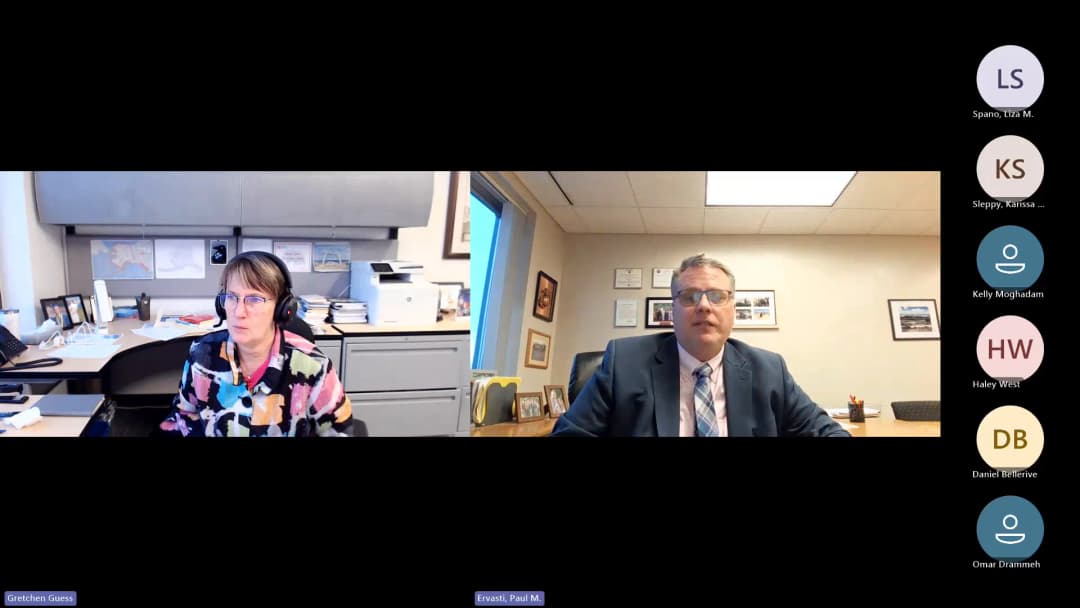
The Board of Ethics convened at 3:31 p.m. on November 20, 2025, to address routine agenda items, discuss long-term improvements to the ethics code, and conduct election procedures. Chairperson Roma expressed an intent to vacate the chair during upcoming military orders in early 2026, prompting a nomination and subsequent election for the vice chair. The board also reviewed plans for ethics training and set the date for the next meeting before adjourning. Consent Calendar - Approval of Agenda: The board unanimously approved the agenda for the meeting. - Approval of Minutes: The minutes from the previous meeting were unanimously approved without changes. - Disclosure of Economic Interest (Items 5A1A through E): Items regarding disclosure of economic interest in municipal contracts were approved unanimously. - Notice of Intent to Respond (Items 5A2A through F): Items regarding notices of intent to respond to public solicitations were approved unanimously. Discussion Items - Ethics Code Improvements (Item 7A): Staff Update provided by Paul regarding long-term code improvements. Paul noted three primary areas for revision: - Conflict of Interest: Proposed making the section more concise. - Role of the Ethics Officer: Suggested spelling out the role to prevent misunderstandings or potential abuse of authority. - Partisan Activity Definition: Advocated for cleaning up the definition to distinguish between divisive political advocacy and personal expressions of support (e.g., wearing a pink ribbon for breast cancer awareness). - Training & Education Proposals: - Proposed Video Training: Paul outlined a plan to create a video training module for new board and commission members, aiming to finalize it by year-end for board review. - Annual Quiz Proposal: Member Mogadam suggested implementing an annual training course with a short quiz to remind members of rules, noting this could help manage high turnover. - Member Position on Training: Paul expressed full support for enhancing training, while Mogadam expressed support for an annual quiz component. The board agreed to review the video concept and potential training formats at the next meeting. Key Outcomes - Election of Vice Chair: The board unanimously elected Gretchen Guess as the new Vice Chair. Chairperson Roma elected to serve in the role for one year to ensure a smooth transition and training of Guess before returning to her post-chair duties after military service. - Next Meeting Date: The board unanimously scheduled the next meeting for Thursday, December 18, 2025, from 3:30 p.m. to 5:00 p.m. - Adjournment: The meeting was officially adjourned at 3:56 p.m. - Public Comments: No members of the public submitted comments or testimony during the audience participation segment.

PROCEDURAL 68% · ETHICS TRAINING 24% · CONFLICT OF INTEREST 8%
192
NOV 26, 2025 · ANCHORAGE, ALASKA · ASSEMBLY & COMMITTEE MEETINGS
Municipality of Increased Salaries and Volumes - Meeting Summary (2025-11-26)

The meeting of the Municipality of Increased Salaries and Volumes convened to address the approval of minutes, the passage of compensation-related resolutions, and new business regarding future compensation discussions. The session involved multiple recesses to finalize draft language before voting on amendments to the original resolutions. Consent Calendar - Draft agenda for the current meeting was approved without objection. - Minutes from the October 22nd, 2024, meeting were approved with no additions or corrections. Public Comments & Testimony - The Chair noted a letter received from a community member addressing concerns regarding salary discussions, which was forwarded to all commission members. - Member Rieger requested that staff research municipal policies regarding the consideration of anonymous communications. - No formal public testimony was heard from community members during the session. Discussion Items - Resolution 2025-1 (Fringe Benefits): The motion to amend Resolution 2025-1 was discussed. The amendment focused the action on adding a specific parking benefit rather than altering the entire compensation package. Speaker Karen moved to amend, stating the substance only adds a single benefit relating to parking. - Resolution 2025-2 (Mayor's Benefits): The discussion involved Resolution 2025-2 regarding the Mayor's compensation. Member Redman read the operative language, which includes eligibility for the same parking benefits as executive employees and the option to have a take-home vehicle provided. Speaker Karen moved to amend this resolution to remove sections one through four and replace them with the specific parking and vehicle language read by Redman, leaving other compensation unchanged. - New Business - Compensation Review: Member Kim Hayes and Chair Rieger discussed opening a new discussion on the compensation of elected officials based on public feedback. Members agreed to begin proactive research and mapping in January 2026 to avoid rushing near the end of the year. Key Outcomes - Resolution 2025-1: Passed as amended (Amendment passed 4-0; Main motion passed 4-0). The resolution now includes a specific provision adding parking benefits to the assembly member package. - Resolution 2025-2: Passed as amended (Amendment passed 4-0; Main motion passed 4-0). The resolution now explicitly defines the Mayor's eligibility for parking benefits relative to executive employees and access to a take-home vehicle. - Future Directives: Staff was tasked with researching policies on anonymous communications, and the board agreed to schedule compensation discussions for the beginning of 2026. - Adjournment: Meeting adjourned at 11:55 AM. A member raised a note regarding the fact that attendees are retirees. Note: The transcript contains apparent transcription errors regarding the municipality name and specific meeting times (e.g., '1135', '115') which have been preserved in spirit but summarized as a 2025-11-26 session. The transcript also notes a conflict where the Chair calls for approval of 'October 27' minutes but the motion explicitly references 'October 22nd' minutes.

PROCEDURAL 65% · PERSONNEL MATTERS 28% · PUBLIC ENGAGEMENT 7%
193
NOV 21, 2025 · ANCHORAGE, ALASKA · ASSEMBLY & COMMITTEE MEETINGS
Anchorage Public Safety Commission Task Force Meeting - Nov 21, 2025

This meeting marked the fourth and final session of Phase Two for the Anchorage Public Safety Commission Task Force. The primary objective was to finalize draft recommendations regarding a new advisory commission, review nine proposed amendments, and conduct a binding vote on the full package. The session utilized a consensus voting model, which shifted to majority voting (50% plus one) when consensus was not reached. The meeting concluded with the unanimous passage of the final recommendations, which will now be forwarded to the Anchorage Assembly for policy consideration. Consent Calendar - Routine approvals included the use of iPads for voting assistance and the acceptance of eight pre-submitted amendments plus one drafted in real-time. - The task force adopted a "light version" of Robert's Rules of Order to facilitate the process. Public Comments & Testimony - Kyle (Coalition Representative): Expressed full opposition to changing the mission language regarding homelessness. Kyle argued that removing specific mention of homelessness clouds the commission's public safety mandate and ignores the safety risks faced by unhoused individuals following recent shootings. Kyle emphasized that homelessness is a critical public safety component often swept under the rug. Kyle stated that the commission must not dilute the focus on officer-involved shootings. - Terry (Task Force Member): Expressed support for the proposed amendment to the mission statement (Option 1B) to explicitly list community concerns regarding homelessness, domestic violence, and mental health crisis responses. Terry argued that specific inclusion ensures these issues are not forgotten and facilitates working relationships with the nonprofit sector. - Jenna (Public Member): Expressed opposition to the specific terminology used in the mission statement, citing concerns that the current language focuses too heavily on "law enforcement response" rather than the needs of the community. Jenna emphasized the need to address the stigma surrounding homelessness and called for a shift toward viewing unhoused individuals as human beings rather than problems to be managed. - Mercedes (Public Member): Expressed support for the public safety commission addressing issues around homelessness but voiced concern that the specific language in the mission statement might cause confusion, leading the public to believe the commission is a new homelessness body rather than a broader safety advisory board. Mercedes urged for broader public engagement to clarify the scope before the final proposal goes to the Assembly. - Daryl (Ombudsman Representative): Clarified that the establishment of a new commission does not replace or limit access to the current Municipal Ombudsman Office. Daryl confirmed the Ombudsman Office will continue to handle specific complaints based on statutory limitations, while the new commission will focus on systemic policy and data review. Daryl expressed position that the two entities can operate without creating conflict or confusion for the public. - Kyle (Second Statement): Reiterated support for the amended mission language (Option 1B) and emphasized the need for the commission to include grassroots responders and facilitate alternative responses to law enforcement. - Cheryl (Public Member): Expressed concern that specific mission language might inadvertently limit the commission's scope or confuse the public about the existence of other resources. Cheryl advocated for a broader scope that allows the commission to prioritize different safety issues annually. Discussion Items Section 1: Mission and Duties - Debate on Option 1A vs. 1B: Members debated whether to retain the original language (Option 1A: "public concerns with the homelessness crisis response") or adopt Option 1B, which explicitly lists homelessness, domestic violence, and mental health crisis responses. Kyle and Terry argued for the explicit listing to ensure visibility and proper scope, while others expressed concern about limiting the commission's flexibility. - Amendment 1D: A new amendment was drafted and approved to strike Option 1A and 1B, replacing them with a broad statement that encourages future bylaws to address specific issues including homelessness, domestic violence, and public safety crises. Terry offered a position that the language should explicitly include "voices and safety within houses and constituencies" to distinguish between safety for the housed vs. the unhoused. Section 2: Authority Options - Options A, B, and C: The group evaluated three levels of authority. Option A was advisory only; Option B added system-level review; Option C added authority to receive complaints, monitor active cases, and review investigations. - Decision on Authority: The group voted to proceed with Option C (higher authority) via majority vote (16 yes, 4 no, 1 abstention). Randy presented a position that Option C must be implemented carefully to avoid overlapping with existing bodies like the Ombudsman office. - Amendments to Option C: - Amendment 2 (Receive Complaints): Moved to change "receives complaints" to "is informed by complaints." This amendment failed (9 yes, 10 no, 1 abstention) after discussions clarified that the commission would not act on individual complaints directly but rather use them for systemic data. - Amendment 3 (Monitor Active Cases): Moved to delete the language regarding monitoring active cases. This amendment failed (3 yes, 15 no, 1 abstention). Mercedes stated a position that monitoring cases is essential for reviewing cases involving missing and murdered indigenous people or flawed policies. - Amendment 4 (Review Investigations): Moved to delete the language regarding reviewing completed investigations. This amendment failed (5 yes, 13 no, 1 abstention). Section 3: Membership Structure and Staffing - Amendment 5 (Ex-Officio Voting Members): Moved to include department representatives as voting members to ensure buy-in. The motion failed (6 yes, 11 no, 1 abstention). Randy clarified the intent was to ensure departmental engagement, but the group rejected voting rights for non-commissioners. - Amendment 6 (Non-Voting Ex-Officio Members): Moved to allow for the addition of non-voting ex-officio members for education and dialogue. This passed (14 yes, 3 no, 1 abstention). - Amendment 7 (Lived Experience Requirement): Moved to define and require members with "lived experience" in marginalized areas. The motion passed (15 yes, 3 no, 1 abstention). - Amendment 8 (Additional Training): Moved to add training in rights clauses within the justice system. This passed unanimously (18 yes, 0 no, 0 abstentions). - Amendment 9 (Stipend/Payment): A newly drafted amendment moved to mandate paid membership (minimum $37.13/hour) rather than volunteerism, citing the financial burden on marginalized community members. The motion passed (12 yes, 4 no, 0 abstentions). Section 4: Evaluation and Reporting - The section requires an annual public report and the completion of bylaws within 12 months of formation. No amendments were proposed for this section. Key Outcomes - Vote on Full Package: The complete set of recommendations, as amended, passed with a vote of 15 yes, 0 no, and 1 abstention. - Adopted Authority: The commission is authorized under Option C, granting it the ability to be informed by complaints, monitor active cases (without interference), and review investigations for thoroughness. - Adopted Mission: The mission statement was amended to allow the future commission to define its annual scope, with a strong recommendation to address homelessness, domestic violence, and public safety crises in their bylaws. - Adopted Membership Rules: The commission will include members with lived experience, non-voting ex-officio members from relevant departments, and members must be paid at a minimum of the federal minimum wage ($37.13/hour as of 2024). - Next Steps: The final recommendations will be forwarded to the Anchorage Assembly for the policy-making process. An additional final meeting is scheduled to finalize any remaining minor details before the official submission.

PROCEDURAL 40% · PUBLIC SAFETY 22% · MEETING PROCEDURES 15% · HOMELESSNESS 9%
194
NOV 21, 2025 · ANCHORAGE, ALASKA · ASSEMBLY & COMMITTEE MEETINGS
Anchorage Election Commission Meeting Summary - November 21, 2025

The Anchorage Election Commission held a meeting focused on addressing communication breakdowns with the Municipal Clerk's Office and the Assembly Election Committee. Commissioner Katie Nolan expressed significant frustration regarding her inability to fulfill statutory duties to study and recommend election ordinance changes, citing a lack of information and notification regarding recent policy shifts. This was largely triggered by the introduction of a new secure document portal for remote voting, proposed without prior notification to the Commission. Board members discussed the implications of new voting technologies, the need for respect and consultation on legislative changes affecting elections, and the necessity of transparency to maintain public trust. Consent Calendar - No routine consent calendar items were discussed during this meeting session. Public Comments & Testimony - Commissioner Katie Nolan: Expressed deep frustration and embarrassment regarding her lack of knowledge about election policy changes, stating this prevents her from acting as an effective advisory body. She stated she feels she is falling down on her job duties as defined by Title 28. - Commissioner Ann Courtney: Stated her issue was not the policy itself, which she deemed good, but the fact that she felt "really cut off" from the Clerk's Office. She noted that a press statement claimed the Assembly had been briefed, yet the Commission was unaware, highlighting a "communication" problem rather than a policy flaw. - Commissioner Lauren Lehman: Expressed concern over the lack of paper trails and security in the new electronic system. She questioned the ability to verify voter identity solely through identifiers like driver's license numbers and Social Security numbers, which she described as easily accessible. She emphasized the need to see "gate bases" and safeguards beyond standard identifiers. - Commissioner Meetread (Mead): Expressed concern that the new cloud-based system might automatically enter results into vote counts without examination. He questioned the robustness of security measures, suggesting alternatives like voice prints or retinal scans, and emphasized the need to know how improperly submitted ballots would be rejected. Discussion Items - Role of the Commission vs. Clerk's Office: Commissioners unanimously agreed that the Commission is not a "convention board" and must be consulted on major procedural changes, legislation, and potential personnel changes. Ann Courtney emphasized that "anything that has to do with legislation, anything that has to do with major change of procedures" requires Commission consultation. - The Secure Document Portal: Election Administrator Liz Edwards explained the system (developed with DOD/DHS), noting voters apply specifically, receive a unique PIN and link, and vote. She clarified the system converts the electronic ballot to paper for scanning, creating a paper trail, rather than allowing email attachments. Mead questioned if this was the first instance of cell phone voting without printing, referencing a New York Times article. - Historical Context of Distrust: Lauren Lehman provided a history of tensions, noting that after the previous election where ballots were not delivered to one district, the Assembly passed legislation signaling the Commission "doesn't really matter" and restricting their ability to investigate certain issues. She stated the Clerk's office had been "defensive" and dismissive of questions in the past. - Security Concerns: The board discussed the vulnerability of remote voting. While Lehman acknowledged previous state laws allowed remote voting, she stressed the difficulty of verifying identity without physical ID checks. There was a discussion about whether the chain of custody for electronic ballots is secure enough compared to the Attorney General's office's previous stance against cloud storage for election data. Key Outcomes - Action Item 1: Chair Nolan will meet with the Chair of the Assembly Election Committee to request formal notification and consultation regarding future legislation to ensure the Commission is "kept in the loop". - Action Item 2: Commissioner Lauren Lehman will schedule a meeting with the Municipal Clerk (Jamie) to discuss communication avenues and request that the Commission be included in briefings. Chair Nolan may attend with her. - Action Item 3: The Commission will request a public demonstration of the new secure document portal to be held outside an assembly building. This demonstration will invite the public to ask questions to restore trust and clarify the system's functionality. - Directive: The Commission expects future major changes or plans by the Clerk's Office to respect their statutory role and include them in the decision-making process to avoid feelings of inadequacy and disrespect.

ELECTION PROCEDURES 74% · TECHNOLOGY AND INNOVATION 12% · COMMUNITY ENGAGEMENT 6% · ANIMAL WELFARE 4%
195
NOV 21, 2025 · ANCHORAGE, ALASKA · ASSEMBLY & COMMITTEE MEETINGS
Anchorage Housing Commission Meeting Summary - November 5, 2025

The Anchorage Housing Commission convened on November 5, 2025, to approve a new resolution advancing the city's "10,000 homes in 10 years" initiative with a specific focus on affordable housing outcomes. The meeting also featured updates on the closing of Emerging Rental Assistance (ERA) funds, changes to Housing Commission rules, and a presentation on the newly established "Good Neighbor Fund." Commissioners engaged in robust discussions regarding the feasibility of affordability goals, public feedback on service delivery models, and procedural improvements for public testimony. Consent Calendar - Order of Business: The agenda was approved unanimously via motion by Julie Grant with a second from Michelle Baker. - Minutes: The minutes from the October 1, 2025, meeting were approved without objection. Public Comments & Testimony - Karen Marners (Resident with lived experience and HUD protection issues): Expressed strong concern regarding landlord retaliation and lack of enforcement of property preservation laws. She stated that a landlord cut off her balcony, leading to eviction proceedings, and that she was booted from Complex Care facilities for unknown reasons. She requested the commission enforce existing laws and provide legal help to clear her eviction record and address property preservation failures. - Jessica Parks (Commission/Community): Noted the lack of inclusive forms in commission proceedings and the difficulty for community members with lived experience to participate. She described the shelter environment as chaotic and compared the lack of care for unhoused residents in Anchorage to the standard of support seen during the Western Alaska Storm response. She argued that outreach should be funded and operated independently of police to build trust. - Community Member (Anonymous): Suggested that the commission consider a facilitated discussion format for future meetings to improve public dialogue and noted that the current public comment structure limits the ability to address multiple issues. Discussion Items - Resolution on Affordable Housing Goals: - Speaker Positions: Jessica Parks proposed aiming for one-third of units to be affordable. Julie Grant expressed support for the ambitious goal but questioned the data sources and feasibility, noting private developers rarely build affordable housing without specific funding. She advocated for a data-driven approach, suggesting a 10-year retrospective analysis to determine a realistic target rather than setting an arbitrary number. - Deliberation: Commissioners discussed that tracking affordable housing should focus on publicly funded units with rent restrictions rather than the private market broadly, as private market rents do not reliably meet affordability thresholds. The term "neighborhoods" in the resolution was challenged due to community pushback against forced zoning changes in low-density areas. Commissioners agreed to replace "neighborhoods" with "districts" to ensure equitable distribution without mandating changes in every single neighborhood. - Outcome: The Commission voted to add "faith-based partners" to the list of coordinated partners and agreed to the language change from "neighborhoods" to "districts." - Review of Commission Rules and Procedures: - Speaker Positions: Commissioners admitted that the review process had fallen behind schedule and that they had not fully prepared a review of the document's updates (department name changes, etc.). - Deliberation: Due to lack of preparation and the need for a thorough review, the Commission voted to defer the discussion and vote on rule changes to the next meeting to ensure due diligence. - Emerging Rental Assistance (ERA) Update: - Speaker Positions: City staff reported that the ERA program ended September 30, serving 718 clients (exceeding the 600 projection). Staff noted that several grantees underspent their allocations, requiring funds to be returned to the Treasury. - Deliberation: Staff detailed that final reports are due from grantees by December 29, with a final settlement with Treasury expected by January 28. A small amount of funding was allocated to "Hang for continuing kind of experience assistance" to stabilize clients at risk of homelessness. - Good Neighbor Fund Presentation: - Speaker Positions: Dave (Executive Team) described the fund as a solution developed over 15 years to provide flexible, real-time funding directly to outreach workers for immediate individual needs (e.g., deposits, IDs, transportation). He emphasized that 100% of donations go directly to services with no administrative fees. - Deliberation: Commissioners praised the fund's flexibility compared to traditional grant restrictions. Dave encouraged personal contributions, noting one example where a homeless individual donated their "sacred money" back to the cause. Discussion highlighted the fund's role in bridging gaps that traditional shelter systems cannot. - Housing and Homelessness Update: - Speaker Positions: Staff described the status of surge beds (56 total), abatement schedules, and the "mini-unit" project which secured additional funding to add eight units, scheduled to move into the Nordic North site by December. Staff also discussed zoning changes allowing for mobile/trailer replacement. Key Outcomes - Resolution Approved: The Commission unanimously approved the resolution to promote affordable housing with two specific amendments: replacing the word "neighborhoods" with "districts" to address community concerns, and adding "faith-based partners" to the coordination list. - Rule Review Deferred: The vote on changes to the Housing Commission Rules and Procedures was tabled until the next meeting to allow commissioners time to review the document thoroughly. - Good Neighbor Fund Launch: The Commission received a formal presentation and endorsement of the Good Neighbor Fund, recognizing its role in providing immediate, flexible support to vulnerable residents outside of traditional shelter systems. - Procedural Note: The meeting was extended by five minutes to accommodate public comment and adjourned with a discussion on future agenda ordering to better include public testimony. - Next Steps: Commissioners are to submit specific comments on the Rules and Procedures document to Frankie Doll (Staff) in writing by the next meeting. Final ERA spending reports and Treasury reconciliation are due in January 2026.

AFFORDABLE HOUSING 40% · HOMELESSNESS 21% · PUBLIC ENGAGEMENT 12% · PROCEDURAL 10%
196
NOV 20, 2025 · ANCHORAGE, ALASKA · ASSEMBLY & COMMITTEE MEETINGS
Assembly IUOC Meeting Summary (November 20, 2025)

The Anchorage Assembly's Infrastructure, Enterprise, and Utility Oversight Committee of the Whole convened on November 20, 2025, to review updates from the Anchorage Water and Wastewater Utility, the Program Management Office (PMO), Saltway Services, and the Port of Alaska. Key topics included proposed 2026 rate increases, the status of the PMO contract, landfill gas mitigation at Merrill Field, and significant Port of Alaska capital projects including Terminal One construction and grant awards. Several members noted the late start time and low attendance but engaged in substantive discussion regarding project timelines, cost implications, and seismic resiliency. Consent Calendar - No items were placed on the consent calendar during this session; all discussions were treated as new business or reporting items. Public Comments & Testimony - No public comments or testimony were recorded during this session. Discussion Items - 2026 Rate Increases (Anchorage Water and Wastewater Utility): General Manager David Persinger presented a proposal for annualized rate increases of 4.85% for the Water Utility and 2.87% for the Sewer Utility. Persinger attributed the increases to aging infrastructure, inflation, energy costs, and permit renewals. - Impact: The proposal translates to an estimated $3.57 monthly increase for single-family residential water service and $1.89 for sewer service. - Process: The increases were approved by the Advisory Board on November 5th and are scheduled for a public hearing and assembly approval on December 2nd, followed by regulatory commission review. - Program Management Office (PMO) Contract: Aaron Hudson of Jacobs and David Persinger provided an update on the PMO contract, which manages large-scale projects including the Waste-to-Energy program. - Status: The contract is nearing the end of its first year, with a reauthorization for Year 2 (up to $7 million) scheduled for the December 2nd agenda. - Local Content: Hudson emphasized the focus on utilizing local Alaskan contractors and firms such as Arctic Slope Regional Corporation, Huddle, and Dall & PTS. - Dashboards: A live, interactive dashboard for tracking KPIs was demonstrated. Members questioned access, and staff clarified that while current access is restricted to assembly members pending a public version, registering for access is possible via a QR code. - Waste-to-Energy: Hudson detailed the early stages of Phase One, including site selection evaluations and the development of a financial business case for future assembly approval. - Merrill Field Landfill Gas Project (Saltway Services): Director Kelly Toth reported on Phase One completion of the landfill gas mitigation project. - Results: Toth stated that recent work, including the installation of a stinger and drip trap, has resulted in "no exceedances" in the adjacent buildings and that the flare is running "strong." - Funding: The project is approximately 75% funded and 90% complete for Phase One. Toth noted delays were due to normal operations and federal agency oversight. - Port of Alaska Updates: Acting Port Director Mike Abbott and PMO Manager Eric Adams presented on several Port initiatives. - Terminal Two (T2) Design Contract: Adams noted a recommendation to award a $3.1 million contract to Cali Engineers for T2 design. The work includes evaluating "reduced seismic performance criteria." Assembly Member Johnson sought clarification on this, recalling a previous discussion where higher seismic standards were costly. Adams confirmed that cost comparisons and risk assessments regarding seismic resiliency are part of the contracted deliverables. - Terminal One (T1) and Mirad Grant: The Port confirmed a $50 million federal grant award for the Mirad project (T1). Additionally, a $10% change order is being requested for the T1 designer contract. Construction is scheduled to commence in March 2026, with pile driving expected to create noise for the Government Hill community council. - Electrical Substation: A proposal to move the electrical substation from a current site in front of the container terminals to the North Extension was discussed. Adams noted the alternate location costs more, triggers the $2 million threshold requiring PAB and Assembly approval, but offers better space for future utility expansion. The committee requested that the "value proposition" and cost differences be presented at a future hearing. - North Extension Helipad: Funding from the North Extension Stabilization (NES) grant will be used for a new dual-purpose helipad and paved cargo storage area. A separate design-build contract is anticipated to go to the street in December. - Battery Energy Storage System (BESS): A design-build award for a BESS project is expected in mid-December. Staff confirmed the contract language allows flexibility to co-locate the system with the electrical substation once the site is selected, ensuring compliance with the Department of Defense grant requirements. - Port Director Appointment: Assembly Member Johnson announced the Mayor has appointed Terry Amitum as the new Port Director, effective December 15th, with a confirmation hearing to be scheduled. Key Outcomes - Reports Received: Updates were accepted from Anchorage Water and Wastewater Utility, Saltway Services, and the Port of Alaska without immediate action items (except for noted future approvals). - Future Actions Scheduled: - December 2 Meeting: - Public hearing and potential vote on 2026 AWU/ASU rate increases. - Vote to authorize Year 2 of the PMO Contract (up to $7 million). - Vote on the award of the T2 Design Contract ($3.1 million). - Vote to appropriate Mirad grant proceeds. - Potential vote on the BESS design-build contract. - First Quarter 2026: - Assembly and PAB review of the alternative Electrical Substation site location. - Confirmation hearing for new Port Director Terry Amitum. - Directives: The Committee directed staff to ensure the "value proposition" of the substation site relocation is clearly articulated in future presentations and to coordinate community council updates regarding Terminal One pile driving. Staff confirmed the T2 design contract includes the necessary analysis of seismic performance costs.

WATER AND WASTEWATER MANAGEMENT 34% · ENGINEERING AND INFRASTRUCTURE 25% · DATA MANAGEMENT 18% · PUBLIC WORKS 11%
197
NOV 19, 2025 · ANCHORAGE, ALASKA · ASSEMBLY & COMMITTEE MEETINGS
Assembly Legislative Committee Draft 2026 MOA Review - 2025-11-19

The Assembly Legislative Committee convened on November 19, 2025, to review a revised draft of the 2026 Municipal Operating Authority (MOA) legislative program. Despite a late arrival by committee member Mr. Myers and a brief discussion regarding the inclusion of district priorities, the committee determined they lacked the quorum necessary to vote on amendments. Consequently, the committee decided to facilitate the formatting of changes for the December 2nd meeting, where a final vote is expected. Consent Calendar - No consent calendar items were presented or acted upon during this session. Public Comments & Testimony - Jamie Lopez, representing the "Sank Formerly Homeless Coalition" (formerly identified as representing the coalition), addressed the committee regarding victim access to crime records: - Lopez expressed strong opposition to current Alaska statutes that prevent victims from accessing case records (such as body camera footage) after a legal case reaches its natural conclusion. - Lopez cited specific concern regarding the high cost and delay of obtaining records, noting a recent $1,155 charge for five hours of police body camera footage and a six-month waiting period. - Lopez stated that while medical or confidential health records should remain restricted, raw video footage and police reports should generally be accessible to victims without barriers. - Lopez suggested that the committee or Administration should take up this issue with the Alaska Public Safety Department (APD) or the state legislature. - No other public comments or testimony were recorded. Discussion Items - Review of Revised 2026 MOA Draft: - The meeting focused on changes proposed in the revised draft, following a previous work session. Changes highlighted in the document included: - Blight Reduction Fund: An increase in the amount to create parity with the "APD Real-Time Crime Center Capital" item, a recommendation originally suggested by Member Constant to better balance public safety impacts. - Unmanned Aerial Systems for Emergency Capabilities: A carryover request from the Anchorage Fire Department for a drone program focused on wildfire early detection and other emergency needs (e.g., search and rescue training), reflecting a continued pattern of commitment despite previous state-level funding denials. - Restoration of Defined Benefit Pensions: The inclusion of this perennial request for the third consecutive year, despite concerns raised by the chair regarding its likelihood of success given the anticipated legislative focus for the upcoming year. - Education Funding: The committee noted the exclusion of language regarding the Anchorage School District's (ASD) fiscal plan request, with the decision made to let ASD focus on that priority separately while the Assembly focuses on municipal priorities. - District Priorities: Member Gerker inquired about the inclusion of district priorities, specifically mentioning split rail fences and Station 11 (volunteer fire department) for District 2, and priorities for District 5 and 6. Staff confirmed these were being incorporated and that a hard deadline of Friday, November 21, was set for submission. - Quorum and Procedural Challenges: Chair Mr. Yates and the Clerk determined that the committee lacked a quorum, as non-member Mr. Gerker could not be counted alongside Members Baldwin, Day, Silvers, and Myers. Due to the lack of a quorum, no votes could be taken. The committee discussed the difficulty of amending a document where it is easier to add than remove. Key Outcomes - Procedural Determination: The committee confirmed it could not vote due to a lack of quorum. - Next Steps Assigned: - Staff member Allie is directed to incorporate all current feedback and district priorities into a formatted document. - Districts are requested to submit priorities by Friday, November 21, to meet the Wednesday, November 26 agenda deadline (due to Thanksgiving). - The draft MOA legislative program will return to the committee on December 2nd for final amendments and a vote. - Vote Status: No votes were cast during this meeting.

LEGISLATIVE SERVICES 49% · PUBLIC ENGAGEMENT 23% · PUBLIC SAFETY 20% · MEETING PROCEDURES 8%
198
NOV 19, 2025 · ANCHORAGE, ALASKA · ASSEMBLY & COMMITTEE MEETINGS
Anchorage Housing & Homeless Committee Meeting - November 19, 2025

The Anchorage Housing and Homeless Committee convened at 10:45 AM on November 19, 2025, to review updates on shelter surge capacity, HUD funding amendments, the new housing rehabilitation fund concept, micro-unit developments, and outreach initiatives. The meeting occurred without a full quorum (requiring four members), with Councilor Silvers designated to chair the session after Councilor Gerker departed. Key highlights included the expansion of shelter beds to support increased turnaways, a major reallocation of funds toward supportive services, and the launch of a community-managed "Good Neighbor Fund." Public commenters expressed strong concerns regarding the leadership role of law enforcement in outreach and highlighted gaps in shelter accommodations for individuals with disabilities. Consent Calendar - No items were listed for the Consent Calendar in the transcript. Public Comments & Testimony - Jamie Lopez (East Anchorage formerly Coalition): Expressed opposition to the current strategy of leading outreach with law enforcement. Lopez stated that law enforcement should not be the lead due to trauma inflicted on the unhoused population by police interactions. Lopez expressed concern that pairing services with police prevents individuals from accepting aid. Stated strong support for Kenny Peterson's work but expressed dissatisfaction that people with lived experiences are not present at committee meetings to speak. - Karen Barnard (Identified as Homeless): Expressed full frustration regarding repeated denials of federal law requests for reasonable accommodation (specifically a solo room) at all shelters visited. Stated that current shelter conditions are dangerous due to roommates' behaviors and expressed concern that illegal evictions and landlord theft of property are unaddressed. Expressed support for the resolution for poor-performing landlords being active rather than tabled, noting it is needed immediately. Expressed concern regarding vigilante parking enforcement notes received by residents. Discussion Items Shelter Surge Capacity and Operations - Kimberly Rash (Anchorage Health Department): Described a process where surge capacity is authorized when the system reaches critical usage. Stated that as of the meeting, authorization was pending for an additional 50 beds (10 at Henning Inc., 40 at MASH), which would bring totals to 150 beds at both East 56th and East 5th Avenue locations. Noted that surge beds are charged at the same contractual rate as standard beds ($83.69 for Henning, $108 for MASH) and that funding requests will be made to the Assembly. - Kathleen McLaughlin (Restorative and Re-entry Services): Corrected the record, stating the new 150-bed count at East 56th was active as of that Monday. Stated that surge decisions are made weekly based on real-time data after the current system reaches capacity. Noted that the Alex shelter is operating well, while the Linda's Place location faces mechanical issues (elevator/water leaks) requiring bed swaps. Described successful joint outreach with APD to move encampment residents into shelter and hotels. - Councilor Silvers: Questioned the persistent presence of individuals in camps despite these efforts. Stated that neighbors in the Nunaka area are concerned about safety. Asked to identify the main drivers for those refusing services, noting that some individuals appear to be seeking enforcement rather than solutions. - Thea Agnu Benben (Mayor's Office): Explained that factors for non-engagement include addiction, distrust of law enforcement, outstanding legal warrants, and a lack of trust in the system. Stated that the administration is working on a housing rehabilitation fund using $1.3 million originally appropriated for land trusts, matched by CDBG funds, to provide small repair grants and gap financing for multi-unit developments. HUD Funding and ARAM Updates - Kimberly Rash: Described a request for a substantial amendment to reprogram $550,000 from affordable housing development to supportive services (child care, job training, legal services, etc.) based on public input. Stated the intent is to conduct a competitive procurement process to move shelter populations into permanent housing. - Councilor Silvers: Questioned the specific target population for the new supportive services. Received clarification that the RFP will specifically target individuals currently in shelter to move them into housing. Micro-Unit Development - Thea Agnu Benben: Reported rapid progress on the Tudor and Elmore micro-unit site, with site prep complete and units moving in the coming week. Stated that an additional 8 units funded by Bloomberg Philanthropies are being constructed for a mid-December move-in. Announced a ribbon-cutting ceremony scheduled for December 10th and noted that the operator selection is nearing finalization. - Councilor Silvers: Inquired about the timeline for residents to move in. Received confirmation that the operator will conduct screening and intake once under contract. Police Outreach and Abatements - Lieutenant Fuchs (APD): Described the launch of the Anchorage Multi-Disciplinary Outreach Team (AMDOT), a coordinated approach involving police and service providers. Stated that the team aims to resolve low-level issues like trespassing or failure-to-appear warrants on-site by coordinating with prosecutors, provided the offenses are not crimes of violence. Noted that felony warrants still require processing through jail. - Jared Gerker: Asked for specifics on the low-level offenses being handled. Received confirmation that the team handles misdemeanors like petty theft, shoplifting, and disorderly conduct on a case-by-case basis. Good Neighbor Fund - Kenny Peterson: Presented the formal launch of the Good Neighbor Fund, managed by the Alaska Community Foundation. Stated that the fund currently holds over $25,000 with 50 donors. Declared that 100% of donated dollars go directly to aid, with administrative costs covered separately. Invited the Assembly and community members to contribute, emphasizing the fund's role in preventing panhandling issues by providing direct resources. Key Outcomes - Shelter Capacity Updates: The committee was informed that shelter capacity is actively expanding, with East 56th (Henning Inc.) at 150 beds as of the week of November 17-19, 2025, pending final approval for the full 150-bed surge at Linda's Place (MASH) as well. - Funding Reallocations: The Health Department is preparing a proposal to reprogram $550,000 from the Home ARP funds from development to supportive services, with a target agenda item for December 2nd or December 16th. - Housing Rehabilitation Fund Concept: The Mayor's Office presented a concept to establish a housing rehabilitation fund using $1.3 million from the Affordable Housing and Land Trust, to be matched by CDBG and HOME funds, aimed at both small repairs and gap financing for developers. This item is expected to come before the Assembly by December 2nd. - Micro-Unit Timeline: The Tudor and Elmore micro-unit project has a scheduled ribbon-cutting for December 10, 2025, with full completion and move-ins anticipated by mid-December. - Good Neighbor Fund Launch: The fund was officially launched with $25,000 in assets, and a call for Assembly members to promote community donations was issued. - Federal Funding Warning: The Health Department noted significant federal Changes to the Continuum of Care funding structure, reducing the percentage of renewal funding for permanent housing from 90% to 30% and requiring all projects to reapply, necessitating future committee discussion.

HOMELESSNESS 54% · AFFORDABLE HOUSING 14% · PUBLIC SAFETY 14% · PUBLIC ENGAGEMENT 7%
199
NOV 19, 2025 · ANCHORAGE, ALASKA · ASSEMBLY & COMMITTEE MEETINGS
Anchorage Assembly Regular Meeting Summary - November 18, 2025

The Anchorage Assembly convened for a regular business meeting to finalize the Fiscal Year 2026 General Government Operating Budget, Approve Capital Improvement Budgets and Programs, and address various ordinances and resolutions. The meeting featured extensive debate on fiscal strategy, including the Mayor's proposal for new sales taxes and extensive amendments to trim municipal spending. The session concluded with the passage of the budget without a sales tax implementation at this time. Consent Calendar - 10A-10G Items: The Assembly approved the routine consent agenda items excluding those pulled for discussion. - Item 10A2 (Wild Ice): A resolution recognizing November as Wild Ice Skating Month was adopted unanimously (13-0) after a conflict of interest disclosure by Member Volland regarding his membership in the Wild Ice Skating Club. - Item 10A4 (David's Jewelers): A resolution honoring David's Jewelers for 35 years of service and demonstrating resilience following a recent break-in was adopted unanimously. - Item 10A3 (Transgender Day of Remembrance): A resolution recognizing November 20, 2025, as Transgender Day of Remembrance was passed on a vote of 9-3. - Item 10B3 (State Legislative Program): The resolution adopting the 2026 State Legislative Program was postponed to a future meeting after Member Brawley declared a personal interest due to her employment with a state legislator. - Item 10D5 (Crane Agreement): An assembly memorandum authorizing the crane purchase agreement between the municipality, Don Young Port of Alaska, and Matson Navigation Company was adopted. A subsequent motion to reconsider failed, confirming the agreement was finalized. Public Comments & Testimony - Bruce Talbot (Basher Community Council): Expressed full support for including the Basher Trailhead parking renovation in the capital budget, citing voter intent and the urgency of safety issues at the current parking area. - Bill William Baxter (Fairview): Expressed concern regarding the decline of agricultural land and the potential shutdown of Glacier View School due to population shifts, advocating for support of FFA and 4-H. - Mari Mahana: Expressed strong opposition to the proposed sales tax, stating Assembly members were out of touch with the cost of living and criticizing the lack of "little teeny cuts" compared to tax increases. She also raised concerns about the expedited passage of the shelter ordinance waiving planning commission review. - Sherry Streesak: Questioned the funding and oversight of Federation of Community Council grants, expressing concern that traffic calming measures might align with a "15-minute city" agenda and noting a lack of documentation for 2025 grants. - Michael Oaks (Fire Department Clinician): Urged full funding for a second mobile crisis team, noting the current team handles double the average call volume and that the second team improves service quality and responder resilience. - Mark Vokov: Expressed concern over the vague messaging regarding the municipality's fiscal problem and argued that a broken tax cap formula should be fixed rather than adding a sales tax. Discussion Items - General Government Operating Budget (AO 2025-106): - Omnibus Amendment: Adopted the omnibus amendment (10-2), which included funding for an additional free bus day for seniors (65+) and adjusted travel and position reductions. Member Brawley and Member Voland urged support for the collaborative approach. - Ghost Positions Amendment (Item 1B): Member Kirker moved to increase the reduction of non-recruited positions from $175,000 to $850,000. The Director of OMB testified that increasing this cut could impact service levels. Member Baldwin Day argued the $675,000 difference represented only 0.1% of the budget and voted against the amendment. The amendment failed (4-8). - Best Beginnings Grant: Member Voland moved to remove funding for Best Beginnings from the omnibus, citing process concerns. Member Silvers and Member Brawley spoke against the removal, noting the program's success. Member Voland's amendment to remove the item failed (6-6 tie, failed by youth vote or procedural rule, effectively failing). Member Kirker subsequently moved to strike the funding from the omnibus; this amendment failed (3-9). - Travel Budget Reduction: Member Kirker proposed across-the-board cuts to discretionary travel. Fire Chief Troggy testified that travel is essential for training, inspections of million-dollar equipment, and national conferences, refuting the claim of "waste." Member Constant and Member Baldwin Day opposed the amendment, noting that municipal travel differs from household vacations and that the cut amounts were negligible (0.03% of the budget). The amendment failed (4-8). - Overtime Reduction: Member Martinez proposed a 10% reduction in budgeted overtime across general departments ($1.2 million). OMB Director Pearson stated that a structural analysis should be conducted in Quarter 1 budget revisions rather than this night to avoid service disruptions. The amendment failed (4-8). - Equal Rights Commission: Member Kirker proposed defunding the Equal Rights Commission due to duplicative functions. The Municipality's Law Director noted that the Commission is mandated by charter and the Department of Law would face conflicts of interest if it took over the investigation of complaints. The amendment was withdrawn. - Revenue Measures: The Assembly voted to postpone several revenue ballot measures (1% sales tax, 2% tax for infrastructure, and short-term rental tax) to future meetings (December 16 or January) to allow for further community discussion. - Capital Improvement Budget (AO 2025-107): - CASA Advisory Group: The Assembly adopted an omnibus amendment (10-2) regarding the Chugach State Park Access Service Area (CASA). The amendment requests the administration convene an advisory group to develop a six-year CIP, submitting the plan by March 31, 2026. This addresses concerns about the lack of input from Arts (Area Service) voices. - Specific Projects: The budget was amended to include the Basher Trailhead parking renovation and Stuart Trail wayfinding signage. - Traffic Calming: Member McCormick moved to strike traffic calming funding ($500,000). Member Silvers and Member Brawley testified that traffic calming is highly supported by community councils and includes speed bumps, not just lane narrowing. Member Martinez suggested a holistic review of traffic calming's relationship with economic development. The motion to strike failed (3-9). - Downtown Wayfinding: Member McCormick moved to strike downtown wayfinding funding, noting it wasn't the right priority. Member Brawley noted that ArtSA bond funds, not general taxpayer funds, would be used for this project. The motion to strike failed. - Executive Branch Reorganization (AO 2025-110): - Adopted unanimously (12-0) to reorganize the executive branch, specifically tying Community and Economic Development functions together to support the Mayor's housing agenda. The ordinance takes effect January 1, 2026. Key Outcomes - AO 2025-106 (General Government Operating Budget): Passed as amended (9-3). The budget remains below the tax cap by approximately $194,000. - AO 2025-108 (Municipal Utilities Enterprise): Approved unanimously (12-0). - AO 2025-109 (Community Development Authority): Approved unanimously (12-0). - AO 2025-110 (Executive Reorganization): Approved unanimously (12-0). - AO 2025-107 (Capital Improvement Budget): Approved as amended (9-3). The omnibus amendment regarding CASA was adopted. - AR 2025-296 (General Government CIP): Approved unanimously (12-0). - AR 2025-298 (Municipal Utilities CIP): Approved unanimously (12-0). - Crane Agreement (AO 2025-78): Approved unanimously (12-0) and final execution authorized. - Postponements: The 1% sales tax (For Progress), 2% tax for infrastructure, and short-term rental registration tax were postponed to December 16 or January meetings. The State Legislative Program was postponed to December 2nd. - Adjournment: The meeting was adjourned after all budget items and related resolutions were finalized.

BUDGET EQUITY ANALYSIS 18% · PROCEDURAL 17% · PUBLIC ENGAGEMENT 12% · FISCAL SUSTAINABILITY 10%
200
NOV 14, 2025 · ANCHORAGE, ALASKA · ASSEMBLY & COMMITTEE MEETINGS
Anchorage City Council Meeting: Room Rental Tax Proposal, Nov 14, 2025

The Anchorage Municipal Assembly convened on November 14, 2025, to discuss Ordinance 2025-117, a ballot proposition seeking voter approval for a two percent increase to the existing room rental (bed) tax. Council member Aaron Baldwin Day presented the proposal, which aims to generate approximately $6.5 to $7 million annually dedicated to public infrastructure for housing and cultural/recreational facilities. The discussion highlighted the proposal's timing, its relationship to other concurrent tax initiatives, and potential exemptions for extended-stay properties. Consent Calendar - No consent calendar items were discussed in the provided transcript segment. Public Comments & Testimony - Council members expressed varying levels of commitment to advancing the tax measures: - Council member Aaron Baldwin Day stated he is willing to withdraw the proposal or postpone it to 2027 if the body chooses to focus on the budget first or consolidate revenue questions. He emphasized viewing the tax as one option among many rather than a guaranteed solution. - Council member Jamie Baldwin indicated a preference for postponing the item until after the budget is finalized to allow for broader conversation on revenue. - Council member Volonai noted that his separate five percent proposal has a narrow intent, but acknowledged the logic of consolidating revenue discussions. - Council member Daniel (last name not fully transcribed) announced he would introduce a sunset provision requiring voter recertification every five years for any new tax measures up to the three to two percent range. Discussion Items - Proposal Overview and Revenue Dedication: Council member Baldwin Day detailed that the ordinance would add a two percent tax on top of the existing 12 percent rate. The revenue would be dedicated by charter to two uses: 50 percent (1 percent) for public infrastructure supporting housing (e.g., water, sewer, sidewalks) and loans/grants for affordable housing; and 50 percent (1 percent) for operations or capital funding for cultural and recreational facilities. - Market Trends and Industry Context: The presenter noted industry consolidation ("chainification") and a shift toward luxury and extended-stay properties as the market grows. It was argued that future hotel construction is likely to be high-end, which influences the tax base. - Exemption Strategies: Baldwin Day proposed an exemption logic for the S version of the ordinance: properties with in-unit or shared kitchen facilities (extended stay) could be exempted from the tax. The goal is to incentivize the construction of properties that age into de facto low-income housing without requiring expensive retrofits. - Interaction with Other Proposals: Council members discussed the potential coexistence of this 2 percent proposal with the council member Volonai's proposed 5 percent tax on short-term rentals. It was noted that if both passed, the total rate could increase by 7 percent, though the likelihood of both achieving approval was described as "astronomically small." - Fiscal Mechanics and Timing: It was clarified that the tax would be effective January 2, 2027, to avoid ambiguity regarding New Year's Eve stays, though a 2026 start was theoretically possible. Revenue collection is seasonal, meaning funds would likely not be programmed until 2028 due to lag times. - Sunset Provisions: Council members discussed adding a sunset clause to the 2 percent tax initiative, requiring a new vote by the qualified electorate every five years to recertify the tax. Key Outcomes - The ordinance remains on the agenda for the next meeting scheduled for Tuesday. - No final vote or decision to place the ordinance on the ballot was made during this session. - Council members indicated a strong intent to potentially postpone the item to allow for budget deliberations and broader discussion on revenue strategy. - Council member Volonai and others expressed openness to withdrawing or postponing their respective tax proposals depending on the body's collective direction.

TAX INCENTIVES 65% · ECONOMIC DEVELOPMENT 9% · AFFORDABLE HOUSING 8% · BUDGET EQUITY ANALYSIS 8%
OPENPUBLICA · PUBLIC MEETING INDEXUPDATED DAILY · openpublica.com