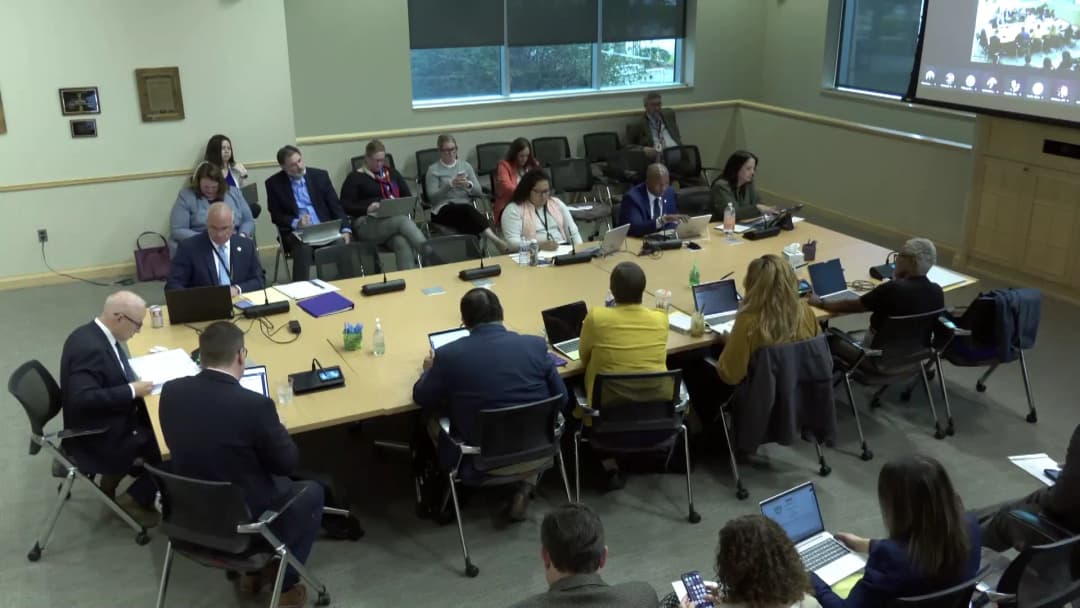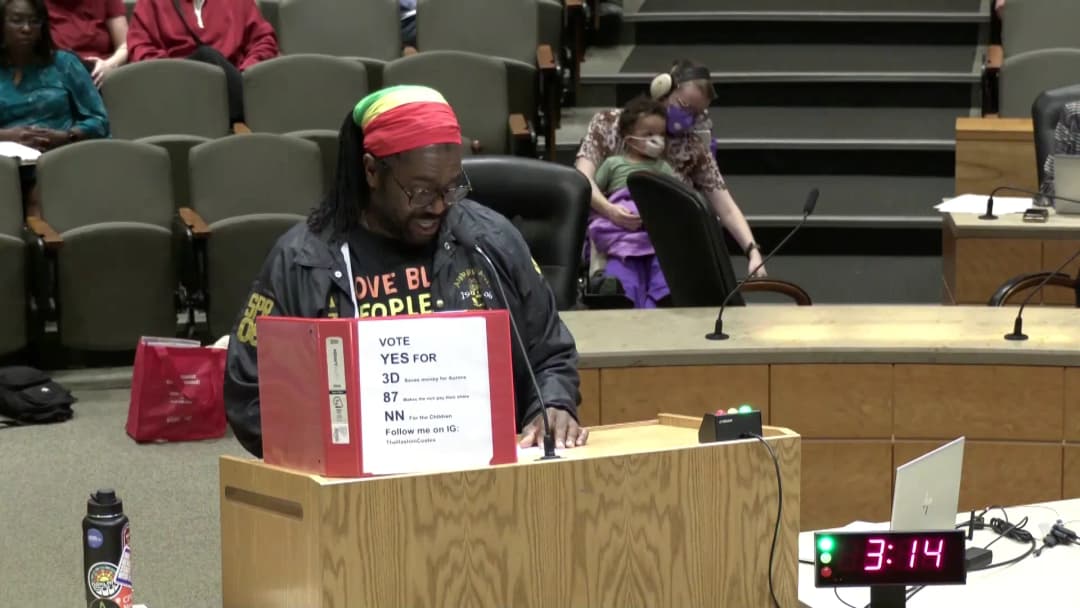
The Aurora City Council met on October 26, 2026, in a session that ran past midnight. After an executive session on oil and gas lease agreements, the council took up routine approvals, heard extensive public testimony, and considered a failed procedural attempt to revive a data-center moratorium resolution (2026-97) that had failed in August. The council also passed a resolution tightening legislative process rules and introduced a self-insurance fund ordinance. The transcript opens by referring to the 'Orient City Council,' but all other references identify the City of Aurora; no agenda or minutes were provided. Councilmember Reports - Multiple members gave updates: Jackson reported on the housing committee's review of Aurora Saves and the Arapahoe County Justice Coordinating Committee; Horton discussed Fletcher Plaza and a youth barbershop talk; Wiles announced a Nov. 2 data center town hall; Medina announced a Nov. 10 town hall; Hancock attended the America's Defense Communities Conference. - Mayor Kaufman said he does not condone profanity in chambers, noted a $75,000 payment tied to a First Amendment lawsuit, and said he acts on the city attorney's advice. Consent Calendar - The council adopted the Oct. 12, 2026 minutes unanimously and adopted the meeting agenda unanimously. - Councilmember Bergen pulled item 11A1; the remaining consent motions 11A2–11C1 were adopted unanimously. The council then approved item 11A1, the Homeless Services Notice of Funding Opportunity recommendation for Three Birds Alliance using marijuana funds, unanimously after staff described performance metrics such as shelter occupancy, exits to permanent housing, and average length of stay. - The council pulled resolution/ordinance item 12A1 and adopted the remaining consent resolutions/ordinances 12A2–12B2 unanimously. Public Comments & Testimony - Police accountability: Numerous residents demanded that Police Chief Todd Chamberlain be fired and called for community control of policing. Speakers invoked the deaths of Corey Dillard and Kylin Lewis, criticized City Manager Jason Bachelor's selection of Chamberlain, questioned consent-decree monitoring work by IntegraSure, and objected to police raises. One speaker cited a consent decree report saying APD would not be fully compliant by February 2027 and had problems with 10 mandates. Another said use-of-force incidents against Black residents had remained around 30% while Black residents make up about 15% of Aurora's population. - Surveillance: Chad Johnson (Ward 5) urged council to let the Flock license plate reader contract expire in March, called the $848,000 annual cost a waste, and opposed ballot issue 3B, saying it would fund a $900 million police master plan and mass surveillance. Ryan Costanzo called Flock cameras 'surveillance cameras' and cited the U.S. Supreme Court decision in Chatry v. United States. - Data centers: Dozens of residents, including youth and neighboring municipal officials, opposed the proposed Vantage/Trident hyperscale data center and other projects. They cited water consumption, electricity demand, noise, low-frequency sound, air pollution, emergency generators, property values, lack of public notice, and developer incentives. Some speakers said a moratorium alone was insufficient and demanded a permanent ban. Speakers said five data centers were under consideration, including QTS, Trident, NTT, Microsoft, and Aerotropolis. One speaker said Trident would require about 11 times more power than DIA and cover more than 15 football fields. Another cited research estimating pollution tied to AI power demand could cause up to 3,100 premature deaths a year nationwide by 2030. - Oil and gas/fracking: Andrew Pinkowitz asked council not to lease city minerals for the proposed Sunlight Long fracking site near Aurora Reservoir, saying it threatened the drinking water source for over 400,000 people and used about 28 million gallons of water per well. Yvonne Yap, with Safety Aurora Reservoir, drew parallels between fracking approvals and data center approvals. - Other topics: Speakers raised ADU parking concerns, slumlord enforcement, EV charger permitting delays, library board appointments, and the arrest and asylum case of Roberto Roa. One speaker corrected Mayor Kaufman's earlier statement, saying a $75,000 payment went to attorneys, not to the speaker personally. Discussion Items - Three Birds Alliance funding (11A1): Homelessness Manager Stephanie Kuiper presented the marijuana-funds allocation for staffing, food, shelter supplies, and utilities. Public commenter Hashim Coates supported housing-first investments while urging disclosure of any conflicts of interest and measurable outcomes. The item was approved unanimously. - Resolution 2026-112 – Council rules amendment: The resolution would require council legislation to go through policy committee, study session, and regular meeting unless it meets specified exceptions. It was sponsored by Councilmembers Andrews and Hancock. Supporters said it restores proper process; opponents said it was rigid, allowed a minority to block items, and contained unclear emergency definitions. The city attorney explained exceptions for public safety/health emergencies, fiscal impacts, and legal deadlines. It passed 6-5, with Mayor Kaufman casting the deciding vote; Mayor Pro Tem Coombs and Councilmembers Horton, Jackson, Medina, and Wiles voted no. - Ordinance 2026-53 – Self-insurance fund: Staff said the city will move its United Healthcare plan from fully insured to self-funded on Jan. 1, 2027, and the ordinance creates an internal service fund. Councilmember Wiles recused herself. Hashim Coates raised concerns about financial exposure, employee benefits, and taxpayer risk. The item was adopted unanimously among participating councilmembers. - Data center reconsideration procedure: Mayor Kaufman moved to suspend the rules to allow an out-of-time motion to reconsider Resolution 2026-97, the failed August data center resolution. The motion required a two-thirds vote and failed 6-5, with Councilmembers Andrews, Bergen, Gardner, Hancock, and Lawson voting no. The council therefore did not reach the substantive data center moratorium question. Mayor Kaufman gave notice he would bring the same motion and resolution again at the next regular meeting. Key Outcomes - Adopted Oct. 12, 2026 minutes and the meeting agenda unanimously. - Extended the first public comment period to allow the remaining 23 speakers, by an 8-3 vote. - Approved Three Birds Alliance marijuana-funds homeless services spending unanimously. - Adopted consent calendars 11A2–11C1 and 12A2–12B2 unanimously, with items 11A1 and 12A1 pulled and considered separately. - Passed Resolution 2026-112 (council rules amendment) 6-5. - Introduced/adopted Ordinance 2026-53 creating the self-insurance fund; Councilmember Wiles recused. - Failed to suspend the rules to reconsider Resolution 2026-97, by 6-5; the data center moratorium was not heard. Mayor Kaufman announced he will bring it again at the next regular meeting. - Near the end of the meeting, Councilmember Horton said most remote councilmembers had logged off; Councilmember Bergen disputed that, saying he was listening on another computer. Note: No agenda or minutes were available for this summary; it is based solely on the raw transcript.
Public Meetings - Aurora, Colorado
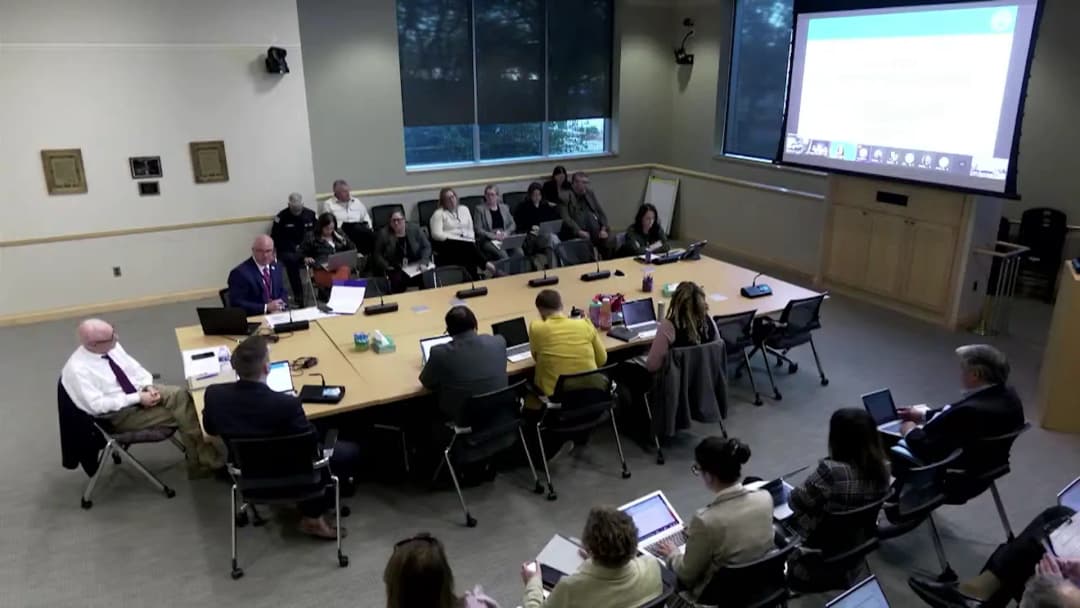
Public Meetings - Aurora, ColoradoThe Aurora City Council convened a study session on Monday, October 26, 2026, with Mayor Kaufman presiding. A quorum was present. The council moved consent calendar items forward, received a presentation on the South Metro Aurora Auto Aid Agreement, established an ad hoc committee on criminal sentencing reform, and debated a proposal to change data center siting distances. Consent Calendar - Items 2A through 2D were moved forward without objection. Discussion Items 3A: South Metro Aurora Auto Aid Agreement (First Amendment) - Assistant Fire Chief Hunter Hackbirth Barth presented the first amendment to the South Metro Aurora Auto Aid Agreement, last updated in 2019 when Cunningham Fire Protection District and South Metro Fire consolidated into a fire authority. - The amendment adds a small area between Chambers and Tower and Quincy and Bellview to the auto aid agreement so an additional South Metro engine can respond to structure fires, because South Metro operates a firehouse in a strip mall at Buckley and Smoky Hill. - The agreement is two-way: Aurora assists with unincorporated Arapahoe County areas from Hampden south to Parker and east of Parker Road. - Barth stated there are no significant changes and no added cost. Item 3A moved forward without questions. 3B: Ad Hoc Committee on Criminal Sentencing Reforms - Mayor Pro Tem Coombs explained that the goal is to gather data from internal departments, Judicial District 18, Arapahoe and Adams County sheriffs, JD 17 and 18 courts, and to a more limited extent Douglas County and District 23, before revising the city's criminal code and penalties in response to the Camp and Simons decision. - Councilmember Bergen questioned why a subcommittee was needed and whether the data already existed; staff member Pete said the intent is a deeper dive and to keep stakeholders informed, including if council considers eliminating criminal cases from municipal court. - Councilmember Lawson asked for examples of community stakeholders. Examples provided included Bridge House (re-entry programs), the Colorado Freedom Fund, the ACLU, and the NAACP. Lawson suggested also contacting victim-advocacy and crime-impacted groups. - Councilmember Gardner proposed creating an ad hoc committee rather than a public safety subcommittee and agreed to a five-member cap; the committee will receive input and testimony from non-members, but decisions remain with elected officials. - Councilmember Hancock raised concerns about timelines and scope, favoring membership limited to court professionals with other groups only submitting information for consideration. - Final structure approved without objection: a five-member ad hoc committee composed of the three public safety committee members plus Mayor Kaufman and Mayor Pro Tem Coombs; Coombs will chair. Work is expected to conclude by the end of January 2027, accounting for the holidays. 5A: Data Center Siting Standards - Councilmember Wiles proposed new standards: a prohibition on data centers within 750 feet of residential areas, conditional use between 750 feet and one-half mile, and by-right use beyond one-half mile. She cited a Magellan study finding that 90 percent of Coloradans oppose data centers in their city and estimated property value impacts of 6 to 7 percent. She argued thousands of acres remain available at greater distances. - Councilmember Andrews expressed support, stating current regulations are ill-equipped and citing the Trident site being across the street from a new home development. He noted Aurora has about 65 square miles of vacant land. - The city attorney stated new regulations would not apply to applications already in process (including Trident, Vantage, QTS, JP Morgan Chase, and data centers in the Fulenwider and ATEC master plan areas). If Vantage relocates, the city would treat it as an amended application, not a new application. - Councilmember Lawson asked whether enacting regulations now could jeopardize Vantage's move; the city attorney and city manager responded that completed applications would be unaffected. - Councilmember Bergen opposed arbitrary distances, urging engineering controls at the source (silencers, fan modulation, acoustic baffling) and scientifically based noise standards before setting distances. Councilmember Gardner agreed, arguing power infrastructure matters more than vacant land, some data center talking points are based on junk science, and other uses such as a Costco distribution center could be more harmful. Both formally objected. - Councilmember Wiles cited National Institutes of Health findings on low-frequency noise, noted the many generators at data centers, and said she verified noise from QTS in her backyard by driving there. She said her proposal is based on months of research and conversations with other cities. - The city attorney noted the proposed ordinance requires a third-party noise modeling study at the time of application. Councilmember Gardner stated generator testing occurs for 50 minutes at a time, less than 24 hours per year, disputing the numbers presented. - Six members voiced support, including Mayor Kaufman; Councilmembers Bergen and Gardner opposed. Item 5A moved forward. Key Outcomes - Consent calendar items 2A–2D moved forward. - Item 3A (South Metro Aurora Auto Aid first amendment) moved forward. - Item 3B approved: a five-member ad hoc committee on Chapter 94 criminal sentencing revisions was established, with completion targeted by the end of January 2027. - Item 5A approved to move forward: it will go to the planning commission in November and return for council action, likely at the first regular council meeting in December. - The council recessed until 5:05 PM, with an executive session scheduled to end by 5:20 PM.
The Aurora City Council held a regular meeting on October 12, 2026, beginning at approximately 6:00 PM. The meeting included approval of previous minutes, councilmember reports, public testimony, and action on two ordinances. A significant portion of the meeting was dedicated to public comment regarding police accountability and proposed data center development. Consent Calendar - Approved meeting minutes from September 14 and September 28, 2026, unanimously. - Adopted the agenda for the meeting unanimously. Councilmember Reports - Councilmember Andrews read letters from youth requesting extended hours at parks and rec centers and a citywide talent show. - Councilmember Jackson reported on conversations about Fletcher Plaza, the Aurora Black Forum series, budget workshops, and celebrated Indigenous People's Day. She also asked the city attorney about council's role in commenting on data centers before a vote. - Councilmember Horton announced a listening session for Fletcher Plaza and a Ward 1 Town Hall. - Councilmember Wiles noted Indigenous People's Day, thanked attendees, and announced a data center town hall on November 2nd. - Councilmember Medina reported on school visits and an upcoming town hall. - Councilmember Hancock read a letter from a Gateway High School student requesting support for an urban farm, and reported on other community events. - Councilmember Lawson announced town halls about fire rescue and ADA updates. Public Comments & Testimony - Numerous members of the public spoke during two public comment periods. The first period was limited to one hour, causing many speakers to be moved to the second period, which the council voted to make unlimited. - Many speakers demanded the firing of Police Chief Todd Chamberlain, citing a pattern of lying and excessive force, and referred to several individuals killed by Aurora police (e.g., Kylan Lewis, Corey Dillard). Some speakers noted that protests have been ongoing for nearly three years. - Several speakers opposed the Trident Vantage Data Center proposed near residential neighborhoods in Green Valley Ranch and the Reserve, citing concerns about noise, air and water pollution, property values, and lack of community notification. Speakers questioned the rezoning process and called for a moratorium on data centers. One speaker mentioned a poll showing 77% of Coloradans and 82% of Coloradans oppose data centers in their city/town. - A nine-year-old resident, Marcus, spoke against the data center. Other speakers also addressed flock safety cameras, police accountability, and city finances. - Hashim Coates spoke on multiple agenda items, supporting the zoning change but calling for stronger action, and also addressed police accountability and data centers. Discussion Items - Item 13A: Ordinance amending section 146-3.2 of the Unified Development Ordinance to remove data centers as a permitted use in the Mixed-Use Office-Institutional (MUOI) zone. Staff presented the background, noting council direction from August 24, 2026, a unanimous Planning and Zoning Commission recommendation on September 23, 2026, and that the change applies citywide. Public hearing included several speakers in support but urging a broader moratorium. Council voted unanimously to approve. - Item 13B: Ordinance designating Bethlehem Church (built 1963, addition 1976) as a local historic landmark. Staff presented three criteria met. Public hearing included one speaker in support who also urged the church to serve the community in line with social justice values. Council voted unanimously to approve. Key Outcomes - Unanimously approved Item 13A (data center zoning change). - Unanimously approved Item 13B (Bethlehem Church historic landmark). - Unanimously approved a motion to suspend rules to make the second public comment period unlimited in duration, allowing all remaining registered speakers to be heard.
The Aurora City Council met on October 12, 2026, to discuss and act on several items including homeless services funding, a transition to self-funded health insurance for city employees, proposed water rate and fee increases for 2027, Fourth of July display options, council rules amendments, and zoning changes for industrial districts to promote water conservation. Consent Calendar - Items 2A through 2K were approved collectively. This included a presentation on the Notice of Funding Opportunity (NOFO) for homeless services, detailing funding allocations for emergency solutions grants, rental assistance, marijuana grant funds, and public safety assistance programs. Discussion Items - Homeless Services Funding (NOFO): Stephanie Kuiper, Manager of Homelessness, presented the NOFO results. Four funding categories: Emergency Solutions Grants (ESG), Home Tenant-Based Rental Assistance (Home TIBRA), marijuana tax funds, and public safety assistance. Review panels recommended funding for Advanced Pathways ($142,490.40) and Aurora Housing Authority ($77,182.36) for ESG; Aurora Housing Authority ($200,000) for Home TIBRA; partial funding for Family Tree ($351,381), Aurora Housing Authority, and Three Birds Alliance from marijuana funds; and full funding for Jesus on Colfax ($144,647) for public safety assistance. Councilmember Andrews asked about funding gaps for Advanced Pathways; staff noted the organization has other funding sources. - Self-Funded Health Insurance (Item 3A): Tyra Litzu, City Controller, presented a proposal to transition the United Healthcare medical plan from fully insured to self-funded effective January 1, 2027. The new self-insurance fund will be an internal service fund. Ryan Lance, HR Director, stated the move allows cost savings and a 5% rate increase compared to the 11.7% increase under the fully insured model. Councilmember Hancock asked about management and savings. The ordinance to create the fund was approved without objection. - 2027 Water Rates and Fees (Item 3B): Catherine Wilkatoon, Deputy Director of Financial Administration for Aurora Water, presented proposed increases. Water rates will increase by small incremental amounts across tiers; irrigation accounts see a larger increase. Connection fees for water increase 5% (higher increases expected after 2027). No increase for sewer connection fees; stormwater connection fees increase 5%. Discussion included the Wild Horse Reservoir project, bond issuance plans for 2027-2028, and potential WIFIA federal loan application. The proposal was moved forward without objection. - Fourth of July Display Options (Item 4C): Brian Green presented options: traditional fireworks ($65,000, 20-22 minutes) vs. a drone show ($90,000, 16 minutes with 500 drones). Councilmembers expressed support for drones citing wildfire risk, noise, and neighborhood congestion. Mayor noted consistency with fire bans. Consensus was to proceed with the drone show; staff directed to finalize contract and conduct public messaging. - Council Rules Amendment (Item 5A): Councilmembers Hancock and Andrews sponsored amendments to define a public health emergency and require most legislative items to go through policy committee and study session unless meeting specific exceptions (public safety/health emergency, negative fiscal impact, or legal deadline). Councilmember Coombs added a definition for public health emergency. Councilmember Jackson questioned uniform application. A vote was taken; the majority supported moving the amendment forward. - UDO Amendment for Industrial Zones (Item 5B): Kelly Bish, Senior Planner/Landscape Architect, presented amendments to reduce landscaping requirements in industrial districts to save water. Changes include optional curbside shrubs/grasses, elimination of street frontage buffers, elimination of non-street buffers between like uses, reduced detention pond landscaping, and increased low-water-use tree requirements. Marshall Brown from Aurora Water supported the changes. Councilmember Hancock asked about residential curbside areas; staff clarified the changes apply to industrial zones only. The amendment was moved forward without objection. Key Outcomes - Consent calendar (items 2A-2K) approved. - Ordinance creating a self-insurance fund for United Healthcare approved (3A). - 2027 water rates and fees approved (3B). - Council directed staff to proceed with a drone show for the Fourth of July spectacular (4C). - Council rules amendment regarding emergency items and committee process moved forward (5A). - Unified Development Ordinance amendments for industrial landscaping moved forward (5B).
The Aurora City Council held a full-day budget workshop on Saturday, October 3, 2026, to review proposed departmental budgets for fiscal year 2027, discuss cuts, and consider additions. Key topics included a contentious $2 million reduction to the court system, public safety technology (Flock cameras, drones, mobile response teams), and proposals to add or cut staff. The council also discussed furlough days and data discrepancies between the court and public defender systems. Consent Calendar - No consent calendar items were noted. Public Comments & Testimony - No public testimony was presented. Discussion Items - Budget Rules (Item 2A) : The city manager outlined the process: department-by-department review, proposals needing five votes to be placed on the board, final approval requiring six votes, and the requirement to balance the budget. The council agreed to proceed. - City Attorney (Pete Shulze) : Reported a reduction of three attorney FTEs (over $500,000 savings) and participation in five furlough days ($181,000 savings). The office now handles 90% of litigation in-house, reducing outside counsel costs. The proposed 2027 budget is $11,313,339 with 68 FTEs (down from 71). - Civil Service Commission (Matt Cain) : No additions; maintained four FTEs. Commission stated Denver has nine FTEs for the same function. - Judicial (Judge Day) : Presented data on in-custody cases, which are down by about half due to a new standing order releasing most petty offenders on PR bonds without a court appearance. The court will close one division, not fill a retiring judge position, and shift resources to handle increased traffic registration cases (over 11,000 cases in one division). The judge expressed that the $500,000 cut is challenging. Councilmember Lawson questioned data accuracy and workload justification. - Public Defender (Ms. Cadiz) : Reported a 5.7% decrease in total cases opened but a 27% increase in non-DV cases. The office is cutting two FTEs (vacant positions) and noted data discrepancies with the court. Councilmember Hancock proposed cutting an additional two FTEs, arguing reduced DV workload. The proposal failed 5-4. Councilmember Horton proposed an audit of the court and PD data systems; agreed to explore cost and bring back for spring supplemental. - Housing and Community Services (Key Kim) : Presented on the Mobile Response Team (AMRT). Currently three teams cover daytime hours with some weekend coverage. Adding a fourth unit ($243,000 ongoing) could increase mental health calls answered by 86 per month and divert 440 ER/jail visits yearly. Council approved funding for one additional unit, with possible a second unit from opioid settlement funds. - Code Enforcement : Councilmember Horton proposed adding one full-time code enforcement FTE ($93,400 ongoing) to address workload, especially in Ward 1. The proposal was placed on the board with five votes. - Police Department (Chief Chamberlain) : Presented on technology use (Flock cameras, drones, real-time information center) and crime reduction (38.8% reduction over two years). Councilmember Horton proposed eliminating Flock camera funding at Aurora Public Schools ($65,000 reduction), which passed 5-4 and was placed on the board. Councilmember Jackson expressed concerns about warrantless data collection and bias. - Furlough Days & Pay Table : City manager indicated likely reduction from five to four furlough days in Q1 2027, citing improving revenue. The 3% council pay raise is charter-mandated; members may donate back. Key Outcomes - Net Budget Gap : The total additions (approx. $268,000 ongoing, $9,000 one-time) minus reductions ($69,000) leaves a net gap of about $268,000 ongoing. Staff will manage the gap internally through operational adjustments. - Furlough Reduction : Council directed the city manager to reduce furlough days from five to four, with implementation targeted for the first quarter of 2027. - Mobile Response Team : Council approved funding for a fourth AMRT unit ($243,000 ongoing); staff will explore a second unit via opioid settlement funds. - Flock Cameras : Council voted 5-4 to eliminate funding for Flock cameras at Aurora Public Schools ($65,000 reduction), placed on the board for further consideration. - Code Enforcement : A proposal for one additional code enforcement FTE ($93,400 ongoing) was placed on the board. - Data System Audit : Council directed staff to explore the cost and scope of an audit of the court and public defender data systems, to be reported back for the spring supplemental. - Council Pay Raise : Councilmember Wiles proposed forgoing the 3% annual raise; charter requires the raise but members may donate the amount back to the city; no formal vote was taken. - Supplemental Items : Several items (commercial kitchen retrofit program, additional code enforcement FTE, data audit) were deferred to the spring supplemental budget discussion.
The Aurora City Council met for a study session on Monday, September 28, 2026, at 6:00 PM. The meeting included roll call, consent calendar items, discussions on police grant applications, a proposed amendment to council rules regarding emergency agenda items, and planning and zoning commission vacancies. Several items were pulled for discussion, and audio issues affected participation. Consent Calendar - Items 2B through 2E were moved forward without objection. Item 2A (appointments to housing and community development) was initially pulled due to questions about additional members being added after interviews, but later it was not included in the consent calendar approval. Items 2F and 2G (police grant applications) were pulled for separate discussion. Discussion Items - 5A – Rules of Order and Procedure Amendment (Emergency Agendas): Councilmember Hancock, joined by Councilmember Andrews, presented a resolution to require emergency agenda items to go through policy committees and study session first, with exceptions for public safety emergencies, negative fiscal impact, or legislative deadlines. Mayor Pro Tem Coombs requested adding “public health” alongside “public safety” to cover situations like pandemics. Council debated the definition and voted to continue the item to the next study session for staff to provide a clear definition of “public health emergency.” - 2F – Police Department Grant Application (Peace Officers Behavioral Health): The Aurora Police Department requested council approval to apply for a $300,000 state grant from the Colorado Department of Local Affairs for a neural feedback program supporting officers and their families with stress and trauma. Council questioned the amount (the backup listed $1.6 million total available) and clarified the request is for $300,000 of that amount. The application was approved to move forward. - 2G – Police Department Grant Application (Cybercrime under Violence Against Women Act): APD requested approval to apply for a $750,000 federal grant for digital forensic and cybercrime investigation equipment and training, targeting technology-facilitated offenses against women (e.g., revenge porn, stalking). Council asked for a more detailed presentation at the public safety committee or on the floor; staff agreed to provide further specifics. The application was approved. - 7A – Planning and Zoning Commission Vacancies and Interview Schedule: Two vacancies will occur on December 31, 2026: Sunny Binka (seeking reappointment) and Gail Jetchik (term-limited). Council debated whether to reappoint Binka without an interview. Councilmember Hancock proposed reappointing Binka and interviewing for the other seat; this proposal failed on objections (Councilmembers Bergen, Lawson, Hancock, and Gardner). Mayor Pro Tem Coombs then proposed interviewing for both vacancies, which passed. The interview schedule was approved: application deadline October 23, council selects candidates November 9, interviews November 23, appointments December 7. Key Outcomes - Consent calendar items 2B, 2C, 2D, and 2E were approved. - Item 2F (APD behavioral health grant application) approved to move forward. - Item 2G (APD cybercrime grant application) approved to move forward with a promise of a detailed presentation. - Item 5A (rules amendment) continued to the next study session for a staff definition of “public health emergency.” - Item 7A: Council will conduct interviews for both Planning and Zoning Commission vacancies; the interview schedule was adopted. - No public comments were recorded. - The meeting was recessed for executive session regarding AURA.
The Aurora City Council held its regular meeting on Monday, September 28, 2026, with all members present except Councilmember Bergen (attended virtually) and Councilmember Hancock. The meeting was dominated by public testimony against the proposed Trident Vantage Data Center, followed by discussion and votes on several ordinances including opposition to Proposition 132, repeal of mandatory minimum sentences per the Camp Simons decision, creation of a socioeconomic impact business license, and refinancing of certificates of participation. Consent Calendar - Agenda adoption – Approved unanimously. - Consent calendar on motions (11C1–11C5) – Adopted unanimously. - Consent calendar on resolutions and ordinances (12A1, 12A3, 12B2, 12B3) – Adopted unanimously after pulling items 12A2 and 12B1 for separate discussion. Public Comments & Testimony Data Center (Trident Vantage) – Over 60 speakers, including residents, students, seniors, and community organizers, overwhelmingly opposed the proposed 860,000‑square‑foot data center near 48th Avenue and E470. Key concerns included: - Extreme energy demand (500 megawatts – 11 times that of DIA) and water use (800,000 gallons to start, plus ongoing cooling). - Health impacts from 28 diesel backup generators and air pollution in a census tract already ranking in the 98th percentile for toxic air. - Property value declines and economic harm; - Lack of community input and a four-year approval process that left nearby residents uninformed. - Speakers urged the council to call up the decision, impose a one‑mile buffer, and enact strict regulations. Police Accountability – Multiple speakers, including family members of victims (e.g., LaRonda Jones, Kylan Lewis’s mother), called for firing Police Chief Todd Chamberlain and implementing a civilian police accountability council. They cited cases of Corey Dillard, Kylan Lewis, and Rayjon Belt Stubblefield, alleging a pattern of police violence and lack of accountability. Proposition 132 (Fentanyl penalties) – Several speakers, including representatives from the ACLU and No on 132 campaign, opposed the measure, arguing it would increase incarceration without funding treatment, cost the state hundreds of millions, and disproportionately affect people of color. Other Topics – One speaker opposed the Flock ALPR contract; one raised concerns about the city’s consent decree monitor (IntegraSure); one spoke about a personal case in municipal court. Discussion Items 12A2 – Resolution opposing Proposition 132 – Council debated whether to oppose the state ballot measure that would increase penalties for fentanyl offenses. Councilmember Lawson and Councilmember Hancock spoke against opposing it, citing accountability for traffickers. Councilmember Horton and Mayor Pro Tem Coombs supported the resolution, arguing incarceration does not treat addiction. The resolution passed 8‑2 (noes: Hancock, Lawson). 12B1 – Ordinance repealing mandatory minimum sentences (Camp Simons compliance) – The second reading of an ordinance to remove mandatory minimum sentences for low‑level offenses (e.g., retail theft) following the Colorado Supreme Court’s Camp Simons decision. Mayor Kaufman proposed an amendment to retain a mandatory three‑day minimum for retail theft between $100 and $300. The amendment was defeated 4‑6. The underlying ordinance passed 7‑3 (noes: Bergen, Hancock, Lawson). 15A – Socioeconomic impact retail license – Final reading of an ordinance creating a supplemental license for businesses that tend to over‑concentrate in lower‑income areas (e.g., vape shops, payday lenders). Councilmember Gardner and Councilmember Hancock argued it was anti‑business; Mayor Pro Tem Coombs defended it as a tool for retail mix. Passed 8‑2 (noes: Gardner, Hancock). 14A – Refinancing certificates of participation – Authorized refunding of the 2017 series for Central Recreation Center, not to exceed $23 million. Approved unanimously. Key Outcomes - Opposition to Proposition 132 – Resolution passed 8‑2, placing Aurora in opposition to the state measure. - Repeal of mandatory minimum sentences – Ordinance passed 7‑3, removing most mandatory minimums from city code. - Socioeconomic impact license – Ordinance passed 8‑2, creating a new permit category. - Refinancing of certificates of participation – Approved unanimously. - Public comment extension – Council voted 9‑1 (Gardner opposed) to extend the public comment period past the one‑hour limit to accommodate all speakers. No further business was heard, and the meeting adjourned.
This study session covered the consent calendar, a resolution opposing Colorado Proposition 132, an ordinance on turf and water conservation, and extensive discussion on data center regulations including classification, setbacks, and screening requirements. Consent Calendar - Item 2C was pulled by Mayor Partino for clarification on the appointment process. It was moved to the next study session without objection. All other consent items (2A–2B, 2D–2H) were approved as part of the consent calendar. Discussion Items - 3A – Resolution opposing Colorado Proposition 132 (mandatory minimum sentences for fentanyl possession). Councilmember Horton introduced the resolution, arguing it lacks evidence-based effectiveness, increases overdose risk by discouraging Good Samaritan calls, strips judicial discretion with minimum sentences of 8–32 years, and would cost taxpayers $433 million over five years. Councilmember Lawson and Hancock opposed the resolution, citing $13.1 billion in total costs from the fentanyl crisis and the need to hold dealers accountable. The resolution advanced to the regular meeting with additional research after a vote: 5 in favor (Horton, Jackson, Andrews, Mayor Partino, and one other) and 3 opposed (Bergen, Gardner, Hancock, Lawson? – tally from transcript: 4 objections but later 5 supporters counted). - 3B – Ordinance on installation of new turf and ornamental water features. Marshall Brown, General Manager of Rural Water, explained the ordinance expands the prohibition of cool-season turf (Kentucky bluegrass) to backyards and clarifies that ornamental water features are prohibited for new development (forward-looking). Spray irrigation restrictions were also detailed. The item moved forward without objection. - 5A – Data center standards discussion. Staff presented options for classifying data centers by scale (25 megawatt threshold), measuring setbacks (from generators/chillers to residential zone district, including public right-of-way and dedicated open space), and setting a minimum distance. Council debated using square footage vs. megawatts; the 25 MW threshold was adopted. Setback measurement: from generators/chillers to residential zone district, with exceptions for right-of-way and open space. Setback distance: 350 feet was proposed and approved (5 in favor: Bergen, Gardner, Lawson, Hancock, Andrews; 3 opposed: Horton, Jackson, Mayor Pro Tem? unclear but outcome is 350 feet). Equipment screening: a requirement for a screen wall around ground-mounted equipment was directed, with alternative compliance options. All moved forward to staff for drafting. - 5B – Rules discussion and planning/zoning commission vacancies were postponed to the next study session (September 28) to allow time for the data center discussion. Key Outcomes - Consent item 2C postponed to the next study session. - Resolution opposing Proposition 132 advanced to the regular meeting with additional research to be provided by Councilmember Horton. - Ordinance on turf and water features moved forward to formal adoption. - Data center regulations: direction to staff to draft an ordinance with a 25 MW classification threshold, setback measurement from generators/chillers to residential zone district (including right-of-way and open space), a 350-foot minimum setback, and screening requirements for ground-mounted equipment. Staff will return with a draft.
This evening meeting of the Aurora City Council on September 15, 2026 (noted in the transcript as September 14, 2026) addressed a packed agenda including a major overhaul of council rules, public hearings on the 2027 budget and several ordinances, and extensive public testimony on police accountability, traffic safety, data center development, and budget priorities. The meeting saw multiple votes on amendments to the rules, with final passage of the amended resolution by a 9–1 vote. Other ordinances introduced included a supplemental license for socioeconomic impact retail, removal of mandatory minimum sentences, and water conservation measures. Council reports and a second public comment period followed. Consent Calendar - Approved the minutes from August 24, 2026, unanimously. - Adopted the consent calendar for resolutions and ordinances, with item 11A1 (rules) removed for separate discussion, unanimously. Public Comments & Testimony - Joseph Ortiz (Aurora Hills neighborhood): Described the death of his neighbor Gordon, killed in a crosswalk on September 2, 2026, citing long-standing traffic safety concerns. Requested expedited neighborhood traffic calming measures for Troy Street and parallel streets. Councilmember Medina confirmed follow-up. - Ayante Anderson: Called out certain council members as lacking courage, demanding accountability from the Aurora Police Department (APD) regarding the deaths of Joseph Jones and others. Criticized Mayor Kaufman’s past comments about President Obama. Urged police reform and firing of Police Chief Todd Chamberlain. - Katie Edwards: Opposed proposed food truck regulations, arguing that food trucks generate sales tax and that the city should treat them as an opportunity. Cited statistics: 80 complaints in a year, 27 empty parking spaces at the corner in question, and Aurora’s library funding of $18 per resident versus $53 in comparable cities. Urged a change in premise. - Medine Schaffner: Raised discrepancies in APD’s investigation of Joseph Jones’s death, citing the 108-page report: on page 58, the collision investigator wrote “unknown” if Jones was hit by another vehicle; a witness reported hearing an impact and seeing a white truck before the bus. Accused APD of defensiveness and deflection. Demanded a thorough investigation. - Chad Johnson (Ward 5): Opposed automatic license plate readers (ALPRs), citing Electronic Frontier Foundation findings of officer misuse (e.g., searches with “LMAO,” “idiot”). Noted Englewood allowed its Flock contract to expire. Asked Aurora to let its contract expire in March 2027 without replacement. - Lee Erickson (Green Valley Ranch resident): Opposed the Trident Data Center (1.5 million sq ft, largest in Colorado) adjacent to his 55+ community. Raised concerns about noise, water, light, and air pollution. Requested full vetting by Planning and Zoning Commission and City Council before any permits. - Jacqueline Peterson (22-year military veteran, educator): Strongly opposed the data center near a school, asking for independent health/safety studies. Cited noise, vibration, air pollution, and lack of timely notification. - Jeffrey McFarland: Urged safeguards: buffer wall with noise mitigation, recirculatory water systems, electric generators instead of diesel, acoustic enclosures for substation, and protections against rolling blackouts. - Christina Macalone (55+ community resident): Opposed data center, noting it would be across from a detention pond with carcinogenic sludge. Cited city ordinances protecting residential neighborhoods and asked for a pause. - Anna Harris: Presented evidence on Corey Dillard’s death, showing a photo she claimed contradicts Police Chief Chamberlain’s account. Asserted the rock was in Eric’s hand, not Corey’s. Said Corey was killed within 7.5 seconds of police arrival with body cams off. Offered to share footage. - Cassandra Hyle (DACAC): Called Chief Chamberlain corrupt and criticized councilmembers, especially Janina Horton, for not firing him. Demanded community control over police. - Paul Nelson (DACAC): Defined community control as an elected civilian council with authority over police policy, budget, discipline, and hiring/firing. Noted $20M budget shortfall, $181M to police vs. $8M to libraries (104th out of 107 in state). Called for budget reallocation and firing of Chamberlain. - Jeff Brown: Apologized to councilmembers for incendiary language but criticized city’s retail tax base performance (14% below other Colorado cities, 59% behind Denver). Urged strategic goals and benchmark updates. - La Ronda Jones: Expressed disappointment that no remembrance was held for Elijah McClain on his death anniversary, while the council voted to give police raises. Accused council of enabling police violence. Vowed continued action. - Ray Chaplewski: Opposed data center, noting it was six times larger than any in Colorado and approved administratively without community input. Asked for a slowdown. - Jan Wilson: Raised three points—against mandatory sentencing (three-strikes), urged caution on data centers (citing insider warnings about AI dangers), and requested police department work with youth on the SAVE program. - Additional speakers in the second public comment period reiterated demands for police accountability, especially regarding Joseph Jones (calling him “offender” in the report), and criticized Councilmember Bergen’s remarks about “the same people.” Discussion Items - 11A1 – Rules of Order and Procedure Amendments: Extensive debate on amendments proposed by Mayor Pro Tem Coombs. Key amendments included: - Amendment 1: Change agenda publication from 5 calendar to 5 business days. Passed unanimously. - Amendment 2: Remove the one-hour limit from the first public invited to be heard session. Failed 5–6 (Mayor Kaufman voted no). - Amendment 3: Move council reports to before the first public invited to be heard. Passed 6–4 (Bergen, Gardner, Hancock, Lawson opposed). - Mayor Kaufman’s amendment: Limit council reports to three minutes. Passed 9–1 (Hancock opposed). - Amendment 4: Remove the one-hour limit from the second public invited to be heard. Failed 5–6 (Mayor Kaufman voted no). - Amendment 5: Strike the entire public participation section (including enforcement rules) and send back to committee for further work, including accessibility. Passed 6–4 (Bergen, Gardner, Hancock, Lawson opposed). - Amendment 6: Strike forfeiture of travel/training budget as a censure sanction. Passed unanimously. - Final vote on 11A1 as amended: passed 9–1 (Gardner opposed). - 13A – Supplemental License for Socioeconomic Impact Retail: Introduced ordinance requiring a permit for certain high-concentration retail uses (e.g., convenience stores). An amendment reduced distance restrictions from 2,000 to 500 feet for SNAP/EBT-compliant stores meeting new stocking requirements (effective November 2026). Mayor Kaufman added a friendly amendment to sunset the change if the SNAP rule changes are not implemented by January 1, 2027. Introduced on first reading with a 9–1 vote (one no, likely Gardner). - 13B – Repeal of Mandatory Minimum Sentences: Removed all mandatory minimum sentences from city code in response to Camp Simons Supreme Court ruling, and repealed unenforced sections. City Attorney noted majority council direction to not enforce. Passed unanimously. - 13C – Prohibition on Evaporative Cooling for New Buildings: Required closed-loop cooling for industrial, commercial, and multifamily new construction, saving millions of gallons per day per large data center. General Manager of Aurora Water stated closed loops use minimal water and discharge is manageable. Passed unanimously. - 13D – Turf and Ornamental Water Feature Restrictions: Extended prohibition on cool-season turf to all new spaces (must use warm-season turf); prohibited spray irrigation between October 15 and April 30 for functional spaces and October 1 to April 30 for non-functional; exceptions available. Passed unanimously. - 12A – Public Hearing on 2027 Budget: Several speakers criticized the $20M projected shortfall, police budget ($181M) versus libraries ($8M), and lack of investment in youth. Jeff Brown noted the retail tax base underperformance. No council action; public hearing closed. Key Outcomes - Rules overhaul (11A1) adopted 9–1 after multiple amendments. Council reports moved earlier; public participation enforcement sent back to committee. - 13A (retail license) introduced 9–1 with a conditional reduction for SNAP-compliant convenience stores. - 13B (mandatory minimum repeal) introduced unanimously. - 13C (evaporative cooling ban) introduced unanimously. - 13D (turf/water feature restrictions) introduced unanimously. - The council rejected removing the one-hour limit for public comment in both sessions (5–6 votes). - Next steps: All introduced ordinances will receive second reading at a future meeting; the rules committee will continue work on public participation and accessibility.
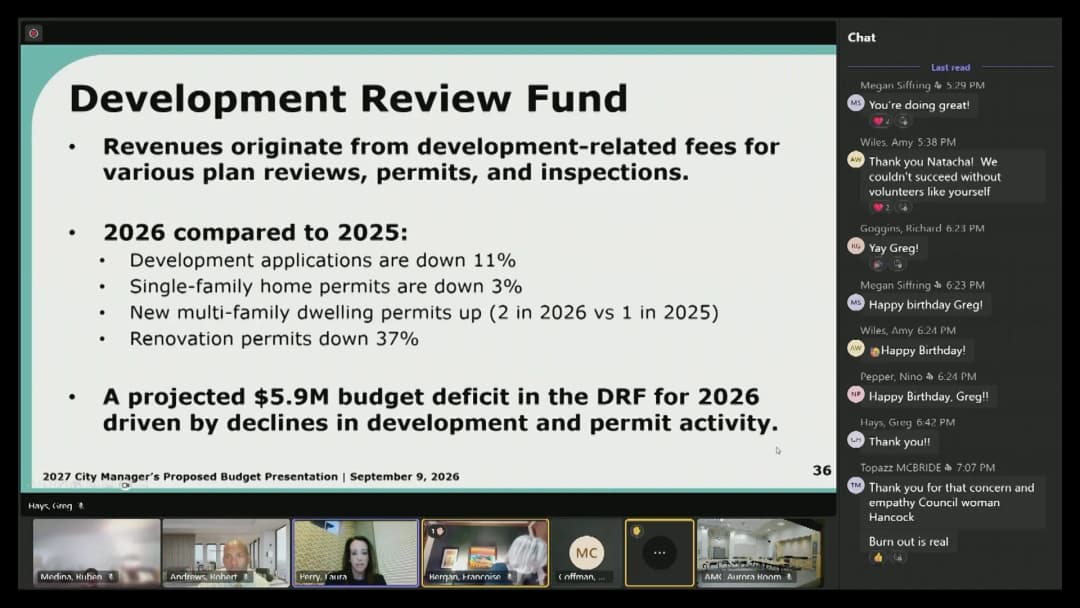
The Aurora City Council held a special study session on September 10, 2026, to receive presentations from three citizen advisory bodies and the city manager's proposed 2027 budget. The session was informational; no formal votes were taken. The raw transcript labels the meeting Wednesday, September 9, but the stated meeting date is September 10, 2026. Citizens Advisory Budget Committee (CABC) - Janet Marlowe, 2026 CABC chair, reported that the committee meets monthly, reviewed the proposed 2027 budget at a July 21-22 workshop, supports the proposed budget as presented, and previously provided a letter supporting Build Up Aurora. - Jim Mattson presented the PROS revenue-generation subcommittee report. It recommended continuing to outsource services, aligning fees with facility quality and inflation, using food trucks at city venues for vending, and pursuing naming rights and sponsorships through a contract with library and cultural services; PROS leadership expects naming-rights revenue to start in fiscal year 2028. - George Peck presented the library and arts subcommittee report, which reiterated the need for a multi-purpose arts and entertainment venue, recommended a dedicated arts/venues leadership position and a phased approach, and stated Aurora is an underserved market. The subcommittee expressed total support for Build Up Aurora. - Council discussion included support for outsourcing examples, a request for consistent food-truck fees across venues, interest in naming-rights partnerships, and a request for a big-picture look at PROS resource needs. City Manager Jason Bachelor said staff would provide food-truck arrangement details and respond to the requested analysis. Housing and Community Development (CHCD) HUD Budget - CHCD chair Natasha Dana and staff member Sarah Pulleum presented the proposed 2027 U.S. Department of Housing and Urban Development (HUD) budget totaling $5,010,955 across CDBG, HOME, and ESG funding. Proposed uses include affordable housing, home repair, public services, housing and financial counseling, homeownership, foreclosure prevention, homeless response and prevention, rapid rehousing, street outreach, emergency shelter, and supportive services. - Dana said residents closest to community challenges should help shape solutions and that CHCD is advisory, making funding recommendations rather than final decisions. - In response to Councilmember Hancock, staff said annual Consolidated Annual Performance Evaluation Report (CAPER) outcomes are filed with HUD, posted on the city website, and would be shared with council. Citizens Water Advisory Commission (CWAC) - Dick Easton, CWAC chair, said the commission unanimously supported the proposed 2027 water budget, rates, and fees after an August 5 presentation from Aurora Water staff. - The proposed increases include an overall water rate increase of 3.87%, varying from 0% for hydrant use to 14% for irrigation; residential rates up 3.5% in all four tiers; sewer and stormwater rates up 6.5%; fire protection rates unchanged. Water and stormwater development fees increase 5%; sewer connection fees do not increase. CWAC supports the growth-pays-for-growth principle, and about 80% of the water development fee supports future water resources. - The water fund summary included $276.8 million in planned revenues and $375.2 million in capital investment; the wastewater fund summary included $133.1 million in planned revenues and $163.1 million in planned expenditures. The five-year capital plan totals $2.37 billion for 2027-2031, with top priorities including Wild Horse Reservoir, Prairie Waters expansion, direct potable reuse, the Rampart delivery system, water rights/storage, treatment/transmission/distribution improvements, lead service line replacement, and SCADA/cybersecurity. - CWAC recommended maintaining Stage One drought restrictions until storage conditions improve, continuing investment in water reliability, removing barriers to drought-tolerant landscaping such as Tahoma 31, and finding sustainable funding for Aurora Water Cares. Marshall Brown said converting Kentucky bluegrass to Tahoma 31 uses 60-70% less water, and the city is working to simplify permits and rebates. City Manager's Proposed 2027 Budget - City Manager Jason Bachelor said the 2027 general fund faces about a $20 million shortfall, addressed through $10.2 million in expenditure cuts, $1.8 million in new revenue, and $7.3 million in available fund balances. The plan includes no layoffs, eliminates 9 vacant FTEs, freezes 8 additional FTEs, continues the 25% travel/training reduction, and uses five furlough days for non-24/7 employees, saving about $500,000 per day. - Budget Director Greg Hayes reported all-fund revenues of $1.8 billion, all-fund appropriations of $1.5 billion, and general fund revenues of $567.6 million. Sales taxes are 58% of general fund revenue; with use taxes, about two-thirds of general fund revenue comes from purchases. He said the recession forecast shifted from V-shaped to U-shaped, causing the 2027 shortfall, and projected a remaining 2028 shortfall of about $13.1 million. - Current reserves include $79.8 million in ending fund balance; the recession reserve is at about 54% after two years of use. July 2026 sales tax was up 2.6% compared with a 13.9% increase in July 2025, a better-than-budgeted month. - Citywide staffing is a net zero position add in the proposed budget; public safety remains over 50% of general fund appropriations. Public safety balancing includes moving some costs to the E911 fund, moving $1.7 million of police general fund costs to the designated revenue fund offset by photo radar, and transferring one FTE from police to Aurora Fire Rescue for a SWAT medic. - Municipal court, judicial, public defender, city attorney, civil service, and public safety accountability budgets were reviewed. Judge Day said the court is reducing from about $4.8 million to $4.2 million, roughly a 10% cut, by not filling three positions and closing a division while absorbing about 10,000 new vehicle-registration cases. Several council members, including Councilmember Hancock, objected or expressed concern that the cuts would harm court customer service and staff workload. - Laura Perry presented PROS, capital projects, and development review funds. Development applications are down 11%, single-family permits down 3%, renovation permits down 37%, and the development review fund projects a $5.9 million deficit. Balancing includes increasing the residential roof permit flat fee from $254 to $350, reducing contracted services, shifting $980,000 of staffing and drainage review costs to Aurora Water, and reallocating cross-trained staff. - Roberto Venegas reported the new animal shelter is under construction, on time and on budget, with opening expected in the first quarter of 2028. The Navigation Center serves 200-300 people nightly, with regional referral discussions underway. The marijuana tax revenue fund saw its first monthly increase in 58 months, but the 2027 budget assumes continued decline and absorbs the state share-back elimination. - Marshall Brown reported water enterprise capital spending is dominated by Wild Horse Reservoir, Prairie Waters/direct potable reuse, and treatment plant renewal. Water is proposing seven temporary-to-permanent FTE conversions at a net cost of $50,000, $22.5 million for SCADA/cybersecurity enhancements, and additional cybersecurity software funding. Key Outcomes - No formal council votes were taken during the study session. - CABC and CWAC expressed support for the proposed 2027 budgets; CHCD presented its HUD funding recommendations. - Staff committed to follow up on food-truck/vending arrangements, PROS resource needs, outside counsel spending, development review fee competitiveness, civil service cost breakdowns, CAPER reports, simplified Tahoma 31 and rebate processes, and a federal marijuana reclassification update. - Next steps: a public hearing on September 14, a Saturday budget workshop on October 3, written responses to council questions before the workshop, and budget adoption ordinances in late October or early November.