Browse by city
Date range
Search help

Search titles, summaries, topics and stored transcripts together. Keywords may match separately; put the whole query in double quotes for a phrase. Matching follows word analysis, so punctuation is not exact. Both dates are included. Documents are not searched.

SHOWING 171–176 ENTRIES
171
APR 6, 2026 · BOSTON, MASSACHUSETTS · CITY COUNCIL
Boston City Council Hearing on Summer Safety and Youth Programming - April 6, 2026

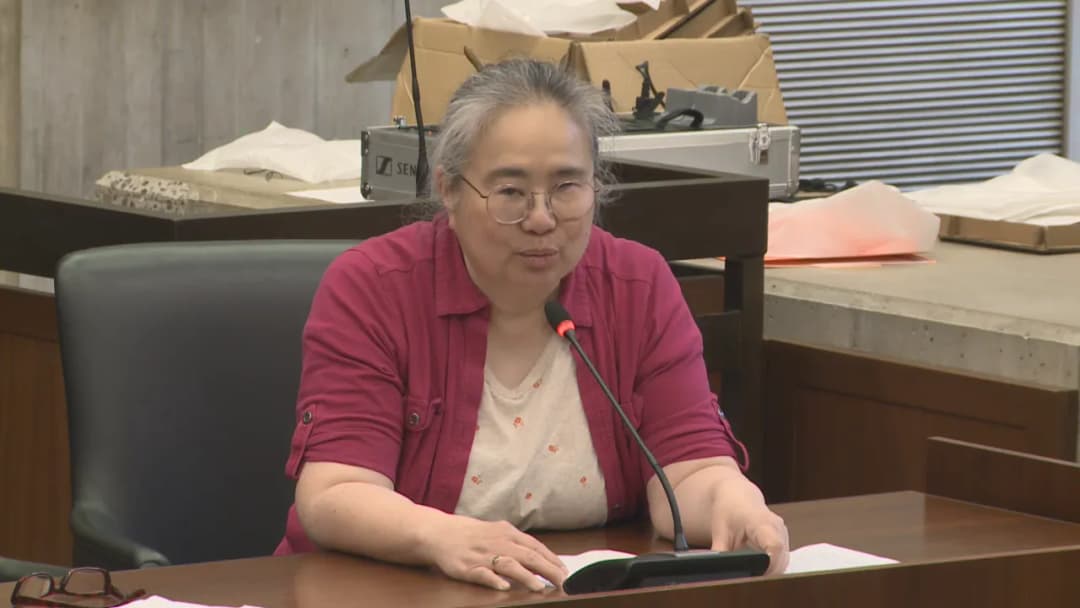
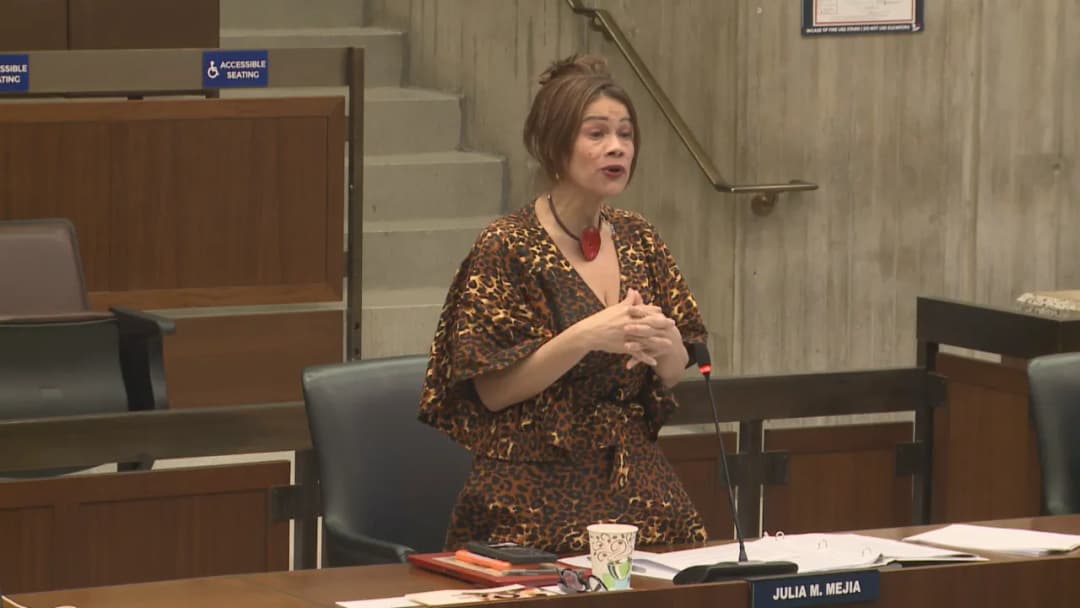
The Boston City Council Committee on Human Services, chaired by Councillor Aaron Murphy, held a hearing on April 6, 2026, at 2:03 PM to discuss the city's preparation for summer 2026, with a focus on youth safety, violence prevention, and engagement programs. The panel included Pedro Cruz, Executive Director of the Office of Youth Engagement and Advancement (OYEA); Isaac Gablo, Senior Advisor for Community Safety and Director of the Office of Violence Prevention (OVP); and Superintendent James Chin of the Boston Police Department’s Bureau of Community Engagement. The hearing was live-streamed and broadcast on local channels. Public Comments & Testimony - John Smith St. Cyr, founder of the J.L. Smith Suicide Prevention Center for Young Black Boys, testified that the city is not prioritizing grassroots organizations. He stated that he personally funds a Saturday program for young Black boys in Roxbury, Dorchester, and Mattapan, and criticized the city for having resources for professional sports and police overtime but not for youth stabilization. He called for increased investment in prevention before crisis. Discussion Items - Opening Statements: Councillors Murphy, Flynn, Fitzgerald, Culpeper, and Warrell emphasized the need for proactive summer planning, youth employment, violence prevention, and support for police. Several noted progress in areas like South Bay and the importance of data-informed strategies. - Pedro Cruz (OYEA): Presented Boston After Dark, which expanded from 18 events serving over 1,000 youth in 2024 to 23 events serving over 1,500 youth in 2025. Planned expansions for 2026 include four Boston Housing Authority (BHA) sites and events for 19–25 year olds (e.g., a comedy night at City Hall). He highlighted partnerships with BCYF, YMCA, BHA, and cultural institutions like the ICA and MFA. The Youth Line resource database grew from 300 to over 700 resources, with an AI-enhanced search. - Isaac Gablo (OVP): Outlined the summer safety framework based on prevention, intervention, recovery, and reinvestment. He noted areas for improvement, including weekend trauma response (Community Healing Response Network currently operates Monday–Friday) and job placement challenges for proven-risk youth. He emphasized the need for primary prevention and better alignment of resources with community needs. - Superintendent James Chin (BPD): Stressed community-oriented policing, trust-building, and data-informed deployment. He highlighted the role of district community service officers and collaborations with city partners. He noted that crime rates are down about 5% year-to-date for violent crime and that BPD relies on intelligence and social media monitoring to address street takeovers. - Council Questions: - Councillor Warrell inquired about BPD costs for Boston After Dark (officers are on duty) and strategies for street takeovers. Gablo noted the “Revelers Plan” and regional collaboration. - Councillor Flynn asked about safety for seniors in Chinatown and engagement in public housing developments. Chin mentioned a permanent walking beat in Chinatown and drug control units. Cruz described piloting private events at BHA sites (e.g., Franklin Field with 80 youth) and expanding to four sites in 2026. - Councillor Culpeper asked about metrics. Cruz uses attendance numbers; Gablo tracks crime reduction, perceptions of safety, and community reinvestment. Both publish impact reports. - Councillor Fitzgerald asked about the most effective tool. Gablo cited access to information and trustworthy staff; Cruz cited Boston After Dark; Chin emphasized trust and community partnerships. All favored strengthening weaknesses (primary prevention) over doubling down on strengths. - Councillor Warrell asked about partnership evaluation and certification. Cruz described free monthly professional development for youth workers, with over 600 attendees, and ongoing talks with Urban College for a semester certification program. - Councillor Culpeper raised the issue of weekend programming. Gablo acknowledged conversations with BCYF about extending summer hours. - Councillor Murphy asked about involving youth in major events (World Cup, Tall Ships). Gablo and Cruz confirmed ongoing discussions with YEO to prioritize youth jobs and DJ opportunities. Key Outcomes - No formal votes were taken, but several directives and next steps were noted: - Expansion of Boston After Dark to four BHA sites and inclusion of 19–25 year old programming. - Continued community engagement via “Village Vibe” resource fairs and community conversations. - Improvement of weekend trauma response (Community Healing Response Network) to cover Friday–Sunday. - Exploration of budget adjustments for OVP, with Gablo to provide data on current spending and needs after the budget is codified. - Commitment to follow up on the youth line and partnership opportunities raised in public testimony. - The hearing was adjourned at an unspecified time after closing remarks.
YOUTH PROGRAMS 57% · PUBLIC SAFETY 29% · COMMUNITY ENGAGEMENT 4% · REENTRY SERVICES 3%
172
APR 6, 2026 · BOSTON, MASSACHUSETTS · CITY COUNCIL
Boston City Council Hearing on Dedicating Phillips Square Open Space to Tunney Lee Plaza – April 6, 2026

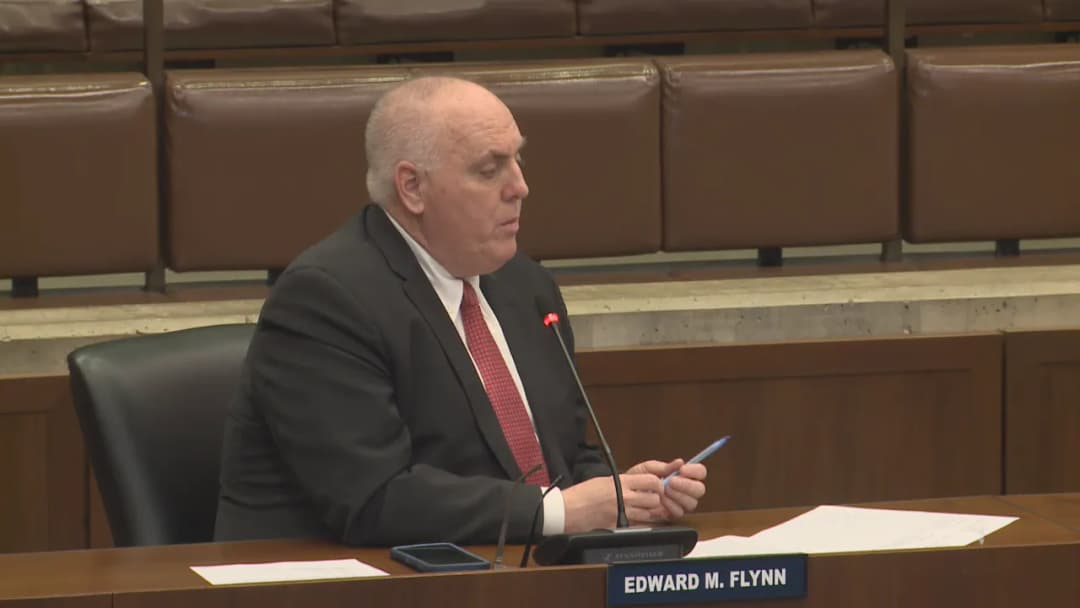
On April 6, 2026, at 10:02 AM, the Boston City Council Committee on Planning, Development and Transportation, chaired by Councillor Sharon Durkin (District 8), held a hearing on Docket 0178, a proposal to dedicate the new open space at Phillips Square (Harrison Avenue and Oxford Place) to Tunney Lee Plaza. The hearing included testimony from city officials, community leaders, and residents, highlighting Tunney Lee’s lifelong contributions to urban planning, environmental justice, and Chinatown’s history. Public Comments & Testimony - Chenny Huang (Chinese Progressive Association) expressed full support for naming the project Tunney Lee Plaza, emphasizing that the space at Harrison Avenue and Oxford Place is where Chinatown’s history began and that marking it in Lee’s honor will preserve and celebrate the community’s culture for immigrant and working-class families. - Xumei Chen (resident of 115 Chan Street) described daily use of the plaza by elderly residents and students, noting that even in winter people sit there, and in summer they stay until midnight to cool off. She urged the city to fund and build the plaza to provide shade and cooling features. - Yolanda Yang (BCNC/Power Center Arts Engagement Manager) spoke about leading student tours that stop at Phillips Square; she said renaming it Tunney Lee Plaza would reinforce a sense of belonging and help answer the frequent question “Who is Phillips?” She urged full city support. - An unscheduled speaker echoed support, requesting a permanent statue or fixture to make the dedication a visible landmark. Discussion Items - Lead Sponsor Councillor Edward Flynn opened by emphasizing language access (Mandarin/Cantonese interpreters were present) and framed the hearing as an opportunity to listen to the community. He described Tunney Lee’s legacy: a city planner who worked to save working-class neighborhoods from demolition, mentored generations, and chronicled Chinatown history. Flynn noted that Phillips Square is a former parking lot being transformed into a pedestrian plaza. - Councillor Murphy expressed support, citing Chinatown’s high asthma rates and heat island effect, and noted the quarter-acre plaza is already used for festivals. - Councillor Culpepper linked the proposal to similar efforts in Roxbury to preserve history and open space, praising Lee’s role in community-based planning. - Amy Courting (Director of Engineering, Boston Transportation Department) explained the plaza design: a formal reconstruction of the tactical plaza with plantings, benches, gathering spaces, and trees (where subsurface utilities allow). She clarified that the dedication of a plaza within a named square (Phillips Square) is a simpler process than renaming a square, requiring coordination with the Streets Cabinet. She committed to providing the full design and construction budget and timeline. - Community Panel (Alice Kane, Chinese Historical Society; Kayla Lee, Tunney Lee’s daughter; Dr. Carolyn Crockett, MIT; Angie Lu, Asian CDC; Baolin Kwan, Chinese Progressive Association; Lydia Lowe, Chinatown Community Land Trust): Panelists provided testimony on Lee’s childhood at 5 Oxford Place, his career at the BRA and MIT, his founding of the Chinatown Atlas, and his role in defeating I-95 and designing Tent City. They emphasized that the naming originated from a community design charrette in spring 2025, where five breakout groups independently proposed highlighting Chinatown’s history, leading to the idea of naming the plaza after Lee. The petition to support “Tunney Lee Plaza at Phillips Square” was drafted and gathered broad community backing. - Key statistics cited: Chinatown has only 7% tree canopy coverage and the least open space per capita of any Boston neighborhood. The plaza design includes shade elements, potential water misting, and planters (though large trees are limited by underground utilities). Key Outcomes - All three councillors present (Flynn, Murphy, Culpepper) expressed strong support for the proposal. Chair Durkin and the lead sponsor committed to pushing the agenda forward and coordinating with the administration to formalize the dedication. - The administration (Transportation Department) will provide the project budget and timeline to the committee. The dedication process will be managed by the Streets Cabinet and will likely occur in conjunction with the plaza’s formal ribbon-cutting. - No formal vote was taken; the hearing served to gather public testimony and build the record. Written testimony will continue to be accepted and sent to the Public Improvement Commission. - The hearing was adjourned at approximately 11:30 AM.

HISTORIC PRESERVATION 22% · COMMUNITY ENGAGEMENT 19% · PARKS AND RECREATION 13% · HISTORICAL PRESERVATION 12%
173
APR 1, 2026 · BOSTON, MASSACHUSETTS · CITY COUNCIL
Boston City Council Regular Meeting – April 1, 2026

On Wednesday, April 1, 2026, the Boston City Council held a regular meeting at 12:12 PM in the Christopher Iannella Chamber, chaired by President Breadon. The meeting opened with an invocation by Sister Jean Marie Gribaudo and the Pledge of Allegiance. The council approved minutes from March 25, 2026, and addressed a wide range of items including grant acceptances, committee reports, collective bargaining agreements, new ordinances, hearings, resolutions, personnel appointments, and a consent calendar. The meeting adjourned at 3:07 PM. Presentations - Councilor Worrell recognized the Holland Tech Boys Basketball team for winning the city championship for a second consecutive year. Coach Joe Chapman and players spoke about the team's hard work and the importance of public school athletics. - Councilor Louijeune recognized Ruth Rollins and the We Are Better Together Warren Daniel Hairston Project for their trauma-informed healing programs supporting families impacted by gun violence and incarceration. Rollins emphasized the need for caregiver support and systemic change. Consent Calendar The consent agenda consisted of 17 resolutions recognizing individuals and groups (dockets 0713–0729), including Adam Pinter, Edward McMahon, the Winship School Orchestra, Karen Coleman, Erik Grau and the Piano Craft Gallery, Beulah Fagan Providence, Luzmar Centeno, Zulhay Garcia, Demil Mahogany Ramirez Romero, Priscila Duran-Luciano, the Holland Tech Boys' Basketball team, Edna Humphrey, Elizabeth A. Rivers, Georges Alan Cavé, ZZ Ward, the We Are Better Together Warren Daniel Hairston Project, and a memorial for Paul B. McCarthy. Three additional late-filed memorials (dockets 0730–0732) were added without objection. All items were severally adopted. Discussion Items - Grant Acceptances (0688, 0689): The council suspended rules and passed a $20,000 Local Food Policy Grant for the Office of Food Justice and a $13,735 Mass Commission for the Blind Grant for workforce development, both unanimously. - Reports Placed on File (0690, 0691): Communications from the Audit Committee (financial status) and the CFO (budget challenges) were placed on file without debate. - Committee Reports: - 0268 – Pension for Firefighter Leo J. Bracken: The Committee on Government Operations reported a new draft providing 100% disability pension via a special law. Councilor Coletta Zapata explained legal adjustments to ensure workability. Passed 12–0–1 (Councilor Mejia not present). - 0570 – Adams Elementary Window & Door Replacement: $20,200,000 appropriation (with expected $10.4 million MSBA reimbursement) including accessibility upgrades. Passed 13–0 on first reading, assigned for further action. - 0571 – School Window & Door Projects (Muniz, Mildred, Orchard Gardens): $1,100,000 for design costs. Passed 13–0 on first reading in a new draft, assigned for further action. - Matters Recently Heard (Hearings Status): - 0179 – Food Insecurity: Hearing held March 30; remains in Human Services. - 0270/0291 – Snow Removal/Snow Corps: Working session held March 30; remains in City Services. - 0374 – School Bus Delays/Special Ed Transportation: Hearing held March 31; remains in Education. Councilor Mejia noted a sharp increase in uncovered trips since December. - 0400 – Fire Department Grants: Hearing held; remains in Public Safety. Councilor Santana highlighted federal and state grants for training and cancer screening. - Collective Bargaining Agreements (0619, 0620): The council approved a $1,046,178 transfer from the Reserve for Collective Bargaining and a supplemental appropriation for BPS to fund a new contract with United Steelworkers 2936 (bus monitors). The contract (July 2025–June 2028) includes 2% annual base wage increases, a $1/hr flat increase in January 2026, and $0.70/hr for assigned monitors in January 2028. Councilor Louijeune noted the workforce is predominantly immigrants. Both passed 13–0. - New Ordinances and Hearing Orders: - 0692 – Pharmacy Stabilization and Access Fund: Councilor Culpepper introduced an ordinance to create a fund through BPHC to support independent and community pharmacies in underserved areas. Referred to Government Operations. - 0693 – Barriers to Gender-Affirming Healthcare: Hearing order referred to Public Health, Homelessness, and Recovery. - 0694 – BCYF Pools Conditions and Access: Hearing order referred to Human Services. - 0695 – Assessment of Fair Housing Implementation: Hearing order referred to Housing and Community Development. - 0696 – Boston Police Staffing Levels: Hearing order referred to Public Safety and Criminal Justice. - 0697 – Senior Exemption Income/Asset Limits (41D): Order to opt in to automatic CPI adjustments, referred to Ways and Means. - Section 17F Information Orders: - 0698 – BPS Student-Athlete Transfer Policies: Passed under suspension of rules. - 0699 – White Stadium Environmental/Transportation/Resiliency: Passed under suspension. - 0700 – White Stadium MWBE/Local Business/Workforce: Passed under suspension. - Resolutions Votes: - 0701 – Support for DHS Use of Force Transparency Act: Adopted 13–0. - 0702 – Demand ICE Not Staff Vacant TSA Positions at Logan: Adopted 12–1 (Councilor Flynn voted no). - 0703 – Declaring April 2, 2026 “Cardi B Day”: Adopted 13–0. - 0704 – Recognizing April as Fair Housing Month: Adopted 13–0. - 0705 – Urging Governor to Suspend Gas Tax: Failed 4–8–1 (Yes: Culpepper, Flynn, Murphy, Worrell; No: Breadon, Coletta Zapata, Durkan, FitzGerald, Louijeune, Pepén, Santana, Weber; Present: Mejia). - 0706 – Recognizing Senegal Independence and Flag Raising: Adopted 13–0. - 0707 – Renaming West Broadway Community Garden for Kimberly Parker: Adopted 13–0. - Personnel Orders (0708–0712): Temporary appointments for council staff passed under suspension of rules. - Late Files: Councilor Durkan objected to two late-filed matters, preventing their addition to the agenda. - Grant from Committee (0321): Port Security Grant of $140,426 for the Fire Department passed 13–0. Key Outcomes - 13 unanimous votes on routine approvals (grants, collective bargaining, resolutions, personnel). - Docket 0268 passed 12–0–1. - Docket 0702 passed 12–1 (Flynn dissenting). - Docket 0705 failed 4–8–1. - Six hearing orders referred to respective committees. - Two 17F information orders passed. - Consent agenda adopted. - Meeting adjourned in memory of Teresa Basile, Paul B. McCarthy, Burton Cushing, Lori Williams Hubbard, Bessie Calliontzis, and Judith Gavin.

PROCEDURAL 13% · PUBLIC SAFETY 13% · ARTS AND CULTURE 8% · YOUTH PROGRAMS 7%
174
MAR 31, 2026 · BOSTON, MASSACHUSETTS · CITY COUNCIL
Boston City Council Hearing on Fire Department Grants – March 31, 2026

The Boston City Council Committee on Public Safety and Criminal Justice, chaired by Councillor Henry Santana, held a hearing on March 31, 2026 at 3:02 PM to review all city grants administered by the Boston Fire Department (BFD). The hearing covered 13 active awards totaling over $4 million, including federal and state grants for training, cancer screenings, hazmat response, and wellness programs. Councillors Flynn, Murphy, and Fitzgerald attended, along with Fire Commissioner Paul Burke, Deputy Commissioner Kevin Coyne, Financial Grants Manager Julie Devin, and other BFD division chiefs. No public testimony was offered. Discussion Items - Grant Overview: Julie Devin detailed the BFD's active grants: 8 federal, 5 state. Key grants include the Assistance to Firefighters Grant (AFG) – $1.2 million (expiring September 2026) funding cancer screenings, nutritionist, injury prevention; the state training earmark – $1.7 million for the training academy; the state hazmat earmark – $1.4 million; the Delta Unit earmark – $100,000 for seasonal beach patrol; and a newly awarded Firefighter Safety Equipment Grant – $49,476 for reach poles and CO detectors. - Cancer and Health Screening Results: Under the expired AFG grant, 587 members were screened by dermatologists, resulting in 94 referrals and 3 possible melanoma cases. Additional screenings (700+ members) produced 1,059 actionable findings: 637 high-risk and 413 cardiovascular, two requiring CPR. Ten members were diagnosed with cancer since January 2025, five of whom were in their 30s. - Training and Preparedness: Deputy Chief Malone and District Chief McDonald reported that the increased state earmark allowed expanded training for BFD and mutual-aid companies, including live fire, ladder ops, elevator training, and partnerships with Logan Airport and MBTA. Fire ground survival training reached 1,400+ sworn members. The Port Security Grant funded marine emergency training for 20 chief officers. - Health and Wellness Division Funding: Deputy Chief Shea noted that his division is almost entirely funded through federal grants, which are uncertain. He urged the council to consider including health and wellness programs in the operating budget to sustain cancer screenings, nutrition counseling, and peer support. - Pending Grants: Two grants require council accept-and-expend action: the FY25 Port Security Grant (for additional marine training) and the FY26 Firefighter Safety Equipment Grant (expiring June 30, 2026). Chair Santana committed to bringing these to a council vote promptly. - FIFA World Cup and Emerging Risks: Commissioner Burke confirmed the BFD will support increased staffing and mutual aid for FIFA 2026 events. Deputy Chief Kelly described proactive engagement with developers on electric vehicle charging and battery energy storage safety, noting that current fire codes lag behind technology. Key Outcomes - Councillors expressed unanimous support for all grants discussed, emphasizing the importance of continued funding for firefighter health, cancer prevention, and training. - Chair Santana committed to advancing the two pending grants (Port Security and Firefighter Safety Equipment) for council approval in the upcoming meetings. - The committee acknowledged the critical need for stable operational funding for the Health and Wellness Division, which currently relies on grants with uncertain futures. - Deputy Chief Shea's request for operating budget allocation for cancer screening and wellness programs was noted for budget deliberations. - Commissioner Paul Burke was recognized for his service ahead of his retirement; councillors thanked him and the entire BFD team for their dedication.

PUBLIC SAFETY 75% · PROCEDURAL 18% · PERSONNEL MATTERS 5% · TECHNOLOGY AND INNOVATION 2%
175
MAR 31, 2026 · BOSTON, MASSACHUSETTS · CITY COUNCIL
Boston City Council Hearing on Chronic School Bus Delays and Special Education Transportation Failures - March 31, 2026

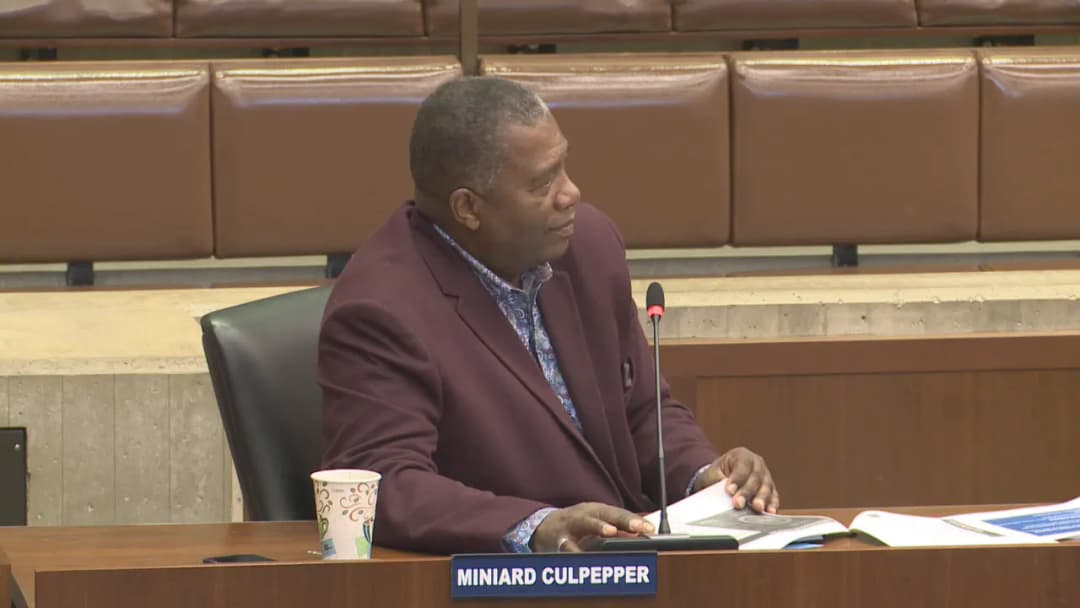
This hearing, chaired by Councilor Julia Mejia, was convened to examine the ongoing school bus delays and special education transportation failures in Boston Public Schools. The hearing featured public testimony from parents, teachers, and advocates, followed by a presentation and Q&A with BPS Transportation Executive Director Dan Rosengard and Deputy Director Jackie Hayes. Key concerns included chronic delays, uncovered trips, safety issues, and the impact on families and students. Public Comments & Testimony - Lori Murphy (Roslindale, parent of two BPS students at Hernandez School) reported that her bus route alone had over 20 days of cancellations or significant delays this school year, including 9 in the past five weeks. She described the stress of last-minute cancellations and the impact on children missing breakfast, social time, and educational computer time. - Kate Wright (Hyde Park, parent of a son with an IEP) testified that her son's door-to-door transportation has been unsafe for years, with physical harm, verbal targeting, and belongings stolen. She stated that monitors were not trained or held accountable, and she eventually pulled him off the bus. - Eugenia Rojas (Roslindale, parent and transportation advocate) called for systematic feedback metrics to capture family experience, noting that her family plans carpool arrangements on Sundays due to unreliable buses. She reported that this morning the bus was 40-44 minutes late. - Cheryl Buckman (South Boston, parent of a seventh grader at Root Batson Academy) described the failures as a "systemic failure," forcing her to pay for Lifts and ride-shares. Her son's bus was involved in two minor accidents this year. She called for a full independent audit, real-time communication protocols, and a reimbursement fund. - Mildred Lewis (mother of two, including a deaf/hard-of-hearing child at Horace Mann) shared that her child's bus often has no notification of delay, and that equipment (hearing aids) has been lost due to monitor negligence. The ripple effect impacts her employment and health. - Danielle Drinkman (parent) stated that since the March 24 meeting, her daughter's bus has been canceled or 40 minutes late 43% of the time. She noted safety concerns: once her daughter's bus was late but no absentee call was made, leaving her unaccounted for. She called for transparency and fixing specific routes rather than system-wide averages. - Marie Francis Rivera (BPS parent and independent consultant) testified that this year has been the worst, with the bus 45 minutes late this morning. She described families building their own backup transportation systems via WhatsApp groups. - Jennifer Ward (parent, Joseph Lee School SPED PAC representative) stated that the school is missing DESE attendance benchmarks and that transportation is a contributor. She called for real solutions to Transdev's failures, such as taxi vouchers or Uber credits. - Written testimony was read into the record from several other parents, including accounts of a bus not arriving until 6 p.m. for a 3:30 p.m. dismissal at Fenway High School, and a student waiting alone for 3.5 hours. Discussion Items - Dan Rosengard (Executive Director, BPS Transportation) presented data: approximately 625 buses transport 19,000 students daily. On-time performance (OTP) in March averaged 93% morning and 88% afternoon, historically high but still meaning thousands of students are late daily. Uncovered trips (no driver or vehicle) increased from 0.2% to 0.9% of scheduled trips this year, with a sharp rise in December. He stated that the district has taken steps including route consolidation, driver training, and holding vendor Transdev accountable by informing them in late February that liquidated damages ($500 per uncovered trip or 1 hour late) would be assessed starting in March. - Jackie Hayes (Deputy Director, BPS Transportation) discussed driver absenteeism, noting that many reasons are legitimate (e.g., PTO, training, medical leave). She explained that when a driver is out, routes often go unbid in the standby process, disproportionately affecting certain schools. She also noted that the collective bargaining agreement limits how routes can be reassigned. - Councilors raised concerns about specific schools: Edison (Councillor Braden) had 27 uncovered incidents in 61 school days, with a 3.5% uncovered rate (double the district average) and one bus averaging 36.6 minutes late with a max delay of 183 minutes. Hernandez (Councillor Weber) and Fenway High also had repeated issues. - Councillor Flynn asked about fines and insurance costs. Rosengard stated the district had not previously assessed liquidated damages but will now do so. He also provided the FY26 auto liability insurance premium as $3.3 million (up from an unspecified previous amount). - Councillor Culpepper raised concerns about electric buses running out of charge, citing complaints from drivers. Rosengard responded that no bus is assigned to a route it cannot complete, and that drivers must check fuel before departure. He acknowledged that some older electric buses have limited range (50 miles in practice), but routes are designed accordingly. - Councillor Mejia pressed for accountability, noting that the district had always had the ability to fine Transdev but had not done so until now. She also asked about undocumented families' access to reimbursement, and Rosengard confirmed a mechanism exists. Key Outcomes - The hearing was kept in committee (Docket 0374), and a second hearing will be held before the end of the school year to track progress. - The administration committed to providing additional data requested by councilors, including historical insurance costs, detailed audits, and route-specific data. - BPS will begin assessing liquidated damages of $500 per uncovered or 1-hour-late trip starting March 2026, against Transdev's monthly management fee. - The council emphasized the need for a family experience metric, better communication protocols, and a system for compensating families impacted by transportation failures. - The administration will continue to work with Transdev to reduce uncovered trips and improve on-time performance, with a goal of reaching zero uncovered trips. Follow-Up Items - Councilor Flynn requested copies of all transportation audits from the last five years. - Councilor Flynn requested the prior insurance premium amount before the FY26 increase. - Councilor Mejia requested a second hearing to assess progress and hold the administration accountable.

PUBLIC EDUCATION 47% · TRANSPORTATION SAFETY 30% · PROCEDURAL 20% · LANGUAGE ACCESS 1%
176
MAR 30, 2026 · BOSTON, MASSACHUSETTS · CITY COUNCIL
Boston City Council Hearing on Food Insecurity and Malnutrition – March 30, 2026

The Boston City Council Committee on Human Services, chaired by Councillor Aaron Murphy, held a hearing on March 30, 2026, to discuss food insecurity and malnutrition in the city of Boston. The hearing, based on Docket 0179, featured presentations from Tabrini Dafonseca (Boston Public Health Commission), a representative from the Mayor's Office of Food Justice (Melissa), and Jennifer Hanlin Wigan (CEO, Women's Lunch Place). The meeting was also attended by Councillors Flynn, Weber, Mejia, and Culpepper. Discussion Items - Tabrini Dafonseca (BPHC) presented data from the 2025 Boston Community Health Needs Assessment. Key statistics include: 22.7% of Boston residents reported buying food that didn't last and having no money to get more (2023); 14% reported being hungry but not eating enough because they couldn't afford food. Higher food insecurity rates were found in East Boston, Roxbury, Dorchester, and Mattapan, as well as among Black and Latinx residents, BHA residents, and unhoused individuals. BPHC supports SNAP enrollment through the Mayor's Health Line, provides meals in shelters (600 unsheltered men and women per day), and operates Shirley's Pantry (5,700 families annually). - Melissa (Mayor's Office of Food Justice) highlighted city-wide efforts: Boston Public Schools served 8.4 million meals last year, including culturally affirming meals (e.g., Lunar New Year, Hispanic Heritage). The Age Strong department provides home-delivered meals and congregate meals with nutrition assessments. The Office of Food Justice runs the Farmers Market Coupon Program (over $420,000 redeemed in summer 2025 at 20 markets) and the Double Up Food Box Program (over $976,000 issued to independent grocers, leveraging nearly $2 million in fresh produce sales). The office also supports the Greater Boston Collaborative Food Access Hub, cold storage grants, raised garden beds, and a translated food resource guide. - Jennifer Hanlin Wigan (Women's Lunch Place) reported that in its 44th year, the organization served 165,000 healthy meals to more than 2,300 women in 2025. Nearly two-thirds of guests rely on WLP as their primary food source; over 60% are over 60, and many are chronically homeless. WLP integrates nutrition with case management, housing stabilization, and health care. As a SNAP outreach partner, it engaged 500 women and approved 416 for benefits. Wigan emphasized that for homeless women, prepared meals are a public health necessity, as SNAP does not cover prepared food. She also noted the impact of the OB3 bill slashing SNAP eligibility for legal immigrants and expanding work rules. - Councillor Flynn stressed the importance of culturally sensitive food and building trust through meals, referencing his visit to Women's Lunch Place. He asked about preparing for federal cuts; the panel highlighted enrollment efforts and interdepartmental coordination. - Councillor Weber questioned whether SNAP benefits meet nutritional needs and discussed maternal health outcomes. She raised concerns about delivering meals during ICE enforcement surges and asked about infrastructure for such programs. The panel responded that community-based organizations lead those efforts. - Councillor Mejia asked about creative solutions learned during COVID (e.g., the Bodega Project) and requested specific budget needs for language access and community engagement. Melissa noted the Double Up Food Box federal grant ends in June, and the office is seeking transition funding. - Councillor Culpepper described firsthand experience that food pantries are overwhelmed (e.g., 250 boxes gone in 2 hours at his church) and asked for direct city support. He pushed for specific budget requests from Women's Lunch Place. Wigan mentioned the need for continued funding for the 65-bed overnight shelter and filling future gaps. - Additional discussion covered the summer meal gap (BPS serves 49,000 students during school, but summer participation is limited by federal rules requiring on-site consumption). The panel noted that the Summer EBT program provides some relief but does not reach all. Key Outcomes - The hearing provided a platform for city agencies and nonprofits to present data, challenges, and recommendations on food insecurity and malnutrition. - Councillors committed to advocating for budget allocations to support food access programs, including language access, cold storage infrastructure, and direct funding for organizations like Women's Lunch Place. - The Office of Food Justice will continue coordinating with community organizations and exploring ways to sustain the Double Up Food Box program after the federal grant expires. - No formal votes were taken, but the discussion will inform future policy and budget decisions as the city enters its budget cycle.

FOOD SECURITY 76% · PUBLIC HEALTH 8% · HOMELESSNESS 5% · LANGUAGE ACCESS 2%
← PREVIOUS
01…1718
OPENPUBLICA · PUBLIC MEETING INDEXUPDATED DAILY · openpublica.com