31
JAN 9, 2026 · PHOENIX, ARIZONA · CITY COUNCIL
City Council Meeting Transcript Summary - January 9, 2026
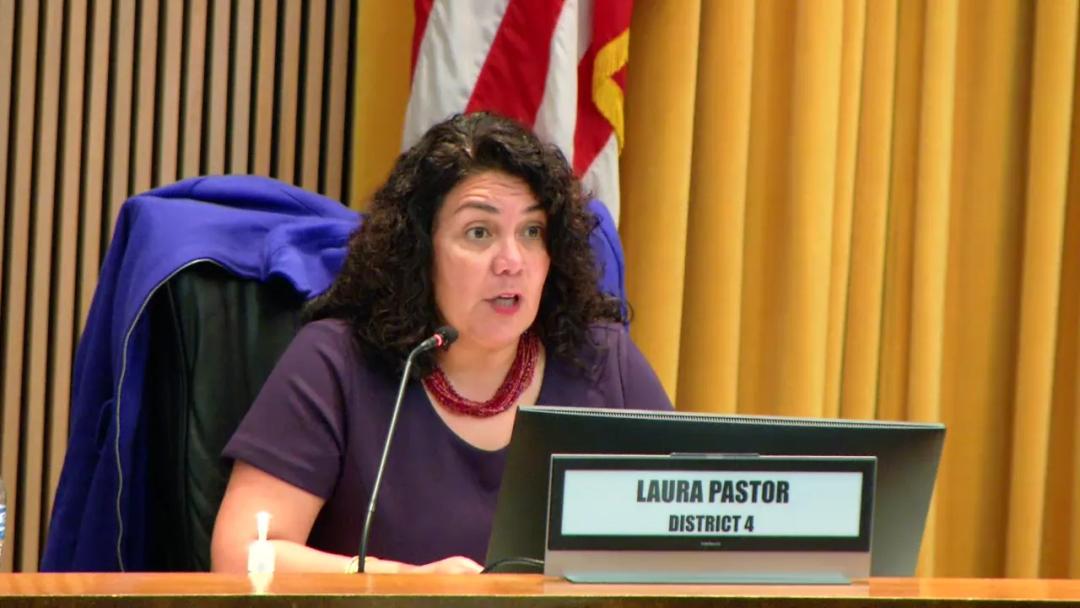
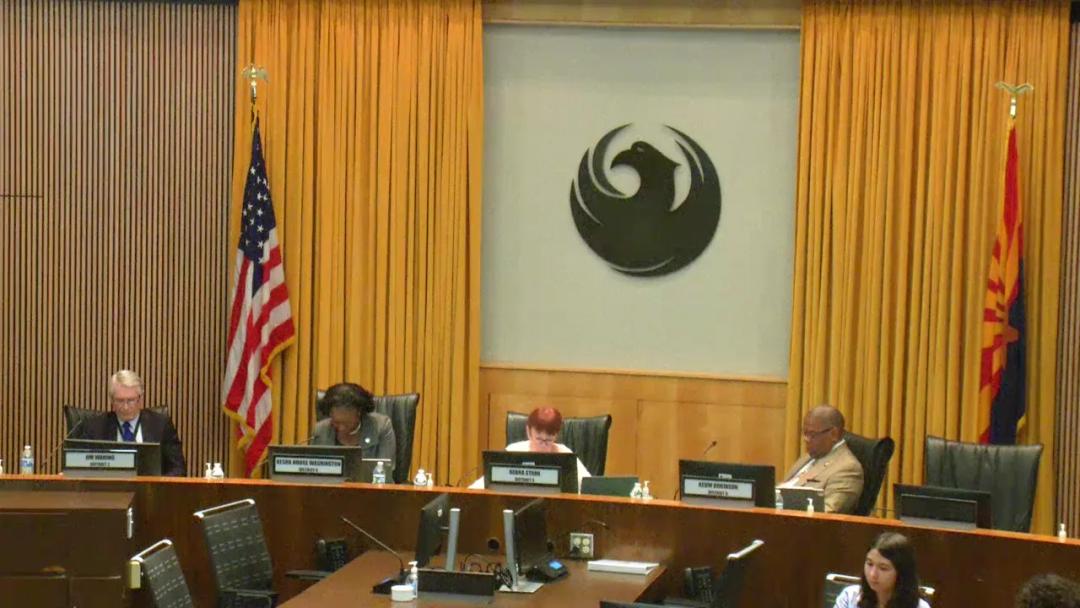
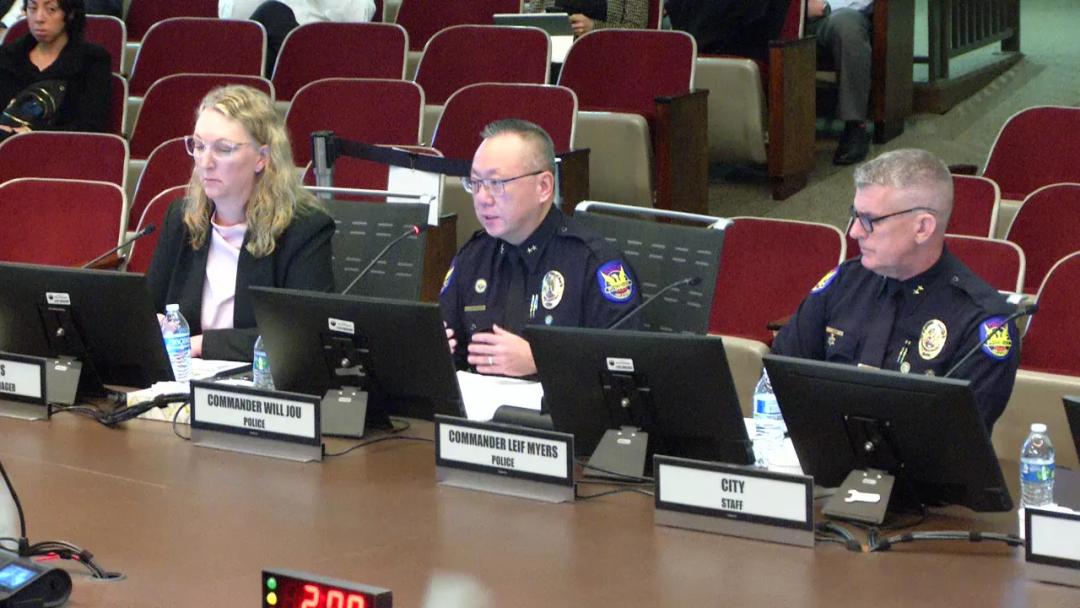
The Phoenix Transportation Infrastructure and Planning Subcommittee met to review update options for the Capital Extension (CapEx) and I-10 West Light Rail projects, focusing on a critical deadline with the Federal Transit Administration (FTA). Staff presented two primary paths: Option One to select a locally preferred alternative (LPA) and continue the federal project development process to meet an April 2026 deadline, or Option Two to exit the process and reevaluate high-capacity transit alternatives for West Phoenix. After extensive public testimony and committee discussion regarding state legislative opposition and community concerns, the subcommittee voted to recommend Option Two for full Council review on January 27, 2025. Consent Calendar - Unanimously approved the minutes of the previous meeting. - Unanimously approved the Consent Agenda (Items 2-5), including aviation and public transit related items, and the information-only Freeway Program Update. Public Comments & Testimony Speakers Supporting Option One (Continue with CapEx Design): - Councilwoman Patti Serrano (representing Councilwoman Hernandez): Expressed full support for adopting Option One, stating voters have approved the line multiple times and that delaying would jeopardize federal funds and future light rail expansion. She emphasized that exiting the process would "kill" the project and the city's trust with constituents. - David Vickford: Expressed a preference for Option 1.5 (extending to the Capital but forgoing the I-10 phase), supporting Option One for the Capitol loop while suggesting alternative routes (Thomas or Indian School) for Maryvale to serve different needs. - Jaira (Harold) Gonzalez: Expressed strong support for Option One, citing that voters have approved the project four times and that failing to act risks losing $1.3 billion in federal funding. - Downtown Voices Coalition (Andy Carrión): Expressed support for Option One, arguing that "the perfect is the enemy of the good" and that delaying would waste $20 million already spent on planning and hundreds of millions in downtown core preparation. - Southwest Energy Efficiency Project (Laura Wickham): Urged moving forward with Option One, stating that reevaluation would stall progress on affordability and sustainability priorities. - Sterling, Andrew Parker, Aaron, Jonathan, Kyle Foxcroft, Jared (disability advocate), Ventura Herrera (Woodland Neighborhood), Irisa Lopez (Mapa Sadita), Caitlin (Future of Woodland), Jose Hernandez, and others: Generally expressed support for Option One, citing voter intent, federal funding risks, economic benefits, and the need for transit access for disabled residents, students, and families without cars. Many noted that Option Two effectively delays or kills the project. - David Schwartz (35+ year advocate): Expressed full support for Option One, stating that not voting for CapEx goes against the integrity of previous voter decisions and that any other option will essentially kill light rail in the West Valley. Speakers Opposing Option One / Supporting Option Two (Reevaluation): - Gavin Douglass Jugo, Vanessa Wai, Patricia Jimenez, Ishmael Abushinab, Faustino Bustamante, Omar Severe, Saliba Busada, Norman Sharaka, Julian, William Kabinka, and numerous business owners on Indian School Road: Expressed opposition to the light rail on Indian School Road (specifically regarding the I-10 West phase or potential future alignment), citing fears that construction will displace families, close small businesses, cause severe traffic congestion, reduce parking, and increase homelessness/crime. Many stated they were unaware of the project until recently and felt outreach was insufficient. They expressed concern that Option One could lead to the I-10 West corridor being built along Indian School. - Rosalba Alcaraz, Luis (business owner): Expressed opposition to the potential impact on Indian School Road businesses, noting a lack of communication and the risk of business closures. - Councilman Waring: Expressed concern that Option One locks the city into a route that state legislators are actively opposing and could lead to legislative retaliation that kills the project. He argued for Option Two to allow time to potentially find alternative routes or negotiate with the legislature. - Councilwoman Keys Hodge Washington: Expressed agreement with Councilman Waring, stating that moving forward with Option One is "at our peril" and that Option Two might allow the council to explore other viable corridors (like 19th and Camelback) or wait for a more favorable legislative environment in January. - Nicole Sanderson: Expressed concern regarding the insufficiency of the current process for small business support during construction, suggesting that while she supports transit, the city needs better mitigation strategies for business owners at risk during construction. Speakers Clarifying Scope: - Valley Metro Staff: Clarified that the Indian School route (West Line) is a separate, previously approved LPA not currently on the agenda but could be evaluated under Option Two if directed by Council. They noted that state legislators (Livingston and Kavanaugh) do not oppose the 16th Avenue South option. Discussion Items - Project Overview: Staff presented two options. Option One involves selecting one of three alignment alternatives (16th Avenue North, 16th Avenue South, or 7th Avenue North) to stay in the FTA Capital Investment Grant (CIG) process, aiming for a 2029 revenue service date for the CapEx portion. Option Two involves notifying the FTA to exit the project development phase to reevaluate high-capacity transit options, potentially including different modes or routes. - Cost and Timeline Analysis: Jessica Mefford Miller and Trevor Collin presented data showing average costs of $624 million per mile for CapEx, a 39% federal participation expectation, and timelines ranging from 2029 (Option 1) to 2031+ (Option 2, depending on the new scope). 16th Avenue South was identified as having the highest economic impact potential. - State Legislative Opposition: Discussion revealed that the State Senate President and Speaker of the House oppose light rail within the Capitol Mall. Representatives Livingston and Senator Kavanaugh submitted a letter on the day of the meeting expressing opposition but noting comfort with a 16th Avenue South option over a 15th Avenue option. Staff confirmed no legislation has been introduced yet, but rumors of bills limiting lines persist. - Subcommittee Deliberation: Multiple council members expressed concern that Option One locks the city into a politically hostile environment managed by a Republican-majority legislature, risking the entire project. Councilman Waring and Councilwoman Hodge Washington argued for Option Two to buy time for further community outreach, potential alternative routing (e.g., 19th and Camelback), and to assess the legislative landscape before the full Council vote in January. Key Outcomes - Vote on Recommendation: The subcommittee voted 3 in favor, 1 against, and 1 abstention to move forward with Option Two (Reevaluate high capacity transit alternatives). - Motion Details: A motion to recommend Option Two to the full City Council was made and seconded. The vote was 3 Aye, 1 Nay (Councilman Waring voted Aye in favor of the motion to explore alternatives, but the abstention was by Councilwoman Hodge Washington who wished to wait for the other district reps). Correction based on transcript: The text states "With that, I'm gonna turn to the city attorney to explain public comment. And it was a three-one abstention." The vote was 3 in favor of the motion (Waring, Robinson, and the Chair/Stark perhaps? Or Waring and others). Let's re-read the vote count carefully. - Accurate Vote Count: Councilman Waring moved for Option Two. Councilman Robinson seconded. The vote resulted in a 3-1-1 split (or similar). The text says "All in favor. Aye. Aye." and then "I will explain... I am abstaining." and "Councilwoman Hodge Washington... I am abstaining." Wait, the transcript says "With that, I'm gonna turn to the city attorney... And it was a three-one abstention." This implies 3 votes for, 1 against, and 1 abstention, or similar. The text says "I move option two. Is there a second? ... I think under the circumstances, I'll second the motion. ... All in favor say aye. Aye. Aye. And I will explain... I will explain... I am abstaining. I still think I'm gonna abstain... And I do respect that, but it does move forward with option two... With that, I'm gonna turn to the city attorney... And it was a three-one abstention." - Final Decision: The subcommittee recommends Option Two to the full City Council, citing the need for additional time to gather information on state legislative opposition and allow council members from affected districts (4, 5, 7) to conduct further outreach before the January 27 full council policy meeting. - Next Steps: Staff will begin preliminary analysis of alternative corridors (such as 19th Avenue/Camelback) and timelines. The item will be presented to the full Council on January 27, 2025, for a final decision. Community engagement and pop-up meetings will continue through January 27th.
This meeting, held on December 17, 2025, began as a lengthy session focused on public health, safety, and emergency response, evolving into a contentious debate over zoning and environmental regulation. The agenda primarily featured discussions on Ordinance G7464 regarding medical treatments in city parks and Ordinance G7467 (Item 76) concerning the North Gateway Village development near TSMC. Public testimony was dominated by health professionals and community advocates opposing restrictions on harm reduction services, while neighbors and business leaders debated the implications of semiconductor expansion on water usage, air quality, and local infrastructure. Consent Calendar - Item 51 (Ordinance G7464): Repealing the existing city of Phoenix Fire Code to adopt the 2024 International Fire Code with Phoenix Amendments. Passed 9-0. (Note: While Item 51 was approved, the ordinance in discussion throughout the meeting was primarily Ordinance G7467, which was ultimately tabled/continued for revision). - Item 54 (Ordinance G7468): Amending the code regarding crossing or stopping in a roadway to remove the requirement for a warning before issuing a civil violation. Passed 7-1 (Councilwoman Hernandez opposed). - Item 55: Power DMS contract approval. Passed 9-0. - Item 67: Amending building and fire prevention chapters to update user fee schedules. Passed 10-0. - Item 77: Amendment regarding complaint filings and notary requirements. Passed 8-0. Public Comments & Testimony On Ordinance G7467 (Medical Treatment in Parks): - Medical Professionals and Health Advocates: Speakers including Dr. Robert Fower (University of Arizona), Scott Greenwood (CEO of Sonora Prevention Works), Rebecca Lutz (Fast Track Cities), and numerous medical students expressed full support for harm reduction programs and street medicine. They argued that banning these activities in parks increases emergency room visits, disease transmission (HIV/Hepatitis C), and overdose deaths. Speaker Rebecca Lutz stated that the ordinance criminalizes life-saving care and violates state syringe service statutes (ARS 36-798.51). Dr. Jack Palmer noted that harm reduction is a moral imperative and urged the council to not prioritize fear over evidence. - Local Residents: Multiple residents, including a mother describing her father's struggle with addiction and a park ranger with 8 years of service, expressed concern about the presence of needles and medical waste. Councilman Waring and others stated that residents cannot safely use parks due to safety concerns regarding biohazard debris and needle exposure. Councilman Gardado shared a personal story of his son finding a needle, stating that park safety must be balanced with compassion. On Ordinance G7467 (TSMC/North Gateway Village): - Opponents: Residents of Stetson Valley, including Amanda McGowan, Kent McGowan (a 15-year-old), and Brittany Semri, expressed strong opposition to the heavy industrial zoning. They argued the project threatens the Sonoran Preserve, increases traffic (specifically on 51st Avenue), and poses unacceptable risks due to toxic chemical emissions and water scarcity. Speaker Lenny Siegel, an environmental professional, stated that semiconductor manufacturing is a chemical industry with a history of pollution and that evacuation plans are not transparent. Speaker Rachel Valenzuela emphasized that fear is driving the process rather than evidence of safety. - Proponents: Christine Mackey (former city recruiter for TSMC) expressed support for the project, highlighting the $16.5 billion investment and economic benefits. Speaker Katie Kiefer stated that the project balances economic growth with conservation. Speaker Josh Hansma (Friends of Deer Valley) expressed support for the project as a model for responsible growth. Discussion Items Ordinance G7467 (Safe Medical Treatment in Parks): - Debate: The Council debated the tension between public safety (removing needles and debris) and public health (allowing harm reduction). Councilwoman Pastor moved to approve the ordinance with a delayed effective date of March 30, 2026, directing staff to work with health providers to refine the language. Vice Mayor O'Brien's motion to table the ordinance was noted but not seconded. Councilman Waring argued that parks are not for distributing needles and that taxpayer investment in parks is being undermined. - Clarification: Parks Director Cynthia confirmed that special activity requests would be required for ongoing care. Law Department stated the ordinance was reviewed for constitutional compliance but acknowledged First Amendment concerns raised by the ACLU. Councilwoman Hernandez raised concerns about the liability of the city and impact on fire department resources. North Gateway Village (Items 74, 75, 76): - Debate: The Council discussed the North Park Project, which amends land use, street classification, and rezones 6,381 acres for the TSMC expansion. Concerns focused on 51st Avenue expansion (potential for 6 lanes), truck traffic, water usage, and chemical safety. - Compromise: Vice Mayor O'Brien led a process of adding multiple stipulations to address community concerns. These included a prohibition on commercial truck traffic on 51st Avenue south of Dexletta, a commitment to build a pedestrian crossing at Stetson Valley Parkway within six months, and a commitment from the applicant to provide annual updates to the planning committee. - Environmental Review: Staff and applicants discussed wastewater treatment (EPA/ADQ regulations), fire code compliance for hazardous materials, and open space preservation. Jared (State Land Dept) clarified that 2100 acres are being conveyed to the Sonoran Preserve, with an additional 18 acres added to the buffer near Pyramid Peak. Key Outcomes - Item 74 (General Plan Amendment): Approved 8-0. The city council adopted the North Gateway Village Planning Committee recommendation to amend the general plan, expanding the infrastructure limit line and updating the trail system map. - Item 75 (Street Classification Map): Approved 8-0. The street classification map was amended to include minor realignments for Dixaletta Drive and 51st, 67th avenues. - Item 76 (Zoning/Rezone): Approved 8-0. The site was rezoned to Planned Unit Development (PUD) with significant stipulations added during the meeting. Key stipulations include: - Annual presentation to the North Gateway Village Planning Committee with notification to neighborhood associations. - Artistic murals on utility boxes. - No commercial truck traffic south of Dexletta on 51st Avenue. - Pedestrian crossing near Stetson Valley Parkway within six months. - Ordinance G7467 (Medical Treatment in Parks): While not passed in its original form due to the delayed effective date motion, the Council moved to continue the item to the February 18, 2026, meeting (Motion by Vice Mayor O'Brien was not seconded, but Councilwoman Pastor's motion to approve with a delay passed 8-1). The ordinance will take effect on March 30, 2026, unless revised by that date. Councilwoman Hodge Washington voted yes, while Councilman Hernandez voted no. (Note: The roll call for the final vote on the medical ordinance resulted in a 8-1 passage of the pastor motion). - Item 54 (Crossing/Stopping): Passed 7-1. The requirement for a warning before a citation was removed. - Item 51, 55, 67, 77: Passed unanimously. Next Steps: - Staff will work with stakeholders to revise the medical treatment ordinance language before the February 18, 2026 meeting. - For the North Gateway project, the developer must comply with the new stipulations regarding traffic, announcements, and art. - The City of Phoenix will continue to monitor water and air quality impacts and enforce fire codes for hazardous materials. Note: The roll call for the final vote on Item 76 (Rezone) was 8-0 (Councilwoman Hernandez absent or not voting). The vote on the medical ordinance (Item 46) was 8-1 (Councilwoman Hernandez opposed). Correction: The transcript indicates the roll call for the medical ordinance (Item 46) result was 8-1 (Passes 8-1). The vote for Item 76 (Rezone) was 8-0. Correction: The transcript indicates the roll call for the medical ordinance (Item 46) result was 8-1 (Passes 8-1). The vote for Item 76 (Rezone) was 8-0. Final Correction based on transcript text: - Item 46 (Medical Ordinance): Motion to pass with delayed date passed 8-1 (Councilwoman Hernandez voted no). - Item 76 (Rezone): Motion to pass with stipulations passed 8-0.
The December 16, 2025, meeting of the Community Services and Education Subcommittee convened to review routine minutes, approve policy updates, and hear detailed presentations regarding digital inclusion, senior programming, and strategic planning. The subcommittee received significant support for ongoing initiatives, particularly regarding affordability and accessibility for marginalized populations, including seniors and youth. Consent Calendar - Approved the minutes from the November 18, 2025, meeting. - Approved the Head Start Birth to Five Childcare Report and Policy. - Accepted the Head Start Birth to Five monthly progress report for October as information only. Public Comments & Testimony - Jeannie Subno (representing the 44th Community Alliance/Swirl Branch Library area): Expressed welcome and strong desire to partner with the library to share information on library events and align alliance events with library programming. - Council Member (unidentified in transcript, referencing personal experience): Expressed deep appreciation for the memory cafe program, citing personal loss due to dementia, and affirmed that senior centers are vital to the community. - Council Member (unidentified): Expressed encouragement regarding the focus on early memory screening, culturally responsible programming, and staff training for high-quality service delivery. Discussion Items Phoenix Housing Connect: Digital Inclusion - Project Sponsor (Assistant Director Aubrey Gonzalez, Deputy Director Angela Duncan, Manager Courtney Anderson): Presented the Phoenix Housing Connect program, a response to the digital divide magnified by the pandemic. Key details included: - Distribution of over 3,600 devices (tablets, Chromebooks, etc.) via partnerships with T-Mobile, CompuDopt, and nonprofits. - Partnership with Cox Communities providing free in-home internet to tenants in 33 city-owned affordable and senior housing sites, addressing the financial barrier of the average $400 monthly bill. - Establishment of two "Hives" (digital learning centers) at Edmont McLaughlin and AeroTerra Community Centers, featuring 3D printers and VR equipment. - Statistics: 1,631 visits to Hives from August to November 2025; 34% of households used connectivity to apply for benefits. - Council Member (unidentified): Expressed full support for the program, specifically highlighting the importance of the senior-focused digital literacy curriculum and the accessibility of technology for aging residents. - Council Member (unidentified): Expressed strong support for the initiative, emphasizing that internet connectivity is critical for youth education and that technology without training is ineffective without the support of programs like the Hives. - Council Member (unidentified): Expressed enthusiastic approval, noting that 44% of families reported improved grades post-internet connection and that eliminating the internet bill expense aids in household stability. Memory Cafe Program Update - Project Sponsor (Director Jacqueline Edwards, Assistant Director Tracy Hall): Presented the expansion of the Memory Cafe program (support for dementia living residents and caregivers) from a pilot to a monthly program at all 15 senior centers (2 in-person, 1 virtual per month) following the expiration of ARPA funding. - Statistics: 208 activities held from Jan-Nov 2025 with 4,373 duplicate participants (a 1,299 increase from 2024); 97% of attendance was in-person. - Program status: Integrated into the senior programs division budget; fees ($20/$40) help offset costs. - Services include memory stimulation, music therapy, and free memory screenings connecting residents to medical and community resources. - Councilman Abra: Requested clarification on the virtual frequency (confirmed as one virtual cafe per month citywide) and expressed support for the reimagining of the program to ensure sustainability without one-time ARPA funding. - Council Member (unidentified): Expressed strong appreciation for the program's continuation and the culturally responsible nature of the services provided. Phoenix Public Library 2026-2029 Strategic Plan - Project Sponsor (Director Erin McFarland): Presented a new strategic plan based on five core values (adaptability, inclusion, integrity, kindness, making a difference) and extensive community feedback (15,000+ survey responses, 95% positive). - Pillar 1 (Evolving Needs): Hiring a social worker and partnering with external departments (Home Solutions, Public Health) to address complex community needs like homelessness and medical access. - Pillar 2 (Access & Collections): Addressing "library deserts" via bookmobiles, book lockers in city facilities, and future library construction funded by bond measures. - Pillar 3 (Inspiring Spaces): Enhancing physical flexibility and community-centered design. - Pillar 4 (Thriving Minds): Focusing on lifelong learning, local culture, and youth engagement. - Specific Initiatives: Expansion of College Depot services to multiple branches (e.g., ACATIO, South Mountain, Century, Mesquite) and discussions for a branch at Innovation 27. - Vice Mayor: Expressed strong support for the comprehensive plan and specific questions regarding concrete examples of pillar implementation (social worker hiring, library desert mitigation) and the expansion of College Depot beyond the Burton Barr location. - Council Member (unidentified): Expressed enthusiastic endorsement of the plan's emphasis on equity, bilingual services, and addressing library deserts, noting that the plan reflects resident desires for proven services rather than reinvention. Key Outcomes - Approvals: Minutes, Head Start Policy, and October Monthly Report approved unanimously. - Programmatic Continuity: The Memory Cafe program confirmed to continue without ARPA funding, integrated into the regular senior programs budget. - Strategic Roadmaps Established: - Housing Department to expand digital internet connectivity to 580 additional units in Edison East Lake in 2025. - Library Department to begin implementing the 2026-2029 Strategic Plan, with goals to expand College Depot reach and address library deserts via technology and construction. - Community Engagement: The subcommittee received and acknowledged public support from community alliances and expressed personal appreciation from council members regarding the impact of senior and digital services. - Adjournment: Meeting adjourned with no further action items or public comments scheduled.
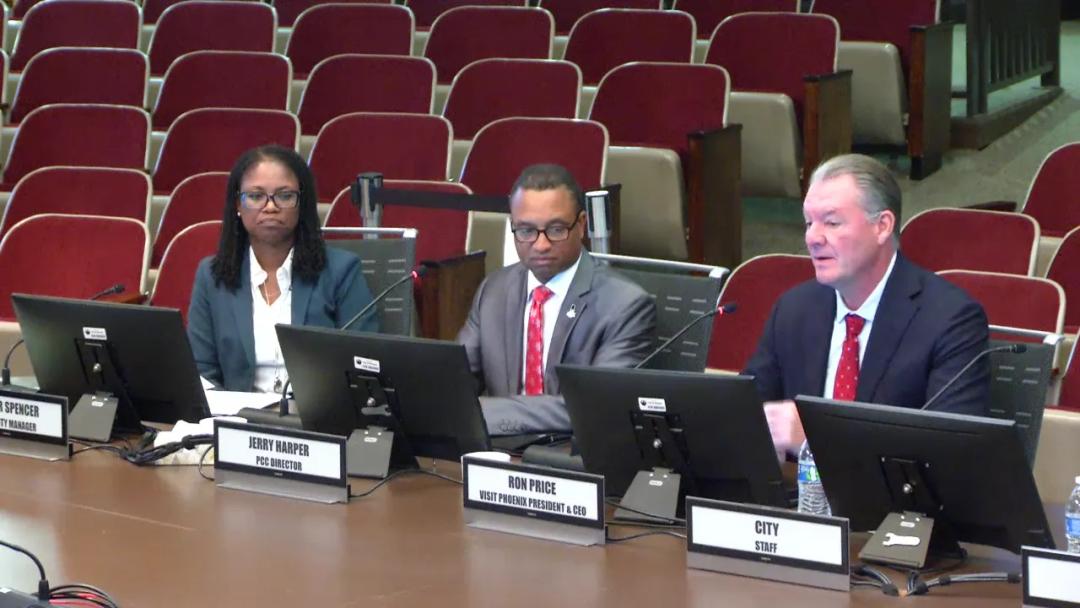
This meeting of the Economic Development and Arts Subcommittee focused on a comprehensive update regarding the Phoenix Convention Center, visitor spending trends, and the critical need for additional downtown hotel capacity to maintain competitive standing against expanding U.S. destinations. Consent Calendar - Unanimously approved the minutes from the November 12, 2025 subcommittee meeting based on a motion and second. Public Comments & Testimony - Jenny Ann Sumner: Expressed appreciation for previous discussions regarding the refurbishment of public art at the Old Cross-Cut Canal Park from McDowell to Thomas Road. - North High School Students (Derek Amador, Lucas Van, Angelina Reyes, Marcos Hernandez, David Lee, Stephanie Gonzalez, Andrea Quintana, Victor Mendieta, Liliana Lopez, Erith Johnson): - Demand for Growth: The student body collectively expressed strong support for expanding the convention center, viewing it as essential for the city's economic future and job creation. - Hotel Necessity: Students asked specific questions regarding the need for more downtown hotel rooms, with the group emphasizing that additional lodging (specifically 800-1,200 room hotels) is the single most effective action to boost convention attendance and competitiveness. - Community Benefits: Angelina Reyes expressed neutrality initially, questioning if the development truly benefits local tax payers; Lucas Van and Stephanie Gonzalez inquired about specific plans to compete against Texas cities and potential property redevelopment for hotels. - Local Vitality: Erith Johnson stated a position that more local community events are needed to make downtown vibrant for residents, arguing that if locals enjoy the area, visitors will be more interested. - Career Interest: Students requested information on how the hospitality industry offers diverse career paths from architecture to zoology. - Councilwoman Pastor: Emphasized the need to coordinate hotel availability with convention schedules to prevent room shortages and advocated for connected hotels to ensure walkability. - Councilwoman Stark: Noted the positive experience of a relative attending a medical convention, highlighting the city's growth and downtown offerings. Discussion Items - Convention Center Impact & Economics: - Jerry (Convention Center Rep): Stated that since the 2009 expansion, the center has seen a "build scenario" of 3.2 million attendees compared to a "no-build scenario" of 411,000, resulting in $5.2 billion in economic impact versus $587 million. A spend-per-attendee model of $1,428 was cited. - Seasonality: Corrected the misconception that summer is slow, noting 72,000 attendees from four summer events (including Phoenix Fan Fusion and NCAA-related prep) and 10,000 from Clean Power in May. - Upcoming Mega Events: Highlighted the upcoming NCAA Women's Final Four (April), NBA All-Star Game (Feb 2027), and the successful debut and anticipated return of Semicon West (2027) as key economic drivers. - Hotel Shortage: Discussed a significant competitive disadvantage where Semicon West required bookings in 30+ hotels, some 6.1 miles away. It was noted that 276 meetings (977,000 attendees) were lost between 2021-2025 strictly due to a lack of downtown hotel rooms. - Competitive Landscape: - Ron Price (Visit Phoenix): Outlined aggressive expansions by competitors: Dallas ($4B rebuild), San Antonio ($1.5B), Austin (tear-down/rebuild), Houston ($2B + future elevation project), Los Angeles, Seattle ($2B), New Orleans, Denver, and Las Vegas. - Space vs. Cost: Explained that discrepancies in square footage costs between cities (e.g., LA vs. New Orleans) are due to the type of space built (expensive ballrooms vs. cheaper expo space) and existing infrastructure. - Strategic Directives & Future Planning: - CSNL Study Recommendations: Referenced the CSNL study (updated recently) which recommended exploring an entertainment district, adding downtown hotel rooms, and expanding the convention center within 6-10 years. - Master Plan: Discussed a conceptual master plan featuring a new South Building (replacing the single-story structure) with a physically connected 800-1,200 room hotel, potentially doubling to 2,000 rooms based on current market demand. - Cost Estimates: Estimated hotel construction costs at $70,000-$100,000 per key, with potential convention center expansion costs ranging from $600M to $800M. - Investment Readiness: Council members noted that major hotel brands are "waiting for an RFP" and are anxious to invest in downtown Phoenix once the city provides a clear directive. Key Outcomes - Informational Presentation: The Convention Center and Visit Phoenix presentations were recorded as informational for discussion; no immediate vote was taken to approve the expansion or hotel project. - Future Action Directive: The Subcommittee agreed to revisit the topic in March or April 2026 to discuss forward actions. - Next Steps: The Council authorized the team to prepare and release a Request for Proposal (RFP) or Request for Qualification (RFQ) for a new downtown hotel and convention center expansion partnership to guide private sector investment. - Student Engagement: Councilwoman Pastor facilitated a hands-on learning experience for the North High School government class, emphasizing the role of tourism in the local economy.
The City Council convened on December 9, 2025, for a policy meeting featuring district updates, community event announcements, and a comprehensive presentation on the newly adopted Energy Access Plan. The session highlighted the severe energy burden facing Phoenix households, particularly due to extreme heat and rising costs, and set a goal to increase participation in low-income energy programs by 25% by 2030. Consent Calendar - The meeting proceeded directly to council information and agenda items; no distinct Consent Calendar vote was recorded in the transcript. Public Comments & Testimony - Councilman Robinson: Expressed support for the presentation. Asked if energy burden is a year-round issue; staff confirmed it is continuous, though summer is most critical. Proposed including Phoenix Fire and Police departments as partners to identify residents in need. - Councilwoman Hernandez: Expressed full support for the bilingual community engagement process. Asked for confirmation that the city uses the national 6% income threshold for energy burden (confirmed). Expressed concern that only two of the six proposed plan actions align with the top community-identified solutions (financial bill assistance). Asked about federal funding impacts on weatherization programs and requested a commitment to explore direct city-funded financial assistance in future budget cycles. Expressed strong support for data centers not passing costs to residents in high-burden districts. - Councilwoman Pastor: Expressed support for the plan as a broad framework. Urged the administration to establish a concrete timeline for community outreach and workforce development partnerships immediately. Expressed concern that the plan does not fully reflect the hierarchy of solutions identified by the community; requested a transparent mapping of community feedback to plan actions to build trust. Advocated for addressing the "gap population" between low-income and middle-class residents. - Vice Mayor O'Brien: Expressed support for the internal and external collaborations and the definition of low income (0-200% of the federal poverty line). Recommended establishing interim goals rather than just a 2030 target. Expressed enthusiasm for workforce development and multilingual outreach. - Councilman Waring: No specific comments recorded in the public comment section of the transcript. Discussion Items - Energy Access Plan Presentation: Chief Sustainability Officer Carla De La Chapa and Energy Manager Dr. Carlos Aguilar Hernandez presented the plan, which outlines actions to reduce energy burden (defined as 6% of income spent on energy) for 82,000 households. The plan focuses on six actions: expanding weatherization assistance, strengthening community-driven planning, expanding multilingual education, improving solar access, scaling workforce development, and supporting sustainability advocacy. - Councilman Robinson's Inquiry: Discussed the potential role of fire and police in identifying residents facing utility crises to improve referral processes. - Councilwoman Hernandez's Inquiry: Discussed the alignment between community feedback (specifically the desire for direct bill assistance) and the finalized plan. Staff clarified that while the current plan focuses on program access and utilization, the city is open to discussing direct financial assistance in upcoming budget exercises. - Vice Mayor O'Brien's Inquiry: Clarified the definition of "low-income" (0-200% poverty line) and requested interim milestones for the 2030 goal. - Councilwoman Pastor's Inquiry: Discussed the need for a transparent link between the six community-identified solutions and the six plan actions to ensure accountability and community trust. Key Outcomes - The Council unanimously approved the Energy Access Plan with a roll call vote of 8-0. - Adopted Goal: Increase participation in low-income energy programs by 25% (an additional 18,000 households) by 2030. - Next Steps: The administration will work to establish interim goals for monitoring progress and explore opportunities for direct financial assistance in the upcoming budget process. - The Mayor adjourned the meeting after confirming the vote count of "passes eight zero" (8-0).
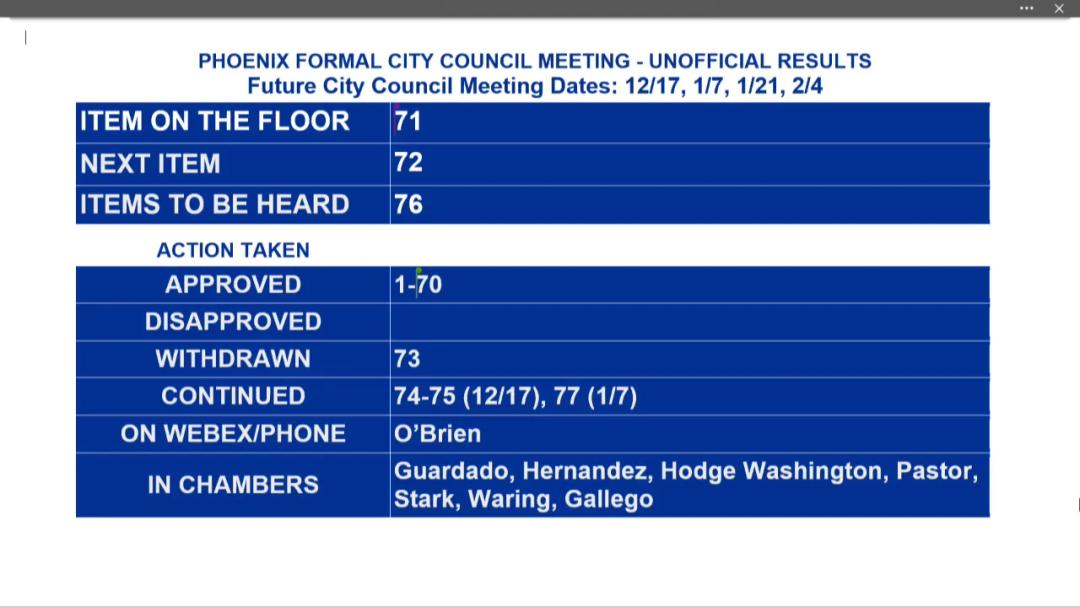
The Phoenix City Council convened on December 3, 2025, to conduct a series of routine approvals, honor community history, address labor negotiations, and consider housing infrastructure projects. The meeting featured the swearing-in of two new municipal judges and the welcome of a new assistant city manager. Significant public discourse occurred regarding labor contract transparency, park maintenance, and the use of surveillance tools for crime reduction. Consent Calendar - Swearing-in of Municipal Court Judges Brett Hutchinson and Christine Mullino, both unanimously supported. - Approval of liquor license advisory items 2 through 10; item 11 (Hatcher Beer and Smoke Shop) was disapproved based on neighborhood protests and pending zoning compliance issues. - Approval of ordinances G7450-7461 and resolutions S52406, 52435, and S52437-52481, with specific items excluded for in-person public comments (33, 46, 48). - Approval of campaign finance reporting amendments (Item 16). - Approval of contract awards for Mountain Preserve Maintenance Services (Item 32), Stage Hand Services (Item 33), and leads online (Item 38, passed 7-1). - Approval of retroactive authorization to apply for Community-Based Violence Intervention funding (Item 39). - Approval of repaving projects at Phoenix Deer Valley Airport (Item 46) and Goodyear Airport (Item 48). - Adoption of the Phoenix 2025 Administrative Design Review Text Amendment (Item 71). - Adoption of the "Preserve Historic Phoenix 2025" update to the historic preservation plan (Item 72). - Approval of the Rezoning Application for the Metro North Corporate Park PUD (Item 76). - Continuation of Items 74, 75 (to Dec 17, 2025), and Item 77 (to Jan 7, 2026); Item 73 was withdrawn. - Approval of federal home ARP funding for the Salvation Army/St. Catherine Manor Affordable Housing Project (Item 30). Public Comments & Testimony - Brian Willingham (Local 493 President): Expressed strong support for current union contracts but strongly opposed Councilwoman Hernandez's request for open, transparent labor negotiations. He argued that public involvement would cause stalemates, allow outside groups to cherry-pick provisions, and undermine the negotiation process, citing Chicago as a negative example. - Councilwoman Hernandez: Supported the need for greater transparency, directing staff to research negotiation practices used by other cities to determine if public participation is viable. - Councilman Guardado: Strongly recommended against open negotiations, aligning with Willingham's view that public scrutiny sabotages deal-making and could lead to union busting. - Tim: Expressed concern that park trails, specifically Echo Canyon, have been closed for two months due to erosion and lack of maintenance. He argued that the closure is a failure of management and urged immediate repair. - Jerry Van Gas: Opposed the proposed trail maintenance contract on the agenda, stating it was a "knee-jerk policy" without prior Parks Board review and noting the city had been without a formal maintenance program for six years since terminating the previous contract. - Cesar Corral & Bill Ruiz (Union Representatives): Expressed full support for the Deer Valley and Goodyear Airport paving projects, highlighting the value of union labor and apprenticeship programs for the local workforce. - Leonard Clark: Expressed support for union workers and called for a plaque to honor Ron Reidenhauer, a Vietnam veteran who exposed the My Lai massacre, to honor the values of American soldiers. - Rochelle Glenn: Stated she was appearing despite pending court issues regarding chickens, highlighting the difficulties of managing a backyard farm during monsoon season while disabled. - Ellen Israel (SBA): Provided informational testimony regarding disaster loans for microburst storm victims, outlining availability for homeowners, renters, and businesses. - Tim Sirikowski: Attempted to advocate against building Catholic and Mormon churches (claiming they are false prophets) and called for more lighting in downtown gay clubs and free filtered water at events; the Mayor interrupted to state these requests were not actionable by the City Council. - Amanda McGowan & Tammy Weaver: Expressed concern that the Ethics Commission inquiry process is inaccessible, capping the use of notarization and hand-delivery requirements as barriers that deter citizens from reporting ethics violations. Discussion Items - KPHO Studio Historic Preservation: The Council discussed the historic status of the KPHO (Channel 5) studios, the site of the first Arizona TV broadcast. Testimony from Julia Taggart and Rita Davenport highlighted the cultural significance of the Wallace and Ladmo show. The Council unanimously recognized the site's role in broadcasting history and Arizona identity. - Labor Contract Negotiations: A debate ensued regarding the transparency of the Memorandum of Understanding (MOU) negotiation process. While Councilwoman Hernandez requested a staff study on making negotiations public, Union leadership (Brian Willingham) and Councilman Guardado advised against it, warning of negotiation gridlock. Human Resources Director Jason Perkheiser clarified that the "blackout period" for negotiations does not begin until March. - Park Maintenance (Echo Canyon): The Council addressed the closure of Echo Canyon trail due to erosion from torrential rains. Director Aguilar explained that the closure was due to safety concerns regarding large boulders. He provided updates on the drilling and grouting strategy used to stabilize the terrain, with an expected reopening within a week pending final engineering evaluations. - Data Center Rezoning (Item 76): The Vice Mayor noted the project includes no on-site power generation, addressing community concerns about proximity to transmission lines. The Council balanced economic development with community safety concerns. - Surveillance Tools (Item 39): Councilman Hernandez expressed opposition to the use of license plate readers and surveillance tools in Maryville, stating it criminalizes black and brown communities, though she voted in favor of the grant to pursue violence intervention programs under different circumstances. Key Outcomes - Unanimous Approval (8-0): Swearing-in of Judges Hutchinson and Mullino; Liquor License approvals (2-10); Historic designation for KPHO Studios; Campaign Finance Reporting Ordinance; St. Catherine Manor Affordable Housing (Item 30); Mountain Preserve Maintenance; Stage Hand Services; Deer Valley Airport Repaving; Goodyear Airport Paving; Admin Design Review Text Amendment; Historic Preservation Plan Update (Item 72); Metro North Corporate Park Rezoning (Item 76). - Disapproval (1-0): Liquor License for Item 11 (Hatcher Beer and Smoke Shop) based on neighborhood protests. - Conditional Approval (7-1): Leads Online Contract (Item 38) and Community-Based Violence Intervention Grant (Item 39), with Councilman Hernandez dissenting on the latter due to concerns over surveillance technology. - Directives: Staff was directed to research public transparency practices for labor negotiations and report findings by February 2026. - Continuations: Items 74, 75 (until Dec 17, 2025) and Item 77 (until Jan 7, 2026). - Withdrawn: Item 73. - Public Resources: SBA disaster loan outreach established for microburst storm victims; Ethics Commission form accessibility concerns noted for future review.
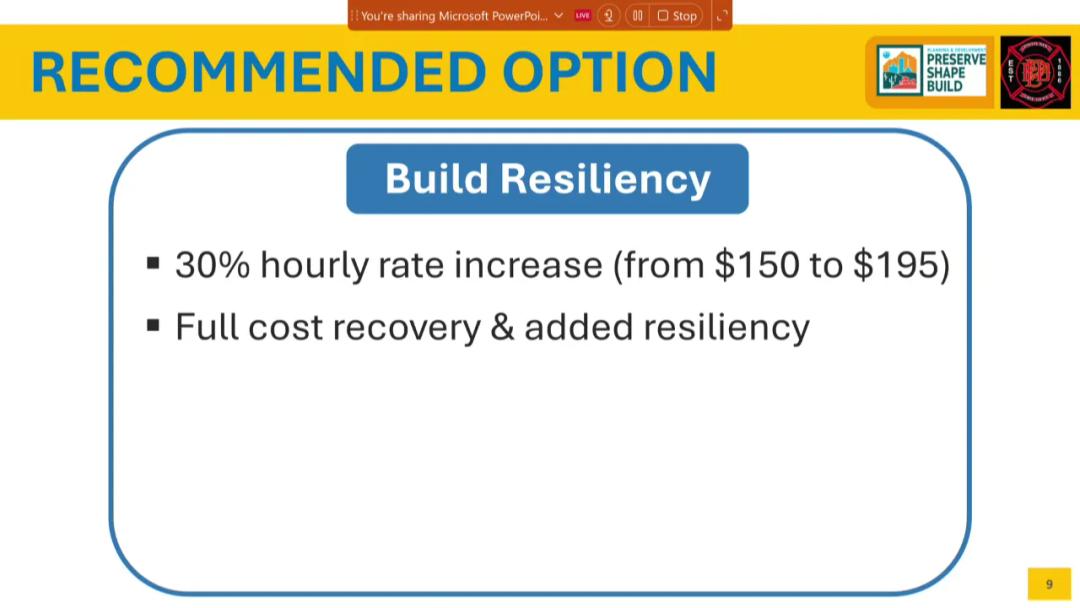
The Transportation Infrastructure and Planning Subcommittee convened on November 19, 2025, to review the Planning and Development Department's annual process improvement report, consider a proposed increase to user fees to address a structural deficit, discuss a five-year strategy for high-visibility crosswalks, and receive public commentary regarding park safety. The meeting concluded with unanimous recommendations to forward the fee increase proposal to City Council and to adopt a prioritized, seven-year timeline for crosswalk upgrades. Consent Calendar - Approved unanimously the minutes from the October 15, 2025, meeting. - Passed unanimously items 2 through 7 on the consent calendar, which included routine approvals related to aviation and historic preservation. Public Comments & Testimony - John Baumer (NAAP Arizona): Expressed full support for the Planning Department's goal of becoming "best in class" and their process improvements, but stressed that any proposed fee increases must be paired with measurable commitments regarding staffing increases, consistent service levels, and transparency. The speaker emphasized the need for the city to clearly communicate how fee changes translate to faster reviews and better coordination. - Council Member Stantley (acting as subcommittee chair): Expressed a position of support for the fee increase, noting the department's excellent outreach and the necessity of maintaining service quality. The speaker highlighted a specific concern for affordable housing and stated a position of exploring different fee structures specifically for low-income tax credit (LIHTC) projects to ensure their feasibility. - Council Member Waring: Expressed skepticism regarding the durability and maintenance requirements of thermoplastic crosswalk materials (citing a five-year lifespan and high application complexity). The speaker requested further evaluation regarding the use of alternative materials, such as paint or specialized products, for lower-volume local and collector streets, noting that previous products were likely used historically. - Nicole Rodriguez (Petitioner/Valley Urban Action Alliance): Expressed strong support for Option Three of the crosswalk plan. The speaker suggested that existing T2050 funds, rather than solely Vision Zero funds, could be utilized for the project. She emphasized that the primary driver for the crosswalks is life safety rather than convenience. - Councilmember Hyde-Washington: Expressed full support for Option Three, characterizing it as the most prudent, strategic, and "life-saving" investment that balances urgency, equity, and fiscal responsibility. - Jerry Van Gas (Public Watchdog): Expressed concern regarding the lack of recent updates from the Parks Department concerning the status of Camelback Mountain trails. The speaker demanded to see the official safety assessment behind the delays and criticized the Parks Department for not addressing public questions despite multiple meetings. Discussion Items - Process Improvement & Financial Status (Item 8): Director Bernarek presented a report on the Planning and Development Department's achievements over the past year, including the approval of the Phoenix General Plan, code overhauls, and improved turnaround times (98% within 24 hours). The speaker noted that while the department is an enterprise fund operating on permit revenue, fees have not increased since 2010. The speaker stated a position that the department faces a structural deficit that will drain the fund balance within 24 months without adjustment. - Proposed Fee Increase (Item 9): Assistant Director Miller and Chief Chris Christ presented a recommendation for a 30% increase in hourly user fees (from $150 to $195) to achieve full cost recovery. The speakers outlined that fees for the Fire Department's Special Hazards Unit were last updated in 2003. The staff proposed specific increases for hazardous materials facilities (Group 1 through Group 5) and new permits for lithium-ion battery storage. The speakers noted that the proposed increase for a $700,000 residential permit would result in a fee increase of just under $1,500, positioning Phoenix competitively among neighboring cities. - High Visibility Crosswalks & Stop Bars (Item 10): Staff presented a five-year plan evaluation for upgrading citywide crosswalks. The speakers detailed that a full citywide upgrade within five years was not viable due to a lack of resources, requiring an estimated $95 million and 20 additional staff. Staff presented three alternatives and recommended "Option Three": installing high-visibility crosswalks at 78% of crosswalks (including all mid-blocks, high-injury network locations, school zones, and transit corridors) over a seven-year period, with stop bars installed at all signalized intersections when replaced. Council Member Waring challenged the reliance on thermoplastic, questioning its invention date and performance compared to historical methods, prompting staff to agree to investigate paint or alternative products for lower-volume streets. Key Outcomes - Fee Increase Recommendation: The subcommittee unanimously moved to approve the proposed user fee increase per the staff recommendation, subject to City Council action on December 17, 2025, with an intended effective date of January 20, 2026. - Crosswalk Strategy Adoption: The subcommittee unanimously adopted staff's recommendation (Option Three) to upgrade high-visibility crosswalks and install stop bars at a prioritized 78% of citywide locations over an estimated seven-year timeline. - Future Actions: Staff agreed to investigate T2050 funding overlays for the crosswalk project and to explore alternative pavement marking materials for local streets. Council Member Hyde-Washington requested a stipulation for staff to report back on the crosswalk case implementation. - Councilwoman Stark Birthday: A birthday wish was extended to the Chair during the adjournment period.
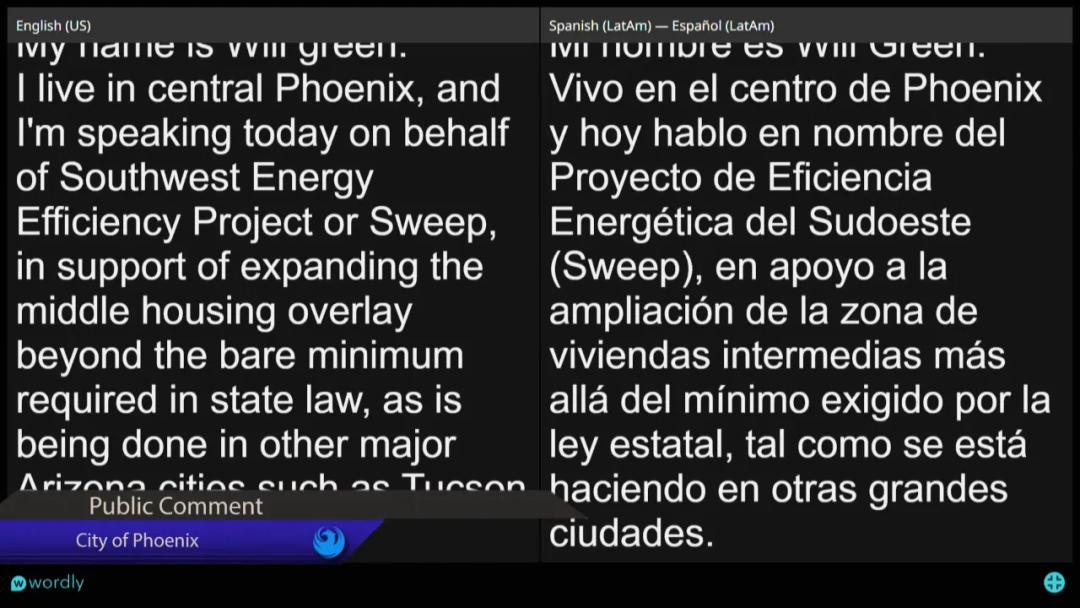
The Phoenix City Council convened on November 19, 2025, to address a variety of agenda items including board confirmations, court appointments, procurement contracts, and critical zoning changes mandated by state law. The meeting was dominated by extensive public testimony and robust debate regarding the implementation of Arizona's new middle housing law (HB 2721), with a strong focus on the potential impacts on historic neighborhoods. The council ultimately approved the state-mandated text amendment and overlay district within a one-mile radius of downtown while commissioning a future study on citywide expansion. Consent Calendar - Unanimously approved nominations for mayor and city council boards and commissions, followed by the swearing-in of new commissioners. - Unanimously approved the appointment of two new municipal court judges, following a Q&A session with the nominees regarding their prosecutorial and judicial backgrounds and proposals for court accessibility. - Unanimously approved liquor license items for resolutions 22345–22347. - Unanimously approved the ballot sorting system lease and contract with Bobby Yang for Head Start dental care services. - Unanimously approved apprenticeship program contracts for semiconductor and tech initiatives. Public Comments & Testimony - Middle Housing Opposition: A significant portion of public comment focused on items 71 and 72 (Middle Housing). Residents from historic districts (Willow, FQ Story, Encanto, Del Norte) argued that the state mandate would lead to the destruction of historic character, the loss of historic designation protections if 50% of contributing homes are altered or demolished, and increased density without ensuring true affordability. Speakers cited personal stories of homeownership struggles and warned against the influx of out-of-state investors converting single-family homes to short-term rentals or luxury units. Several speakers requested a 90-day delay to lobby the state legislature for an exemption or a sunset clause. - Middle Housing Support: Other speakers argued that middle housing is essential for addressing the housing crisis and increasing supply. They contended that fear arguments were often rooted in classism and racism, noting the city's history of racist zoning practices. Supporters suggested that citywide expansion should be studied immediately. - Airport Workers: Several employees of Sky Harbor International Airport (Swabba/Spark) testified regarding poverty wages, the inability to afford basic necessities like rent and food, and the need for a living wage (specifically $25/hour). They urged the council to mandate an economic impact study focusing on worker wages and benefits. - North Park Development: Residents of the Stetson Valley neighborhood expressed strong opposition to the proposed North Park development near the Sonoran Preserve, citing concerns about heavy industrial uses (microchip manufacturing), environmental impacts, water scarcity, and lack of transparency regarding TSMC's involvement. Discussion Items - Airport Air Support Contract (Item 38): Councilman Hernandez opposed the avionics equipment contract, expressing concerns about the militarization of the police force, surveillance of protesters, and the use of military-grade aircraft. Councilman Warren defended the air support unit as a vital tool for rescue, high-speed pursuits, and apprehending criminals, contrasting the "air support" terminology with the term "air force." The council proceeded with the vote. - ALPR Database Subscription (Item 40): Councilwoman Cordado opposed the contract renewal for the Learn Database (Automated License Plate Reader) services, citing mass surveillance concerns, potential data sharing with federal agencies like ICE, and historical misuse of such technology. Councilwoman Pastor and others argued for the tool's utility in solving crimes, leading to a substitute motion requiring that ALPR data be used only for local law enforcement and prohibiting vendors from sharing data with data brokers or third parties. - Data Center Waiver (Item 70): Councilman O'Brien presented the data center waiver, highlighting the city's role as a hub for AI infrastructure demand. Councilwoman Hodge Washington highlighted the collaborative process with the applicant to include specific protections, such as fire safety measures, heat emission controls, and a community dog park, framing it as a model for responsible development. - Middle Housing Text Amendment & Overlay (Items 71 & 72): - Procedural Debate: The council debated the feasibility of a 90-day delay. City Attorney advised that a delay would trigger a "poison pill" clause in state law (HB 2721), causing middle housing to become allowed by right citywide without limitations, which the council wished to avoid. - Amendments: Councilwoman Stark proposed an original motion to approve the state-mandated items with a study to be conducted by the Morrison Institute (ASU) to assess impacts and potential expansion areas. Councilwoman Pastor offered a substitute motion adding a sunset clause (terminating historic district provisions if the state exempts them) and a deadline of December 2026 for the study. Councilwoman Hodge Washington opposed the deadline, preferring the study scope be determined by researchers. The substitute motion with the sunset clause failed (2-7). - Final Vote: Councilwoman Stark's motion, amended to include a one-year timeframe for the study (December 2026), passed unanimously (9-0). - Councilman Warren explained his vote in support, noting the fiscal consequences (losing funding under ARS 1487) of non-compliance with state law, despite his skepticism about the housing crisis solution. - Councilman Robinson and others expressed commitment to the study process and potential advocacy at the state legislature for historic district exemptions. Key Outcomes - Middle Housing Adoption: Items 71 (Text Amendment) and 72 (Overlay District) were approved (9-0) for the one-mile radius around downtown, as required by state law to avoid citywide mandatory upzoning. - Morrison Institute Study Mandated: A substitute motion passed (9-0) directing staff to enter into an Intergovernmental Agreement (IGA) with the Morrison Institute at Arizona State University to conduct a study within one year (by December 2026). The study will assess infrastructure impacts, recommend expansion areas for affordability, and propose incentive strategies. - ALPR Policy Restrictions: Item 40 passed (9-0) with a stipulation that Phoenix-generated ALPR data is limited to local law enforcement purposes and the vendor is prohibited from selling or providing data to data brokers or third parties without council and law department approval. - Airport Contract Approval: Item 44 (Sell Police Canine) passed (9-0) despite opposition regarding the training and use of police dogs. - Zoning Changes: Several rezoning items were approved unanimously, including the ACE Hardware PUD (Item 66) and the LKY Real Estate data center waiver (Item 70). - Fiscal Warning: The council noted the risk of losing state funding if the middle housing ordinance is not adopted, reinforcing the decision to vote for compliance despite community concerns.