Browse by city
Date range
Search help

Search titles, summaries, topics and stored transcripts together. Keywords may match separately; put the whole query in double quotes for a phrase. Matching follows word analysis, so punctuation is not exact. Both dates are included. Documents are not searched.

SHOWING 51–60 ENTRIES
51
OCT 14, 2025 · RALEIGH, NORTH CAROLINA · CITY COUNCIL
Raleigh City Council Public Comment Session - October 14, 2025

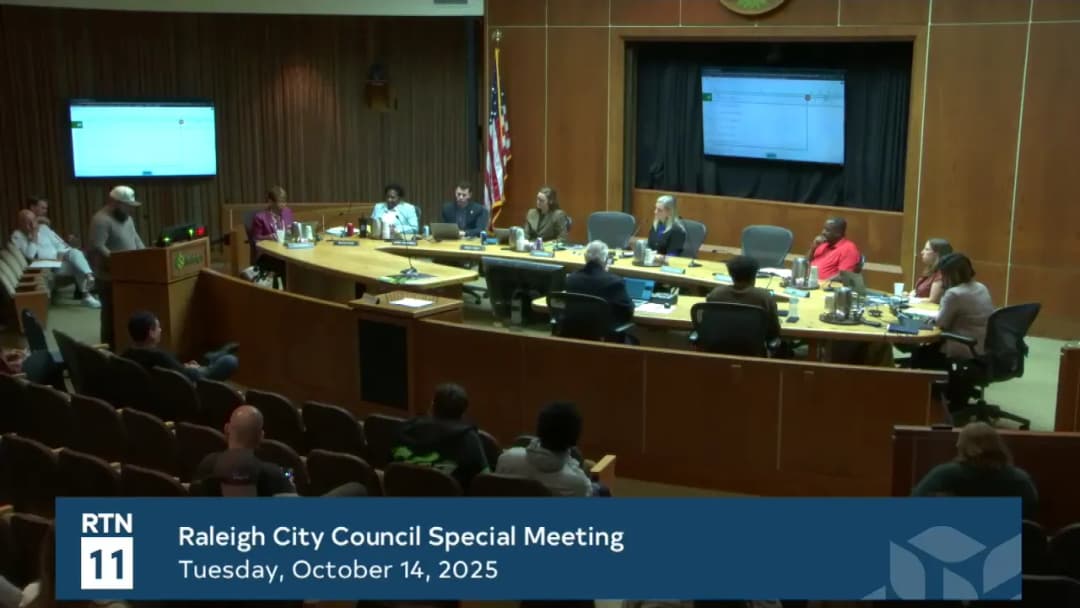
On Tuesday, October 14, 2025, at 7:00 PM, the Raleigh City Council held a dedicated public comment session in the City Council Chamber. Due to nearly 50 registered speakers, each speaker was allotted two minutes. The session covered a wide range of topics, including zoning, transportation, governance, greenway projects, housing conditions, worker safety, and international affairs. Public Comments & Testimony Zoning and Affordable Housing - Octavia Rani, a civil rights activist, expressed strong opposition to a recent council vote approving a 30‑story project, arguing it created a restrictive covenant that excludes Black residents by not requiring affordability at 80% AMI. - Donna Bailey criticized the approval of Z‑12, noting that the developer’s contribution of $1,300 per unit for affordable housing was inadequate. She also recommended redirecting funds from the disbanded Community Engagement Board to Citizen Advisory Councils (CACs) and requested that staff reports be released at the second public meeting. Transit and Bus Operations - Kevin Kwong reported two route errors by a bus driver on Route 2 and urged installation of GPS and better driver training to improve service reliability. Boards and Commissions - Byron Laws, former chair of the Human Relations Commission (HRC), criticized the council for not establishing an African American Affairs Board and for consolidating the Hispanic and Immigrant Affairs Board into HRC, saying Black voices are being ignored. - Mary Thompson, a former HRC member, detailed the commission’s past achievements (e.g., creating the Police Advisory Board, Hispanic Affairs Board, Immigrant Affairs Board) and expressed disappointment that merging multiple community boards into a single entity would dilute attention to diverse issues. Billboard Regulation - Robert Quartz opposed allowing electric billboards in Raleigh, citing driver distraction (10,000 flashes per day) and safety risks, referencing industry studies that tout longer gaze times. Big Branch Greenway Connector Multiple speakers addressed the proposed greenway, especially Segment 1B (the “streamside route”). - Opponents (Andrew Bennington, Helen Kerbin) argued that the half‑mile segment would cost nearly $5 million—exceeding the entire $4.5 million budget for the full 3.5‑mile project—and would violate a 39‑year‑old scenic preservation deed, require eminent domain, and create flooding and safety risks. - Supporters (Rashawn King, Michael Porvoznick, Autumn Cobland, Colin Kabelka, Dylan Barry, Jared Harbour) emphasized the greenway’s importance for safe transportation, recreation, connectivity (linking Crabtree Creek Greenway to North Hills), and its potential to serve over 10,000 residents. They noted that similar opposition to the House Creek Trail later turned into strong community support and that greenways are essential infrastructure, not luxuries. Affordable Housing Conditions - A resident (speaker name unclear) of the Studios at 2800 (2800 Brentwood, managed by CASA) described deplorable conditions: no AC for two months, a broken elevator for 10 months, roach and bedbug infestations, unsafe floors, and harassment. She requested relocation or immediate repairs, noting that many residents are elderly, disabled, or veterans on fixed incomes. Israel‑Palestine and Foreign Policy - Alexis Kennedy, Jeremy Gilchrist, and Brian McGuinness called for a ceasefire, an arms embargo, and divestment from Israel. They argued that U.S. taxpayer money sent to Israel (over $32 billion since October 2023) should be redirected to domestic needs like infrastructure and education. They also criticized the “peace deal” as a real estate grab and highlighted ongoing settler violence in the West Bank. Transit Worker Safety and Working Conditions - Several GoRaleigh bus operators (Natalie Brown, James Limehouse, Jeffrey Hooks, Archibald Gresham, Michael General, Clifton Hill, Robert Drakeford) described a hostile work environment, including intimidation by management, insufficient security at facilities, broken windows on personal vehicles, and assaults on operators. They demanded stronger safety protocols, transit police, fair investigations, and an end to low‑bid contracts that cut safety and benefits. Clifton Hill, Financial Secretary of ATU Local 1328, noted the union represents over 2,000 members and called for respect and protection. Community Support for Transit Workers - Sarah Quadry expressed solidarity with GoRaleigh employees and urged the council to address their grievances. She also advocated for more resources for the ACORNS program, affordable housing, and a community fridge at Morris Square Cafe. Black Farmers Hub - Kesha Monk highlighted that the Black Farmers Hub in Southeast Raleigh received a notice that EBT/WIC transactions would be suspended during the government shutdown. She requested the council create a local contingency plan to protect small businesses and families from federal system failures, emphasizing that the hub is a lifeline in a food desert. Substance Use and Mental Health Services - Tania Hubbard (Alcohol Drug Council of North Carolina) cited 4,042 overdose deaths in North Carolina in 2023 (12 per day), a 23% increase in fentanyl‑related deaths, and a $319 million state budget shortfall. She requested partnership and funding to expand capacity, multilingual services, and a no‑wrong‑door navigation model for behavioral health. Dix Park - Will Hooker, emeritus professor of landscape architecture, opposed plans to build condominiums in Dix Park, arguing that it would set a bad precedent and undermine the park’s role as a retreat from urban life, similar to Central Park. Emotional Intelligence Training for City Staff - An unnamed speaker recounted an incident where a city staff member threatened a child at a park and requested that the city implement emotional intelligence assessments and training for all departments. Key Outcomes - No decisions, votes, or directives were made during this public comment session. The council heard testimony but took no action. The meeting adjourned after all speakers had finished.
PUBLIC TRANSPORTATION 22% · PUBLIC SAFETY 20% · FOREIGN POLICY 15% · RACIAL EQUITY 10%
52
OCT 14, 2025 · RALEIGH, NORTH CAROLINA · CITY COUNCIL
Special Public Hearing on Proposed Noise Ordinance Amendments for Amplified Sound - October 14, 2025

This special public hearing was held on October 14, 2025, at 6:00 PM in the Raleigh City Council Chamber. The purpose was to receive public comment on proposed amendments to the noise ordinance regarding amplified sound from commercial establishments. The amendments, based on recommendations from sound consultant Brian Block of Sound City Planning, propose three categories of decibel limits: for Glenwood South, for the remainder of the city, and for venues outside Glenwood South that obtain a permit. Twenty-eight speakers signed up, and each was given two minutes to speak. The hearing concluded after all speakers, and the council took a break before the next public comment session at 7:00 PM. No vote or decision was made; the council will consider the proposal at a later meeting. Public Comments & Testimony - Dan Lovenheim (Glenwood South stakeholder): Asked the council to visit Glenwood South around midnight on a Saturday to understand the real-world impact of the proposed decibel limits before making a decision. Emphasized that livelihoods depend on the district. - John Zimmerman (Operating partner, Village on Glenwood): Opposed rushing the ordinance, arguing that a previous decibel-based system was abandoned because it was unworkable (city staff publicly stated decibel meters cannot identify which business sound comes from). Claimed selective enforcement under the current reasonable person standard, stating he was the only one ticketed during an education phase. Said the proposed limits are so low that every downtown bar would be in violation. Asked for a delay and a site visit. - Evan Duke (Resident and bar manager, Glenwood South): Opposed the ordinance, stating that it threatens the livelihoods of workers who rely on weekend revenue (10 PM–2 AM). Noted that bars already invest in sound management and that the rules change almost yearly, creating confusion. Asked for consistency and fairness. - Angela Floyd (Glenwood South resident, 11 years): Expressed full support for the new noise ordinance. Requested trained staff for enforcement and monthly data on citations and proactive enforcement. Disagreed with the midnight step-down for Glenwood South, advocating for the same 10 PM standard as the rest of the city. Clarified she is not part of the Glenwood South Neighborhood Collaborative. - Larry Miller (Glenwood South resident, not representing the Collaborative): Supported the objective standard, non-sworn enforcement officers, and a different standard for Glenwood South. However, raised concern that the decibel levels in the ordinance do not specify the LEQ (equivalent continuous level) measurement protocol, which averages over 15 seconds, leaving the standard open to interpretation of spikes. - Bryce Holbrook (Student, works weekends): Opposed the ordinance, stating that strict noise limits take away spaces where students and locals connect and affect his ability to work and afford tuition. Asked the council to vote against the ordinance. - Brian Kite (15-year Glenwood South worker, former resident): Opposed, stating that the proposed limits do not reflect the reality of Glenwood South, which hosts up to 10,000 people on weekends. Asked for a realistic ordinance that considers the district's character and the families who depend on the industry. - Jamar Davis (Manager, Glenwood South): Opposed, noting that about 90% of income for many venues comes from 10 PM–2 AM on Fridays and Saturdays. Said that setting decibel limits below the natural equilibrium is unrealistic and threatens livelihoods. Asked for a fair chance. - Dean Kittelson (Owner/operator, Pearl Imperil; resident): Expressed negative impact opinion, stating the ordinance would nullify his bar's revenue and employee income. Mentioned the trickle-down effect on beverage distributors and ABC stores. Asked for collaboration. - Kenneth Locklear (GM of nightclub): Opposed, emphasizing that 90% of income comes from the narrow weekend window. Said the proposed limits are below the natural equilibrium and would effectively prevent operation. Urged stabilization of ordinances. - Alexis Cambareri (GM, 23 and Up Lounge; single mother): Opposed, citing constant changes and confusion. Asked the council not to push the ordinance through quickly and to visit Glenwood South on a Saturday night. - Josh Von Cannon (Whiskey Rose, 20-year nightlife veteran): Opposed, asking for a fair chance and noting that cutting sound and energy affects livelihoods. Asked for collaboration. - Kim O'Sullivan (Chief Administrative Officer, Oak City Group, single mother): Opposed, noting that the nine bars under her management employ nearly 400 people who depend on weekend revenue. Asked for a delay and a site visit to understand the decibel levels. - Jeff Green (25-year bar manager): Opposed, stating that decibel limits would diminish the atmosphere and energy of Raleigh's nightlife. Asked not to take away his ability to provide for his family. - Gabby Long (Community outreach organizer, A Woman's Choice): Urged the council to recognize health care facilities as noise-sensitive areas, apply the same standard to amplified and unamplified sound within 300 feet, assign one of the proposed noise monitors to the clinic area on days when amplifying sound is used, and ensure consistent enforcement. Cited studies showing negative health impacts of noise. - Stephen Blake (Volunteer legal observer, A Woman's Choice): Urged the council to strengthen, not weaken, protections for noise-sensitive areas. Noted that protesters yelling at the clinic constitute unreasonable noise, yet enforcement has been inconsistent, with no citations issued. Asked for consistent enforcement. - Kelsey McLean (Volunteer, A Woman's Choice; former employee): Described harassment and shouting at the clinic, both amplified and unamplified. Said that the noise interferes with patient care and causes physiological impact. Noted that Raleigh PD has not enforced the ordinance despite being present. Asked for consistent enforcement. - Ashley Robertson (Assistant GM, Westwood; single mother): Opposed, asking for a delay and a site visit. Said constant changes affect businesses and livelihoods. - Matthew Golden (Owner, Bowstring Brew Yard): Expressed full support for the proposed sound ordinance, stating it is reasonable and that his venue can adjust. He does not intend to have music after 10 PM. Noted that Bowstring has sold over 20,000 tickets and paid over $50,000 in sales tax. - Catherine Wilson (Resident, Dennis Avenue, 0.6 miles from Bowstring): Described hearing live music clearly from Bowstring multiple nights a week, preventing enjoyment of her home. Noted that the problem has persisted despite complaints and that the new ordinance needs to consider topography and distance. Asked for more consideration. - Kinsley Perry (Security manager, Oak City Group): Opposed, asking the council to remember workers and families who depend on the industry. Said targeting bars hurts workers. - DeAndre Jones (Nightlife worker): Opposed, urging delay and collaboration with venue owners, artists, and residents to find a solution. Said the proposed thresholds make compliance nearly impossible. - Derek Andrews (20-year Raleigh resident, 10-year Glenwood South worker): Opposed, fearing harm to nightlife and the city's vitality. Said mismanaged noise ordinances will cripple nightlife. - Krista Padgett (Resident, 3,210 feet from Bowstring): Asked for distance provisions in the ordinance. Noted that 70 decibels at Bowstring may still be audible in her home. Agreed with bar owners that the process should be slowed down for collaboration. Clarified that neighbors are not trying to shut down Bowstring. - Aaron White (Resident, Belvedere Park/Woodcrest): Asked for distance provisions. Said he can hear all lyrics and bass from Bowstring despite being half a mile away. Noted that the current draft ordinance would not require a permit at 70 decibels, so no additional sound control would be needed. Key Outcomes - No decisions, votes, or directives were made during this public hearing. The council is expected to consider the proposed ordinance at a future meeting, potentially placing it on the consent agenda, City Attorney's Report, or as a special item. - The council heard from 28 speakers, representing a range of positions: many Glenwood South business owners and workers opposed the ordinance, citing economic impact and previous failures of decibel-based enforcement; some Glenwood South residents supported the ordinance but requested adjustments; neighbors of Bowstring Brew Yard urged inclusion of distance-based provisions; and advocates for A Woman's Choice clinic requested stronger protections for health care facilities. - The public hearing was followed by a 15-minute break before the next public comment session at 7:00 PM.

NOISE ORDINANCE 89% · ECONOMIC DEVELOPMENT 9% · PUBLIC HEALTH 2%
53
OCT 14, 2025 · RALEIGH, NORTH CAROLINA · CITY COUNCIL
Raleigh City Council Work Session on Comprehensive Plan and Mobility Studies - October 14, 2025

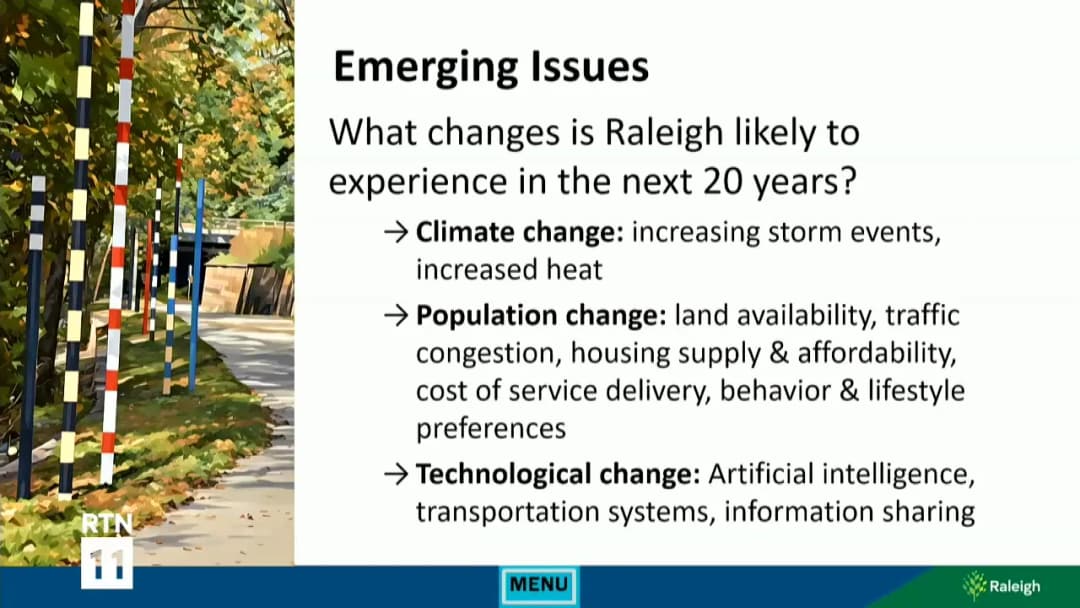
This work session, convened at 4:00 PM on October 14, 2025, focused on two major planning initiatives: the Comprehensive Plan Update (Reflecting Raleigh) and the Downtown Mobility Study and Active Mobility Plan. Council members provided feedback, asked questions, and discussed implementation strategies without formal votes. Comprehensive Plan Update – Reflecting Raleigh Patrick Young (Planning and Development), Sarah Shaughnessy, and Bynum Walter presented follow-up from the Council retreat, summarizing key themes: identifying emerging issues, communicating trade-offs, reducing friction between policies and ordinances, and improving reporting on plan progress. Staff noted a five-phase process, with Phase I ending and Phase II (plan development) beginning. A community inventory and emerging trends report will be completed by January 2026, with plan drafting in mid-2026 and adoption targeted for 2027. Council members raised additional topics for inclusion: regulatory changes for downtown (with coordination with existing committee work), midtown housing affordability, infrastructure needs, churches and housing, greenway-oriented development, entertainment districts, and coordination with Wake County Public Schools on surplus property. Council requested that the plan address these areas and that the effectiveness of affordability tools be examined broadly. Downtown Mobility Study and Active Mobility Plan Margaret Tartala (Transportation) introduced the two related plans. Stephen Stansbury (Kimley Horn) presented the Downtown Mobility Study, which establishes modal priorities for downtown corridors, integrating BRT, bike, pedestrian, and vehicular needs. Public engagement included over 2,200 participants and 15,000 data points. The study recommends a four-quadrant bike network, improved pedestrian prioritization, and curbside management policies. Jared Draper (Tool Design) presented the Active Mobility Plan, which updates the city’s bicycle and pedestrian plans. Key statistics: Raleigh has over 120 miles of greenways, 35 miles of side paths, 75 miles of bike lanes (only 3 miles separated), and 31% of roads have sidewalks on both sides (43% have no sidewalk). The plan’s “Big Jump” goal is to build 5+ miles of sidewalk and 50+ miles of bikeways in five years. If achieved, the percentage of Raleigh’s population within a half-mile of a high-comfort bikeway would rise from 30% to 57%. Priority networks were determined using equity, safety, transit access, and destination density criteria. Implementation tools include capital improvement, resurfacing, quick-build, and private development. Paul Cowan (Transportation Director) closed by emphasizing a commitment to putting the plans into action and improving efficiency. Council Discussion and Questions - Councilor Branch asked about coordination with the S-line rail project; staff confirmed ongoing conversations and flexibility for future amendments. - Councilor Harrison noted BPAC’s recommendation for Hillsborough Street pedestrian priority (already included), addressed Smoky Hollow sidewalk gaps, and requested a more formal timeline for sidewalk requests. Staff described the micro-gap sidewalk program (26 gaps filled in 60 days) and the transition to a new prioritization system. - Councilor Jones questioned connectivity for the Briar Creek area, noting gaps in BRT and bike networks. Staff cited potential future BRT corridors (e.g., Glenwood) and the Alumly-Westgate Connector project. Regarding separated bike lanes on Glenwood Avenue, staff noted that NCDOT has not yet been formally engaged on that corridor. Councilor Jones requested a dollar amount for the Big Jump; staff said cost estimates are in development. - Councilor Patton asked about the South Street pedestrian path near Red Hat Amphitheater (confirmed a jog around Lenoir Street) and sought a project timeline analogy similar to the Neighborhood Traffic Management Program. Staff noted that predictable timetables depend on consistent funding. - Councilor Lambert-Milton expressed strong support for funding the Big Jump, suggesting it be included in a future transportation bond, and advocated for better signage and promotion of existing neighborhood bikeways. - Councilor (unnamed) raised questions about school zone safety, mid-street crossings on major corridors, and overhead pedestrian passes. Staff referred to the ongoing Safe Streets for All Action Plan (draft due February 2026) for large-scale safety improvements. Key Outcomes - Council provided feedback on the Comprehensive Plan Update, directing staff to incorporate additional topics including churches, greenway-oriented development, entertainment districts, and broader affordability tool analysis. - Council expressed general support for the Downtown Mobility Study and Active Mobility Plan, with strong encouragement to pursue the Big Jump initiative. - Staff will return with cost estimates for the Big Jump and continue coordination with the S-line, Safe Streets for All, and other concurrent planning efforts. - No formal votes were taken; the work session served as a discussion and guidance session for staff.

TRANSPORTATION 27% · ACTIVE TRANSPORTATION 16% · PUBLIC ENGAGEMENT 14% · TRANSPORTATION SAFETY 13%
54
OCT 7, 2025 · RALEIGH, NORTH CAROLINA · CITY COUNCIL
Raleigh City Council Regular Meeting - October 7, 2025

The Raleigh City Council met on Tuesday, October 7, 2025, in an afternoon session beginning at 1:00 PM and an evening session beginning at 7:00 PM. The meeting covered recognitions, consent agenda items, planning commission recommendations, special items, reports from the city manager and advisory boards, public hearings, and council appointments. The following summary reflects the afternoon session; the evening session was scheduled for additional public hearings. Consent Calendar - Approved unanimously (roll call): All consent items except one pulled for discussion. Items included a mutual aid agreement with Wake County Emergency Management, donation of surplus property to the Town of Winfall, consent for Raleigh Housing Authority bond issuance for Moore Square Apartments (up to $31,682,000), budget transfer for Barton Oaks affordable housing, license agreement with Wolfpack Elite for the Lake Johnson pool (pulled), donation of a retired police canine, petition annexation AX-30-25, grant amendments, contracts for design/engineering services, access control system upgrades, GoRaleigh dispatch software, budget amendments, bid award for Wake BRT New Bern Avenue Corridor Package 2 ($64,676,000 to Fred Smith Company plus 10% contingency), neighborhood speed limit reductions (Bryan Street, Laurel Valley Way, Old Buffaloe Road), bus zone relocation on West Martin Street, and no parking zones on South Person Street. - Item pulled for discussion and held: License Agreement – Seasonal Pool at Lake Johnson Park with Wolfpack Elite, Inc. Council held the item for two weeks to further review the balance of public access and exclusive use. Councilmember Harrison requested exploring additional public swim time during the 8–10 a.m. window. Staff noted the agreement would increase annual public access hours (estimated gain of 240–960 hours vs. loss of 68 summer hours). Council voted unanimously (7-0) to hold. - Future consent agenda: Council approved a motion to place fully vetted council contingency disbursements on future consent agendas. Public Comments & Testimony - No public comments were recorded during the afternoon session. The public hearing on the noise ordinance was set for October 14, 2025, at 6:00 PM. Discussion Items - Noise Ordinance Recommendations – Amplified Sound: Staff and consultant Brian Block (Sound City Planning) presented proposed amendments establishing decibel limits for commercial amplified sound, with three tiers: citywide baseline (70 dBA/75 dBC), citywide with permit (up to 80 dBA/85 dBC), and Glenwood South district (82 dBA/92 dBC weekdays until midnight, then reduced). The ordinance includes civil and criminal enforcement, a $500 permit fee, and escalating penalties up to prohibition of outdoor sound equipment for 18 months. Council received the proposed ordinance as first reading and voted 5-3 to set a public hearing for October 14 at 6:00 PM. Second reading will occur on October 21, 2025. - Reflecting Raleigh Civic Assembly – Remit Approval: Staff proposed a remit asking the civic assembly to address where new growth should occur over the next 20 years, focusing on transit corridors. The assembly will consist of 40–50 randomly selected residents, meeting six or seven Saturdays starting January 2026. Council approved the remit unanimously. - Development Review Process Overview: Patrick Young, Planning and Development Director, presented an overview of the administrative development review process, including statistics: approximately 120,000 inspections annually, 40,000 inquiries, average site review time of 144 days (60 with staff), and 52 days for building permits. Challenges include staff vacancies and conflicting comments. Improvements include an innovation team, online portal, and pilot programs. Council received the information; further updates expected in December/January. - Environmental Advisory Board Annual Report and Work Plan: Chair Scott Greenman presented the FY2024-25 annual report and FY2025-26 work plan, which focuses on urban forestry, stormwater, transportation, and sustainable affordable housing. Council approved the work plan as amended to include a public educational event on forever chemicals (PFAS). Vote on amendment: 8-0; full report/work plan approved unanimously. - Mine Creek Greenway Trail Improvements – Design Approval: Schematic design approved for a one-mile trail segment from Millbrook Road to North Hills Drive, including trail resurfacing/widening to 10 feet, bridge replacements, stream bank stabilization, and neighborhood connections. Budget: $5.6 million from 2022 Parks Bond. Construction expected summer 2027, approximately one year. Council approved unanimously. - Rezoning Z-52-24 – Tryon Road: The applicant revised the request to remove 1600 Tryon Road. Approved with conditions including a cap on units, traffic signal commitment, cross-access, and 2% affordable units. Vote: 7-1 (Councilmember Jones opposed). - Special Committee on Council Advisory Boards and Commissions: Recommendations adopted to dissolve the Community Engagement Board, re-merge Hispanic and Immigrant Affairs and African American Affairs functions into the Human Relations Commission, and dissolve the special committee. Vote: 5-3. - Council Reports and Requests: Councilmember Forte requested a study and RFP for firefighter shift modification to reduce burnout. Councilmember Lambert-Melton requested a review of bus stop cleanliness at high-traffic areas. Councilmember Branch reported on the median panhandling ordinance effective November 1. - Nominations and Appointments: Diana Youssef appointed to the Fair Housing Advisory Board. Brooke Funkhouser elevated to regular vacancy on the Design Review Commission. Kay Crowder elevated to regular vacancy on the Board of Adjustment. - 2026 Municipal Election Filing Fees: Adopted resolution setting filing fees at $250 for mayor and $200 for council seats. Unanimous. - Minutes Approved: September 16, 2025, work session and regular session, and September 27, 2025, council retreat minutes approved. Key Outcomes - Council approved: Consent calendar items (except Lake Johnson pool held), contingency disbursements (future ones on consent), Seaboard Station social district ordinance (7-2), noise ordinance first reading with public hearing set, civic assembly remit, EAB work plan (amended), Mine Creek Greenway design, Tryon Road rezoning (7-1), advisory board mergers (5-3), election filing fees, and appointment of Diana Youssef, Brooke Funkhouser, and Kay Crowder. - Council held: Lake Johnson pool license agreement for two weeks for further negotiation on public access. - Set public hearings: Noise ordinance public hearing on October 14, 2025, at 6:00 PM; second reading on October 21, 2025. - Directives: City manager to scope an RFP for firefighter shift modification and to address bus stop cleanliness at high-traffic stops. - Closed session: Council entered closed session to consult with the city attorney on potential claims (City of Raleigh vs. ASC 509 LLC and Estate of Williams vs. City of Raleigh) and personnel matters. No reportable action.

PROCEDURAL 23% · NOISE ORDINANCE 17% · ENGINEERING AND INFRASTRUCTURE 11% · MISCELLANEOUS 10%
55
OCT 7, 2025 · RALEIGH, NORTH CAROLINA · CITY COUNCIL
Raleigh City Council Regular Meeting - October 7, 2025

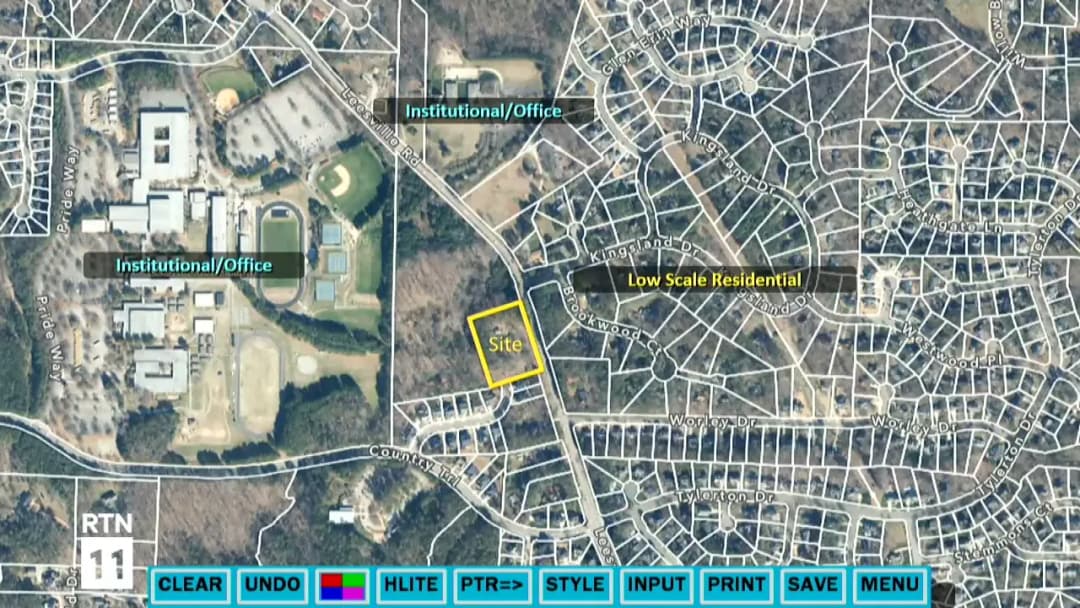
The Raleigh City Council met on October 7, 2025, in afternoon and evening sessions to consider consent agenda items, receive reports, hold public hearings, and vote on several rezoning cases. The evening session focused on four rezoning requests and included extensive public comment and council deliberation. Consent Calendar - Approved consent agenda items including mutual aid agreements, property donations, bond issuances, budget amendments, contract awards, traffic schedule changes, and other routine matters. - Approved Planning Commission recommendations to set public hearing dates for several rezoning and text change cases (Z-11-25, TCZ-13-25, Z-17-25, Z-18-25, TC-3-25) for November 4, 2025. Public Comments & Testimony - Rezoning Z-12-25 (Peace Street/West Street): Speakers in support included the applicant (Jason Baron), Sig Hutchinson (former Wake County Commissioner), Larry Miller (Glenwood South Neighborhood Collaborative), and several residents who emphasized consistency with the comprehensive plan, the need for housing density near transit and parks, and the project's public benefits including affordable housing contributions. Opponents, including Roy Attride (Raleigh Neighbors United) and Connie Upchurch (resident), argued that the proposed 27-story height violates transition policies, overwhelms the adjacent historic neighborhood, and sets a dangerous precedent. Over 830 petition signatures were submitted in opposition. - Rezoning Z-10-25 (Leesville Road): The applicant (Worth Mills) presented conditions limiting units to 18, prohibiting apartment building type, and providing a wall and landscaping. Supporters noted consistency with the future land use map. Opponents, including Alex Mulashik (Ghost Pony Trail HOA), raised concerns about parking overflow, stormwater management, and potential delay of development on other nearby sites. - Rezoning Z-51-24 (Fairbanks Drive): The applicant (Toby Coleman) explained the request primarily updates outdated conditions and allows three-story buildings. No public opposition was heard. Discussion Items - Noise Ordinance Amendments (Item E.3): Staff presented proposed decibel limits for amplified sound, with different categories for Glenwood South and other areas, based on expert recommendations. The council received the proposal; a vote will occur at a later meeting as required by state law. - Civic Assembly on Comprehensive Plan (Item F.1): Staff presented the design process for the Raleigh Civic Assembly, which will inform the next comprehensive plan (Reflecting Raleigh). Council approved the remit for the assembly. Key Outcomes - Z-12-25 (Peace Street/West Street): Approved on a 6-2 vote (Councilmembers Patton and Harrison opposed). The rezoning allows a 27-story building (up to 360 feet) with conditions including a $400,000 affordable housing contribution before certificate of occupancy, building height stepbacks, and restrictions on uses. - Z-13-24 (New Hope Road): Public hearing held; council voted to keep the hearing open and defer the decision to the October 21, 2025 meeting to allow the applicant to finalize additional conditions with environmental justice partners. - Z-10-25 (Leesville Road): Approved on a 6-2 vote (Councilmembers Branch and Harrison opposed). The rezoning allows up to 18 residential units with conditions including a 6-foot wall, understory plantings, limited building height, and speed hump on Ghost Pony Trail. - Z-51-24 (Fairbanks Drive): Approved unanimously. The rezoning updates conditions to allow three-story buildings, removes obsolete requirements, and caps residential and commercial uses. - All consent agenda items were approved by roll call vote. - Council contingency disbursements were authorized: $1,000 each to Wake Audubon Society, USCRI-NC, and HIS Daughter’s Legacy.

LAND USE AND ZONING 66% · STORMWATER MANAGEMENT 10% · TRANSPORTATION 7% · AFFORDABLE HOUSING 3%
56
SEP 16, 2025 · RALEIGH, NORTH CAROLINA · CITY COUNCIL
Raleigh City Council Regular Meeting - September 16, 2025

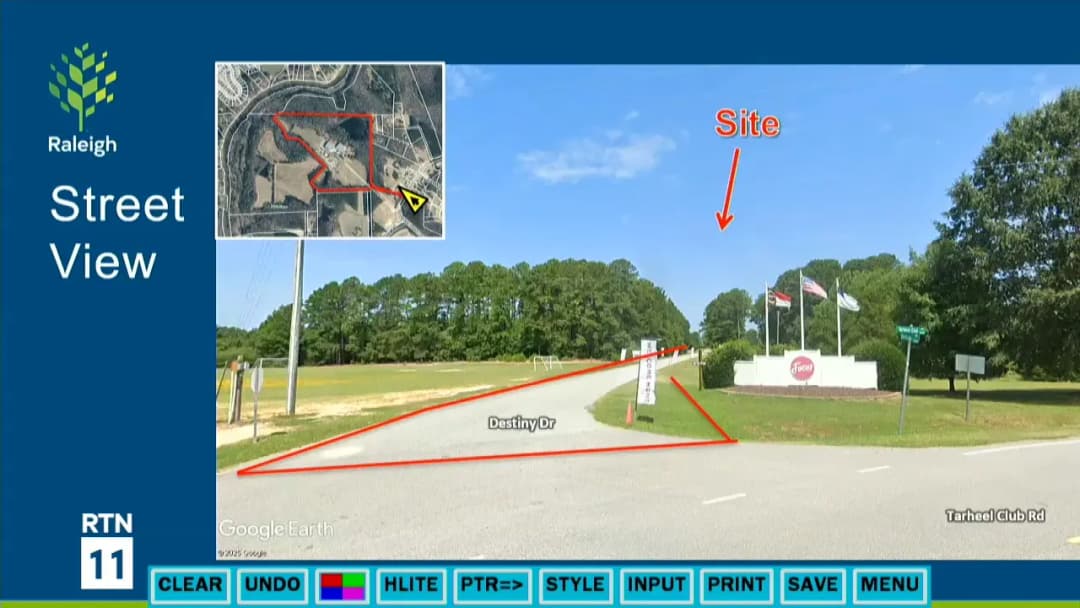
The Raleigh City Council met on September 16, 2025, for a work session (11:30 AM) and regular session (1:00 PM). The regular session included recognition of the Raleigh Aces women's semi-pro basketball team, approval of the consent agenda, public comments, and action on numerous rezoning, annexation, and policy items. Notable decisions included setting public hearings for two contentious rezoning cases, advancing a new social district at Seaboard Station, and approving several annexations. Consent Calendar - The consent agenda was approved unanimously with no items pulled. It included: donation of a retired police horse (Willow) to her officer; acceptance of an offer for city-owned property at 8919 Hunting Trail ($10,000) subject to upset bid; consent for Raleigh Housing Authority bond issuances for Barton Oaks ($23M, 152 units) and Maple Ridge ($24.5M, 146 units); petition annexations for 3101 Watkins Town Road and 2203 Ray Road set for public hearing on October 21; referral of historic landmark designation for Morley and Carol Kare House; acceptance of a $25,000 Duke Energy Foundation HERO grant for heat mitigation; authorization of stream stabilization and drainage assistance projects; interlocal agreement for GoRaleigh Access/GoWake Access Transit Facility; contract amendments for utility software ($1.648M) and emergency dispatch software ($990,000, ratified); encroachment requests for permeable paver sidewalk and irrigation system; budget amendments for property lease and Emergency Solutions Grant ($2,438); rejection of bids for two HVAC projects at NEROC (to be re-bid); and traffic schedule changes for a residential permit parking expansion and no-parking zones for line-of-sight safety. Public Comments & Testimony - Matthew Brown opposed rezoning Z-12-25 (Peace Street), calling the planning department's analysis "fantasy" and arguing a 30-story building is incompatible with the adjacent one-story neighborhood and traffic congestion. - Kevin Quong expressed concern about economic development in West Raleigh (citing closures of Kmok and Palm Farm House) and urged improved transit, including more frequent 11L route and extension to Centennial Campus and Dix Park. - Robert Quartz (former Human Relations Commission member) criticized the city's restructuring of boards and commissions, specifically the name change of the Fair Housing Hearing Board to Advisory Board, which he argued weakens its legal standing and subpoena power. - Alexis Kennedy and several other speakers called for a ceasefire resolution in Gaza, citing the UN declaration of genocide and demanding the city condemn Israeli actions, pressure federal representatives, and support humanitarian aid. They argued silence is complicity. - Mamakai Sanders advocated for relocating the convention center and amphitheater expansion to Triangle Town Center, and for making downtown a safe haven for children and families with affordable businesses. - Roy Attride and Chris Crewe opposed rezoning Z-12-25, arguing the staff analysis was incomplete, ignored compatibility with historic districts, and would set a dangerous precedent. - Octavia Rainey criticized security policies at city hall, specifically the search of diaper bags, urging installation of bag scanners and noting women's privacy concerns. Discussion Items - Work Session on Annexation Practices: Staff presented revised policy options for tax increment reimbursements and annexation growth policies. Council directed staff to bring back a resolution for a 12-month pause on expanding the area of eligibility for annexation, with existing cases proceeding. - Special Items – Rezonings: Z-10-25 (Leesville Road): Council set a public hearing for October 7 evening after applicant added conditions capping units and limiting townhouse size. Z-12-25 (Peace Street): Council set a public hearing for October 7 evening after applicant revised conditions, including reducing building height (24-27 stories), adding step-backs, modifying affordable housing payments (secured by promissory note), and requiring tower separation. - Council Contingency Disbursement: Council approved $5,000 to A Place at the Table (pay-what-you-can restaurant) for programming support, requested by Councilmember Jones. - Social District – Seaboard Station: Staff presented a proposal for a second social district (Sip n’ Stroll Seaboard Station) with boundaries including Franklin Street, Seaboard Avenue, and private streets. Hours would be 10 AM–10 PM daily. Council voted 7-2 to authorize drafting code changes, with concerns about the exclusion of the 111 Seaboard building and equity issues raised by the Substance Use Advisory Commission. - Legislative Agenda: Staff presented basics of creating a legislative agenda, including examples from Mecklenburg County and Matthews. Council will refine priorities at the upcoming retreat. - Website Redesign: Staff provided an update on the RaleighNC.gov redesign, showing new navigation, alert pages, and mobile-responsive designs. Council praised the progress and requested attention to greenway/trail information and accessibility. - 2025 Community Climate Action Plan Implementation Report: Highlights included a 21% reduction in per-capita greenhouse gas emissions since 2007, a 700% increase in solar installations, e-bike voucher pilot (86% redemption for income-qualified), and a 25% flood insurance premium discount for residents starting October 1. Council noted progress and asked about expanding e-bike program and food composting. - Raleigh Historic Development Commission Annual Report and Work Plan: Council received the annual report and approved the FY2025-26 work plan, which includes design standards updates and a preservation plan. Key Outcomes - Consent Agenda: Approved unanimously. - Public Hearings Set: Z-10-25 (Leesville Road) and Z-12-25 (Peace Street) set for October 7 evening; four rezoning cases (Z-05-25, Z-08-25, Z-16-25, Z-22-25) and one annexation (AX-21-25) set for October 21 afternoon. - Annexation Policy: Council directed staff to bring a resolution for a 12-month pause on expanding annexation eligibility area to the second October meeting. - Social District Seaboard Station: Motion to authorize staff to draft code changes passed 7-2. - Public Nuisance Liens: Approved for 9 properties; one (5311 Dillard Drive) deferred to October 21. - Annexations Approved: AX-10-25 (13120 Strickland Rd.), AX-17-25 (12801 Strickland Rd.), AX-19-25 (8000 Ray Rd.), AX-24-25 (7001 Destiny Dr.), AX-26-25 (2310 & 2314 Andor Pl.) all approved. AX-22-25 (5313 Tomahawk Tr.) withdrawn. - Rezoning Z-70-22 (Glenwood Avenue): Reconsidered and approved unanimously after revised condition clarifying stormwater requirement. - Rezoning Z-52-24 (Tryon Road): Public hearing continued to October 7 to allow withdrawal of the "hook" portion of the property (not to be developed by applicant) after applicant agreed to remove it. - Appointments: Sebastian Duca appointed to Raleigh Sister Cities; other vacancies carried over. - Minutes: Approved. - Closed Session: Council entered closed session to consult with attorney and discuss personnel.

PERSONNEL MATTERS 14% · PROCEDURAL 8% · PUBLIC SAFETY 8% · TECHNOLOGY AND INNOVATION 8%
57
SEP 16, 2025 · RALEIGH, NORTH CAROLINA · CITY COUNCIL
Raleigh City Council Work Session: Tax Incentives, Annexation, and Growth Policies – September 16, 2025

The Raleigh City Council convened on Tuesday, September 16, 2025, at 11:30 AM for a work session to discuss updates to the Tax Increment Reimbursement Program (TERP) and annexation practices. Staff presented proposals to replace the existing Tax Increment Grant (TIG) policy with a more flexible, lower-risk TERP, and provided an overview of voluntary annexation trends and options to manage growth at the city’s fringe. No formal votes were taken during the work session. Discussion Items Tax Increment Reimbursement Program (TERP) - Ken Bowers (Planning and Development) presented a proposed replacement for the existing Tax Increment Grant (TIG) policy, which has never been used since its adoption in May 2021. The new TERP would allow the city to reimburse private developers a share of future property tax increments for building public infrastructure (e.g., transit stops, greenways, traffic calming, or affordable housing support) in conjunction with private development. Key features include: flexible project sizes, low risk (city does not borrow), reimbursement only after benefits are in public use, and a cap of 2% of the annual ad valorem tax levy. - Councilmember Jones asked how the program’s cost would be explained to residents, noting that future budgets would be reduced by the reimbursement amounts. CFO Alison Bradsher clarified that the reimbursements would come from the incremental new property tax revenue generated by the development, not from existing general fund dollars. - Councilmember Lambert-Melton emphasized the “but for” condition (projects must not occur without the program) and noted the program essentially rebates future tax revenue that would not exist without the development. - Staff (Pat Young) noted that private developers can often deliver public projects faster and cheaper than the city. - Councilmember Branch asked about staffing capacity; staff indicated current levels are sufficient for administrative oversight but may require a future budget request if program uptake is high. - Councilmember Jones questioned how housing benefits would be considered a public benefit under TERP. Ken Bowers responded that the program is not specifically designed for affordable housing, as a 20% inclusionary threshold is likely needed, but it could be explored. - Bowers clarified that the program does not require new state authority; it relies on existing reimbursement and development agreement statutes used by Charlotte for many years. - No council member opposed the concept; staff indicated TERP would return as a special item on a future agenda for formal consideration. Annexation Practices and Growth Policies - Matthew Klem (Planning and Development) provided an overview of Raleigh’s annexation history, noting that since the loss of involuntary annexation authority in 2011, the city must upfront services and wait for future tax revenue from developed properties. Currently, 23,000 acres are eligible for voluntary annexation (within the extraterritorial jurisdiction, or ETJ), representing an estimated 20 years of growth at the current rate of about 1,000 acres per year. - Staff highlighted the fiscal disadvantage of annexing low-density fringe areas, which cost more to serve per acre and generate less tax revenue compared to denser, infill areas. - Councilmember Silver asked about Rivertown (annexed in 2006) as an example of a large tract where the city provided utilities but remained undeveloped for 19 years, creating a “ghost subdivision” with implications for current annexation decisions. - Councilmember Patton proposed establishing a fixed annexation eligibility boundary for 12 months while a cost-of-growth analysis is conducted as part of the Reflecting Raleigh comprehensive plan update. This would prevent new annexation actions from creating further eligibility creep at the fringe. Staff supported this idea and will return with a formal recommendation. - Councilmember Branch requested that the cost-of-growth analysis include an assessment of services provided to the ETJ (e.g., water and sewer) to determine whether out-of-city fees cover actual service costs. - Councilmember Jones asked for a deeper briefing on the Raleigh-Durham annexation agreement and watershed policies in her district. - Staff clarified that the 23,000 eligible acres represent a planning horizon for infill, not necessarily a complete population capacity; that will be determined by the comprehensive plan. Key Outcomes - No votes were taken during the work session. - Staff will bring a proposed TERP ordinance to a future regular meeting for formal consideration. - Staff will return with a recommendation on establishing a fixed annexation eligibility boundary for 12 months to allow completion of a cost-of-growth analysis as part of the Reflecting Raleigh process. - The cost-of-growth analysis will include input from all service departments, including Raleigh Water, and will be presented to Council at a later date.

PUBLIC-PRIVATE PARTNERSHIPS 36% · ANNEXATION 35% · INFRASTRUCTURE 15% · ECONOMIC DEVELOPMENT 10%
58
SEP 9, 2025 · RALEIGH, NORTH CAROLINA · CITY COUNCIL
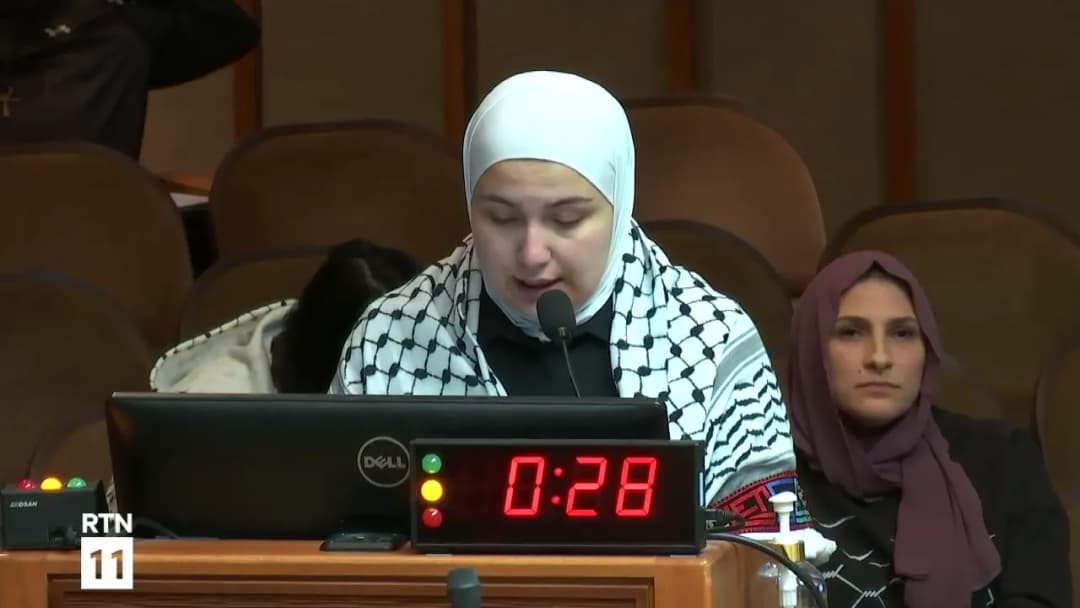
Raleigh City Council Public Comment Session - September 9, 2025

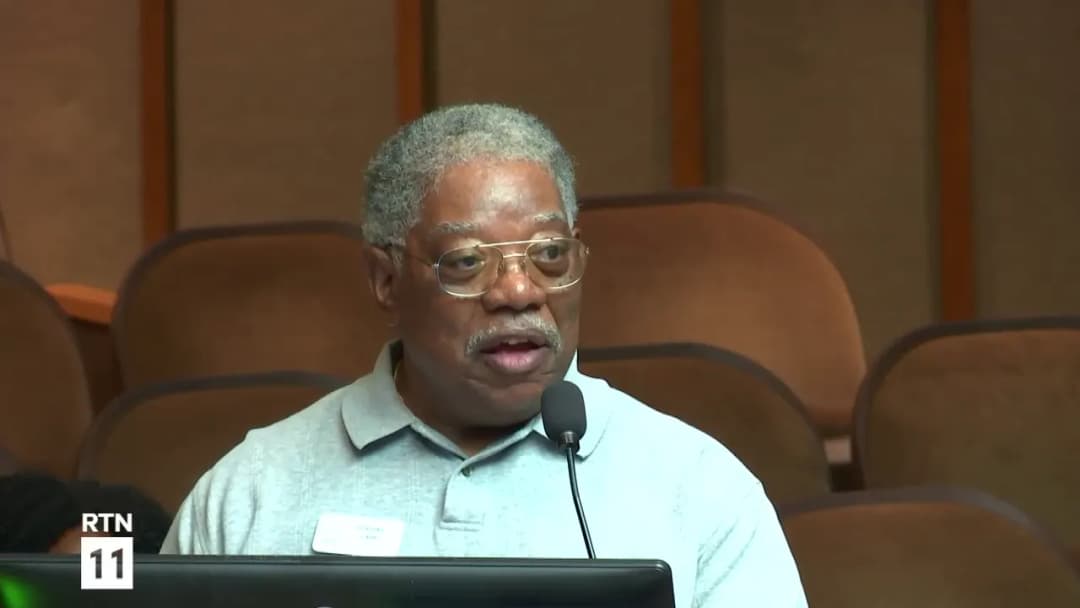
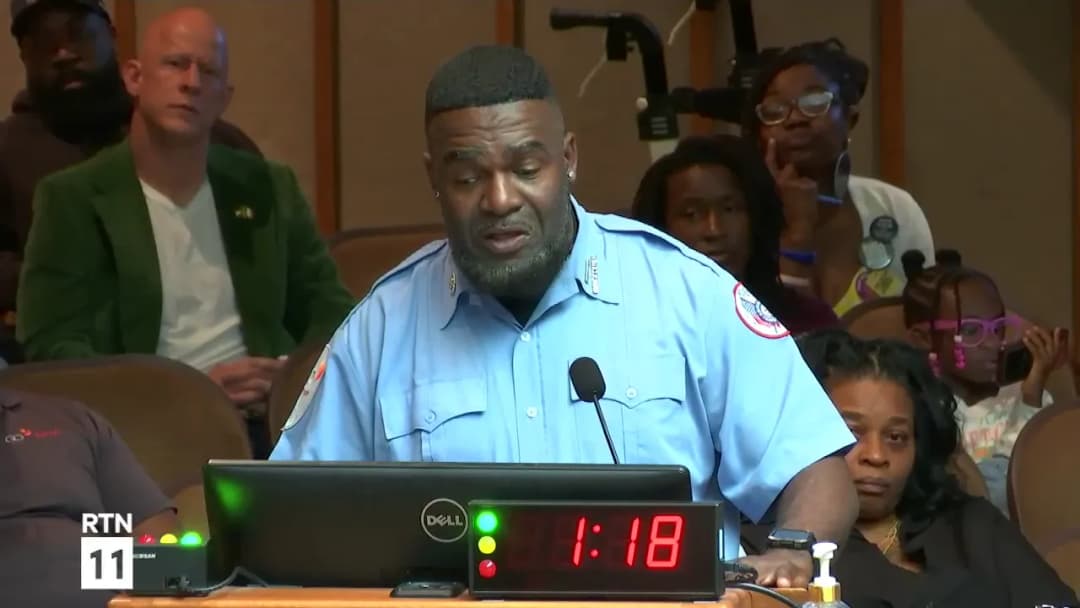
The Raleigh City Council held a public comment session on September 9, 2025, where 18 speakers addressed a variety of topics including land use and development, public safety, city services, and international affairs. No formal council discussions or votes occurred during the public comment period. Public Comments & Testimony - Lisa Hewitt opposed the Planning Commission's approval of the West Street Tower, arguing that the approval disregarded neighborhood transition policies, failed to provide meaningful public benefit, and that the proposed 360-foot wall would loom just 167 feet from historic homes. She asked the council to objectively compare applicable zoning guidance. - Octavia Rainey described an incident with security personnel at a previous council meeting, accusing them of wrongly detaining her pocketbook and demanding an apology. She criticized the culture of security under Mr. Taylor and called for change. - Eddie Watson, a roller skating instructor with Raleigh Parks and Recreation, requested more dedicated roller skating spaces, noting that the current streets are too rough and that the average age of participants is 35 and up. He cited examples from other cities. - Chris Crewe urged the council to demand balanced and impartial analyses from the planning department on zoning cases, especially Z-2525, Z-3125, and Z-1225. He emphasized that the planning department's role is to help the council understand proposals in context, not to advocate for them. - David Ray (as identified by the speaker) opposed an 18-townhouse development proposed by Kentucky-based Fisher Homes near Six Forks and Anderson Drive, citing traffic safety, congestion, and flooding concerns. He noted 48 crashes in the last five years and argued the development would not meet the goals of the missing middle housing policies. - Hanati Ali called for a ceasefire resolution regarding Gaza, presenting statistics on civilian deaths and displacement. She urged the council to act locally on the issue. - Alexis Kennedy criticized the council for not acting on a ceasefire resolution and described her community work downtown. She read from a resolution passed by the International Association of Genocide Scholars recognizing crimes against Palestinians in Gaza. - Asma Abu Dahab, a licensed clinical social worker, urged the council to pass a ceasefire resolution, noting that cities like Durham and Carborough have done so. She also offered a land acknowledgment and argued that local tax dollars contribute to the violence in Gaza. - A speaker who identified as a mother of two (name not clearly stated) called for an immediate ceasefire, stating that her husband is from Gaza and her family was displaced in 1948. She urged the council to end U.S. complicity. - Mamakai Sanders encouraged the city to fill the gap in diversity in planning and design, proposing that the amphitheater and convention center expansions be moved to Triangle Town Center and current facilities be turned into multicultural centers. She also noted concerns about storm risks to existing renovations. - Woody Biggs opposed the proposed 30-story tower at Peace and West Street, arguing it would overpower the neighborhood. He also criticized the lack of enforcement of the city's noise ordinance by RPD, citing conversations with Captain Morrison and Chief Boyce. - Sharlan Parker, a crew leader for Raleigh Solid Waste Services, alleged toxic leadership, corruption, lack of accountability, and safety risks in the department. She called on the city council and city manager to address the issues. - Andrew Tattersall opposed the 18-townhouse development and a proposed greenway connection, citing severe flooding on his property on Big Branch Creek. He said he has lost 4-6 feet of land and faces $50,000 in personal costs to protect his home. He also expressed safety concerns. - Joshua Bradley urged the council to pass a ceasefire resolution, noting that the Democratic Party had passed a resolution for an arms embargo. He also called for a focus on affordable housing, proposing a building guild model. - Laura Harris opposed the recently approved ordinance prohibiting panhandling in public medians, arguing it criminalizes homelessness rather than providing care. She linked the policy to broader patterns of violence. - Helen Tart criticized the planning department for consulting only businesses on proposed changes to Fayetteville Street, and expressed outrage over a council member's suggestion that the digital billboard industry should have a say in the council's decision. She urged council to represent residents. - Alex Brissett expressed gratitude for the installation of bike lanes on Brookside Drive, noting increased usage and calmer traffic. He also praised recent improvements in greenway maintenance after heavy rain. Key Outcomes - No votes or formal decisions were taken during the public comment session. The council heard a range of requests, including calls for a ceasefire resolution, enforcement of the noise ordinance, and investigation into Solid Waste Services leadership. The next steps on these topics were not announced.

FOREIGN POLICY 21% · LAND USE AND ZONING 15% · PUBLIC SAFETY 8% · PARKS AND RECREATION 8%
59
SEP 9, 2025 · RALEIGH, NORTH CAROLINA · CITY COUNCIL
Raleigh City Council Work Session on Dix Park Update - September 9, 2025

This work session featured a presentation from Stephen Bentley, Director of Raleigh Parks, and Ruffin Hall, President and CEO of the Dix Park Conservancy, on the status of Dorothea Dix Park, including its 10-year anniversary, visitation, upcoming projects, and financial needs. The council discussed the transition of DHHS, future capital costs, and funding options. Discussion Items - Visitation: Dix Park is the second most visited destination in North Carolina, with over 600,000 visitors in June, July, and August 2025. Data from Placer AI shows visitors from 42 states and 95 of 100 North Carolina counties. The park is the number one local destination in the Triangle. An end-of-summer block party attracted 15,000 attendees. - DHHS Transition: DHHS notified the city in early 2025 that they would vacate the campus by November 2025, earlier than the previous two-year extension. The city will assume responsibility for roughly 1 million square feet of buildings and 300 acres of grounds. Decommissioning of centralized steam and chiller systems is underway, along with demolition of West Campus buildings (starting early 2026, except Flower Cottage) and planning for East Campus demolition. 25 structures (50,000 sq ft) have been demolished; 6 buildings (25,000 sq ft) renovated. - Infrastructure Projects: The first phase of the Rocky Branch Creek and Grove project is in design, with construction anticipated to start in 2027 pending funding. A new utility corridor (approx. 6,000 linear feet) is being planned. The Pull-in-to-Bain water main project is underway with tree removal and construction. The Lake Wheeler Road project (including a roundabout known as "the peanut") will include a multi-use path and bike trail. - Conservancy Projects: The $75 million fundraising campaign (10-year span) is complete. The House of Many Porches has exceeded revenue expectations. The Flowers Cottage renovation (food and beverage space) is in permitting, with construction expected in winter 2025-2026. The Brown Building adaptive reuse is being conceptualized with a third-party vendor. Real estate advisory services from City Collective (experience with Presidio and civic campus) are underway. Public art projects include a mural by Jackie Shelton Green (North Carolina poet laureate) and Thomas Dambo trolls (installation beginning October 6, 2025, using recycled materials). The Chapel Healing Garden is open to the public, awaiting a fountain. Artist-in-residence Preston Montague focuses on ecological restoration. - Future Capital Needs: Estimated capital costs for the next 3-5 years are $90-120 million, with operating impacts of $7-10 million. Potential funding sources include public funding, contributed income, earned income (concessions, fees), and value capture (leases). Staff recommended bringing back proposals for a Municipal Service District (MSD) and a Tax Increment Grant (TIG) policy this fall. A governance update for the park (roles of city and conservancy) is also planned. - Council Questions and Comments: - Councilor Silver asked about leasing limitations (park-supportive uses), the Lake Wheeler Road edge design, and short-term tactical interventions at the South Saunders/Western entrance. Staff confirmed they will explore low-cost improvements. - Councilor Jones inquired about tree replanting plans; staff noted a citywide leafout plan is being developed and will be presented to council on a future date. - Councilor Harrison requested information on the percentage of native plants at Gibson Play Plaza; staff will follow up. - Councilor Silver asked about the lease agreement with DHHS; staff stated the lease allowed notification and the state is vacating, making the property fully city-owned by year-end. - Councilor Silver also asked about the possibility of a 99-year lease on a portion of the park (e.g., Spring Hill) for revenue generation; staff clarified the purchase agreement allows council discretion after state vacates. - Councilor Harrison asked about the relationship between the $75 million raised and the $90-120 million capital needs; staff confirmed the $75 million is allocated to completed projects and operating costs, not future capital. - Mayor asked about master plan updates and governance; staff indicated a process for updates will be proposed in the new governance structure. Real estate advisory work from City Collective will produce incremental options. - Councilor Lambert Melton expressed strong support for the Creek and Grove project, calling it a priority. - Councilor Silver asked for a refresher on the master plan; staff will coordinate with the manager's office. - Councilor Harrison noted the connection to the farmers market and NC State, with ongoing bike/pedestrian planning. - Mayor highlighted the need for downtown-Dix Park connection; staff noted the strollway and other funded projects are separate from the master plan, and council direction is needed for larger ideas. - Councilor Lambert Melton raised the R line (downtown circulator) as a potential visitor connector; Councilor Potton suggested if repurposed as an economic development tool, it should be funded separately from transit. Staff will include the topic in the downtown Raleigh Alliance discussion. - Councilor Silver requested an economic impact study; staff reported a study has just begun, with results expected in about six months. Key Outcomes - Staff will bring back proposals for MSD boundary, rates, and services, as well as a TIG policy, in fall 2025. - An updated memorandum of agreement with the Dix Park Conservancy outlining governance, roles, and funding will be presented. - The leafout plan (tree replacement policy) will be shared with the council via the manager's update. - The economic impact study will be completed in approximately six months. - The downtown connection and R line discussion will be incorporated into the downtown Raleigh Alliance presentation to the council.

PARKS AND RECREATION 55% · PUBLIC TRANSPORTATION 17% · ENGINEERING AND INFRASTRUCTURE 8% · ARTS AND CULTURE 8%
60
SEP 8, 2025 · RALEIGH, NORTH CAROLINA · CITY COUNCIL
Special Committee on Advisory Boards and Commissions - September 8, 2025

The special committee on advisory boards and commissions met on September 8, 2025, to review the status of previously authorized actions, discuss potential reorganization of six boards, and hear public input from board and commission members. The meeting included a presentation from the Community Engagement Department and extensive public comment. Previously Authorized Actions - Standardized bylaws template adopted for all advisory boards and commissions. - Guidance for council liaisons adopted. - Historic Cemeteries Advisory Board dissolved and consolidated with Historical Resources and Museums Board. - Fair Housing Hearing Board renamed to Fair Housing Advisory Board. - Mayor's Committee for Persons with Disabilities renamed to Raleigh Commission for Persons with Disabilities, with aligned appointment terms and removal process. - Administrative updates: clarified orientation/onboarding, enhanced board applications to include estimated time commitment, updated work plan templates, and developed meeting structure for board leadership collaboration. Public Comments & Testimony - Quanta Copelands (Chair, Raleigh Housing Advisory Board) argued that the name change of the Fair Housing Hearing Board to Advisory Board was not within council's power because the board is mandated by state and federal ordinance to be a hearing board, and the change conflicts with legal requirements. She noted that council had been told the issue would be revisited after legal review. - Jamie Robinson (Chair, Human Relations Commission) advocated for better organization, standards, training, and a centralized document repository (e.g., SharePoint) to improve board effectiveness and institutional memory. - Saul Prada (Chair, Substance Use Advisory Commission) urged council to define and share goals for boards, and to support collaboration over consolidation. He stated that SUAC's work on substance use, homelessness, and mental health deserves its own dedicated space. - Jen Truman (Chair, Raleigh Transit Authority) expressed surprise at the proposed name change for RTA, noting that the board had not requested it. She emphasized the 50-year history of the volunteer board and the importance of transit-specific work, and opposed merging RTA with BPAC, suggesting instead structured joint meetings. - Robert Kortz (Secretary, Human Relations Commission) reported on an informal meeting of nine members from multiple boards and commissions. The group agreed that clear goals, consistent guidelines, and meaningful involvement of board members in the process are essential for successful restructuring. - Manzur Tima (Member, Human Relations Commission) stressed that boards and commissions are the city's eyes and ears, especially for low-income and minority communities. He urged that any reorganization be done in consultation with actual board members. - Cole McMullen (Vice Chair, Police Advisory Board) stated that the police advisory board's mission is distinct and that forced merger or disbandment would be a loss. He advocated for clearly defined goals and guidelines before any collaboration, and that no board should be merged without majority member agreement. - Joe Caruso (Chair, BPAC) echoed concerns about merging RTA and BPAC, citing the large volume of work each board handles and the risk that a merger would reduce attention to critical items. He noted that many members already attend each other's meetings. - Carmen Coffin (former member, Community Engagement Board) urged the council to recognize the history and original purpose of boards, especially those created to address racial equity issues, and to preserve that history in their charges. - Veronica Clark (Member, Community Engagement Board) provided context on the board's creation in 2022 after CACs were disbanded. She recommended resuming appointments and term renewals, expanding the youth member age range to 18-29, and asking the board for specific direction. She warned that ignoring the board would send a negative message about the value of community engagement. - Carter Zaru (Member, Hispanic and Immigrant Affairs Board) expressed concern that consolidation would lose focus, undermine past work, and lead to loss of members. - Ian Burnett (Member, Parks Recreation Greenway Advisory Board) suggested publishing minutes more promptly and in a central location to improve transparency. Discussion Items - Council members discussed the proposed merger of six boards (Human Relations Commission as parent with standing committees for Hispanic and Immigrant Affairs, Substance Use Advisory Board, African American Affairs Board, Raleigh Transit Authority, and Bicycle and Pedestrian Advisory Commission). Several council members stated they did not support merging RTA and BPAC, citing their distinct roles and ongoing work. - Council member noted the need to revisit the origins of boards, such as the Hispanic and Immigrant Affairs Board, which was created because council felt the Human Relations Commission was not addressing those issues. The member suggested that creating new boards may not solve underlying problems if existing boards are not fulfilling their roles. - Council member acknowledged the importance of better communication between liaisons and council, and proposed assigning boards to council committees (e.g., Growth and Natural Resources) to ensure clear pathways for input. - Council member directed legal staff to review the Fair Housing Board name change issue, as raised by the chair. - Council member requested staff to improve the syncing of minutes across departments and ensure boards adopt minutes in their regular meetings. Key Outcomes - No formal votes were taken; the meeting was a discussion and public hearing. - Council directed the legal department to examine the Fair Housing Board name change and ensure compliance with ordinance requirements. - Council directed staff to improve the timeliness and centralization of board minutes, working with the clerk's office, community affairs, and council's office. - Council expressed intent to further explore the reorganization of the six boards, but with a preference for collaboration over forced mergers, especially for RTA and BPAC. - Council requested that board members, particularly from the Human Relations Commission, send ideas on how to address requests for new boards representing specific communities. - Council acknowledged the need to involve board members meaningfully in the process and to provide clearer goals and guidelines.

COMMUNITY ENGAGEMENT 63% · PROCEDURAL 15% · PUBLIC TRANSPORTATION 9% · PUBLIC SAFETY 5%
OPENPUBLICA · PUBLIC MEETING INDEXUPDATED DAILY · openpublica.com