Browse by city
Date range
Search help

Search titles, summaries, topics and stored transcripts together. Keywords may match separately; put the whole query in double quotes for a phrase. Matching follows word analysis, so punctuation is not exact. Both dates are included. Documents are not searched.

SHOWING 1431–1440 ENTRIES
1431
JUN 12, 2018 · SACRAMENTO, CALIFORNIA · BUDGET AND AUDIT COMMITTEE
Budget and Audit Committee Special Meeting: Measure U Extension and Inclusive Growth Policy - June 12, 2018

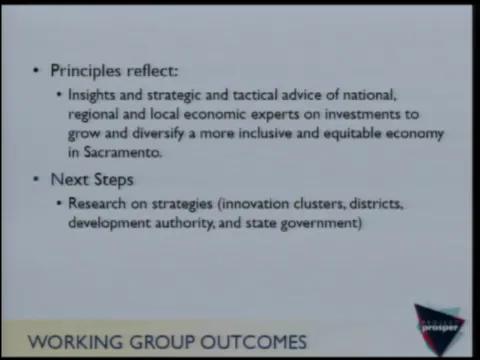
The Budget and Audit Committee, chaired by Mayor Darrell Steinberg, met on June 12, 2018, to discuss a proposed ballot measure to extend and expand Measure U (a half-cent transactions and use tax) for the November 2018 general election, and to review a resolution on inclusive economic growth. The committee unanimously approved forward motions on all three agenda items, including an amendment to require an annual gender and diversity audit. Consent Calendar - Item 1: City Auditor's Activity Report for Q3 FY2017/18 – Accepted and forwarded to City Council. The committee amended the recommendation to add an annual gender and diversity audit, requested by Councilmember Ashby and seconded by Councilmember Jennings. The city auditor confirmed capacity to produce this annually. Motion passed 4–0. Public Comments & Testimony - Chris Lodgson (District 5 resident, creator of SAC Black Biz) spoke on Item 3. He offered his platform as a resource for technical assistance to Black-owned businesses and proposed establishing community advisory councils to let neighborhoods decide how future Measure U funds would be allocated. He reported that SAC Black Biz has assisted over 300 businesses. Discussion Items - Item 2: Proposed Ballot Measure on Extension of Measure U – Staff presented a request for direction to draft an ordinance extending the transactions and use tax (currently half-cent, set to expire). The committee heard extensive statements from members: - Councilmember Ashby: Stressed that renewal is essential to avoid returning to pre-Measure U service cuts (e.g., fire station brownouts, loss of police officers). She noted that a straight renewal would still require cuts due to rising costs; expansion is needed to maintain services. - Councilmember Jennings: Emphasized that the city has not recovered from the 1,300 FTE cuts made during the recession, and that additional revenue is critical to support parks, libraries, youth programs, and public safety. - Councilmember Schenirer: Called for focusing on long-term investments in job creation, housing, workforce development, and youth—not just immediate program funding. He requested patience from community groups as priorities are set. - Mayor Steinberg: Argued that expanding Measure U is not a choice but a necessity to address systemic poverty, the housing crisis, and to build an inclusive economy. He highlighted polling showing public support for intentional investment in workforce preparation and neighborhood equity. The committee directed staff to bring back a draft ordinance and ballot language at the June 26 meeting for a one-cent transaction and use tax with no expiration. Motion passed 4–0. - Item 3: Policy Resolution for Inclusive and Equitable Economic Growth (Project Prosper) – Doreen Hackler presented findings from a yearlong community engagement process including five community meetings (over 300 attendees, half first-time city meeting participants) and a working group with national advisors. Key data points: - Sacramento has 81% of jobs in firms with 1–4 employees (vs. 60% nationally). - Poverty rate is increasing; 13 census tracts have fallen into concentrated poverty (30% below poverty line) since 1970, and no tracts have left concentrated poverty. - Community polling showed top priorities: free community college tuition, internships/apprenticeships, small business technical assistance, and affordable housing (46% of place-based votes). The resolution outlines principles for strengthening people, business, and place capacity. The committee voted to forward the resolution to City Council. Hackler also noted a second report on neighborhood-based economic development strategies due by end of June. Motion passed 4–0. Key Outcomes - Item 1: Motion passed 4–0 to accept the auditor's report as amended to include an annual gender and diversity audit. - Item 2: Motion passed 4–0 directing staff to draft an ordinance and ballot language for a one-cent permanent extension of Measure U, to be reviewed at the June 26 committee meeting and then forwarded to City Council on July 31. - Item 3: Motion passed 4–0 to forward the inclusive economic growth resolution to City Council for consideration. - The committee also requested a more detailed presentation on city efficiency improvements since Measure U at the June 26 meeting.
ECONOMIC DEVELOPMENT 36% · BUDGET AND FINANCE 23% · COMMUNITY ENGAGEMENT 15% · MEASURE U 8%
1432
JUN 12, 2018 · SACRAMENTO, CALIFORNIA · PERSONNEL AND PUBLIC EMPLOYEES COMMITTEE
Personnel and Public Employees Committee Special Meeting – June 12, 2018

The scheduled special meeting of the Personnel and Public Employees Committee was called to order at 1:30 p.m. on June 12, 2018, but was immediately adjourned due to lack of a quorum. No business was conducted. Meeting Adjournment - Chair Larry Carr announced that the committee could not muster a quorum because another member had a family emergency. - The meeting was adjourned at 1:36 p.m. - Note: The draft minutes state the meeting was adjourned to the next regularly scheduled Personnel and Public Employees Committee meeting, while the chair stated a special meeting would be scheduled in July 2018 with the date to be determined. This discrepancy is noted. No other agenda items were considered.

PROCEDURAL 100%
1433
MAY 29, 2018 · SACRAMENTO, CALIFORNIA · BUDGET AND AUDIT COMMITTEE
Budget and Audit Committee Meeting Summary – May 29, 2018

The Sacramento City Council's Budget and Audit Committee met on May 29, 2018, from approximately 2:08 p.m. to 2:33 p.m. in the City Hall Council Chamber. The committee unanimously approved the consent calendar, forwarded a late penalty and appeal fee for cannabis business permits to the City Council, and recommended adoption of the FY2018/19 Operating Budget and 2018-2023 Capital Improvement Program. Consent Calendar - Item 1 – Meeting Minutes: The committee approved the minutes from the May 1, 2018, Budget and Audit Committee meeting by a unanimous vote (3-0 initially, later 4-0 with Councilmember Ashby’s vote). Public Comments & Testimony Four members of the public testified on the FY2018/19 budget: - Mike Jaske (Sacramento Act on Homelessness local organizing committee) requested that the budget documents presented to the City Council on June 12 include a clearer narrative on homelessness funding, showing multi-year expenditures and the city’s strategy. Mayor Steinberg engaged directly, emphasizing the city’s comprehensive approach (e.g., Whole Person Care, triage shelter, mental health funding, housing RFI). Jaske expressed support for these efforts but urged better public communication. - Hillary Gould (administers maintenance for several PBIDs) spoke in support of the public works budget increase, citing overwhelming illegal dumping (e.g., mattresses, appliances, shopping carts) that exceeds current capacity. She praised potential funding from the Solid Waste Authority to assist public works. - Tracey Schaal (Power and Alliance) presented cleanup statistics: nearly 69 tons of debris and trash removed from their district between 2012 and 2017. She supported Councilmember Guerra’s proposal for increased illegal dumping enforcement funding, with 100% of resources directed to public works. - Jeff Mills (represents LD Landfill and the Lean family) strongly supported using Solid Waste Authority funds for solid waste issues, including illegal dumping, calling it an entirely appropriate use. Discussion Items - Item 2 – Late Penalty for Cannabis Business Permit Renewal Applications and Appeal Fee: Joe Devlin (Office of Cannabis Policy and Enforcement) presented a proposed late penalty for renewal applications submitted less than 30 days before the permit expiration date, and an associated appeal fee. The committee reviewed the item, had no questions or public testimony, and forwarded it to the City Council by a unanimous vote (3-0 initially, later 4-0). - Item 3 – Adoption of FY2018/19 Operating Budget and 2018-2023 Capital Improvement Program: Dawn Holm (Interim Finance Director) presented recommended changes since the April 23 proposed budget, including: - Adding six firefighters, equipment, and an ambulance for Medic 4 (offset by revenue increases). - Adding two positions to the Office of Homeless Services (funded by redirected zoo attendant positions and increased Whole Person Care reimbursements, at no general fund cost). - Reorganizing the city manager’s office to create separate divisions for homeless services and gang prevention/intervention for transparency. - Clarifying the use of cannabis business taxes, permit fees, and fines for enforcement. - Note that Measure U expires in March 2019; the budget includes a $2.5 million transfer to the economic uncertainty reserve to maintain a 10% reserve over the forecast. - The general fund and all other funds are balanced for FY2018/19. - Adoption by the City Council is scheduled for June 12, 2018. Mayor Steinberg described the budget as a deliberate “status quo” budget due to the upcoming Measure U renewal vote and projected out-year deficits. Councilmember Schenirer requested two future discussions: (1) a policy review of how the city funds community-based organizations (e.g., creative economy grants, Rails grants, student funding), noting that for example, $7 million in requests were received for $500,000 in creative economy grants and $11 million for $1 million in Rails grants; and (2) after hiring a youth policy manager, assess staffing for the youth commission to move it toward a policy-focused model, potentially requiring more than the current half-time position. Key Outcomes - Consent Calendar (Item 1): Approved unanimously (4-0). - Item 2 (Cannabis Late Penalty and Appeal Fee): Forwarded to City Council unanimously (4-0). - Item 3 (FY2018/19 Budget and CIP): Received and forwarded to City Council for approval on June 12, 2018, by a unanimous vote (4-0). - The committee directed the city manager to provide information on Solid Waste Authority revenue use for illegal dumping in response to Councilmember Guerra’s request, which will be presented at the June 12 City Council meeting.

BUDGET AND FINANCE 30% · HOMELESSNESS 28% · SOLID WASTE MANAGEMENT 12% · COMMUNITY ENGAGEMENT 10%
1434
MAY 23, 2018 · SACRAMENTO, CALIFORNIA · UTILITIES RATE ADVISORY COMMISSION
Utilities Rate Advisory Commission Meeting – May 23, 2018

The Utilities Rate Advisory Commission (URAC) met on Wednesday, May 23, 2018, at 5:30 PM in Council Chambers at 915 I Street. Chair April Javist called the meeting to order, roll call established a quorum, and the commission unanimously approved the minutes from March 28, 2018. The main agenda item was a quarterly update from the Department of Utilities (DOU) on its Accountability Plan, including financial reports, conservation outreach, and responses to prior meeting questions. Commissioners raised several follow-up issues and requested additional data for future meetings. No public comments were heard. Consent Calendar - Approval of Minutes (March 28, 2018): Motion carried unanimously (6-0). Discussion Items Department of Utilities Accountability Plan Quarterly Update - Presented by Dan Sherry (Engineering Manager) and Ryan Pam (new Business Services Manager). Topics included: - Community Outreach: Stormwater pollution prevention via partnership with Sacramento Stormwater Quality Partnership; paid media (English/Spanish radio, digital, transit ads) through June 2018; public opinion survey planned for summer. - Capital Improvement Plan (CIP) Financing: - $25.1 million loan approved December 2017 for accelerated water meter program – $8 million expended, $22.7 million encumbered as of May 2018. - $62.6 million Series 2017 water revenue bonds – $44.4 million expended, $17.6 million encumbered. - Expecting to issue new water bond in early 2019; interim CIP funded with pay-go from FY16/17 and FY17/18 budgets. - Director’s Report: - Sacramento Utility Rate Assistance Program (SURA) grew 500% from 1,800 to 8,800 participants since 2016, expanded to five non-profit housing organizations, online multilingual application launched. FY18 budget $2.4 million, spending $1.75 million. - Water conservation: “Keep Sacramento Wise” campaign; two-day-per-week watering schedule since March 1; conservation web page users increased 100% (total) and 114% (new users); 50 rain barrels given away; leak-free program for low-income residents received 28 applications; online rebate forms for turf conversion, smart controllers, irrigation, rain barrels. - Responses to March 28 Questions: - Social media: 5,200 Facebook followers, 1,140 Twitter followers, 150,000 contacts/month. - Local hire ethnicity: City does not track; could request from contractors if specified in contracts. - Water conservation budget: $1.4 million for advertising; FY18 campaigns generated over 12 million impressions. - Master meter billing for apartments: still researching other cities, no conclusions yet. - SURA logo: exploring feasibility with Sacramento Public Library. - SURA application via 311: discussing with city operators. - Handout font size: CIP dashboards reformatted for readability. Commissioner Questions and Suggestions - Anthony Thomas: Expressed desire for increased contracting diversity – more women-owned, veteran-owned, and minority-owned businesses. Chair noted that contractor selection is beyond URAC’s rate purview but directed DOU staff to relay the suggestion to the Director and consider a memo or recommendation to City Council. - Brian Biering: Requested regular reporting of fund balances (water, stormwater, wastewater funds) and days of operating reserve. Chair supported creating a recurring dashboard for easy comparison. - Andrew Day: Asked for raw numbers behind the reported 100% web traffic increase. Sustainability Manager Roshni Das estimated pre-campaign baseline at about 4,000 users. - Brian Biering: Inquired about ratepayer feedback on “rate shock” from recent water rate increases, especially from those not qualifying for the assistance program. DOU agreed to pull customer service database records for the next meeting. - Keith: Emphasized researching conservation incentives for renters in master-metered apartments; noted the challenge of passing savings to tenants. DOU will continue exploring and reporting back. Key Outcomes - Vote: Approval of March 28, 2018 minutes (unanimous). - Action: Received and filed the Accountability Plan Quarterly Update. - Directives: - DOU to provide fund balance reports with days of operating reserve at the next URAC meeting. - DOU to investigate and report ratepayer feedback on rate shock. - DOU to continue research on master meter conservation strategies and pursue SURA program enhancements (logo, 311 integration). - Chair to relay contracting diversity concerns to the DOU Director and potentially City Council. - Next Steps: Commissioners suggested a recurring dashboard for financial data; staff to follow up on all pending items. No public comments were received. Meeting adjourned.

UTILITIES 38% · WATER MANAGEMENT 12% · PUBLIC OUTREACH 11% · CONTRACTOR MANAGEMENT 10%
1435
MAY 15, 2018 · SACRAMENTO, CALIFORNIA · WATER COMMITTEE
Sacramento Water Committee Special Meeting on Water Rights, Bonds, and Water Supply - May 15, 2018

The Sacramento Water Committee held a special meeting on May 15, 2018, to receive and file presentations on water rights and water supply regulatory processes, and on two state water bond measures (Proposition 68 and the California Water Bond Act of 2018). The meeting included discussion of the Modified Flow Management Standard, Sites Reservoir, a proposed water transfer, and funding opportunities for disadvantaged communities. The committee voted to direct staff to develop a support position for Proposition 68 and scheduled a future discussion on aquifer storage and recovery. Public Comments & Testimony - Jerry Meral (former city resident, property owner) spoke in support of the California Water Bond Act of 2018, highlighting its $30 million for the American River Parkway, $10 million for American River planning, $5 million for water research at Sacramento State, and $700 million for habitat programs to balance flow requirements. He urged the committee to consider bringing the bond to the city council for endorsement. - Michael Voy (Senior Deputy City Attorney) asked about the potential for groundwater subsidence from the proposed water transfer, noting public concerns about declining aquifer levels. Staff responded that the region's geology is different from the San Joaquin Valley and that monitoring programs are in place, with an estimated 100,000 acre-feet of groundwater storage capacity available. Discussion Items - Water Rights and Water Supply Regulatory Processes: Staff (Jim Peifer, Principal Engineer) presented an overview of risks to the city's water supply, including drought, the Water Fix water rights change petition, and the Bay Delta Water Quality Control Plan. They emphasized the Modified Flow Management Standard (MFMS) as a key tool to protect fish and water supply. The committee discussed the role of Sites Reservoir (allocated $916 million from Proposition 1) and a proposed water transfer of up to 8,000 acre-feet to Kern County, with revenue used for conservation in disadvantaged communities and well improvements. Chair Harris stressed the need to clearly communicate that the transfer does not reduce local water supply. - Proposition 68 and the California Water Bond Act of 2018: Staff presented two bond measures: Proposition 68 (June 2018 ballot, $4.1 billion for water and parks) and the California Water Bond Act of 2018 (November 2018 ballot, $8.9 billion). Chair Harris noted that Proposition 68 includes $10 million for the American River Parkway Conservancy Program. Member Guerra highlighted the potential for funding to restore Morrison Creek, an urban creek in a disadvantaged community. The committee discussed the possibility of complementary passage of both bonds, referencing historical precedent. Staff was directed to work with the city manager's office to develop a support position for Proposition 68. Key Outcomes - Received and Filed: Both presentations (Item 1: Water Rights and Water Supply Regulatory Processes, File ID 2018-00655; Item 2: Proposition 68 and The California Water Bond Act of 2018, File ID 2018-00663) were received and filed by the committee. - Direction to Staff: The committee directed staff to work with the city manager's office to develop a formal support position for Proposition 68 to be brought to the Law and Legislation Committee. - Future Agenda Items: The committee scheduled a discussion on aquifer storage and recovery (ASR) for its August 2018 meeting. Member Guerra also requested that the August meeting include a review of how the city can leverage bond funding for urban creek restoration in disadvantaged communities, specifically Morrison Creek. - Meeting Adjourned: The meeting was called to order at 1:02 PM and adjourned at 1:44 PM. The next regular meeting was set for August 2018.

WATER MANAGEMENT 64% · PROCEDURAL 10% · PUBLIC FINANCE 8% · PUBLIC ENGAGEMENT 8%
1436
MAY 14, 2018 · SACRAMENTO, CALIFORNIA · COMMUNITY POLICE REVIEW COMMISSION
Sacramento Community Police Review Commission Meeting - May 14, 2018

The Sacramento Community Police Review Commission held a regular meeting on Monday, May 14, 2018, at 6:00 p.m. in the City Hall Council Chamber. The meeting included a consent calendar, presentations on police complaint activity, a collaborative review by the California Department of Justice, state legislation, updates from ad hoc committees, and strategic planning. The meeting adjourned at 7:54 p.m. Consent Calendar - Approved the Commission Meeting Minutes for April 9, 2018 (Motion by Member Hoyt, second by Member Zamora; 10-0, with Member Johnny Coleman absent). Discussion Items - April 2018 Police Complaint Activity Report: Francine Tournour reported a total of six community complaints with seven allegations involving six officers. Discussion included request for more information on case closure dates, primary language data collection, and a policy review of officers asking about probation/parole status during vehicle stops. The commission requested a formal review of that policy. - Collaborative Review of SPD Use of Force by California DOJ: Dr. Randy Chance and Supervising Deputy Attorney General Sue Slager presented an overview of the independent assessment, which includes data collection, policy review, stakeholder interviews, and focus groups. A public report will be issued at a later date. The commission discussed collaboration with the U.S. DOJ Community Relations Service and ensuring linkage to the commission's ad hoc work. - State Legislation AB-931 and SB-1421: Rory Kaufman (Office of Assemblymember Shirley Weber) presented AB-931, which would change the use-of-force standard from objectively reasonable to necessary. John Scovill (Office of Senator Nancy Skinner) and Nikki Moore (California News Publishers Association) presented SB-1421, which would require disclosure of police records in cases of serious use of force, sexual misconduct, and dishonesty. Commissioners discussed the bills' implications and scope of commission authority to take positions. No formal vote was taken; the item was received and filed. Commissioners were encouraged to contact their council members directly. - Diversity Ad Hoc Committee Update: The committee reported continued work on a survey for officers and a list of questions for community outreach. Discussion centered on scheduling community meetings, with agreement to hold two special commission meetings. - Accountability Ad Hoc Committee Update: The committee proposed four recommendations for the SPD Use of Force policy: (1) explicitly state force as a last resort, (2) explicitly state proportionality, (3) apply the immediate threat standard to all deadly force, and (4) require verbal warnings whenever feasible. These will be forwarded to the SPD Use of Force Committee. Broader policy topics were also raised. - Strategic Plan for 2018: The commission discussed coordinating community outreach with the federal DOJ Community Relations Service process. Concerns were raised about meeting fatigue and role clarity. The commission agreed to proceed with its own special meetings. Key Outcomes - Consent calendar approved. - All discussion items received and filed. - The commission decided to hold two special community meetings: June 20, 2018 (North) and June 21, 2018 (South), both from 6:00 p.m. to 9:00 p.m. Staff will arrange venues and public notice. - Accountability Ad Hoc recommendations to be forwarded to SPD Use of Force Committee for response by August 2018. - Commissioner Hoyt requested a formal presentation on sexual assault and crimes against women for the September 2018 agenda. - Staff will work to provide printed copies of learning domains (academy training materials) for ad hoc committee use. - The U.S. DOJ Community Relations Service process will be added as a standing agenda item for updates. Public Comments – Matters Not on the Agenda - None.

PUBLIC SAFETY 25% · COMMUNITY ENGAGEMENT 23% · POLICE POLICY REVIEW 21% · PUBLIC RECORDS ACT 8%
1437
MAY 8, 2018 · SACRAMENTO, CALIFORNIA · PERSONNEL AND PUBLIC EMPLOYEES COMMITTEE
Personnel and Public Employees Committee Special Meeting - May 8, 2018

The Personnel and Public Employees Committee held a special meeting on Tuesday, May 8, 2018, in the City Hall Council Chamber (915 I Street, 1st Floor), Sacramento. The committee convened at approximately 1:16 p.m. (agenda listed 1:30 p.m.) and adjourned after completing all agenda items. Members present included Chair Carr (arrived after roll call), Councilmember Ashby, Councilmember Warren, and Councilmember Hanson. The committee conducted interviews for multiple city commissions and made appointments and nominations. Consent Calendar - Approval of March 13, 2018 Meeting Minutes (File ID 2018-00494): Motion by Councilmember Ashby, seconded by Councilmember Warren. Approved unanimously. Discussion Items Item 2: Interviews for the Active Transportation Commission The committee interviewed 17 candidates for Seat J (professional transportation planner/traffic engineer) and Seat K (advocate). Notable applicants included Rachel Carpenter, Scott Polaske, Chris Dougherty, Dustin Foster, Christine Casey, Fabian Perez, Jackie Anderson, Jeanie Ward-Waller, Jodie Weber, Jolene King, Jordan Lang, Joseph Hurley, Katherine Bolt, Louis Mirante, Melissa Grandville, and Ryan Sharpe. No decisions were made; the item was continued to the next meeting. Councilmember Hanson praised the applicant pool as an "embarrassment of riches." Councilmember Ashby requested staff to populate the existing commission positions in the next packet, noted that most applicants were from central city districts, and encouraged reapplying. Councilmember Hanson suggested creating an ambassador program to engage unselected applicants. Item 3: Interviews for the Compensation Commission The committee interviewed Nicole LaFlamme for Seat B (public at large) and considered prior applicants including Tiffany Fink and incumbent Howard Posner. Councilmember Ashby moved to appoint Nicole LaFlamme and Tiffany Fink, seconded by Councilmember Hanson. Despite opposition from Chair Carr (who preferred Howard Posner), the motion carried. The appointments were confirmed as Nicole LaFlamme for Seat B and Tiffany Fink for Seat E. Chair Carr also asked staff to provide a written report on the full list of qualifications that would meet the "retired judicial officer" requirement for future appointments. Item 4: Interviews for the Sacramento Metropolitan Arts Commission Heath Buckmaster and Matthew Gilliam interviewed for Seat C (arts professional). Patricia Enriquez withdrew. Councilmember Ashby moved to appoint Matthew Gilliam, citing strong community interest in film representation and his film experience. Councilmember Hanson seconded, and the motion passed unanimously. The committee acknowledged upcoming cultural plan changes and encouraged the appointee to help navigate them. Item 5: Interview and Nominations to the Animal Care Services Citizens Advisory Commission Kelli Tiberini, the incumbent, interviewed for Seat C (member involved in animal welfare organization). The committee also discussed applicants for Seats E and G (community at large). Councilmember Ashby moved to appoint Kelli Tiberini for Seat C, Mr. Kelly for Seat E, and Mr. Parrish for Seat G. Councilmember Hanson seconded. The motion passed unanimously. Item 6: Update Regarding the Recruitment Process and Nomination for the Ann Land and Bertha Henschel Memorial Funds Commission The City Clerk's Office reported on recruitment for Seat H (general public). After discussion, a motion was made and seconded to appoint Albert Smith, who had strong community involvement and fiduciary experience from his work at the State Employment Development Department. The motion passed, with one dissenting vote (the transcript states "two to one"). Key Outcomes - Approved the March 13, 2018 minutes. - Continued the Active Transportation Commission appointment to the next meeting; directed staff to provide updated seat information and consider geographic diversity. - Appointed Nicole LaFlamme and Tiffany Fink to the Compensation Commission (over Chair Carr's objection). - Appointed Matthew Gilliam to the Sacramento Metropolitan Arts Commission (unanimous). - Appointed Kelli Tiberini, Mr. Kelly, and Mr. Parrish to the Animal Care Services Citizens Advisory Commission (unanimous). - Appointed Albert Smith to the Ann Land and Bertha Henschel Memorial Funds Commission (majority vote). - Directed staff to report back on qualifications for the "retired judicial officer" position on the Compensation Commission.

ACTIVE TRANSPORTATION COMMISSION 29% · ACTIVE TRANSPORTATION 20% · COMMUNITY ENGAGEMENT 15% · BOARDS AND COMMISSIONS 11%
1438
MAY 1, 2018 · SACRAMENTO, CALIFORNIA · BUDGET AND AUDIT COMMITTEE
Sacramento Budget and Audit Committee Meeting - May 1, 2018

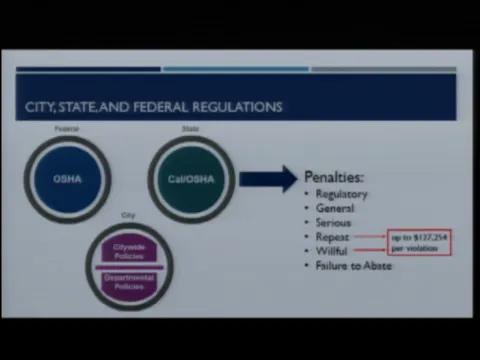
The Sacramento Budget and Audit Committee met on May 1, 2018, from 2:00 p.m. to 3:06 p.m. in the City Hall Council Chamber. The committee reviewed the FY2018/19 Proposed Budget Overview, the Master Fee Schedule, and two audit reports, forwarding all items to the full City Council for consideration. Discussions centered on budget sustainability, economic growth, neighborhood investments, and workplace safety. Consent Calendar - Approved the April 3, 2018, Budget and Audit Committee meeting minutes (File ID: 2018-00643) by a unanimous vote (3-0, with Mayor Steinberg absent). Public Comments & Testimony - No public comments were made on matters not on the agenda. Discussion Items FY2018/19 Proposed Budget Overview - Interim Finance Director Dawn Holm presented the proposed budget, totaling $1.1 billion, a $1 million increase from the prior year. The budget is described as a "status quo" budget with only $1.4 million in new ongoing expenditures not offset by revenues. - The budget includes 7 new positions to support youth services and police body-worn cameras, and 30.79 fully offset positions for economic development, development activity, utility regulatory requirements, roadway/bike maintenance, and pool staffing. - General fund revenues are projected to grow by $27.8 million (6%) from FY18, driven by housing market growth, retail sales, and new development areas (Delta Shores and DOCO). Property and sales taxes make up 65% of general fund revenues. - Expenditure growth of $25.5 million is primarily due to pension and salary expenses, with nearly a third offset by increased reimbursements and service reductions. The CalPERS discount rate change from 7.5% to 7% is being phased in, resulting in a 100% increase in payments by FY25. - The budget is balanced for FY19, but deficits are projected starting in FY20 ($7.5 million), growing to $18.5 million by FY21 even with a half-cent Measure U extension. Without Measure U, deficits are larger. - Councilmember Jay Schenirer requested an analysis of potential investments in high-need neighborhoods, focusing on quality-of-life indicators (e.g., library hours, community center programming, park maintenance). He advocated for outcome-based budgeting and geographic budget analysis. - Mayor Steinberg emphasized the need for inclusive economic growth, noting that 34% of families in the Sacramento region are struggling, with higher rates for African American (47%) and Latino (42%) residents. He stressed that Measure U renewal is critical to sustaining programs and that the city must grow its tax base to address deficits. - Councilmember Rick Jennings supported community-driven investment, calling for an "inward-out" approach where neighborhoods define their needs. - Councilmember Angelique Ashby described the budget as a "prudent start" and noted limited room for additional priorities given the projected deficits. - The committee voted unanimously (4-0) to accept the proposed budget overview and forward it to the City Council for consideration. FY2018/19 Master Fee Schedule - Jason Bader of the Finance Department presented the annual citywide fees and charges report, recommending 17 new fees and 211 modifications affecting six departments, generating an estimated $186,000 in new general fund revenue and $554,000 for all other funds. - Councilmember Ashby raised a concern about a $500 fee for school districts to use city parks for end-of-year events, which she argued undermines partnerships with schools. She noted that schools often help maintain parks. - Interim Parks Director Shannon Brown explained that an audit found the department lacked authority to waive fees, and a council report is being drafted to provide flexibility. The committee agreed to expedite a resolution to the May 8 City Council meeting to waive fees for school districts, with a request for data on the number of schools and total cost of waivers. - The committee voted unanimously (4-0) to forward the Master Fee Schedule to the City Council for a public hearing. City Auditor's Audit of the Department of Utilities Workplace Safety - Senior Auditor Farista Soltani presented the audit, which assessed workplace safety controls in the Department of Utilities (DOU). Between FY13 and FY17, DOU employees filed nearly 300 workers' compensation claims totaling over $4 million. - The audit made 22 recommendations. Key findings include: DOU lacks sufficient controls over safety equipment, fails to comply with vehicle safety requirements, and has gaps in compliance with Cal/OSHA standards. A critical issue: gas detectors were not being properly maintained—50 gas detectors had not uploaded data in over a year, and employees used detectors nearly 300 times without a required daily bump test, and over 80 times without monthly calibration. Failure to detect hazardous gases could be fatal. - DOU Director Bill Busath acknowledged the findings, stating that DOU requested and funded the audit. Of the 22 recommendations, 2 are for HR, 4 are implemented, 3 partially implemented, 7 committed to by December, 1 by April, and 3 requiring 3-5 years. He noted training and improved processes are underway. - Councilmember Jennings requested a detailed implementation plan prioritizing the most serious safety issues, with a report back in four weeks. Mayor Steinberg specifically asked for urgency on the gas detector issue, with a status report in one quarter. - The committee voted unanimously (4-0) to accept the audit and forward it to the City Council. City Auditor's Whistleblower Hotline Activity Report - City Auditor Jorge Oseguera presented the report for October 2017 – March 2018. Case volumes have been consistent over the last four years. The report highlighted multiple substantiated cases involving sexual harassment, where inappropriate content was distributed by city employees. Whistleblowers used the anonymous hotline to report concerns. - The auditor noted that the office has updated marketing materials and created a poster to encourage reporting. Councilmember Ashby asked about the status of the cases; they have been forwarded to Human Resources and are in the process of resolution. - Councilmember Jennings asked about the 29 open cases; Oseguera explained they may be under investigation or recently received, and will be reported in the next period. - The committee voted unanimously (4-0) to accept the report and forward it to the City Council. Key Outcomes - Approved the April 3, 2018, meeting minutes (3-0, Mayor absent). - Accepted the FY2018/19 Proposed Budget Overview and forwarded it to the City Council (4-0). - Forwarded the FY2018/19 Master Fee Schedule to the City Council for a public hearing (4-0), with a commitment to expedite a resolution to waive school park fees at the May 8 City Council meeting. - Accepted the City Auditor's Audit of the Department of Utilities Workplace Safety and forwarded it to the City Council (4-0). DOU will provide a detailed implementation plan within four weeks, with a priority on gas detector safety. - Accepted the City Auditor's Whistleblower Hotline Activity Report and forwarded it to the City Council (4-0). - The committee will reconvene on May 29, 2018, to consider any changes to the proposed budget.

BUDGET AND FINANCE 35% · ECONOMIC DEVELOPMENT 12% · PUBLIC WORKS 10% · AUDIT MANAGEMENT 10%
1439
APR 18, 2018 · SACRAMENTO, CALIFORNIA · PRESERVATION COMMISSION
Preservation Commission Meeting – April 18, 2018: General Plan Update, Plaque Program, and Cemetery Update

The Sacramento Preservation Commission convened on Wednesday, April 18, 2018, at 5:30 p.m. (despite the agenda noting a 1:30 p.m. start) in City Hall Council Chamber. Commissioners reviewed the draft scope of the General Plan five-year update, discussed alternative approaches to the historic plaque program, and received updates on the City Cemetery Technical Advisory Committee and staffing changes. The meeting adjourned at 6:53 p.m. Consent Calendar - Item 1 – Approval of Minutes (March 21, 2018): The minutes were approved 7–0–0 (Moffett/Valania) with an amendment to clarify that the continuation of an item from the March meeting was by commission consensus, not a formal motion. - Item 2 – City Cemetery Technical Advisory Committee (October 2017) Meeting Summary and Update: Received and filed. Staff reported that the Technical Advisory Committee met the previous day (April 17) and introduced a consultant team (father-and-son firm) with extensive experience in historic cemetery management. Public speakers Anita Clevenger (cemetery volunteer and rose garden curator) and Jan Wooley (TAC member) expressed appreciation for the consultants’ expertise but urged that the scope of work includes a cultural landscape treatment plan, not just operations and mapping. Jan Wooley suggested pursuing funding through Save America’s Treasures and Certified Local Government grants for a treatment plan. Public Comments & Testimony – Matters Not on the Agenda - William Burg, president of Sacramento Heritage Inc., announced upcoming walking tours: a Jane Jacobs walk on May 4 (Poverty Ridge neighborhood) and a ticketed J Street Streetcar walking tour on May 12 (partnering with Midtown Association), and a Lavender Heights tour planned for June. Discussion Items - Item 4 – Draft Scope of Work for the General Plan Five-Year Update (LR18-007): Staff (Remi Mendoza and Jim McDonald) presented five key components: a new Master Environmental Impact Report, incorporation of environmental justice, a new Climate Action Plan, a major revisit of the Mobility Element (including vehicle miles traveled (VMT) as a metric), and steps toward AARP age-friendly community designation. The land use and historic preservation policies of the current 2035 General Plan are not expected to change. Commissioners and the public provided comments: - Commissioner Whitelam urged that floor area ratio (FAR) and community benefits be included (as promised during the Central City Specific Plan), and that affordable housing (especially workforce housing) be addressed. She also noted that mid-century modern resources and their spatial context need policies that reconcile car-oriented design with infill goals. She asked that consultants have expertise in land economics and housing. - Chair Marshak asked that energy retrofit of historic structures consistent with Secretary of Interior standards be considered; that greenhouse gas analysis compare rehabilitation vs. new construction; that public meeting formats encourage dialogue rather than break-out booths; and that red-line/strikeout versions of proposed changes be provided for transparency. - Public commenter William Burg urged that social equity in preservation be addressed (historic resources are concentrated in few neighborhoods) and that the promised FAR study be included in the scope. - Staff confirmed that FAR and community benefits will be examined with consultants, and that the preservation element may receive minor updates as part of the process. The housing element update is scheduled for 2020. - Item 5 – Historic Plaque Program: Alternative Approaches for Commemorating Historic Landmarks and Districts: Staff opened discussion based on a request from Chair Marshak, who noted the existing bronze plaques ($350) are too expensive for many owners, resulting in low participation. San Luis Obispo’s lower-cost aluminum plaques were cited as a model. Public comments: - Vivian Gerlach (Wind Park Historic District) supported bronze for durability and prestige, but urged better marketing of the existing program. She suggested the city adopt official street-sign-style district markers (like Los Angeles HPOZs) and allow more than the current limit of 12 sign toppers per district. - William Burg noted that enamel signs could be a lower-cost alternative, and that Sacramento Heritage had a robust board discussion. He supported marketing the existing program first to gauge demand. - Commissioners discussed options: a “contributor” plaque for less text (Commissioner Valania), uniform bronze plaques for historic districts (Commissioner Whitelam), and a design competition for sign toppers (Commissioner Valania). No formal action was taken; the discussion will be relayed to Sacramento Heritage for further consideration. - Item 6 – Director’s Report: Director Carson Anderson reported on staffing changes (Tom Buford promoted, Joy Patterson retired, Jim Donaldson retiring, recruitment underway for senior planner), filling Mark Abrams’ licensed contractor seat on the commission, and the resignation of Dan Herrick from Sacramento Heritage Board. He noted that the RFP for historic district context statements and design guidelines received three proposals; a consultant has been selected. Also, the city decided not to pursue private operation of the Convention Center/Memorial Auditorium; staff will continue operating those facilities. Upcoming events: California Preservation Foundation conference in Palo Alto (May 17–20) and an Art Deco walking tour at City College (May 5). Key Outcomes - Minutes of March 21, 2018 were approved (7–0) with an amendment clarifying continuation of an item. - City Cemetery update was received and filed; the Technical Advisory Committee is moving forward with a consultant for cemetery assessment and operations. - General Plan update scope comments were taken under advisement; staff will incorporate commissioner and public input into the consultant selection and work plan. No vote was taken. - Historic plaque program discussion was noted for future consideration by Sacramento Heritage; no action was taken. - Director’s report received and filed.

HISTORIC PRESERVATION 32% · GENERAL PLAN 25% · HISTORICAL PRESERVATION 10% · PROCEDURAL 8%
1440
APR 9, 2018 · SACRAMENTO, CALIFORNIA · COMMUNITY POLICE REVIEW COMMISSION
Sacramento Police Review Commission Meeting - April 9, 2018

This was the first meeting of the commission since the Stephon Clark shooting on March 18, 2018. The meeting featured presentations from the U.S. Department of Justice Community Relations Service and the ACLU on use of force best practices, updates from ad hoc committees on diversity and accountability, and a discussion on policing policies. The commission heard public testimony expressing demands for accountability and policy reform. The meeting concluded with plans for a community forum on May 14, 2018, and a commitment to develop policy recommendations for the City Council. Consent Calendar - Approved the March 12, 2018 meeting minutes with one abstention (Commissioner Sam Kinsey abstained). Public Comments & Testimony - Charles Castillo: Expressed concern that policies without accountability and consequences are meaningless. Questioned why officers can turn off body cameras and noted that in other professions, taking a life mistakenly leads to consequences. - Dr. Irfan Haq (President, Council of Sacramento Valley Islamic Organizations): Called for serious sensitivity training, use of non-lethal tactics, changes to pursuit policy, greater diversity in law enforcement, and an end to excessive force and police brutality. - Gail Guest Brown (private citizen): Spoke about the abuse of legal force, citing the Stephon Clark shooting and a recent settlement of $550,000 for a jaywalking incident. She urged the commission to adopt recommendations from attorney Terry Roberts Robinson, including: justification for deadly force only when no other alternative, turning off body cameras should be a firable offense, implicit bias testing for all officers, and not releasing suspect records before investigations conclude. Discussion Items - Presentation of March 2018 Police Complaint Activity Report: OPSA received five community complaints in March. Three were sent to Internal Affairs for further review; two were handled directly by OPSA and closed. The report was received and filed. - Update from Diversity Ad Hoc Committee (Mario Guerrero): The committee met with Sergeant Greenley to discuss outreach to communities of color. They are developing a survey for police officers of color to identify barriers to entry. An external research department will help draft the survey. Two community forums are planned with a consistent format. - Update from Accountability Ad Hoc Committee (Wendy Hoyt): The committee has met five times since February, focusing on protocols for foot pursuit, use of force, and multi-jurisdiction communication. They identified three key questions: (1) How does SPD assess training quality for lateral hires? (2) At what point should an officer pursue versus contain and check in with dispatch? (3) How does interagency communication work when multiple law enforcement agencies are involved? The committee will continue to review best practices. - U.S. Department of Justice Presentation on Community Engagement (Justin Locke, CRS): CRS offers mediation, training, consultation, and facilitation as a neutral third party. Services are confidential, voluntary, and free. The agency does not investigate or litigate. CRS has worked in communities such as Anaheim and Sonoma County after officer-involved shootings. Commissioners asked about team diversity, success measurement (determined by local parties), training, and cultural competency resources. The PowerPoint and handout will be posted on the city website. - ACLU Presentation on Use of Force and Best Practices (Adriana Wong): The presentation compared Sacramento PD’s use of force policy to state law, constitutional standards, and national best practices (PERF, Campaign Zero, National Consensus Policy). Key findings: Sacramento’s policy lacks (1) an imminence requirement for deadly force, (2) consideration of officer tactics leading up to the use of force, (3) a proportionality standard, (4) a requirement that force be used only when no reasonably effective alternative exists, (5) a requirement to give a warning before deadly force, and (6) a prohibition on shooting at moving vehicles. The policy includes de-escalation language but undermines it by citing Penal Code 835A, which states officers need not retreat. The ACLU rated Sacramento’s policy as “middle of the pack.” The presentation will be shared with the commission. - Discussion on Policing Policies: Deputy Chief (name not specified) responded to commissioner questions. Topics included: - Body camera muting: A memo was issued a week prior requiring officers to keep cameras on unless a supervisor approves turning them off. The policy is being reworked, and the commission will have an opportunity to provide input. - Training for lateral hires: Lateral officers from out-of-state must attend the academy again; in-state laterals undergo a 4-5 week classroom orientation and field training. Background checks include personnel and IA files from prior agencies. - Foot pursuit policy: Currently no specific foot pursuit policy; one is under discussion. Vehicle pursuit policy is in place. - Use of force committee: A new committee, including community members, is reviewing policy and training. - Early intervention system: SPD has a tracking system for officer incidents, with an early warning feature for supervisors if an officer is involved in multiple significant incidents. - Medical assistance: Policy states officers should provide emergency medical treatment as soon as it is safe. No specific training on expedited care for a person injured by police. - Multi-jurisdiction incidents: Each agency follows its own policies; there is no formal MOU with the Sheriff’s Department regarding use of force. - Discussion on Strategic Plan for 2018: Commissioners discussed potential new areas of focus, including gang validation, sanctuary city policies, crimes against women (sexual assault, domestic violence – requested by Hoyt), and interagency cooperation (requested by Sabignano). Commissioner Guerrero requested the commission consider state legislative proposals SB 1421 (Senator Skinner) and AB 931 (Assemblymember Weber) at a future meeting. Commissioner Falcon reiterated the need to re-examine the commission’s charter. Key Outcomes - Received and filed all reports (Items 2-6). - The commission will work with staff to develop a process for receiving and reviewing draft policies from SPD, particularly on body cameras, before finalization. - The next meeting is scheduled for May 14, 2018. The location may be moved to a larger venue in South Sacramento to accommodate community participation, with live streaming if possible. - The commission intends to develop recommendations for the City Council on police policy, procedures, and best practices, including the areas identified in the ACLU presentation and the ad hoc committees. - Commissioner Guerrero requested that SB 1421 and AB 931 be placed on a future agenda for presentation and possible recommendation to the City Council. - Commissioner Falcon suggested inviting UC Davis and Sacramento State to provide training on equity, diversity, and racial healing. - The chair reminded the public that the commission’s purpose is to provide community participation in reviewing and recommending police department policies, and encouraged continued attendance.

POLICE POLICY REVIEW 43% · COMMUNITY ENGAGEMENT 20% · PUBLIC SAFETY 14% · COMMUNITY POLICING 9%
OPENPUBLICA · PUBLIC MEETING INDEXUPDATED DAILY · openpublica.com