Browse by city
Date range
Search help

Search titles, summaries, topics and stored transcripts together. Keywords may match separately; put the whole query in double quotes for a phrase. Matching follows word analysis, so punctuation is not exact. Both dates are included. Documents are not searched.

SHOWING 21–30 ENTRIES
21
JUN 5, 2026 · ERIE, PENNSYLVANIA · CITY COUNCIL
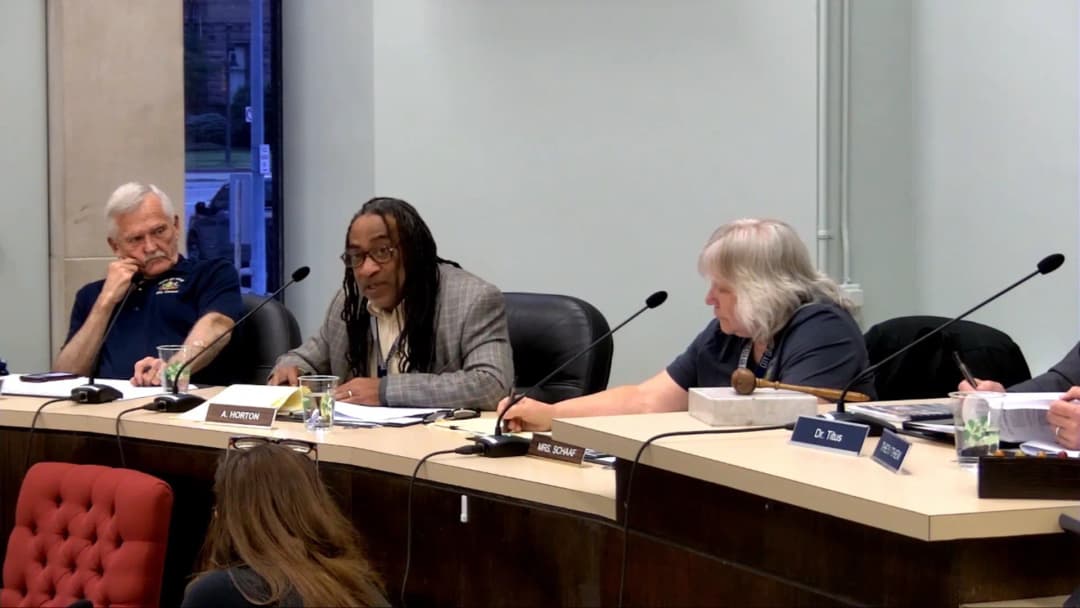
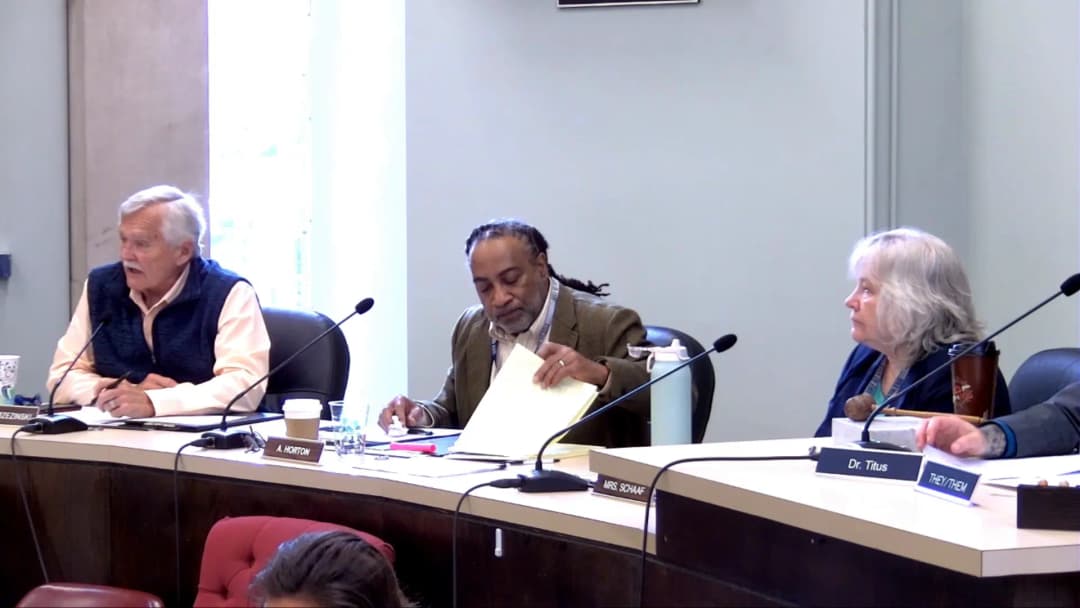
Erie City Council Meeting - June 5, 2026: Port Authority Plan, Re-entry Program, Public Hearings

Note: The transcript indicates the meeting date as Wednesday, June 3, 2026, but the provided metadata specifies June 5, 2026. This summary uses the metadata date per instruction, but the discrepancy is noted. The City Council held a caucus and regular meeting on June 5, 2026, beginning at 9:00 AM. The caucus featured a presentation from the Port Authority on the master plan refresh for the former Erie Coke site, along with updates on a security contract and parking authority scheduling. The regular meeting included a presentation from the Erie County Re-entry Services and Support Alliance (ECRSSA) regarding its transition to county control, extensive public comment on the re-entry program and other community issues, and passage of several ordinances. Consent Calendar - Approval of Minutes: Minutes from the May 20, 2026 City Council meeting were approved unanimously. - Bills for Payment: Bills for payment on June 5 and 12, 2026 were approved by a 7-0 vote. Public Comments & Testimony - Elizabeth Stanton (Harbor Creek): Commended Council President Titus for statesperson-like leadership, emphasizing plain talk and moral integrity. - Julia Jacobs (East Side resident): Criticized Mayor Devlin’s non-verbal behavior during public comment, arguing it demonstrated disrespect and lack of accountability. She called for genuine engagement with vulnerable populations and an apology, stating “an apology without changed behavior is manipulation.” - Apartment Association representative: Expressed support for the mayor’s communication efforts, noting a meeting on August 9 and a recent association meeting, and looked forward to collaboration. - Michelle Dovishaw (Erie): Strongly opposed the transition of the ECRSSA to county probation, claiming the program was effective and that the advisory board acted without community input. She alleged intimidation and called for rescinding the decision. - Gary (last name not given): Urged council to consider investing in Roger Young Park as a sports and recreation complex instead of the market house project, noting the East Side’s need for amenities. - Jennifer Kennedy (Erie): Defended the ECRSSA, arguing it successfully reduced recidivism and provided community-based support. She urged council to demand transparency and not fund the new program until all facts are known. - John Coker (Erie): Described his family’s loss of a fully paid-off home at 321 East Sixth Street due to a tax sale, despite paying the owed amount. He highlighted the difficulty of navigating the system while caring for a dying grandfather, and asked for awareness. - Deontay Cooley (Erie): Questioned the lack of voices from actual re-entry program participants. He advocated for East Side investment in community centers, parks (e.g., Roger Young, McKinley Park), and business districts, criticizing council for not prioritizing Black communities. - Mary Beulet (Erie Together): Provided context on the re-entry strategy development, stating the program had lost fidelity to the original model (e.g., not addressing education, housing, mental health). She supported the transition to the county for stability and data collection. - Mimi O’Connor (Erie): Expressed support for the ECRSSA, emphasizing its success in reducing recidivism and strengthening families. She urged deeper understanding before making changes. - Speaker (name not given, queer community advocate): Criticized the lack of professional demeanor by some city employees and questioned the location of re-entry services (near probation/high security). She noted that same-day closures often involved giving bus passes to non-county residents, inflating success rates. She asked council not to fund the program until more answers are provided. - Lisa (last name not given): Raised concerns about the lack of competitive bidding for the re-entry program transition and noted that records were requested but would take 30 days to obtain. She questioned the timing of the budget request. - Amy Isert (Erie resident): Thanked council for the opportunity for a study session and expressed willingness to answer hard questions. She noted that communication has broken down among stakeholders. - Ebony Frith (Erie Community Correction Center): Supported the program’s return to fidelity, noting that under the YMCA, services declined (e.g., only bus passes). She argued that the new location (not at the YMCA) is appropriate for safety, and that holistic case management is needed beyond just job placement. - Michael Haas (East Side): contrasted the West Bayfront and East Side, calling for equitable investment. He criticized council for expecting disadvantaged populations to provide data, and observed council members on phones during the meeting, which broke trust. - Alan Brown (Northeast): Shared his personal story of 47 years incarceration and urged council to treat returning citizens with dignity. He argued that the re-entry program placed people in sustainable jobs at major Erie industries, and that the decision to move it under probation was harmful. - Brother D. Darrell Craig Sr.: Challenged narratives that the program was ineffective, stating he had been involved since inception. He said the program was hurting his son and others, and that community members who represent the East Side were not being heard. - Cindy Triber (Edinboro): Defended her advocacy, stating she had documentation of program issues. She argued that the program should not be under probation, and that intimidation tactics were used to silence critics. She called for a town hall meeting. Discussion Items - Port Authority Master Plan Refresh: The Port Authority presented a vision for the former Erie Coke site, acquired in 2024. The plan includes environmental remediation, community input, and potential development scenarios. Key statistics: 185 years of industrial activity, $115 million annual economic impact from fishing/boating, 1,000-1,800 construction jobs, 1,000 permanent jobs, $128 million annual GDP, $13.2 million in combined fiscal revenues. Up to 79 acres of green space (more than double Frontier Park). The plan is a framework for cleanup and redevelopment over decades. Council expressed support and praised community engagement. - Security Contract Update: The city’s lobby security contract ended May 31. Instead of a three-year contract (costing hundreds of thousands), the city extended month-to-month with the current company at $2,250 per week ($9,750/month, under the $13,000 cap requiring council approval). Council asked for three months to develop a cheaper plan. - Parking Authority Study Session: The parking authority’s executive director and board chair did not attend the previous study session. Council gave a deadline of June 5 (Friday) for a new date. Council President Titus will attend the parking authority’s June 9 meeting. - ECRSSA Transition: The re-entry program, formerly housed at the YMCA, transitioned to Erie County Adult Probation Department effective May 8, 2026. Presenters Bob Hess and Sheila Sillman cited lack of fidelity to the model (no data collection, no pre-entry services, low referral rates from jails, clients opened and closed same day). The county now runs the program with separate staff, not probation officers. New staff (3 caseworkers, 1 client advocate) have re-established partnerships. Council scheduled a study session for further discussion. Key Outcomes - Final Passage of Ordinances: - Ordinance 30-2026 (stop signs at three intersections): Passed 7-0. - Ordinance 31-2026 (water authority bond guarantee, $2,784,063 for galvanized service line replacement): Passed 7-0. - Ordinance 32-2026 (water authority bond guarantee, $8 million for West 12th Street facility and distribution system): Passed 7-0. - First Reading of Ordinances: - Ordinance 16612 (HUD emergency solutions, $254,061): Adopted first reading 7-0. - Ordinance 16613 (HUD HOME program, $797,014.86): Adopted first reading 7-0. - Ordinance 16614 (CDBG projects, $2,914,512): Adopted first reading 7-0. - Ordinance 16615 (Historic designation of former Erie Labor Temple): Adopted first reading 7-0. - Ordinance 16616 (Historic designation of Erie Maennerchor Club): Adopted first reading 7-0. - Ordinance 16617 (Historic designation of South Erie Iron Works Building): Adopted first reading 7-0. - New Business: Resolution for the Arc Terrace project sewer extension was moved forward (approved by consent). - Executive Session: Council held a closed session on real estate and personnel matters. - Next Steps: - Study session on parks to be held Thursday, June 11. - Special meeting on Tuesday, June 9 regarding the market house revote. - Parking authority study session rescheduled pending response. - Mayor directed immediate repairs to basketball court at Roger Young Park and requested proposals for converting softball fields to soccer fields. - Council scheduled a study session on the ECRSSA program to allow deeper discussion.
REENTRY PROGRAMS 17% · PUBLIC SAFETY 12% · PROCEDURAL 11% · CRIMINAL JUSTICE REENTRY 8%
22
MAY 23, 2026 · ERIE, PENNSYLVANIA · CITY COUNCIL
Erie City Council Regular Meeting and Public Hearings - May 23, 2026

The Erie City Council met on May 23, 2026, for a regular meeting that included public hearings, discussion of waterfront conditional use, appropriations for street paving and traffic signals, and consideration of city guarantees for water authority bonds. The meeting featured extensive public comment on budget concerns, policing, re-entry programs, and community benefits. Key votes included the failure of a resolution approving a waterfront conditional use for the Market House (2-4) and the passage of several ordinances and resolutions. Consent Calendar - Motion to accept minutes from the May 6, 2026 City Council meeting and bills for payment on May 22 and 29, 2026. Passed unanimously (6-0). Public Comments & Testimony - Aaron Sorwide (Erie resident) reported a delayed police response to an assault and a subsequent shooting at Bayview Park, expressing feelings of abandonment by the city. - Bob Strasser (Erie Lower East Side advocate) highlighted a positive town hall on the Nine Ships Company project at the former International Paper site, noting the company plans to add 80-100 jobs. He also proposed a tiered PILOT strategy for nonprofits, modeled on Boston's program. - Maria Chilevich (Erie resident) raised concerns about data centers, water contamination (forever chemicals), safety on 12th Street, and code enforcement issues. - Elizabeth Stanton (Harbor Creek) recited “Imagine” and suggested voluntary pay cuts for the mayor and top administrators to demonstrate shared sacrifice. - Michael Milk (Little Italy) supported school gardening programs but opposed the proposed dress code and the housing authority's gardening ban. - Freda Teffer (Erie resident) criticized the Market House's 50-foot backlit signage, ADA compliance of benches, non-native plants, and the piecemeal development of the waterfront. She also raised issues about parking on State Street. - Rich Gorski (Erie resident) argued the city has a spending problem, not a revenue problem, and warned against tax increases, especially with an upcoming reassessment. - Martha Watchu (Erie resident) called for more aggressive state advocacy to tax wealthy nonprofits and corporations, and highlighted the need for direct community investment in housing and wages. - Cindy Triver (Erie resident) questioned the transparency of moving re-entry program funding from the YMCA to the county, citing lack of an RFP or public process, and asked whether city council was complicit. - Deontay Quilly (Erie resident) expressed frustration that the city council and mayor do not attend community events in Black neighborhoods, and urged more direct engagement with grassroots organizers. - Ed Kilsall (Erie resident) requested an amendment to the Market House conditions requiring all public amenities to be completed before occupancy, and suggested this be considered for all future developments. - Henry (Erie resident) pressed the city to demand more from state partners on taxing the wealthy and to prioritize working-class residents over developers. - Eric Peterson (Mill Creek) criticized Erie Day in Harrisburg as a corporate lobbying event and urged the council to focus on affordable housing and services for the poor. - Cole Shenley (Erie resident) warned against austerity cuts and urged the council to fight for the poorest residents, noting state senator Dan Laughlin's call to cut firefighter positions. Discussion Items - Water Authority Bond Guarantees: The Erie City Water Authority solicitor presented two PenVest loans: $8 million for West 12th Street maintenance facility renovation (30-year loan, no grant) and $10 million for lead piping replacement ($2.7 million loan, remainder grant). The city would act as guarantor. Council discussed the impact on the city's credit and liability. The city's solicitor noted that the water authority has never missed a payment. Ordinances for first reading passed unanimously (6-0). - Waterfront Conditional Use – Market House: Council debated a resolution approving the Market House with conditions (public benches, open space, bird-safe measures, etc.). Councilor Horton delivered a lengthy statement opposing the project, arguing that nonprofits like Erie Events do not pay fair share of taxes and that the city does not get a return on investment. He cited past COVID-era payments to Erie Events ($7 million). Councilor Schoff also opposed, citing piecemeal waterfront development. The resolution failed 2-4 (Yes: Brzezinski, Shaw; No: Flores, Horton, Poll, Titus). - Re-entry Program Funding: Deb Smith presented the CDBG/HOME/ESG annual plan. Questions arose about the re-entry program, which was moved from the YMCA to the county. Mayor Devlin clarified that the YMCA withdrew its application after the program was moved, and the county applied for CDBG funds, which will be considered as part of the reprogramming in July. Councilor Titus requested a full presentation at the next meeting. The public comment included concerns about lack of an RFP and transparency. - Mayor's Literacy Program: Mayor Devlin proposed using CDBG funds to hire a coordinator but noted the budget crisis and suggested a contract or intern instead. Council agreed to revisit with a lower-cost proposal. - Historic Designations: Two public hearings were held for the former South Erie Ironworks (1919 Peach St.) and the former Erie Labor Temple (1701-1707 State St.). Both were recommended by the Historic Review Commission and Planning Commission. The owners and tenants spoke in support. Resolutions designating them as city historic landmarks passed unanimously (6-0). Key Outcomes - Final Passage of Ordinances: - Ordinance 26-2026: Appropriating $500,000 from unappropriated fund balance for 2026 street paving. Passed 6-0. - Ordinance 27-2026: Appropriating $1 million from liquid fuels fund for street paving and lighting. Passed 6-0. - Ordinance 28-2026: Appropriating $746,320.44 for Green Light Go signal upgrades at West 12th and Pittsburgh Avenue. Passed 6-0. - Ordinance 29-2026: Appropriating $205,474 from DCED local share account for a screener machine for the Bureau of Streets. Passed 6-0. - First Reading of Ordinances: - Ordinance 16609: Installing stop signs at three intersections. Passed 6-0. - Ordinance 16610: Guaranteeing $2,784,063 in water authority bonds for galvanized service line replacement. Passed 6-0. - Ordinance 16611: Guaranteeing $8 million in water authority bonds for 12th Street facility renovation. Passed 6-0. - Old Business: - Resolution designating the former Erie Manicor Club as a historic building passed 6-0. - Resolution approving waterfront conditional use for the Market House failed 2-4. - New Business: - Resolution in support of state arts funding passed 6-0. - Resolution appointing Alan W. Clark as emergency management coordinator passed 6-0. - Resolution to enter into a three-year contract with Amguard Inc. for City Hall security services was tabled (6-0) for further discussion. - Next Steps: A study session with the parking authority is scheduled for May 28, 2026, at 6:30 p.m. The re-entry program will be presented at the July 1 meeting. The literacy program proposal will be revised. The city will continue budget discussions with a financial advisory committee.

ECONOMIC DEVELOPMENT 13% · HISTORIC PRESERVATION 12% · PROCEDURAL 11% · PUBLIC ENGAGEMENT 10%
23
MAY 8, 2026 · ERIE, PENNSYLVANIA · CITY COUNCIL
Erie City Council Meeting Summary – May 8, 2026

The Erie City Council met on May 8, 2026, at 9:00 a.m. for a regular meeting that included a public hearing on a historic designation, final passage of two ordinances, first reading of four ordinances, new business items, and extensive public comment on community issues. Council President Titus presided. Consent Calendar - Unanimously approved the minutes from the special meeting of April 30, 2026, and bills for payment on May 8 and 15, 2026. Recognitions - Council presented proclamations to Gannon University men's basketball coach Easton Bazzoli for winning the NCAA Division II national championship and to wrestler Dorian Crosby for winning the heavyweight national championship. Both addressed the council, expressing gratitude. Public Hearing: Historic Designation of the Former Erie Mannerchor Club (1607 State Street) - The council held a public hearing to consider designating the former Erie Mannerchor Club as a city historic landmark. Matthew Falcone, Cultural Resource Manager, presented the application, noting that the Historic Review Commission and Planning Commission had both recommended approval. The building is significant for its German-American cultural history, architecture, and community landmark status. - Multiple community members testified in support, including owner Julio Reyes, who described his efforts to restore the property. Council members expressed strong support for the designation, with Councilor Horton noting the club's history of racial exclusion and emphasizing the need to acknowledge all aspects of history. The hearing was closed; no vote was taken during the meeting. Public Comments & Testimony - Darnell Ramsey (Erie resident) spoke about purchasing repository properties unaware of existing liens and requested council assistance. - Elizabeth Stanton (Harbor Creek) gave a historical critique of private land ownership and the Doctrine of Discovery, urging community land trusts. - Deontay Cooley (Erie) criticized the city for not adequately including African Americans in community initiatives, referencing a social media post that omitted Black representation, and called for more investment in everyday Black residents. - Joel Miller (Summit Township, landlord) urged the council to keep using third-party inspections for the rental inspection program, arguing it is cost-effective and that raising fees by $10 per unit could eliminate the deficit. - Kennedy Horton (Erie) expressed lack of confidence in the revived Strengthening Police and Community Partnerships (SPCP) initiative, arguing that the community seats do not adequately represent Black residents and called for a civilian review board. - Joe Cell (Harbor Creek, landlord) asked for better communication between code enforcement and large-item pickup, and urged cooperation. - A landlord (president of Apartment Association) gave a breakdown of rental costs to illustrate the challenges of affordable housing, emphasizing an income problem rather than a rent problem. - Cindy Triver (Erie) criticized the closure of the Erie County Reentry Services and Support Alliance (ECRSSA), stating the program served 500 people and was effective, and that the city's funding shift was misguided. - Alan Brown (former reentry case manager) spoke passionately about the program's success, noting he served 47 years in prison and returned to help others. He said the program's closing on Friday was a loss for the city. - Arthur Gilmer (Erie) reported a police response to a home invasion where officers did not file a report or check the upstairs, and requested assistance. Council members promised to follow up. - Dave Euler (Erie) requested the council restart the process for a home rule charter to address financial issues. - Abdullah Washington (Erie) supported the historic designation and street renaming for Fred Rush, calling for follow-through on projects. - Others spoke in support of the historic designation. Discussion Items - Ordinances for First Reading: Four ordinances were introduced and discussed: - Ordinance 16605: Appropriating $500,000 from the paving and sewer revenue fund for 2026 street paving. - Ordinance 16606: Appropriating $1,000,000 from the liquid fuels fund for street paving and street lighting/traffic signals. - Ordinance 16607: Appropriating $746,320.44 for the 2025 Green Light Go Funding Program for signal upgrades at West 12th and Pittsburgh Avenue. - Ordinance 16608: Appropriating $205,474 for a screener machine for the Bureau of Streets. - Jason (city staff) explained the paving selection process using pavement condition index technology and public input. Councilor Horton requested clearer line-item transfers in future agendas. - New Business – Street Renaming: Resolution to designate East Third Street from French to Holland as "Fred Rush Jr. Way" was discussed and approved. Council members praised Rush's contributions. - New Business – ALS Awareness Month: A resolution declaring May 2026 as ALS Awareness Month in Erie was approved. - New Business – Easement for Food Hall: A resolution to authorize an easement for Flagship City Food Hall to use public sidewalks for outdoor dining was tabled after Councilor Horton raised concerns about pedestrian access and ADA compliance. Council will visit the site and gather more information before the next meeting. Key Outcomes - Final Passage: Ordinance 16603 (firefighter protective equipment grant, $16,136.55) passed 7-0. Ordinance 16604 (certified local government grant, $2,150) passed 7-0. - First Reading: All four ordinances (16605, 16606, 16607, 16608) were read and adopted on first reading by 7-0 votes. - Street Naming Resolution: Approved unanimously. - ALS Awareness Month Resolution: Approved unanimously. - Food Hall Easement Resolution: Tabled by a 7-0 vote pending further review. - Public Hearing: Closed; no vote on historic designation during this meeting. Committee Reports and Mayor's Comments - Council members gave updates on land bank, historic preservation, and water authority events. Mayor Devlin clarified the city's role in re-entry funding and the SPCP, noting that the administration is working to improve inclusivity and will meet with the Apartment Association on May 19. The council announced a finance committee meeting after the meeting and a study session for the following week on the PFM budget report.

HISTORIC PRESERVATION 27% · PUBLIC SAFETY 12% · RACIAL EQUITY 9% · PROCEDURAL 8%
24
MAY 4, 2026 · ERIE, PENNSYLVANIA · CITY COUNCIL
Erie City Council Approves Harbor Place Hotel with Conditions - April 30, 2026

At a special meeting on April 30, 2026, Erie City Council voted 5-1 to approve a conditional use permit for Scott Enterprises to build an eight-story, 139-room AC Hotel with three restaurants/bars on the Bayfront. The approval came with seven conditions addressing open space, landscaping, public access, and wildlife safety, following extensive public comment and council debate about economic equity, affordable housing, and community benefit. Consent Calendar - Approved minutes from the April 15, 2026 City Council meeting - Approved bills for payment on May 1, 2026 - No presentations or repository sale speakers Public Comments & Testimony - Elizabeth Stanton (Harbor Creek) – Read historical context from "Journey from Jerusalem," describing how the West Bayfront was once a thriving Black community (New Jerusalem) and how gentrification has squeezed out low-income, long-term residents. Argued the hotel continues this pattern. - Anna McCartney (Northeast) – Cited her prior environmental writing for the Erie Times-News, noting many lake access parks exist elsewhere but the Bayfront lacks a free public park where people can picnic without buying anything. - Teresa Imler (Erie) – Questioned Scott Enterprises' track record with tax break programs like LERTA, noting some properties were left empty after receiving benefits. - Julie Hurt (Mill Creek) – Argued the hotel will blast light across the bay, disrupting the natural environment of Presque Isle, Erie's top tourist attraction. - Peter Lyons (Mill Creek) – Made the case for pro-economic development, citing downtown Erie's 38-year transformation from no hotels/convention center to thriving amenities, and called the proposed hotel "rather unique" (only 122 in the U.S.). - John Deegan (Meadville) – Scott Enterprises employee and Applebee's area director, described how the company gave him a chance as a young dishwasher with a GED and drinking problem, providing career growth and stability. - Jennifer Robinson (Wattsburg) – Scott Enterprises executive housekeeper, stated she started as a waitress and was given opportunities to advance; praised the company's generosity and pay. - Mark Jenneret (Mill Creek) – Incoming president/CEO of Visit Erie, expressed strong support, citing Scott Enterprises' track record and the $1 billion annual visitor spending the project supports. - Erica Fulmar (Lawrence Park) – Scott Enterprises employee at the Hampton on the Bayfront, emphasized room for employee advancement and need for more hospitality workers. - Nick Scott Sr. (Mill Creek) – Scott Enterprises owner, defended the project as an iconic, world-class development that will generate tax revenue for the city; noted his company held the land for 25 years, paying $1 million in taxes, then paid $5 million in taxes over five years at the Hampton Inn; stated the development will fund future phases via CRIS and create needed jobs. - Brian Weber (Mill Creek) – Weber Murphy Fox Architects, described the firm's 60-year Erie history and the master plan as a balance between developer needs and community needs; noted the site was a former Penelec coal-fired power plant that underwent award-winning environmental cleanup; provided open space numbers: phase two will provide 28,300 sq ft of publicly accessible parks/green space, 23,500 sq ft of plazas, 9,400 sq ft of public room improvements, 28,755 sq ft of trails, and 28,000 sq ft of naturalized areas (total 117,777 sq ft) exceeding the required 33,695 sq ft. - Todd Young (Meadville) – Pratt & Whitney employee, outdoor enthusiast, supported development as it gives more people the chance to enjoy Presque Isle and the waterfront, noting the existing beer garden and Oliver's Rooftop create guest experiences. - Abdullah Washington (Erie) – Asked bluntly, "Where's the development for the poorest among us?" and "Where's the affordable housing?" - Ed Kissle (Erie) – Criticized the reduction of public space, noting the original plan called for seven pocket parks and the city sponsored a $5 million grant for a public park that is now a beer garden and putt-putt; argued the developer received $7.6 million in CRIS funding and asked council to require parks be built before occupancy. - Martha Lachugu (Erie) – Discussed the K-shaped economy where wealthy see gains while working class falls behind; called for wages that keep pace with inflation ($26–$32/hr), health insurance, and education funding from developers; noted she was turned away from a restroom at the existing hotel. - Unnamed speaker (Erie) – Challenged the hotel's winter occupancy viability, suggesting rooms won't fill unless they run specials; expressed frustration with developer reliance on tax subsidies. Discussion Items - Caucus Review of Conditions (Pre-Vote) – Council President Titus opened caucus to discuss the seven conditions attached to the resolution. Key changes from the original draft included: - Open space definition – Removed "contiguous areas" requirement because the campus spans both sides of Front Street; increased impervious surface allowance from 20% to 40% to include paved walkways. - Landscaping (2A) – Changed "regionally native planting materials" to "where reasonable" to allow hardier, salt-tolerant species; architecture firm explained that strictly native grasses like sedges won't mow for active recreation, and native plants often fail in urban, exposed bayfront conditions. - Vehicular use areas (3) – Added exclusion for emergency vehicle access in open space calculations. - Fee-based access – Changed to "permanent fee-based access" to allow temporary private events without counting against open space. - Bird/wildlife measures (4) – Broadened from lighting to include glass reflections and any other bird/wildlife impacts. - Public accessibility (5) – Added language prohibiting physical barriers or design features that discourage public entry or pedestrian activity. - Benches (6) – Changed ratio from 1 per 25 ft of facade to 1 per 40 linear ft, capped at 8 benches per acre (estimated 24–32 benches); added allowance for donor plaques (no larger than 6"x12"); changed maintenance standard from "all times" cleanliness to "reasonable cleanliness" and replacement to "reasonable amount of time." - Maintenance (7) – Replaced vague "management and operation" language with specific maintenance obligations for the hotel. - Council Member Flora – Sought clarification on regionally native plants; architect explained the term is subjective, and native plants often fail in urban, salt-exposed conditions, while lawns require non-native Kentucky bluegrass. - Council Member Shaw – Raised concern about losing public fishing access; solicitor clarified that Scott Enterprises does not own any water-adjacent land (35–40 ft wide concrete path is owned by Port Authority), and the waterfront zoning requires 20 ft public access anyway. - Council Member Horton – Discussed LERTA expiration (2029), noting the 5-year window to apply and 10-year tiered tax abatement; expressed strong opposition to LERTA, arguing it blights the bayfront and prevents schools from benefiting for a generation; also criticized Erie Events' perpetual tax exemption, saying it makes it hard to deny developers tax breaks. Key Outcomes - Motion to Approve Resolution – Council voted 5-1 in favor (Flores: yes, Horton: yes, Poll: yes, Shaw: yes, Troop: yes, Titus: no), approving the conditional use permit with all seven conditions. - Council Member Horton – Voted yes but voiced deep discomfort, stating he was offended that the city prioritizes development while citizens live in filth; pledged to oppose LERTA, CRIS, and similar programs in the future and called for an additional hotel tax to fund housing. - Council Member Poll – Supported the project but expressed concern that the average city resident cannot afford to stay at any bayfront hotel; criticized the replacement of planned pocket parks with a beer garden and putt-putt; urged the developer to remember city citizens. - Council President Titus – Voted no, stating she had a "deep value system dissonance" because the development benefits private interests while residents lose access; described it as a "glamorous trickle-down economy" paid for by residents; noted most pro-development speakers did not reside in the city. - Solicitor Clarification – Explained that condition 5's clause prohibiting "physical barriers or design features that discourage public entry" is new, not in the zoning code, and reflects council's intent to ensure genuine public access. - Registration Reminder – Council reminded the public that May 4, 2026 is the last day to register to vote in the primary election; Pennsylvania is a closed primary state.

WATERFRONT DEVELOPMENT 27% · PUBLIC ENGAGEMENT 24% · ECONOMIC DEVELOPMENT 24% · AFFORDABLE HOUSING 6%
25
APR 16, 2026 · ERIE, PENNSYLVANIA · CITY COUNCIL
Erie City Council Meeting - April 16, 2026: Bikeway Approval, Public Hearing on Bayfront Market House, and Affordability Crisis Discussions

This meeting featured the final passage of three ordinances, including funding for the Erie Loop Bikeway French Street Project, a public hearing on the Bayfront Market House conditional use application, and extensive public comments on affordability, housing conditions, and police-community relations. Council also pulled a street renaming item, discussed code enforcement, and agreed to schedule an additional study session on the Erie Parking Authority agreement. Consent Calendar - Approval of minutes from April 1, 2026 meeting and bills for payment for April 17 and April 24, 2026. Approved unanimously. Public Comments & Testimony - Public Hearing on Bayfront Market House: Several residents spoke against the project, citing lack of community benefit, vague tenant plans, environmental concerns (lighting, invasive plants), and the need for a master bayfront plan. Others spoke in favor, emphasizing local labor agreements and potential economic benefits. No decision was made; the hearing will continue. - General Public Comment: Over 20 residents addressed council on affordability, rising rents, poor housing conditions, landlord accountability, and the need for a police-community partnership board. Many shared personal stories of living in substandard conditions, struggling with medical bills, and feeling excluded from bayfront development. Several speakers urged council to prioritize affordable housing and tenant protections. Discussion Items - Erie Loop Bikeway French Street Project: Presentation by Planning Bureau Chief Jackie Spry and City Engineer Leanne Parmaner. Highlighted equity, safety statistics (34 fatal crashes 2019-2023, 237 pedestrian hits 2021-2026), and the need for low-stress bike network. Project funded by state/federal grants, not general fund. Council questions on public safety vehicle access and neighborhood engagement; administration committed to outreach with Center City neighborhood watch. - Summer Programs and Literacy Component: Administration reported requiring a literacy component in park-funded contracts (ECAP, YMCA, JFK Center, Footlights). May announced mayor’s book club, digital summer recreation guide, and coordination with school district’s Parent Square. Council discussed inclusion of bookmobile and library card encouragement. - Erie Parking Authority Agreement: Councilmember Horton expressed frustration over lack of signed contract and payments. Administration reported authority board needs more discussion; council agreed to schedule an additional study session with the authority board and solicitors. - Street Renaming: Item pulled from agenda because sponsor Councilor Troop was absent; will be rescheduled. Key Outcomes - Final Passage (all 4-0): - Ordinance 21-2026: $120,000 for three code enforcement vehicles (grant-funded). - Ordinance 22-2026: $5 million from Sewer Authority for wastewater treatment plant disinfection improvements. - Ordinance 23-2026: $350,000 for construction phase of Erie Loop Bikeway French Street Project. - First Reading (adopted 4-0): - Ordinance funding $16,136.55 for firefighter protective equipment (state grant). - Ordinance appropriating $2,150 for certified local government grant (PHMC). - Approved moving the balance of funds (motion carried). - Public hearing on Bayfront Market House remains open; council to continue at a special meeting on April 30, 2026. - Council will schedule an additional study session on the Erie Parking Authority agreement. - Administration to send team to meet with Center City neighborhood watch regarding bike lane from 21st to 26th Street.

WATERFRONT DEVELOPMENT 20% · AFFORDABLE HOUSING 13% · PUBLIC ENGAGEMENT 11% · PROCEDURAL 9%
26
APR 10, 2026 · ERIE, PENNSYLVANIA · CITY COUNCIL
Erie City Council Study Session on Rental Program and Fee Modernization – April 10, 2026

The City Council of Erie held a study session on April 10, 2026, to discuss proposed changes to the rental registration and inspection program, rooming house fees, quality-of-life penalties, and mechanical inspection services. The session was led by Catherine Easterling, Director of Neighborhood and Economic Development, and focused on transitioning from a third-party contractor (Building Inspection Underwriters, BIU) to a fully in-house model. No formal votes were taken; the session was for feedback and discussion. Public Comments & Testimony - No public comments were made during the study session; the floor was reserved for council and administration discussion. Discussion Items - Rental Program Background and Challenges: The city currently contracts with BIU for rental inspections, covering 13,489 registered rental units. The annual BIU contract cost was $233,270 for 2025, plus city costs for two clerks and one inspector. Total rental revenue in 2025 was $485,465, but the program is operating at a net loss of approximately $132,000 per year. Unpaid fees have risen from $54,000 in 2023 to $75,000. A 2018 lawsuit settlement added provisions on inspection timing. - Proposed In-House Model: The city proposes to hire three additional rental inspectors (total four), one more rental clerk (total three), and one assistant bureau chief. Rental registration fees would increase from $40 to $55 per unit per year, with a $150 reinspection fee for no-shows. The deficiency-free clause (allowing four-year inspection cycles after two clean inspections) would be eliminated, returning all units to a two-year cycle, with high-risk units inspected annually. Enforcement would follow existing ordinance timelines: 10-day warning notice, 30 days to complete repairs, then possible license revocation, posting property uninhabitable, or citation to district judge. - Council Feedback: Multiple council members expressed strong support for the transition, citing the need for better oversight, consistency, and equity. Councilman Horton emphasized the importance of equitable enforcement across all neighborhoods, particularly addressing racial disparities. Councilwoman Titus urged that the program include tenant and landlord education and a rehabilitation fund to avoid displacing residents. Councilwoman also noted that the current outsourced model has led to lack of accountability and data. The administration confirmed they are meeting with the Apartment Association in May and plan to propose ordinance changes in June, with full in-house operation targeted for September 2026 (requires 90-day notice to BIU). - Rooming House Fee Modernization: The city proposes updating rooming house license fees, establishing a new category for 25–49 rooms at $300, and implementing a late fee of double the license cost. Current fees for other categories range from $100 to $300. - Quality of Life Fee Increases: Proposed increases for Quality Life violations 25 (working without a permit) and 26 (working without a license) from $100 to $1,000. Enforcement would be delayed until the city revamps its permit and license processes and clearly communicates them online. - Mechanical Inspection Transition: The city proposes bringing commercial mechanical inspections in-house (currently done by BIU). In 2025, 356 commercial permits were issued (revenue $42,000) and 77 residential permits (revenue $27,000). The cost paid to BIU for 2025 was $30,389. Adding one mechanical inspector (salary $72,000–$75,000) is expected to improve coordination and increase revenue. The administration noted the need for cross-certification among trade inspectors to provide backup. Key Outcomes - No formal votes were taken; the session was for discussion and to gather council input. - The administration will present the same proposals to the Apartment Association in May 2026. - Council expressed general support for moving forward with the in-house rental inspection program, fee increases, and related ordinance changes. Specific concerns included equitable enforcement, tenant education, and avoiding unintended displacement. - Next steps: Council will provide feedback over the next month; ordinance changes could be proposed in June 2026; the BIU contract would be terminated with 90 days’ notice; target in-house implementation by September 2026. - The administration also plans to review permit and license processes before enforcing higher fines for working without permits/licenses. - Council requested that comparable ordinance language from peer cities (e.g., Allentown) be provided for reference.

LANDLORD AND RENTAL 64% · ENGINEERING AND INFRASTRUCTURE 9% · RACIAL EQUITY 6% · BUDGET EQUITY ANALYSIS 6%
27
APR 4, 2026 · ERIE, PENNSYLVANIA · CITY COUNCIL
Erie City Council Meeting Summary – April 4, 2026

The Erie City Council met on April 4, 2026, to discuss a range of topics including a major bike lane project, liquor license transfer, CDBG funding allocations, a partnership for baseball field improvements, and numerous public concerns. The meeting featured extensive public comment and committee reports. Consent Calendar - Approval of minutes from March 18, 2026 meeting. - Approval of bills for payment on April 3 and April 10, 2026. The consent calendar was approved unanimously. Public Comments & Testimony - Elizabeth Stanton (Harbor Creek) opposed a $7.6 million loan to Scott Enterprises via the CRIZ program, arguing funds should address poverty and housing needs instead. - David Uleg (City of Erie) advocated for a mandatory 1% allocation for public art in projects receiving CRIS funding, citing similar policies in other cities. - Michael Weigold (Erie) raised safety concerns about a proposed mowing contractor (Empire Snow Management), citing past infractions with on‑road fleet equipment. - Caleb Rutchin (Erie) warned against Flock Safety cameras, citing cybersecurity and Fourth Amendment risks, and urged a proactive ordinance. - Mike Rensel (resides outside city, owns rental properties in Erie) described repeated harassment, vandalism, and threats from drug dealers, claiming police dismissed it as a civil matter. - Marty Wachuku (Erie) called for a cost‑of‑living crisis declaration, shared renter stories of unsafe housing and landlord neglect, and urged the city to demand community benefit agreements from large developers. - Ed Kissle (Erie) referenced a 25‑year history of unmet public promises on waterfront development, requesting council review past records and require public amenities be completed concurrent with development. - Treasure (formerly of Erie, now Atlanta, GA) criticized Erie Police Department conduct and cited cases of alleged disparate treatment, urging policy review. Discussion Items - French Street Bikeway Project (Ordinance 16602): The city proposed appropriating $350,000 for the construction phase of the Erie Loop Bikeway from 10th to 26th Street on French Street. An initial motion to table was defeated (2‑5). The first reading passed 6‑1, with Councilmember Brzezinski voting no. A full comprehensive bike lane plan will be presented at the April 15 meeting. - Liquor License Transfer (Resolution for 2104 Hampton Road): Council approved the intermunicipal transfer of liquor license R‑814 from a former Mill Creek location to 2104 Hampton Road, subject to PLCB approval and compliance with all laws. Several councilmembers expressed concerns about process (zoning applications not yet resolved) and historical nuisance issues at the location, but ultimately voted 7‑0 in favor, citing the applicant’s track record and added enforcement provisions. - CDBG Funding (FY2026 Proposed Plan): Deb Smith presented the proposed CDBG allocation of $2,780,245 (based on prior year estimate). Discussion included Councilmember Flores’ concerns about street paving costs ($700,000+ street improvements, $200,000 curb cuts) taking funds from social services; Mayor Devlin noted the city has no other funding for paving. A new City of Erie literacy program ($100,000 proposed) was explained as an initiative to align city‑funded youth programs with school district literacy priorities. No vote taken; final action expected after public hearings on April 13 and plan display through May 4. - Build Better Fields Partnership (Resolution): The council approved a lease for Hillside Park baseball fields (East 41st and Old French Road) to Build Better Fields, a 501(c)(3). The organization will invest $100,000 in improvements and assume maintenance; the city retains right of first refusal. Passed 7‑0. - Empire Snow Management Lawn Maintenance Contract: A $8,900/month contract for mowing and weed control was approved 7‑0 after Councilmember Flores withdrew a tabling motion following clarification that the low bidder was a different vendor than the one criticized in public comment. Key Outcomes - French Street Bikeway – First reading adopted (6‑1). - Liquor License Transfer – Approved (7‑0). - CDBG Public Hearings Scheduled for April 13 (10 a.m. and 6 p.m.); draft plan on display April 3 to May 4. - Build Better Fields Lease – Approved (7‑0). - Empire Snow Management Contract – Approved (7‑0). - Code Enforcement Vehicles – Ordinance for $120,000 to purchase vehicles was adopted on first reading. - Wastewater Treatment Plant Disinfection System – $5 million appropriation approved on first reading. - Rental Registration Study Session Announced for April 9 at 5:30 p.m. in council chambers. Council also noted the tragic deaths of eight infants/children in the first quarter of 2026 and pledged to convene partners to address underlying issues. Note: The meeting date provided in the instruction (April 4, 2026) differs from the date stated in the transcript (April 1, 2026). The summary uses the instructed date.

PUBLIC SAFETY 24% · PUBLIC ENGAGEMENT 18% · PROCEDURAL 9% · PARKS AND RECREATION 8%
28
MAR 25, 2026 · ERIE, PENNSYLVANIA · CITY COUNCIL
Erie City Council Meeting - March 25, 2026: Public Hearings on Liquor License Transfer and Bayfront Hotel, Housing Concerns

The Erie City Council convened on March 25, 2026, at 6:30 PM. The meeting included roll call, approval of minutes, and two public hearings: one for an intermunicipal liquor license transfer and another for a waterfront conditional use permit for a new AC Marriott hotel. Public comment periods addressed housing affordability, landlord negligence, and community concerns. The council took no final votes on the hearings, deferring decisions to a later meeting. Consent Calendar - Approved the minutes from the March 4, 2026, City Council meeting. - Approved bills for payment on March 20 and 27, 2026. All members voted yes. Public Comments & Testimony - Freda Tepfer (Erie resident) reported a mini excavator left on a sidewalk over the weekend by National Fuel, raising safety concerns. She also noted a March 30 deadline for nonprofits to comment on DEI-related federal requirements, and criticized planning commission meeting transparency. - Jason Brendel (Erie resident) advocated for removing the smokestack on the bayfront before further development, called for transparency on CRIS money spending, and urged the city to address transgender bathroom rights to ensure safety. - Sharknell Shepherd (lower east side resident) described severe mouse infestation in her rental property despite repeated requests to the landlord. She asked for mandatory extermination mandates and more emergency housing for seniors and disabled persons, noting that 40 people are ahead of her on waiting lists. - Travia Henderson (public housing resident, 21 years) criticized the Housing Authority's rent calculation (30-50% of income), stating she pays $973–$1,071 for a two-bedroom, leaving little for food and utilities. She called for fair rent policies. - Elizabeth Stanton (Harbor Creek, representing seniors) cited a Thomas P. Miller housing study: 11% of seniors 65+ live in poverty; rental units under $500 decreased 57% since 2020; units over $1,000 increased 50%. She urged a rapid task force to address housing instability. - A 71-year-old resident (name not given) reported a rent increase from $650 to $1,000 by an out-of-town landlord, with property maintenance issues (porch, basement, plumbing). She questioned loyalty to long-term residents. Discussion Items Public Hearing 1: Liquor License Transfer (Inter-municipal) - Presenter: Attorney Jim Bruno on behalf of Gary Miller of Bach Miller Enterprises. The license (from former Sandbar Draft House, Millcreek) is proposed for 2104 Hampton Road, Erie. The property was purchased in July 2025. Miller plans a neighborhood bar (7 AM–11 PM, seven days) with karaoke, no live bands, and one security person. He expects to open by July 1, 2026. - Public Testimony: Freda Tepfer opposed, citing noise, speeding, and expired non-conforming use. Brock Copeland supported, citing blight reduction. One letter from Jessica Carnes opposed. - Council Questions: Concerns about non-conforming use status and the three-year window for abandonment. Council requested supplemental info from the applicant and zoning office. No vote taken; decision deferred to next meeting. Public Hearing 2: Waterfront Conditional Use – AC Marriott Hotel - Presenter: Cooper Moore (city planner) and Brian (Weber Murphy Fox) for Scott Enterprises. The 8-story, 139-room hotel (with 3 restaurants/bars) is part of the Harbor Place master plan. Project cost: $36 million. Expected annual tax revenue: $1.5 million. 120 permanent jobs. Plans include 77,000 sq ft of public open space (exceeding 55,200 sq ft requirement), 28,000 sq ft of restored meadow, bird-safe glass, and warm lighting (2700-3000K). - Public Testimony: Many opposed: Sue Murawski (bird collisions), Donald McAdoo (timeline, occupancy), Henry Chiapa (public access, wages, infrastructure), Paige Bosniak (light pollution, bird safety, community benefits), Emily Gaudioso (water quality, worker treatment), Cole Shenley (use of CRIS money, mediocrity), Matt Texter (need for community benefit agreements), Freda Tepfer (constitutional environmental rights, exclusionary design), Teresa Imler (affordable housing, parking, pollution). Ed Kissle submitted documents about original park commitments and asked for conditional use enforcement. Support came from Curtis Jones (Erie Regional Chamber of Growth Partnership) citing economic benefits and alignment with zoning. - Council Questions: Inquired about wages (housekeepers start at $15/hr, front desk $16-17/hr), parking impacts, green space, bird-safe glass details, and connection to original master plan. Scott Enterprises noted no bird collision issues at their Hampton Inn. Council requested reports on air, water, and land impact. No vote taken; decision deferred to future meeting. Key Outcomes - No final decisions on either public hearing; votes will occur at a subsequent meeting pending additional information. - Final passage of Ordinance 192026 (amending zoning to designate Erie Cemetery as a historic site) – unanimous 7-0. - First reading of Ordinance 16599 (codification update) – unanimous 7-0. - Moved balance of the agenda – unanimous 7-0. - Committee reports included updates on land bank, blighted property review, Redevelopment Authority, EMTA trolley press event, and smoke alarm program (Red Cross: 814-830-0942). - The mayor and council acknowledged housing and landlord issues, pledging to address them in upcoming April conversations.

WATERFRONT DEVELOPMENT 26% · LANDLORD AND RENTAL 10% · PROCEDURAL 9% · ZONING CODE 8%
29
MAR 16, 2026 · ERIE, PENNSYLVANIA · CITY COUNCIL
Erie City Council Study Session: Land Development Processes and Waterfront Rules – March 16, 2026

At a study session on March 16, 2026, the Erie City Council received a detailed presentation from the Planning Department on the city's land development and subdivision processes, with a focus on the Waterfront Conditional Use process and the Subdivision and Land Development Ordinance (SALDO). The session aimed to clarify council's role, public input opportunities, and the legal framework guiding development. Staff highlighted that two major waterfront projects—a proposed hotel and the Scott Hotel—are far along in the process and will be the subject of upcoming public hearings. Council members expressed concerns about the vagueness of design standards, enforcement of conditions, and the need for earlier community engagement. Planning staff noted that a community-driven Waterfront Master Plan is in the early stages and that a comprehensive plan update, required every ten years, will include opportunities for regulatory changes. Staff committed to providing detailed zoning code sections (305 and 306) and project plans to council members in advance of the next hearing. Discussion Items - Waterfront Conditional Use Process: Cooper presented the required steps for any development in the waterfront district (zones WC, WC2, WC3, WM, WR), which must receive approval from City Council. Key requirements include a public promenade along the water, unity of character and design, landscape and lighting standards. The process involves pre-application meetings, Design Review Committee (advisory) review, Planning Commission review, a public hearing before City Council (must be scheduled within 60 days of the request, or it is deemed approved), and a vote at a subsequent meeting. City Council can impose reasonable conditions on the project, but these cannot relate to off-site roadway improvements or be tied to a specific owner. Conditions must be accepted by the applicant. The decision can be appealed by the applicant. - SALDO (Subdivision and Land Development Ordinance): Cooper explained that the SALDO governs how land is divided or developed, focusing on infrastructure, stormwater, and orderly layout. Subdivisions (dividing or moving lot lines) and land developments (new construction) are approved by the Planning Commission, not Council. The process includes zoning review first, then a pre-application meeting (optional), site inspection, sketch plan presentation (optional), and a final plan submission. For major projects (over 5,000 sq ft or five lots), a preliminary plan is reviewed, then a final plan. The Planning Commission holds public meetings monthly. Council's role is limited to appointing Planning Commission members (confirmed by Council) and approving amendments to the SALDO and zoning ordinances. - Upcoming Amendments: Staff discussed potential future amendments to the SALDO, including requiring traffic impact studies (tied to the high-injury network from the Vision Zero plan), parking demand studies, and formalizing a policy that building additions under 5,000 sq ft do not need full review. They also aim to require developers to meet with community groups early in the process. - Comprehensive Plan Update: The city's comprehensive plan, Erie Refocused, was adopted in 2016 and is due for a 10-year update per state law. The city is applying for a state MAP grant to fund a new plan. Staff emphasized that the new plan will be actionable and aligned with the financial recommendations from the PFM work. The update will include robust community engagement to ensure it reflects community priorities. The presentation highlighted alignment with the mayor's transition report priorities: housing, economic growth, infrastructure, parks, transparency, and government effectiveness. - Enforcement of Conditions: A council member asked what enforcement actions exist if a developer fails to abide by conditions imposed by Council, citing the example of promised green space at Hampton Inn that was later turned into a beer garden. Staff acknowledged that enforcement mechanisms are unclear and committed to researching and providing an answer. It was noted that certificates of occupancy would not be issued if the project is not built as approved, but that occurred after the fact. - Public Input and Notification: Staff described multiple public notification methods: legal ads (two weeks prior), on-site posting (one week prior), mailed notice to properties within 500 feet, and notification to established neighborhood groups via a map included in the application. The public can view plans online or in person. Applicants are encouraged (but not required) to meet with neighborhood groups. Council members expressed frustration that public input often comes too late in the process, after key decisions are made. Planning staff noted that the Design Review Committee and Planning Commission are bodies whose members are appointed by Council and that Council can influence the process by changing ordinances or appointing members who share their values. Key Outcomes - No formal votes were taken (study session). - Staff committed to providing council members with the full text of Zoning Code sections 305 (conditional uses) and 306 (waterfront requirements), as well as the plans for the upcoming public hearing projects. - Staff will research and report back on enforcement options for conditions imposed on previous developments (e.g., Hampton Inn green space). - The DCED-related item originally scheduled for the next meeting was moved to April 1st to lighten the agenda. - Council will hold a future study session on authorities, boards, and commissions (ABCs) to discuss training and alignment of values for the Planning Commission and other bodies. - A community-driven Waterfront Master Plan is in the planning stages and is anticipated to launch after the current projects' hearings. - The city will pursue a MAP grant to fund a comprehensive plan update, which will include significant public engagement.

ZONING CODE 41% · ENGINEERING AND INFRASTRUCTURE 26% · PUBLIC ENGAGEMENT 19% · WATERFRONT DEVELOPMENT 14%
30
MAR 10, 2026 · ERIE, PENNSYLVANIA · CITY COUNCIL
Erie City Council Meeting – March 10, 2026: Welcoming City Ordinance Passes, Police Renovation Approved

Note: The raw transcript identifies the meeting date as Wednesday, March 4, 2026, but the provided metadata specifies March 10, 2026. This summary uses the metadata date as instructed. The Erie City Council held a regular meeting on March 10, 2026, addressing a range of administrative and policy items. The major action was the final passage of a Welcoming City ordinance (6-1), codifying existing practices to protect immigrant residents and pursue a higher certification level. Council also approved a change order for the police department renovation, passed updates to council rules, and advanced several land-use items. Consent Calendar - Approved minutes from the February 18, 2026 meeting and bills for payment on March 6 and 13. Public Comments & Testimony - Freda (City of Erie resident): Expressed frustration over a missing ADA curb ramp at 1st and 23rd Street; supported the Welcoming City ordinance but urged moving beyond the one-star rating; raised concerns about the proposed bar at 21 Hampton, lack of sidewalks in the area, and excessive sidewalk closures by Gannon, Erie Insurance, and Catholic Church properties. - Michael Keys (City of Erie): Argued Erie is already welcoming and the certification brings no financial benefit; opposed partial following of Welcoming America rules; later expressed hope that the Miller brothers building would be utilized well, changing his earlier opposition to its sale. - Elizabeth Stanton (Harbor Creek): Commended council for the Welcoming City ordinance but reminded members to also improve quality of life for black Americans, citing Erie’s early black history. - Susannah Faulkner (City of Erie resident, Executive Director of Erie Arts and Culture): Read a poem from the Statue of Liberty and urged passage of the Welcoming City ordinance. - Aaron Meisner (City of Erie, East Side): Requested assisted listening devices for meetings; cited statistics on economic harm from ICE enforcement (e.g., 80% sales declines in Minneapolis) and argued the ordinance makes economic sense. - Unnamed speaker (representing Rye Witherow): Read an open letter warning that ICE cameras violate the Fourth Amendment and are hackable; urged council to protect immigrant communities, noting an estimated 11,000 immigrants in the city; cited cases of legal immigrants being detained. - Emerson Bannon Coutree (Academy neighborhood): Spoke in favor of the ordinance, mentioning practical benefits like shared translation services through Welcoming America’s network; called for investment in east side needs (grocery stores, parks, libraries). - Sidney Zimmerman (City of Erie): Raised four issues: deep rectangular potholes from lead pipe replacements; lack of snow removal on sidewalks by businesses (citing the quality-of-life ordinance); parking meters not accepting coins despite city code; and concerns over the SAVE Act affecting voting rights. Discussion Items - Cybersecurity Training Reminder (Council President Titus): Urged members to complete training by March 10 to avoid insurance rate impacts. - Welcoming City Ordinance (Ordinance 18-2026): Councilmember Brzezinski requested adding the word “legal” before “immigrant” but the solicitor and others noted the existing definition already covers legal statuses. A friendly amendment from Councilmember Shaw (adding collaboration with other governing bodies) was added (7-0). Brzezinski voted no on final passage, arguing it handcuffs police and is agenda-driven; supporters (Titus, Horton, Flores, Shaw, Troop, Poll) stated it codifies current practice, does not impede law enforcement, makes economic sense, and is fiscally responsible. Final vote: 6-1. - Rules of Council Ordinance (Ordinance 17-2026): Streamlined rules for seminar and conference reports. Passed 7-0. - Erie Cemetery Historic Designation (First Reading): Amended zoning map to designate the cemetery as historic. Passed 7-0. - Liquor License Transfer (Sandbar to 21 Hampton): Council discussed the zoning conflict (R1 district) and need for public hearing; after staff explanation, they approved advertising for a public hearing at the next meeting. - Soccer Foundation Donation: Approved a grant from the U.S. Soccer Foundation to install hard-surface play areas at Nate Levy Park and Frontier Park. Mayor noted neighbors were consulted and lighting can be adjusted. - CDBG Curb Cuts Reprogramming: Approved transferring $204,246.33 from unused curb ramp funds to street paving; council member requested language change to “ADA curb ramps.” Passed. - Police Operations Renovation Change Order 2: $250,060 for electrical and asbestos work discovered during construction, plus expanded scope to complete the entire hallway. Passed 7-0. Key Outcomes - Welcoming City ordinance (final with amendment) passed 6-1. - Rules of Council ordinance passed 7-0. - Erie Cemetery historical designation (first reading) passed 7-0. - Police renovation change order approved 7-0. - Council agreed to advertise public hearing for the liquor license transfer. - Mayor announced: police application period opens April 1; pothole hotline (870-1340) and CRC (870-1111) for reporting issues; focus on trash and debris in March/April; youth voice workshop held; Erie Port Authority published statement of policy on Erie Coke transparency. - Next meeting: Study session on subdivision and land development ordinance (Thursday, time TBD); evening meeting with two public hearings.

IMMIGRATION POLICY 20% · PROCEDURAL 17% · ENGINEERING AND INFRASTRUCTURE 10% · PUBLIC ENGAGEMENT 9%
OPENPUBLICA · PUBLIC MEETING INDEXUPDATED DAILY · openpublica.com