Browse by city
Date range
Search help

Search titles, summaries, topics and stored transcripts together. Keywords may match separately; put the whole query in double quotes for a phrase. Matching follows word analysis, so punctuation is not exact. Both dates are included. Documents are not searched.

SHOWING 841–850 ENTRIES
841
MAR 13, 2019 · SAN DIEGO, CALIFORNIA · RULES COMMITTEE
San Diego Rules Committee Meeting – March 13, 2019

This meeting of the Rules Committee of the San Diego City Council convened at approximately 2:00 p.m. on March 13, 2019, with Council President Pro Tempore presiding and Councilmembers Ward, Kerr, Kate, and Kercy present. City Attorney Priscilla Degar, Philippe Monroy from the City Attorney's Office, Jeff Kawar from the Independent Budget Analyst's Office, and Ruth Martin (committee consultant) also attended. The committee addressed two main items: an update to candidate nomination fees and processes, and a proposal to mirror state law allowing proponents to withdraw initiatives or referendums. No agenda or minutes were provided. Consent Calendar - Approval of Committee Records: The minutes of the February 13, 2019 meeting were approved unanimously by voice vote (motion by Councilmember Ward, seconded). Public Comments & Testimony - Jeannie Brown (citizen, Voters Voice Coalition): Expressed support for a Democracy Dollar Program, citing Gallup and Pew polls indicating widespread concern about money in politics and low voter turnout. - Amy Tobia (citizen, Voters Voice Coalition): Described how the Democracy Dollar Program would work: every registered voter would receive four $25 certificates; candidates would qualify by collecting signatures and small-dollar contributions (600 signatures and $10 each for mayor; 200 signatures and $10 each for city attorney/council). Candidates would agree to voluntary contribution limits and participate in debates. Funds would be administered by a democracy fund administrator. The program was projected to cost about $6 million per year based on Seattle's model. - Edward Chaplin (citizen, Voters Voice Coalition): Highlighted three expected outcomes: increased citizen participation (every voter becomes a campaign donor), more qualified candidates able to compete without wealthy donors, and enhanced transparency through an updated campaign finance website. He referenced 2010 census data and Seattle's 2017 council race where a winning candidate raised 71% of funds from partial public financing and 77% of contributions were under $200. All three speakers requested that the Rules Committee and City Council study the proposal and consider placing it on the ballot. Discussion Items Item 1 – San Diego Municipal Code Update to Elections Code: Candidate Nomination Process - City Clerk Liz Maland and Deputy Director Deanna Fuentes presented options for updating candidate filing fees (currently $500 citywide, $200 council), nominating signature requirements (200 citywide, 100 council), and candidate statement printing costs (currently free to candidates). They benchmarked against California Elections Code (requires $25 fee, 20 signatures, candidate statement printing fees) and other charter cities (e.g., Los Angeles charges $300, San Jose charges $25 plus printing costs; many cities charge for candidate statements). In 2018, printing a citywide statement would have cost $3,900; council statements $1,088–$1,281. The city subsidizes all printing costs. - Councilmember Garsi (lead-off comment): Supported adjusting fees for inflation (last updated 1985) but did not see a need to adopt state law; favored retaining signatures in lieu and opposed charging full printing costs; asked about legal ability to offer free online statements while charging for paper copies. - Councilmember Kerr: Supported updating fees, emphasized that the number of qualifying signatures should remain at least 100 (council) and 200 (citywide) because candidates should walk their districts. Noted that candidates who open a committee must raise $2,000; questioned printing charges but was open to both sides. - Councilmember Ward: Supported a modest fee increase tied to CPI for future years; supported charging for candidate statement printing (benchmarked against other cities) and adjusting signatures in lieu proportionally. Asked about online options to reduce costs. - Council President Pro Tempore: Leaned toward a percentage-of-salary method for filing fees (like San Francisco), supported partial recovery of printing costs to avoid deterring candidates, and wanted an updated signature requirement due to population growth. Asked for a proposed menu of options. - Outcome: No formal motion; the committee provided input directing the City Clerk to return with proposals that include: updating the filing fee (e.g., based on inflation, salary percentage, or user fee study); adjusting signatures in lieu commensurate with any fee increase; increasing the number of nominating signatures; and considering partial or full charging for candidate statement printing (with possible online publication option). The City Attorney indicated that legal support would be provided. Item 2 – Potential Amendment to San Diego Municipal Code: Withdrawal of Initiatives or Referendums - City Clerk Liz Maland and Deputy Director Deanna Fuentes presented a request for direction to research mirroring California Elections Code §9604, which allows initiative/referendum proponents to withdraw a petition at any time before the elections official certifies that the measure has qualified for the ballot. Currently, San Diego has no such provision. The committee was asked for policy direction so the City Attorney could complete legal review, including whether charter amendments would be affected. - Councilmember Ward (mover): Supported aligning city law with state law and requested additional legal analysis on allowing withdrawal even after certification (i.e., a later drop-dead date), because conditions may change. He acknowledged potential constitutional limits. - Council President Pro Tempore: Preferred to first adopt state-law mirroring to avoid unnecessary work, then consider extended options later. He asked for benchmarking of other charter cities. - Councilmember Kercy: Favored maximum flexibility for proponents, noting that city council often places measures on the ballot at the last minute; opponents should have similar opportunity to withdraw late in the process if practical. Supported the motion to include analysis of an extended window. - Motion & Vote: Councilmember Ward moved to direct the City Attorney and City Clerk to: (a) prepare proposed legislation mirroring Elections Code §9604 for local measures, and (b) conduct legal analysis on whether a later withdrawal deadline (after certification) is feasible. The motion was seconded and passed unanimously by voice vote. The specific direction included not overextending analysis if clear constitutional issues arise. Key Outcomes - Item 1 (Nomination Process): No formal vote; the committee gave verbal direction for the City Clerk to develop a comprehensive proposal covering fee updates, signature requirements, signatures in lieu, and candidate statement charges (partial or full, with online alternatives). The City Attorney will support legal review. - Item 2 (Initiative/Referendum Withdrawal): The committee unanimously approved a motion directing the City Attorney and City Clerk to prepare a draft ordinance that mirrors state law (withdrawal before certification) and to research the possibility of allowing withdrawal after certification. The outcome is subject to legal feasibility. - Next Regular Meeting: Scheduled for Wednesday, April 24, 2019, at 2:00 p.m.
ELECTION PROCEDURES 59% · CAMPAIGN FINANCE 28% · PUBLIC COMMENT 10% · PROCEDURAL 3%
842
MAR 7, 2019 · SAN DIEGO, CALIFORNIA · ECONOMIC DEVELOPMENT & INTERGOVERNMENTAL RELATIONS COMMITTEE
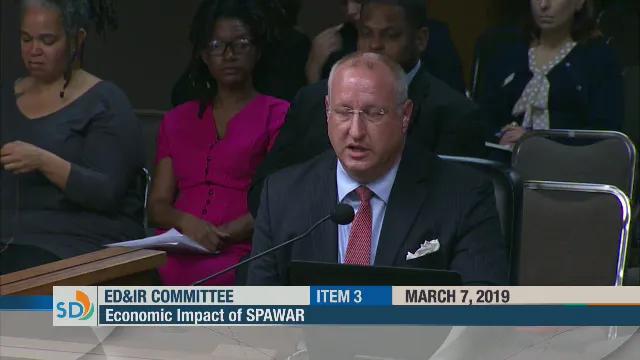
San Diego Economic Development and Government Committee Meeting - March 7, 2019

The Economic Development and Government Committee met on March 7, 2019. Committee members present included Chair Ward, Vice Chair Montgomery, and Councilmember Kercy; Councilmember Ree was absent. The agenda included one action item—a new council policy for the Business Cooperation Program—and four informational reports: the FY18 Economic Development Annual Report, the economic impact of SPAWAR, a cannabis industry update, and a report on cannabis equity policy. Staff from the Economic Development Department, City Attorney, Mayor's Office, Independent Budget Analyst, and Navy officials were in attendance. Consent Calendar - Approval of the minutes and records of action from February 7, 2019. Motion by Councilmember Kercy, seconded by Vice Chair Montgomery. Passed unanimously. Public Comments & Testimony - No non-agenda public comment was received. - During the cannabis industry update, Jim Dickinson (Healing Center) expressed support for the regulated industry, emphasizing safety and lab testing. Alex Shearer (Urban Leaf) discussed the persistent black market, citing a Canadian study showing 80% of sales occurring illicitly, and urged stronger enforcement and public education. Sapphire Blackwood called for improved processes, including on-site consumption and simpler CUP expansions. Marcelo Ramirez (UFCW) urged labor standards and merit-based licensing if licenses are expanded. Christina Garcia advocated for medical cannabis access and on-site consumption. - During the cannabis equity policy item, Diana Ross and Tariq Hyderi (Mid-City CAN) called for cannabis tax revenues to benefit disproportionately impacted communities and for equity measures in the permitting process. Ebon A. Lee and Jody Guada (Neighborhood Enrichment Organization) demanded community consultation and business education. Terry Best (Americans for Safe Access) supported NEO's participation. Christopher Williams urged an emergency ordinance to access state grant funds with an April 1 deadline. Discussion Item: Business Cooperation Program (New Council Policy) - The Economic Development Department proposed modernizing the Business Cooperation Program (BCP), originally established in 1993. The program provides a sales/use tax revenue share to large manufacturing/research businesses with typically over $5 million in taxable sales. - Proposed changes include: increasing the allowable revenue share from 25% to 45%, limiting agreements to five years, adding transparency and accountability, and targeting net-new revenue. Example: $5 million in taxable sales generates $50,000 in local sales tax; currently the city receives only 48% ($23,905) from the county pool, but with direct allocation and a 45% share the city would retain $27,500 and receive $26,000 more over the agreement life. - A survey of 619 businesses (93 responses, 15% response rate) found only 14 firms likely to participate. Staff also explored requiring direct allocation on public works contracts exceeding $25 million, with no revenue sharing. - Committee discussion: Vice Chair Montgomery asked about the audit history, the $25 million threshold, and the administrative burden on businesses; Councilmember Kercy asked about streamlining support and evaluation timelines. Staff said they would evaluate participation in 12–18 months. - Motion by Vice Chair Montgomery, seconded by Councilmember Kercy. Passed unanimously. Informational Report: FY18 Economic Development Annual Report - The Economic Development Department presented a video annual report. Key accomplishments included: 2,518 business assists; 2,281 jobs created or preserved; $1.24 million in grants to 46 nonprofits; 17 storefront improvement projects; 4 business walks reaching nearly 700 businesses; $61 million in federal entitlement funds invested in 97 community projects benefiting 64,689 individuals; $13.9 million in HOME funds creating 428 affordable units; nearly $8 million invested in homeless shelters and rapid rehousing; and 5,375 participants in workforce programs. - The department manages 58 full-time employees and $136.9 million in expenditures. - Committee members praised the report but requested more investment in District 4 (Vice Chair Montgomery), noted the upcoming business accelerator at the Jacobs Center (65% complete, 64 applications, 20 businesses expected in first cohort), and asked for a list of CDBG projects (staff said a consolidated plan look-back report would be available in 30 days). Informational Report: Economic Impact of SPAWAR - Greg Geyson (SPAWAR) and Captain Kevin Dixon (Navy Base Point Loma) presented. The military is San Diego's largest economic driver: $26 billion in direct spending, 1 in 5 jobs, and 22% of the county's gross regional product. SPAWAR employs 5,000 of its 11,000 workers in San Diego, with a $7.4 billion budget; $1.58 billion in contracts goes to San Diego businesses, including over $500 million to small businesses. - The Navy is planning a public-private redevelopment of the 70-acre Old Town campus (former WWII B-24 bomber factory) to modernize SPAWAR facilities. The plan includes leasing land for mixed-use development, with a requirement of about 1.5 million square feet. An internal report is due in March 2019, and a public timeline is expected in June 2019; the NEPA process will take 2–3 years. - Committee members asked about employee distribution, facility utilization, compatibility with a transit station, the Pacific pivot, housing, and child care. Navy officials confirmed no incompatibility with transit and expressed interest in partnering on housing and child care. Informational Report: Cannabis Industry Update - Phil Rath (United Medical Marijuana Coalition) and Dallin Young (Association of Cannabis Professionals) presented. The city allows 4 retail marijuana outlets per council district (36 total). As of February 22, 2019, 21 CUPs had been granted and 11 were pending; only 14 outlets were operating. For production facilities, 29 permits were granted, 11 more were being processed, and 36 applicants were pending. - Measure N, the cannabis gross receipts tax, has generated $6.3 million since January 2018. The tax rate is 5% until July 1, 2019, when it rises to 8%; the council can increase it to 15%. No specific budget uses are identified for these funds. - Presenters and public speakers cited the persistent unlicensed delivery market (60–100 services), the need for enforcement, and several proposed improvements: extending operating hours from 7 a.m.–9 p.m. to 6 a.m.–10 p.m., allowing on-site consumption, simplifying CUP expansions, and reforming the appeals process. Informational Report: Cannabis Equity Policy - Malachi Alman (California Urban Partnership) presented national and California data: 8.2 million marijuana arrests (2001–2010), 88% for possession; African Americans arrested at 3.7 times the rate of whites; Latinos comprised 77% of federal marijuana sentences. He described the grassroots development of Sacramento's Cannabis Opportunity Reinvestment and Equity Program, which includes a 50% license set-aside, technical assistance, and an independent commission. - Committee members emphasized that economic justice and ownership by impacted individuals must be central. Vice Chair Montgomery stated she would not pursue a conversation without economic opportunity. Chair Ward acknowledged the April 1 state grant deadline and expressed interest in convening community stakeholders to study a local equity program. Key Outcomes - Approved the consent calendar records of action from February 7, 2019 (unanimous). - Adopted the new council policy for the Business Cooperation Program (motion by Vice Chair Montgomery, seconded by Councilmember Kercy, passed unanimously). - Received the FY18 Economic Development Annual Report as information. - Received the SPAWAR economic impact and redevelopment update as information. - Received the cannabis industry update as information; no action taken. - Received the cannabis equity policy report as information; no action taken. The committee expressed interest in exploring a social equity program and state grant funding. The next meeting was scheduled for April 11, 2019, at 2:00 p.m.

CANNABIS REGULATION 38% · ECONOMIC DEVELOPMENT 20% · MILITARY AFFAIRS 8% · PUBLIC SAFETY 6%
843
MAR 6, 2019 · SAN DIEGO, CALIFORNIA · BUDGET & GOVERNMENT EFFICIENCY COMMITTEE
Budget and Government Efficiency Committee Meeting - March 6, 2019

The Budget and Government Efficiency Committee met on March 6, 2019, to review several items including planning department fees, a consultant agreement for the Mission Valley stadium sale, fuel and equipment contracts, public utilities billing policies, and informational reports on risk management and network services. The committee approved most items, forwarded one without recommendation, and heard public testimony on budget transparency, planning fees, and network services. Public Comments & Testimony - Martha Welch (non-agenda public comment) expressed frustration with the city's budget transparency, stating that performance budgets do not show actual spending, that bonds are missing, and that the city is hiding information. She referenced the library, Mission Bay funds, and the lack of a real budget since 2015. - Matt Adams (in support of Planning Department fee schedule) thanked staff for outreach, stated the industry is comfortable with the proposed fee increases, and called the fees an investment in community plan updates and housing production. - Nish Verma (Vice President of Sales, Zensar Technologies) spoke in support of the network services transition, highlighting reduced incidents, customer satisfaction, local staffing, partnerships with small businesses, and community engagement with Ocean Discovery Institute and library programs. Discussion Items - Approval of Committee Record (Jan 31, 2019) – Approved unanimously on motion by Vice Chair Kate, second by Councilmember Montgomery. - Continuance of Item 3 (Citywide Service Agreement) – Continued to April meeting on motion by Montgomery, second by Vice Chair Kate, unanimous. - Item 1: Planning Department Fee and Deposit Schedule – Staff proposed establishing an independent fee schedule, increasing the General Plan Maintenance Fee (GPMF) from $275 to $450 per application, and adding an annual CPI adjustment. The fee is expected to yield $1 million in additional revenue in FY2020 and a 62% cost recovery rate. Vice Chair Kate and Councilmember Montgomery asked about community plan updates and funding gaps. The committee voted unanimously to approve the recommendation. - Item 2: Consultant Agreement with Jones Lang LaSalle Americas (JLL) – Staff requested approval of a five-year contract (up to $500,000) to assist in negotiating the sale of the Mission Valley stadium site to SDSU (per Measure G). The IBA recommended shortening the term to FY2020 and noted only $250,000 was requested for FY2019. Councilmember Moreno opposed, citing lack of council briefing, unnecessary five-year term, and the need for a quick sale. Vice Chair Kate expressed concern about council involvement and moved to forward without recommendation after amendments failed. The motion to forward without recommendation was seconded and passed. - Item 4: As-Needed Citywide Agreement with SC Commercial for Various Fuels – Staff presented a cooperative procurement for fuels with 25 other agencies, estimated five-year contract total of $87.5 million. Approved unanimously. - Item 5: As-Needed Citywide Cooperative Agreement with HERC Rentals for Equipment – Five-year agreement for equipment rental, not to exceed $14.3 million. Approved unanimously. - Item 6: Public Utilities Department Budget and Billing Policy Amendments – Staff presented changes responsive to Councilmember Kate's memo: require a five-year financial outlook, notify customers of estimated meter reads on bills, fund customer service improvements, and develop customer service KPIs. Vice Chair Kate moved to adopt the resolutions, seconded by Councilmember Moreno. Approved unanimously. - Item 7: Risk Management Annual Report (FY2018) – Informational presentation covering public liability, workers' compensation, safety, and employee benefits. Key statistics: 1,752 workers' comp claims (6% increase), $36 million in claim expenditures (4% increase), average 1,800–2,000 public liability claims per year. Chair Bree noted the report helps in budgeting and loss prevention. - Item 8: Second Report on Zensar Network Services Transition – Informational update. Reported that priority one incidents dropped from 5.5 to 1.5 per month, resolution times improved 55%, customer satisfaction 90–100%, and a network equipment refresh (10.88 million) will modernize infrastructure. Zensar public testimony confirmed benefits. No action required. Key Outcomes - Approved unanimously: Committee record, continuance of item 3, Planning Department fee schedule, SC Commercial fuel contract, HERC rentals contract, and Public Utilities policy amendments. - Forwarded without recommendation: Consultant agreement with JLL (item 2) to full City Council. - Received informational reports: Risk management annual report and Zensar network services transition report. - Next meeting: Budget and Government Efficiency Committee will reconvene on April 10, 2019.

PERMIT PROCESSING 17% · RISK MANAGEMENT 16% · TECHNOLOGY AND INNOVATION 12% · CONTRACT APPROVAL 11%
844
MAR 6, 2019 · SAN DIEGO, CALIFORNIA · LAND USE & HOUSING COMMITTEE
Land Use and Housing Committee Meeting – March 6, 2019

The Land Use and Housing Committee of the San Diego City Council met on March 6, 2019, at 9 a.m. Committee members present were Chair Georgette Gómez, Councilmember Chris Ward, Councilmember Scott Sherman, and Councilmember Lorie Zapf (by attendance). The meeting addressed a lease agreement with the Timken Museum of Art, informational reports on accessory dwelling unit (ADU) pilot programs and housing production from the San Diego Housing Commission, and a major item on the Morena Corridor Specific Plan. Consent Calendar - The committee unanimously approved the record of action items from the February 6, 2019 meeting and five consent agenda items without discussion. Public Comments & Testimony - Non‑agenda public comment: Terry Skelly (spoke about a planning group matter regarding an application that had changed applicants; requested the planning group review it again). - Item 6 – Timken Museum lease: Megan Pogue (Executive Director) and David Kinney (Board Member) spoke in support, thanking city staff for the negotiation process and highlighting the museum's free admission, educational programs, and community partnerships. - Item 7 – Morena Corridor Specific Plan: - Planning Commission representative: Jim Whalen described the Planning Commission's unanimous 6‑0 recommendation with eight amendments, including support for a pedestrian/bicycle bridge over I‑5, building stepbacks, density bonuses for parks, and stormwater treatment. - Organized opposition (10 minutes): - James Lamataro (Raise the Balloon) urged postponement until the in‑lieu fee loophole is closed, stating that developers of the two major transit sites plan to pay in‑lieu fees rather than provide on‑site affordable housing. - Howard Wayne (Linda Vista Planning Group ad‑hoc chair) asked the committee to postpone planning until inclusionary housing requirements are increased to at least 40% on‑site, arguing the value of the trolley and parking elimination should be captured for affordability. He stated that the environmental impact report found a lesser‑intensive development would produce fewer greenhouse gases than the proposed plan. - Speakers in favor: - Matt Adams (Building Industry Association) supported the plan, citing the need for housing and the city's enhanced density bonus program. - Tony Cutri (architect and resident) supported, noting his experience with transit‑oriented developments and that discretionary review kicks in above 45 feet. - Matthew Vasilakis (Climate Action Campaign) supported for climate goals and community infrastructure. - Andrew Malik (developer) supported but requested removal of CPAS B overlay on Claremont Drive to streamline permitting. - Margaret Schmidt (Claremont subcommittee chair) requested the low‑density or mid‑density alternative, maintaining four lanes on Morena Boulevard, and a pedestrian bridge over I‑5 completed before more than 2,000 units are built. - Stephanie Benvenuto (San Diego Regional Chamber) supported. - Sharon Gale supported dense development near transit. - Speakers in opposition: - John Ziebarth (architect/planner) criticized the plan for creating unavoidable traffic impacts and for not analyzing buildout without the proposed grid system. - Kip Tang (business owner) expressed concern about potential closure of Naples Place affecting deliveries. - Additional registered opposition (no speech): Kurt Martin, Mike Baker, Patrick Phillips, Rolando Ogett, Theresa Ogitt. Discussion Items Item 6: Timken Museum of Art Lease Staff presented a 20‑year non‑profit lease with the Putnam Foundation, doing business as the Timken Museum, for $3,597/year (CPI‑adjusted). The museum, always free and serving 250,000 visitors annually, plans an underground expansion costing at least $10 million. The lease includes the plaza area, a coffee cart (10% of gross revenue to city), and 50% of sublease income shared with the city. Committee members expressed strong support. Councilmember Ward proposed an amendment to direct the coffee cart and sublease revenues to the Regional Park Improvement Fund instead of the general fund, and to request City Attorney confirmation of charter permissibility. The motion passed unanimously. Item 8: Companion Units Pilot Programs Staff presented two pilot programs from the San Diego Housing Commission: (1) developing ADUs on Housing Commission‑owned single‑family homes (analyzing 40 properties, building at least two units) and (2) a loan program to help homeowners build ADUs rented to low‑income households. The loan program would evaluate feasibility from other cities and bank partnerships. Construction in the development pilot is targeted by end of first half of FY2020; the finance pilot by end of second half. Councilmember Sherman discussed pre‑approved design templates and coordination with Development Services. Councilmember Ward supported exploring forgivable loans for ADUs to prevent homelessness. Chair Gómez noted the importance of increasing housing production. Informational item; no action taken. Item 9: Housing Production Report 2008‑2018 Staff reported that since 2008 the Housing Commission has created or preserved over 11,400 affordable rental units (more than 9,000 completed, over 2,000 under construction), invested more than $220 million in loans, and authorized over $1.4 billion in multifamily housing revenue bonds. Examples included Mesa Verde, Atmosphere, and Mission Apartments, plus developments for seniors and veterans. A new online dashboard was introduced. Councilmembers Ward and Sherman requested annual breakdowns of production. Chair Gómez asked about total in‑lieu fees ($123 million) and what additional resources are needed to increase production. Informational item; no action required. Item 7: Morena Corridor Specific Plan Staff presented a 280‑acre plan increasing housing capacity from 996 to 7,016 dwelling units, establishing five districts, raising height limits (up to 45 feet by right, up to 100 feet discretionary), creating a modified grid street network, and improving bicycle and pedestrian access to the planned Mid‑Coast Trolley stations. Community planning groups had conditions: Linda Vista requested 40% affordable housing and 45‑foot heights; Claremont supported a low‑density alternative and maintaining four lanes on Morena Boulevard. The Planning Commission unanimously recommended approval with eight amendments. After public testimony, Councilmember Campbell moved to postpone the plan, citing community frustration and the need to address affordable housing requirements first. The motion lacked a second and failed. Councilmember Sherman then moved to approve staff’s recommendation except to maintain Morena Boulevard as a four‑lane collector (with a reduced median but retaining the protected cycle track). Councilmember Ward seconded and added an amendment to (1) direct the City Attorney to analyze the ability to require 15% on‑site inclusionary housing for properties upzoned near the trolley stations under AB 1505, and (2) request an updated fiscal impact analysis for the design district. The substitute motion passed 3‑1, with Councilmember Campbell opposed. Key Outcomes - Timken Museum lease approved unanimously (3‑0) with amendment directing certain revenues to the Regional Park Improvement Fund. - Companion units pilot programs received as information; no action. - Housing production report received as information; staff to provide yearly breakdowns. - Morena Corridor Specific Plan approved as amended (motion 3‑1) to maintain four lanes on Morena Boulevard and include directives on inclusionary housing analysis and fiscal impact review. The plan will proceed to the full City Council for final action.

MISCELLANEOUS 19% · PROCEDURAL 17% · PUBLIC COMMENT 14% · AFFORDABLE HOUSING 12%
845
FEB 20, 2019 · SAN DIEGO, CALIFORNIA · ACTIVE TRANSPORTATION & INFRASTRUCTURE COMMITTEE
San Diego Active Transportation Committee Meeting - February 20, 2019 - Dockless Scooter Regulations

The committee met on February 20, 2019, to discuss several items, including a recertification of the sewer system management plan, the Peninsula Impact Fee Study, an amendment to the Harbor Drive Trunk Sewer participation agreement, proposed regulations for shared dockless mobility devices, and a biannual state of construction report. The meeting featured extensive public testimony on the scooter regulations, with many residents expressing safety concerns. Consent Calendar - Item 1: Recertification of the City of San Diego's Sewer System Management Plan – Approved unanimously and forwarded to the full City Council. Public Comments & Testimony - Retired Lieutenant Colonel David Gapp spoke in support of Vision Zero but urged stronger traffic enforcement, particularly against scooter riders violating traffic laws. He noted that 2018 saw a doubling of Vision Zero deaths and accidents from 2017. - Organized support for scooter regulations: Representatives from Bird, Lime, Lyft, and Razor expressed general support for the mayor's proposed regulations, highlighting the benefits of reduced car trips and carbon emissions. Bird reported over 500,000 riders and thousands of pounds of carbon emissions prevented. Lime reported 2.8 million trips and 3 million miles ridden. Several individual riders and employees also spoke in favor, citing improved mobility and job opportunities. - Organized opposition: Speakers from Safe Walkways, Mission Beach Town Council, downtown residents, and disability advocates argued the regulations do not go far enough. Key concerns included: - Safety: Pedestrians and people with disabilities face risks from scooters on sidewalks. One speaker noted that a 90-year-old woman in Spain was killed by a scooter. A 24-pound cannonball traveling at 60 mph analogy was used to illustrate impact force at 8 mph. - Enforcement: Existing laws against sidewalk riding and underage use are not enforced. Only 3,000 scooter-related citations were issued in 2018, and enforcement is grant-funded and limited. - Parking: Scooters block sidewalks and ADA access. A class action lawsuit against the city was mentioned. - Environmental impact: Scooters require gas-powered vehicles for charging and deployment, countering carbon reduction claims. - Insurance and accountability: Victims of hit-and-runs have no recourse; companies hold rider data but do not share it. - Multiple personal injury stories were shared, including a woman who was run over, a blind resident who had close calls, and an elderly man who lost independence. Discussion Items - Item 2: Fiscal Year 2019 Peninsula Impact Fee Study – Staff presented a proposed increase in impact fees (residential from $3,687 to $4,063 per unit; non-residential from $178 to $215 per average daily trip). The Peninsula Community Planning Board voted unanimously to recommend approval. Councilmember Moreno asked for data on housing units built and affordable housing since 2001, and staff agreed to provide it before the council hearing. The item was forwarded unanimously. - Item 3: First Amendment to Participation Agreement with Lennar Communities for Harbor Drive Trunk Sewer Upsizing – The original agreement had Lennar design and build, but bids came in $12 million over budget. The city will now manage it as a CIP project, with Lennar paying $2.1 million as a fixed share. Councilmember Moreno questioned the fixed amount, noting that if bids rise, the city covers overruns. The item was forwarded unanimously. - Item 4: Proposed Regulations of Shared Dockless Mobility Devices – Greg Block from the Mayor's Office presented a six-area regulatory framework: speed reduction (geofencing to 8 mph, with 3 mph in pedestrian-only zones), staging limits (4 devices per location, 40-foot buffer), insurance ($2 million per occurrence, $4 million umbrella), rider education, data sharing, and fees ($150 per device annually, with a $15 discount for equity programs). The committee discussed amendments: - Councilmember Ward proposed adding geofencing for Piazza della Famiglia in Little Italy, requiring operators to prove that licenses of underage users are invalid, and adding a six-month review after implementation. - Councilmember Moreno proposed an additional application provision (Section 12) requiring operators to show an effective program to prevent underage riding. - Councilmember Kate suggested striking the 4-per-40-foot staging rule for areas with designated parking corrals, and expressed interest in a dynamic cap and rebalancing program. - Chair Kercy emphasized setting aside funds for enforcement and creating more on-street corrals. The motion to forward the ordinance with amendments to the full City Council passed unanimously. - Item 5: State of Construction Biannual Informational Report – Staff reported on 50 notices to proceed, 30 notices of completion, 370 CIP projects worth $1.2 billion, and 63 miles of AC overlay. Organizational changes and process improvements were highlighted. Councilmember Moreno raised concerns about a contractor paving over a water valve vault and about subcontractor accountability for slurry sealing failures. Councilmember Ward asked about project delays (e.g., Georgia Street Bridge) and efforts to improve contractor evaluations and diversity. The report was informational; no action taken. Key Outcomes - Consent Agenda Item 1 (Sewer Plan) – Approved unanimously. - Item 2 (Peninsula Impact Fee Study) – Forwarded to full council with a request for additional data on housing and affordable units since 2001. - Item 3 (Harbor Drive Trunk Sewer) – Forwarded to full council with a recommendation for approval. - Item 4 (Dockless Mobility Regulations) – Forwarded to full council with amendments: (1) require operators to prove underage licenses are invalid, (2) add geofencing for Piazza della Famiglia, (3) add a 12th application provision for underage rider prevention, (4) allow flexibility for special events, (5) permit permit revocation for violations, (6) direct staff to develop a timeline for on-street corrals, (7) bring the ordinance back to committee in six months for review. All votes were unanimous. - Item 5 (State of Construction) – No action; informational only.

PROCEDURAL 20% · PUBLIC SAFETY 19% · SHARED MOBILITY DEVICES 18% · MUSIC PERFORMANCE 8%
846
FEB 20, 2019 · SAN DIEGO, CALIFORNIA · AUDIT COMMITTEE
San Diego Audit Committee Meeting - February 20, 2019

The San Diego Audit Committee convened on February 20, 2019, at 16:45 UTC. Chair Sherman presided, with Vice Chair Campbell, members Spencer, Hebrew, and Valdivia present. The meeting covered approval of previous minutes, a public comment, and then focused on information items (annual accomplishments and monthly activity reports) and two discussion items: a performance audit of the city's curb painting process and a special recommendation follow-up report covering advisory boards and purchasing/contracting. All votes were unanimous. Consent Calendar - Approval of Minutes: The minutes from the last meeting were approved unanimously by a motion from Mr. Hebrink, seconded by Ms. Campbell. Public Comments & Testimony - Martha Welch (member of the public) urged the committee to conduct financial audits instead of performance audits, stating that performance reports are only half the picture. She specifically questioned the use of Mission Bay funds, suggesting the city might be hiding something by not performing financial audits on that revenue stream. Discussion Items - Information Items 3 & 4 – Annual Accomplishments Report and Monthly Activity Report (combined): - Interim City Auditor Kyle Elser presented the Office of the City Auditor's accomplishments for calendar year 2018: 16 performance audits, 6 hotline investigation reports, 88 recommendations (all agreed to by city administration), two recommendation follow-up reports, and 905 hours of continuing professional education. Since the office's inception through December 2008, 889 of 1,015 recommendations have been implemented, with 149 still open. The monthly activity report highlighted three recent audit products (curb painting, accomplishments report, and special follow-up), five audits in fieldwork, four in planning, and four on the annual work plan not yet started. Two new performance auditors and a fraud investigator were introduced. - Discussion Item 1 – Performance Audit of the City's Curb Painting Process: - Presented by Danielle Knighton and Kevin Christensen. The audit found that the city lacks a comprehensive policy, a centralized inventory, and proactive maintenance. Authority to paint curbs is spread across multiple departments. Key findings: 69% of curb requests took more than 1.5 hours to research (some up to six hours); many applications are rejected because the public is not educated on criteria. Four recommendations were made: develop a written policy, publish summary guidelines for the public, coordinate with other agencies on a centralized inventory, and create a research mechanism. Management agreed to implement all by June 2020. Discussion included the $277 application fee (down from $316), staffing impacts, and the fact that 134,000 linear feet of curb were painted in FY 2018. About 800-900 work orders (mostly safety-related red curbs) were completed out of roughly 2,000 requests. The committee accepted the report and forwarded it to the City Council (motion by Mr. Hebrink, second by Mr. Valdivia, unanimous). - Discussion Item 2 – Special Recommendation Follow-Up Report (Advisory Boards and Purchasing/Contracting): - Part A – Advisory Board Audit Recommendations: Andy Hanau and Danielle Novokowski presented the status. The original 2017 audit found over half of 334 advisory board positions vacant or filled by members on expired terms, affecting quorum. Of 14 recommendations, 5 are implemented, 9 are in process with a target of June 2019. Progress includes a new Office of Boards and Commissions, web-based Brown Act training, and websites for all boards. Key remaining items: council policy and municipal code updates for vetting timelines and requiring annual reports. Discussion noted that vacancies persist and that some boards may need consolidation or sunsetting. - Part B – Purchasing and Contracting Recommendations: Steven Gomez, Sonny McLernan, and Andy Hurida presented. From six reports (FY2014-2017), 14 recommendations remain open: 9 on contract management oversight and 5 on vendor debarment. For contracts, 34% are in the new AREBA system, while 66% remain in an older SAP system, with each holding about $1 billion in contract value. The target to move all contracts to AREBA is end of 2020. Mitigating controls for 4 of the 9 oversight recommendations are under review. For debarment, three fraud hotline recommendations remain open, with repeated delays due to municipal code updates and administrative regulation revisions. The city attorney provided a confidential memo on the matter. The committee discussed the need for stronger enforcement and timely implementation. A motion to accept the report (motion by Mr. Hebrink, second by Mr. Spencer) passed unanimously. Key Outcomes - Motion to Accept the Curb Painting Audit: Passed unanimously; the report will be forwarded to the City Council. - Motion to Accept the Special Recommendation Follow-Up Report: Passed unanimously. - Next Meeting: Scheduled for March 20, 2019, at 9:00 a.m. in the same location.

AUDIT FOLLOW-UP 37% · MISCELLANEOUS 35% · PUBLIC ENGAGEMENT 9% · PURCHASING AND CONTRACTING 8%
847
FEB 14, 2019 · SAN DIEGO, CALIFORNIA · ENVIRONMENT COMMITTEE
San Diego City Council Environment Committee Meeting on Rivers and Waterways - February 14, 2019

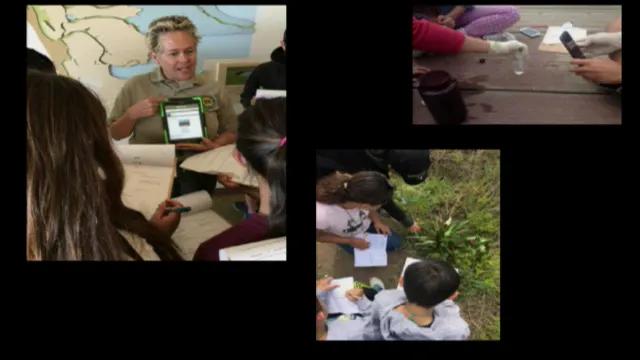
The Environment Committee of the San Diego City Council convened on February 14, 2019, to discuss informational items on the San Diego River and the Tijuana River Valley. The meeting focused on coordination efforts, environmental challenges, and partnership opportunities. No votes were taken, as both items were informational. Consent Calendar - The committee adopted the agenda and the committee actions from January 24, 2019, unanimously. Public Comments & Testimony - No public comments were made for either agenda item, and no non-agenda public comments were received. Discussion Items Item 1: Coordination Efforts on the San Diego River and San Diego River Park Rob Hudzel (President and CEO, San Diego River Park Foundation) and Kerry Lowe (Board Secretary) presented an overview of the San Diego River's history, current conditions, and ongoing efforts. Key points included: - In 2000, the largest raw sewage spill in state history discharged 34 million gallons into the river. - The watershed covers 440 square miles, with over half a million residents, and includes five reservoirs. - The river starts near Julian and flows through Mission Valley into Mission Bay and the ocean. - Volunteers removed approximately 300,000 pounds of trash in 2018, totaling nearly 3 million pounds since the organization's founding. - The water quality in the urban stretch is rated an 'F' due to re-engineering and stagnant water. - The number of homeless encampments along the river decreased from 118 in October 2017 to around 40 currently. Recommendations to the City included: - Streamlining permitting for river restoration projects, including designating the San Diego River Trail as an essential public project. - Implementing a 'Safe Routes to Parks' initiative with better signage. - Increasing city grant-writing capacity to secure state funding. Councilmember Sherman asked about the 'essential public project' designation and the permitting process. Rob Hudzel explained that under the city's Environmental Sensitive Lands Ordinance, an essential public project can bypass the need for wildlife agency concurrence, saving significant time and money. Councilmember Bree asked about legal steps to make the river park an essential public project; the City Attorney agreed to work with her office and the foundation. She also discussed the need for more grant writers and inquired about SDSU West's commitments to the river park. Rob Hudzel stated that the foundation advocated for at least 60 acres dedicated to park and river improvements at the stadium site, with a 100-foot buffer (approximately 8 acres) from the river, and noted that SDSU had not agreed to incorporate water elements into the design. Item 2: Tijuana River National Estuarine Research Reserve Chris Peregrine (Reserve Manager, California State Parks) presented on the Tijuana River Valley. Highlights included: - The reserve is one of 29 National Estuarine Research Reserves, with 20 years of baseline monitoring data. - The watershed is 1,700 square miles, about 75% in Mexico. - Over 370 bird species use the area, with six threatened or endangered species nesting there. - The estuary is the only one in the region without a highway or rail line bisecting it. - Challenges include cross-border pollution, uncontrolled development, and illegal dumping in Tijuana. - The Goat Canyon sediment basin captures polluted flow, costing $1.8 million annually to maintain. - Ongoing projects include repairing Monument Road, an 80-acre salt marsh restoration, and the Nelson Sloan Quarry Restoration project. Councilmember Moreno asked about the impacts of warming climate on species; Peregrine acknowledged the trend and noted the estuary's capacity to adapt. He also discussed the need for additional infrastructure, such as floating trash booms at other border crossings. Peregrine mentioned oyster microchip research as an innovative monitoring tool. Councilmember Sherman asked about sewage's impact on the ecosystem; Peregrine stated that a grant from the National Fish and Wildlife Foundation will support compiling 20 years of data into a comprehensive assessment within 1-1.5 years. Key Outcomes - No formal votes were taken; both items were informational. - Councilmember Bree requested the City Attorney's office to investigate legal options for designating the river park as an essential public project. - Adrian Gronda from the Mayor's office agreed to review the San Diego River Foundation's recommendations and explore increased city involvement. - SDSU West is tentatively scheduled to present their river-related plans at the next committee meeting. - The committee encouraged a tour of the Tijuana River Valley for council members.

PUBLIC ENGAGEMENT 23% · ENVIRONMENTAL PROTECTION 21% · WATER AND WASTEWATER MANAGEMENT 17% · MISCELLANEOUS 11%
848
FEB 13, 2019 · SAN DIEGO, CALIFORNIA · RULES COMMITTEE
San Diego City Rules Committee Meeting – February 13, 2019

The Rules Committee of the San Diego City Council met on February 13, 2019 at 2 p.m. to consider amendments to the Municipal Code and City Clerk's Administrative Guidelines, hear public comment on school board election reforms, and discuss the committee's 2019 work plan. Public Comments & Testimony - Mitzley (Community Voices for Education) requested the committee place a ballot initiative for the March 2020 election to amend the city charter to require subdistrict-only elections for the San Diego Unified School District Board of Education with term limits and an independent redistricting commission, following the model of city council elections. - Brad Kazlovacka (Brett Kazlovka; former school board candidate) urged the committee not to defer to the school board on district-only elections, noting a grand jury recommendation and a survey favoring such elections. He warned that a lawsuit would be filed if the city council did not act. - Tom Kalino (Tom Kelly; former school board candidate, Bay Pack member) stated that in 2018 the school board promoted delaying district-only elections to maintain an unfair advantage and exempted themselves from term limits. He argued the city council has a constitutional obligation to put district-only elections to a vote, citing high rates of disconnection for African American students. Discussion Items: Proposed Amendments to San Diego Municipal Code and City Clerk's Administrative Guidelines - City Clerk Liz Maland and Deputy Director Deanna Fuentes presented 12 proposed amendments: 9 to the municipal code and changes to administrative guidelines. Key items included: - Cleanup items: formatting nomination petitions, removing duplication in voter pamphlets, requiring electronic copies of ballot arguments. - Mirroring state law: defining documents for bona fide associations, extending initiative petition signature verification from 30 calendar days to 30 business days, and removing the 30-day residency requirement for signing nomination petitions (aligned with state code and other California cities). - Removing restrictions on candidate statement formatting (bold, underline, etc.) to align with a new digital portal for statement submission. - Administrative guidelines: addressing landscape/portrait formatting issues and clarifying election cancellation procedures and potential costs. - Electronic publication of ballot measures: Clerk Maland proposed removing the 50-page threshold and the ability for the legislative body to overturn the elections official's decision on electronic publication, arguing that the elections official (city clerk), in coordination with the county registrar of voters, is best positioned to ensure voter access. She noted recent logistical issues (e.g., paper availability, vendor capacity) and that only 3 copies of a full text were checked out from libraries in 2018. - Clarification of 3% vs. 10% initiative petitions: Proposed amendment to require proponents to state upfront whether they are pursuing a 3% or 10% signature goal, because the current process creates ambiguity. (The 3% route forces council consideration, but that already exists via council policy.) - Elimination of challenge to verification process (Section 27.1025): Clerk Maland recommended deleting the ability for any voter to challenge the random sampling verification by paying for a full signature-by-signature count, noting it is costly (average $223,000), rarely used, and strains Registrar of Voters resources. She preferred complete elimination, with the alternative of allowing a writ of mandate in court. Committee members expressed support for elimination. Key Outcomes - Motion and vote: Councilmember Ward moved to forward the proposed amendments (with the elimination of sections 27.1025, 27.1123, and 27.2716C) to the full city council. Councilmember Cate seconded. The motion passed unanimously (3-0). - Direction for future: The city clerk was directed to prepare amendments removing the challenge processes for initiative, referendum, and recall petitions and to report back for full council consideration. - 2019 Committee Work Plan: Council President Gomez presented priorities including reviewing city charter updates, ballot measures (affordable housing, homelessness, transportation, public safety, environment, infrastructure, economic development), improving boards and commissions, and enhancing customer service and public outreach (311, Get It Done, IQ system). Councilmember Ward added a request to address gun violence prevention. No formal vote was taken; the work plan was accepted as informational. - Next meeting: Scheduled for March 13, 2019 at 2 p.m.

MISCELLANEOUS 33% · NULL 19% · ELECTION PROCEDURES 19% · PUBLIC COMMENT 16%
849
FEB 7, 2019 · SAN DIEGO, CALIFORNIA · ECONOMIC DEVELOPMENT & INTERGOVERNMENTAL RELATIONS COMMITTEE
Economic Development and Intergovernmental Relations Committee Meeting - February 7, 2019

The Economic Development and Intergovernmental Relations Committee of the San Diego City Council, chaired by Councilmember Ward, met on February 7, 2019, at 10:00 AM. Present were Vice Chair Montgomery and Council Members Bree and Kirsey, along with staff from the City Attorney, Mayor's Office, Independent Budget Analyst, and committee consultant. The committee approved minutes from December 6, 2018, heard public comment, and took action on two discussion items: a software license amendment for the Revolving Loan Fund and the 2019-2020 state and federal legislative platform. Two informational items were also presented: the FY 2018 San Diego Tourism Marketing District (TMD) Performance Report and the committee's 2019 priorities. Consent Calendar - Approval of minutes from December 6, 2018: motion by Councilmember Kirsey, second by Councilmember Bree, passed unanimously. Public Comments & Testimony - Martha Welch (non-agenda public comment): Expressed opposition to plans for the Seaport development and the handling of Anthony's restaurant lease, criticized SANDAG for money and election issues, and called city actions regarding RP and other matters illegal. She stated she has worked with the governor on these issues. - Mr. Gordon (on item 2): Mentioned a $500 million application deadline for the Strategic Growth Council and cautioned that the issue of worker classification (independent contractors vs. employees) is tricky and may cause splits between unions and self-employed groups. Discussion Items - Item 1: Second Amendment to Software License and Maintenance Agreement with Philadelphia Industrial Development Corporation (PIDC) - Presented by Meredith Dibdin Brown and Rosalina Enriquez (Economic Development Department). The city's Revolving Loan Fund (RLF) program, funded by the Economic Development Administration, has provided approximately $8.8 million in gap financing to small businesses in San Diego and Chula Vista since the late 1990s. The requested amendment extends the term up to 10 years and authorizes expenditure not to exceed $15,000 from the RLF (no general fund impact). The annual maintenance fee is $550 for the first year. - Councilmember Kirsey moved to recommend approval to full council; seconded by Councilmember Bree. Passed unanimously. - Item 2: 2019-2020 State and Federal Legislative Platform - Presented by Patrick Buteller, Denise Garcia, and Adrian Granda (Government Affairs). The platform updates the 2018 version, incorporating feedback from committee priority memos. Key priorities include: homelessness services (expanding behavioral health facilities), housing policy (effective use of public parcels), Pure Water program (previously secured $30M in grants and $600M loan), Mid Coast Trolley ($80M additional last year), Tijuana River Valley infrastructure, San Onofre nuclear waste removal, opposing offshore drilling, supporting free trade, and annual federal appropriations requests. - Committee members offered comments and additions: - Councilmember Kirsey: Suggested expanding the state's infrastructure bank (I-Bank) and collaborating with the county on common issues like homelessness and affordable housing. - Councilmember Bree: Requested support for legislation allowing local jurisdictions to require helmets for adults on dockless scooters (micro-mobility), and emphasized accessing cap-and-trade funds for affordable housing (e.g., 273-unit project at 13th & Broadway). - Councilmember Montgomery: Highlighted promise zones, opportunity zones, and the Green New Deal; asked for focus on incentives for businesses in underserved communities. - Chair Ward: Added support for single-payer healthcare, student loan debt relief, gun safety, appropriate worker classification (contractor vs. employee), and the concept of the Green New Deal. - Chair Ward incorporated all comments into a motion: support for I-Bank expansion, local control of micro-mobility regulations, support for businesses in underserved (LMI) communities, improved healthcare systems, student loan debt relief, gun safety, worker classification, and the Green New Deal concept. The motion also included a request to use LMI (low-to-moderate income) terminology. Motion by Chair Ward, seconded by Councilmember Bree; passed unanimously. - Item 3: FY 2018 San Diego Tourism Marketing District (TMD) Performance Report (Informational) - Presented by Colleen Anderson (TMD Executive Director) and Joe Tozzi (San Diego Tourism Authority). Key performance data: In 2018, $232 million in Transient Occupancy Tax (TOT) was collected, with an estimated 35% ($82 million) from TMD-funded programs. Tourism jobs reached 194,000 (1 in 8 San Diegans). Hotel occupancy hit a record 80.8% (top 5 nationally). TMD's overall ROI was 21.3:1; SDTA delivered 23.2:1. The TMD funded 16 applicants in FY 2018 (up from 10 in FY 2017). Highlights included the Always On Digital Content Initiative, over 1 million convention room nights booked for the fourth year, and the Kids Free San Diego program influencing 800,000 room nights. The Experience San Diego Destination Master Plan is being implemented, with Balboa Park initiatives (National Geographic partnership), LA market campaigns, and China market entry. Specific event ROIs ranged from 2.4:1 (Beer Week) to 76.3:1 (Farmers Open). Joe Tozzi noted that 2018 was likely a peak, with 2019 showing only marginal growth (2-3%) due to limited convention center capacity and increased competition. He discussed shifting from spot market to national broadcast advertising. - Committee members asked about future growth strategies, medical tourism (Destination Care), visitor surveys, and diversification of events to include more culturally diverse offerings. Chair Ward noted that the committee previously approved $5 million from the litigation reserve for additional promotion and asked for an update on that spending. No action required. - Item 4: Economic Development and Intergovernmental Relations Committee Priorities for 2019 (Informational) - Chair Ward outlined the committee's work plan, including: cannabis equity, child care, veterans contracting and permitting, continued homelessness and workforce development efforts, a deeper look at Civic San Diego, cooperative businesses, and planning for the next three-year Economic Development Strategy cycle. Also mentioned small business programs, inclusive economic development, youth employment, closing the skills gap and digital divide, and the Small Business Advisory Board. Councilmember Kirsey requested an update on the USMCA (successor to NAFTA) and its impact on the regional economy, noting that Paula Avila from the Chamber of Commerce might present. The work plan is dynamic and subject to change. No motion needed. Key Outcomes - Item 1 (Software Amendment): Committee recommended approval to full City Council. Motion passed unanimously. - Item 2 (Legislative Platform): Committee approved the 2019-2020 legislative platform with amendments incorporating members' additions. Motion passed unanimously. - Item 3 (TMD Report): Received as information; no vote required. - Item 4 (Committee Priorities): Received as information; no vote required. The next committee meeting is scheduled for March 7, 2019, at 2:00 PM.

TOURISM 30% · ECONOMIC DEVELOPMENT 19% · PUBLIC COMMENT 11% · LEGISLATIVE PLATFORM 8%
850
FEB 6, 2019 · SAN DIEGO, CALIFORNIA · PUBLIC SAFETY & LIVABLE NEIGHBORHOODS COMMITTEE
Public Safety and Livable Neighborhoods Committee Meeting - February 6, 2019

The Public Safety and Livable Neighborhoods Committee of the San Diego City Council met on February 6, 2019, at 4:15 PM. The committee, chaired by Councilmember Montgomery, addressed two main agenda items: an ordinance to add marijuana and controlled substances to the existing social host ordinance, and the adoption of the 2019 committee work plan. Members present included Council President Pro Tem Barbara Bry, Councilmember Moreno, and Councilmember Kate. Public Comments & Testimony - Unagenda Public Comments (prior to agenda items): - Cornelius Bowser expressed concern about overpolicing of Black and Latino communities, citing trauma from pretext stops and racial profiling. He urged policy changes and referenced an SDSU report with unfulfilled recommendations. - Suzanne Morse raised the issue of a backlog of 2,008 untested rape kits, noting that previous funding was used to improve the crime lab rather than clear the backlog. She asked the committee to monitor progress and seek federal funds. - David Wilson discussed PTSD among police officers and veterans, emphasizing the need for mental health support and community police engagement. - Jonathan Freeman (Safe Walkways) objected that the committee no longer has purview over motorized scooter safety, which he said harms pedestrians and neighborhood livability. - On Item 1 (Social Host Ordinance Expansion): - Joe Eberstein (county marijuana prevention initiative) expressed full support, calling the update an extra tool for law enforcement and timely given the opioid epidemic. - Terry Ann Skelly (San Diego resident) opposed the normalization of marijuana, criticizing the proliferation of marijuana production facilities and arguing that local supply chain claims are unverified. - Lisa Bridges (North City Prevention Coalition) strongly supported the ordinance, calling it a "no-brainer" to protect youth and hold adults accountable. - Robert Hall supported, citing research on adolescent brain development and the need to update regulations per Proposition 64. - Mary Baum (Central Region Prevention Coalition) supported, noting it helps parents set standards and reduces public safety risks. - Amy Zamudio expressed caution about equitable enforcement, fearing that the ordinance could disproportionately impact poorer communities and lead to parental incarceration. - Three additional speakers (Kelly McCormick, Kathleen Lippett, Peggy Walker) registered in favor; one (Amy Zamudio) registered with caution but not formal opposition. - On Item 2 (Committee Work Plan): - Amanda Lee (ACLU of San Diego & Imperial Counties) supported the work plan, emphasizing police accountability and transparency, but cautioned that it must be backed by action. - John Brady (Voices of R City Choir) advocated for safe camping areas, limiting criminalization of homelessness, and noted that 1,507 unsheltered people were in jail at the time of the 2018 point-in-time count, costing an estimated $72 million annually. - Suzanne Morse (returning) urged trauma-informed training for officers, more female detectives in sex crimes, and addressing the rape kit backlog (only 6% of reported sexual assaults are prosecuted). - Janet Rogers (Safe Walkways) requested that the committee add enforcement of scooter parking violations and geofencing of dangerous roads to the work plan, citing ADA violations and a pending class-action lawsuit. - Michael McConnell supported the work plan and called for safe spaces for homeless individuals, referencing the success of the 20th and B site after the hepatitis A outbreak. - David Wilson (returning) stressed the importance of building trust between community and police, particularly for victims of domestic violence. - Yusuf Miller (Racial Justice Coalition & CAIR) supported law enforcement accountability, citing systemic issues and the deaths of Alfred Olango, Earl McNeil, and Aaliyah Jenkins. He called for transparent investigations. - Mary Baum (returning) urged continued focus on marijuana advertising and unpermitted dispensaries, providing a screenshot showing over 30 illegal dispensaries advertising online. - Tasha Williamson demanded police accountability, citing the case of Jonathan Felix, officers drinking while armed, and the sealed medical examiner report for Aaliyah Jenkins. - Mark Chicom (opposition to work plan inclusion of scooters? Actually spoke on scooter dangers) described witnessing a scooter crash and emergency response failures, and urged enforcement of parking laws. Discussion Items - Item 1: Ordinance to Add Marijuana and Controlled Substances to the Social Host Ordinance - Assistant Chief Al Guadarama and Lieutenant Matt Novak (SDPD) presented the proposal, which would add marijuana and controlled substances (including fentanyl and synthetic drugs) to the existing 2003 social host ordinance. The ordinance would require hosts of gatherings to take reasonable steps to prevent minors from consuming these substances, with penalties up to $1,000 or six months in jail. Enforcement would be complaint-driven. Lieutenant Novak noted that the current alcohol ordinance has been used 153 times over 10 years, mostly around San Diego State. Councilmember Moreno made a motion to send the item to full council, which was seconded by Councilmember Kate. Chair Montgomery asked about equitable enforcement, and Lieutenant Novak responded that enforcement is complaint-driven and focused on protecting minors. The motion passed unanimously. - Item 2: Committee Work Plan for 2019 - Chair Montgomery presented the work plan, emphasizing community-oriented policing, police accountability, and addressing disparities in underserved communities. Councilmembers shared their priorities: - Councilmember Moreno supported de-escalation training and better use of CDBG funds for housing and jobs. - Council President Pro Tem Bry highlighted recruiting diverse officers, affordable housing for police, and expanding community policing and neighborhood watch. - Councilmember Kate raised issues of library fines blocking low-income patrons (57% at Logan Heights, 54% at Malcolm X blocked), advertising of unpermitted cannabis dispensaries, and sex trafficking related to massage parlors. - Public speakers largely supported the work plan, with specific requests to include scooter enforcement, safe homeless camping, and police accountability measures. The motion to approve the work plan was made by Council President Pro Tem Bry, seconded by Councilmember Kate, and passed unanimously. Key Outcomes - Item 1 passed unanimously: The committee voted 4-0 to forward the ordinance adding marijuana and controlled substances to the social host ordinance to the full City Council for consideration. - Item 2 passed unanimously: The committee adopted the 2019 work plan, which includes goals such as developing community-oriented policing policies, addressing racial disparities, improving first responder support, and exploring issues like library fines and cannabis advertising.

NULL 16% · MISCELLANEOUS 15% · CANNABIS REGULATION 14% · PUBLIC SAFETY 13%
OPENPUBLICA · PUBLIC MEETING INDEXUPDATED DAILY · openpublica.com