Alameda, California — Public Meeting Index
Search help
Summaries & topics includes titles; words may match separately. Transcripts match a literal word or phrase, with case and whitespace normalized. Punctuation and contractions must match. Documents are not searched. Results have separate pages by source; a meeting may appear in both. Both dates are included.
Summaries & topics
The Alameda Planning Board met on Monday, October 12, 2026, beginning at 7:00 PM in the City Hall Council Chambers at 2263 Santa Clara Avenue, Alameda. The agenda had been revised on October 5, 2026, to add the Board Elections item. Five board members were present, including the Board President; board members Ruiz and Freed were absent. The Board voted 5-0 to move Board Elections ahead of the Gibbons Drive public hearing. The meeting included the consent calendar, Board Elections, a public hearing on the Gibbons Drive Sidewalks and Trees Plan, staff communications, and board communications. It adjourned at approximately 9:24 PM. Consent Calendar - 4-A – June 22, 2026 draft minutes: Continued to a future meeting because too few current board members had attended that prior meeting to vouch for the minutes. - 4-B – August 24, 2026 draft minutes: Approved unanimously (5-0, with two absences). Board Elections - After the agenda change, the Board considered Board Elections before the Gibbons Drive hearing. A nomination recommending Board Member Wang for President and Board Member Sue for Vice President was placed. With no other nominations and no public comment, the Board voted 5-0 to elect Wang as President and Sue as Vice President, effective at the next board meeting. Public Comments & Testimony Non-agenda public comment - William Morrison, a Fernside resident, criticized the public comment format as a one-way, non-interactive 'check-the-box' exercise and expressed frustration about the lack of opportunity for dialogue. - Pam Lowe requested that the city combine the Gibbons Drive sidewalks and trees work with the Front Side Boulevard traffic calming piece of the pavement management project, noting that approximately $200,000 had already been approved for the traffic calming portion. - At the end of the meeting, Jim Strelo thanked the Board for listening and noted that residents turned out despite the Indigenous Peoples' Day holiday. Gibbons Drive Sidewalks and Trees Plan hearing - Maria von Lieshout opposed the current plan, saying it is not preservation-first. She said many Alameda sidewalks are 35–60 years old, the city has mainly used concrete cutting and asphalt patching, and cities such as Sunnyvale, Los Angeles, Portland, Seattle, and New York use engineered solutions such as reinforced concrete and larger tree wells. She also said the plan was based on input from only 12 residents. - Jim Strelo opposed the 20 percent removal cap, saying existing liquid ambers are about 70 percent more efficient than replacement trees at filtering greenhouse gases and storing carbon, and that property values could decrease 8–12 percent. He asked for a 10 percent cap. - Jennifer Green, an Alameda resident, opposed removing healthy trees and said liquid ambers can live up to 300 years. She noted that a 20 percent cap every five years could mean 100 percent removal within 25 years and asked for measurable safeguards, clear definitions of feasibility, and documentation of preservation options before any non-emergency removal. She said ADA compliance and tree preservation can coexist. - Travis Morgan asked the Board not to approve removal of healthy trees. He called the document a 'tree removal framework' rather than an accountable sidewalk repair plan, and referenced the December 2025 City Council approval to remove 65 trees on Clement/Tilden Way, including four protected coast live oaks, saying that work could have been done with fewer removals. He requested a block-by-block plan for sidewalks, curbs, and storm drains. - Pam Lowe referenced the Master Street Tree Plan's preservation goals and said no healthy tree should be approved for removal without a tree-by-tree assessment. She also noted that the city created a slow street on Versailles, suggesting similar public-good actions could be used to protect trees. - Kate Lewis, a former Gibbons Drive resident, said she was unaware of the outreach, said people drove from other cities to see the fall trees, and encouraged a 5 percent removal cap and meandering sidewalks into yards. - Laura Zupon said the proposal's main changes are to exempt future removals from Planning Board review and remove the annual 5 percent per block face protection, and that other elements already exist in city policy. She asked for measurable preservation-first standards, preservation of Planning Board review, and public engagement in the next version. - Carter Lowe, a lifelong Alameda resident and UC Irvine planning student, urged the Board to expand options beyond the plan and said curb cuts and bump-outs could give trees more space. He asked what kind of city Alameda wants to be. - Monica Allen asked the Board to reject the plan and return with one that better prioritizes tree preservation and more community involvement. - Pete Aston disputed the city's characterization of 'extensive' outreach. He said 12 people voted at the May meeting, and a community survey with 115 respondents found that 9 percent said the city provided sufficient input opportunity, 81 percent of Gibbons residents were willing to meander sidewalks onto their lawns, and 95 percent were willing to give up parking. - Mark Minor, a Fernside resident and author of an alternative counterpoint plan, said the proposed cap lacks measurable, quantifiable, step-by-step guidelines and uses subjective language. He urged the Planning Board to stay involved in future decisions and cited what he called inconsistencies in the arborist report. - William Morrison, speaking again, supported keeping the 5 percent cap and described the trees as a habitat attraction for large flocks of blackbirds. - Patricia Gray, a Gibbons Drive homeowner for 30 years, said she accepted removal of four or five sick trees but found the five-year, 20 percent plan unacceptable and called the trees irreplaceable. She said she did not ask for replacement species and wants to save the existing trees. - Amos White, a West Side resident and founder of 100k Trees for Humanity, said the 20-year removal plan is too aggressive. He said 9 of 12 participants at a May meeting chose a 50-year plan, three chose chicanes, and the 20-year plan got zero first-place votes. He cited USDA Forest Service research that large trees remove about 70 times more air pollution than newly planted trees and argued matching 112 trees would require nearly 8,000 saplings. He asked for a timeline of at least 50 years, tree-condition-based removal ordering, and continued public review. - David Harris asked for a cap of at most 10 percent and said the goal should be to remove only what is necessary, not replace the whole canopy. - Kelly Becker, a three-year resident, said people go out of their way to drive down Gibbons, and she urged the Board to fund sidewalk repairs rather than tree removal. She noted many homeowners are willing to give up personal property to save trees. - Linnea Williams, an Alameda resident of about 12 years, said the future process should be proactive rather than reactive, with tree-by-tree decisions and public input built into the plan. - An in-person speaker who spoke from her seat said the sidewalks are not 'dangerous' for her grandchildren or herself, although ADA regulations are a separate issue, and stated: 'The trees are the non-negotiable.' Discussion Items Gibbons Drive Sidewalks and Trees Plan - Public Works Director Aaron Smith presented the draft plan. It addresses 112 remaining liquid amber (American sweet gum) trees on Gibbons Drive: 88 rated in good condition and 24 in fair condition, with none rated excellent. Five poor-condition trees were removed in spring 2026 and replaced. About two-thirds of sidewalks and more than 80 percent of curbs have moderate or significant damage. - The draft plan uses a location-by-location, preservation-first approach, treats tree removal as a last resort, and caps removals at no more than 20 percent of remaining liquid ambers in each five-year period. It also establishes a replacement tree palette of eight species; the 2010 Master Street Tree Plan banned new liquid amber plantings citywide. - Staff said alternatives such as doing nothing, removing or relocating sidewalks, raising sidewalks, and roadway chicanes were considered and rejected or deemed infeasible. The plan is intended to coordinate sidewalk, curb, accessibility, and drainage work while gradually transitioning the canopy. - Staff requested that the Planning Board recommend City Council adoption and that future removals carried out under the plan not require additional Planning Board review under the tree removal policy's 5 percent per block face threshold. All other tree removal policy requirements would continue to apply. - The CEQA determination is that the action is categorically exempt under CEQA Guidelines Sections 15301 (Existing Facilities) and 15308 (Actions by Regulatory Agencies for Protection of the Environment). - Board questions included the basis for the arborist condition ratings and the '40 to 80 percent of lifespan' statement; the consulting arborist, Daria, explained that the 40–80 percent figure is a maturity measure based on ANSI A300 standards, not a lifespan prediction, and that condition ratings reflect factors such as growth form, decay, pests, and crown health. - Board members generally said the plan is a good framework but needs more specificity. Board Member Hom suggested measurable evaluation criteria, a lower cap of about 10 percent, separate treatment of emergency removals, a neighborhood committee, exploration of assessment districts or similar funding, and more detailed public notification explaining why alternatives to removal were rejected. Board Member Sue echoed the need for cost and measurement information, supported a neighborhood committee, and said emergency removals should not count against the cap. Board Member Lee asked for greater detail on tree locations, prioritization, and how far the cap would actually be needed. - Staff said they had heard the feedback and would consider whether to return to the Planning Board or proceed to City Council with revisions. Staff Communications - The Board received the list of recent zoning administrator and design review approvals without public comment. - Staff announced an upcoming Boards and Commissions appreciation reception on October 13, 5–7 PM at the O Club. - The next Planning Board meeting is tentatively expected to include the commercial zoning ordinance update and a West Line Drive Beach and Tennis Club project. - The ADU/condominium ordinance update was adopted by City Council; the short-term rental ordinance was pulled at second reading due to a technical issue and may return. - The Oakland Roots interim venue project at Harbor Bay is scheduled for City Council consideration on November 4 and possibly the Planning Board on November 9. - Staff noted the retirement of Stephen Buckley and that the city manager is conducting an organizational analysis before recruiting a new planning director. Board Communications - New Board Member Lee introduced himself and said his background includes housing production, including affordable and market-rate housing. He asked about Alameda's progress toward housing goals and how to position the city for more housing production. - Board Member Hom suggested the Board receive a briefing on new state planning and housing laws; staff said they would look for resources and noted an annual report and housing element updates are expected early in the year. Key Outcomes - The Board voted 5-0 to approve the agenda change moving Board Elections before the Gibbons Drive hearing. - The August 24, 2026 minutes were approved 5-0; the June 22, 2026 minutes were continued. - Board Member Wang was elected President and Board Member Sue was elected Vice President by a 5-0 vote, effective at the next meeting. - The Board did not recommend adoption of the Gibbons Drive Sidewalks and Trees Plan as presented. Instead, it passed a motion (5-0) recommending that the draft plan be revised to address Planning Board and public comments and returned to the Planning Board for further review. The Board did not grant the requested exemption from future Planning Board review. - The public comment period for the Gibbons plan remains open through October 23, 2026, with additional presentations to the Commission on Persons with Disabilities on October 14 and the Historical Advisory Board on November 5, before a December 1 City Council consideration date noted by staff.
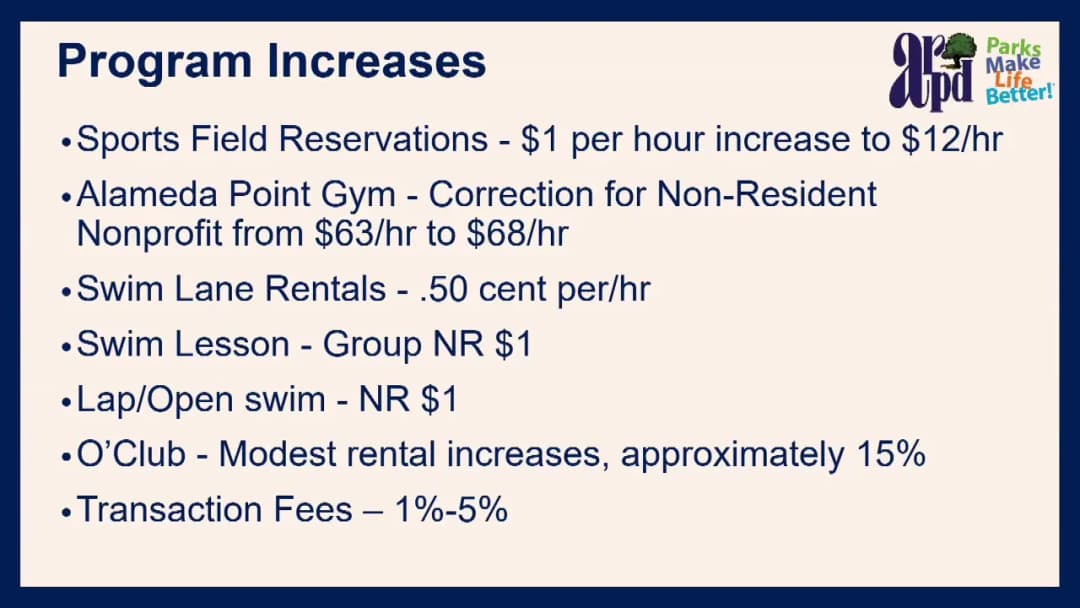
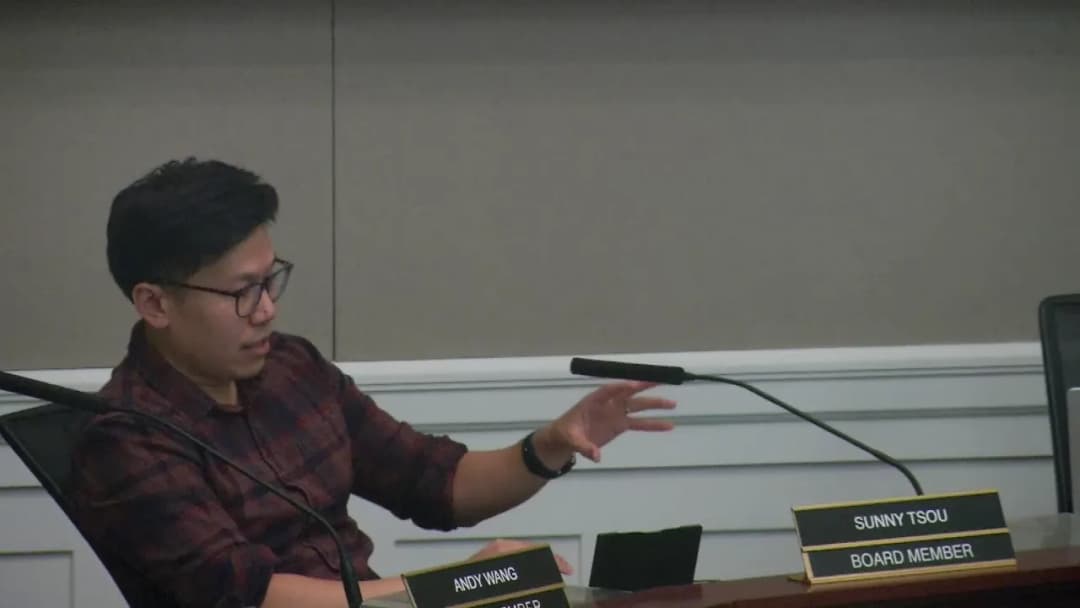
The City of Alameda Recreation and Park Commission met on Thursday, October 8, 2026, at 7:00 PM in the Council Chambers at City Hall, 2263 Santa Clara Avenue, Alameda, with in-person and Zoom participation available. The Commission approved the September minutes, held a workshop on the proposed 2027 Recreation and Parks user fee schedule, unanimously re-elected its Chair and Vice Chair, received staff and commissioner updates, and heard one non-agenda public comment. Consent Calendar - Approved the September 10, 2026 regular meeting minutes by a unanimous 5-0 roll-call vote. No commissioner requested removal and no public comment was offered. Public Comments and Testimony - Mark Klein, speaking during non-agenda public comment, said Alameda families struggle to find enough space to play. He cited a 2012 analysis projecting a shortfall of 14 fields by 2030, noted that Estuary Park added two fields but upcoming city and school district changes could cost about five more, and said courts face similar pressure. He urged the Commission to take a fresh look at near- and long-term capacity, highlighted Thompson Field as a near-term opportunity because it is central, has lights, and may be vacated in 2028 once the new Hornet Field is built, and asked the city to begin planning now to acquire it through the Surplus Land Act process. He offered to remain involved. - No public comment was made on the consent calendar, fee workshop, or officer election. Staff Communications - Director Justin Long announced upcoming events, including the volunteer coastal cleanup at Seaplane Lagoon, the fifth annual Pride in the Park on October 10, International ShakeOut Day on October 15, the Alameda Walk Series, the 21st annual haunted house October 23-25, and the 46th annual holiday boutique November 7-8. - Program updates included the winter/spring activity guide available by November 9, registration opening November 18, youth flag football with 50 participants ending November 21, free community recreation programs, and open registration for youth, teen, adult, older adult, and aquatics offerings. - Project updates: the Light Ecker Park playground replacement is complete; Godfrey Park basketball court was replaced and is open; Estuary Park is in a punch-list/maintenance period and likely will open in mid-December with six pickleball courts, two dog parks, a basketball court, an inclusive playground, and a picnic area; the Emma Hood pool is expected to be done around the end of October, with locker room renovations continuing into early December and ARPD programming planned to start in January; and the new aquatic center has installed its first test pile. Commissioner Communications - Commissioner Bell announced his resignation from the Commission effective October 9, 2026, because he was appointed to the Alameda Unified School District Board of Education and will be sworn in on October 13. He read a letter to Mayor Ashcroft thanking the Commission and the Recreation and Parks Department. Other commissioners thanked him and congratulated him on the appointment and his wedding anniversary. Discussion Items - 2027 Fee Schedule Workshop: The Commission received a presentation from Director Long; no motion was made because this was a workshop. Staff proposed minimal fee increases, with most changes to non-resident and selected program rates. The department operates on a roughly $16 million general-fund budget with about 30 percent overall cost recovery; without fees, the general fund would need about $5 million more. Aquatics costs about $1.9 million per year and recovers about 22 percent, with roughly $486,000 in annual revenue. Community recreation has zero cost recovery and about $675,000 in annual spending. Field rentals recover about 14 percent of cost, have been raised $1 per hour per year for at least five years, and remain roughly $5-6 below market. - Director Long described the fee philosophy as charging more for individual-benefit programs and less for broad community and senior programs, and said the department cannot charge full direct costs without making programs unaffordable. Outside instructor programs use revenue splits of 60/40 for on-site programs, 70/30 for off-site programs, and 75/25 at the senior center. He noted the Mastic Senior Center has about 4,500 members and a roughly $1.5 million endowment supporting low-cost classes. - The city is replacing the ActiveNet registration system with Rec Tech, targeted to go live February 1, 2027. Consumers will pay a transaction fee of about 3.5 percent, with a range of 1-5 percent depending on payment method; no-fee options such as cash and check will remain. Passing the fee to users is expected to save the department about $250,000 a year and will add phone booking, digital swim passes, and easier calendars. - Director Long reported that under the joint use agreement with AUSD, ARPD pays about 50 percent of pool salaries, utilities, and maintenance. This cost was about $430,000 last year and $585,000 the previous year. He also projected the future aquatic center operating budget at about $2.2 million. - Commissioners asked whether any fees could be reduced, requested revenue-by-program analysis, asked how cost-recovery targets are set, and discussed the scale and reach of subsidies. Commissioner Bell asked whether lower fees could increase participation. Commissioner Burney expressed concern that rapid inflation may require larger fee increases and asked for analysis showing that proposed fees maintain current service levels. Another commissioner called for a more balanced approach to aquatics fee increases and for a principle that non-resident fees never be lower than resident fees. The Chair encouraged a broader subsidy policy discussion during the upcoming two-year city budget cycle, and commissioners also recommended stronger marketing of aquatics and other recreation programs. - Chair and Vice Chair Election: Director Long explained that the Chair conducts meetings and the Vice Chair serves as backup. The incumbent Chair and Vice Chair Schwartz were nominated and re-elected by unanimous 5-0 roll-call vote for a one-year term. Key Outcomes - Approved the September 10, 2026 minutes 5-0. - Re-elected the Chair and Vice Chair Schwartz 5-0. - Received Commissioner Bell's resignation effective October 9, 2026, and discussed filling the vacancy soon. - Directed staff to incorporate workshop feedback and return at the November 12, 2026 meeting with a final fee recommendation for City Council action at the first or second Council meeting in December. - Targeted February 1, 2027 for the new Rec Tech registration/software system go-live. - The next regular meeting is November 12, 2026; possible agenda items include the fee schedule recommendation, filling the Commission vacancy, tree planting/urban canopy, and review of the new booking software. The agenda stated November 12 as the next meeting, although the Chair's closing remark referenced December, which appears to be an error.
The Alameda City Council met on Tuesday, October 6, 2026, at 7:00 PM in City Hall. The meeting included closed session at 6:00 PM, proclamations, public comments, a consent calendar, and four major agenda items. Key actions included direction to staff on prohibiting ICE enforcement on city property, receipt of the Rise Up Alameda guaranteed income pilot final report, approval of a lease with Longshot Space Technologies, and a referral to study the Clement Avenue truck route. A resolution adding campaign donation disclosure requirements passed 4-1. Proclamations & Special Orders - Filipino American History Month (October 2026): Councilmember Tony Daysog read a proclamation highlighting Filipino contributions, including the 1587 arrival in Morro Bay, labor organizing, WWII service, and the founding of Bohol Circle Inc. in Alameda in 1936. Noted Alameda residents include former Vice Mayor and State Attorney General Rob Bonta. - Domestic Violence Awareness Month (October 2026): Councilmember Tracy Jensen read a proclamation. The Victim Services Division has handled 119 matters since 2025. Resources: 510-206-1657 or victimservices@alamedaca.gov. Public Comments & Testimony - Oral Communications (Non-Agenda): Michael John Torrey opposed the elimination of the AC Transit 19 bus, noting a public meeting on October 14, 2026 at 5:00 PM. Several speakers thanked the Council for the Filipino American History Month proclamation and highlighted the Filipino Island Fest with over 10,000 attendees. - Item 7B – Rise Up Alameda: No public comment. - Item 7C – Longshot Lease: Mike Grace (CEO) expressed gratitude and described the company's kinetic launch technology. Ann Gonzalez (College of Alameda) supported the lease, citing internships. Kate Stirr (Natel Energy) vouched for Longshot as a good tenant. - Item 10A – Clement Avenue Truck Route: Multiple residents (Anna Mayer, Leo Esclamado, Meredith Levins, Stephen Powell, Catherine Powell, Christine Bowie) expressed safety concerns about heavy trucks on the curvy, bike- and pedestrian-heavy corridor. They urged a thorough study before permanent changes. - Item 10C – Policy on City Assets: Christina Liebner, an energy engineer and mother, raised concerns about data centers, but noted Alameda Municipal Power lacks capacity. She suggested small-scale, clean AI infrastructure could be a visionary alternative. Discussion Items 7A – Prohibiting Civil Immigration Enforcement on City-Owned Properties City Manager Gerry Beaudin presented options after a council referral. He corrected the record: Berkeley adopted a resolution in April 2026. Councilmember Daysog supported bullet points 1 (reaffirm sanctuary city), 2 (prohibit use of city properties for ICE), and 3 (inventory and reporting). Mayor Ezzy Ashcraft noted federal properties in Alameda (Coast Guard Island, Naval Reserve Center) limit city control, but suggested zoning options at Alameda Point. Councilmember Bowler supported the framework, citing existing sanctuary city work. Councilmember Jensen expressed hesitation about enforcement and officer safety but supported resources for residents. The Council directed staff to develop a resolution/ordinance incorporating all three bullet points, plus zoning alternatives at Alameda Point, and to consider implementation details. Passed unanimously. 7B – Rise Up Alameda (Guaranteed Income Pilot Program) Final Reports Jackie Kali Ia (Base Reuse & Development) presented: 150 low-income households received $1,000/month for two years (Dec 2023 – Nov 2025). Eligibility: Alameda resident, 18+, income ≤50% AMI ($51,800 in 2023). Key findings (compared to control group): - 35% of participants had ≥$500 in savings at 24 months (vs. 12% control). - 16% reported going into debt (vs. 27% control). - Lower use of SSI, SNAP, WIC, SSDI. - Improved mental well-being (lower psychological distress and perceived stress). - No reduction in work participation; participants more likely to work part-time. - Mixed results on community engagement, no consistent impact on housing/food security. Participant narratives highlighted dignity, reduced stress, ability to pay down debt, and build savings. A celebration event is set for October 13, 2026 with former Stockton Mayor Michael Tubbs. Council members praised the program's success and its potential for state-level policy. 7C – Lease with Longshot Space Technologies (Building 29, Alameda Point) Annie Cox (Base Reuse & Development) presented: 37-month lease for 9,200 sq ft interior and 7,400 sq ft exterior yard. Monthly rent: $5,670 with 3.5% annual escalation; total revenue $217,018. Longshot uses a kinetic launch technology (no rocket fuel). The building is non-historic and within the future DPAVE Park footprint. Lease includes a 60-day termination clause. Council members praised the company's community engagement and job creation. Motion to introduce ordinance carried unanimously (5-0). Second reading will follow. 10A – Clement Avenue Truck Route Status Update Council referral by Mayor Ezzy Ashcraft and Vice Mayor Pryor. City Engineer Scott Wickstrom explained Clement Avenue is the designated truck route per the General Plan, but recent development (cycle track, park, bike lanes) raised safety concerns. The curvy section from Peru to Balsa requires lane widening for trucks. Options include a General Plan amendment or interim solutions. Council voted to direct staff to present a status update before any physical improvements and to explore other truck route options. Motion carried. 10B – Resolution Amending City Council Handbook – Campaign Donation Disclosure Mayor Ezzy Ashcraft and Vice Mayor Pryor proposed adding a requirement: when a matter comes before the Council, members must publicly disclose any campaign donation ≥$100 from a person or business (amended to “single source”) within the past year. The resolution does not require recusal (unlike the Levine Act for $500). Councilmember Jensen opposed, citing no urgency and lack of public demand. After amendment, passed 4-1. 10C – Policy on Sale, Lease, or Disposition of City Assets Councilmember Jensen proposed a policy with cost-benefit criteria (water use, grid capacity, emissions, local jobs). City Manager noted parallel work already underway: an economic development strategic plan (contract to be awarded Oct 20) and a data center community engagement process (memo posted online). Councilmember Daysog suggested a moratorium on data centers. City Attorney noted recent state legislation. Councilmember Jensen withdrew the referral, and it was directed to a future meeting. Key Outcomes - Unanimous Consent Calendar: Approved all items (5-L and 5-M excepted due to Councilmember Bowler’s recusal). - 7A Unanimous: Direct staff to draft resolution/ordinance prohibiting ICE enforcement on city properties, including zoning options at Alameda Point, and implementation details. No timeline specified. - 7B Unanimous: Received final report; praised program; next steps include community celebration. - 7C Unanimous: Approved first reading of ordinance authorizing lease with Longshot Space Technologies (5-0). Second reading and final approval required. - 10A Unanimous: Directed staff to present status update on Clement Avenue truck route before any physical changes, and to evaluate other truck route options. - 10B 4-1: Adopted resolution amending City Council Handbook to require disclosure of campaign donations ≥$100 from a single source. - 10C Withdrawn: Referral withdrawn; existing staff work and planned strategic plan will address issues. Will be considered at a future meeting. - Council Appointments: Mayor to bring nominations for Commission on Persons with Disabilities, Housing Authority Board, and Social Service Human Relations Board at a later meeting.
The Open Government Commission of the City of Alameda met on Monday, October 5, 2026, at 7:00 PM in the Council Chambers at City Hall, 2263 Santa Clara Avenue, Alameda, CA, with remote participation available via Zoom. Commissioners Harris, T. Los, and Chair Bowling were present, constituting a quorum. The Commission unanimously approved the February 2, 2026 meeting minutes, directed staff to prepare the 2026 Annual Report, received a staff update from the City Clerk, and heard commissioners' reflections marking Vice Chair Harris's final meeting. No members of the public provided comment. Public Comments & Testimony - No public speakers signed up or came forward for non-agenda public comment, and none spoke on the annual report item. Discussion Items - Minutes of the February 2, 2026 Meeting (Item 3-A): A motion to approve the minutes was made, seconded, and passed 3-0 by roll call vote (Harris, T. Los, Bowling). The Chair referred to the meeting date as "February 26th" in one instance, though the agenda lists it as February 2, 2026. - 2026 Annual Report (Item 3-B): The City Clerk reviewed the prior year's process, noting the Commission had directed her to draft the annual report and that the same public-records-request search could be repeated if desired, with a return in February 2027. Commissioners requested a side-by-side comparison of prior-year and current-year statistics for Public Records Act (PRA) requests. A commissioner observed an apparent increase in PRA requests, possibly driven by AI-related firms seeking bid tabulations and contracts, as well as an increase in email searches. The Chair introduced the item as "approve the 2025 annual report," though the agenda identifies it as the 2026 Annual Report; the action taken was to direct staff to prepare the report. Asked whether any hearing-officer hearings had occurred, the City Clerk replied that none had; the only complaint filed all year was dismissed as insufficient. The Commission unanimously directed staff to prepare the report again, including the side-by-side comparison. No subcommittee was formed. - Staff Communication (Item 4): The City Clerk reported that the only complaint filed all year — filed June 22 and alleging a June 11 meeting — was deemed insufficient because no such meeting occurred; the body in question, related to the "care team," had not met in years. She also announced that Vice Chair Harris's tenure would end because his appointing authority, Mayor Ezzy Ashkoff, is termed out. The City Clerk noted she will reach 30 years with the City next May. Commissioners praised her competence and the quality of the mandatory training video. - Commission Communications (Item 5): Vice Chair Harris indicated this was likely his last meeting, thanking the Commission and the City Clerk. A commissioner echoed appreciation, reflecting on a "good two years" and enjoyable service on the Commission. The meeting was then adjourned without a formal motion, as none was required. Key Outcomes - Approved the February 2, 2026 meeting minutes (3-0; Harris, T. Los, Bowling). - Directed staff to prepare the 2026 Annual Report (3-0), including side-by-side prior-year vs. current-year PRA statistics, with a draft to return in February 2027. - Acknowledged the City Clerk's report that the only complaint filed all year was dismissed as insufficient. - Recognized Vice Chair Harris's final meeting on the Commission.

The regularly scheduled meeting of the Historical Advisory Board for October 1, 2026, was canceled. No agenda items were discussed and no actions were taken.
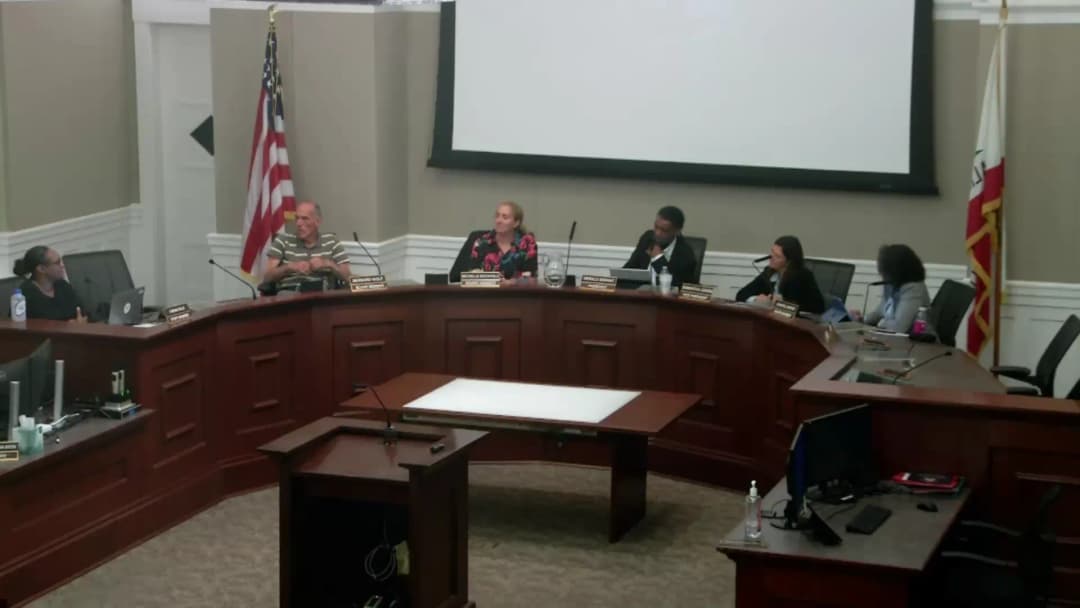
The Social Services and Human Relations Board convened on Monday, September 28, 2026, at 7:04 PM. The meeting featured the final report of the Rise Up Alameda Guaranteed Income Pilot Program, approval of the Fiscal Year 2026-27 work plan, work group updates, and an update on Dignity Village’s funding sustainability. No public comments were received on any agenda item. Consent Calendar - Minutes Approval: The board unanimously approved the minutes from the previous meeting. Public Comments & Testimony - No public comments were made on any agenda item. Discussion Items 4A – Rise Up Alameda Guaranteed Income Pilot Program Final Report - Background: The city allocated $4.6 million in ARPA funds to launch a two-year guaranteed income pilot providing $1,000/month to 150 low-income Alameda households. Of 2,368 applicants, participants were randomly selected and had an average household income of $32,000/year (well below the 50% AMI threshold of $51,800). 26% of participants were aged 62 or older. - Key Findings (24-month report, compared to a control group): - 35% of participants had over $500 in savings vs. 12% of the control group. - 16% of participants went into debt vs. 27% of the control group. - Participants reported lower psychological distress and perceived stress at both 12 and 24 months. - No significant reductions in overall work engagement; some participants shifted to part-time work for greater flexibility. - Mixed findings on community engagement, housing, and food security (no statistically significant improvements). - Participants were less likely to use certain public benefits (SSI, SNAP, WIC, SSDI), though staff noted potential reasons including not wanting to over-utilize programs. - Next Steps: Participant profiles and a 10-minute short film are available at RiseUpAlameda.org. A celebration event, “Guaranteed Income Works,” is scheduled for Tuesday, October 13, 2026, featuring former Stockton Mayor Michael Tubbs. - Board Discussion: Members expressed strong support for the program, emphasizing its role in dispelling poverty narratives and the importance of participant stories. Questions about funding a second phase (no current plans), longitudinal data tracking (concluded with this report), and geographic concentration of participants (data not available due to IRB restrictions) were addressed. 4B – Shrub Board Fiscal Year 2026-27 Work Plan Review and Approval - Staff and board members presented the draft work plan, which includes goals for community needs assessment (community circle meetings, service provider survey, brief report), the Belonging at Home committee (public awareness campaigns, United Against Hate Week activities, CARES team attendance, HHS strategic plan review), and the Domestic Violence Task Force (biannual meetings, awareness month events, resource creation). - A motion to approve the work plan with an amendment to update the language from “city’s plan to end homelessness” to “HHS strategic plan” passed unanimously. 4C – Work Group Report Outs - Domestic Violence Task Force: Next meeting scheduled for October 5–6, 2026, to focus on work plan development and engagement during Domestic Violence Awareness Month. - Belonging at Home: No new report; work plan focus noted. - United Against Hate: A presentation on online hate and bullying is being arranged for the next board meeting due to insufficient time for a full United Against Hate Week program. Posters will be distributed citywide. 4D – Dignity Village Funding Status and Long-Term Sustainability - Funding Outlook: Dignity Village, developed with a Home Key state grant (55-year deed restriction) and COVID relief funds, currently has $1.2 million from the general fund and other sources, projected to sustain operations through FY 2027-28 (June 30, 2028). Staff sent a memo to the Alameda County Board of Supervisors requesting Measure W funding, as the site is not currently in the county’s portfolio. - Long-Term Options: Staff are exploring transitioning the site to permanent supportive housing (with Home Key verbal approval) or purchasing a hotel to create a mixed-model shelter. A recommendation to city council is expected by December 2026. - Board Discussion: Concerns about operations were raised, including reports of racism and resident issues. Staff offered to connect board members with the resident advisory board and encouraged reporting of concerns. The board expressed interest in sending a supportive memo to Supervisor Tam to help secure county funding. Key Outcomes - Minutes approved unanimously. - FY 2026-27 work plan approved with the HHS strategic plan amendment (unanimous). - Next Steps for Dignity Village: City council to receive a recommendation by year-end 2026; board to consider sending a memo to the county supervisor. - Upcoming Events: - “Guaranteed Income Works” celebration on October 13, 2026. - Free community film screening of Beyond the Bridge on Wednesday, September 30, 2026, at 5:30 PM, co-hosted by Board President Gerald Bryant. - Alameda Pride on October 10, 2026. - Proposed Black community meetup on December 1, 2026. - Next Regular Meeting: Scheduled for October 27, 2026 (fourth Thursday of October).
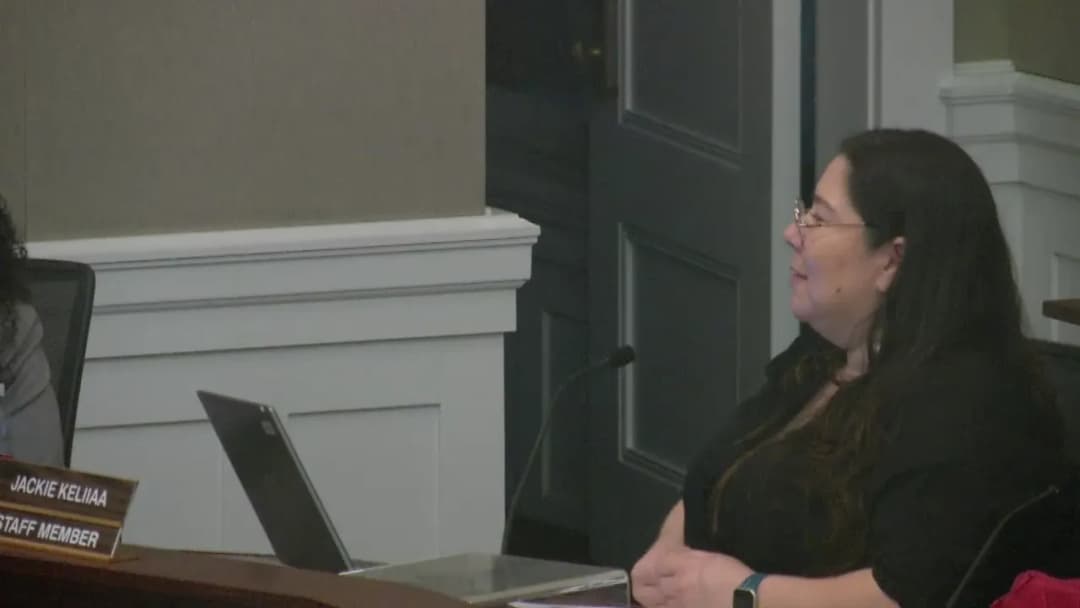
The Social Services and Human Relations Board (SSHRB) held its regular September meeting on Thursday, September 24, 2026, starting at 7:04 PM and adjourning at 8:39 PM. The meeting included presentations on the Rise Up Alameda Guaranteed Income Pilot Program final report, review and approval of the FY2026-27 work plan, updates from work groups, and a status update on Dignity Village funding and long-term sustainability. The board also received staff communications and member announcements. Consent Calendar - The board unanimously approved the minutes from the previous meeting. Public Comments & Testimony - No public comments were made during any of the agenda items. Discussion Items - Rise Up Alameda Guaranteed Income Pilot Program Final Report – Jackie McKenna, Development Manager for Base for Use and Economic Development, presented the final 24-month report. The program provided $1,000 per month for two years to 150 low-income households in Alameda, selected by lottery from 2,368 applicants. Key findings included: 35% of participants had more than $500 in savings (vs. 12% control), 16% went into debt (vs. 27% control), and participants reported lower psychological distress and perceived stress. No consistent impacts were found on housing or food security. The program was funded by ARPA ($4.6 million) and is not currently planned for a second phase due to lack of funding. Jackie noted that a short film and participant profiles are available at RiseUpAlameda.org, and a celebration event, "Guaranteed Income Works," is scheduled for October 13, 2026, featuring former Stockton Mayor Michael Tubbs. Board members expressed strong support for the program and discussed the need to change narratives about poverty in Alameda. They also inquired about participant demographics and the control group; Jackie noted that the control group was income-eligible but not matched on age or other factors. The presentation concluded with a video featuring a long-time Alameda resident and program participant named Dolores. - FY2026-27 Work Plan Review and Approval – The board reviewed and discussed the draft work plan developed over recent months. The plan includes goals for community needs assessment (conducting two community circle meetings and a service provider survey), the Belonging at Home committee (partnering with AUSD and ACCYF for United Against Hate Week, launching a public awareness campaign on reporting hate acts, reviewing the Alameda United Against Hate action plan, attending CARES team meetings, and hosting a volunteer of the year award), and the Domestic Violence Task Force (hosting task force meetings twice a year, increasing community visibility, and conducting biannual presentations). The board approved the work plan with an amendment to replace "city's plan to end homelessness" with "HHS strategic plan" in the Belonging at Home section. - Work Group Reports – The Domestic Violence Task Force reported planning a meeting on October 5-6 to engage members during Domestic Violence Awareness Month. The Belonging at Home committee had no additional updates beyond work plan discussions. Gerald Bryant reported on United Against Hate Week activities, noting that a presentation on online hate and bullying is being arranged for the next board meeting and that posters will be distributed citywide. - Dignity Village Funding and Long-Term Sustainability – Simone Falls, Division Manager, presented an update on Dignity Village, an interim housing site developed with a state Home Key grant and other funding. Current funding (including $1.2 million from the general fund) is anticipated to sustain operations through FY2027-28. The city is exploring options for long-term sustainability: requesting Alameda County to use Measure W funds (a memo was sent to the Board of Supervisors, but the county currently only sustains shelter beds already in their portfolio, which does not include Dignity Village), transitioning the site to permanent supportive housing (potentially combining units to add kitchens or purchasing a hotel), or relocating the program. The city expects to bring a recommendation to City Council by the end of 2026. Board members expressed concerns about site operations and requested more transparency; Simone offered to connect board members with the resident advisory board and noted improved operations under a new provider. The board discussed the possibility of sending a memo in support of Measure W funding to Supervisor Tam. - Staff Communications – Simone Falls and Shelby Neal provided updates: the residential rehabilitation program has launched with increased applications due to a shift to low-income renters; the CDBG award agreement from HUD is under review; a new administrative specialist, Deja Barrett, has joined; and a free community film screening of "Beyond the Bridge" will be held on Wednesday, September 30 at 5:30 PM, co-hosted by President Gerald Bryant. - Board Communications – Gerald Bryant announced his participation in the film screening and emphasized the importance of addressing homelessness openly. Sam mentioned Alameda Pride events on October 10. Gerald also proposed a meetup for the Black community on December 1st at a West End location. Key Outcomes - The board approved the FY2026-27 work plan (unanimous voice vote) with an amendment to reference the HHS strategic plan instead of the city's plan to end homelessness. - The board received the Rise Up Alameda final report and expressed strong support for the program's continuation pending future funding. - Staff will provide board members with the memo sent to the Board of Supervisors regarding Measure W funding for Dignity Village. - The board agreed to explore connecting with the Dignity Village resident advisory board for more direct feedback on operations.

The Transportation Commission met on September 23, 2026, to recognize departing commissioners, discuss the Complete Streets checklist for the Fernside Traffic Calming and Bikeways project as part of a grant application, and accept the mid-year Status Report on Transportation. The meeting included extensive public comment on the Fernside project, particularly regarding the Gibbons High Fernside intersection and a proposed left-turn restriction. The commission took action on consent items, resolutions of recognition, and the status report, but the Fernside checklist item was discussion only. Consent Calendar - Approval of July 22, 2026 Minutes (Item 5A): The draft minutes were approved by a roll call vote. Commissioners Piper and Abrams abstained because they were absent at the July meeting. (Commissioners Gloin, Dara Abrams, and Chair White Custer voted aye; the motion carried.) Public Comments & Testimony - Jim Stralo questioned the traffic circle at Maitland and McCartney, requesting before-and-after accident statistics. He also expressed frustration with unresponsive Clickfix reports and noted the lack of AC Transit service at Fernside and High Street during construction. - Mitch Ball corrected misinformation about the Gibbons Drive project, stating the left-turn restriction was proposed by staff, not council, and that the projected 300% traffic increase on Bayo Vista still leaves volumes well below greenway thresholds. He supported the long-term traffic calming plan. - Jake Olson urged the commission to permanently remove the left-turn restriction from the Fernside project, arguing it was never part of the original plan and would shift traffic to smaller, less-safe streets. - Cindy Johnson (representing BikeWalk Alameda) spoke in favor of the long-term Fernside project, noting it fixes gaps in the Bay Trail and the low-stress bicycle network. She stated that the left-turn prohibition addresses multiple safety issues and that neighbor concerns had been heard and accommodated. - Jay Garfinkel opposed the project, accusing staff of incremental changes and ignoring negative consequences. He argued the number of cyclists is small compared to motorists and that the project would cause traffic backups. - Lori Zupon argued the project is not ready for grant funding due to strong community opposition. She cited the city's own engineer acknowledging risk displacement and raised concerns about federal grant rescissions (referencing a New York Times article). She asked the commission to send the project back for further public engagement. - Vicky Tang, a parent and frequent cyclist, expressed concern that 500 additional cars would be forced onto streets with unprotected left turns. She said over 300 people had signed a petition against the restriction and asked for alternative routing options. - Elliot Blake opposed the roundabout at Southwood, Fairview, and Bayo Vista, stating it would block his driveway and eliminate parking. He argued the city's data shows the Gibbons High Fernside intersection is not among the top five high-impact intersections in Alameda. - Eileen Dubois noted that the city's 2025 Vision Zero Performance Metrics report shows zero severe or fatal accidents at the Gibbons High Fernside intersection, yet that report was omitted from the Complete Streets checklist. She requested a budget amendment to unappropriate $200,000 for the quick-build roundabouts. Discussion Items - Recognition of Geoffrey Johnson (Item 6A): The commission unanimously adopted a resolution honoring Johnson's four years of service, highlighting his focus on outreach, pedestrian access, and public transit. Commissioners praised his dedication. Roll call: all aye. - Recognition of Alysha Nachtigall (Item 6B): The commission unanimously adopted a resolution honoring Nachtigall's eight years of service, including two as vice chair, noting her strategic focus on safety and equity. Roll call: all aye. - Complete Streets Checklist for Fernside Traffic Calming and Bikeways Project (Item 6C): This was a discussion-only item. Staff presented the grant application for design funding ($3.5 million) for the long-term corridor concept (two-way separated bikeway, traffic calming, pedestrian and bus stop upgrades). The checklist is a required screening step for MTC's Safe Routes to Transit and Bay Trail program. Commissioners asked clarifying questions about the checklist, transit coordination (AC Transit involvement confirmed), stormwater improvements, and the public outreach process for the Gibbons High Fernside intersection. Chair White Custer emphasized the scope was limited to the checklist. No additions or deletions were requested. Commissioners expressed support for pursuing the grant. Public comment (detailed above) was divided. The item concluded without a vote. - Status Report on Transportation (Item 6D): Staff presented a mid-year update on transportation programs and capital projects. Highlights included: secured funding for a West End docked bike share pilot, parking program progress (paid parking at Seaplane Lagoon, rate study, new enforcement position), over 700 attendees at a bike festival, renewed bike education contract, water shuttle extension, and progress on multiple capital projects (Fernside restriping, Central Avenue safety, Tilden Way roundabout, etc.). Commissioners discussed performance metrics, before-after roundabout studies, neighborhood greenways, the wooden bridge repairs, and AC Transit line 19. The motion to accept the report passed unanimously (all aye, Commissioner Kim absent). Key Outcomes - Adopted resolutions recognizing Geoffrey Johnson and Alysha Nachtigall (unanimous). - Approved draft minutes of July 22, 2026 (two abstentions). - Accepted the Status Report on Transportation (unanimous). - No action taken on the Fernside Complete Streets checklist; staff will incorporate commissioner feedback and proceed with the grant application. Future public outreach and alternatives analysis for the Gibbons High Fernside intersection will occur if the grant is awarded.
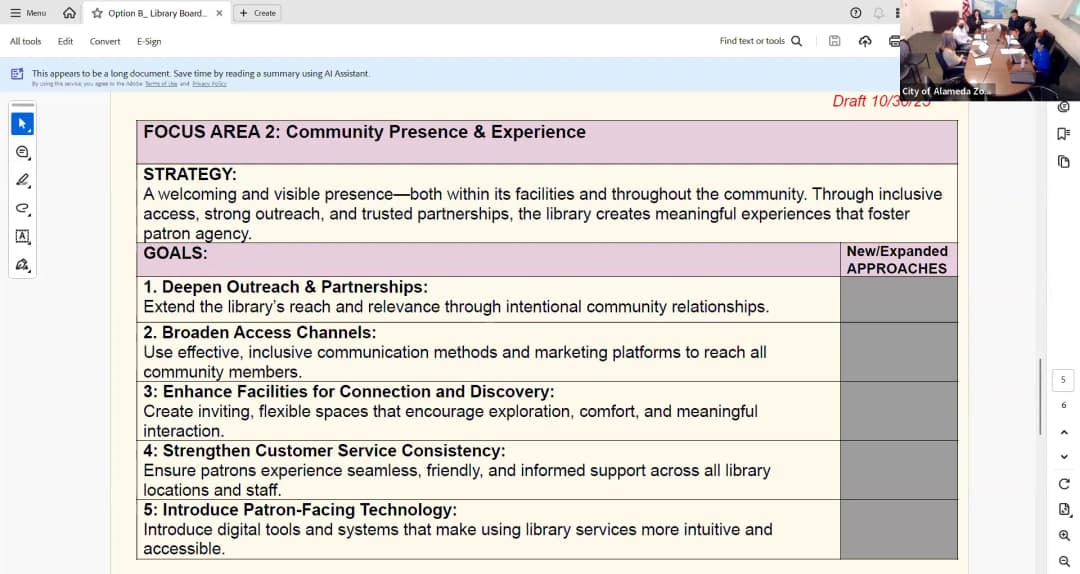
The Alameda Library Board met on September 21, 2026. (Note: The transcription begins by referring to this as the "November meeting," creating a discrepancy with the official metadata date provided. This summary relies on the provided metadata.) President Amara Suri Wardena presided. Board members present included Bell and Panji. Vice President Gibbons and Board Member Striffler were absent. The board received a strategic planning update, discussed the library operations report, heard public comment, and unanimously approved the consent calendar. Public Comments & Testimony - Elise, a community member, addressed the board during the non-agenda public comment period. She provided the board with a packet of materials she compiled to assist in their strategic planning efforts, including definitions of mission versus vision statements, a creative brief framework, and a raw brainstorm document based on previous board discussions. Elise stated the materials were meant to be a helpful jumping-off point and expressed no specific positions on agenda items. The board thanked her for the contribution. Consent Calendar - The board unanimously approved the consent calendar, which included the draft minutes, financial reports, and bills for ratification. Discussion Items Strategic Planning Update (Item 4A) Kristen, the facilitating consultant, provided an update on the strategic planning process. She reviewed findings from the stakeholder report, noting the library is highly valued, but opportunities exist in facilities, hours, and targeted outreach. Board members discussed the methodology of the survey, particularly how staff feedback on workspaces (e.g., 20-year-old chairs, lack of laptops) was gathered. The three primary strategic focus areas were presented: Access (services and collections), Experience (community perception and outreach), and Internal Capacity (staff, technology, and infrastructure). Board members provided feedback on the language used. One member expressed strong concern that terms like "patron facing technology" and "facilities for connection and discovery" could be perceived as elitist and alienating to community members with lower levels of education or digital literacy, urging the use of simpler, more public-facing language. Another member stressed the need for concrete metrics and timelines to make the plan a usable operational tool. The Library Director confirmed that granular approaches and metrics exist in the appendices of the draft, which is expected to be ready for board review in January 2027. Staff and Library Operations Report (Item 4B) The Library Director provided an update on several key operational areas: - Book Vendor Disruption: Baker & Taylor, a primary book vendor for nearly 200 years, is going out of business. This creates a nationwide disruption for libraries, delaying the availability of physical materials as the library transitions to other vendors like Brodart and handles increased in-house processing (e.g., applying Mylar jackets). - New Catalog: A new, more intuitive catalog interface is launching later in the month. - Storytimes: For the first time, the library offers a standing story time every day of the week, including weekends, thanks to staffing changes. - Post-Hour Change Data: Initial data from the first full month of updated library hours (October) showed an increase in visits (19,886 vs. 19,397 in the previous October) and an increase in physical material checkouts at both branches. - Staffing: Interviews were held for the Bay Farm librarian position. The School Resource Services Librarian is leaving the position. The library expects to have both roles filled by the end of January 2027. - Student Library Cards: The partnership with AUSD to provide a library card to every student is progressing. The student's Google login will serve as their library card number. The program is targeted for an early 2027 launch. - Library Card Art Contest: The winning design has been selected. A gallery of all submissions will be created. The new cards are expected to be ordered late 2026 or early January 2027. Key Outcomes - Consent Calendar: Approved unanimously. - Strategic Plan: The board affirmed the general direction of the plan. Language will be revised for accessibility. The full draft is scheduled for board discussion and approval in January 2027. - Student Library Card Program: Targeted for an early 2027 launch. - Staffing: New hires for Bay Farm and the School Resource Services Librarian are anticipated by the end of January 2027. - Library Operations: The board acknowledged the initial success of the new hours based on early data and the ongoing disruption from the Baker & Taylor closure. - Meeting Adjourned.
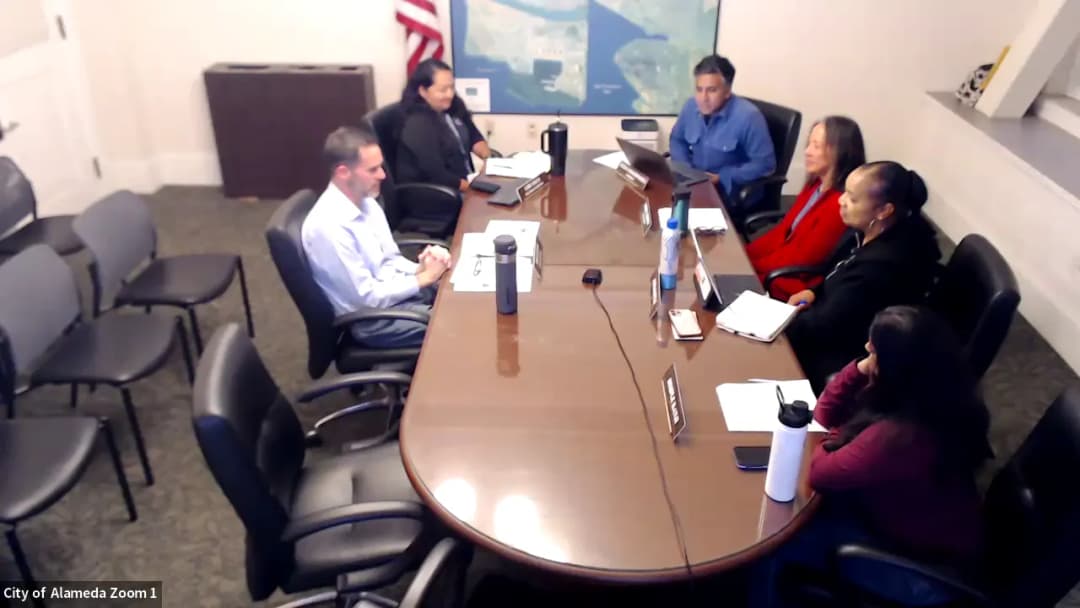
The Alameda Library Board convened on Wednesday, January 14, 2026, at 7:09 p.m. The meeting included a report from the Library Director, a presentation on the draft strategic plan update, and discussion of library operations and statistics. Key topics included the new social work partnership, circulating statistics, and the proposal to approve a summary version of the strategic plan update. Consent Calendar - The board approved the consent calendar, which included the board minutes, financial reports, and the bills for ratification check register. Public Comments & Testimony - No members of the public were present for non-agenda public comment; the section was limited to in-person comments only. Discussion Items - Library Director's Report: The Director reported on a new social work partnership, noting that the social worker, who has prior experience in a library setting, has begun building relationships with library patrons in need of services or simply someone to talk to. The social worker makes rounds throughout the day and knows the names of regular patrons. The Director also mentioned a training recommendation to formalize a backup signal system for staff, using a simple “Q” code (1 if okay, 2 if not). The library plans to have four programs (two at the main library, one at each branch). Additionally, the Director reported that the Bay Farm branch had circulated more than 4,000 items in a month for the first time in recent memory, and said she believed updated hours are fitting community needs better. She added that staffing is in a good spot. - Strategic Plan Update Presentation: A consultant presented a draft strategic plan update, which the board was asked to approve in its summary form. The plan includes goals such as reducing processing time for new materials, maintaining a 3-to-1 digital title ratio, and creating a tool lending library funded by a $10,000 gift from the Carnegie Foundation. The plan includes year one, year two, and year three-plus implementation timelines. Board members discussed reporting cadence; the Director said yearly is too late to be actionable and agreed to provide updates every six months. Board members also asked for clarification on the status of the new check-in system (the Director said it is moving slower than expected), and they discussed the ability to use existing data, and potential for collaboration around centralized information. The consultant noted that the current plan does not include reporting automation, but the next plan may. - Staff and Board Communications: A board member praised a recent kids’ program, noting the children were super engaged, and highlighted a new partnership with ARPD. The meeting also noted the departing consultant lives in Alameda, which provides an ongoing local connection to the work. Key Outcomes - The board approved the consent calendar. - The board voted to approve the summary version of the strategic plan update. - The Library Director agreed to adopt a six-month reporting cadence for the strategic plan rather than quarterly or yearly; quarterly would create a reporting burden, while yearly is not actionable enough. - The next step discussed was to schedule a presentation to the City Council so they are aware of the strategic plan direction (no date was set).
Transcripts
Enter keywords to search transcript passages.
Transcript coverage details
Only published transcript revisions are searched. Recording completeness is unknown. Missing, cancelled, incomplete, or changed transcripts can leave gaps. No match does not establish that something was never discussed.