Browse by city
Date range
Search help

Search titles, summaries, topics and stored transcripts together. Keywords may match separately; put the whole query in double quotes for a phrase. Matching follows word analysis, so punctuation is not exact. Both dates are included. Documents are not searched.

SHOWING 51–60 ENTRIES
51
JUN 25, 2026 · TOLEDO, OHIO · CITY COUNCIL
Toledo City Council Housing Committee Discusses Food Policy Update on June 25, 2026

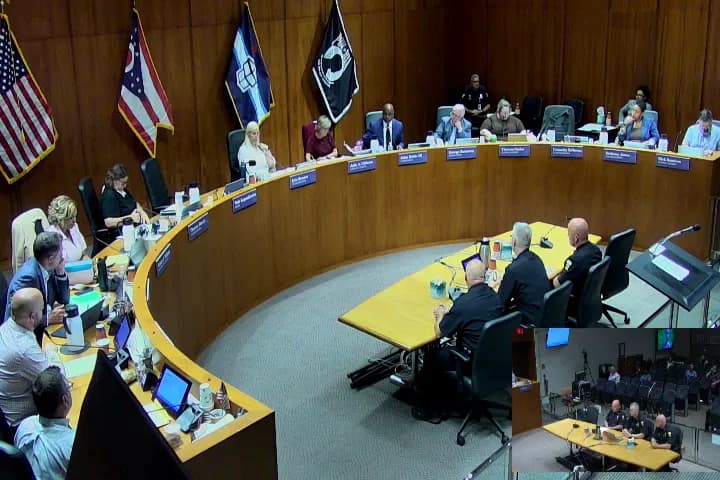
The Housing and Community Development Committee convened on Thursday, June 25, 2026, to discuss a comprehensive food policy update. Food Policy Manager Mara presented findings from the CARROT (Community and Agricultural Resilience Audit Tool) audit, outlined progress on several initiatives, and proposed next steps including relaunching a Food Policy Council and signing the Milan Urban Food Policy Pact. Councilmembers asked questions and voiced support, followed by public testimony from community members and state Senator Paula Hicks-Hudson. Presentation and Discussion Items - Food Policy Audit Findings: Mara introduced the CARROT audit, a 101-indicator tool across seven themes. Toledo scored 160 out of 303 points (53%). Highest scores were for zoning supporting urban agriculture and water resource protection; lowest scores were in distributive leadership and food sovereignty. Key strengths included permissive urban agriculture regulations (2018 zoning updates), a strong network of urban and rural farmers, Lake Erie watershed management, the Northwest Ohio Cooperative Kitchen (NOC), and partnerships with Ohio State and Central State extensions. Gaps included no active Food Policy Council, self-financed farmers lacking soil testing and water access support, no food hub or farmer directory, unimplemented policies (pending sustainability manager hire), siloed education and workforce training, and funding cuts to programs like Produce Perks and SNAP-ED. - Progress to Date: Mara detailed work in five areas: relaunching a Food Policy Council (grant applications, farmer gathering yielding stipend and off-season meeting preferences), investing in farmers (simplified high-tunnel permitting, $30,000 microgrant program for fall 2026, garlic workshop, $9,000 from Steiner Summit for a regional Food Farm Summit), building infrastructure (exploring food hub funding, developing a regional farmer directory, ARPA funds for rebuilding Red and White Market in Inglewood and a pop-up farmers market at Swain Field), turning policy into action (collaborating on a food rescue guide, joining statewide NRDC calls), and protecting programs (efforts to sustain Produce Perks and the Healthy Food Small Market program). She also noted emergency food planning (e.g., food drive for Grand Lodge pantry raised 1,500 pounds) and workforce pipeline partnerships (UT classes, advocacy for Senate Bill 120 on urban farmer youth initiative). - Next Steps: Mara emphasized relaunching the Food Policy Council (forming a governance working group of 20 people, studying models from other cities) and signing the Milan Urban Food Policy Pact to join Columbus, Cincinnati, and Cleveland. She requested council support for soil remediation and coordinated testing for urban farming sites. - Council Reactions: Councilmember Gaddis praised the work and identified soil remediation as a priority, noting the need for a citywide plan for vacant lots. Councilmember Kramer asked about the former Food Policy Council (fizzled after Carol Contrada left) and supported the hybrid model (government-community). She also inquired about food rescue partnerships with Toledo Public Schools; Mara noted potential with Maumee Valley Gleaners. Councilmember Gaddis expressed concern about many abandoned community gardens and the need for follow-up. Public Comments & Testimony - Charmaine Ivy (community activist, 10 years): Argued Toledo is not a true food desert like Chicago, emphasizing existing food resources and the need for better information distribution through libraries and clerks. She criticized over 300 community gardens now overgrown and urged resources be redirected to sustain existing projects rather than starting new ones. She also highlighted disparities in school lunch quality, noting Toledo Public Schools chose the lowest-tier “C” package (same quality as inmate food), and linked food scarcity to the school-to-prison pipeline. She called for a long-term vision rather than piecemeal responses. - Sharita Lewis (architect, Stark Family Association): Presented a pilot program and requested city help to obtain a building for community resources, noting challenges like lack of funding and community fatigue. She passed out a document detailing her proposal. - Paula Hicks-Hudson (Ohio State Senator): Emphasized the need for clear definitions (urban agriculture vs. community gardens) and advocated that a food council be enshrined in city code (not hybrid) to ensure sustained funding and legislative support. She highlighted ongoing state-level work: a statewide task force for food policy, urban agriculture as economic development and job training, and her roles on the Senate Natural Resources Committee and Great Lakes consortium. She urged the city to coordinate with state resources, including the Ohio Department of Agriculture, and noted she is available to help from Columbus. - Unnamed speaker (Your Community Market representative): Praised Mara’s accessibility and hard work, and lamented the loss of fruit trees in Toledo neighborhoods, asking why the city no longer plants fruit-bearing trees. Councilmember Gaddis expressed support for more fruit trees. Key Outcomes - No formal votes or motions were made. The committee expressed strong support for the food policy initiatives and requested continued updates. - Councilmembers committed to helping with soil remediation planning, supporting the Food Policy Council relaunch, and exploring ways to integrate state resources. - Mayor Mominy indicated openness to signing the Milan Urban Food Policy Pact, with Councilmember Jones’ support. - Mara will continue working with a governance working group to formalize the Food Policy Council’s structure and seek funding for key priorities like soil testing, a food hub, and the microgrant program.
ECONOMIC DEVELOPMENT 88% · COMMUNITY ENGAGEMENT 11% · ENVIRONMENTAL PROTECTION 1%
52
JUN 24, 2026 · TOLEDO, OHIO · CITY COUNCIL
Lucas County Planning Commission Meeting - June 24, 2026: Zoning Approvals and Waterville Data Center Text Amendment

The Lucas County Planning Commission met on June 24, 2026, to consider five zoning cases. Four cases (including a conditional use and a zone change) were approved unanimously. A fifth case, a text amendment proposed by Waterville Township to create an M3 Industrial Institutional District for regulating data centers and heavy industrial uses, generated extensive debate over legal enforceability and resident protections. The commission voted to forward that amendment to the township with no recommendation. Consent Calendar - Z19-C706 (Springfield Township): Staff agreed with recommendation and added two conditions: demolition of commercial property before development and combining two lots. Motion to approve amended approval carried unanimously. - Z20-C1094 (Springfield Township): Staff recommendation approved by unanimous voice vote. - Z20-C1095 (Conditional Use): New recreational building at 3450 Centennial Road. Staff recommended approval; the applicant’s representative stated the building would include personal use (pickleball, workout) and rental space consistent with M1 zoning. Approved unanimously. - Z20-C1096 (Zone Change): Change from R5 PUD to R5 for multiple properties on Crossly Court (addresses 7260, 7270, 7300, 7316, 7334). Staff recommended approval as compatible with surrounding uses. The applicant’s representative (Kevin Islaurist, 700 North Larry, Chicago, IL) expressed appreciation and noted plans to return with a conditional use application. Approved unanimously. Public Comments & Testimony - Karen Schneider (7035 Penzel Road, Waterville Township resident): Requested a 30-day deferral for the M3 text amendment due to legal concerns raised by prosecuting attorney John Burrell. She noted lack of resident communication and potential litigation costs. She urged the commission to recommend a pause, emphasizing that the goal should be protecting residents, not accommodating developers. - Unnamed resident (speaking on the M3 amendment): Raised specific concerns about noise (75 decibels 24/7, near dangerous threshold), water usage (1–2 million gallons per day), lighting exceptions for security, and that M3 zoning opens the township to heavy industrial development beyond data centers. Quoted Gary Thompson of the Regional Growth Partnership about building for big tech, arguing it would destroy rural character and the residents’ way of life. - Lynn Cox (7522 Royal Timbers, Waterville): Detailed inadequacies of the proposed M3 amendment: anti-segmentation provisions lack independent enforcement; the land use plan cited was a draft and not approved; the provision stating that zoning does not determine appropriateness for any specific property mirrors a situation in Saline Township that led to litigation. She also noted potential conflicts of interest (Trustee Toby Miller lives near a proposed site; Bill Burkett is a site manager for Regional Growth Partnership). Her recommendation: pause for further review. - Leah Harper (729 Pine Valley Drive, Bowling Green, Ohio): Warned about behind-the-meter gas plants tied to data centers, using Wood County as an example where a Title V air permit was fast-tracked. Stressed loss of local control and urged the commission to use local zoning powers to protect residents. Noted a June 30 deadline to appeal a deficient air quality permit for a 2.4 million ton CO2 plant. Discussion Items - Case Z22-C141 (Waterville Township M3 Text Amendment): - John Burrell (prosecuting attorney): Explained that the proposed zoning is unprecedented, with large portions legally questionable under Ohio township zoning law (ORC 519.02). Specific concerns included regulation of water/power tiers, decommissioning requirements, and mandatory financial assurance (bonds). He stated that a conditional use approach would be more defensible, but the township chose a zoning change. He recommended at least a 60-day deferral for legal review. - Toby Miller (Waterville Township Trustee): Defended the urgency, noting a moratorium expires in December and developers may ignore it. The M3 district would give trustees and residents a voice through zoning changes and referendums. He argued the amendment does not regulate utilities—it classifies zones by power demand. Bonds are part of development agreements for road repairs. He preferred no deferral but said he would accept a 30-day if the commission was unanimous. - Commission discussion: Some members noted the select committee on data centers in the General Assembly suggests these provisions may not be currently permitted. Others cited risks of litigation. A motion to forward to the township with no recommendation was made and seconded. The motion passed, with several commissioners noting the commission only has advisory authority. - Miller’s closing: Stated the township is open to changes and continues to work with multiple legal counsels. Key Outcomes - Approved cases: Z19-C706 (amended approval), Z20-C1094, Z20-C1095, Z20-C1096 — all by unanimous voice votes. - Z22-C141 (Waterville Township M3 text amendment): The commission voted to forward the matter to the township with no recommendation (motion carried). The decision does not endorse or oppose the amendment; final authority rests with the Waterville Township Trustees. - Next steps: The amendment will proceed to the township’s zoning board and trustees for further review and action.

ENGINEERING AND INFRASTRUCTURE 48% · ENVIRONMENTAL PROTECTION 24% · COMMUNITY ENGAGEMENT 18% · PENDING LITIGATION 10%
53
JUN 24, 2026 · TOLEDO, OHIO · CITY COUNCIL
Toledo Finance Committee Meeting: DPU Collections, Tax Revenue, ARPA Update – June 24, 2026

This meeting of the Toledo City Council Finance Committee covered updates from the Department of Public Utilities (DPU) on water bill collections and disconnections, a review of monthly financial reports from the Finance Department, and a discussion of the city's remaining ARPA funds. Public comment addressed sewer billing fairness, public banking, and scam alerts. No formal votes were taken, but several action items were identified. Public Comments & Testimony - Glenn Ryan (3072 Carsagen Avenue, Toledo) advocated for a public banking option to fund infrastructure projects (sewer, landfill, microgrid) and help offset rising utility rates. He urged council to re-examine public banking as a solution. - Richard Arnold warned of increased scam activity during water disconnection periods. He requested the city collaborate with the Better Business Bureau, Area Office on Aging, and other agencies to educate vulnerable residents about scams that impersonate DPU and demand immediate payment. Discussion Items Department of Public Utilities (DPU) – Water Bill Collections and Disconnections - Chief of DPU reported on June 1–15 collections: 340 enrollments in installment/payment plans (Promise Pay), 12 accounts paid in full ($232,000 recovered), and 17 disconnections (with 1 reconnection after a payment plan). May had no disconnections; the process began June 1. - Outstanding balance as of May 26: $61.6 million owed, with $16 million collected, leaving $46 million. The chief noted the number fluctuates daily and proposed modifying future reports to show active delinquent balances since the moratorium ended. - Council Vice Chair Driscoll asked for data on occupied vs. vacant properties among disconnected accounts. The chief agreed to include that breakdown. - Councilman Hobbes requested an update on the Swain Field water bill (previously covered by ARPA). The chief said she would look into it. Winter Sewer Averaging & Irrigation Meters - Councilman Soranto read an email from resident Charles Horvath criticizing the elimination of winter sewer averaging, arguing that water used for irrigation does not enter the sewer system. Soranto stated he supports returning to winter averaging but lacks council votes. - Director Bannister (DPU) reported that she and legal counsel are exploring a solution using separate meters for irrigation systems. She noted that a pool credit is already available. The approach would likely require property owners to install private meters. - Council Vice Chair Driscoll questioned whether the city could finance meter installation via a tax assessment or loan, similar to how bad debt collection might provide a funding pool. Bannister said these options are under review, including impact on rate models and outstanding debt. - Councilman Soranto mentioned that he and Councilman Melvin have discussed financing options with DPU leadership. Finance Department Reports - Income Tax Update (Commissioner John Zavisha) : - May withholding up 8% ($1.1M) year-over-year; year-to-date withholding up 1% ($623K). - Business net profits down $3.9M in May due to one company not making a 2026 estimate payment. Year-to-date down $3.5M. - Individual net profits nearly flat. Refunds issued so far $1M (higher than last year at $600K). - IRS collections flat; down $170K year-to-date. The city expects annual IRS data later this year. - Wage and Hour Enforcement (Commissioner Dan Morey) : - New wage enforcement coordinator April Weber joined April 28. Three open wage theft investigations (two against same employer). Recovery of owed taxes has exceeded $1.3M since program inception, averaging over $12K per week. - Community outreach planned with Toledo Jobs with Justice and the Department of Neighborhoods to educate vulnerable workers. - General Fund Revenues (May) : - Collections at 41.7% of budget; 33% of total estimate received. Property taxes on track. Casino revenue received. Investment earnings stronger in second half. A one-time PFAS settlement boosted other revenue. - Expenditures at 42.2% of budget; labor costs $1.4M over budget due to early-year stipends (expected to decrease). Police overtime up $130K; fire overtime up $700K+ (partly due to the West End tragedy). Medical costs down slightly. - CIP & ARPA Update (Finance Director Campbell) : - CIP: $185M in open projects including road and bridge improvements. - ARPA: 94% expended ($11M remaining). Two projects finalized (affordable housing, culture/arts/tourism). The remaining funds must be spent by December 31, 2026. Director Campbell agreed to have department heads present spending plans at the July meeting. - Council Vice Chair Driscoll emphasized the need for concise updates on ARPA spending plans, not program accolades. - Councilman Soranto raised a question about updating Section 108 loan payments (e.g., Delta Hotel). Director Campbell confirmed the Delta is current. Public Banking and First Energy Rate Increase - During public comment, Glenn Ryan urged a public banking option. Councilman Soranto stated he and Councilman Melvin are working on a resolution to oppose First Energy's latest rate increase request, similar to past resolutions that reduced the increase. Key Outcomes - DPU will revise the monthly report to include active delinquent balances, disconnection data, and occupancy status of disconnected properties. - The Finance Department will coordinate a July meeting presentation where department heads outline final ARPA spending plans to ensure full expenditure by year-end. - City will add scam warnings to water bills and coordinate with external agencies to alert vulnerable residents about disconnection-related scams. - Councilman Soranto and Councilman Melvin will prepare a resolution opposing the First Energy rate increase. - No formal votes were taken during the meeting.

FISCAL SUSTAINABILITY 42% · WATER AND WASTEWATER MANAGEMENT 40% · WORKFORCE DEVELOPMENT 10% · PUBLIC ENGAGEMENT 8%
54
JUN 23, 2026 · TOLEDO, OHIO · CITY COUNCIL
Toledo City Council Meeting - June 23, 2026: Infrastructure, Public Safety, and Zoning Decisions

On June 23, 2026, the Toledo City Council met in formal session at 4:00 PM in Council Chambers. All 12 councilmembers were present. The meeting included recognitions, appointments, and a large consent docket, along with significant debate on a police automatic license plate reader (ALPR) contract expansion and several zoning items. Most items passed unanimously, but there were notable split votes. Recognitions & Appointments - R-255-26: Recognizing Dean Davis for winning the silver medal in the 2026 National Mural Competition. Passed unanimously (12-0). - A-256-26: Confirmed Kyle Dockery to the Comfort Heating, Cooling & Refrigeration Board of Control. Passed unanimously (12-0). - R-226-26: Recognizing Dr. Timothy Trax on his retirement was deferred to July 14, 2026. Consent Calendar (Routine Approvals and Unanimous Actions) The following items were approved unanimously (12-0) without debate: - O-235-26: Real estate sale to Toledo-Lucas County Public Library for Highland Park property (1865 Finch Street) and release of reverter interest on 423 Shasta Drive. Emergency declared. - O-257-26: Amending the District Improvement Program (DIP) process and supervision. - R-258-26: Recognizing July as Postpartum Awareness Month. - O-259-26 through O-265-26: Seven Public Utilities items including sewer repair contracts (up to $1,180,870), a one-year agreement with Promise Network Inc. for collections and affordability program management (up to $500,000), purchase of a chemical feed system boiler ($125,000), loan acceptance for Reynolds Area Pump Station Improvements ($1,729,357), aeration tank cleaning at Water Reclamation Facility ($450,000), boiler replacement amendment, and emergency transport/disposal of spent lime from Collins Park Water Treatment Plant ($750,000). All declared emergencies. - O-266-26: Dependent audit services for city health care plan. - O-267-26: Gun violence reduction through conflict mediation and wraparound support ($69,556). - O-268-26: Youth workforce development for lawnmowing services for low-income elders and disabled ($34,560). - O-269-26: Reappropriation for Junior Achievement of Northwestern Ohio’s 5th Year program ($25,000). - O-270-26 to O-273-26: Four Communications items: online branded merchandise store contract, bulk special orders of branded merchandise (up to $50,000), establishment of New Employee Engagement Trust Fund, and call recording services ($23,346). - O-274-26: Grant agreement with Metroparks Toledo for artistic lighting display at Maritime Plaza under Dr. Martin Luther King Jr. Memorial Bridge ($100,000). - O-275-26: Designating historic local landmarks ($125,000). - O-276-26 and O-277-26: Finance items: reappropriation within Capital Improvement Fund DIP budgets and $19,166 for Ohio Municipal League dues. - O-279-26 to O-284-26: Six Transportation items: $6 million lead service line replacement loan, $250,000 for traffic signal upgrades, cooperative grants for Roadway Departure Safety Project ($180,000 design/$1,120,280 construction) and Laskey over Shantee Creek Bridge ($168,000 design/$894,341 construction), $4.6 million for Bridge Matches and Planning Program, and $200,000 for a snow operations study. - O-285-26: Settlement of property claims for Matt Jasin ($14,277). - O-287-26: Support for Levitt Foundation BLOC grant ($30,000 over three years). - O-291-26 to O-293-26: Zoning changes at 802/806 Nebraska Avenue, 3404-3434 W. Central Avenue/3311 Secor Road (subject to one condition), and special use permit for gasoline sales at 5303 W. Bancroft Street (subject to conditions and two waivers). Unanimous passage. - O-278-26: Temporary Independence Day Fireworks Safety Zone from July 4, 2026 at 6:00 p.m. through July 5, 2026 at 6:00 a.m., with youth supervision requirements. After discussion clarifying it applies only to that 12-hour period and a working committee will develop future legislation, passed unanimously (12-0). Discussion Items - O-286-26: Amending the agreement with Flock Group, Inc. for portable Automatic License Plate Readers (ALPRs) for the Toledo Police Department’s Real Time Crime Center (RTCC) for one year, expenditure not to exceed $14,000. Councilmembers debated privacy concerns, data governance, and police effectiveness. Councilmember Meldon raised issues about private company data use and the need for guardrails, noting the earlier passage of a responsible AI strategy. Councilmember Kramer expressed concern about data misuse potentially targeting vulnerable groups (e.g., transgender individuals). Councilmember Martinez and others supported the tool as a force multiplier, citing successful use in solving murders and locating missing persons. Councilmember Sarantou noted the police department controls data dissemination. The ordinance passed 8-4, with Councilmembers Gadus, Jones, Komives, and Kramer voting no. - O-288-26: Special use permit for gasoline and fuel sales at 1322 Bernath Parkway. The Plan Commission had denied the SUP but approved related plat removal and rezoning. Councilmember Martinez explained the unusual situation and recommended disapproval of the SUP. The ordinance failed 1-11 (only Councilmember McPherson voting yes). - O-289-26 and O-290-26: Removal of Lot 1 from the Community Unit Plan and zoning map change at 1322 Bernath Parkway. These were approved 8-4, with Councilmembers Gadus, Jones, Komives, and McPherson voting no. - O-294-26: Special use permit for gasoline sales at 5305/5321 Monroe Street and 4700 Nantuckett Drive. Passed 9-3, with Councilmembers Gadus, Jones, and McPherson voting no. Key Outcomes - All items except O-286, O-288, O-289, O-290, and O-294 passed unanimously (12-0 or voice vote). - O-286-26 (ALPRs): Passed 8-4 (Yeas: Driscoll, Hobbs, Martinez, McPherson, Melden, Morris, Sarantou, Williams; Nays: Gadus, Jones, Komives, Kramer). Emergency declared. - O-288-26 (Bernath Parkway SUP): Failed 1-11 (Yea: McPherson; Nays: all others). - O-289-26 (Bernath Parkway lot removal): Passed 8-4 (Yeas: Driscoll, Hobbs, Kramer, Martinez, Melden, Morris, Sarantou, Williams; Nays: Gadus, Jones, Komives, McPherson). Emergency declared. - O-290-26 (Bernath Parkway zoning change): Passed 8-4 (same split as O-289). - O-294-26 (Monroe Street SUP): Passed 9-3 (Yeas: Driscoll, Hobbs, Komives, Kramer, Martinez, Melden, Morris, Sarantou, Williams; Nays: Gadus, Jones, McPherson). - Councilmember Williams announced the parking garage will close after 5 p.m. on June 24. The meeting concluded with a motion to adjourn.

MISCELLANEOUS 34% · ARTS AND CULTURE 18% · PUBLIC SAFETY 16% · ZONING AND PLANNING 11%
55
JUN 22, 2026 · TOLEDO, OHIO · CITY COUNCIL
Toledo City Council Hearing on Flock License Plate Reader Renewal – June 22, 2026

The Toledo City Council held a special meeting on June 22, 2026, to discuss a proposed ordinance authorizing the mayor to amend the city’s agreement with Flock Group Inc. for portable automatic license plate readers (ALPRs) for one year at a cost not to exceed $14,000. The meeting featured presentations from the Toledo Police Department (TPD), the Lucas County Prosecutor’s Office, and representatives from Flock Safety, followed by extensive public comment. Public Comments & Testimony - Richard Arnold (speaking as a resident) supported the technology but urged civility in the debate, referencing an earlier contentious county commissioners’ meeting. - Gwen Goldsbury opposed Flock, citing distrust of law enforcement, risks to transgender individuals, and the reactive rather than preventive nature of the system. - Susan King (Northwest Ohio Peace Coalition) strongly opposed the contract extension, arguing that Flock contributes to mass surveillance, violates First and Fourth Amendment rights, and is open to unauthorized federal access, including ICE targeting immigrants and tracking women seeking abortions. She noted that 71 U.S. cities have rejected Flock as of June 22, 2026. - Unnamed speaker expressed concern about federal overreach and asked how data would be protected against a rogue federal agency; Flock representative Trevor Chandler responded that Flock would redirect any subpoena for Toledo’s data back to the city, which owns the data. - Sean Nestor (resident, cybersecurity professional) asked council to respect constitutional protections, warning that mass surveillance tools are prone to abuse and that while local benefits exist, long-term risks to civil liberties are unacceptable. - Tom Pruss urged rejection of the contract, arguing that the system creates permanent records of innocent citizens’ movements, shifts the burden of proof, and treats every citizen as a potential suspect. - Christina Rodriguez voiced concern about data being used to target women and immigrants, urging a no vote. - Mike Ferner (Point Place resident) raised doubts about data deletion after 30 days, federal access despite filters, and the potential for future political misuse. He referenced UK laws labeling Palestine solidarity as terrorism. - Michael Haynes (president of Toledo Police Patrols Association) spoke in favor of Flock, comparing it to everyday surveillance by phones and apps, emphasizing its value in locating missing persons and stolen vehicles, and stating that accountability lies with the council. - Belinda Covarrubias (director of El Central Hub, community advocate) opposed Flock, describing how her family’s daily movements are tracked over 20 times per day. She argued surveillance disproportionately harms Black, brown, and immigrant communities, and cited Dayton, Ohio’s suspension of Flock after 7,000 immigration-related searches were found. - Rebecca Bundy opposed Flock, warning of a growing surveillance state that threatens privacy and freedom, especially for immigrants and marginalized groups, despite local promises. - Amanda Russell (local business owner) shared a personal case where TPD could not tell her if Flock cameras were working; she criticized the lack of cameras near strip clubs and questioned why trafficking is not being addressed. - Russell Shackelford compared Flock to a panopticon, cited Forbes interview where the Flock CEO claimed the system would “eradicate nearly all crime,” and referenced documented abuses including tracking women for abortion and stalking by officers. - Jessica Castellani (adjunct philosophy professor) raised concerns about chilling effects on civil liberties and the power dynamic between watchers and watched, recommending funding for social support instead. - Kevin Bullier questioned city council’s knowledge of the contract and Flock CEO Garrett Langley, stating that data goes to Amazon Web Services and that no one knows who really has access. - Another speaker highlighted a 2025 hack of 80,000 Flock cameras by a YouTuber, asked how many agencies are in the data-sharing agreement, and demanded that council set strict regulations before any renewal. - Unnamed speaker argued Flock’s goal is fear-mongering, that the cameras do not prevent crime, and that citizens do not want constant surveillance. - Mulat Kanan (Palestinian and second-generation immigrant) opposed Flock, drawing parallels to surveillance under occupation in Palestine, and urged funding for preventive measures. - Final speaker opposed Flock, stating it tracks and listens, and agreed with the chief prosecutor that no one wants a surveillance state. Discussion Items - TPD Deputy Chief Braun presented the benefits of Flock, including its use in solving high-profile homicides (clearance rates of 81% vs. national 61.4%), locating missing persons, and recovering stolen vehicles. He stated TPD does not use Flock for immigration enforcement, does not share data with ICE, and the system has no facial recognition. He provided examples of cases solved with Flock. - Flock Safety representative Trevor Chandler addressed concerns about federal access, data sharing, and privacy. He explained that after 2025, federal agencies are excluded from statewide and national lookup; any sharing requires a three‑gate opt‑in process. He stated that Toledo owns its data, Flock does not sell data, and retention is 30 days unless changed locally. He described audit logs as permanent and transparent, with tools to flag atypical searches. He noted filters for immigration and reproductive health searches are available and activated by the city. - Council Member Gaddis posed detailed questions about backdoor access, the University of Washington audit, Dayton’s 7,000 immigration searches, changes to Flock’s terms and conditions (removal of “do not sell” language, perpetual licensing), the inability to force camera removal in other cities, misuse in Texas abortion cases, surveillance of protests, the city’s $35,000 settlement due to a false plate read, and crashworthiness of camera poles. Chandler responded that the terms changes were simplifications, that the data is hard‑deleted within retention periods, and that cameras can be turned off by the city. - Council Member Driscoll clarified data retention (30 days), confirmed that other agencies (except ICE) can search Toledo’s data, and asked about legal recourse if data is misused. Chandler and the deputy chief noted that data use is for law enforcement only and internal policies are clear. - Council Member Sarant confirmed that TPD controls data dissemination and that Flock is used for a wide range of crimes, including stolen vehicles, domestic abuse, and missing persons cases (e.g., dementia patients). - Council Member McCrimer inquired about audit log permanence, council access to logs, and safeguards against misuse. Chandler stated audits are permanent unless state law dictates otherwise and that Flock provides transparency portals and proactive flagging of atypical behavior. - Council Member Morris asked about variation in data‑sharing among agencies and how to identify misuse by neighboring departments. Chandler explained that each agency chooses sharing levels and that misuse is rare (about two dozen incidents among billions of searches) but can be caught through audit tools. - Rebecca Facey (Toledo Chief Prosecutor) and Maggie Cook (Lucas County Deputy Chief, Criminal Division) spoke in support of Flock, describing its use in solving hit‑and‑runs, homicides, and other serious crimes. Cook emphasized that data abuse is taken seriously, with swift consequences (firings, charges) for violations. Key Outcomes - No vote was taken at the meeting; the session was informational, held to gather public input and answer council questions. The agenda item (ordinance to amend the Flock agreement) remains pending. - The city council heard extensive testimony from Flock representatives, law enforcement, prosecutors, and numerous community members with opinions divided roughly along lines of support for crime‑fighting benefits versus opposition on privacy, civil liberties, and risks of mission creep. - TPD and the prosecutor’s office reiterated that they rely heavily on Flock for investigations and prosecutions, with high clearance rates and many cases that would otherwise be unsolved. - The meeting adjourned without a scheduled future date for a vote, though the ordinance is expected to be considered at a later council meeting.

PUBLIC SAFETY 57% · TECHNOLOGY AND INNOVATION 32% · RACIAL EQUITY 5% · PRIVACY RIGHTS 4%
56
JUN 18, 2026 · TOLEDO, OHIO · CITY COUNCIL
Toledo Honor Board Meeting on Removal of Monsignor Schmidt Way - June 18, 2026

The City of Toledo Honor Board convened on June 18, 2026, to consider a motion to recommend the removal of Monsignor Jerome Schmidt's name from a section of street (Monsignor Jerome Schmidt Way) in Toledo, Ohio. The meeting featured testimony from the applicant (nephew of Sister Margaret Ann Paul, whose 1980 murder led to the controversy), representatives of the Diocese of Toledo, family members of law enforcement involved, and other community members. After deliberation, the board voted 3–2 to recommend removal to the Toledo City Council. Public Comments & Testimony - Applicant (Nephew of Sister Margaret Ann Paul): Argued for removal, presenting sworn trial testimony and letters from 1980 showing that Monsignor Schmidt and Deputy Chief Ray Vetter stopped the murder investigation of Father Gerald Robinson (the convicted killer) and allowed him to remain free for 24 years. Stated that this criminal cover-up overshadows any good deeds Schmidt did. - Tom Antonini (General Counsel, Diocese of Toledo): Opposed removal, arguing that no competent authority ever suggested Schmidt engaged in wrongdoing. Claimed that accusations conflate actions of Robinson with Schmidt, and that Schmidt merely ensured Robinson's legal rights (right to an attorney, right against self-incrimination). Called the attack “insidious.” - Jim Vetter (Son of Ray Vetter): Opposed removal, stating his father (Deputy Chief Vetter) had a stellar 34-year career and repeatedly expressed disappointment at not solving the murder. Asserted that the police lacked enough evidence to charge Robinson in 1980, and that Schmidt was brought in to help get a confession. Denied any conspiracy. - Father Steve Stanberry (Retired Toledo Catholic Priest): Supported removal, criticizing the diocese for a history of cover-ups. Cited a 2004 incident where police had to obtain search warrants to get over 135 pages of Father Robinson's personnel file after initially receiving only three pages. Accused diocese officials of withholding evidence. - Claudia Versati (Survivors Network of Those Abused by Priests): Supported removal, emphasizing that sworn testimony of detectives Keena and Marks from the 2006 trial was unrefuted and not supposition. Noted that prosecutor Julia Bates and lead investigator Tom Ross both wrote letters in support of removal (included in packets). Argued that the murder investigation was ended in three weeks despite being Toledo's most notorious. Discussion Items - Board Member (Councilperson): Acknowledged the difficulty of removing an honor. Expressed concern that the case against Schmidt appeared to be “guilty by association.” Stated that prosecutor Bates' letter did not explicitly support removal but merely recounted events. Read all documentation and considered it before deciding. - Chair Barbara Floyd: Stated she depends on documented fact. Noted that no one alive can say what happened behind the closed door during the interrogation. Therefore, she believed it would be inappropriate to remove Schmidt's name based on conjecture. Key Outcomes - Motion and Vote: A motion was made to recommend that Toledo City Council remove Monsignor Schmidt's name from the street segment between Washington and Huron/Monroe/St. Clair. The motion was seconded. The board voted: Spittler (yes), Williams (no), Floyd (no), Stucky (yes), Fosna (yes). Total: 3 in favor, 2 opposed. The motion carried. - Next Steps: The recommendation will be forwarded to Toledo City Council for final action.

HONORARY STREET DESIGNATION 66% · PROCEDURAL 22% · HISTORIC PRESERVATION 12%
57
JUN 17, 2026 · TOLEDO, OHIO · CITY COUNCIL
Toledo Zoning & Planning Committee Meeting – June 17, 2026

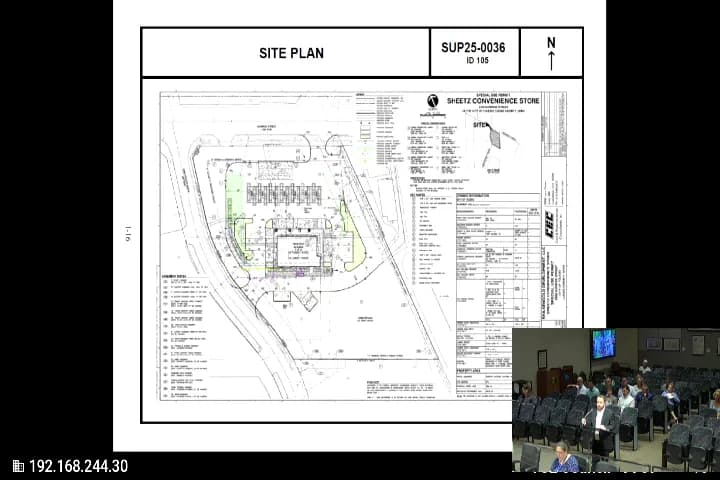
The Toledo Zoning and Planning Committee met on June 17, 2026, at 9:00 AM to consider eight zoning and planning cases, a native plant study, and updates on ongoing zoning initiatives. Chairperson set parameters for public testimony at three minutes per speaker. The committee voted on all action items, with referrals to full City Council scheduled for June 23, 2026. Cases 1–3: Companion Cases – 1322 Burnanth Parkway - Proposals: (1) Special use permit (SUP 25-0049) for gasoline/fuel sales; (2) Removal of Lot 1 from the Tiburne Plat 1 community unit plan (PUD 26-0005); (3) Zone change from RM12 (multi-dwelling residential) to CN (neighborhood commercial) (Z25-0038). - Plan Commission Recommendations: Staff recommended approval of the SUP with 46 conditions and two waivers; Plan Commission voted 3-2 to disapprove the SUP but approved the other two cases. The hours-restriction waiver (condition 28) was approved 3-2. - Applicant’s Position: Attorney Gene Abercrombie (representing RCP Development) argued the site is a blighted former TGI Fridays (vacant, vandalized) and that a $5 million investment would revitalize the corridor. He stated the property has been on the market for three years with no restaurant interest, and the highest and best use is a gas station/car wash. - Public Testimony: Lisa Cunningham (5529 Bentwood Drive) opposed, stating she did not receive a neighborhood meeting notice, cited 12 gas stations within 3.5 miles (including 4 Speedways), and questioned the need for a fifth. Terry Veselka (1155 Burnanth Parkway) also opposed citing lack of notice and traffic concerns. Councilman Martinez noted significant resident opposition via calls/emails. - Committee Action: Councilman Martinez moved to disapprove the SUP and the two waivers (setback, commercial access restriction) but to approve Cases 2 and 3. Motion carried without objection. The matter will go to full City Council on June 23, 2026. Case 4: 802 & 806 Nebraska Avenue – Zone Change to RM-36 - Proposal: Zone change from CR (regional commercial) to RM-36 (multifamily residential) to permit a group home for mentally ill adults. - Applicant: Corey Savage (Savage Residential Care) stated he is working with Unison’s left center and the property is three minutes from the Zef Center; the group home will house five men. - Planning Commission: Recommended approval. - Committee Action: Council President Williams recommended approval. No objections. So ordered. Case 5: West Central Avenue & C Core Road – Zone Change to CR-SO - Proposal: Zone change from CR to CR-SO (sign control overlay) to allow a multi-tenant sign for the new Trader Joe’s development. Applicant was not present. - Planning Commission: Recommended approval subject to one condition requiring submission of sign permits. - Committee Action: Councilmember Melvin recommended approval, noting the sign will resemble the existing sign across the street. No objections. So ordered. Case 6: Vacation of Jefferson Avenue - Proposal: Vacation of a portion of Jefferson Avenue between Water Street and the Maumee River to create marketable title for Metro Parks. - Applicant: Haley Kennedy stated the segment has been closed for some time. - Planning Commission: Recommended approval subject to seven conditions. - Committee Action: Council President Williams recommended approval. No objections. So ordered. Case 7: 5303 West Bancroft Street – Special Use Permit for Gas/Fuel Sales - Proposal: Special use permit (SUP 26-0008) to reopen a former service station as a convenience store with gas sales; hours 6 AM to 10 PM. - Applicant: Kevin Brown (Scenic Architecture) said the station closed in 2020 and will be modernized. - Planning Commission: Recommended approval subject to 46 conditions; no opposition at hearing level. - Committee Action: Councilman Martinez recommended approval. No objections. So ordered. Case 8: 5305 & 5321 Monroe Street & 4700 Nantucket Drive – Special Use Permit for Gas/Fuel Sales (Sheetz) - Proposal: Special use permit for a Sheetz gas station and convenience store with 24-hour operation. Planning Commission made no recommendation (4-0 to forward without recommendation). The applicant sought removal of condition 30 (hours restriction requiring closure from 1 AM to 5:30 AM). - Applicant: Alex Swicky (Sheetz) described the brand, $9 million construction investment, 30–35 new jobs, $1.2 million annual wages per store, full kitchens, and extensive environmental safety measures. A traffic study showed acceptable intersection operation and no anticipated traffic increase. Sheetz agreed to restrict left-out onto Nantucket Drive. - Public Testimony: - Cheryl Baff (4408 Nantucket) opposed, citing Nantucket as a residential cut-through with no sidewalks, four gas stations within half a mile, and safety concerns. - Laura Dreheim (4525 Nantucket) opposed, stating the property previously housed active businesses and questioned the need for another mega gas station; she noted moratoriums in Troy and Kettering, Ohio. - Amber Quarter (4347 Old Lime Drive) opposed, citing increased traffic, speeding, and safety risks for pedestrians, cyclists, and children. - Jeff Mason (4802 South Bridge) opposed, citing negative employee reviews online and arguing the project is part of a “gas war” rather than beneficial development. - Property owners George Simon and Andrew Grumbacher spoke in support, emphasizing the reduction of curb cuts from 6 to 2 on Nantucket, a letter of support from Charter Senior Living, and that the site is farther from residences than many other 24-hour gas stations. - Traffic Expert: Gary Stooky (City of Toledo Traffic Management) testified that the traffic study found negligible impact; the access from Nantucket is needed for safe egress via the traffic signal. - Committee Action: Councilmember Melvin moved to approve the SUP and to remove condition 30 (allowing 24-hour operation). No objections. So ordered. The item will go to full City Council on June 23, 2026. Case 9: Study on Native Plants in Zoning Code - Presentation: Lisa Carter (Plan Commission staff) presented a study recommending amendments to Section 1108.0400 to encourage native plant use in new developments. Key changes: adapting the code to local climate and water availability, strongly preferring native plants and pollinators (based on USDA and ODNR lists), and requiring biodiversity in tree/shrub species to prevent blight (e.g., emerald ash borer, boxwood blight). An incentive already exists: native plant landscaping can waive irrigation requirements. - Discussion: Councilmembers Martinez, Gaddis, and Moline expressed support and suggested applying similar standards to city-owned boulevards and complete street projects. The University of Toledo capstone class is developing a decision tree and care guide. - Outcome: No vote required; the study will inform future code amendments. Cases 10 & 11: Updates and Moratorium - Updates: The zoning code update consultant contract will be signed soon; upcoming text amendments include sign code, certificates of appropriateness, composting facilities, and a healthy food overlay. - Moratorium: The committee is on track to complete the first set of local landmark designations before the moratorium expires. Key Outcomes - Cases 1–3: SUP denied; zone change and PUD removal approved; referred to full council. - Case 4: Zone change approved. - Case 5: Zone change to CR-SO approved. - Case 6: Vacation approved. - Case 7: SUP approved (with 46 conditions, including hours). - Case 8: SUP approved with condition 30 removed (24-hour operation permitted); 44 other conditions accepted. - Cases 9–11: Received as information; no action required.

ZONING AND PLANNING 81% · PROCEDURAL 5% · TRANSPORTATION SAFETY 5% · ECONOMIC DEVELOPMENT 4%
58
JUN 16, 2026 · TOLEDO, OHIO · CITY COUNCIL
Toledo City Council Meeting – June 16, 2026: Safety Zone Ordinance & Routine Business

The regular meeting of the Toledo City Council on June 16, 2026, was dominated by the first reading of a proposed ordinance creating special event safety zones in response to the recent Old West End Festival shooting and other teen takeovers. The mayor presented the ordinance as a first draft emphasizing prevention and parental accountability. Council members expressed broad support for action but raised detailed concerns about enforcement, due process, and youth inclusion. The council also debated the renewal of the Flock automatic license plate reader contract, eventually scheduling a committee hearing on June 22 and a vote on June 23. Numerous routine ordinances from public utilities, finance, transportation, and other departments were approved by consent. Consent Calendar - Items 1–7 (Public Utilities): Approved sewer repair contracts ($1.18M), continuation of Promise Pay collection services ($500K), boiler replacement at Collins Park ($125K), Reynolds area pump station improvements ($1.7M), aeration tank cleaning ($450K), amendment to solids handling boiler contract, and emergency contract for spent lime hauling ($750K). All received SEP (suspend the rules for immediate consideration). - Item 8 (Human Resources): Approved dependent audit contract with Part D Advisors Inc., expected savings of $500K–$1.4M. SEP. - Items 9–10 (Neighborhood Safety): Approved $69,556 for Hoodstock Foundation case management and conflict mediation, and $34,560 for youth workforce development (Mobility Aid lawn mowing program). SEP. - Item 11 (Community Services): Approved $25,000 for Junior Achievement fifth-year internship program. SEP. - Items 12–15 (Communications): Approved contracts for a public swag store (no city cost), streamlined internal merchandise purchasing ($50K), creation of employee engagement trust fund, and call recording services ($23,346). SEP. - Item 16 (Development): Approved $100,000 from City Center TIF for dynamic lighting under MLK Bridge at Maritime Plaza, matched by Metro Parks and Arts Commission. SEP. - Item 17 (Plan Commission): Approved $125,000 for consultant to prepare local landmark designations for 20 publicly owned sites. SEP. - Items 18–19 (Finance): Approved reappropriation of DIP program funds and $19,000 Ohio Municipal League dues. SEP. - Items 21–26 (Transportation): Approved lead service line replacement funding ($6M for 750 lines), traffic signal/sign upgrades ($250K), roadway departure safety project (design 2026, construction 2029), Laskey Bridge over Shiny Creek rehab (design 2026), bridge matches program ($4.6M), and snow/ice control study ($200K). All SEP. - Item 29 (Public Service): Approved $30,000 over three years to match a Levitt Foundation grant for free concerts in four parks. SEP. Discussion Items Special Event Safety Zones (Item 20 – moved up on agenda) - Mayor Kapszukiewicz presented the ordinance as a first draft, drawing from policies in Detroit, Atlanta, Fort Wayne, and Washington, D.C. He emphasized prevention over punishment, allowing police to create targeted safety zones at large events (e.g., July 4th) with rules against unaccompanied minors, coolers/backpacks, and providing authority for proactive crowd management. Parental accountability includes fines ($250–$500) and potential criminal penalties. - Council President Williams expressed general support but insisted on amendments to make designated zones more specific and avoid targeting certain groups. She agreed to move forward with SEP and amendments. - Councilman Martinez (District 2) strongly supported the ordinance, noting it could also apply to banquet halls. He offered to submit amendments. - Councilwoman Gaddis raised concerns about signage, notification to teenagers, and the scope: would block parties be included? The administration clarified zones would only apply to events with large crowds and specific intelligence of risk, not all permitted events. She also requested safety grants for organizers. - Councilman Meldon questioned the practical implementation: an officer could ask a 14-year-old with a backpack to leave the zone. He worried about conflating teen takeovers with planned events, and about the burden of proof falling on police. He suggested a separate law holding parents accountable citywide, but the mayor explained that targeted zones were chosen to avoid broad opposition. - Councilwoman Morris supported the step, asked administration to engage state/federal partners for overtime and address gun trafficking and unsecured weapons. - Councilwoman Comives asked what “reasonable public safety rules” meant, and raised the risk of simply moving young people to other downtown areas. She urged including the philanthropic community and youth voices. - Councilwoman Jones questioned verification of the required 25-year-old adult accompanying minors, noted household makeups (single mothers, grandparents), and warned against over‑policing. She suggested the ordinance sets expectations more than provides a perfect enforcement tool. - Councilman Serratto backed the ordinance, emphasizing parental accountability and the need for identification procedures. - Council President Williams asked about post-enforcement: have prosecutors and judges been consulted? The law department said civil violations don’t require court; criminal charges would require proof the parent recklessly abandoned the child. Councilman Driscoll questioned how often zones would be used; the administration didn’t have a firm list but cited the 4th of July as the immediate example. - Councilman Meldon noted the ordinance was drafted only 10 days after the incident and urged making sure children are not seen as the enemy. He suggested a notification timeframe for designated events. Flock License Plate Readers (Item 28) - Sergeant Pat Bergman proposed a one‑year, $14,000 contract amendment for portable ALPRs, waiving competition for system compatibility. - Council President Williams supported the tool for solving crimes, noting the original two‑year proposal was voted down; this shorter term is a compromise. - Councilwoman Gaddis asked for a committee hearing due to constituent privacy concerns. - Councilman Martinez supported Flock as a force multiplier and said he plans to introduce a school safety program using it. He acknowledged privacy concerns but favored swift passage. - Councilman Serratto cited positive uses for locating missing persons and rejected defunding the police. - Councilwoman Comives asked whether the item required reconsideration of the previous vote; the law department was asked to clarify. - Councilman Driscoll noted the contract doesn’t expire until early August, so time exists for a hearing before voting. - Chairman Hobbs (acting) moved to hold a committee hearing on Monday, June 22 at 4 p.m., with a vote on Tuesday, June 23. Council President Williams agreed. Transition of District Improvement Program (DIP) - Chief of Staff Lucy Frank presented an amendment transferring DIP management from Economic Development to City Council. The ordinance and companion finance item (already passed) clean up account codes and allow residents to suggest ideas online. Over 70 projects totaling $3.5 million have been completed since 2018. The transition is intended to increase clarity and access. SEP approved. Key Outcomes - Safety Zone Ordinance (Item 20): Council decided to move forward with SEP and will develop amendments. Final passage targeted before July 4, 2026. A working group may meet in the next two days. - Flock ALPR Contract (Item 28): Committee hearing scheduled for June 22, 2026, at 4 p.m.; full council vote set for June 23, 2026. - All consent items (1–19, 21–26, 29) passed by suspension of the rules (SEP). - DIP program transfer (new item): Approved by SEP. - Recognition resolutions: Recognized Dean Davis for a silver medal in a national mural competition (presented by Gaddis and Morris), recognized Dr. Tracks’ retirement (delayed for scheduling), and recognized July 2026 as Postpartum Month (resolution from Councilwoman Jones).

PUBLIC SAFETY 39% · WATER AND WASTEWATER MANAGEMENT 16% · YOUTH PROGRAMS 7% · ENGINEERING AND INFRASTRUCTURE 7%
59
JUN 15, 2026 · TOLEDO, OHIO · CITY COUNCIL
Toledo Board of Zoning Appeals Meeting – June 15, 2026

The Toledo Administrative Board of Zoning Appeals (BZA) met on June 15, 2026, at 10:00 AM (inferred from transcript) to hear six variance cases and handle one deferral. Due to lack of a quorum (only two members initially present, later joined by a third), the board proceeded to hear cases and vote, with decisions to be finalized administratively. The board largely followed planning commission recommendations provided in printed handouts. Consent Calendar - No consent calendar was presented. Public Comments & Testimony - Case BZA 826-501 (South Detroit Avenue): Scott, a resident of 1501 Lombard Avenue, spoke after the vote, expressing no objections after learning no access would be created onto Lombard Avenue from the proposed oil change facility. He noted safety concerns due to past traffic issues at the intersection. - Case BZA 26-16 (1607 Hamilton Street): Steven Ostra spoke in support of Johnny Jones, explaining the need for a garage on a double lot constrained by a mature tree’s root system. - Case BZA 26-18 (3243 134th Street): Caleb Seeger, the property owner, explained he needed additional garage space for multiple historic vehicles inherited from family members. Discussion Items - Quorum Issue & Procedure: Chair announced that with only two members present (later three, still short of four), they would hear cases and vote, with decisions to be approved administratively—a practice used in the past to avoid delays. Planning commission recommendations were distributed. - Case BZA 826-501 – 1502 Lombard Avenue (South Detroit Avenue): John Slater (attorney for Driven Brands) and engineer Ben McDaniel presented. Two area variances were requested for a two-bay oil change facility on a small triangular lot (about 0.5 acre) abutting three streets. The proposed building would be smaller than the existing vacant commercial building, reduce impervious surface, and close one access drive on Glendale Avenue. Planning commission recommended approval. The board voted 3-0 to recommend approval before a neighbor spoke; the decision was later affirmed as administratively approved. - Case BZA 26-15 – 4606 Rambo Lane: Richard McGranahan requested a variance to install a six-foot privacy fence in the secondary front yard of a corner lot with a pool. Planning commission recommended disapproval due to recent city council amendments allowing only 3.5-foot fences in front setbacks unless set back from the corner. Board suggested alternative placement, but McGranahan declined. Vote: 3-0 to deny. - Case BZA 26-16 – 1607 Hamilton Street: Johnny Jones requested a variance to set a detached garage 40 feet from the front property line (20-foot variance from 60-foot requirement) on a double lot to avoid a mature tree’s root system. Planning commission recommended approval with a condition that a compliant driveway be installed within one year. Board voted 3-0 to approve with that condition. - Case BZA 26-17 – 2500 Collingwood Avenue: David Munger (architect, Diocese of Toledo) requested variances for a six-foot wrought iron fence and a sign exceeding height limits for a new pastoral center. The goal was to match existing signage and fence piers on the campus across the street. Planning commission recommended approval. Board voted 3-0 to approve. - Case BZA 26-18 – 3243 134th Street: Caleb Seeger requested variances to build a second garage exceeding side size limits and front yard setback, and to have six parking spaces total (max four). Property is a corner lot on a peninsula-like end of the street. Planning commission recommended approval. Board voted 3-0 to approve. - Case BZA 26-19 – 406 Northwestwood Drive: A representative from AJS Byron Group requested a variance for a six-foot privacy fence around an exterior seating area in the front yard setback (zoned commercial, adjacent to residences). Planning commission recommended disapproval due to expansion of a deck/patio without addressing prior parking commitments and unresolved outdoor patio permit from transportation. Board voted 3-0 to deny, instructing the applicant to work with planning staff. - Deferred Case (BZA 26-20? – address not read): The final case was deferred due to lack of information (sign base not compliant with zoning code). Applicant had been notified by email three weeks prior. The board stated the variance cannot be heard until a compliant base is provided. Key Outcomes - Case 826-501 (South Detroit Avenue): Approved (3-0), administratively upheld. - Case 26-15 (Rambo Lane): Denied (3-0). - Case 26-16 (Hamilton Street): Approved (3-0) with condition to install compliant driveway within one year. - Case 26-17 (Collingwood Avenue): Approved (3-0). - Case 26-18 (134th Street): Approved (3-0). - Case 26-19 (Northwestwood Drive): Denied (3-0). - Deferred Case: Continued until applicant provides a compliant sign base.

ZONING AND PLANNING 84% · PROCEDURAL 14% · PUBLIC SAFETY 2%
60
JUN 11, 2026 · TOLEDO, OHIO · CITY COUNCIL
Toledo City Plan Commission Meeting - June 11, 2026

The Toledo City Plan Commission held a regularly scheduled meeting on June 11, 2026, at 7:00 PM. The commission approved minutes, granted a deferral, and heard five cases involving special use permits and zone changes. Voting on individual waivers and overall cases took place, with several matters forwarded to City Council. Consent Calendar - Minutes Approval: The minutes from March 12, 2026, and May 14, 2026, were approved unanimously. - Deferral: Case M1525 (tax amendment for post-environmental change certificates of appropriateness) was deferred for 30 days to the July 2026 agenda at the commission's own request. That case will not be heard until next month. Public Comments & Testimony - Case SUP 26-0015 (Cemetery at 722 East Bancroft Street): - Wanda Love, president of the Warren Sherman area council, stated she had not taken a stand for or against the cemetery but relayed community concerns. She requested a second neighborhood meeting to clarify the burial process and noted that some community members were considering a petition against the cemetery. She expressed offense at characterizations of the neighborhood as blighted. - Pastor Charles Walden, a member of the Warren Sherman area council, initially had concerns about groundwater contamination but changed his position after learning about the Islamic burial process. He expressed support for the cemetery, citing the mosque's community services and his own Native American heritage. - Case Z 26-0008 (Zone change for Toledo Animal Rescue at 640 Wyman Street): - Lanny May, a resident since the early 1970s, opposed the zone change to CN Neighborhood Commercial. He cited concerns about increased truck traffic, poor road conditions, and the potential for future incompatible uses if the animal shelter relocates. He noted that the facility's current operations (dogs dropped off) have changed over time. - Case SUP 26-0011 (Scrap and salvage facility at 4103 Lagrange Street): - No public speakers appeared, but the commission received five phone calls: one general inquiry and four expressing environmental concerns, including vibrations from operations reported by a neighbor. Discussion Items - Case SUP 26-0015 – Special Use Permit for a New Cemetery: - The applicant, Ibrahim Abdul Rahim (spiritual advisor of Toledo Masjid of Aldasma), presented the request. He explained the mosque is a historic landmark and aims to provide dignified burials consistent with green burial practices (no embalming, simple cloth, burial within 24 hours). He addressed environmental concerns, noting embalming is not required by law and that the health department had no objection. A neighborhood meeting was held on June 6, 2026, with about 20 mosque members and 4–5 neighborhood representatives. The applicant agreed to a decorative fence as a 13th condition of approval. - Case Z 26-0009 – Zone Change for Compassion at Calvary Church: - Applicant Lynn Thomas requested the zone change from CO Office commercial and RS6 to RS6 to allow a new electronic sign (half electronic) for the combined congregation. The sign was already ordered and non-refundable. The change also corrects a split-zone issue. A variance for sign square footage will be needed from another body. - Case Z 26-0010 – Zone Change for a Single-Family Dwelling at 5860 Seacor Road: - Applicant Stephen Heaney explained the property was originally a house and is best suited as a home. He wants to sell it, and the zone change would align with its use. - Case Z 26-0008 – Zone Change for Toledo Animal Rescue: - Applicant Steve Keesling (director) requested a zone change to CN Neighborhood Commercial to expand the existing shelter by 2,300–2,400 square feet (building currently 3,600 sq ft). The current RS12 zoning only allows a 10% expansion. Staff recommended disapproval, noting inconsistency with the Ford Toledo plan and incompatibility with the residential neighborhood. The applicant argued the expansion is needed to increase capacity and improve animal welfare, and that the facility has been a stable presence for 96 years. Commissioners expressed concern that CR zoning would allow other commercial uses in the future. The applicant confirmed he had not explored purchasing adjacent vacant land fronting Burn Road. - Case SUP 26-0011 – Special Use Permit for Scrap and Salvage Facility: - The applicant (Troy Barman, representing RM Recycling) requested amendments to an existing special use permit, including a new cold storage building, storage of empty trailers on a southern lot, and several waivers. The commission addressed each waiver: - Waiver A (scrap operations within 100 feet of Detroit Avenue): Approved with condition that scrap piles not exceed fence height. - Waiver B (scrap operations within 100 feet of residential area): The commission voted 4-0 to remove condition 31 (scrap not visible from residential streets), then approved the waiver 3-1, contingent on extending the type A landscape buffer (10-foot strip with trees and 8-foot fence) along all residential boundaries. - Waiver C (parking north of building within 30 feet of right-of-way): Disapproved 4-0; the five parking spaces must be moved or eliminated. - Waiver D (dirt/gravel surfaces north of railroad tracks): Approved unanimously. - Waiver E (asphalt grinding surface for southern trailer storage lot): Disapproved 3-1; transportation department typically requires paving. - Items 16/17 (sewer inspection requirements): No motion to remove; conditions remain. - Item 40 (pole sign update): The commission cannot waive this condition under current code; applicant may seek a monument sign with a height variance from the BZA. Key Outcomes - Case SUP 26-0015 (Cemetery): Approved unanimously with 13 conditions, including decorative fencing. Will appear before City Council on July 15, 2026, at 4:00 PM. - Case Z 26-0009 (Zone change – Church): Approved unanimously. To go to City Council on July 15, 2026. - Case Z 26-0010 (Zone change – Seacor Road): Approved unanimously. To go to City Council on July 15, 2026. - Case Z 26-0008 (Zone change – Toledo Animal Rescue): Disapproved unanimously (affirmative vote for disapproval). The decision will be forwarded to City Council on July 15, 2026. The shelter may continue operating as a legal non-conforming use but cannot expand under current zoning. - Case SUP 26-0011 (Scrap and salvage facility): Approved as amended (with waivers as voted) by a vote of 3-1 (one commissioner opposed on final vote). The case will be forwarded to City Council on July 15, 2026, with the commission's recommendations on each waiver.

ZONING AND PLANNING 87% · PROCEDURAL 6% · COMMUNITY ENGAGEMENT 4% · ENGINEERING AND INFRASTRUCTURE 2%
OPENPUBLICA · PUBLIC MEETING INDEXUPDATED DAILY · openpublica.com