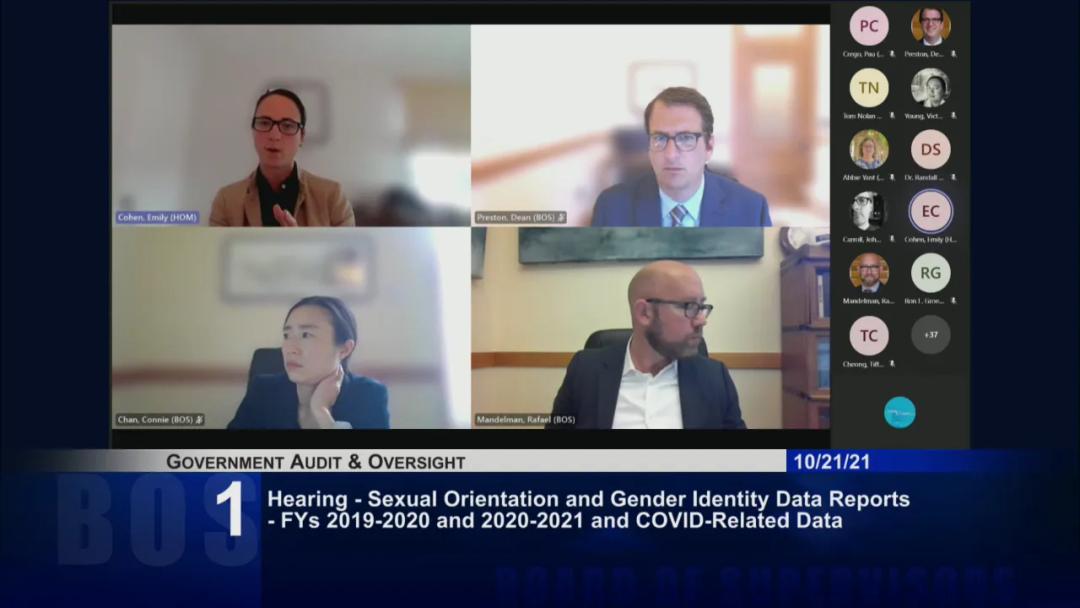
The Government Audit and Oversight Committee of the San Francisco Board of Supervisors met on October 21, 2021, chaired by Supervisor Dean Preston, with Vice Chair Connie Chan and member Supervisor Rafael Mandelman. The committee heard two major hearings: one on the city's collection of Sexual Orientation and Gender Identity (SOGI) data for fiscal years 2019-2021 and COVID-related data, and another on Kaiser Permanente's behavioral health services. The committee also approved annual reports for the Union Square Business Improvement District and the Fisherman's Wharf Community Benefit District, and a settlement of an unlitigated claim. Public Comments & Testimony - SOGI Hearing: No public comments were received. - Kaiser Hearing: Two callers provided public comment. One speaker (Mr. DeCosta) criticized the use of stimulus funds and urged a task force for mental health. Another speaker (Josephine Rodville) shared personal and friend's stories of long waits for Kaiser mental health care, including 63 days to start therapy and denial of referrals due to "too severe" symptoms. - Union Square BID and Fisherman's Wharf CBD: No public comments were received. Discussion Items Hearing on SOGI Data Reports (FYs 2019-2020 and 2020-2021) Supervisor Mandelman introduced the hearing, noting that this was the third such hearing. Presentations were given by: - Pal Crago (acting director, Office of Transgender Initiatives) – outlined successes (improved data collection, use for action) and challenges (decentralized data, outdated standards, workforce capacity, limited community input). Recommended a coordinated approach to update SOGI standards. - Emily Cohen (Deputy Director, Department of Homelessness and Supportive Housing) – reported that 14-15% of households served identify as LGBTQ; 2% transgender, 3% gender nonconforming. Highlighted progress in data systems and targeted programs (e.g., SIP hotels, LGBTQ floors, youth navigation center). Acknowledged gaps in serving trans men and trans women. - Dr. Blake Gregory (substituting for Dr. Ayana Bennett, DPH) – reported SOGI data collection rates plateaued at 40% in primary care, down from 60% pre-pandemic due to EHR transition and COVID-19. DPH data showed disparities in COVID-19 positivity and vaccination rates for trans male patients. - Gloria Wu (MOHCD) – reported about 13% of clients identify as LGBTQ; 1.4% as transgender or gender nonconforming. Noted 12 LGBTQ-focused projects funded in FY2020. Data collection completeness declined from 85% to 74% in FY2020, partly due to pandemic. - Wally Abrazaldo (DCYF) – presented data on transitional age youth: 8% bisexual, 8% gay/lesbian, 6% transgender. Challenges from pandemic included reduced reporting and staff turnover. DCYF reinstated youth survey requirement. - Susie Smith (HSA and DAS) – reported on multiple programs, with 11 different data systems. Highlighted a mental health study of LGBTQ+ older adults: nearly 8% had seriously considered suicide, and depression symptoms tripled during COVID. HSA allocated $55,000 in gift cards for food through Give2SF. Discussion focused on gaps in serving trans individuals, especially in MOHCD and HSH, and the need for a working group to improve SOGI data collection across departments. Hearing on Kaiser Permanente Behavioral Health Services Supervisor Chan introduced the hearing, noting the pandemic's exacerbation of mental health needs. Presentations: - Abby Yant (Executive Director, San Francisco Health Service System) – presented key findings: variable data reporting, workforce shortage, and system transformation. Showed that for HSS's book of business, urgent care access (within 48 hours) was met 77% of the time, non-urgent (10 business days) 91% of the time. Emphasized the need for better data on member experience. - Kaiser Permanente Team (Ron Groper, Kate Ferrante, Leanne Jones, Dr. Maria Koshi) – reported that Kaiser meets California regulatory standards for first appointments over 90% of the time. Hired 600 therapists in California from 2016-2020; on track to double hiring in San Francisco. Noted that 90% of behavioral health visits are now virtual. Claimed 98.7% of urgent and 96.2% of non-urgent appointments met DMHC standards. Internal follow-up access met 84% of the time. Discussed collaborative care and digital tools. - Alana Marcucci Morris (therapist, Kaiser call center) – testified that initial assessments are only 30-minute intakes; actual therapy appointments often have 3-month waits. Criticized the 84% metric as a template artifact, not true clinical need. Stated workforce retention is a problem due to burnout. - Jeffrey Chen Harding (LCSW, Kaiser San Francisco) – provided specific wait times as of October 15, 2021: secondary intake for general track was 3 months away, for mild-moderate track over a month, for moderate-severe over 2 months. Described pressure to document unrealistic follow-up times. - Cynthia Gomez (Kaiser patient) – shared her experience of paying out-of-pocket for therapy despite having Kaiser insurance, and never receiving regular individual therapy through Kaiser. Discussion focused on the disconnect between Kaiser's reported metrics and patient/clinician experiences. Supervisor Preston pressed for clarity on follow-up wait times; Kaiser stated no standard exists beyond the treatment plan. Supervisor Mandelman noted the two conflicting narratives. The hearing was continued to the call of the chair. Union Square Business Improvement District Annual Report (FY 2019-2020) Chris Corgas (OEWD) and Karen Flood (outgoing executive director) presented. The district has a $6 million budget, 73% on clean and safe services. Met all financial benchmarks. Renewed for 10 years in 2019. During COVID, pivoted to meal donations, surveys, and economic recovery task force. Marissa Rodriguez introduced as new executive director. The resolution was approved unanimously. Fisherman's Wharf Community Benefit District Annual Report (FY 2019-2020) Chris Corgas and Randall Scott (executive director) presented. The district includes both a landside (property-based) and portside (business-based) component. Both met benchmarks. The portside district sunset at the end of 2020 due to lack of renewal support. The district continued operations during COVID, assisted with PPE distribution, and maintained security. An affiliate program was created for former portside members. The resolution was approved unanimously. Settlement of Unlitigated Claim – Sandeep Lal ($59,000) The committee approved a settlement of $59,000 for an employment dispute without convening closed session. The resolution was forwarded as a committee report to the full board. Key Outcomes - SOGI Hearing: Filed (motion passed 3-0). Supervisor Mandelman committed to forming a working group to improve SOGI data collection. - Kaiser Hearing: Continued to the call of the chair (motion passed 3-0). Supervisor Chan committed to working with HSS to increase data transparency and accountability from all health plans. - Union Square BID Annual Report: Recommended to the full Board of Supervisors with positive recommendation (motion passed 3-0). - Fisherman's Wharf CBD Annual Report: Recommended to the full Board of Supervisors with positive recommendation (motion passed 3-0). - Settlement of Claim: Recommended as a committee report to the full Board of Supervisors (motion passed 3-0).
Public Meetings - San Francisco, California
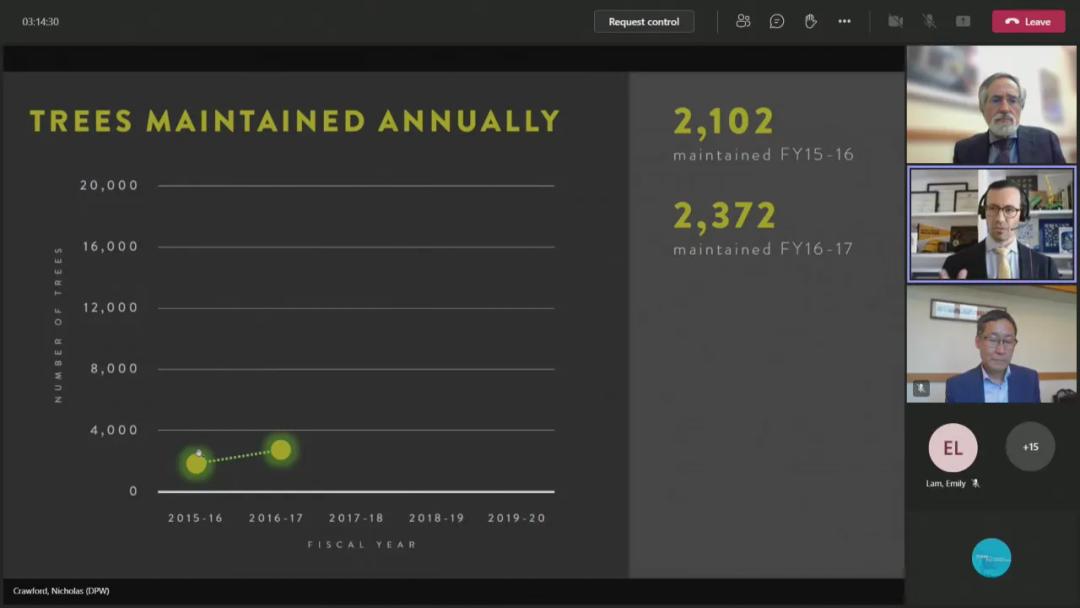
Public Meetings - San Francisco, CaliforniaThis meeting of the Public Safety and Neighborhood Services Committee, chaired by Supervisor Gordon Maher, included Vice Chair Catherine Stefani, Supervisor Matt Haney, and later Supervisor Aaron Peskin for the second item. The committee discussed two major agenda items: a resolution to declare a local emergency on the overdose crisis and support the immediate implementation of overdose prevention sites, and a hearing on the city's urban canopy and street tree maintenance plans. Public Comments & Testimony - Item 1 (Overdose Crisis Resolution): Fourteen public commenters spoke in support of the resolution and immediate implementation of overdose prevention sites. Speakers included Eric Aguleo (Glide), Dr. Amber Gotham (UCSF pediatrician), Michael Rupe (HIV Advocacy Network), Seth Cass, Soma (Sidewalk Project), Zach Lifton (District 6 resident), Gulaire Mousse (Glide), Michael Lupso, Noxville Rama (Treatment on Demand Coalition), Eliana Binder (GLIDE), Wesley Saver (Glide), Calder Lorenz (Gubio Project), Curtis Bradford (Tenderloin People's Congress), Lydia Branson (Gubio Project), Nick Derenzi (Critical Resistance), John Holly Fox (SF AIDS Foundation), Cesar Espinoza, Dr. Leslie Soon (SF General Hospital), Philip Lasseter (SF AIDS Foundation), Mary Kate Bakalau (Compass Family Services), Xander Mora (San Francisco Community Health Center), and Jam (SF AIDS Foundation). Many cited personal experiences, statistics (over 400 deaths Jan-July 2021, 700+ in 2020, 60% involving fentanyl), and argued that safe consumption sites save lives, reduce crime, and save money. One caller, Tom Wolfe, expressed support for sites but emphasized the need to address drug availability. Cesar Espinoza described experiencing government violence and urged action. - Item 2 (Urban Canopy Hearing): Public commenters included Lance Carnes, who presented a tree watering audit showing only 28% of 72 trees were watered, and criticized the city's planting and watering practices. Sarah Jones (FUF board member) spoke on equity and climate resilience. Anonymous caller raised concerns about property owner responsibilities and fragmented funding. Josh Clip (FUF volunteer) cited the Bureau of Budget and Legislative Analyst's report calling the program an objective failure. Catherine Howard (Outer Sunset) described trees dying from lack of water and criticized the Better Market Street plan. Kindra Sherrick (Mission Verde) highlighted the success of the 24th Street community watering program. Discussion Items - Item 1: Resolution Urging Declaration of Local Emergency on Overdose Crisis and Supporting Overdose Prevention Sites (File 210946) - Supervisor Haney presented the resolution, noting that over 400 people died from overdoses from January to July 2021, and over 700 in 2020. He stated that fentanyl accounted for nearly 60% of overdose deaths and that safe consumption sites are proven to prevent deaths, reduce disease, and link people to treatment. He introduced an amendment to strike lines 5-6 on page 4, changing the final resolve clause to read: "further resolved that the San Francisco Board of Supervisors will support the mayor by concurring with a mayoral proclamation of emergency on the overdose crisis." The amendment was deemed non-substantive by the city attorney. - Presentations: Laura Thomas (SF AIDS Foundation) provided policy context, noting that SB 57 is stalled and that the city has legal authority to act. Alex Kral (RTI International) presented research showing that in the first five years of a safe consumption site in the U.S., 33 overdoses were reversed with no deaths, users had 54% fewer emergency department visits, 32% fewer hospitalizations, and crime decreased in the surrounding area. He estimated net savings of $3.5 million per site per year. Daniela Walkie and Paul Harkin (Safer Inside Coalition) emphasized the urgency, noting that 2,000 San Franciscans have died since the task force recommendations in 2017, and that no overdose deaths have ever occurred at a safe consumption site worldwide. - Vice Chair Stefani expressed support but raised concerns about open-air drug dealing and the need for a comprehensive approach that addresses the drug supply. She asked about the location of overdose deaths (mostly in the Tenderloin streets) and stressed protecting all users, including those who use alone. Supervisor Haney acknowledged her leadership and agreed to follow up with data. - Vote: A motion to excuse Supervisor Haney passed. The committee then voted to accept the amendment (2-0, with Stefani and Maher in favor) and to recommend the amended resolution to the full Board of Supervisors with a positive recommendation (2-0). - Item 2: Hearing on San Francisco Urban Canopy and Street Tree Maintenance Plan Updates (File 211018) - Supervisor Peskin, sponsor of the hearing, introduced the item, noting that San Francisco's tree canopy is 13.7%, below the national average, and that the city's Urban Forest Plan aims for 25% by 2034. He emphasized the need for equity and transparency. - Presentations: - Brian Wiedenmeyer (Executive Director, Friends of the Urban Forest): FUF planted 1,100 trees in the last fiscal year and over 5,000 since Prop E passed in 2016. He noted that watering is a challenge and that FUF currently waters 500 trees per week, but there is a gap. He stressed the need for $2,000 per tree to plant and water for three years. - Denny Kern (Deputy Director for Operations, Rec & Parks): Rec & Parks manages 131,000 trees on parkland with a staff of 34. They have a goal of a 15-year tree management cycle but are currently mostly reactive. They use a 2-for-1 replacement ratio for removed trees. They are working on a database tool to improve tracking, expected by end of 2022. - Emily Lan (Acting Deputy Assistant General Manager, SFPUC): The PUC has about 4,000 trees, half at Lake Merced maintained by Rec & Parks. They water newly planted trees only, and some trees are removed for dam safety compliance. - Nicholas Crawford (Acting Superintendent, Bureau of Urban Forestry, DPW): DPW now manages all 125,000 street trees under Street Tree SF. They have pruned 54,409 trees, removed 6,852, and repaired 535,000 square feet of sidewalk. They are using a "worst-first" approach but now aim to address equity. The 2014 Urban Forest Plan called for 155,000 street trees by 2034, but progress is slow. He noted that Prop K funding (1.4% of transportation authority budget) is at risk of being cut. He presented a planting strategy document and highlighted the need for $8 million per year to plant 4,000 trees (2,500 replacement, 1,500 new). He also mentioned the 24th Street case study where community group Mission Verde waters 145 trees weekly. - Supervisor Peskin noted that the Budget and Legislative Analyst issued a report with nine recommendations, one of which is for the Board to review street tree planting funding. He raised questions about tree mortality, watering gaps, and the need for clear metrics. Supervisor Safai discussed his legislation on increasing penalties for illegal tree removal and requiring tree replacement for city projects. - The hearing was continued to the call of the chair to allow for further discussion and the BLA report presentation. Key Outcomes - Item 1 (Resolution 210946): The resolution was amended and recommended to the full Board of Supervisors with a positive recommendation. The vote was 2-0 (Supervisors Stefani and Maher in favor). - Item 2 (Hearing 211018): The hearing was continued to the call of the chair. No action was taken, but the committee will revisit the topic to discuss the BLA report and potential policy changes.
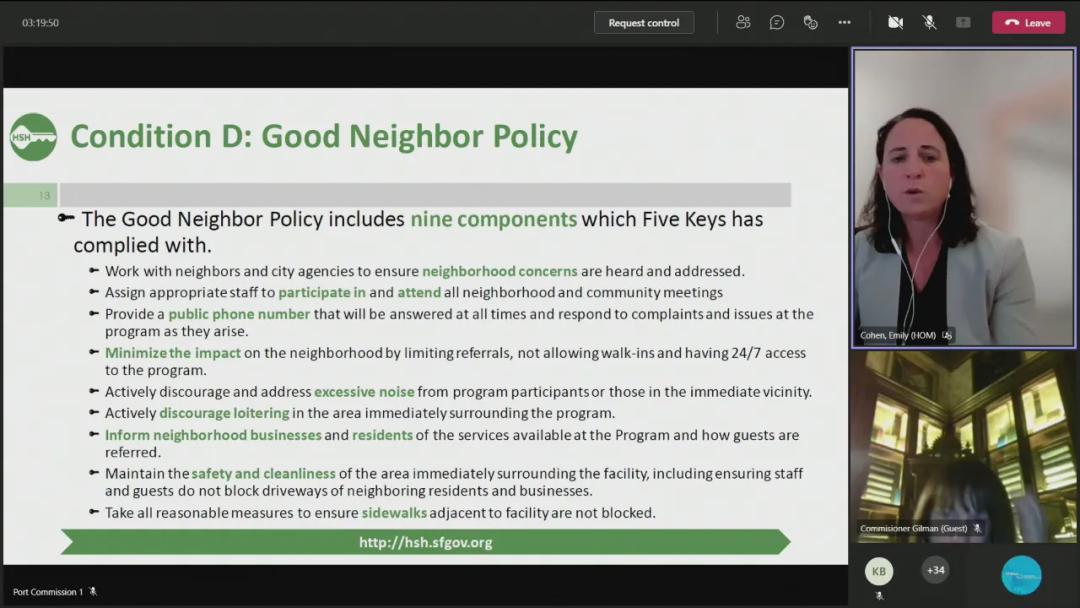
The San Francisco Port Commission met on Tuesday, October 12, 2021, at 2:01 PM via teleconference. The meeting covered economic recovery updates, approval of consent items, an informational update on Embarcadero promenade conflicts, a presentation on the Embarcadero SAFE Navigation Center extension, and approval of a new cost-sharing agreement with the US Army Corps of Engineers for a waterfront flood study. Commissioners heard public testimony on the Navigation Center and discussed potential regulatory changes for bicycles on the promenade. Consent Calendar - Resolution 2139: Adopted a Competitive Selection Process Communications Policy to support integrity in port contract selection. - Resolution 2140: Authorized a contract with Deloitte & Touche LLP for implementing Government Accounting Standards Board Statement Number 87, not to exceed $200,000. - Resolution 2141: Approved a 2-year lease with rent credits between the Port and Silverado Contractors, Inc. for a vacant area of Pier 70 Shipyard. - Resolution 2142: Adopted findings under state urgency legislation to allow remote meetings during the COVID-19 emergency for 30 days, with direction to agendize a similar resolution within 30 days. All consent items were approved unanimously. Public Comments & Testimony - Alice Rogers, Vice Chair of the Embarcadero SAFE Navigation Center advisory group, stated that the center had satisfied basic metrics and requested approval of the 2-year extension, noting improved communication tools. - Megan Fallon, site director from Five Keys, expressed appreciation for the community's welcome and the positive impact on guests. - Mayan W., a resident of the Navigation Center, shared gratitude for the services that provided safety and guidance after 15–20 years of homelessness. - Rick Dickerson, co-chair of the advisory group, highlighted successful problem-solving and urged a phased ramp-up to full occupancy. - Joanna Schober, another resident, reported losing 38 pounds and lowering blood pressure while working three part-time jobs, crediting the center. No public comments were made on other agenda items. Discussion Items - Executive Director's Report: Director Elaine Forbes reported significant economic recovery milestones: - Return of cruise ships (21 calls through 2021, 126 in 2022) with 95%+ vaccination requirements and CDC compliance. - Fleet Week in San Francisco was the only in-person event in the U.S., attracting over 1 million visitors. - San Francisco Giants playoff games and Warriors preseason boosted waterfront activity. - Port is addressing tenant rent relief, including admitting Baudine's flagship and Chowder Hut into the Base Rent Relief Program with a 10% late penalty. - Port launched a new website on October 13, 2021, and celebrated Filipino American History Month. - Commissioner Burton praised Forbes for her five-year anniversary. - Item 11A – Embarcadero Promenade Conflicts (Informational): Port staff and SFMTA presented a plan to address conflicts between pedestrians and cyclists/scooters on the Embarcadero promenade. The Central Embarcadero Quick Build Project (approved August 2021) will install a protected bikeway between Mission and Broadway, signage, and a public education campaign. Data collection and user surveys will evaluate effectiveness. Commissioners strongly advocated for prohibiting bicycles and scooters on the promenade, especially in high-traffic areas. Director Forbes noted that a blanket ban may be unsafe where protected bike lanes don't exist, but staff will return with options. Commissioners requested broader survey outreach including tourists, businesses, and neighborhood groups. - Item 12A – Embarcadero SAFE Navigation Center Extension (Informational): HSH and Port staff presented compliance with option exercise conditions for a 24-month extension. Key achievements since December 2019: - 90% decrease (from 179 to 18) in unsheltered homelessness in the outreach zone. - 77% decrease in unsheltered individuals camping since opening. - 483 guests served; currently 91 beds due to COVID-19 social distancing. - SFPD assigned 4 dedicated beat officers daily (11am-9pm); crime statistics consistent with citywide trends. - Five Keys provided cleaning 3-5 times daily and a public text line; 95% response rate. - Monthly dashboards and quarterly advisory group meetings with glossary improved transparency. The advisory group expressed broad consensus that conditions were met, with recommendations for continued improvement. Commissioners praised the center as a model, noting low crime and clean surroundings. They approved the extension to be voted on October 26, 2021. - Item 13A – Army Corps Waterfront Flood Study (Action): Kelly Capone requested approval of a new feasibility cost-sharing agreement with the US Army Corps of Engineers. The study covers 7.5 miles of waterfront. Original 2018 agreement ($3M) was amended to $6M; new agreement adds $10M (total $16M) and 4 years 2 months (total 86 months), with 50-50 cost share (port contributes $8M). A waiver is pending approval by the Assistant Secretary of the Army. Port will fund Army Corps via accelerated funds clause. Commissioners unanimously supported the resolution. Key Outcomes - Consent Calendar: Resolutions 2139-2142 adopted unanimously. - Embarcadero Promenade: No formal vote; commissioners directed staff to consider code changes to prohibit bicycles where protected bike lanes exist, with a broader survey and return to commission in spring 2022. - SAFE Navigation Center Extension: Commission expressed support; formal vote scheduled for October 26, 2021. - Army Corps Flood Study: Resolution 2143 adopted unanimously, authorizing the Executive Director to enter the new cost-sharing agreement. - New Business: Commissioner Gilman requested future informational items on vendor right-sizing, ferry building vacancies, and port leasing strategy.
The San Francisco Public Utilities Commission (SFPUC) met on October 12, 2021, to elect new officers, receive updates on capital financing, water supply outlook, biosolids project, and employee vaccination status, and adopt findings to continue remote meetings. A key theme was the impact of state-ordered curtailments on water supply and the need for a health and safety exception or regained access to the water bank in Lake Don Pedro. Annual Election of Officers - The commission unanimously elected Commissioner Anson Moran as President and Commissioner Nisha Ajami as Vice President for a one-year term. Outgoing President Sophie Maxwell was thanked for her leadership. Approval of Minutes - Minutes of the September 17 special meeting and September 28 regular meeting were approved, with a correction noted for water use figures for the San Diego region. General Public Comment - David Pilpel urged the commission to take up Item 12 (remote meetings) early and thanked President Maxwell for her work. - Peter Dreckmeyer (Tuolumne River Trust) praised the board and referenced the Mono Lake settlement and unimpaired flow in the lower Tuolumne River (15% last year, 13% this year). - Alina Dupree expressed support for Clean Power SF and renewable energy programs. - Several speakers from the Peninsula criticized the College of San Mateo's cross-country events on the Crystal Springs watershed, citing increased scale (25 events, over 20,000 participants), lack of environmental review, and neighborhood impacts. They urged the commission to conduct an EIR and limit events. - A speaker questioned contract performance on the AWAS pump station project, noting cost growth from $17.9M to $22.7M and duration extension from 950 to 1,800 days. - David Pilpel raised concerns about staff departures and potential impacts of vaccine mandates on 24/7 operations. Communications - No commission questions. Public comment included support for the Citizens Advisory Committee resolution on the Racial Equity Plan. Bond Disclosure Responsibility Training - Deputy City Attorney Mark Blake and outside counsel Steve Spitz presented training on federal securities law obligations for bond issuances. Commissioners were reminded of their gatekeeper role, the importance of disclosure documents, and the need to voice concerns. The training was part of annual debt management procedures. Citizens Advisory Committee (CAC) Annual Update - CAC Chair Anita Eckman presented the committee's priorities, including equity, affordability programs, infrastructure accountability, water and power diversification, and green infrastructure. She highlighted the CAC's resolution supporting continued funding for the SFPUC Racial Equity Plan and Community Benefits. Commissioner Maxwell asked about ensuring funding and accountability. Commissioner Jami raised the need for cross-enterprise solutions. Commissioner Paulson thanked the committee and offered labor council resources. Report of the General Manager FY2021-22 Capital Financing Plan - Rich Morales presented the annual plan detailing 11 planned transactions, including renewal of bank credit facilities, sale of revenue notes and bonds, and a state revolving fund loan for the Mountain Tunnel project. The plan is non-action and provides forward visibility. Commissioners asked about debt service coverage ratios and the relationship between revenue and debt. Deputy CFO Charles Pearl noted that future bond disclosure documents will include five-year projections and that budget hearings in January will include a 10-year financial plan. Water Supply Outlook with State Board Curtailment Order - Assistant General Manager Steve Ritchie presented a stress test scenario assuming two more years of extreme drought (equivalent to 1976-77). Under current curtailments (affecting Tuolumne River diversions), deliverable storage would be exhausted by December 2023 even with a 10% reduction in use. A health and safety exception could add 270,000 acre-feet and allow the system to survive. The commission discussed the need to regain access to the water bank (360,000 acre-feet in Lake Don Pedro) and to declare a water supply emergency at the November 9 meeting. Commissioners requested additional analysis of deeper demand reductions (e.g., 25% savings) and a communication strategy, especially for wholesale customers and renters. Staff will report back in November. Southeast Biosolids Digester Facilities Project Update - Stephen Robinson and Alan Johansson reported on progress after pausing to re-evaluate delivery strategy. The team adopted a more collaborative approach with the CMGC (MWH Webcore joint venture), successfully bidding out work on Building 610 with results under estimate and exceeding LBE goals. They recommend continuing with a single CMGC contract rather than splitting into multiple design-bid-build contracts. Commissioner Paulson supported the approach; Commissioner Maxwell asked about schedule and commissioning plans and directed staff to address concerns about transparency and local hiring raised by public comment from Marinship Development. Staff will return with a strategy for community outreach and bid notification improvements. Employee Vaccination Status Report - Chief People Officer Justine Hinderleiter reported that as of the meeting morning, 10.5% of employees (about 235) were non-compliant (not fully vaccinated or not reported status). Data from September 30 showed disproportionate impacts on Black employees (especially Black females in exempt appointments) and on apprentices (27% potential reduction). The city mandate requires full vaccination by November 1; non-compliant employees face separation. The commission discussed targeted outreach, peer effects, and the risk of losing institutional knowledge. Staff are exploring emergency hiring provisions and an equity lens for replacements. Commissioner Harrington requested a post-compliance report on exemption patterns. Commissioners urged continued outreach at all levels. New Commission Business - None. Consent Calendar - Items 11a and 11b were removed from consent at public request and discussed individually. - 11a (Amendment to agreement with Aquatic Science Center): Approved 4-0. - 11b (Contract for sewer cleaning and inspection to Pipe and Plant Solutions, Inc.): Approved 4-0 after discussion of a bid protest that was denied. The commission also discussed the procedure for removing items from the consent calendar and directed staff to provide criteria guidance. Remote Meeting Findings - The commission adopted findings under state urgency legislation to continue remote meetings for 30 days, with a resolution to be included on the next agenda. The vote was 4-0. Key Outcomes - Anson Moran elected President, Nisha Ajami elected Vice President (unanimous). - Minutes approved (unanimous). - Capital Financing Plan received; no vote. - Water supply emergency declaration expected at November 9 meeting; staff to provide additional demand reduction analysis and communication plan. - Biosolids project to proceed with single CMGC; staff to report on local hiring and community transparency. - Vaccination compliance campaign to continue; equity concerns acknowledged. - Remote meeting findings adopted (4-0). - Consent items 11a and 11b approved (4-0 each). - Commission will provide guidance on consent calendar removal criteria.
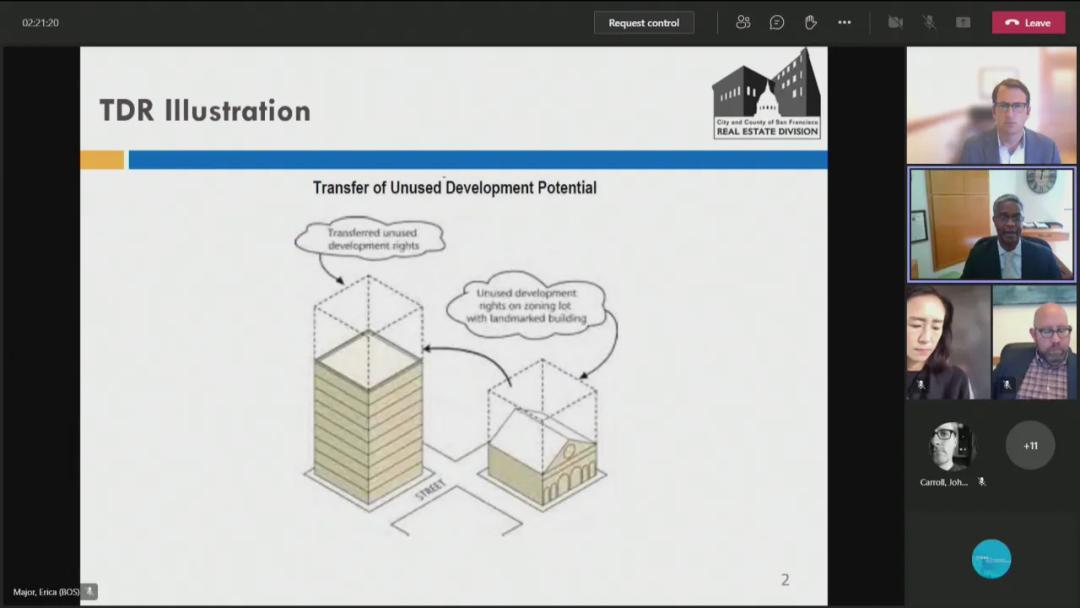
The Government Audit and Oversight Committee of the San Francisco Board of Supervisors met on October 7, 2021, at 6:15 PM UTC (rescheduled from morning). The committee considered three major items: a hearing and board response to the Civil Grand Jury report on the Van Ness Avenue BRT project, resolutions to amend the Treasure Island Infrastructure and Revitalization Financing District (IRFD), and authorization to sell Transferable Development Rights (TDR) from City Hall. The committee also convened in closed session to discuss 17 litigation settlement items. Public Comments & Testimony - Barry Toronto (public comment on Van Ness items): Expressed frustration with ongoing project management, stating the project is "still horribly managed" and questioning nighttime work and completion timeline. He urged the committee to seek more answers beyond staff responses. - David Pilpel (public comment on Van Ness items): Referred to prior comments, emphasizing the need for lessons learned on CMGC project delivery and interagency coordination. He suggested the Capital Planning Committee monitor the issue. - Mr. DeCosta (public comment on Van Ness items): Accused city officials of blaming contractors and called the project management inept, referencing the report and claiming hundreds of businesses were destroyed. - Mr. DeCosta (public comment on Treasure Island items): Expressed distrust of TIDA, referenced a 2020 needs assessment by Goodwin Consulting Group, and alleged that TIDA does not allow LBEs to get contracts. Discussion Items 1. Civil Grand Jury Report – Van Ness Avenue: What Lies Beneath (Items 1 & 2) - Supervisor Mandelman led the discussion, questioning SFMTA (Tom McGuire, Streets Director, and Peter Gabancho, project manager) about 14 findings in the grand jury report. Key exchanges: - Finding 1 (delays caused by avoidable water/sewer setbacks): MTA agreed that sewer and water delays had a big impact, but noted contractual responsibility disputes with the contractor. - Finding 3 (utility replacement risk known but considered moderate): MTA partially disagreed, stating the contractor was responsible for timely potholing and exploratory work. - Finding 7 (insufficient review of pre-construction deliverables): MTA acknowledged weaknesses but noted CMGC contracting is new and no standard process existed. - Finding 13 (lack of in-field point of contact): MTA wholly disagreed, stating a resident engineer was on-site daily; grand jury representative Simone Monganelli clarified that a dedicated liaison was added later. - Supervisor Mandelman proposed amendments to the board response, specifying agreements/disagreements for each finding and recommendations. The committee voted to adopt the amendments and send the resolution to the full Board with a positive recommendation. The hearing was continued to the call of the chair. 2. Treasure Island IRFD Amendments (Items 3 & 4) - Luke Brewer (Office of Public Finance) and Jamie Kruben (TIDA) presented. The resolutions initiate the process to amend the existing IRFD to correct project area boundaries, add authority to adjust boundaries without a full election (subject to board approval), correct a table excluding the county education portion, and allow elimination of special elections if state law changes. Public hearing was set for January 11, 2022, at 3:00 PM. Supervisor Chan asked clarifying questions about the amendments, ensuring they are administrative and do not change land use. The committee voted to amend the resolution to set the hearing date and then recommended both items to the full board. 3. City Hall Transferable Development Rights Sale (Item 5) - Enrico Pennick (Director of Real Estate) presented a resolution to authorize sale of up to 1.2 million gross square feet of TDR from City Hall at a starting price of $37.50 per square foot. Proceeds (estimated $41–50 million) would fund City Hall rehabilitation projects (roof/dome repair, stone/grout work, historic preservation). The pricing uses a dynamic model (slow/normal/hot markets) to maximize revenue. Nick Menard (BLA) recommended approval. The committee voted to recommend the item to the full board. Closed Session (Items 6–22) - The committee convened in closed session to discuss 17 ordinances settling attorney fee claims and lawsuits. No public comment was heard. Upon returning, the committee voted unanimously not to disclose the closed session discussions. Key Outcomes - Items 1 & 2 (Van Ness Grand Jury): The committee unanimously approved (3-0) amendments to the board response as proposed by Supervisor Mandelman. The resolution (as amended) was recommended to the full Board of Supervisors with a positive recommendation. The hearing (Item 1) was continued to the call of the chair. - Items 3 & 4 (Treasure Island IRFD): The committee unanimously approved an amendment to Item 3 to schedule the public hearing for January 11, 2022, at 3:00 PM. Both items were then recommended to the full board (3-0). - Item 5 (City Hall TDR): The committee unanimously recommended the resolution to the full Board of Supervisors (3-0). - Closed Session: The committee voted unanimously (3-0) not to disclose discussions.
Chair Supervisor Dean Preston convened the special meeting at 6:15 PM (UTC) with Vice Chair Connie Chan and Member Rafael Mandelman. The committee considered one ordinance (a memorandum of understanding with the Committee of Interns and Residents) and four civil grand jury reports, each with a corresponding board response resolution. The meeting lasted approximately three hours, with all votes taken unanimously (3-0). Consent Calendar - Item 1 – Ordinance Adopting Amendment No. 2 to the MOU with the Committee of Interns and Residents (SEIU): The ordinance extends the term by one year (through June 30, 2022), updates the Patient Care Fund provision (UCSF to provide $183,319; San Francisco General not funding this year), and removes obsolete language. Jonathan Wright (Department of Human Resources) presented. No public comment. The committee voted 3-0 to recommend the ordinance to the full Board of Supervisors for consideration on October 19, 2021. Public Comments & Testimony - Michael Hoffman (Foreperson, 2021–2022 Civil Grand Jury): Congratulated the previous grand jury on its work and thanked the committee for taking the reports seriously. - Monica Lyon (Higher Education Action Team): Sought to speak on the Living Wage report but was redirected to the correct agenda item; no further comments on that item. - David Bill Powell (public commenter): Expressed appreciation for the thoroughness of the civil grand jury reports and the city’s responses, noting that the MTA and PUC board responses were less defensive than staff drafts. Discussion Items - Items 2 & 3 – Continuity Report (Civil Grand Jury Report 210700/210701): Dr. Donna Horowitz (civil grand jury) presented the report, which found that 11% of required responses over three years were non-compliant due to missing timelines. Ashley Groffenberger (Mayor’s Office) responded, partially disagreeing with the finding because some timelines were implied or constrained by legislative/budget processes. Chair Preston then offered amendments to the resolution: agreeing with all three findings and stating that both recommendations have been implemented (as detailed in the mayor’s response). The committee voted 3-0 to amend, then 3-0 to recommend the resolution as a committee report to the Board of Supervisors for October 5, 2021, and 3-0 to file the hearing. - Items 4 & 5 – Strategic Alignment: Breaking Through to a Living Wage (210706/210707): Dr. Janet Mole Botani (civil grand jury) presented the report, emphasizing the need to align City College certificate programs with OEWD workforce training to help participants achieve living wages. Joshua Arce (OEWD) and John Halpin (City College) responded, noting ongoing partnerships (e.g., City Build, TechSF) and a new outreach specialist position. Chair Preston proposed detailed amendments to the resolution, including partially disagreeing with findings 1, 3, 5, and 7, agreeing with findings 4 and 6, and stating that recommendations 1, 3, 4, 5, 6, and 7 would not be implemented (or would be implemented in the future) for reasons including funding constraints, purview limitations, and alignment with existing processes. The committee voted 3-0 to amend, then 3-0 to recommend the resolution as a committee report for October 5, 2021, and 3-0 to continue the hearing to the call of the chair. - Items 6 & 7 – A Fluid Concern: San Francisco Must Improve Fuel Resilience (210704/210705): Alan Cohn and Nicholas Weininger (civil grand jury) presented the report, which found the city lacks a comprehensive fuel resilience plan and made 20 recommendations. Jennifer Johnston (Deputy City Administrator) responded, noting existing fuel working groups and progress. Vice Chair Chan proposed amendments to the resolution, including partially disagreeing with findings 3, 4, and 18 (citing purview and climate goals), agreeing with finding 19, and requiring further analysis on recommendation 9 (opposing a fueling station at the Southeast Treatment Plant due to environmental justice concerns). The committee voted 3-0 to amend, then 3-0 to recommend the resolution as a committee report for October 5, 2021, and 3-0 to continue the hearing to the call of the chair. - Items 8 & 9 – Van Ness Avenue: What Lies Beneath (210702/210703): Simone Manganelli (civil grand jury) presented the report, which found that avoidable underground utility issues, poor contractor accountability, and inadequate risk management caused the project to run 23% over budget ($281M to $346M) and more than 2.5 years behind schedule (from October 2019 to early 2022). Tom McGuire (SFMTA) and John Scarpulla (SFPUC) responded, highlighting lessons learned and improvements on later projects (e.g., Geary, L Taraval). Supervisor Mandelman noted ongoing litigation and proposed continuing the items to the next GAO meeting (October 7, 2021) to explore a potential closed session. The committee voted 3-0 to continue both items. Key Outcomes - Item 1: Recommended to full board (3-0). - Items 2–3: Resolution amended and recommended to full board; hearing filed (3-0). - Items 4–5: Resolution amended and recommended to full board; hearing continued to call of chair (3-0). - Items 6–7: Resolution amended and recommended to full board; hearing continued to call of chair (3-0). - Items 8–9: Continued to October 7, 2021 GAO meeting; potential closed session to be explored (3-0).
The San Francisco Public Utilities Commission (SFPUC) held a virtual meeting on September 28, 2021, presided by President Sophie Maxwell. The meeting covered a wide range of topics including budget and rate proposals, climate programs, drought conditions, audits, contract approvals, and the appointment of a new general manager. Key actions included approval of a revised CleanPowerSF rate-setting methodology, a battery storage contract amendment, an affordable housing interconnection agreement with PG&E, and the employment contract for new General Manager Dennis Herrera. Consent Calendar - Approved minutes of September 14, 2021 (5-0). - Approved item 9a (AECOM electrical engineering services) and item 9c (Ronan Construction work acceptance) (5-0). - Approved item 9b after severance from consent: a 365-day extension for the Auxiliary Water Supply System Pump Station No. 2 contract, bringing total duration to 1,800 consecutive days, with no cost change (5-0). Commissioners expressed concern over multiple modifications and presentation clarity. Public Comments & Testimony - General public comment: Francisca Constant urged the commission to address salmon deaths and release water to the Tuolumne River, warning of extinction. - Item 5 (Communications): David Pilpel thanked staff for reports and noted captioning issues. - Item 6 (BAWSCA): A caller criticized water leaks and lack of reporting on pipeline replacements. - Item 7a (Audit): A caller condemned the commission for ignoring past investigations and called for true accountability. - Item 7b (Budget): Two callers: one requested data sharing with universities for youth engagement; another (David Pilpel) asked that presentation slides be posted online for public access. - Item 9 (Consent): A caller urged severing item 9b; David Pilpel noted minor clerical issues; another alleged nepotism involving AECOM and ex-commissioner relatives. - Item 10 (GM Contract): David Pilpel recommended salary not exceed $270,000 and reduced severance; another caller criticized the process as preordained. - Item 12 (Project Pull): David Pilpel noted a typo; Mark Eifram, a program alumnus, spoke in strong support, emphasizing professional development and diversity. - Item 13 (Battery Storage): A caller supported the investment; another criticized lack of local business enterprise (LBE) participation on the $220M contract; David Pilpel praised staff innovation. - Item 14 (Rates): A caller (likely Alita Dupree) agreed that a rate increase was necessary to maintain program viability but urged competitiveness; David Pilpel requested a written rate fairness board recommendation and commended staff. Discussion Items - Item 5 Communications – Climate Program Update: Commissioner Jami and other commissioners discussed cross-enterprise collaboration. David Bihar, Climate Program Director, reported that the Climate Change Coordination Committee continues work on a climate policy with nine platforms. Commissioner Harrington requested a timeline for implementation. - Item 5 Communications – Water Supply Conditions: Assistant General Manager Steve Ritchie reported that state curtailments effectively lock the water bank (360,000 acre-feet), reducing usable storage. Staff is preparing a water shortage emergency declaration for the November meeting. - Item 5g – Capital Improvement Program Quarterly Report: Staff presented three key reporting improvements: budget/schedule trend summary, cost summary table comparing quarterly changes, and project performance summary with 10% cost overrun/schedule delay threshold (gray shading). - Item 6 – Bay Area Water Supply and Conservation Agency (BAWSCA) Update: CEO Nicole Tancula reported July 2021 total potable water use in the BAWSCA region was 5% less than July 2020 and 20% less than July 2013. Average daily residential use was 83 gallons per person, up from the prior drought low of 73 gpcd. - Item 7a – Quarterly Audit and Performance Review: Deputy CFO Charles Pearl reported that of 37 audits planned for FY21, 31 (84%) were completed or underway. A new multi-year audit plan for FY22-24 includes an integrity assessment focused on contracting and procurement controls related to the former general manager's federal charges. Commissioner Moran called for broader business sufficiency assessments of HR, construction contracting, and procurement. - Item 7b – FY 2022-23 and 2023-24 Budget Introduction: CFO Eric Sandler presented a two-year budget kickoff. Highlights: the combined water/wastewater bill for average single-family homes grew from $62 in 2010 to $151 in 2022 (7.6% CAGR). Proposed retail water and wastewater rate increases: 0% in FY23 and 6% in FY24, pending a comprehensive rate study. The budget is driven largely by capital investments and CleanPowerSF growth. Staff emphasized affordability, racial equity, and workforce development. - Item 9b – AWSS Pump Station No. 2 Extension (Consent Calendar): Staff requested a 365-day extension for electrical equipment procurement. Commissioners questioned the need and seven prior modifications. After staff explained field conditions and long lead times, the motion passed 5-0. - Item 10 – Employment Contract for General Manager: The commission approved a five-year contract for Dennis Herrera, effective November 1, 2021, with a base salary of $395,000 (supported by a salary survey), benefits per MEA MOU, 20 days supplemental management leave, and one-year severance if terminated for convenience. The commission thanked Acting General Manager Michael Carlin for his leadership. - Item 12 – Project Pull Citywide Internship Program: Approved a $4 million, four-year contract with Japanese Community Youth Council (JCYC) as sole respondent. Program has served 1,500 interns over 26 years. - Item 13 – CleanPowerSF Battery Storage Amendment: Approved adding battery storage to the existing Blythe solar contract for an additional $83 million over 19 years (total $220M). Benefits include dispatchability, quadrupling resource adequacy capacity, and reducing reliance on fossil fuels. The project supports the 2020 Integrated Resource Plan. - Item 14 – CleanPowerSF Rate-Setting Methodology: Approved a revision from 5% to 15% above comparable PG&E rates, effective November 1, 2021 through June 30, 2022. Staff explained cost pressures from volatile energy markets and delayed PG&E rate increases. The average residential customer would see about $5/month more (6% on total bill). Staff will launch a digital engagement campaign to underscore the program's green value. The vote was 4-1 (Commissioner Paulson dissented, expressing concern about affordability). - Item 15 – PG&E Affordable Housing Interconnection Agreement: Authorized the GM to execute a 10-year agreement with PG&E to allow secondary voltage connections for 20 city-sponsored 100% affordable housing projects (2,100 units, 13 MW). The agreement resolves a dispute over tariff administration and requires Board of Supervisors and FERC approval. Key Outcomes - Approved employment contract for Dennis Herrera as General Manager (5-0). - Approved revised CleanPowerSF rate-setting methodology (4-1). - Approved battery storage amendment for Blythe solar (5-0). - Approved PG&E affordable housing interconnection agreement (5-0). - Approved all Consent Calendar items except 9b was severed and separately approved. - Approved Project Pull internship contract (5-0). - Staff to post budget presentation slides online per public request. - Staff to return in October with a detailed water supply/drought briefing and a water shortage emergency declaration proposal. - Climate policy implementation timeline to be added to the advance calendar. - Commission will hold budget hearings in November and December, with adoption targeted for February 2022.
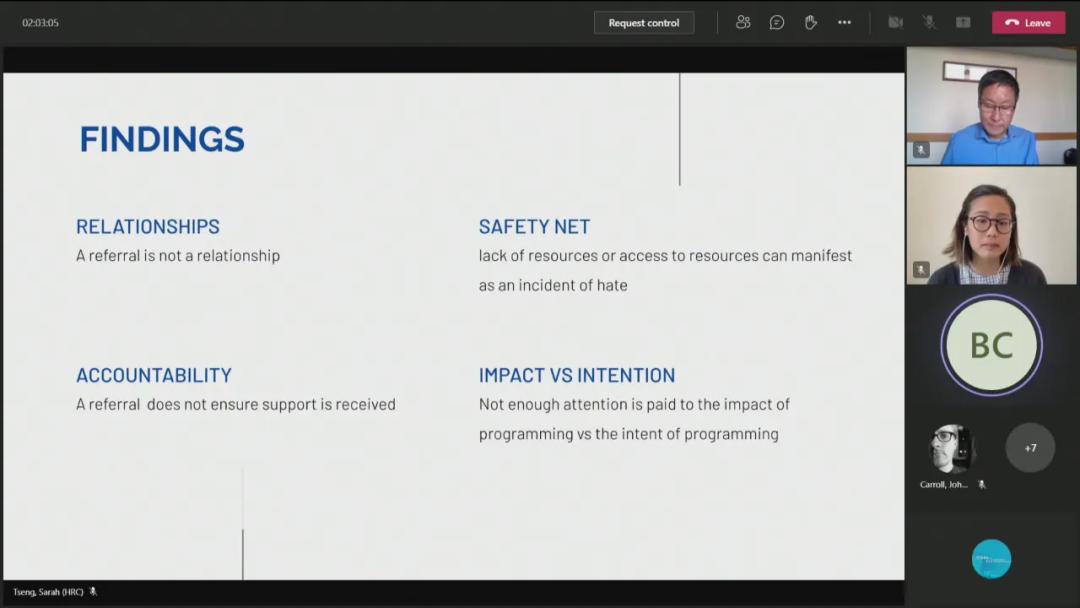
The Public Safety and Neighborhood Services Committee met on Thursday, September 23, 2021, at 6:15 PM (remote). Chair Gordon Maher presided, joined by Vice Chair Catherine Stefani and Member Matt Haney. The committee addressed four items: a liquor license transfer, HIPAA designations, amendments to cannabis regulations, and a hearing on violence targeting Asian-American seniors. All items were passed or continued with positive recommendations to the full Board of Supervisors. Consent Calendar - All routine items were handled individually with votes; no consent calendar was used. Public Comments & Testimony - Item 1 (Liquor License): One caller, Armando Herman, opposed the transfer, stating it did not serve the public convenience or necessity of a neighborhood 'filled with apron tranny' (transcript unclear). - Item 2 (HIPAA): One caller, whose name was unclear, spoke against the legislation, referencing 'universal health care' and 'burning banners high shack' (aweful). - Item 3 (Cannabis): Multiple callers expressed support: - One equity business owner thanked the committee, calling equity preservation 'the most important piece of legislation' and supporting the ability to sell permits. - Lance Williams (equity applicant) supported the 5-year sale timeline and closing loopholes for predatory practices. - Damian Poe (equity applicant) supported the ability to liquidate ownership as he sees fit, emphasizing that businesses should be sellable to parent companies. - Connor Johnston (partner in first social equity adult-use store) supported the 5-year reduction but asked for a further amendment to allow sale immediately after permit issuance, citing falling business values. - Mitchell Salazar (equity applicant with stage four lung cancer) strongly supported the ordinance and thanked Director Rodriguez for support. - Angela White (Success Centers) supported the ordinance, saying it 'echoes the voice of equity.' - One caller (Paul) made discriminatory remarks and was cut off; the committee reminded the caller of policies. - One caller (Francisco DeCosta, Director of Environmental Justice Advocacy) supported the ordinance but requested written education materials in multiple languages. - Nina Parks (Cannabis Oversight Committee equity seat) supported shared manufacturing spaces but raised concerns about 100% ownership requirement leaving no room for partners, and urged stronger equity shelf space preservation. - Johnny Delaplane (San Francisco Cannabis Retailers Alliance) supported the ordinance, agreeing with Connor Johnston on the 50% permit limit and supporting a reduction beyond five years. - Perry Jones (CEO, verified equity applicant) supported the ordinance and emphasized generational wealth and crime prevention. - Rudy Corpus (violence prevention leader) expressed full support. - Item 4 (AAPI Violence): - One caller (unintelligible) made negative remarks and was cut off. - Francisco DeCosta criticized the hearing as not having the right people present, claiming he had personally stopped over 150 people attacking Asians during the pandemic, and called for a needs assessment and for the police chief to answer questions about the 272 recommendations. Discussion Items 1. Liquor License Transfer - 907 Post Street (Presidio Cocktail Corp) - Officer Salmondson (SFPD ABC liaison) reported three letters of protest, no letters of support, and location in a high crime and high saturation area (census tract 12201). Central Station had no opposition. ALU approved with two conditions: monitoring premises to prevent loitering and no noise audible at nearby residences. The applicant, John Gasparini, agreed to conditions and cited his 20+ year track record with no violations. - The committee voted to send a resolution of public convenience/necessity to the full board with positive recommendation. 2. HIPAA Designation - Health Care Components - Bill Barnes (City Administrator's Office) presented a resolution to designate six departments as HIPAA health care components (DPH, Fire, Health Service System, City Attorney, Treasurer/Tax Collector, and Department of Technology). He noted the report was dated 2020, but should be 2021. This is the first such designation under Chapter 22H. The ordinance sets a process for periodic review (approx. every 3 years). - The committee voted to send the resolution to the full board with positive recommendation. 3. Cannabis Regulation Amendments - Director Marissa Rodriguez (Office of Cannabis) presented an ordinance with three main sections: prioritizing equity applicants, equity preservation, and administrative revisions. - Prioritizing Equity: First priority for equity applicants that are sole proprietors or 100% owned by equity applicants; second priority for temporary permit holders that commit to shared manufacturing with equity applicants. Allow equity incubation during build-out stage. - Equity Preservation: If equity ownership drops below 20%, businesses must contribute 1% gross revenue to community organizations, purchase equity products, make workforce commitments, or incubate equity businesses. - Administrative Revisions: Shorten the 10-year restriction on selling more than 50% ownership to 5 years; exempt transfers due to owner's death; add a 45-day deadline for document requests; clarify withdrawal vs. abandonment. - Deputy City Attorney Ann Pearson proposed an amendment to remove a finding regarding planning commission conformity with Prop M (1986); the committee adopted the amendment. - The committee voted to send the ordinance as amended to the full board with positive recommendation. 4. Hearing on Crime and Violence Targeting Asian-American Seniors - Brittany Chikwata (Chief of Staff, HRC) and Sarah Sang (Policy Director, Office of Racial Equity) presented findings from a landscape analysis. They noted that hate crimes due to racial bias have quadrupled since 2015, with Stop AAPI Hate receiving over 350 reports in 2020, including 71 physical assaults. They identified gaps in services, lack of standardized reporting, language access issues, and a disconnect between intent and impact. They proposed six recommendations: standardized reporting, language access, citywide response protocol (like SHARP), civil rights enforcement, community partnerships (e.g., resilience navigators), and investment in cross-cultural activities. - Supervisors Stefani and Haney requested to be added as co-sponsors and asked for a follow-up hearing to hear from other departments (e.g., police, DA) and get updates on budget investments. - The committee voted to continue the hearing to the call of the chair. Key Outcomes - Item 1: Motion to send resolution to full board with positive recommendation passed unanimously (3-0). - Item 2: Motion to send resolution to full board with positive recommendation passed unanimously (3-0). - Item 3: Motion to amend the ordinance (remove planning commission finding) passed unanimously (3-0); motion to send amended ordinance to full board with positive recommendation passed unanimously (3-0). - Item 4: Motion to continue the hearing to the call of the chair passed unanimously (3-0), with Supervisors Stefani and Haney added as co-sponsors.
The Government Audit and Oversight Committee of the San Francisco Board of Supervisors met on September 17, 2021, at 10:15 AM. The committee, chaired by Supervisor Dean Preston with Vice Chair Connie Chan and member Raphael Mandelman, convened to consider 11 closed-session litigation items, including eight lawsuit settlements and three unlitigated claims. After public comment, the committee voted unanimously to enter closed session and later voted not to disclose the closed session discussions. Public Comments & Testimony - David Pilpel spoke on item 9 (settlement of an unlitigated claim with the San Francisco Bay Regional Water Quality Control Board). He expressed concern that the substance of the proposed settlement had not been discussed publicly, noting that a closed session item at the Public Utilities Commission in July had no public disclosure. He requested the City Attorney provide a brief overview, as had occurred for previous settlements (e.g., Recology), and called for a better process. He also noted that the closed captions on the screen were from a different meeting. Key Outcomes - The committee voted unanimously to convene in closed session to discuss all 11 litigation items. The roll call was: Supervisor Chan – aye, Supervisor Mandelman – aye, Chair Preston – aye. - After returning to open session, the committee voted (without objection) not to disclose the closed session deliberations. - The committee received a memo from the chair requesting that agenda item 9 be agendized for the Board of Supervisors’ regular meeting on September 21, 2021, as a committee report.
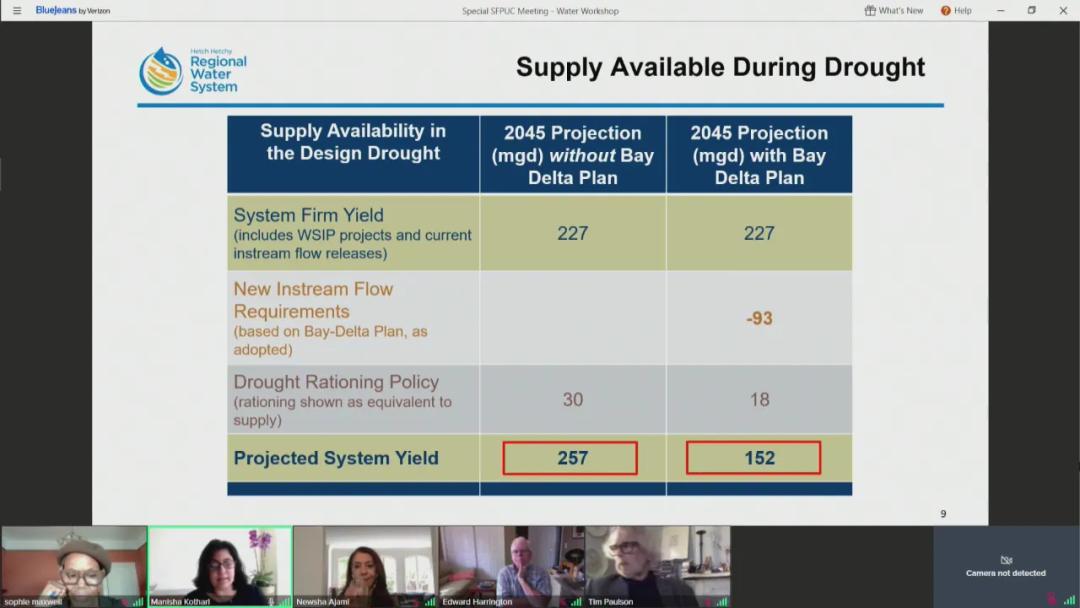
This special meeting of the San Francisco Public Utilities Commission (SFPUC) was a workshop focused on alternative water supply planning. Presentations covered the SFPUC's Alternative Water Supply Program, a case study from the San Diego County Water Authority, San Diego's Pure Water project, and recommendations from non-governmental organizations (NGOs). Commissioners discussed the need to balance obligations, projected demands, and environmental flows, and emphasized the urgency of advancing projects despite uncertainties. Public Comments & Testimony - Francisco DeCosta urged the commission to read the Raker Act and conduct a needs assessment for leaking pipes, citing millions of gallons lost. He opposed making San Jose and Santa Clara permanent customers without addressing leakage. - Martin Galvas emphasized the importance of first determining the river's carrying capacity, noting the Bay Delta plan already provides a number. - John Rose of Pepe over Oakland encouraged the commission to consider the health of the river as part of its obligations, urged withdrawal from the lawsuit against the Delta plan, and highlighted the fate of salmon. - Regina Chicazola (Safe California Salmon) thanked the commission for the workshop and urged diversification of water supply, noting the disappointment in the recent lawsuit against curtailments. She emphasized the importance of protecting salmon and the fishing community's heritage. - Tom Francis (BAWSCA Water Resources Manager) spoke on behalf of BAWSCA, supporting the alternative water supply program but urging additional staffing and an executive-level manager to ensure prompt results. He also noted BAWSCA's appreciation for the increased communication. Discussion Items SFPUC Alternative Water Supply Program (Manisha Katari) - Manisha Katari, program manager, presented the program's objectives, needs, and planning priorities through 2045. - Demand projections: Retail demands of 82.3 MGD in 2045, with retail allocation of 81 MGD. After conservation (0.4 MGD), on-site recycling (1.3 MGD), and local supplies (6.9 MGD), the retail need from the regional system is 73.7 MGD. Wholesale demands are projected at 153.7 MGD, with a supply assurance of 184 MGD. San Jose and Santa Clara's potential permanent demand of 9 MGD is included for planning, pending a 2028 commission decision. - Supply scenarios: System firm yield with WSIP is 227 MGD. Without the Bay Delta plan, a 93 MGD shortfall is projected; with the Bay Delta plan, 122 MGD shortfall. Drought rationing (20%) adds 30 MGD (without) or 18 MGD (with). - Planning priorities: Offset in-stream flow needs, meet existing obligations, then projected demands. Two policy decisions: interruptible customers (San Jose/Santa Clara) by 2028, and increased demands. - Projects: 35 MGD identified from projects like Los Vaqueros, Crystal Springs, ACWD, Calaveras, etc. Another 49 MGD needed to meet projected demands. The program is studying upcountry groundwater banking, San Francisco purified water, and other options. - Alternative Water Supply Plan: To be completed by July 1, 2023, will include project sequencing, modeling, cost analysis, and guiding principles. San Diego County Water Authority Diversification (Kelly Gage) - Kelly Gage, director of water resources, presented the San Diego region's 30-year diversification journey since the 1991 drought. - Current portfolio: 66% Colorado River, 10% State Water Project, 24% local supplies (including desalination, recycled water). Per capita water use reduced 50% over 30 years; indoor use is 48 GPCD, overall 120 GPCD. - Key projects: Imperial Irrigation District water transfer, Carlsbad Desalination Plant (8% of supply), and increasing potable reuse. The region now has sufficient supplies through 2045. - Future: Over 100,000 acre-feet of new potable reuse by 2035, plus partnerships for Lake Mead storage and regional conveyance. San Diego Pure Water Project (John Stufflebean) - John Stufflebean, assistant director, described the city's Pure Water program, which will provide half of San Diego's potable water supply by 2035. - Phase 1: 30 MGD under construction, $1.5 billion, completion by 2025. Phase 2: 53 MGD, completion by 2035. - The project treats wastewater to advanced purified water using reverse osmosis and other processes, then discharges into a reservoir for natural treatment before drinking water plant. - The program is funded one-third by sewer customers and two-thirds by water customers, and is cheaper than building secondary treatment and buying imported water. NGO Recommendations (Peter Drekmeier and Chris Shultz) - Peter Drekmeier (NGO representative) argued that determining the Tuolumne River's carrying capacity is the first step. The Bay Delta plan's 40% unimpaired flow is a compromise; the voluntary agreement proposes 25%. - He presented a water supply calculator showing a 25 MGD deficit under a scenario with current demand and Bay Delta plan flows, versus the SFPUC's 35 MGD figure. - He criticized the slow pace of recycled water in San Francisco (0.1 MGD), noting that Valley Water is moving forward with 9 MGD from Palo Alto, a missed opportunity for SFPUC. - Chris Shultz emphasized the need to act now on opportunities like Los Vaqueros expansion, groundwater banking, and regional cooperation. He recommended financing evaluation of groundwater recharge in MID and TID service areas, and executing contracts for drought reserve storage. - They urged the commission to include alternative supplies in the 2025 Urban Water Management Plan and to increase staffing for the program. Key Outcomes - Commissioner Moran stressed the need to resolve the unknown river obligation (carrying capacity) and to start projects despite imperfect information, noting that opportunities can pass by. - Commissioner Ajami requested a broader analysis of demand uncertainty, including scenarios with significant per capita reductions (e.g., 10 GPCD less) and their impact on project needs. She also suggested diversifying the program team with finance, demand, and wastewater expertise. - Commissioner Paulson asked about the status of Los Vaqueros expansion; Steve Ritchie confirmed the JPA is formed and substantive agreements are expected within 1-1.5 years. - Steve Ritchie noted that the SFPUC's water supply task force includes diverse expertise and that the next workshop in late October will focus on the long-term vulnerability assessment and climate change. - The commission heard public comment and will continue discussions at future meetings. No formal votes were taken; the workshop was informational.